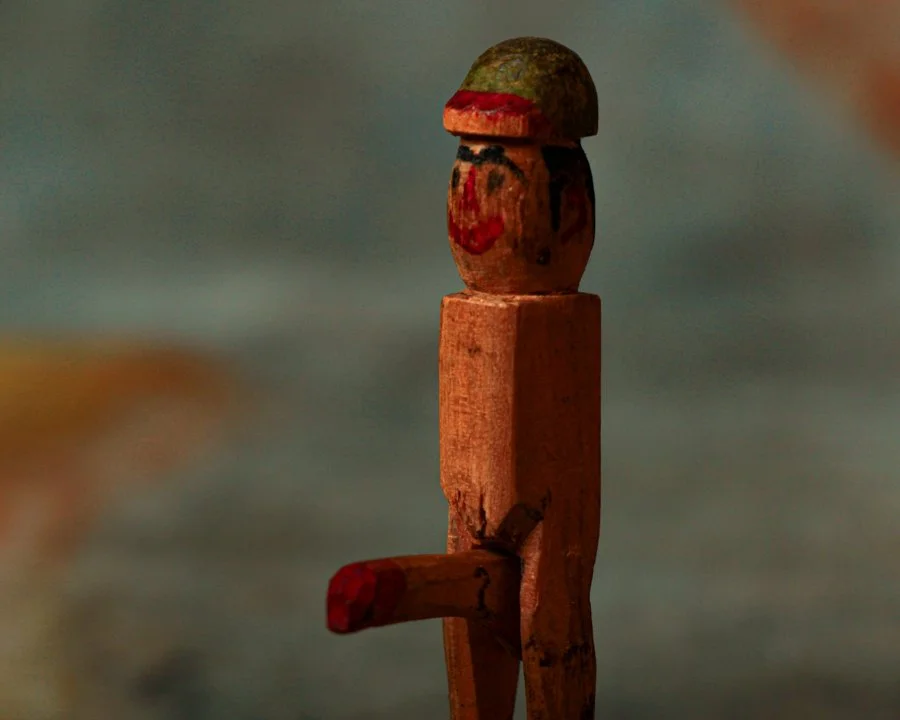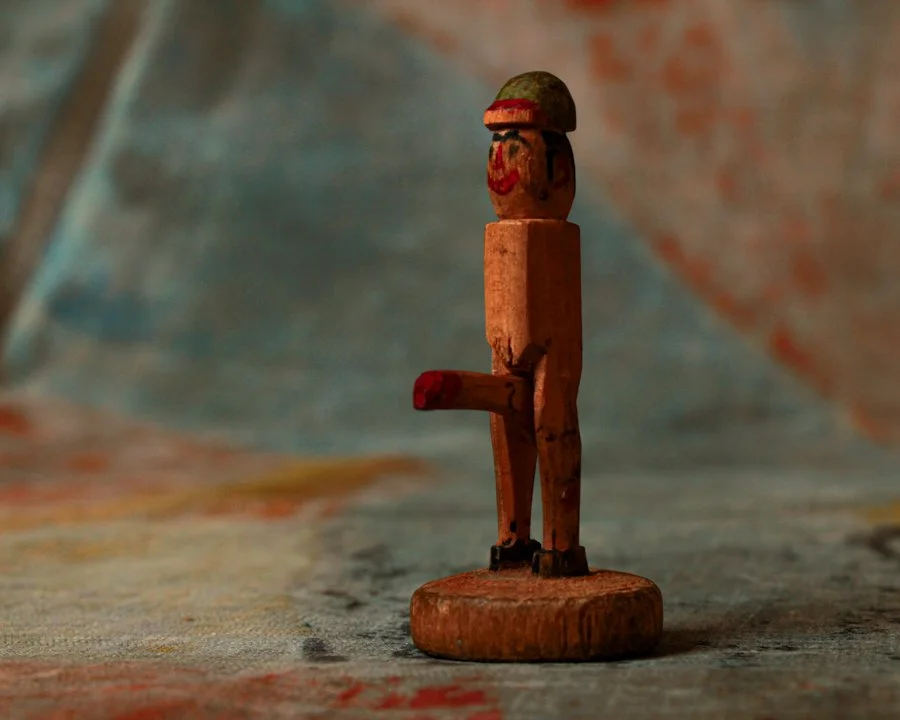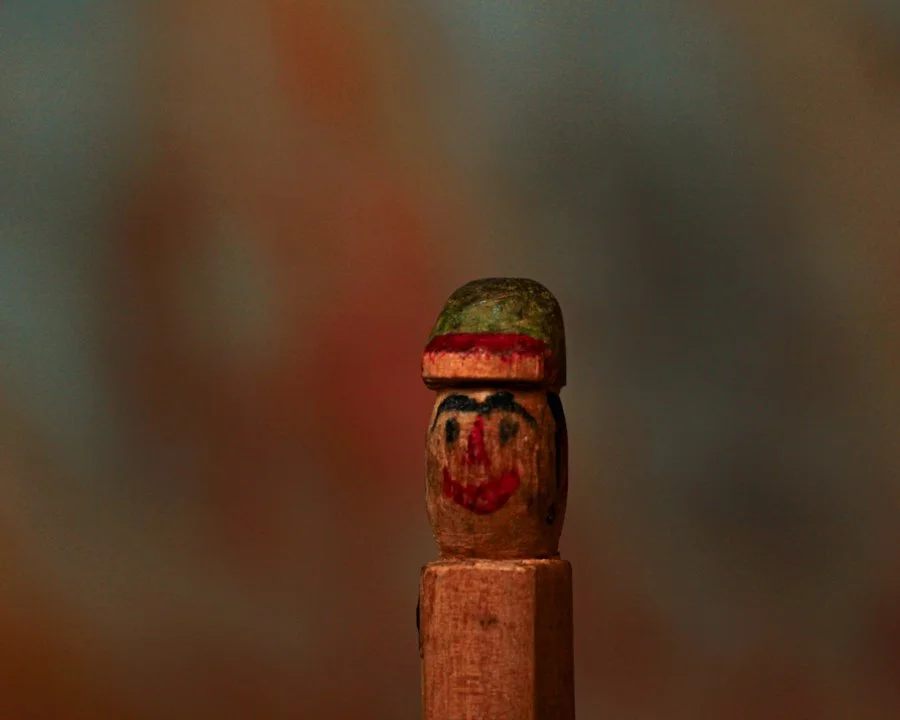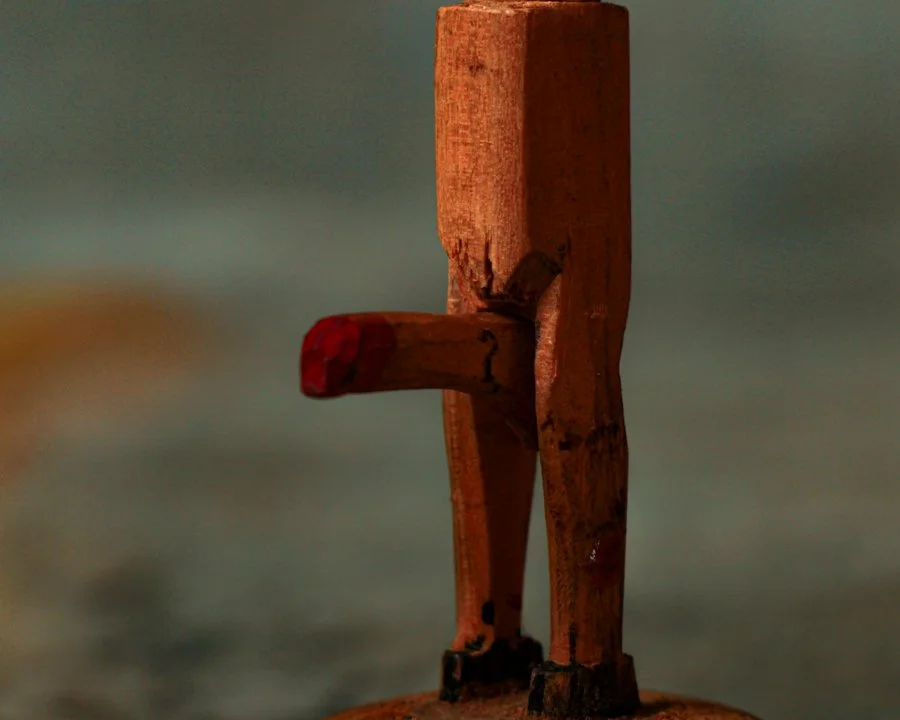
Meet Bubbles.
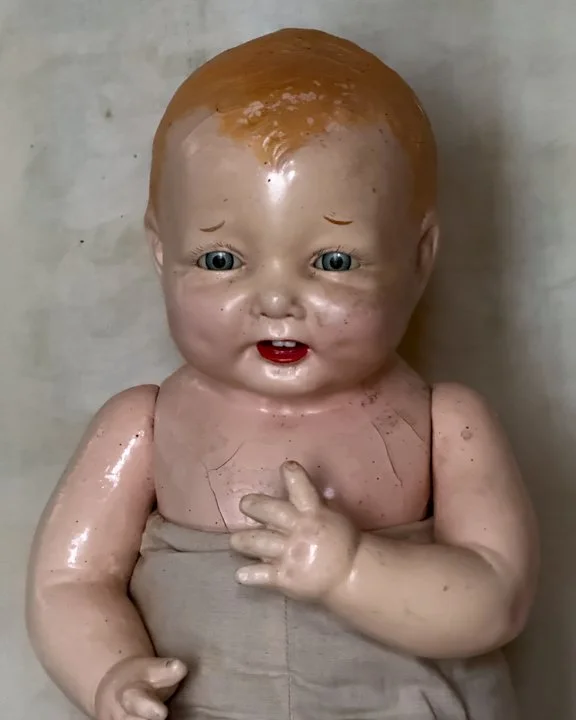
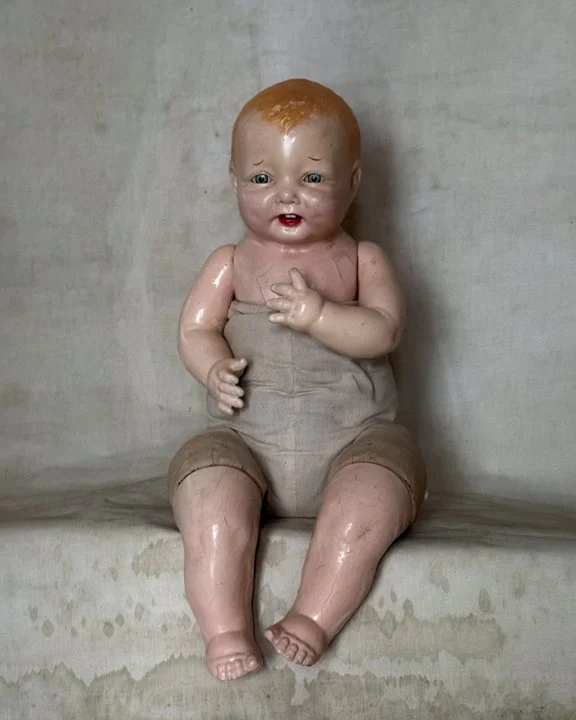
This is an antique Effanbee “Bubbles” composition baby doll, first introduced in 1924, and it’s one of those pieces that instantly explains why early character dolls were such a hit. Chubby, expressive, and full of charm, Bubbles was designed to feel more like a real baby than the stiff porcelain dolls that came before it, and nearly a century later, that intention still comes through loud and clear.
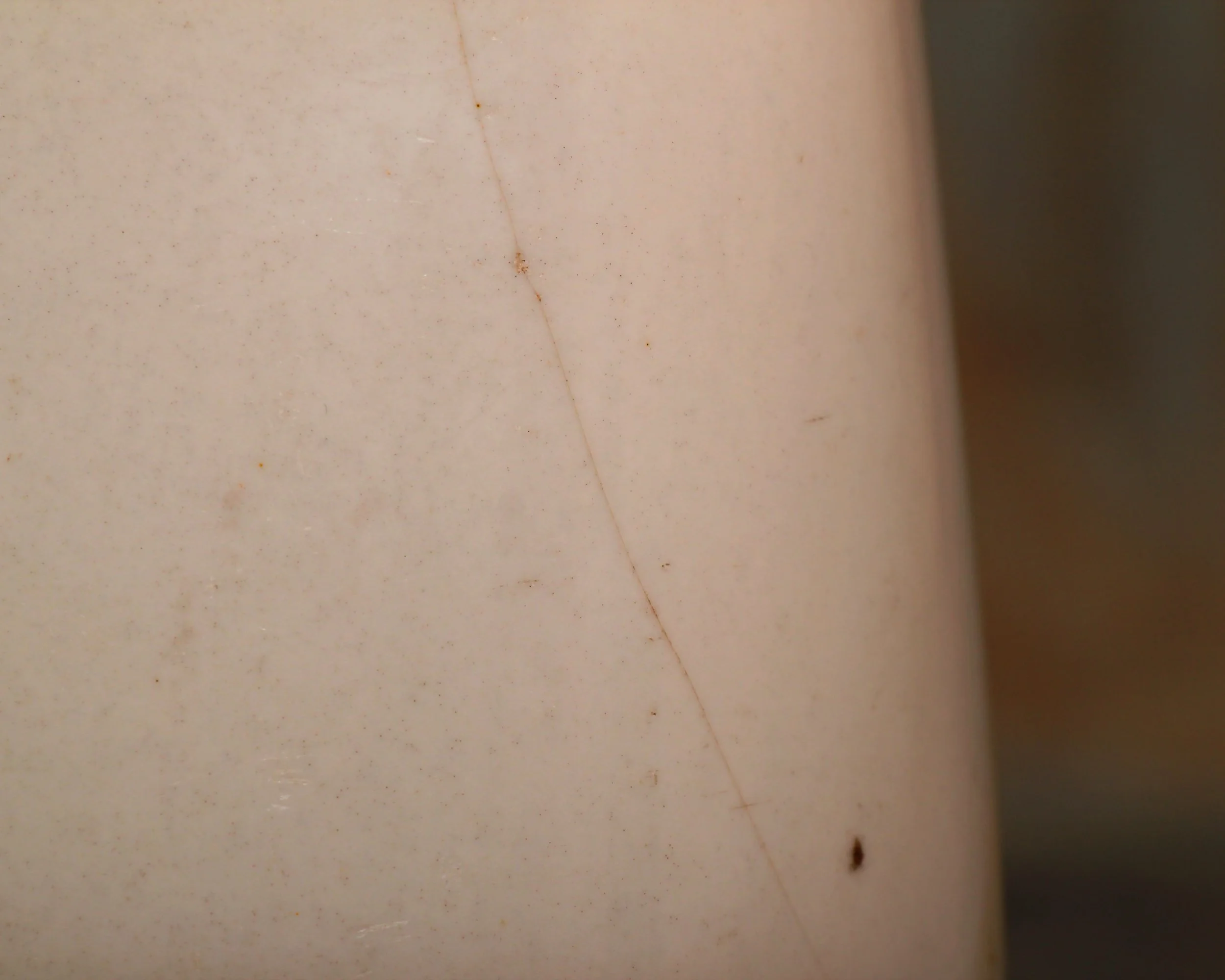
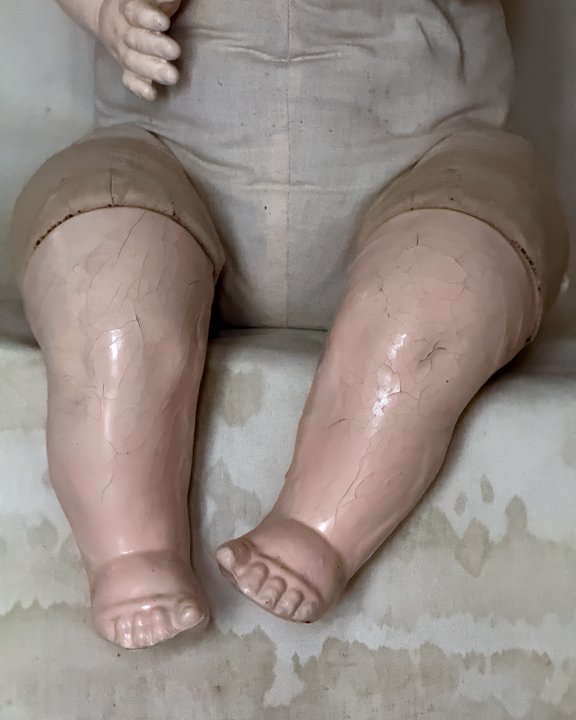
The head, arms, and legs are made from composition, that early 20th-century mix of sawdust and glue that allowed doll makers to sculpt softer, rounder features without the fragility of bisque. The result is a wonderfully plump form, complete with thick thighs, rounded cheeks, and tiny molded toes. The surface shows honest age in the form of fine crazing and wear, the kind that only comes from years of handling and play.
Bubbles’ face is where the personality really lives. Sleep eyes that open and close, a slightly open mouth, and painted molded hair give it a sweet, mildly curious expression that feels frozen mid-thought. The cloth torso is original to the design, stitched and softly stuffed.
Category History
Old dolls tend to outgrow their original purpose. Made from wood, cloth, composition, or early plastics, they were built to be handled—dressed, carried, occasionally forgotten, then found again. Styles shifted with the times, from simple handmade figures to more detailed factory-made examples with painted features and jointed limbs.
What makes them interesting now isn’t perfection, it’s what’s changed. Worn paint, loose stitching, repairs—each mark hints at how they were used and who they belonged to. Some feel sweet, others a little uncanny, depending on how time has treated them.
They sit somewhere between toy and portrait. Not quite lifelike, but close enough to hold a presence. Less about play now, more about memory and the quiet weight of time.
Meet Bubbles.
This is an antique Effanbee “Bubbles” composition baby doll, first introduced in 1924, and it’s one of those pieces that instantly explains why early character dolls were such a hit. Chubby, expressive, and full of charm, Bubbles was designed to feel more like a real baby than the stiff porcelain dolls that came before it, and nearly a century later, that intention still comes through loud and clear.
The head, arms, and legs are made from composition, that early 20th-century mix of sawdust and glue that allowed doll makers to sculpt softer, rounder features without the fragility of bisque. The result is a wonderfully plump form, complete with thick thighs, rounded cheeks, and tiny molded toes. The surface shows honest age in the form of fine crazing and wear, the kind that only comes from years of handling and play.
Bubbles’ face is where the personality really lives. Sleep eyes that open and close, a slightly open mouth, and painted molded hair give it a sweet, mildly curious expression that feels frozen mid-thought. The cloth torso is original to the design, stitched and softly stuffed.
Category History
Old dolls tend to outgrow their original purpose. Made from wood, cloth, composition, or early plastics, they were built to be handled—dressed, carried, occasionally forgotten, then found again. Styles shifted with the times, from simple handmade figures to more detailed factory-made examples with painted features and jointed limbs.
What makes them interesting now isn’t perfection, it’s what’s changed. Worn paint, loose stitching, repairs—each mark hints at how they were used and who they belonged to. Some feel sweet, others a little uncanny, depending on how time has treated them.
They sit somewhere between toy and portrait. Not quite lifelike, but close enough to hold a presence. Less about play now, more about memory and the quiet weight of time.