
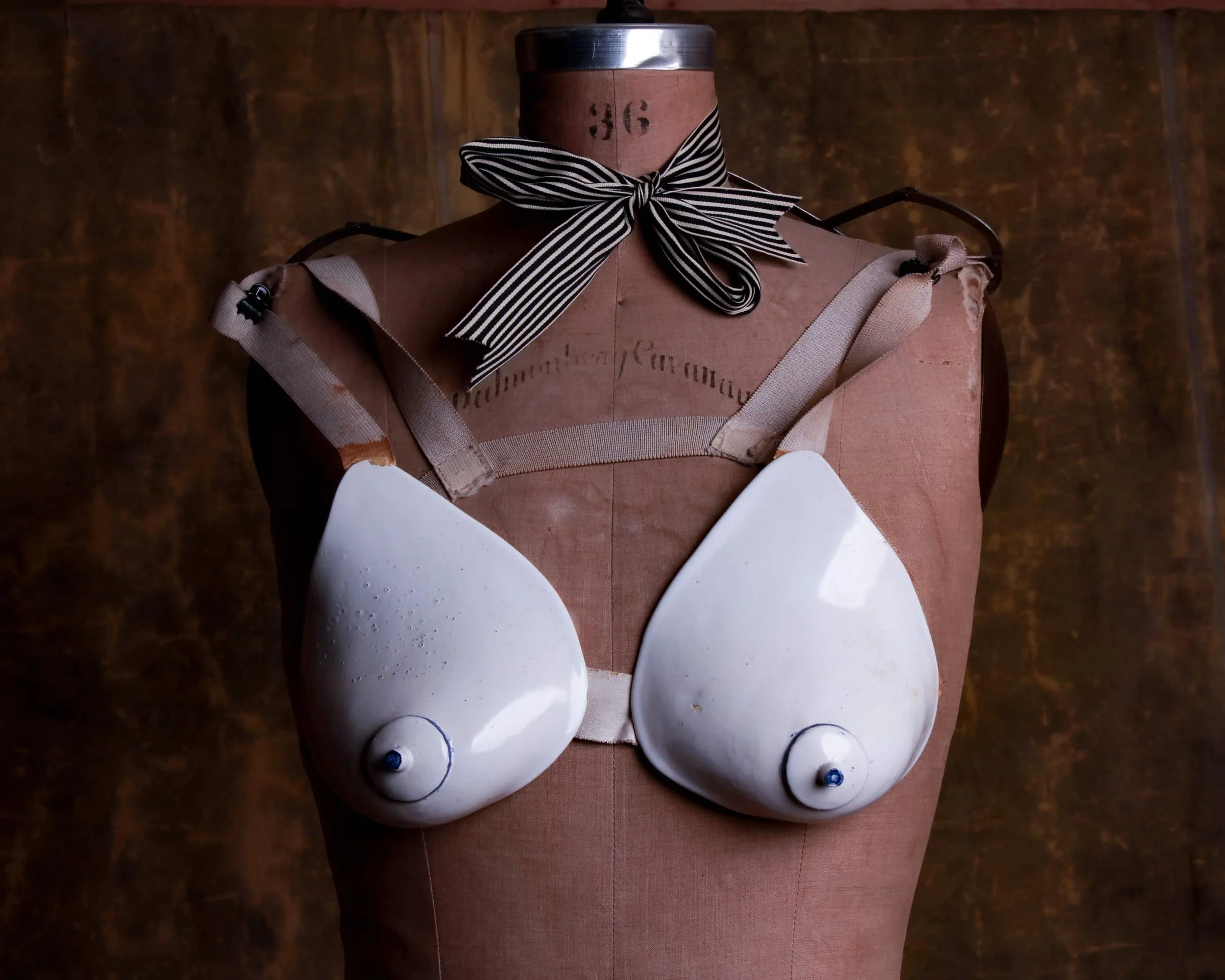
One of a kind antiques.
Old objects of desire.
Objects made with intention.
Found with patience.
We seek out one of a kind antiques. Truly unique antiques pulled from estate sales, flea markets, and forgotten places. The type of old objects from the past that still have something to say.
Our Philosophy
Slowly picked.
Instantly loved.
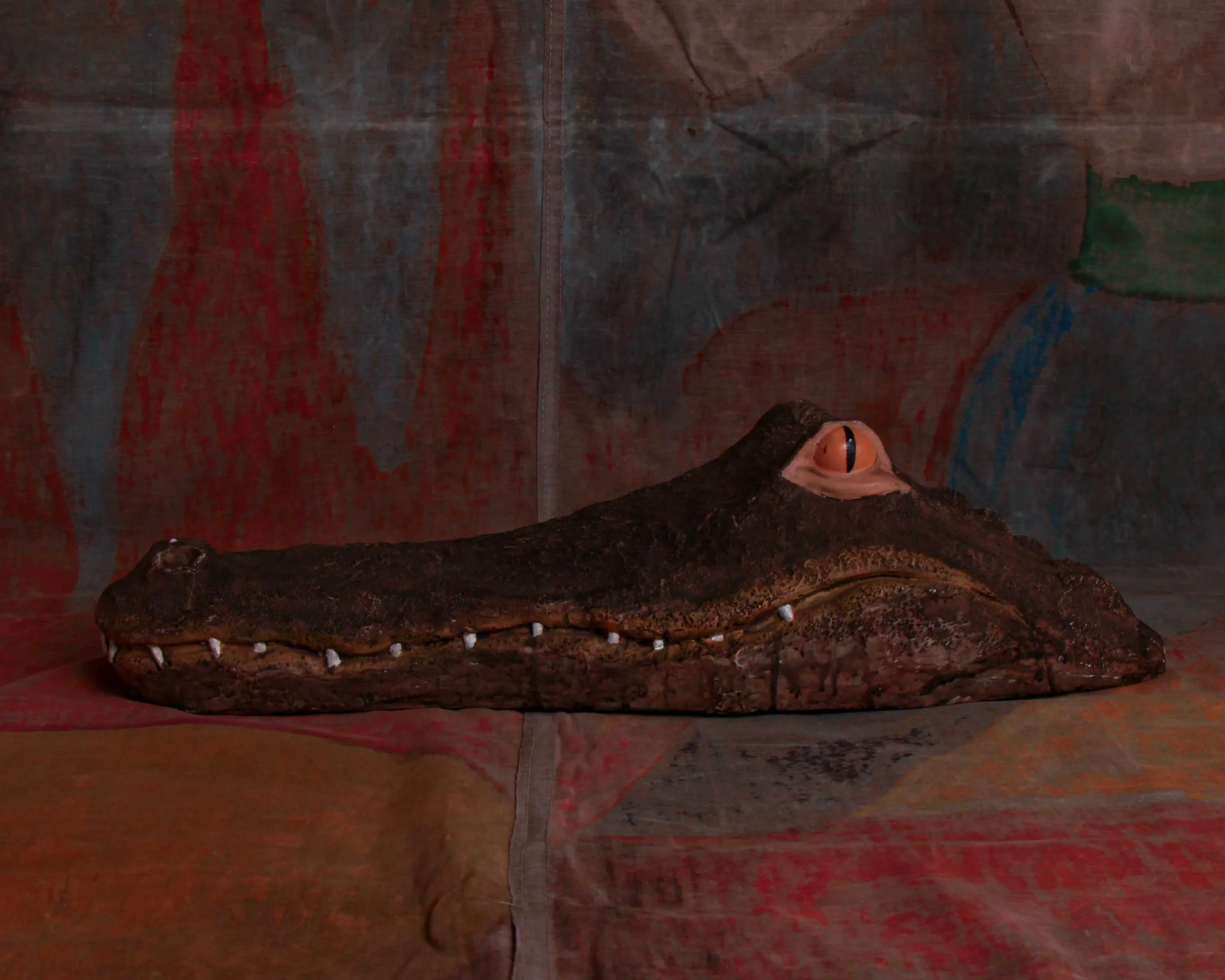
Heimwee Antiques is a curated shop for those drawn to unique items with stories baked into their surfaces. We don't stock multiples. Everything here is a genuine one of a kind antique.
From eerie antique oddities to beautiful old objects, we edit ruthlessly so you don't have to wade through noise. If it's here, we loved it enough to carry it ourselves.
Featured Products

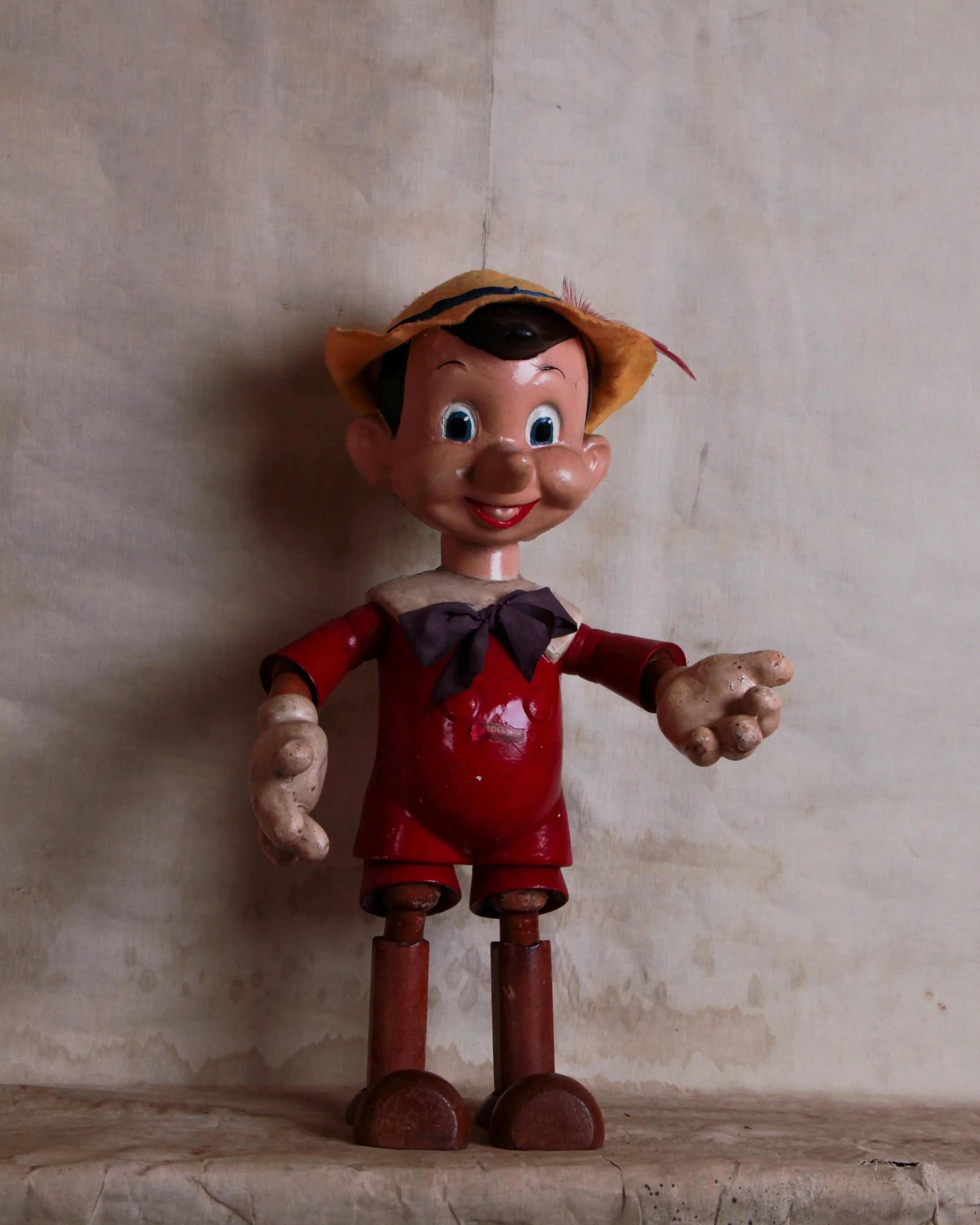
Straight out of an amusement park, this double-sided cast aluminum clown trash can topper is a relic of classic carnival fun. Manufactured by GameTime in Litchfield, Michigan, this grinning clown once sat atop a waste bin, cheerfully swallowing up discarded popcorn boxes and candy wrappers. The design is wonderfully bold—big red lips, a bulbous nose, cartoonish yellow hair, and a black bowler hat that gives it a playful yet slightly eerie charm. The eyes are painted as simple X's, adding to the whimsical, almost mischievous character.
Category History
Old school circuses and fairs were built to arrive fast, dazzle hard, and move on before the dust settled. From the late 19th into the mid-20th century, they rolled into towns by rail or caravan, bringing with them a temporary world—tents rising overnight, banners snapping in the wind, music carrying across open fields.
At the center was variety. Big-top acts, sideshows, games of chance, rides powered by muscle or early mechanics. Strongmen, acrobats, animal acts, illusionists—each part of a carefully paced experience designed to keep you moving from one attraction to the next. Fairs added a local layer—livestock competitions, food stands, and exhibitions that blended entertainment with community.
What made it work was scale and immediacy. Everything was larger, louder, more colorful than everyday life. Hand-painted signs promised wonders, and sometimes delivered them, sometimes didn’t—but that uncertainty was part of the pull.
Behind the scenes, it was all logistics. Crews, timing, transport, setup, teardown. A system built for motion.
What’s compelling now is how tactile it all feels in hindsight. Canvas, wood, metal, paint—nothing virtual, nothing distant. It was a shared, physical experience that existed briefly, then disappeared, leaving just enough memory to keep people waiting for its return.

This French school portrait, circa 1870, is executed in pastels on paper, laid to card, and set in a handsome oval frame, but what makes it memorable is not the sitter’s identity. It is the fact that someone later tried to erase her.
The woman is shown in the sober, formal manner typical of the period, dressed in black with her hair arranged high at the back of her head. The palette is restrained and the composition conventional, which makes the intervention across her face feel even more jarring. A broad patch of white paint has been brushed directly over her features, with another smaller area at the bottom of the composition. The surface elsewhere shows age, abrasion, and scattered losses, all of which add to the painting’s strange, layered presence.
Portraiture in 19th-century France was deeply tied to family, status, memory, and respectability. Even modest households commissioned likenesses to mark marriages, inheritances, anniversaries, or simply to preserve a face for future generations. Once painted, these portraits often remained in families for decades, passing through houses, marriages, arguments, deaths, and changing fortunes.
That is what makes deliberate damage so intriguing. Defacing a portrait was rarely neutral. It could be an act of anger, rejection, censorship, embarrassment, grief, or even dark humor. Was the face covered by the painter after a disagreement? By the sitter herself? By a spouse, child, jealous lover, or later owner who wanted the person gone but could not quite bring themselves to throw the portrait away?
There is no way to know, and that uncertainty is really the appeal. The painting began as a straightforward record of one person’s appearance. The later act of obliteration turned it into something else entirely: a portrait not only of a woman, but of a relationship that clearly went wrong somewhere along the way.
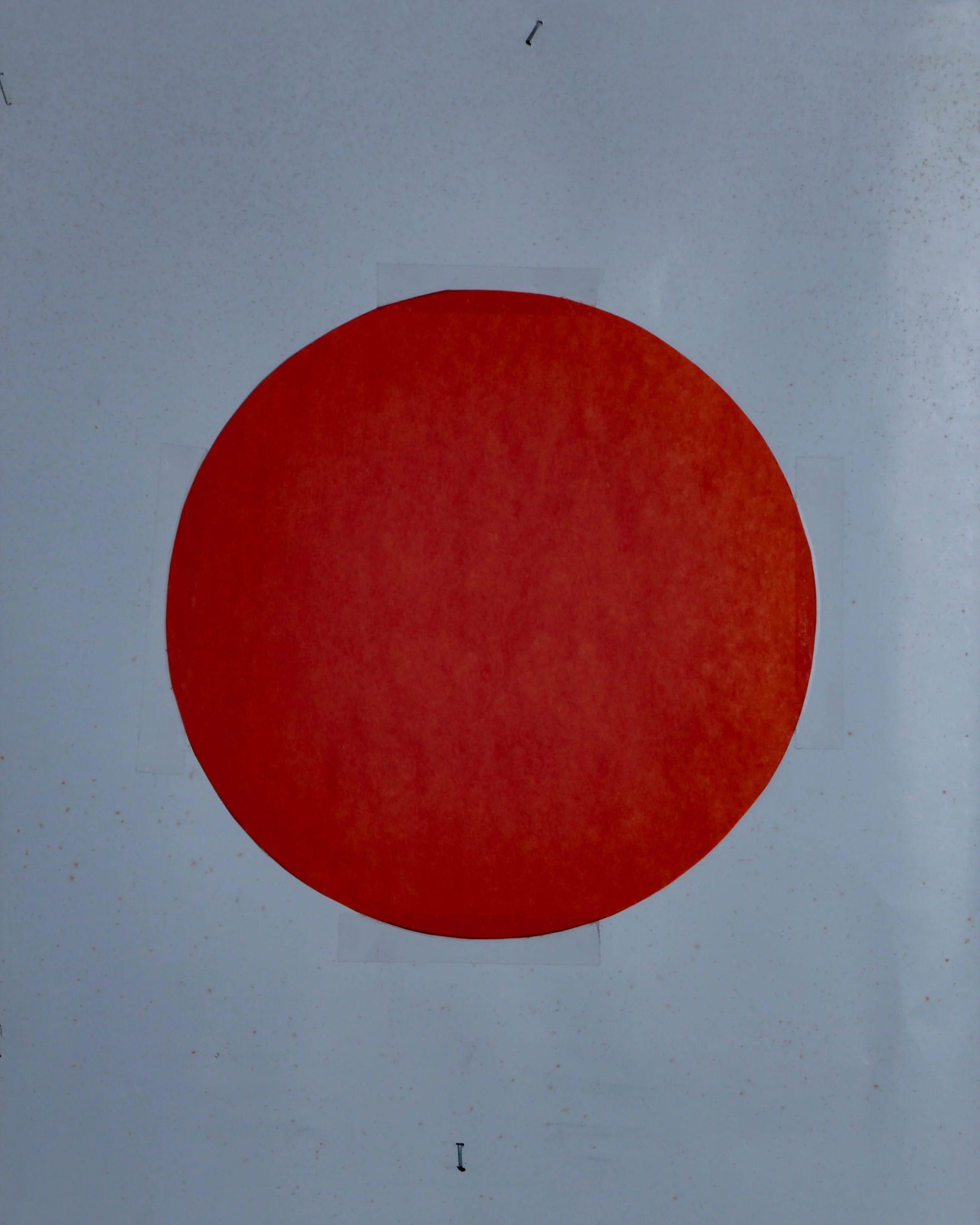
This homemade shooting target stencil, likely dating to the 1950s, is a perfect example of that kind of honest utility. What makes this piece especially appealing today is its graphic simplicity. The red circle against the white field has a striking, almost modernist quality. No extra graphics, no decoration, just the unmistakable symbol of a target that can be seen from a distance.
The stencil itself appears to be cut from thin metal and mounted to a simple wooden frame. The construction is straightforward and practical, the kind of thing someone put together in a garage or workshop with the tools they had on hand. Small nails hold the sheet in place, and the wood backing gives the whole piece rigidity so it could be reused again and again.
The surface shows scattered age spots, slightly uneven edges, light wear, and small imperfections that only add to its character.
Probably used at a small shooting range, hunting club, or even by an individual who wanted to make their own targets rather than buying them.
Category History
Shooting target signs have always walked a line between utility and graphic design. Originally made for ranges, fairs, and training grounds, they were designed to do one thing well—give you something clear to aim at. Bold concentric circles, stark silhouettes, or human-shaped outlines all served the same purpose: instant readability from a distance.
Materials varied—paper for temporary use, tin or steel for repeated shooting—but the visual language stayed consistent. High contrast, simple forms, no ambiguity. Some even doubled as advertising pieces, incorporating brand names or slogans into the design without distracting from function.
What makes them interesting now is how they change with use. Bullet holes, dents, and wear become part of the composition, turning a clean graphic into something layered and unpredictable.
They start as precise tools, but over time, they pick up a kind of accidental abstraction—marks of aim, misses, and repetition, all recorded right on the surface.

This antique Acorn Brand display rack has a great industrial look and an unusually sculptural shape that makes it interesting even before you figure out what it was originally meant to hold. Made primarily from bent metal rod, the frame rises from a weighted circular base and forms a broad, almost bell-shaped outline, with a series of small metal clips or hooks spaced around the perimeter.
At the center is the best detail: a cast metal emblem in the shape of an acorn, boldly marked “ACORN BRAND” in raised lettering. The lower half of the emblem has a crosshatched pattern that gives it a little extra texture and makes the branding feel surprisingly decorative for what was likely a practical store or commercial fixture.
The rack has a wonderfully spare construction. There is no unnecessary ornament beyond the logo, just the curved metal framework, functional fittings, and central support. The clips are attached individually along the frame and appear designed to suspend or display a number of small items at once. Exactly what Acorn Brand used this particular rack to merchandise would require a little more research, but it has all the hallmarks of an early retail display piece.
Age has given the metal a mellow, darkened surface with scattered oxidation, wear, and discoloration throughout. Nothing feels overly polished or restored, and that untouched character is a big part of its appeal. The wear is consistent with years of practical use.
Beyond its original purpose, it works beautifully today as an unusual wall or tabletop display for small objects, photographs, tags, jewelry, or other collections. There is something especially satisfying about an old commercial fixture surviving long after the products it once displayed have disappeared. Simple, graphic, and a little mysterious, it is the kind of utilitarian object that has become unexpectedly decorative with time.
The Collection
Seeking the hard to find.
-
Some antiques refuse to fit neatly into categories. Handmade pieces, folk art, unusual tools, and singular creations that were never mass-produced. One of a kind antiques remind us that before factories and standardization, many objects were made individually, often shaped by necessity, creativity, or sheer improvisation. The result is work that feels personal, sometimes imperfect, and endlessly fascinating.
These are the antiques that make us pause, smile, and ask the most gratifying question of all: what on earth is that?
-
Antiques that catch the eye for their unusual design, uncommon subject matter, or distinctive character. These are the pieces that make you stop for a moment and look twice. Sometimes it’s an unexpected form, a bold graphic, a strange detail, or just the unmistakable feeling that you haven’t seen one quite like it before.
Unique antiques are often the ones that give a collection its personality. They spark curiosity and start conversations.
-
Some antiques are beautiful. Others are simply… strange in the best possible way. These are the oddities, curiosities, and head-scratchers that don’t always follow the rules.
Oddities remind us that history wasn’t always tidy or predictable. Sometimes it was inventive, a little weird, and endlessly fascinating. And often, those are the pieces that collectors remember the most.
-
These are the ordinary items that quietly shaped daily life in the past. Tools, household goods, trade items, and small inventions that people once used without a second thought. Over time, these objects moved from being practical necessities to small windows into history.
Looking at these old objects today gives us a glimpse of how people lived, worked, and solved everyday problems. What once felt routine now tells a story about craftsmanship, ingenuity, and the rhythms of another time.
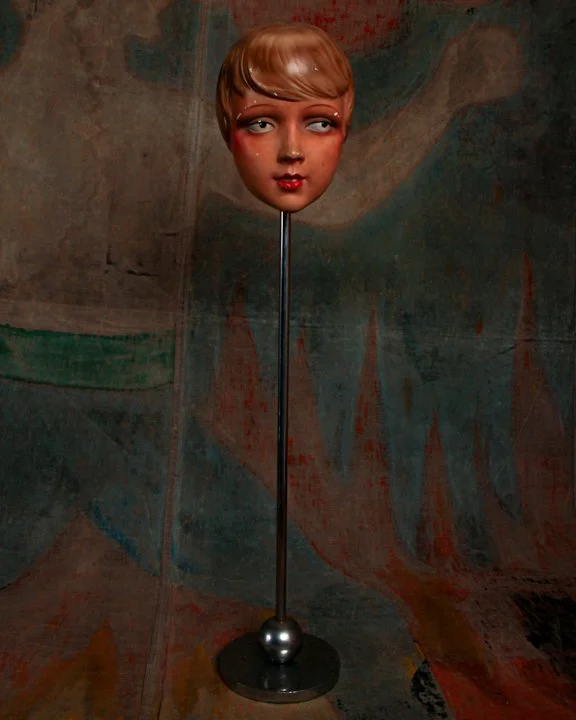
Here’s what our clients have to say.
“Fabulous! The mighty nut arrived last night! Love it!”

— Gretchen Sedaris“I received the package yesterday and I am so happy. It will be a perfect addition to my collection.”
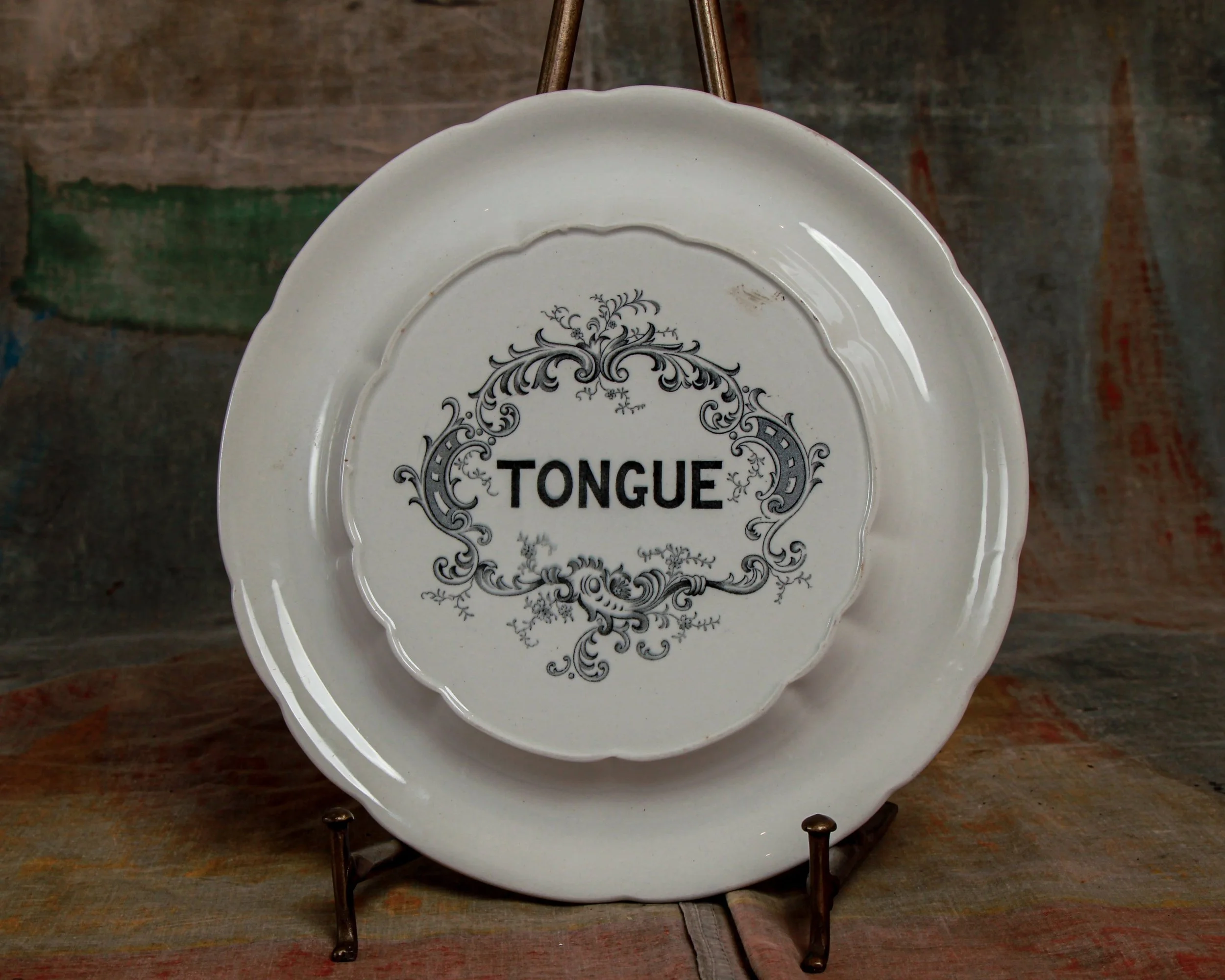
— Sandy Parks
“Thank you so much, I will treasure it. It has been a great pleasure dealing with you.”
— Ian Purnell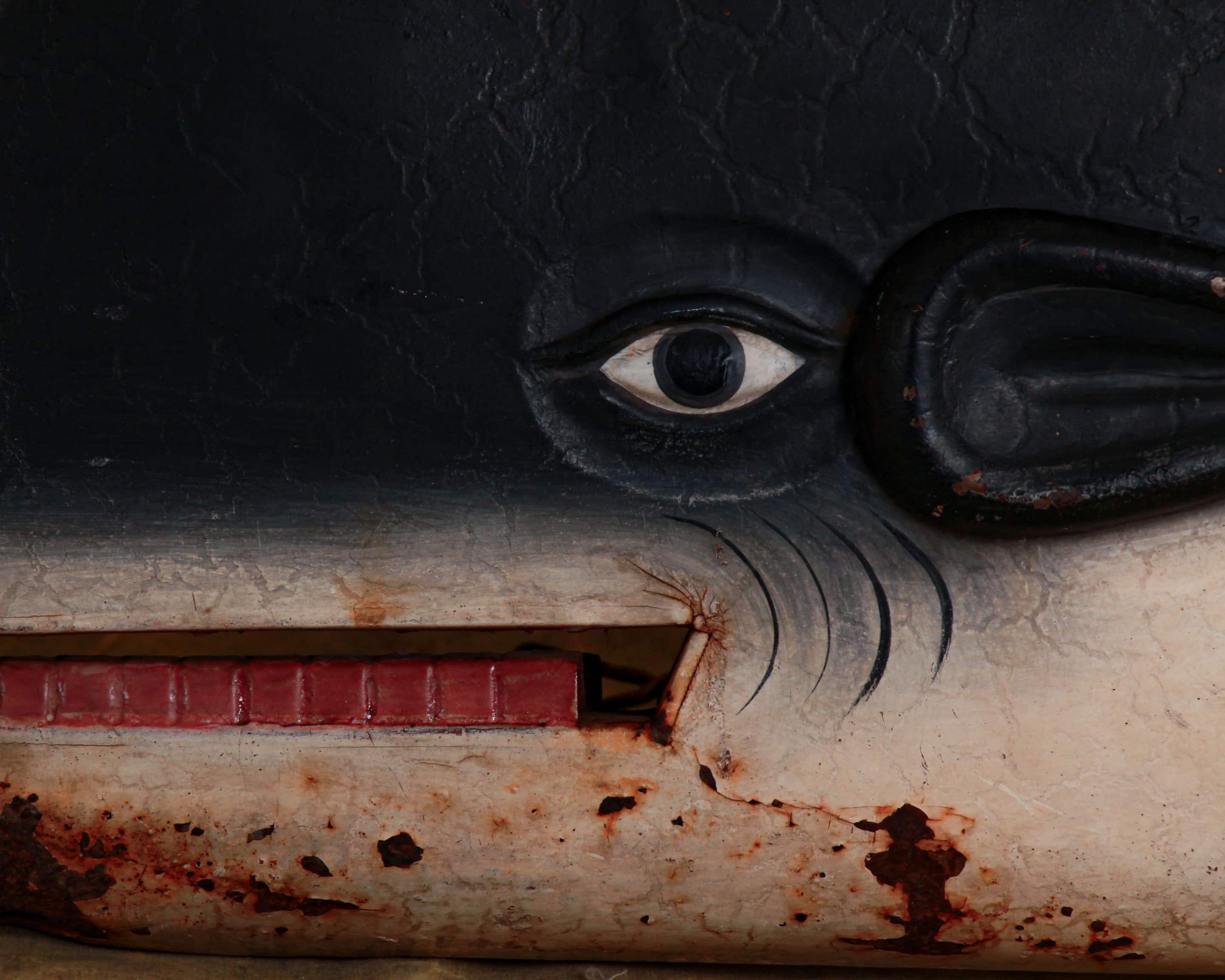
Meet The Picker
The things that quietly make a place yours.

Hello, I'm Humberto. My passion for antiques led me to an unwavering pursuit of objects that bring character into any room. Things that feel like they have always belonged there.
Those are the pieces I seek: Old objects of desire. Not because they carry grand importance, but because they have a way of summoning you.
And although you can’t always explain it, something in you lights up, and before you know it, you are completely taken by something you had no idea existed two seconds ago.
I'm based in San Francisco, running this online shop and sourcing for private clients.
You can find me exhibiting at shows across the country, if you stop by my booth, please say hi.
Nameless Art + Design Show
Taconic Antiques Fair
Found Object Show
All American Collector's Show
Rhinebeck
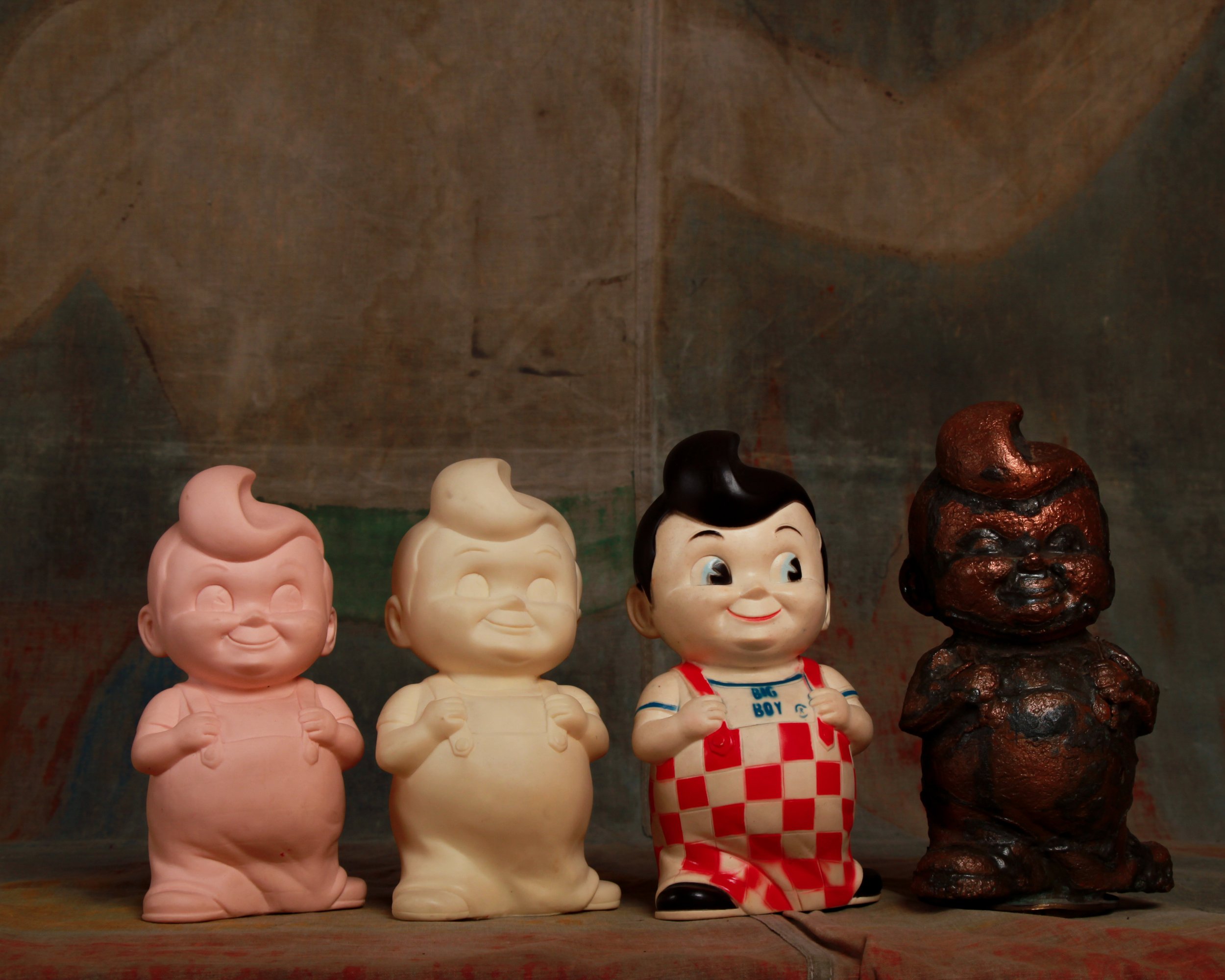
There is more to explore. Browse the full collection.
Frequently Asked Questions
-
Every piece at Heimwee is a single, unrepeatable object, no two are the same. Whether it's a trade sign, a carved figure, or a found curiosity, once it's gone, it's gone. We don't source multiples.
-
Antique oddities are the objects that don't fit neatly into a category. Strange, curious, or eccentric things from the past that stop you for reasons you can't quite explain. Think anatomical models, folk art, unusual trade objects, taxidermy, or anything that makes you say "what is that?"
-
The traditional definition is 100 years or older. At Heimwee we're not strict about the label, what matters is that the object has age, character, and a life already lived in it.
-
Antique typically refers to objects over 100 years old. Vintage usually covers pieces from the 20th century, and are roughly 20 to 99 years old. Both live happily at Heimwee if they're interesting enough.
-
Yes. Humberto sources for private clients. If you're looking for something specific. A particular type of object, a period, or a feeling — get in touch directly.
-
Every object sold at Heimwee is personally sourced and vetted by Humberto. Provenance and condition are described honestly in each listing. If you have questions about a specific piece, just ask.
-
Reach out via the contact page. We'll do our best to accommodate, but as everything is one of a kind, we can't hold pieces indefinitely.
-
Yes. Heimwee ships worldwide. Fragile and unusual objects are packed with care, we've shipped everything from whale trade signs to enamel art.
-
We want you to love what you receive. Please review our full return policy before purchasing, and don't hesitate to ask questions about a piece before you buy.
-
Irregularly, which is part of the charm. Sign up for email alerts to be the first to know when fresh objects land.