ITEM NOT AVAILABLE IMMEDIATELY—INQUIRE IF INTERESTED hello@heimweeantiques.com
There’s a certain honesty to a tool like this. No ornament, no excess, just a shaped piece of wood that spent its life doing one job over and over again.
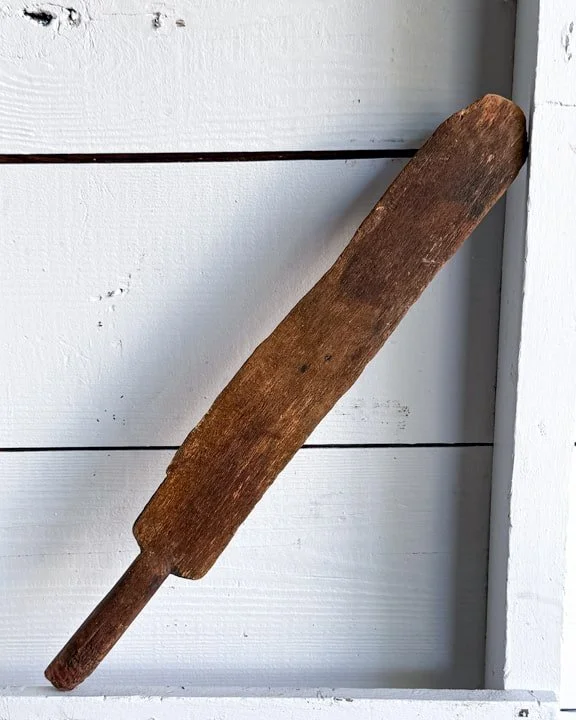
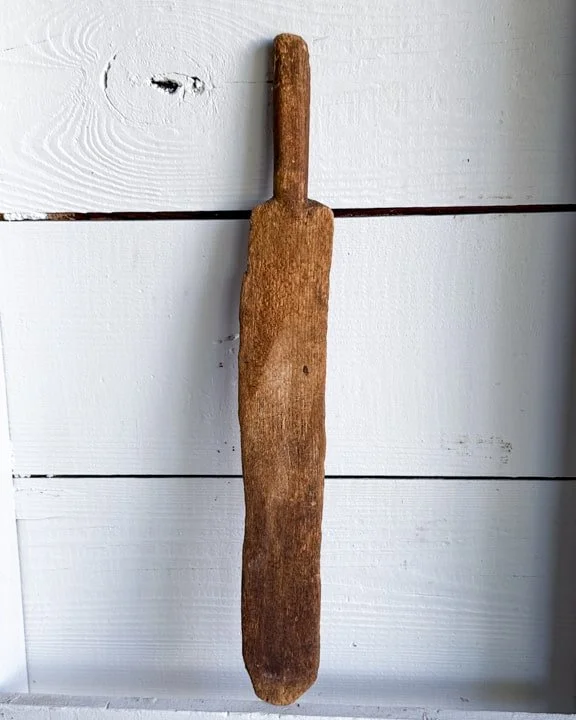
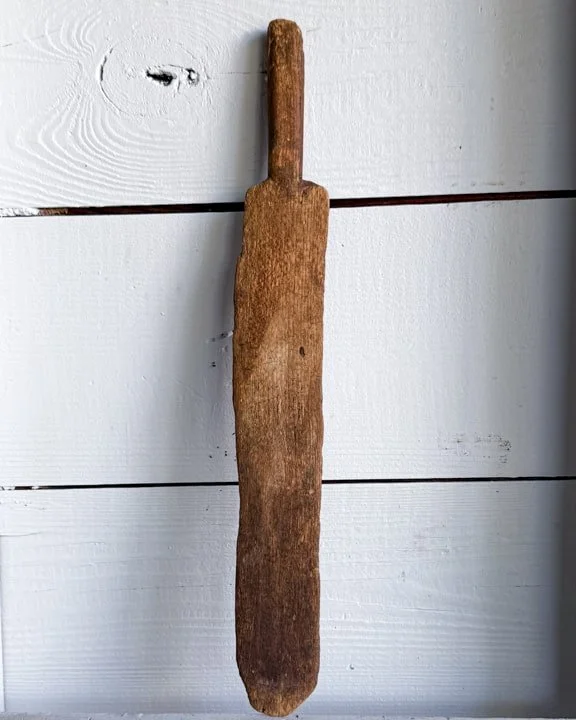
This is an 18th century feather mattress beater, hand-carved from a single length of hardwood, likely by the same hands that used it. Long, flat, and slightly tapered, it was designed to strike, not delicately but rhythmically, against a mattress stuffed with feathers or straw. Before springs, before factory-made bedding, mattresses needed constant attention. Feathers clumped, moisture settled in, dust worked its way through. So they were hauled outside, hung over a line or railing, and beaten back into shape. This was the tool for that job.
You can almost hear it. A steady, hollow thwack echoing across a yard, a daily or weekly ritual that blurred the line between chore and necessity. It wasn’t just about comfort. It was about hygiene, about keeping a household in order in a time when cleanliness took real physical effort.
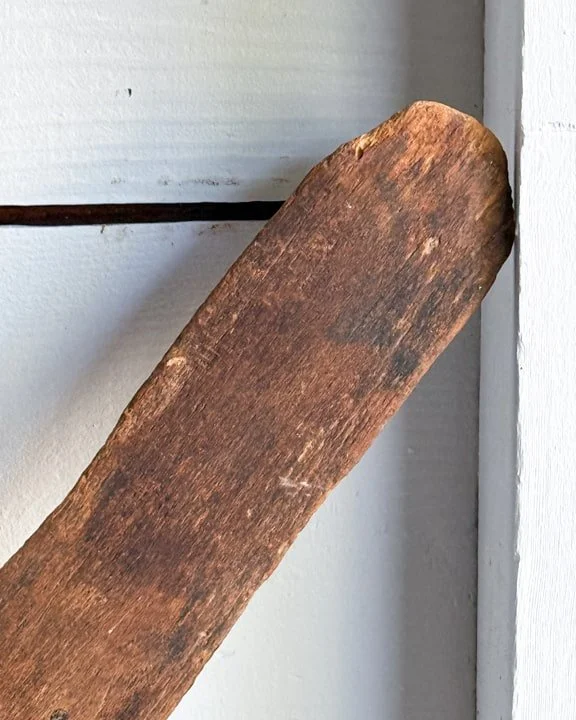
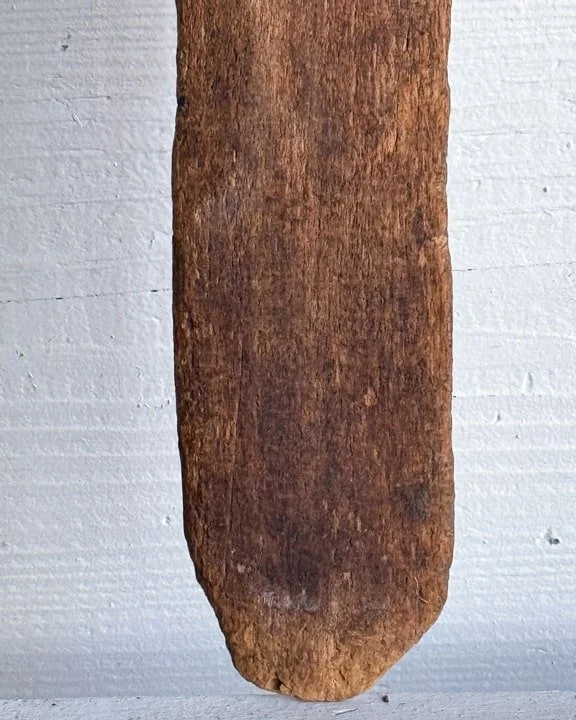
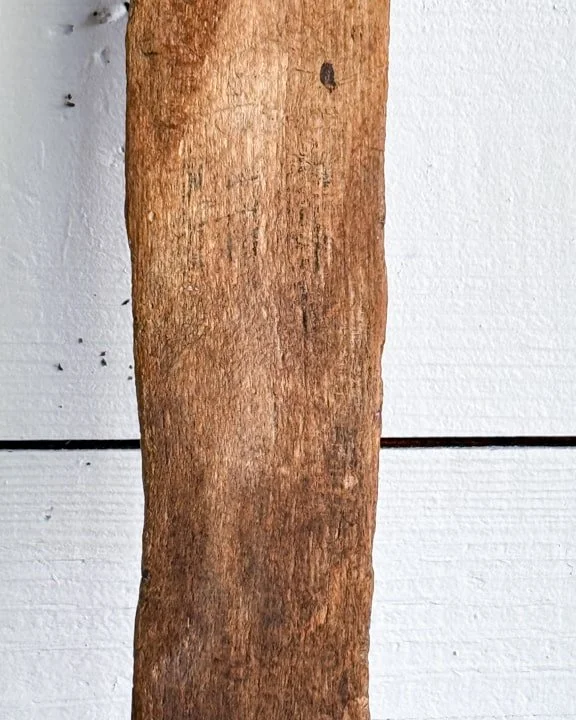
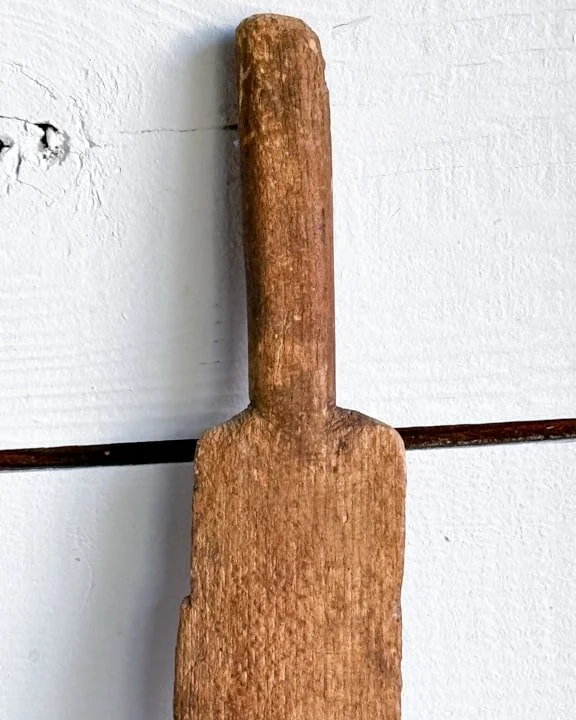
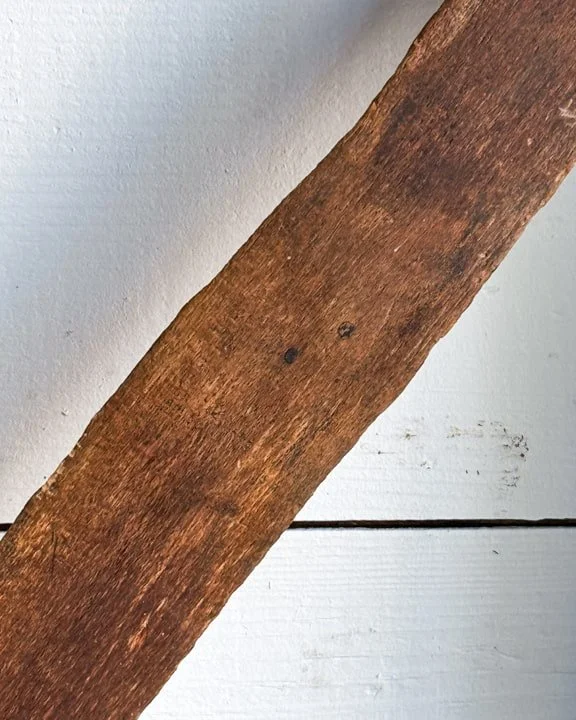
The surface tells the story better than anything. The wood has worn down to a soft, almost burnished finish from years of handling. There are small nicks, shallow gouges, and darkened areas where hands naturally gripped it. The blade end shows heavier wear, subtly rounded from repeated contact. Nothing dramatic, just the slow, cumulative effect of use. The kind of wear that only comes from time, not from sitting still.
What’s especially appealing here is the form. It has a quiet presence. Somewhere between a paddle, a primitive bat, and an abstract shape you’d expect to see hanging in a gallery. The proportions feel right because they had to be. Every curve and taper is the result of function guiding the hand.
Pieces like this rarely survive with this kind of integrity. They were tools, not keepsakes, and most were used until they split, broke, or were replaced. This one made it through. No repairs, no refinishing, no attempt to dress it up for modern eyes.
It’s a direct line to a different pace of life. One where even something as simple as a good night’s sleep required a bit of effort and a well-worn tool like this hanging nearby, ready to go.
ITEM NOT AVAILABLE IMMEDIATELY—INQUIRE IF INTERESTED hello@heimweeantiques.com
There’s a certain honesty to a tool like this. No ornament, no excess, just a shaped piece of wood that spent its life doing one job over and over again.
This is an 18th century feather mattress beater, hand-carved from a single length of hardwood, likely by the same hands that used it. Long, flat, and slightly tapered, it was designed to strike, not delicately but rhythmically, against a mattress stuffed with feathers or straw. Before springs, before factory-made bedding, mattresses needed constant attention. Feathers clumped, moisture settled in, dust worked its way through. So they were hauled outside, hung over a line or railing, and beaten back into shape. This was the tool for that job.
You can almost hear it. A steady, hollow thwack echoing across a yard, a daily or weekly ritual that blurred the line between chore and necessity. It wasn’t just about comfort. It was about hygiene, about keeping a household in order in a time when cleanliness took real physical effort.
The surface tells the story better than anything. The wood has worn down to a soft, almost burnished finish from years of handling. There are small nicks, shallow gouges, and darkened areas where hands naturally gripped it. The blade end shows heavier wear, subtly rounded from repeated contact. Nothing dramatic, just the slow, cumulative effect of use. The kind of wear that only comes from time, not from sitting still.
What’s especially appealing here is the form. It has a quiet presence. Somewhere between a paddle, a primitive bat, and an abstract shape you’d expect to see hanging in a gallery. The proportions feel right because they had to be. Every curve and taper is the result of function guiding the hand.
Pieces like this rarely survive with this kind of integrity. They were tools, not keepsakes, and most were used until they split, broke, or were replaced. This one made it through. No repairs, no refinishing, no attempt to dress it up for modern eyes.
It’s a direct line to a different pace of life. One where even something as simple as a good night’s sleep required a bit of effort and a well-worn tool like this hanging nearby, ready to go.