
How to Bring One of a Kind Antiques Into a Modern Home Without It Feeling Staged
The instinct to mix old and new is a sound one. One of a kind antiques introduce character, history, and visual weight that contemporary interiors rarely achieve on their own. The challenge is not finding the right piece. It is knowing what to do with it once you have it.
Staged antiques are easy to spot. The carefully placed candelabra. The lone vintage chair positioned just so. The curated shelf that announces an interest in old things rather than actually having one. Getting this right requires a different approach entirely.
At Heimwee Antiques, every piece is sourced for its individual presence. The following principles reflect how we think about bringing one of a kind antiques into spaces that were not built around them.
Table of Contents
Start With What Stops You
The Only Reliable Guide
The best antiques for a modern home are not the ones that match your existing palette or fill a gap on a shelf. They are the ones that stopped you when you first encountered them. That reaction is the most reliable indicator of whether a piece will work long term.
Objects chosen for how they photograph rather than how they feel to live with tend to announce themselves in the wrong way. They look placed rather than present.
Buying With Intention
One of a kind antiques work in modern spaces because they are not trying to fit in. They carry their own history. The modern setting does not need to accommodate them. It only needs to leave them enough room.
Resist the Urge to Group Everything
Give Antiques Space to Work
There is a tendency when decorating with antiques to cluster them together. A dedicated corner. A curated shelf. A grouping that signals an interest in old things. This is exactly what makes a space feel staged.
Old objects read differently when they are placed among newer ones. A single antique piece surrounded by clean, contemporary pieces asks a question that a whole shelf of collected things does not. It earns its place rather than being explained by its surroundings. This is often where custom-made modern furniture does its quietest work, providing the understated backdrop that lets a single old object hold the room.Scale and Proportion
A large antique object in a spare modern room carries completely different weight than the same object surrounded by other collected pieces. Scale matters. So does restraint. The more space an antique is given, the more it tends to justify it.
Be Honest About Condition
Patina Is the Point
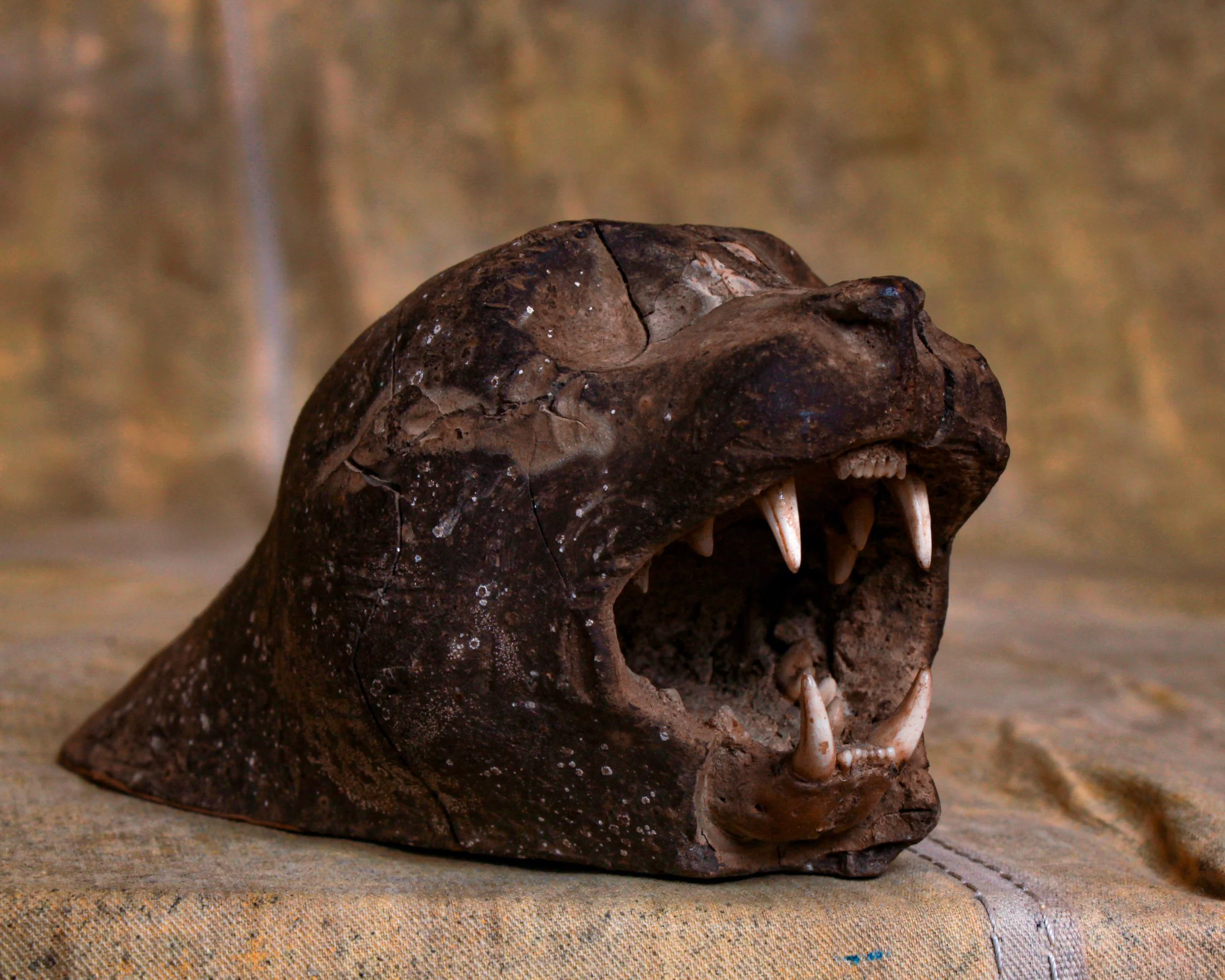
One of a kind antiques come with history built into their surfaces. Paint worn through. Wood darkened unevenly. Metal oxidised in ways no restoration process can convincingly replicate. This is not something to work around. It is the point.
Modern interiors are often defined by uniformity. Surfaces that are consistent. Finishes that do not vary. An antique object introduces irregularity into that environment and that irregularity is what makes it interesting.
Leave It Alone
Resist the instinct to restore or refinish pieces to make them look cleaner or more cohesive with the rest of a space. The worn surfaces of a genuine antique are not flaws. They are evidence of a life lived, which is precisely what makes them worth having.
Function Is Not the Enemy
Objects Made to Be Used
There is an assumption that antiques in a modern home are purely decorative. Objects to be looked at rather than touched. This undersells them considerably.
Antique objects were almost always made to be used. Tools, vessels, furniture, storage. The craft applied to them was in service of function, which is why so many have outlasted the conditions they were made for.
Use Them
Using antique objects rather than simply displaying them changes how they sit in a space. A piece that is being used is not staging itself. It is doing what it was made to do, in a different century than the one it started in.
One Thing at a Time
The Most Common Mistake
The most common mistake when decorating with one of a kind antiques is doing too much at once. Buying several pieces in a short period, each chosen carefully individually, and finding that together they cancel each other out.
Let Things Settle
Antiques need time to settle into a space. Living with one piece before adding another gives a clearer sense of what the space actually needs. Which is usually less than you think.
The homes that wear antiques most convincingly are rarely the ones with the most pieces. They are the ones where each object has been given enough time and space to become genuinely part of the place rather than evidence of an interest in old things.
Summary
Bringing one of a kind antiques into a modern home is less about styling and more about honesty. Honest reactions to individual pieces. Honest restraint in how many you bring in at once. Honest appreciation for the condition and history that makes them worth having in the first place.
At Heimwee Antiques, every piece is selected for its originality, presence, and the story built into its surfaces. Browse the collection and find the pieces that stop you.
Frequently Asked Questions
-
The most effective approach is to place antiques individually rather than grouping them together. A single antique piece surrounded by contemporary furniture carries more presence and reads as intentional rather than staged.
-
One of a kind antiques can work exceptionally well in minimalist spaces. Their irregular surfaces and historical weight contrast with the uniformity of contemporary design in a way that adds depth without clutter.
-
In most cases, no. The patina and wear on a genuine antique are part of what makes it valuable and visually interesting. Restoration can reduce both the character and the collectible value of a piece.
-
There is no fixed number, but restraint tends to produce better results. Living with one piece before adding another gives a more accurate sense of what the space actually needs.
-
One of a kind antiques are sourced from estate sales, flea markets, antique fairs and private collections. At Heimwee, every piece is found and selected by hand, with no multiples and no reproductions.
