
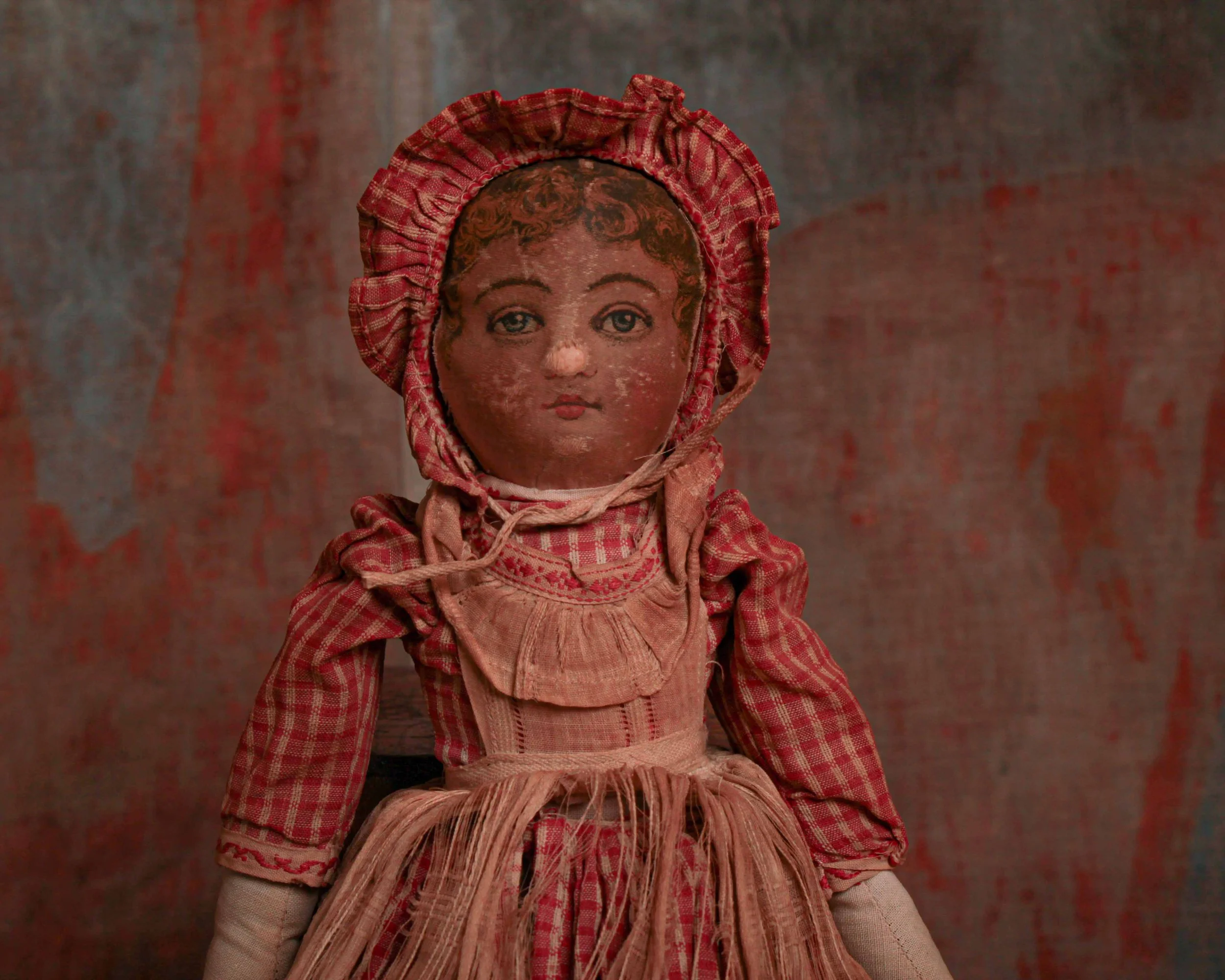
Why Collectors Still Reach for Dolls and Walk Past the Trains
Antique dolls remain among the most sought after collectibles on the market. What draws serious collectors to dolls and away from more obvious categories like trains and mechanical toys.
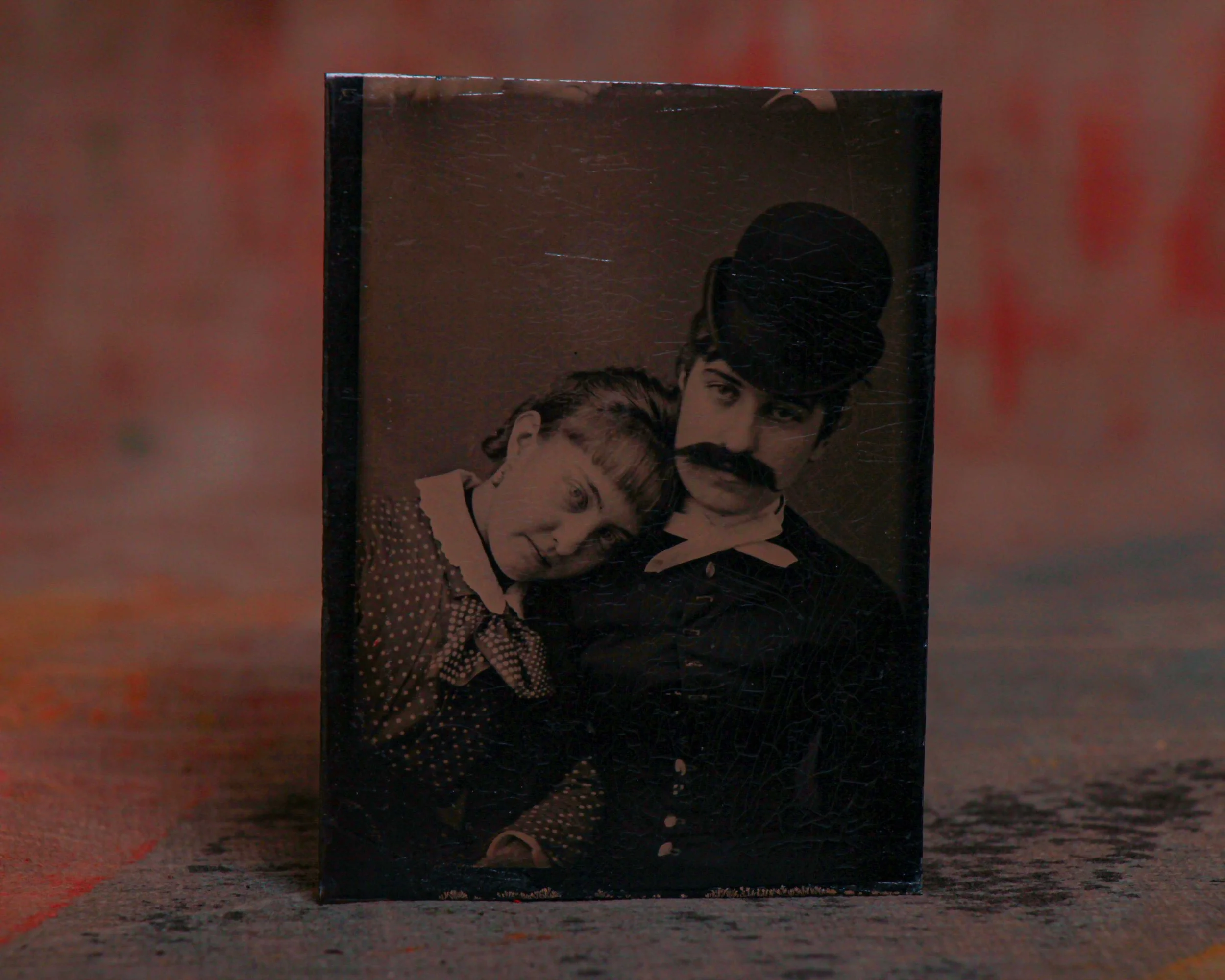
Tintype, Ambrotype, Daguerreotype: A Collector's Guide to the Differences
A collector's guide to the differences between tintypes, ambrotypes, and daguerreotypes. How to identify each format and what makes them worth collecting.
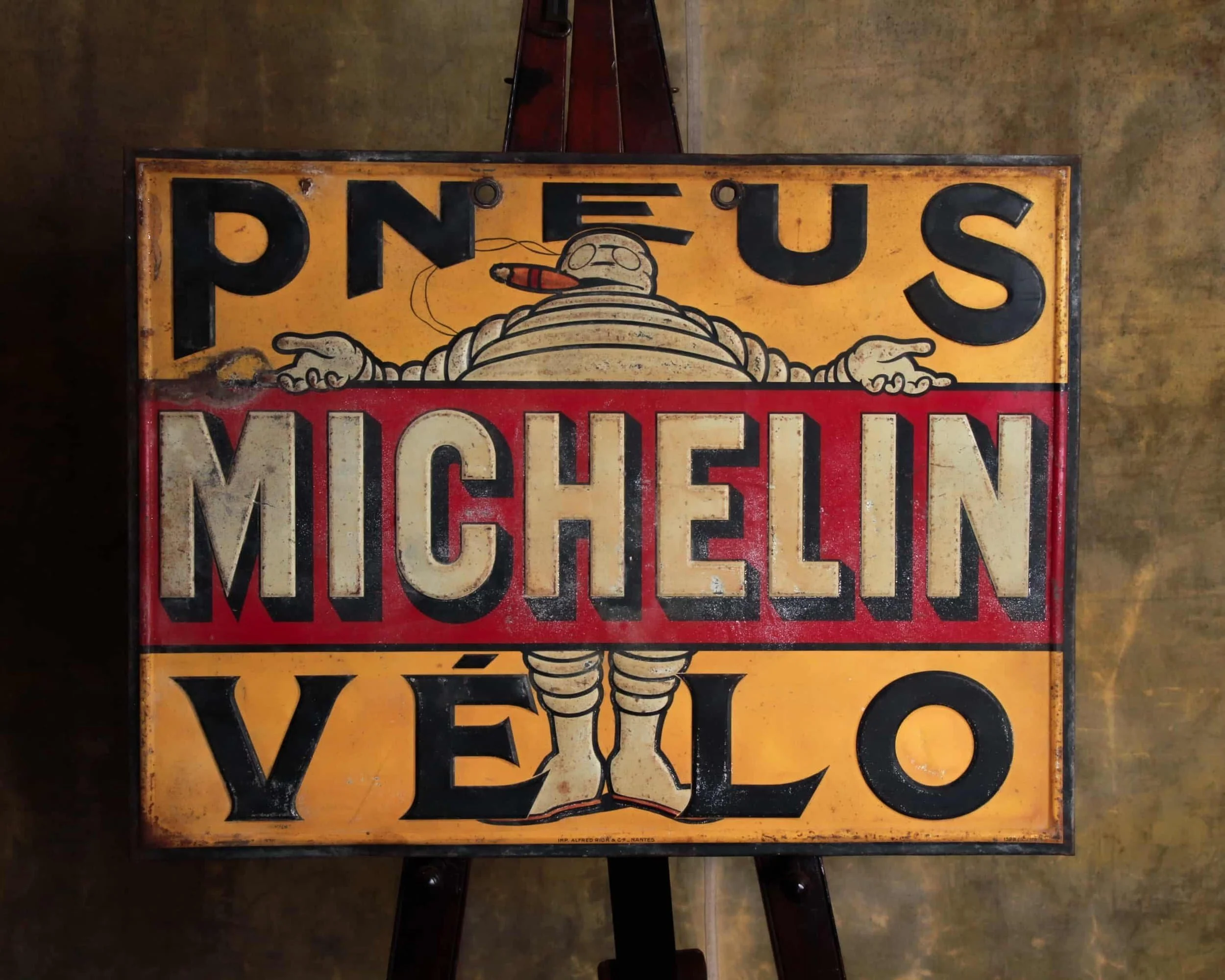
Porcelain Enamel Signs: How to Tell an Original From a Reproduction
How to tell a genuine porcelain enamel sign from a reproduction. A collector focused guide to authentication, condition, and what to look for when buying antique signs.
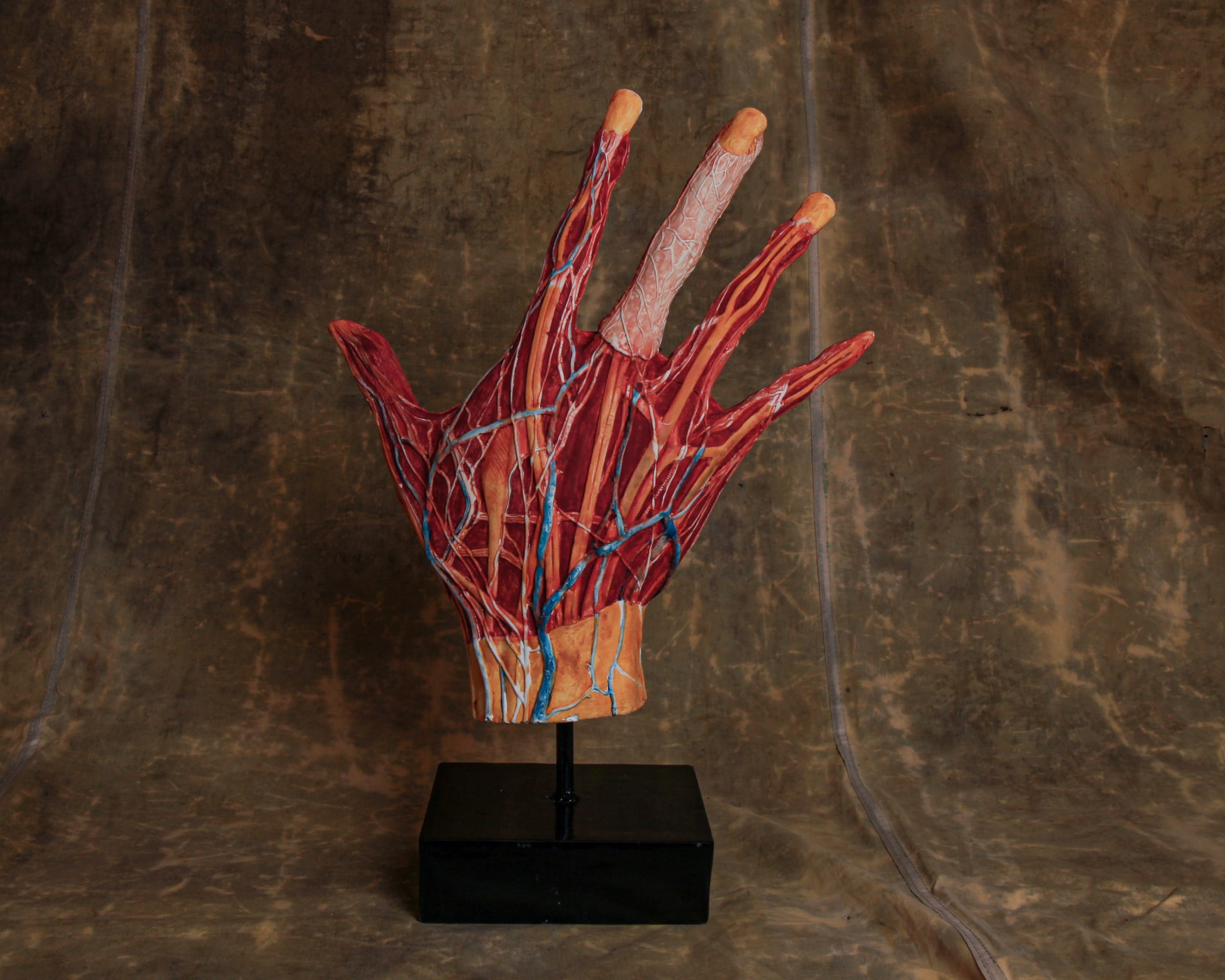
How to Bring One of a Kind Antiques Into a Modern Home Without It Feeling Staged
One of a kind antiques and modern interiors work together when the approach is right. A practical guide to placing old objects in contemporary spaces without it feeling staged.
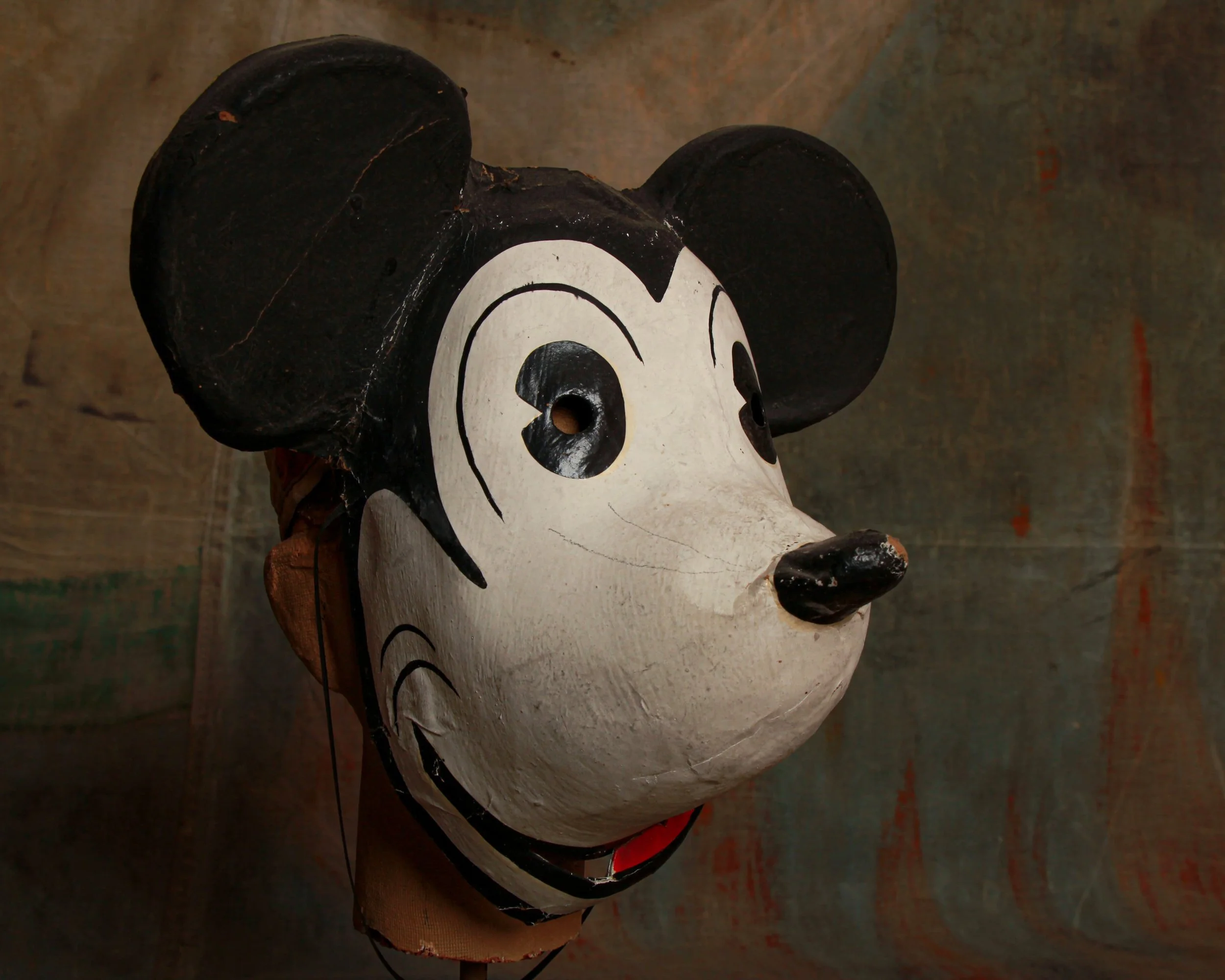
What Is Folk Art? A Collector’s Guide to Primitive & Outsider Pieces
What is folk art and how do you recognize it? This guide explores traditions, materials, and the defining traits that make folk objects collectible and culturally significant.
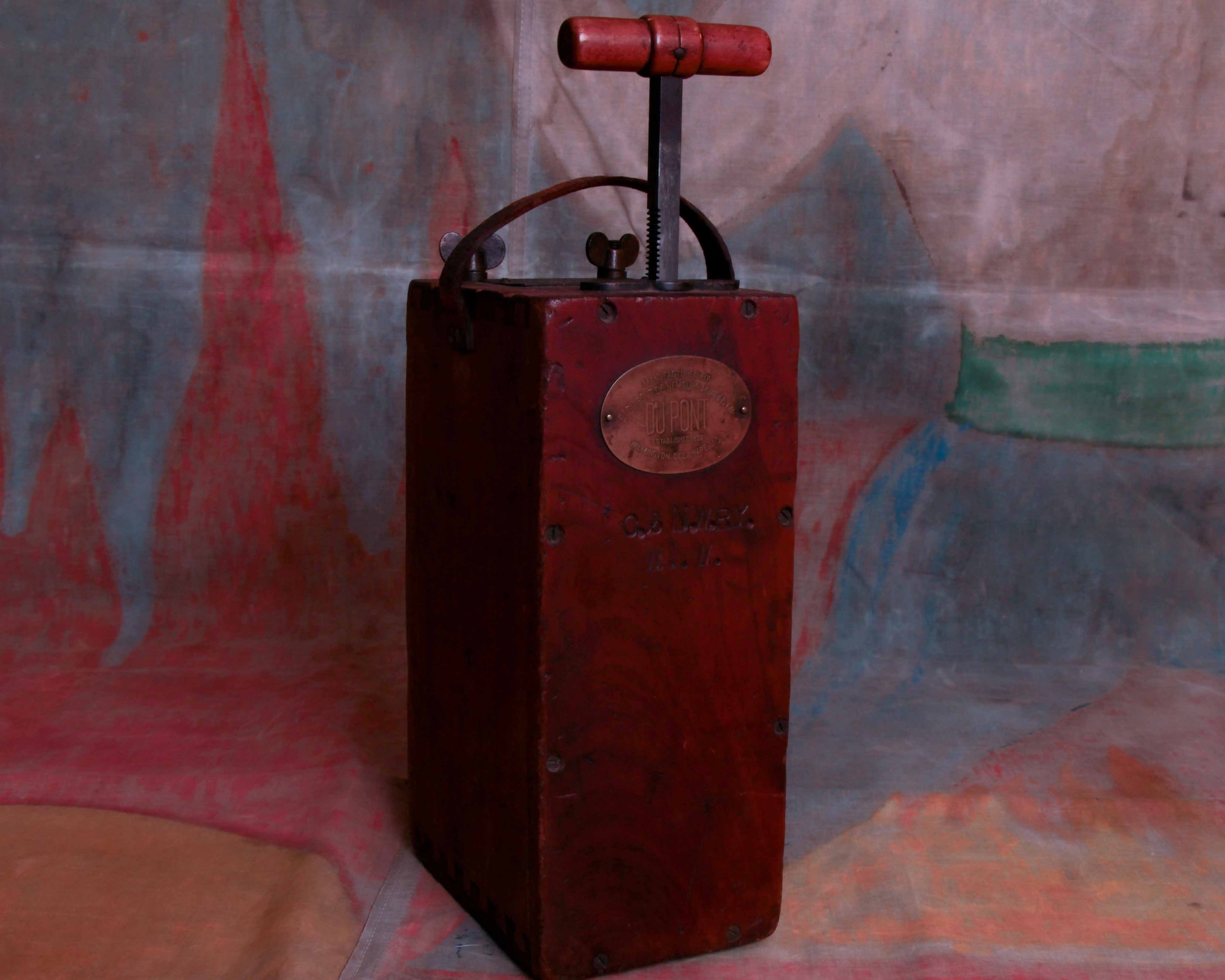
Industrial Revolution Decor: Why Industrial Antiques Are So Popular Today
Industrial antiques have moved from functional origins to defining elements in modern interiors. This guide explores their history, material appeal, and enduring design value.
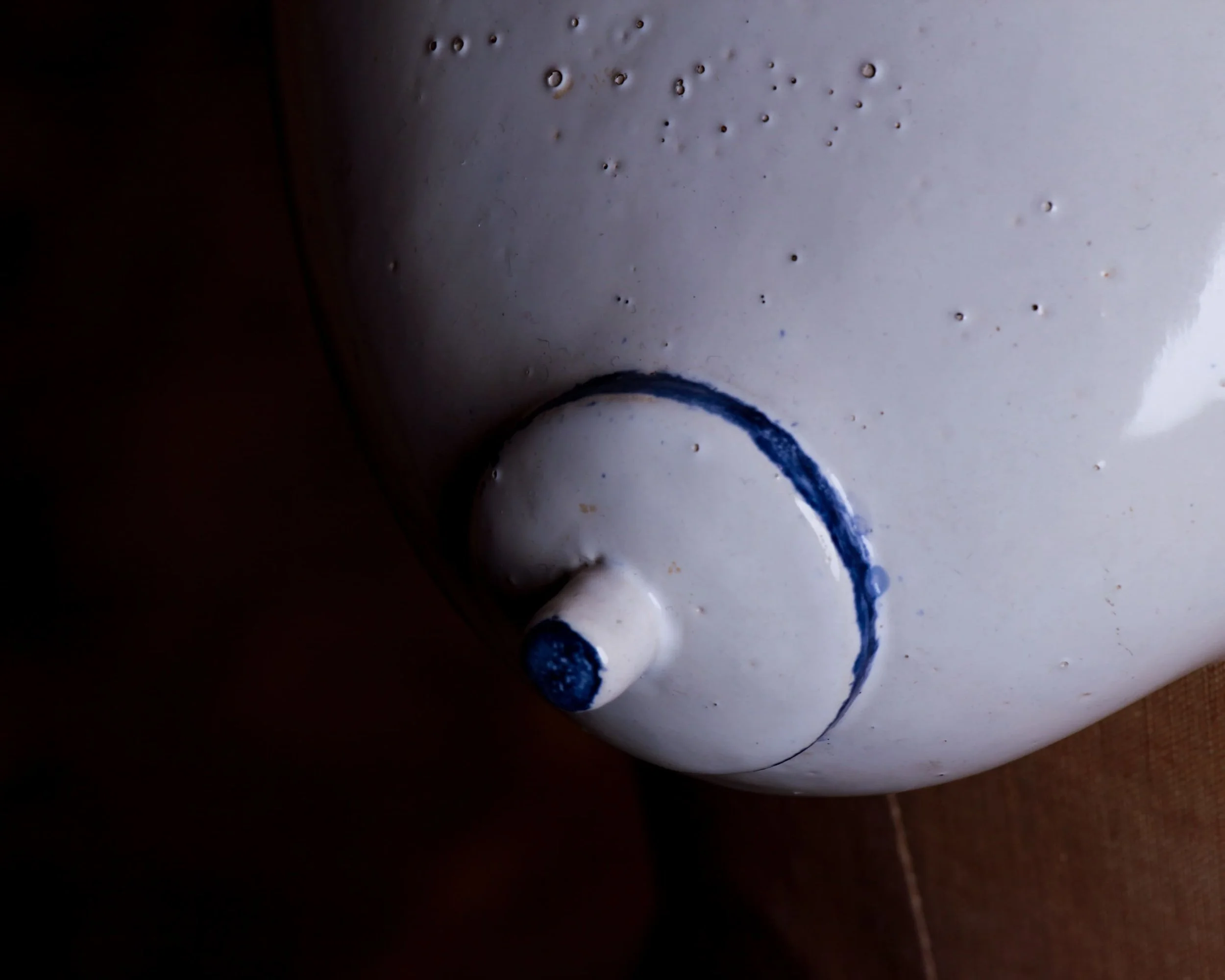
Understanding Folk, Primitive, and Outsider Art in Antiques
Folk art and primitive art are often confused, yet each plays a distinct role in collecting and interior design. This guide breaks down their differences, origins, and visual characteristics, helping you buy with clarity and confidence.
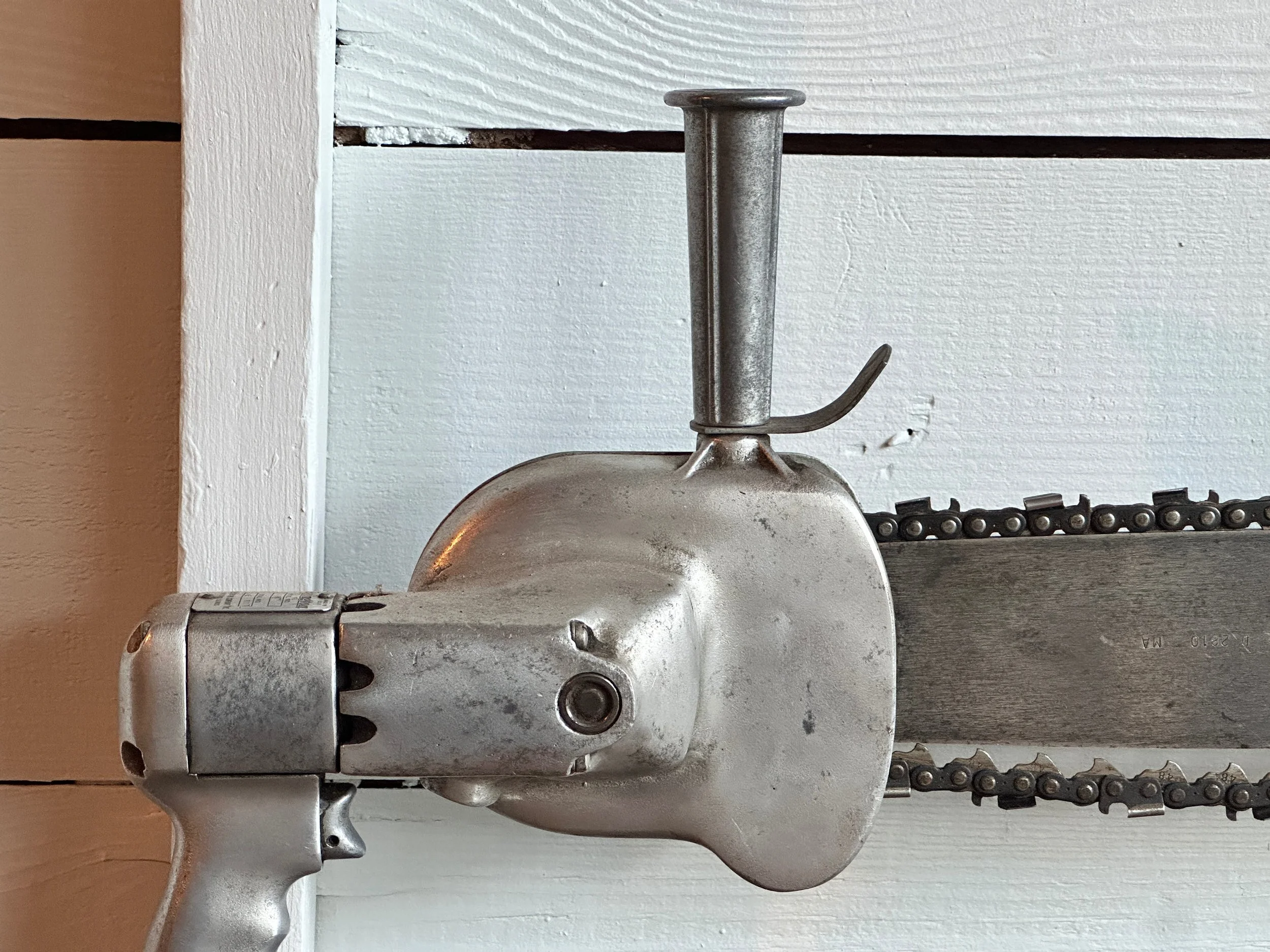
Decorative vs. Functional Art: When Everyday Objects Become Art
Decorative and functional art often overlap, especially in antiques. This guide explores how everyday objects evolve into collectible pieces through form, craftsmanship, and meaning.