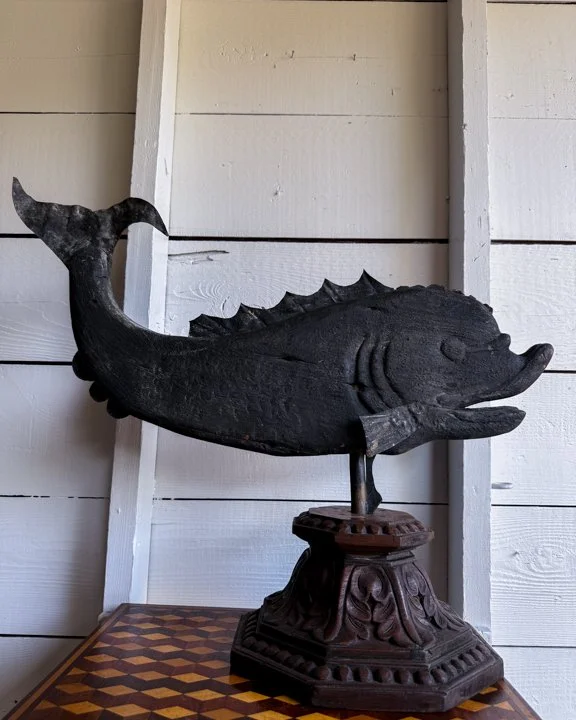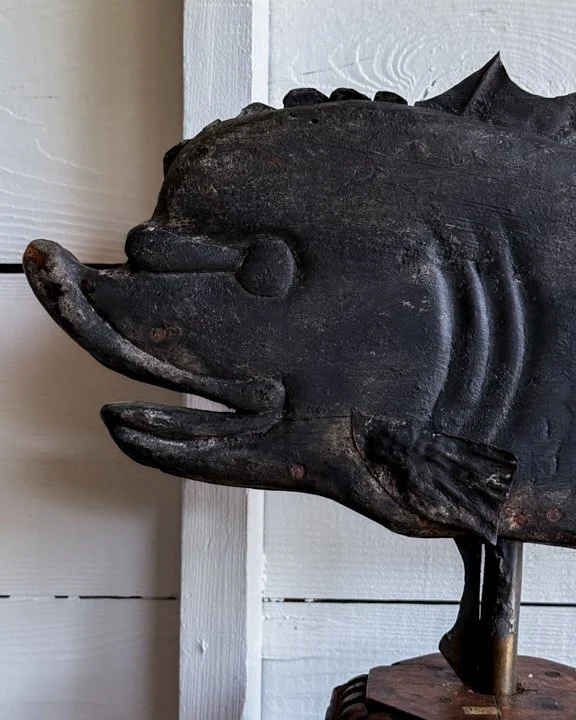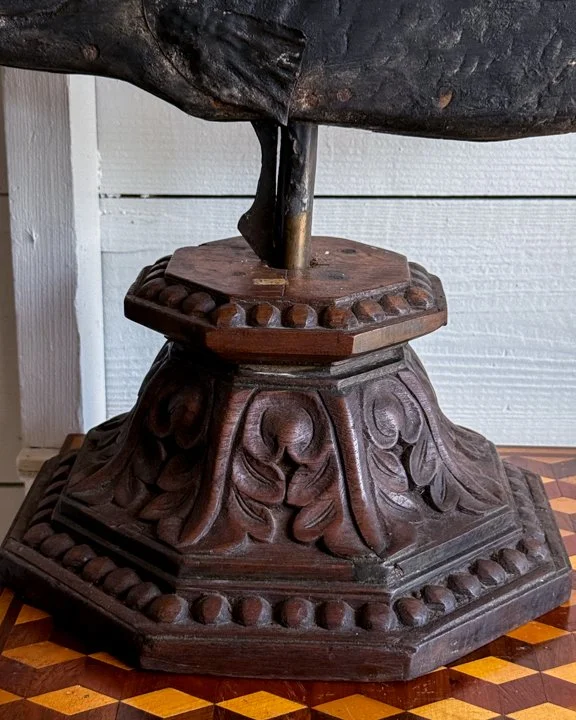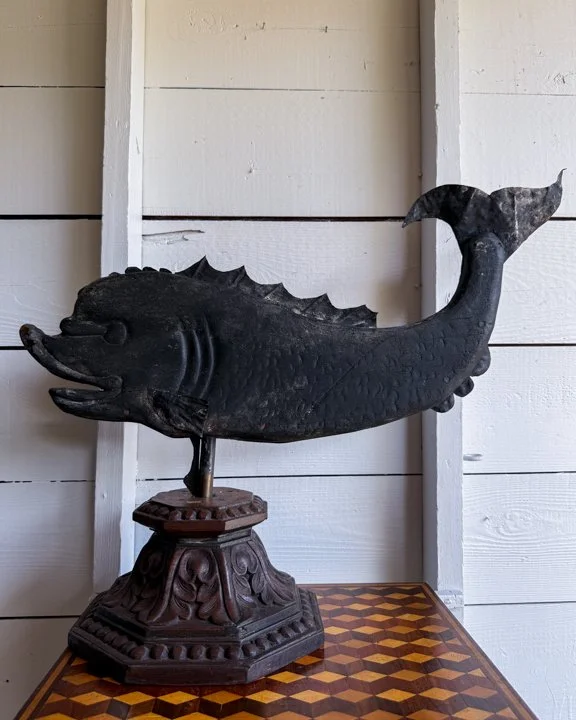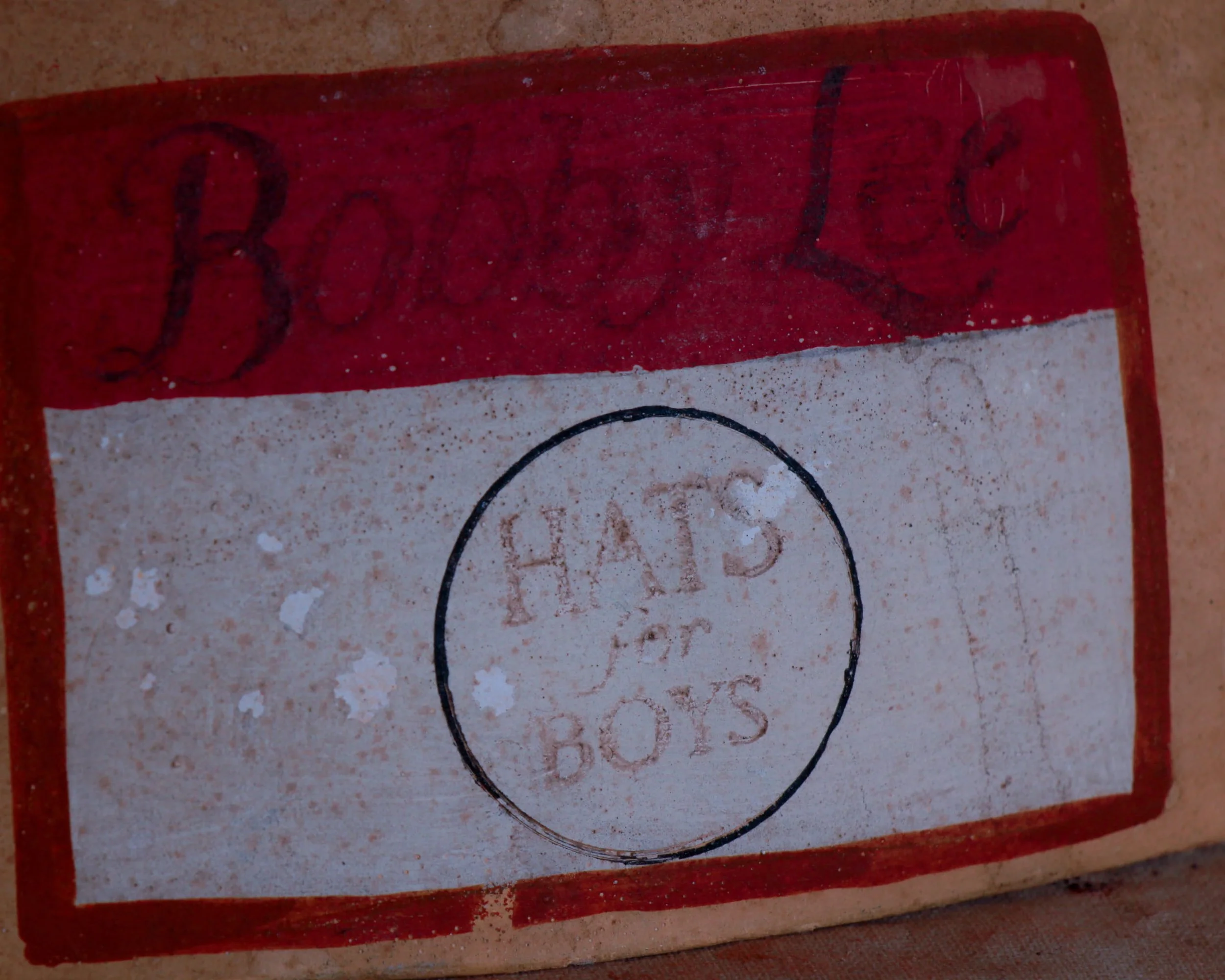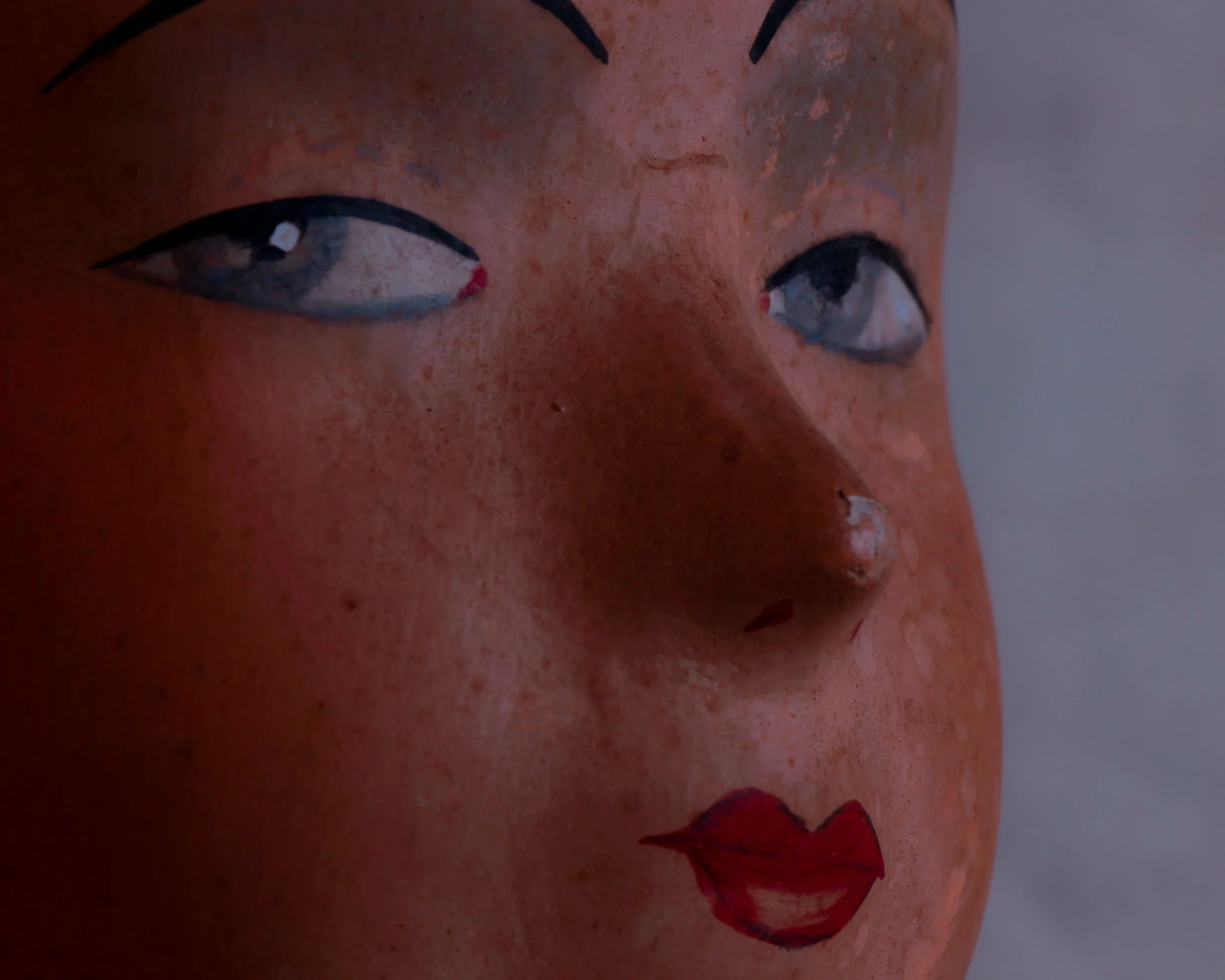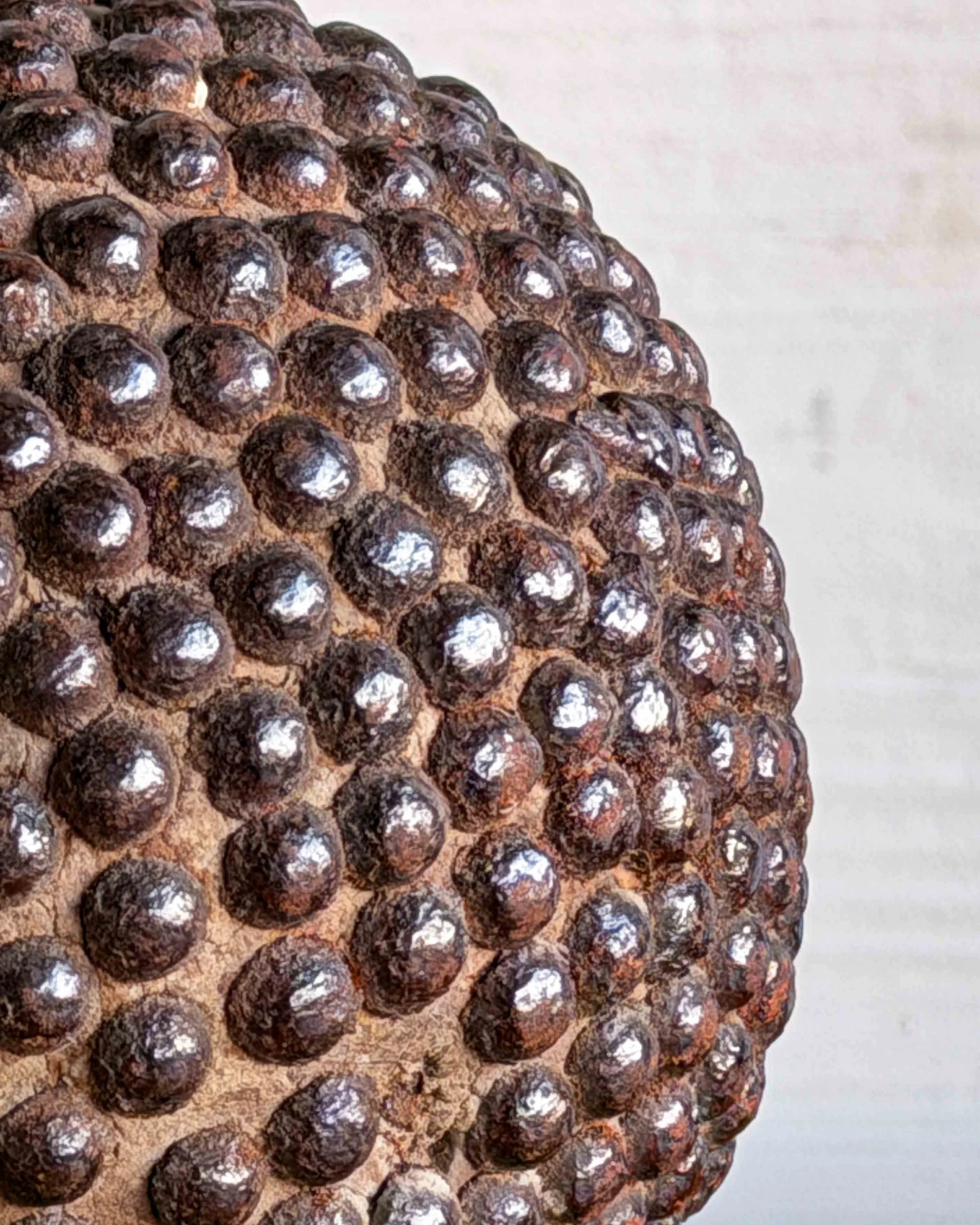
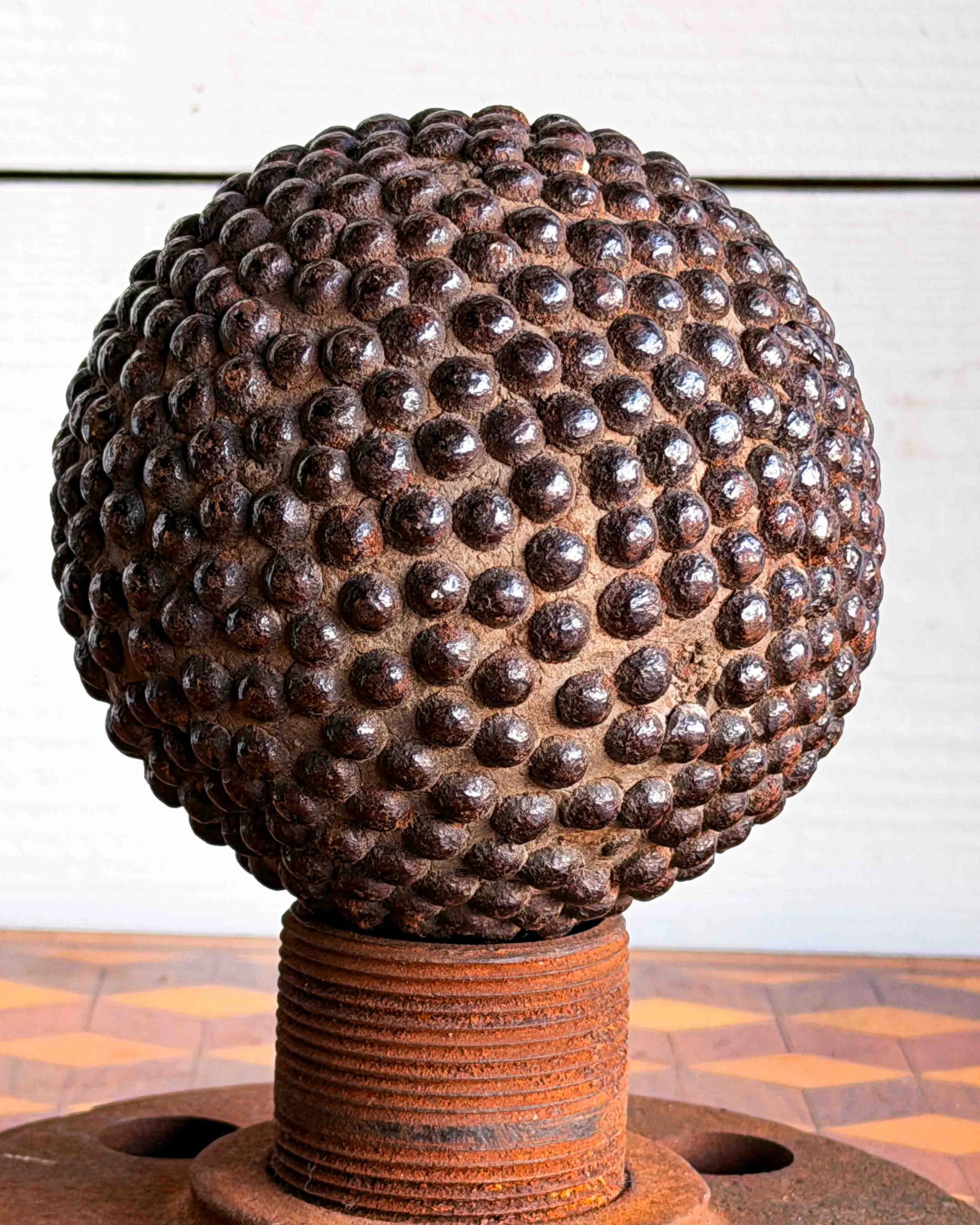
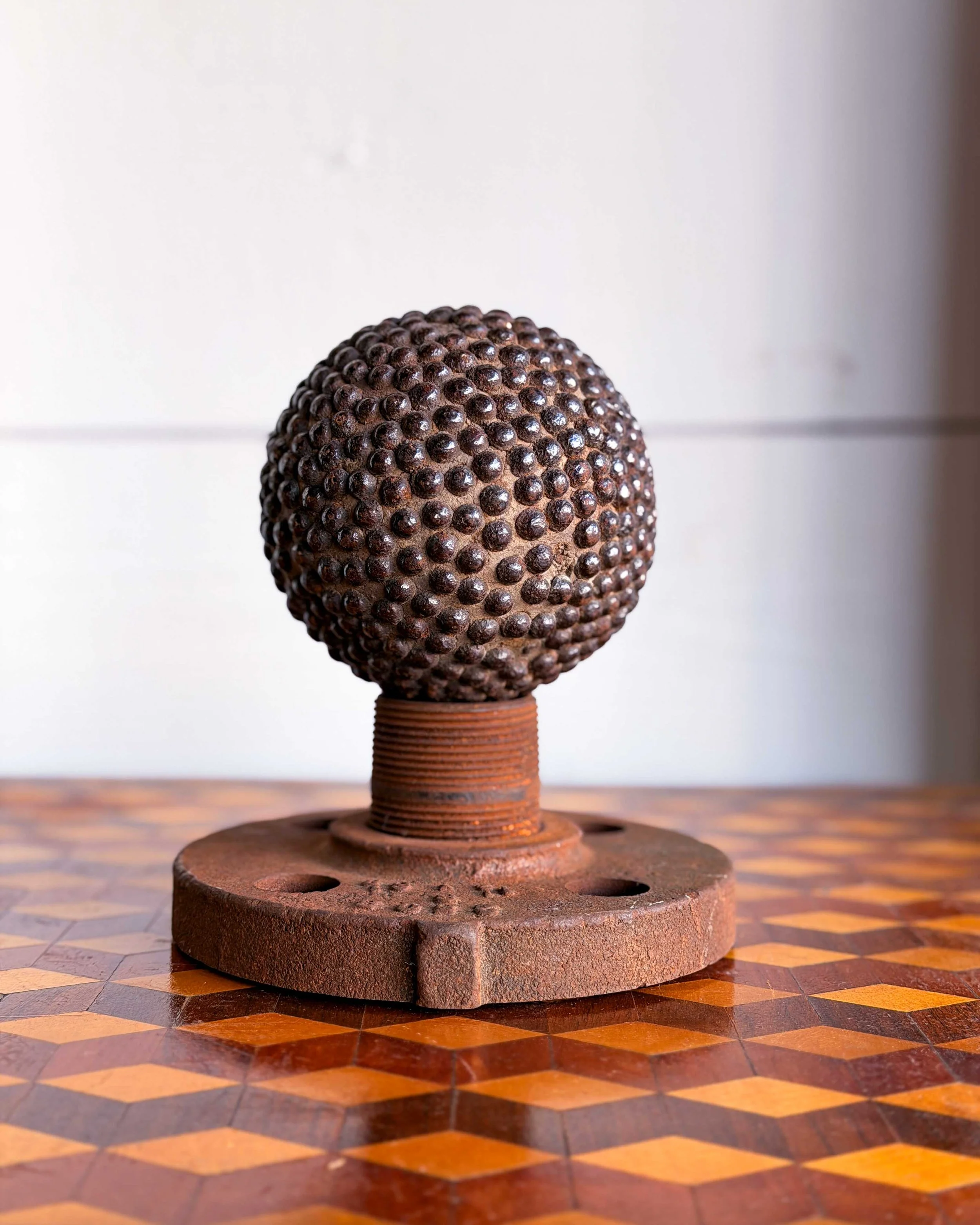
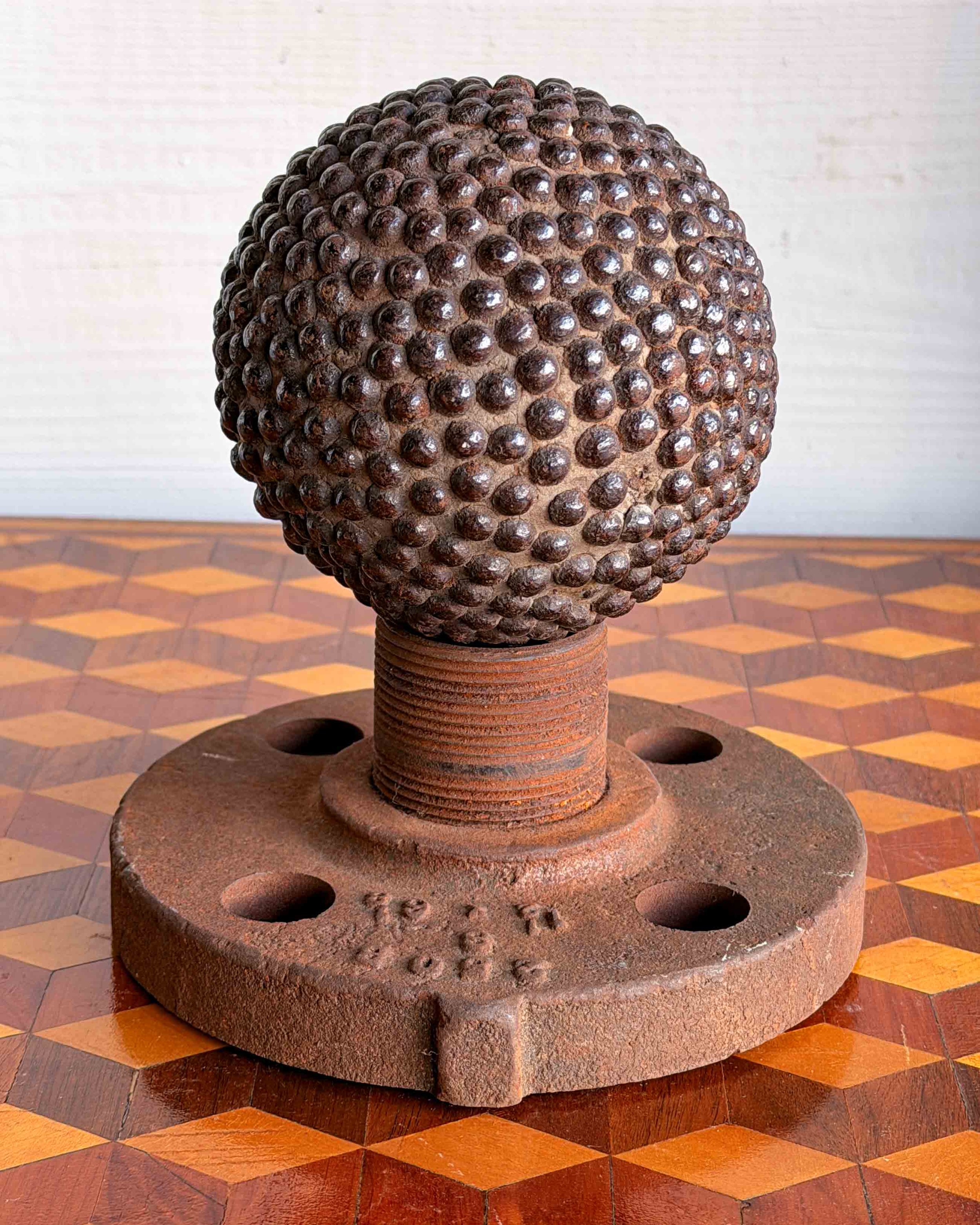
This isn’t your average lawn game relic—it’s a pétanque boule straight out of the mid-1800s, crafted from solid wood and armored with a skin of tightly driven nails. Before modern steel balls took over the game, players hurled hefty beasts like this one across dusty courtyards in southern France. The studded surface gave grip, bite, and no small amount of intimidation. Time has only made it better, with the nail heads wearing into a rich, textured patina that looks almost sculptural. To up the drama, it comes mounted on a cast iron stand, making it less “forgotten sports equipment” and more “industrial objet d’art.”
Petanque
Pétanque is a game that looks relaxed until you realize how much precision is hiding under the surface. Developed in southern France in the early 20th century, it evolved from older boules games but simplified the stance—players keep both feet planted inside a small circle, which is where the name comes from (“pieds tanqués,” or “feet anchored”).
The setup is straightforward: a small wooden ball, the cochonnet, is tossed out, and players take turns throwing metal balls as close to it as possible. But within that simplicity, there’s a surprising range of strategy. You can aim to land gently and hold position, or throw with force to knock an opponent’s ball out of play.
What makes pétanque compelling is the balance between control and feel. The balls are heavy, the ground uneven, and no two throws behave exactly the same. It’s as much about reading the terrain as it is about technique.
It’s also social by design. Games unfold slowly, often in public squares or shaded corners, with conversation running alongside competition.
Today, it reads as both pastime and ritual—minimal equipment, clear rules, and just enough unpredictability to keep things interesting, round after round.
This isn’t your average lawn game relic—it’s a pétanque boule straight out of the mid-1800s, crafted from solid wood and armored with a skin of tightly driven nails. Before modern steel balls took over the game, players hurled hefty beasts like this one across dusty courtyards in southern France. The studded surface gave grip, bite, and no small amount of intimidation. Time has only made it better, with the nail heads wearing into a rich, textured patina that looks almost sculptural. To up the drama, it comes mounted on a cast iron stand, making it less “forgotten sports equipment” and more “industrial objet d’art.”
Petanque
Pétanque is a game that looks relaxed until you realize how much precision is hiding under the surface. Developed in southern France in the early 20th century, it evolved from older boules games but simplified the stance—players keep both feet planted inside a small circle, which is where the name comes from (“pieds tanqués,” or “feet anchored”).
The setup is straightforward: a small wooden ball, the cochonnet, is tossed out, and players take turns throwing metal balls as close to it as possible. But within that simplicity, there’s a surprising range of strategy. You can aim to land gently and hold position, or throw with force to knock an opponent’s ball out of play.
What makes pétanque compelling is the balance between control and feel. The balls are heavy, the ground uneven, and no two throws behave exactly the same. It’s as much about reading the terrain as it is about technique.
It’s also social by design. Games unfold slowly, often in public squares or shaded corners, with conversation running alongside competition.
Today, it reads as both pastime and ritual—minimal equipment, clear rules, and just enough unpredictability to keep things interesting, round after round.