
Decorative vs. Functional Art: When Everyday Objects Become Art
The distinction between decorative vs functional art when everyday objects become art is central to how collectors and designers approach antiques today. Many of the most compelling pieces were not created as art in the traditional sense, but as practical objects for everyday use.
Over time, these objects have moved beyond their original purpose, gaining artistic value through craftsmanship, form, and cultural meaning.
At Heimwee Antiques, this transformation defines the appeal of carefully curated pieces that exist between utility and expression.
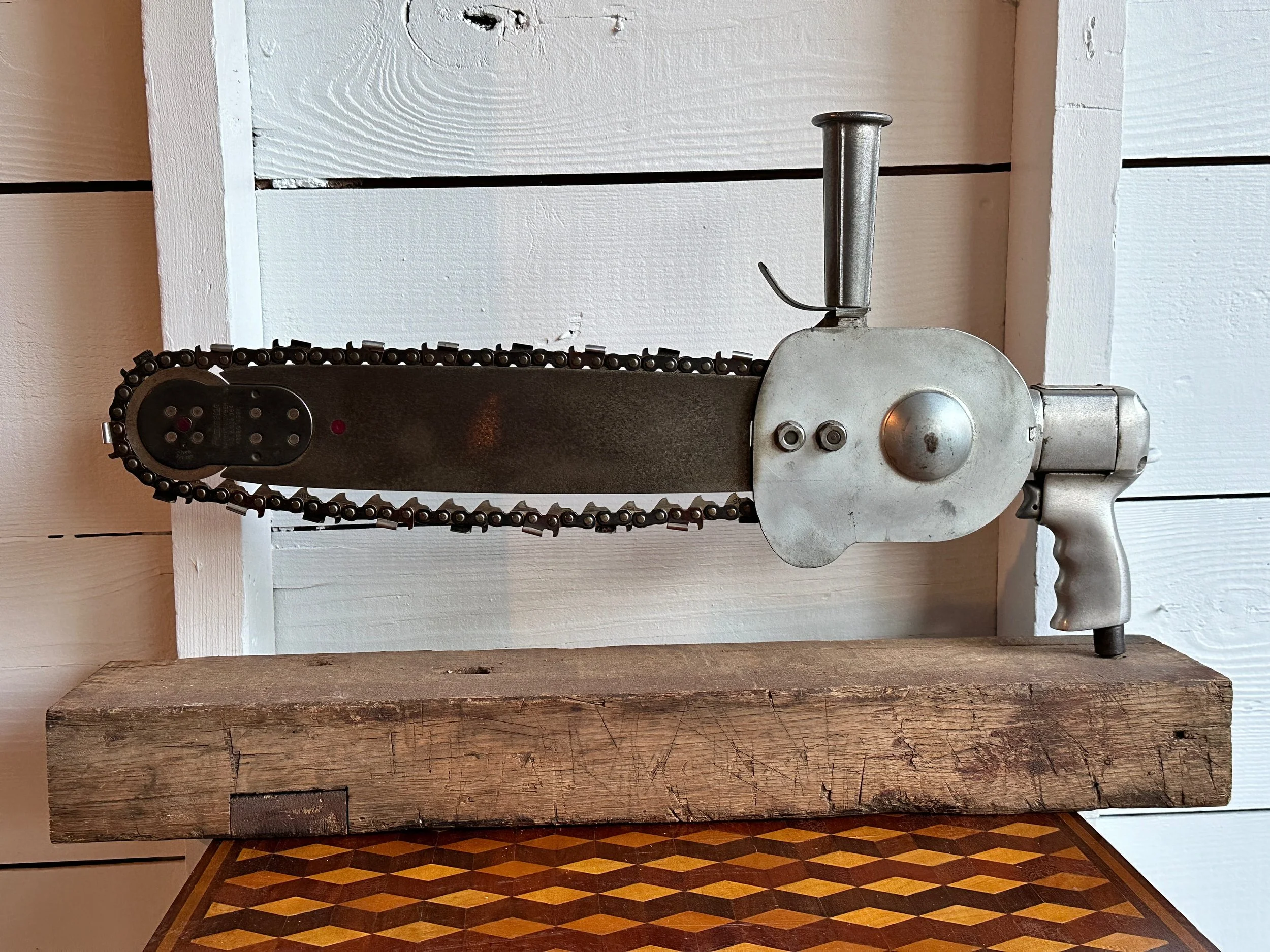
Table of Contents
Decorative Art and Functional Art Defined
Understanding the Two Categories
Traditionally, the art world separates objects into two categories. Fine art includes painting and sculpture created primarily for aesthetic purposes, while decorative art refers to objects designed for both beauty and use. This distinction has shaped art history for centuries, influencing how collectors assign meaning and quality.
Fine art lies in expression, often detached from practical purpose. Decorative art, by contrast, is closely tied to everyday life. It includes furniture, ceramics, and household objects that serve a function while offering visual appeal.
Where the Distinction Begins to Blur
The line between fine art vs decorative art is less rigid than it appears. Many decorative works display the same level of creativity, craftsmanship, and artistic intent as traditional fine art. In fact, some decorative artists and makers approached their work with a level of care equal to fine artists.
This overlap is where Heimwee’s curatorial strength sits. The focus is not on rigid classification, but on identifying pieces where form, meaning, and aesthetic value align.
The Historical Divide Between Fine Art and Decorative
Origins in Art History
The distinction between fine art and decorative dates back to the middle ages and became more pronounced during later artistic movements. Fine artists were often elevated within the art world, while makers of decorative objects were categorized under craft or utility.
This hierarchy shaped how objects were valued, even when the craftsmanship and creativity were comparable.
The Arts and Crafts Movement Shift
The arts and crafts movement, led by figures such as William Morris, challenged this divide. The movement emphasized that all the arts should be valued equally, especially when objects were carefully crafted and designed with intention.
This marked a shift in how decorative works were perceived. Furniture, ceramics, and textiles were no longer seen as just decoration, but as meaningful contributions to visual art and daily life.
Modern and Contemporary Perspective
In contemporary art, the distinction continues to dissolve. Collectors increasingly recognize that functional art can carry the same emotional impact and artistic value as painting or sculpture. The focus has shifted toward authenticity, human touch, and originality.
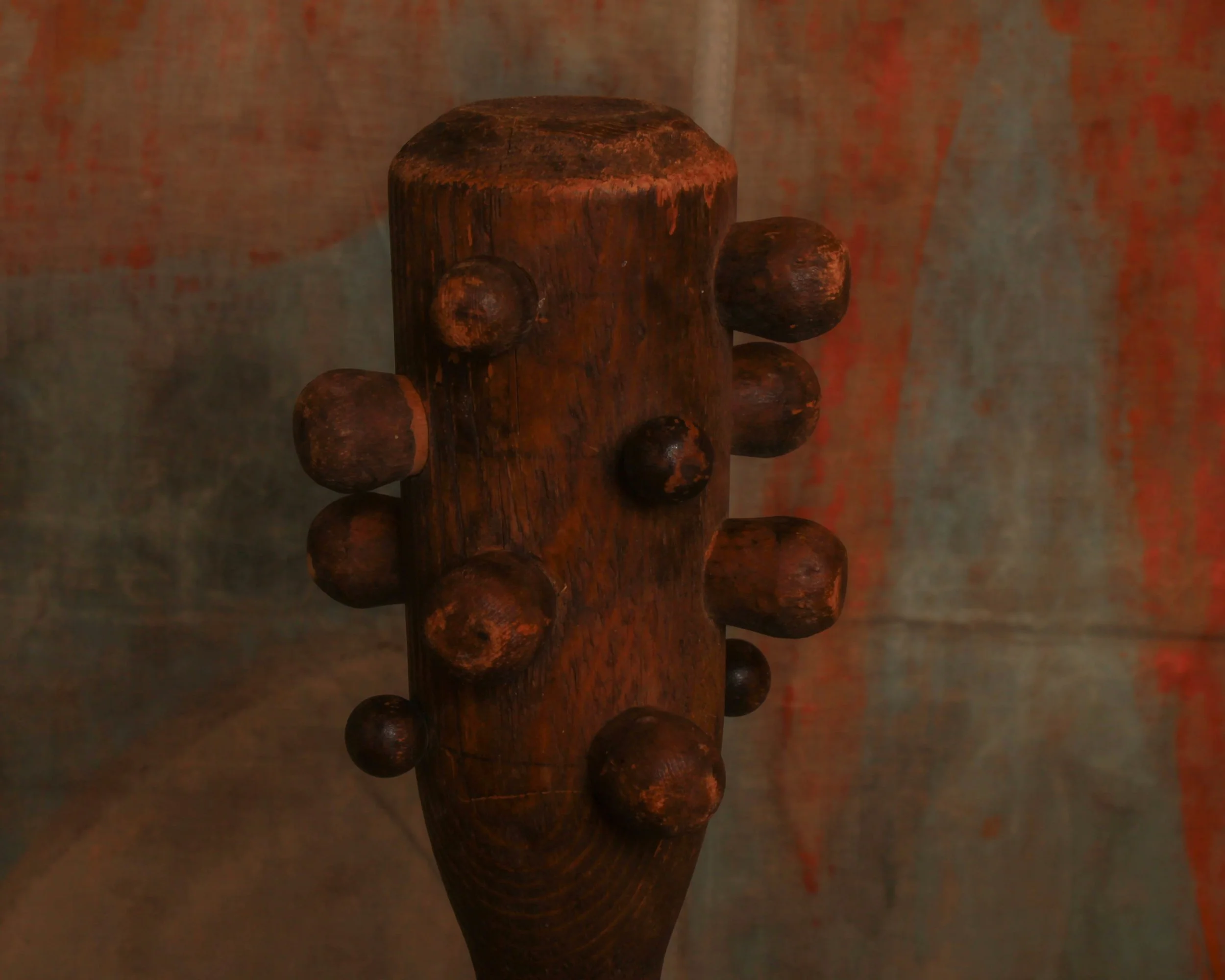
When Everyday Objects Become Art
From Practical Purpose to Artistic Value
Many antique objects begin as practical items created for everyday use. Over time, changes in social context and taste allow these everyday items to be reinterpreted as art.
A piece of furniture, for example, may have been mass produced or created for utility. Decades later, its form, materials, and craftsmanship give it a new meaning within a curated space.
The Role of Artistic Intent and Perception
Artistic intent plays a role, but the person viewing the object is equally important. An object does not need to be created as art to be experienced as art. Its aesthetic value, visual appeal, and emotional response define its place.
This is why the same object can exist in both categories depending on context. A ceramic vessel may serve a practical purpose in one setting and act as sculpture in another.
Form, Space, and Immediate Visual Appeal
Objects that transition into art often share certain qualities:
Strong form that holds presence in a space
Immediate visual appeal without reliance on narrative
Unique designs that stand apart from mass produced items
A balance between both beauty and function
These qualities allow everyday objects to create an emotional connection, transforming them into individual pieces with lasting relevance.
The Role of Craftsmanship and Materials
Why Craft Still Matters
Craftsmanship remains one of the strongest indicators of artistic value. Objects that were carefully crafted tend to age differently, retaining quality and presence over time.
The human touch embedded in these works distinguishes them from purely functional or industrial items. This is especially important in a world where many objects are mass produced.
Materials and Meaning
Materials contribute directly to how an object is perceived. Natural materials, aged surfaces, and visible construction methods all add to the meaning and authenticity of a piece.
Ceramics, wood, and metal each carry different associations within art and design. Their use reflects not only function but also creativity and intent.
From Craft to Collectible
As collectors become more aware of these qualities, objects once seen as practical are re-evaluated. Furniture, ceramics, and other decorative objects are now collected in the same way as fine art.
This shift reinforces the idea that artistic value is not limited to traditional categories.
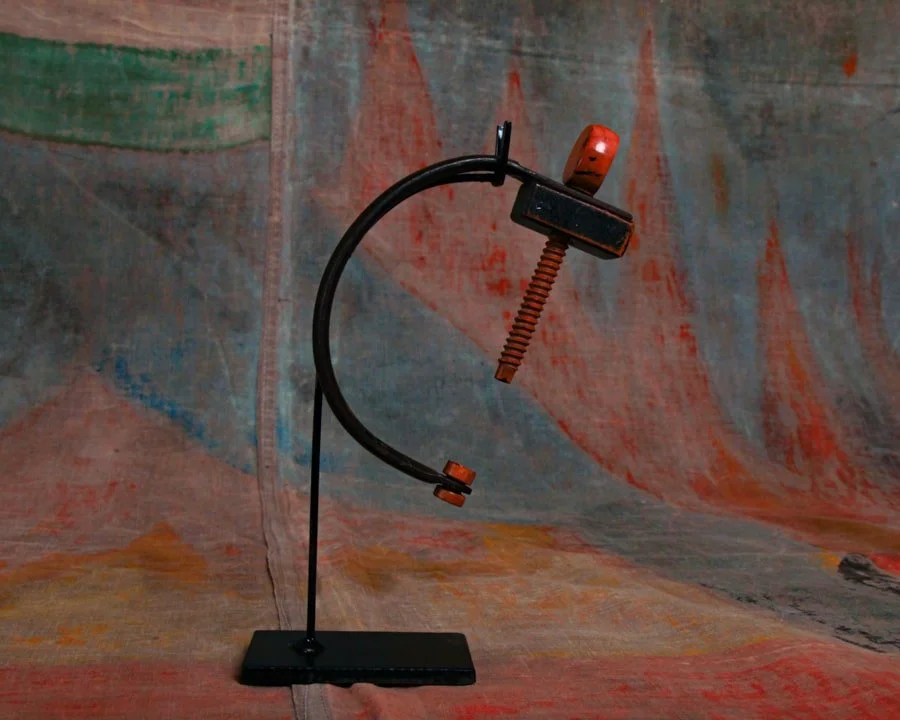
Why Functional Art Matters in Interior Design
Creating Depth Within a Space
Functional art plays a critical role in interior design by introducing layers of meaning and visual interest. Unlike purely decorative pieces, these objects carry a history tied to everyday life.
They allow a space to feel lived in, rather than staged.
Balancing Fine Art and Decorative
Strong interiors rarely rely on fine art alone. The interplay between fine art and decorative objects creates balance. A painting may anchor a room, while furniture and other objects provide structure and texture.
This combination allows for a richer aesthetic experience.
Emotional Connection and Lasting Impact
Objects with a past often generate a stronger emotional response. Their history, materials, and form create a sense of continuity between past and present.
For collectors, this emotional connection is often more important than category. The distinction between fine and decorative becomes secondary to how a piece interacts within a space.
Summary
The distinction between decorative vs functional art is no longer fixed. Objects once created for practical purpose now occupy a central role in the art world, valued for their form, craftsmanship, and meaning. As the boundaries between fine art and decorative continue to shift, collectors are increasingly drawn to pieces that combine utility with aesthetic presence.
This is where Heimwee operates, identifying objects that move beyond function to become art.
At Heimwee Antiques, we focus on objects that exist beyond traditional categories. Pieces originally created for practical use are carefully selected for their form, craftsmanship, and presence within a space. From sculptural furniture to expressive ceramics, each work reflects a balance between function and artistic value.
Explore a curated selection of objects where utility and aesthetic converge.
Frequently Asked Questions
-
Functional art refers to objects that serve a practical purpose while also having strong aesthetic and artistic value.
-
Decorative art includes objects designed for both use and beauty, while fine art is created primarily for visual and conceptual expression.
-
Yes. Everyday objects can become art when their form, craftsmanship, and context create aesthetic and emotional impact.
-
Functional art adds depth, authenticity, and character to a space, making interiors feel more layered and intentional.
-
Yes. High-quality decorative objects with strong craftsmanship and historical significance are increasingly sought after.
