
Understanding Folk, Primitive, and Outsider Art in Antiques
The terms folk art and primitive art are often used interchangeably in the antiques world, yet they represent distinct traditions with different origins, intentions, and collector appeal.
For informed buyers and interior designers, understanding this distinction directly affects how a piece is valued, displayed, and integrated into a space.
At Heimwee Antiques, these categories are part of a broader curatorial language used to identify objects with authenticity, character, and cultural depth.

Table of Contents
What Is Folk Art?
Origins and Cultural Context
Folk art refers to objects created by self-taught makers rooted in regional traditions, often reflecting the customs, beliefs, and daily life of a specific community. These works are typically functional or decorative, but they carry a strong narrative quality through symbolism, craftsmanship, and material use.
Characteristics Collectors Look For
Collectors value folk art for its immediacy and visual storytelling. Pieces often feature:
Bold forms and simplified composition
Handcrafted irregularities
Regional materials and techniques
A sense of cultural continuity
In a curated interior, folk art introduces warmth and historical texture. It often acts as a counterbalance to more formal or academic works.
What Is Primitive Art?
Defining Simplicity and Form
Primitive art is less about cultural tradition and more about aesthetic simplicity and raw execution. While many primitive works are made by untrained artists, the term typically refers to pieces that appear naïve in technique, emphasizing form over refinement.
Common Features in Antique Primitive Works
Primitive antiques often exhibit:
Minimal detailing or proportion distortion
Rough carving or painting techniques
Limited color palettes
Strong, sculptural presence
Collectors are drawn to primitive art for its visual clarity and impact. These are pieces that hold attention without relying on detail.
Period and Market Context
Most primitive antiques available today date from the late 19th to early 20th century, particularly in rural American and European contexts. Their appeal has grown as interiors have shifted toward more layered and character-driven compositions.
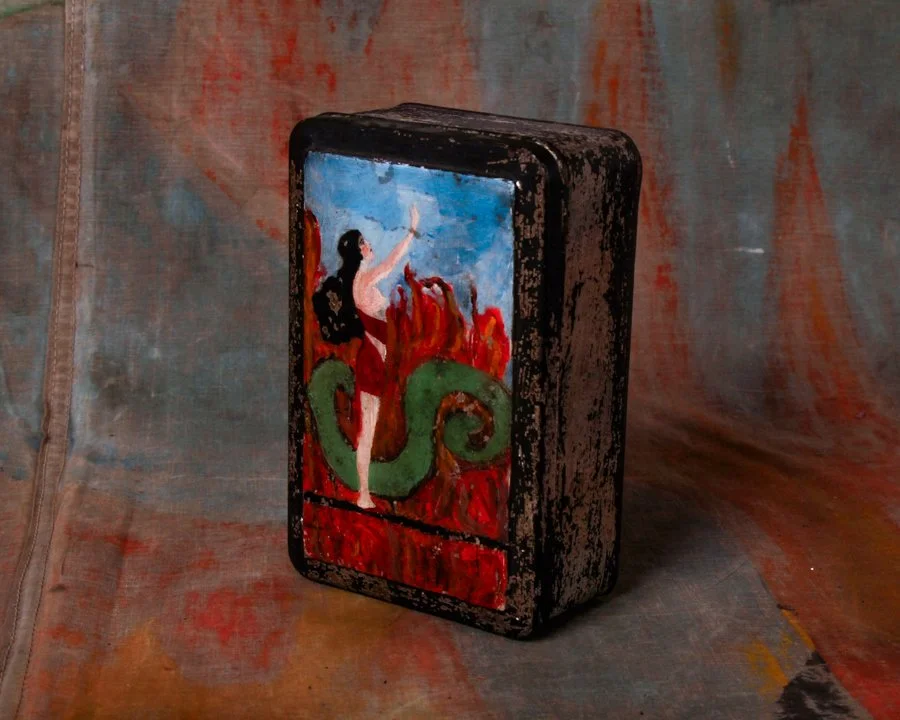
Folk Art vs Primitive Art: Key Differences
Intent vs Execution
The clearest distinction lies in intent. Folk art is grounded in tradition and cultural expression, while primitive art is defined by style and technique.
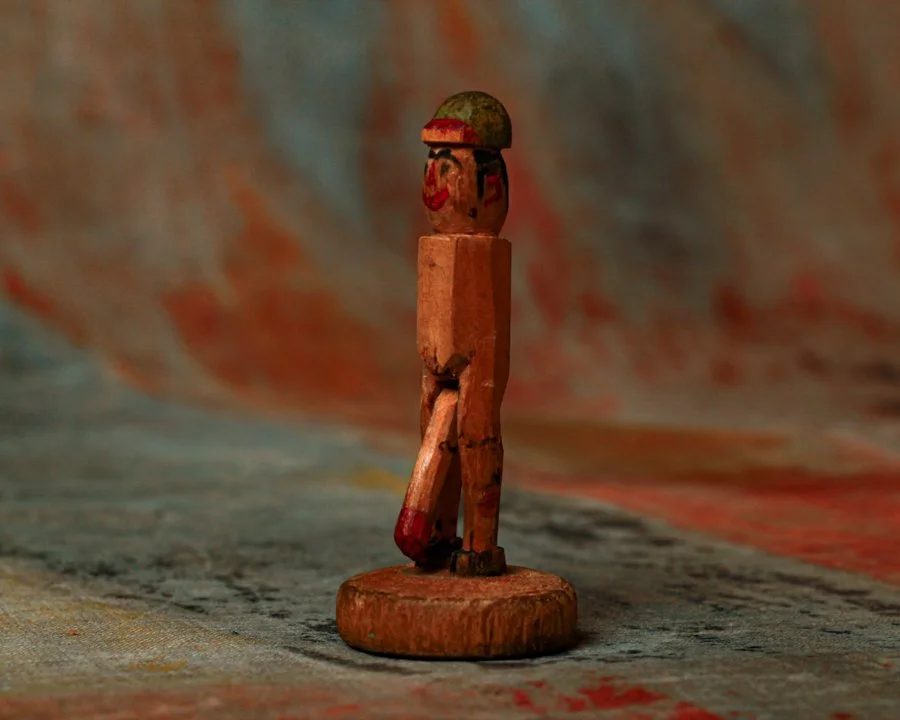
A carved wooden figure may be considered folk art if it reflects a regional practice. The same object may be classified as primitive if its defining quality is its simplified and direct form.
Visual and Collecting Differences
Folk Art is narrative-driven, culturally anchored, and often decorative
Primitive Art is form-driven, visually direct, and often sculptural
In practice, these categories often overlap. That overlap is where many of the most compelling pieces exist.
Where Outsider Art Fits In
Beyond Tradition and Convention
Outsider art sits adjacent to both categories but exists outside traditional cultural frameworks. These works are created by individuals without formal training and are driven by personal vision rather than community tradition or established aesthetic norms.
Why It Matters for Heimwee’s Curation
For Heimwee, outsider art reflects the same underlying principle found in folk and primitive works. Authenticity takes precedence over convention. These pieces often bring a level of intensity and individuality that is difficult to replicate.
Why These Distinctions Matter for Collectors
Buying with Confidence
Understanding the difference between folk art vs primitive art allows collectors to make more informed decisions. This applies not only to authenticity, but also to how a piece will function within a space.
Curatorial Value and Interior Impact
Strong interiors rely on contrast and layering. Collectors often combine:
Folk art for narrative and warmth
Primitive works for structure and visual clarity
Outsider pieces for unpredictability
This is where Heimwee’s approach becomes valuable. The focus is not just on the object itself, but on how it interacts with other pieces.
Investment and Rarity Considerations
As demand grows for less conventional antiques, well-selected examples in these categories are gaining recognition for long-term value. Pieces with strong presence, unusual subject matter, or clear provenance tend to perform best.
Summary
Folk art and primitive art are often grouped together, but they serve different roles within the antiques landscape. One is rooted in tradition and storytelling. The other is defined by simplicity and visual strength. Understanding this distinction allows collectors to approach buying with greater clarity and intention.
At Heimwee Antiques, we focus on objects that exist beyond traditional categories. Pieces originally created for practical use are carefully selected for their form, craftsmanship, and presence within a space. From sculptural furniture to expressive ceramics, each work reflects a balance between function and artistic value.
Explore a curated selection of objects where utility and aesthetic converge.
Frequently Asked Questions
-
Folk art is tied to cultural traditions and community practices, while primitive art is defined by its simplified and often naïve aesthetic.
-
Primitive art refers to works that emphasize raw form, minimal detail, and unrefined technique, often created by self-taught makers.
-
Folk art includes handcrafted objects that reflect regional traditions, cultural identity, and everyday life.
-
Yes. Pieces with strong visual presence, age, and rarity are increasingly sought after by collectors and designers.
-
Yes. Many antiques combine cultural significance with simplified execution, which often increases their appeal.
