
Why Collectors Still Reach for Dolls and Walk Past the Trains
There is a version of antique collecting that most people picture without much effort. Trains. Tin toys. Mechanical banks. Objects with moving parts and obvious engineering appeal. They photograph well. They make sense as collectibles. And they have been desirable for long enough that the market around them is well established and well understood.
Antique dolls occupy a different position entirely. They are equally old, often rarer, and in many cases more technically sophisticated than the mechanical toys that attract more mainstream attention. Yet they are still frequently overlooked by newer collectors who associate them with a narrower kind of interest than they actually represent.
This guide looks at why serious collectors continue to reach for antique dolls, what makes them compelling objects beyond their obvious associations, and what the market around them reflects about collecting as a practice.
At Heimwee Antiques, antique dolls form part of our broader antique toys collection, selected for their craft, condition, and individual presence.
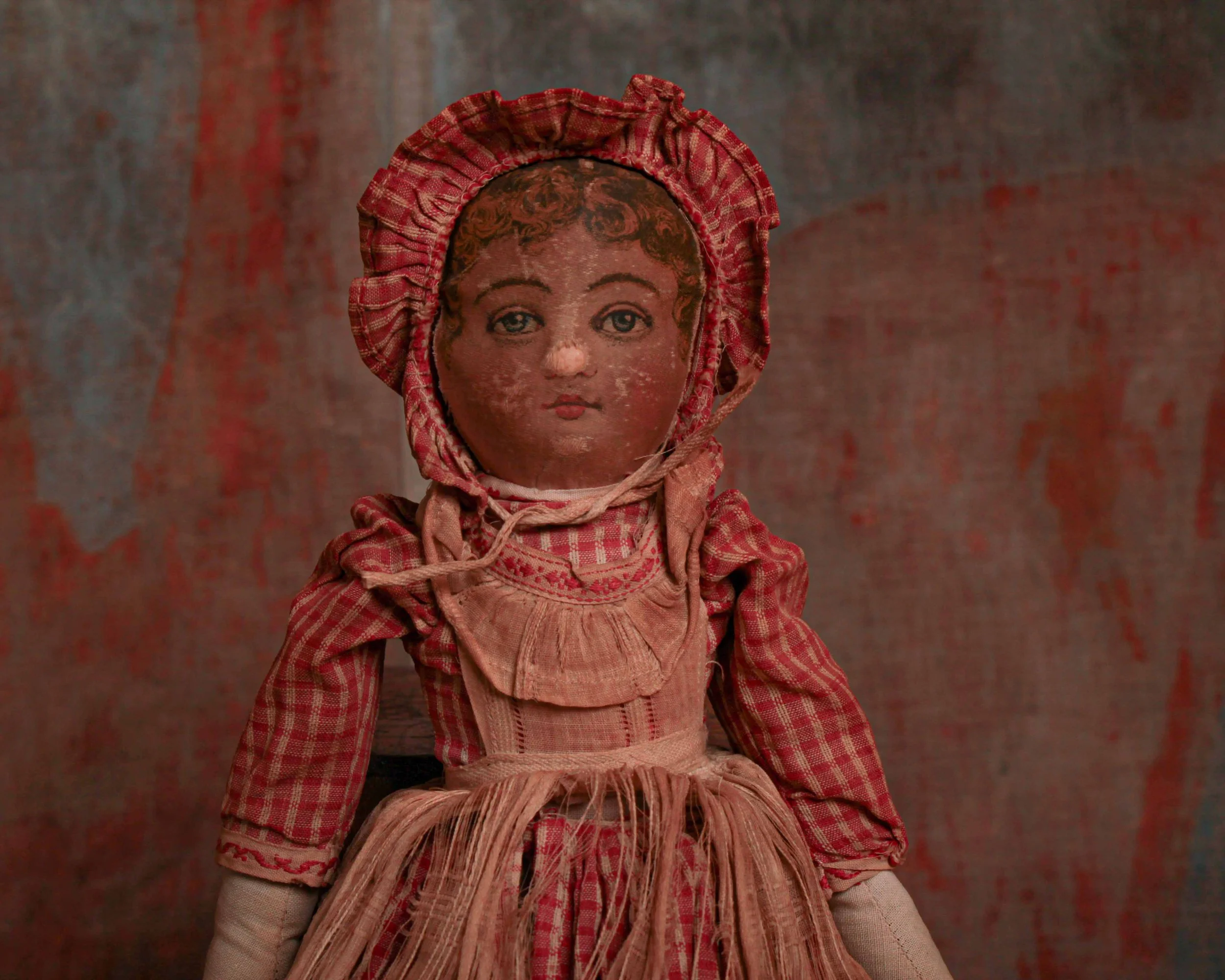
Table of Contents
What Makes Antique Dolls Different
Craft at a Level That Is Rarely Acknowledged
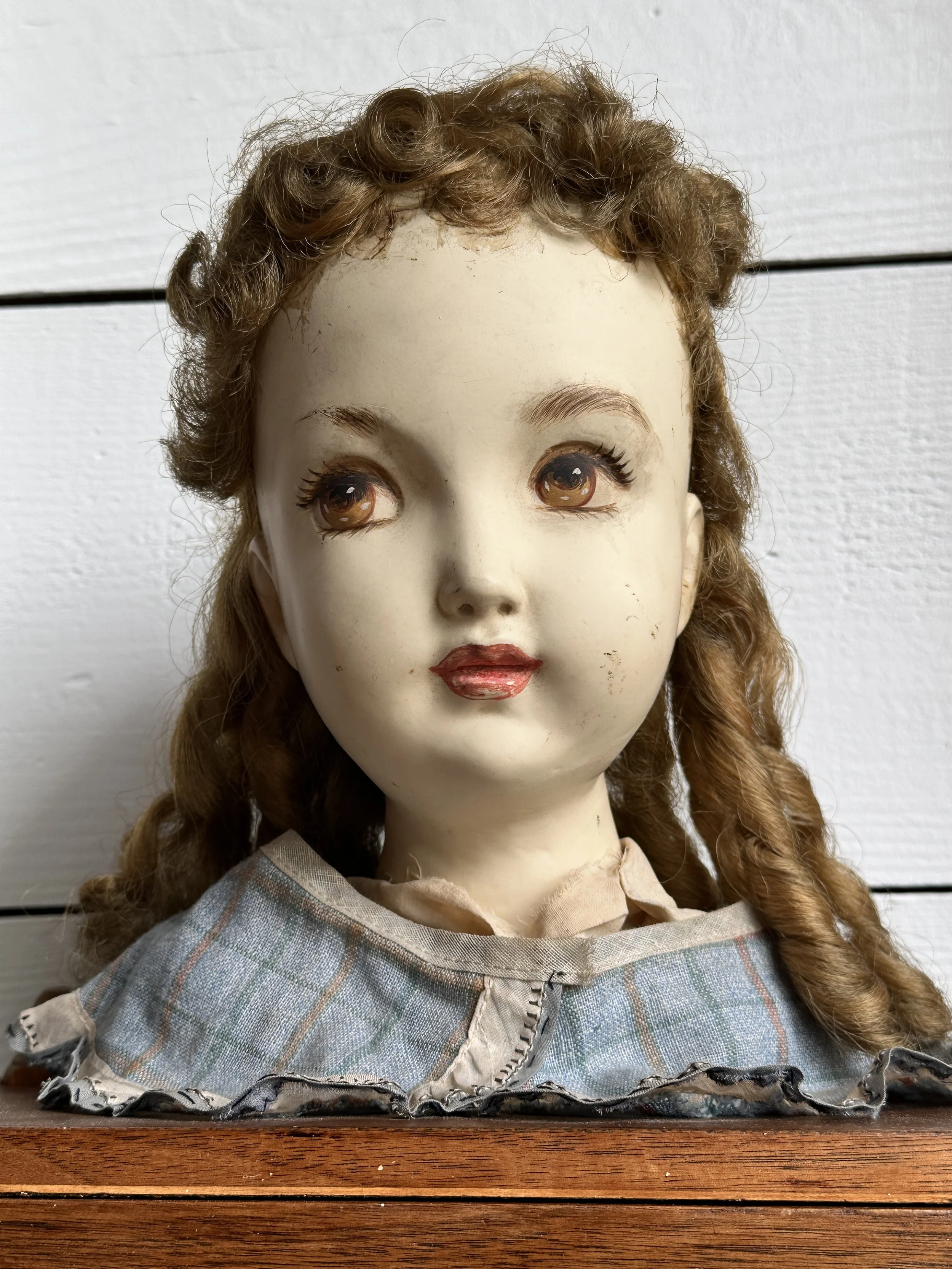
The most significant antique dolls were produced by manufacturers whose technical standards matched anything being made in Europe during the nineteenth and early twentieth centuries. Bisque porcelain heads produced by makers including Jumeau, Simon and Halbig, and Kestner required multiple firings at precise temperatures, hand painted facial features, and glass eyes set individually by skilled workers.
The bodies of these dolls, made from kid leather, composition, or jointed wood, were engineered to hold poses and survive regular handling. This was not casual manufacture. It was precision craft applied to an object that happened to be made for children.
The Human Face
There is something specific about the human face that draws collectors to antique dolls in a way that mechanical toys rarely achieve. A well made nineteenth century bisque doll has an expression that was painted by a specific person on a specific day, and that expression has not changed since. It is a fixed point of human attention in an object that has outlasted almost everything around it.
Collectors who respond to this are not responding to nostalgia. They are responding to craft, presence, and the particular quality of attention that went into making a face that would be looked at.
Why Trains Get More Attention Than They Deserve
The Engineering Appeal Is Obvious
Antique trains and mechanical toys attract immediate attention because their appeal is immediately legible. Moving parts, engineering logic, and a clear line between the object and the interest it generates. You do not need to know much about collecting to understand why a working antique train is impressive.
The Market Reflects Familiarity Not Quality
The prominence of trains and mechanical toys in the antique collecting market reflects their familiarity as collectibles as much as their actual quality as objects. They have been collected systematically for longer, written about more extensively, and marketed more aggressively than many categories of equal or greater interest.
This has created a market where prices are high and the field is crowded. For collectors who are interested in objects for their own qualities rather than their market position, this is not necessarily an advantage.
What the Antique Doll Market Actually Looks Like
A Serious and Established Field
The antique doll market is considerably more sophisticated than its popular reputation suggests. Major auction houses including Christie's and Sotheby's have handled significant doll collections. Record prices for exceptional examples have reached into the tens of thousands of dollars. The field has its own specialist dealers, dedicated publications, and collector organisations with decades of history.
Where Value Is Found
Within the antique doll market, value is concentrated in a relatively small number of areas. French bisque dolls from the major nineteenth century manufacturers are consistently the most sought after. German bisque examples from the same period offer comparable quality at lower price points, making them a more accessible entry into serious collecting.
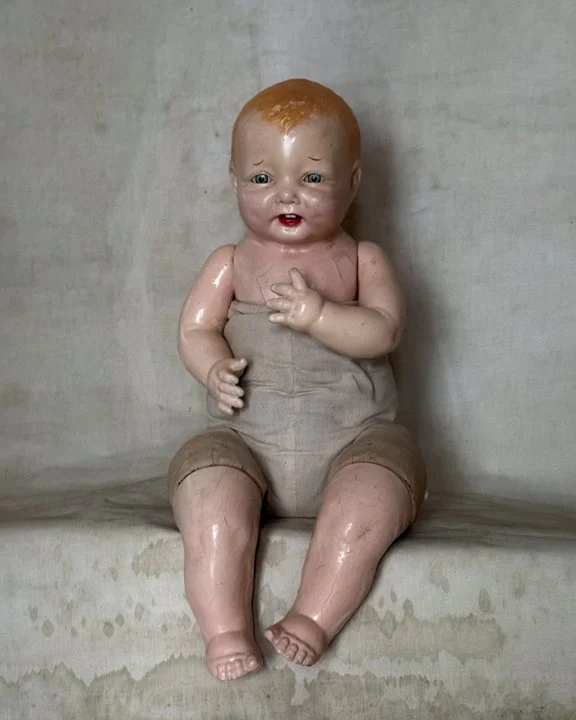
Character dolls, produced in the early twentieth century with more naturalistic and individualised facial expressions, represent a distinct collecting area with strong demand. Cloth dolls, folk dolls, and examples produced outside the main manufacturing centres occupy a separate space that appeals to collectors drawn to handmade objects and regional craft traditions.
Antique dolls in good original condition with their original clothing and accessories intact are always preferable to restored or redressed examples. Condition affects value more directly in this category than in almost any other area of antique collecting.
What Collectors Who Choose Dolls Understand
Objects That Reward Attention
The collectors who consistently make the strongest choices in the antique doll market share a common characteristic. They look at objects rather than categories. They are drawn to the specific qualities of individual pieces rather than the general appeal of a collecting area.
This approach produces collections that hold their interest over time in a way that assembling a type of object rarely does. A collection built around genuine response to individual pieces reflects something real about the collector. A collection built around a category reflects a decision that was made once and then repeated.
The Overlooked Category Advantage
There is a practical argument for antique dolls that has nothing to do with aesthetics. In any collecting field, the most obvious categories attract the most competition and the highest prices. Categories that are equally rich but less immediately legible to new collectors offer better opportunities for those who have done the work to understand them.
Antique dolls are not undervalued in absolute terms. But relative to their quality, rarity, and the craft that went into producing the best examples, they remain less aggressively priced than the mechanical toys that occupy a larger share of collector attention.
Summary
Antique dolls attract serious collectors because they reward serious attention. The craft involved in the best nineteenth and early twentieth century examples is comparable to anything being produced at the time.
The market around them is established and sophisticated. And the objects themselves have a presence that mechanical toys, for all their engineering appeal, rarely match. Walking past the trains is not a contrarian position. It is what happens when a collector looks carefully at what is actually in front of them.
Explore antique dolls and early collectible toys in the Heimwee antique toys collection.
Frequently Asked Questions
-
Antique dolls produced by the major nineteenth and early twentieth century manufacturers represent a high level of craft that is rarely acknowledged outside specialist collecting circles. Bisque porcelain heads, hand painted features, and individually set glass eyes were produced to standards that modern manufacture does not replicate. Their collectability reflects genuine quality rather than sentiment.
-
French bisque dolls produced by manufacturers including Jumeau and Bru during the nineteenth century are consistently the most sought after. German bisque dolls from makers including Simon and Halbig and Kestner offer comparable quality at lower price points. Character dolls with naturalistic expressions and examples in original condition with original clothing command the strongest prices across all categories.
-
Both categories have established markets with long collecting histories. Antique trains attract broader mainstream attention, which keeps prices high and competition strong. Antique dolls offer comparable quality and rarity in a field where serious collecting requires more knowledge, which historically creates better opportunities for informed buyers.
-
Original condition is the most significant factor. Dolls in original clothing with original wigs and accessories intact are always preferable to restored or redressed examples. Hairline cracks in bisque heads significantly affect value, as does any restoration to the face or eyes. Original boxes and associated paperwork add material value to any example.
-
The strongest examples appear at specialist auctions, established antique dealers, and from private collections with documented histories. At Heimwee, antique dolls are selected individually as part of the broader antique toys collection, with a focus on craft, condition, and individual character.
