
Industrial Revolution Decor: Why Industrial Antiques Are So Popular Today
Industrial Revolution decor continues to shape how interiors are defined today.
Industrial antiques, once created for purely industrial use, now sit at the intersection of design, history, and material presence. These objects were not made to be decorative, yet their form, structure, and wear have given them a distinct place within contemporary spaces.
At Heimwee, vintage industrial pieces are selected for their ability to transform a space through authenticity rather than ornament.
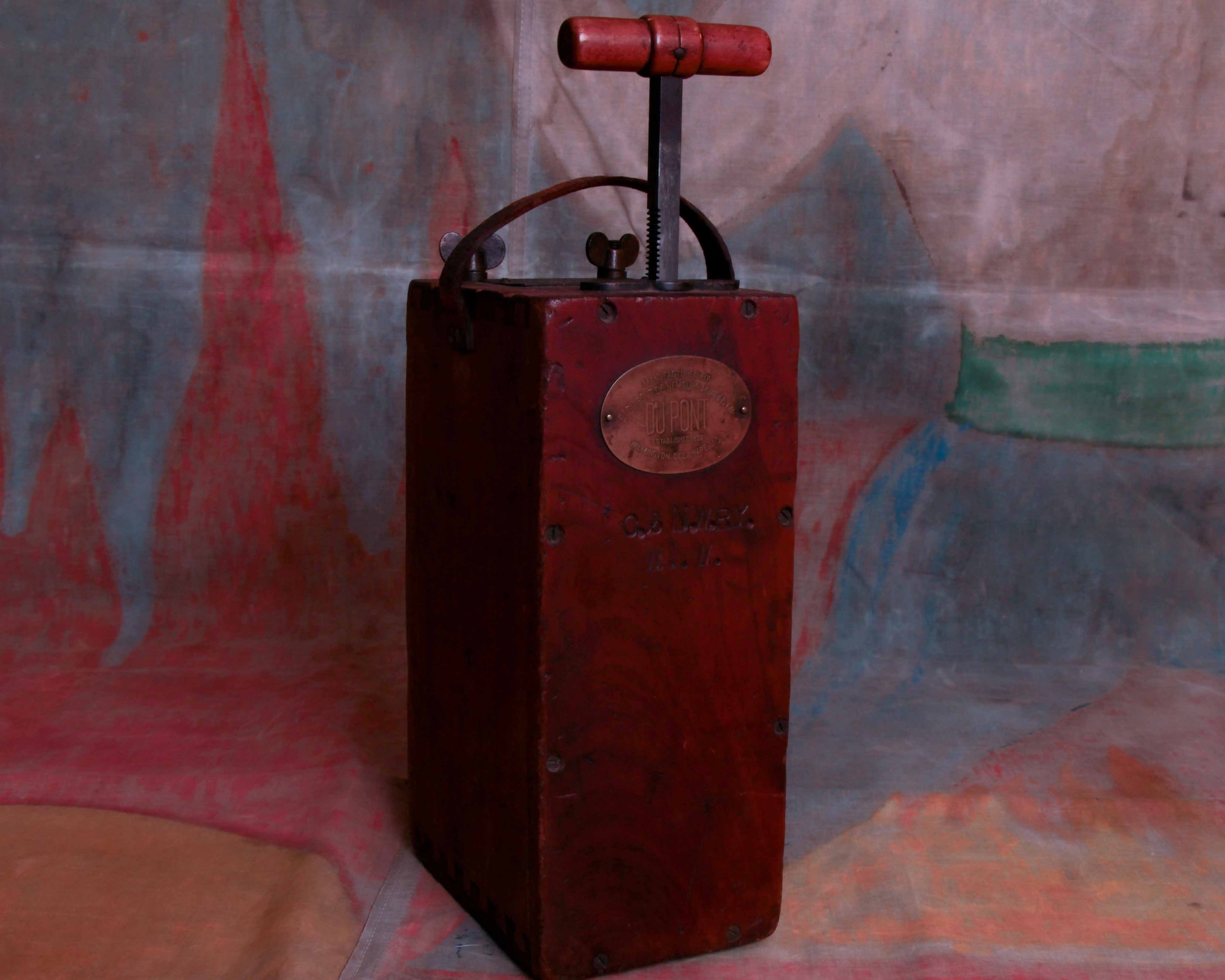
Table of Contents
What Defines Industrial Antiques
Built for Purpose
Industrial antiques originate from environments where function dictated every decision. Factories, workshops, and production spaces required objects that could endure constant use. As a result, industrial design developed around strength, efficiency, and clarity of form.
These pieces were created without decorative intent, yet their structure often results in a strong aesthetic presence. This is where the distinction begins to shift.
From Industrial to Interior
Over time, industrial objects have moved into interior design contexts. Vintage industrial furniture and lighting now serve a different role, one that values visual impact as much as utility.
This transition reflects a broader change in how the design world interprets industrial forms. What was once purely practical is now seen as essential to creating depth within a space.
The Industrial Revolution and Its Lasting Influence
A Defining Moment in History
The Industrial Revolution marked a defining moment in history, particularly during the 19th century. It introduced new methods of production and a new relationship between materials and form.
Iron, steel, and wood were used with a focus on durability rather than decoration. This created objects that were direct, functional, and grounded in their purpose.
Industrial Design as an Aesthetic
What began as necessity has become a recognizable aesthetic. Industrial design is now closely tied to ideas of honesty, structure, and material integrity.
Unlike later movements such as art deco, which emphasized refinement and ornament, industrial forms remain direct. Their appeal lies in restraint rather than embellishment.
Why Industrial Antiques Remain Relevant
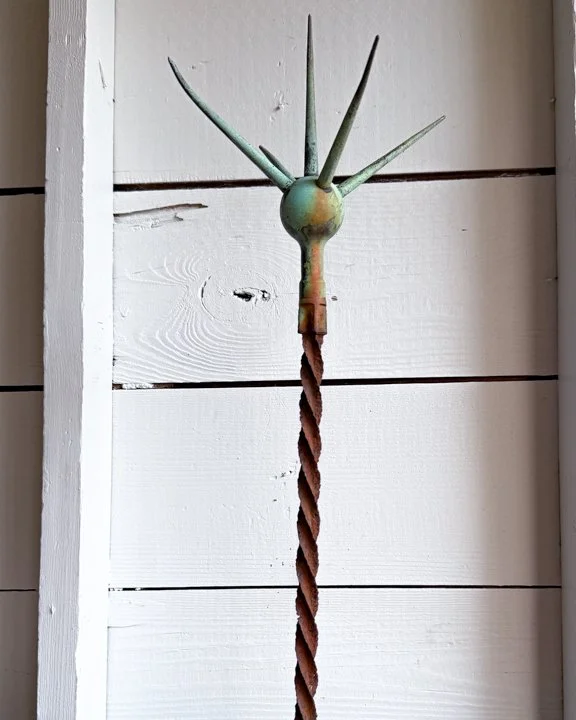
In a world where many objects are mass produced, industrial antiques offer a different perspective. Surfaces show wear, edges soften over time, and materials develop character.
This sense of history cannot be replicated. It creates an immediate visual appeal that feels grounded rather than manufactured.
Vintage Industrial and Interior Design
Vintage industrial pieces integrate naturally into a wide range of interiors. Whether placed within minimal spaces or more layered environments, they provide structure and contrast.
Furniture and lighting from industrial contexts often define a space rather than simply occupying it. Their scale and form allow them to anchor a room.
Scarcity and Presence
Industrial antiques exist in limited numbers. As original stock diminishes, the remaining pieces become more significant.
Collectors are drawn not only to their appearance but also to their rarity. Each object carries a history that cannot be reproduced, which increases both its aesthetic and cultural value.
Key Categories: Furniture, Lighting, and Objects
Industrial Furniture
Industrial furniture includes worktables, cabinets, and shelving designed for durability. These pieces often feature exposed materials and straightforward construction.
Within a space, they provide both function and presence. Their scale allows them to act as central elements rather than supporting pieces.
Industrial Lighting
Lighting is one of the most recognizable aspects of industrial design. Pendant lights, wall fixtures, and task lamps bring a sculptural quality to interiors.
These pieces create atmosphere while maintaining a clear connection to their original purpose.
Smaller Industrial Objects
Beyond furniture and lighting, smaller objects play an important role. Tools, containers, and mechanical components introduce texture and detail.
These elements allow for subtle layering, adding depth without overwhelming the overall composition.
The Role of Material and Form
Why Materials Matter
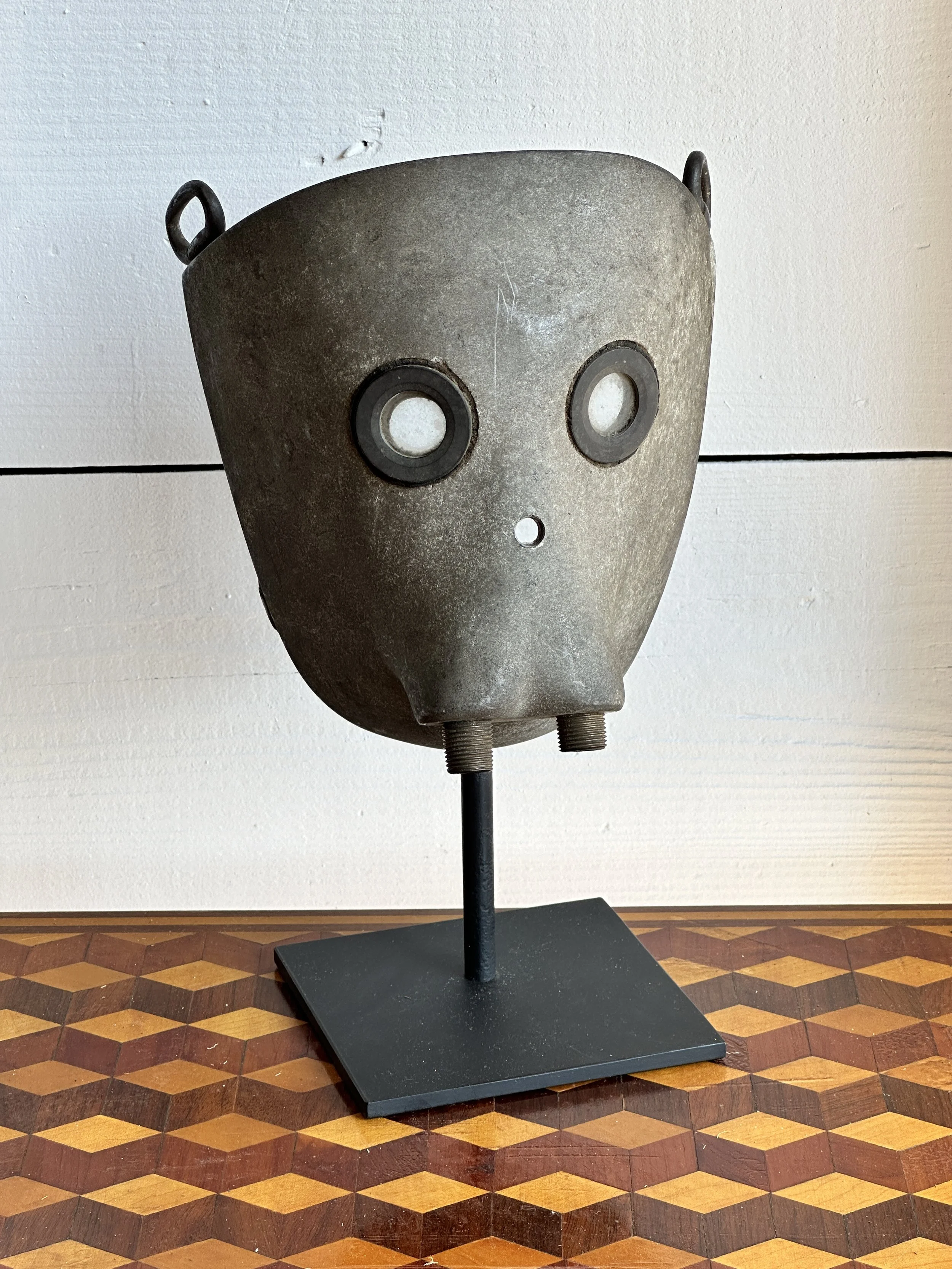
Materials are central to the appeal of industrial antiques. Metal, wood, and glass are used in ways that emphasize durability and function.
Over time, these materials develop a surface quality that reflects their use. This aging process adds meaning and reinforces authenticity.
Form and Spatial Impact
Industrial objects are defined by their form. Lines are direct, proportions are intentional, and structure is always visible.
This clarity allows them to interact strongly with space. Rather than blending in, they establish presence and create balance within an interior.
Summary
Industrial antiques have moved beyond their original function to become defining elements of contemporary interiors. Their strength lies in material honesty, clarity of form, and a direct connection to history. As vintage industrial pieces become increasingly scarce, their role continues to evolve from utilitarian objects to highly considered design elements.
At Heimwee Antiques, industrial pieces are chosen for their clarity of form, material integrity, and presence within a space. Each object reflects a moment in history where function shaped design, now reinterpreted through a contemporary lens.
Explore a curated selection of industrial antiques defined by structure, material, and authenticity.
Frequently Asked Questions
-
Industrial antiques are objects originally used in factories and workshops, now valued for their design, materials, and historical context.
-
They offer authenticity, durability, and a connection to history that contrasts with modern mass produced objects.
-
Vintage industrial furniture includes worktables, cabinets, and shelving designed for practical use, now used in interiors.
-
They are used to add structure, contrast, and material depth to a space.
-
Yes. Their rarity, quality, and visual presence contribute to their increasing value.
