PLEASE EMAIL US RE: SHIPPING TIMING BEFORE PURCHASING hello@heimweeantiques.com
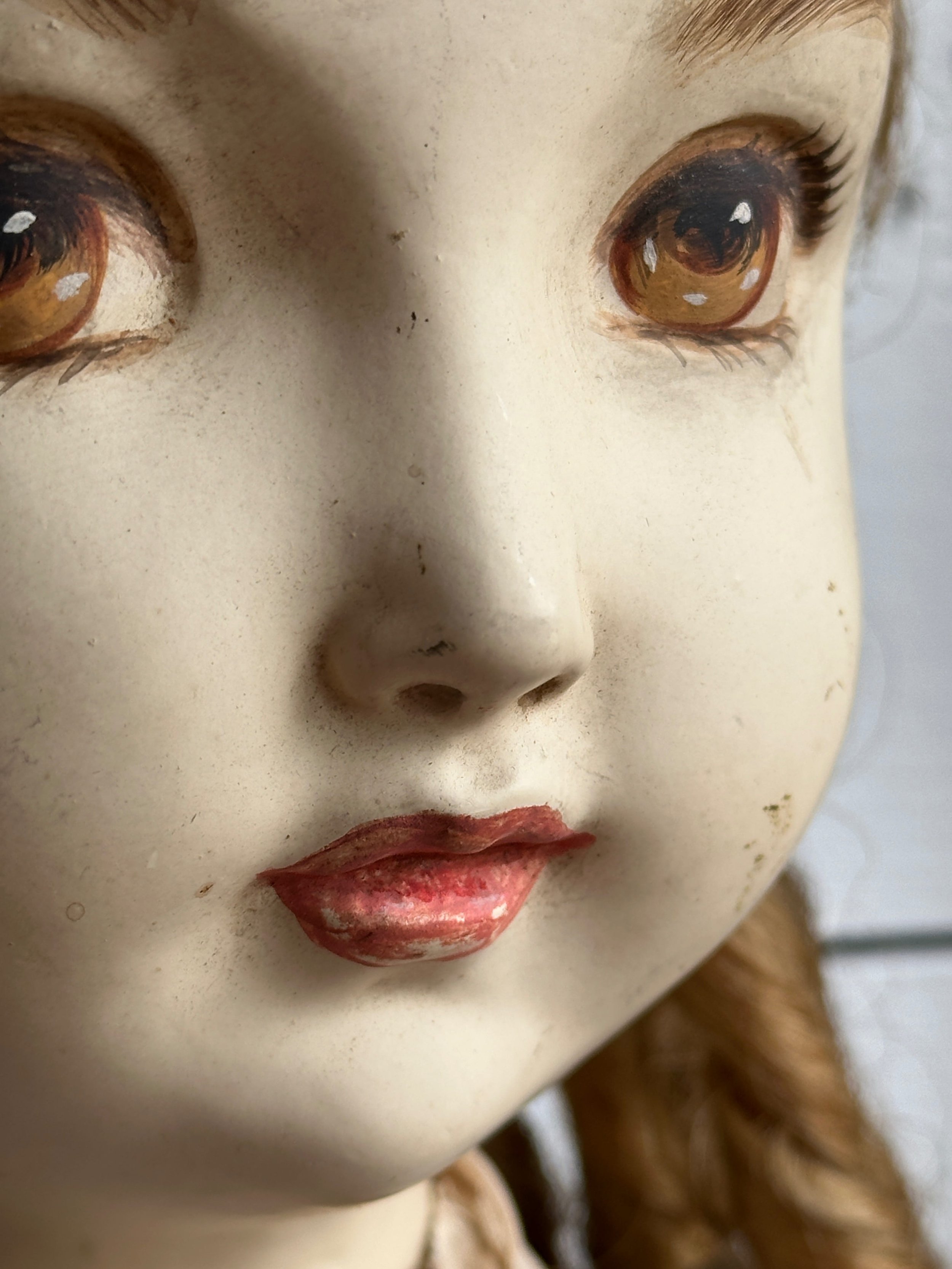
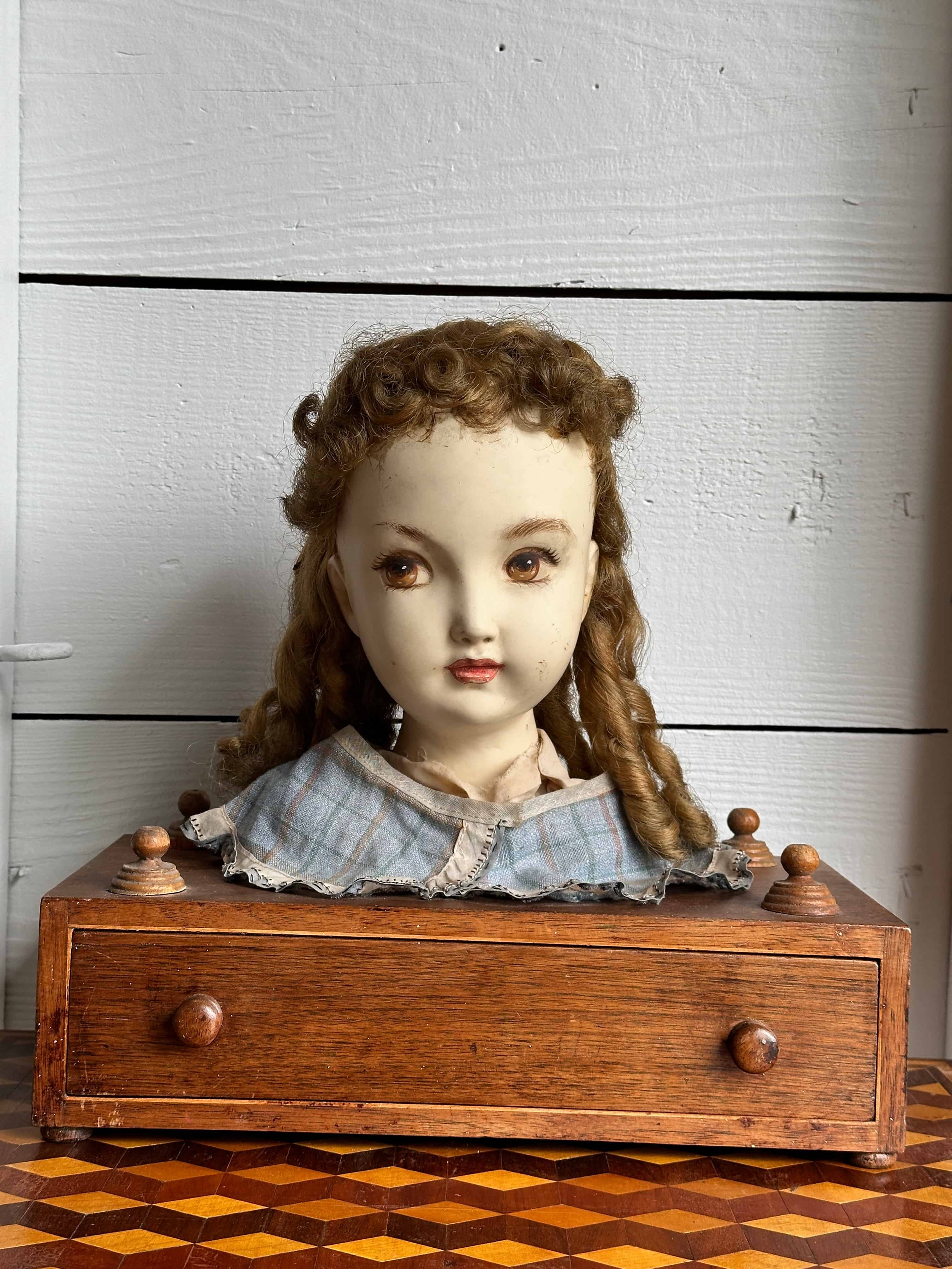
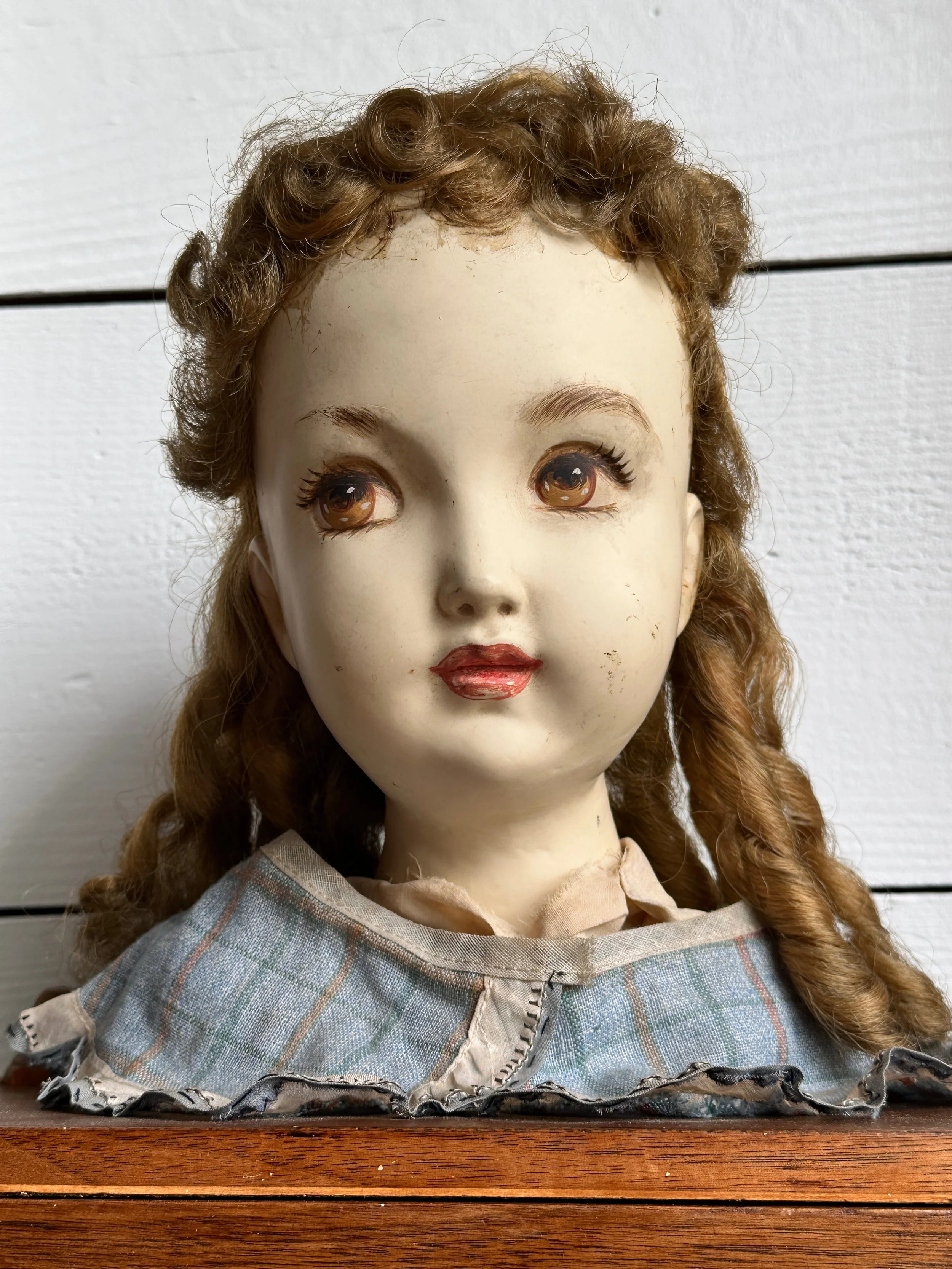
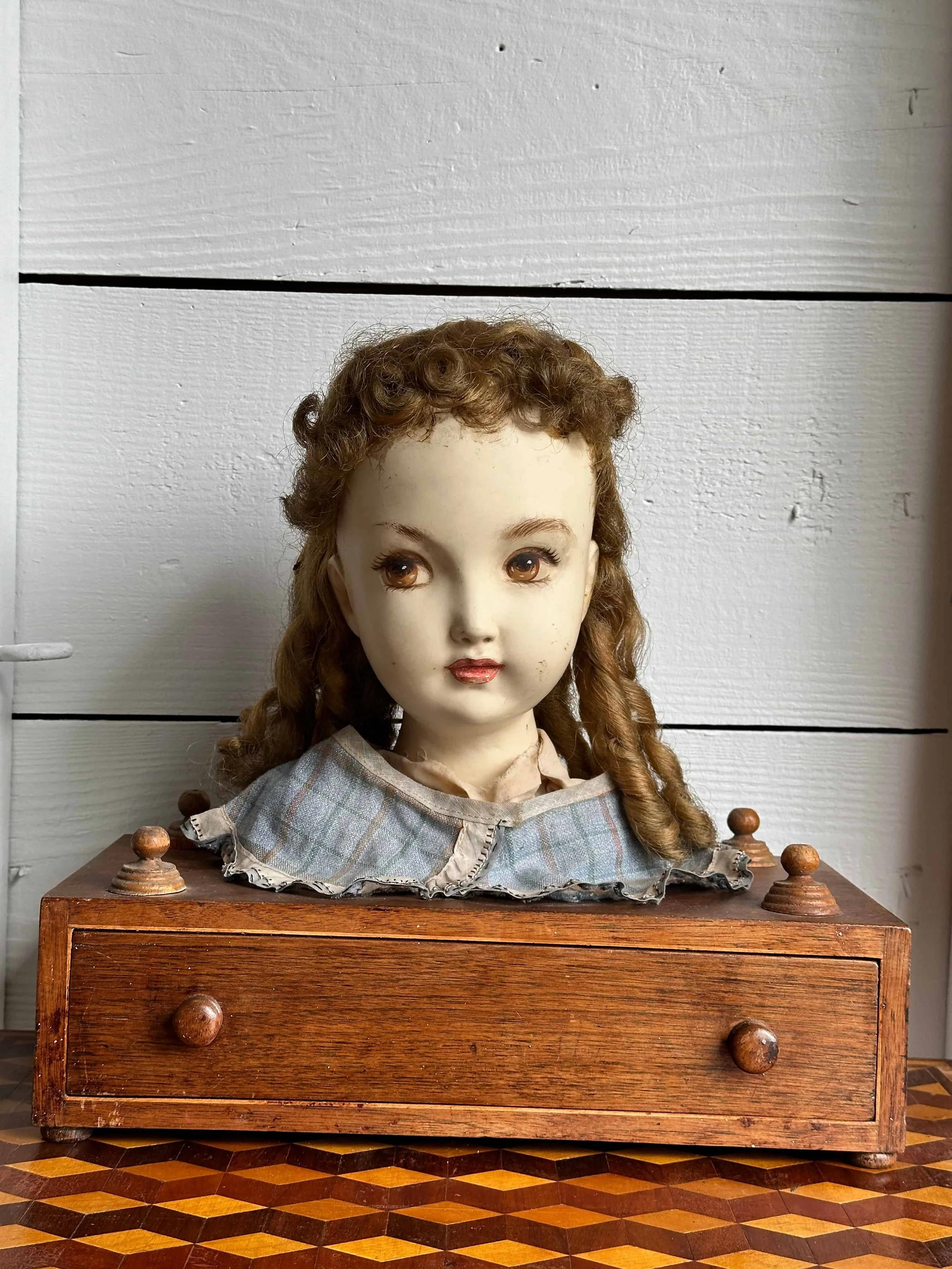
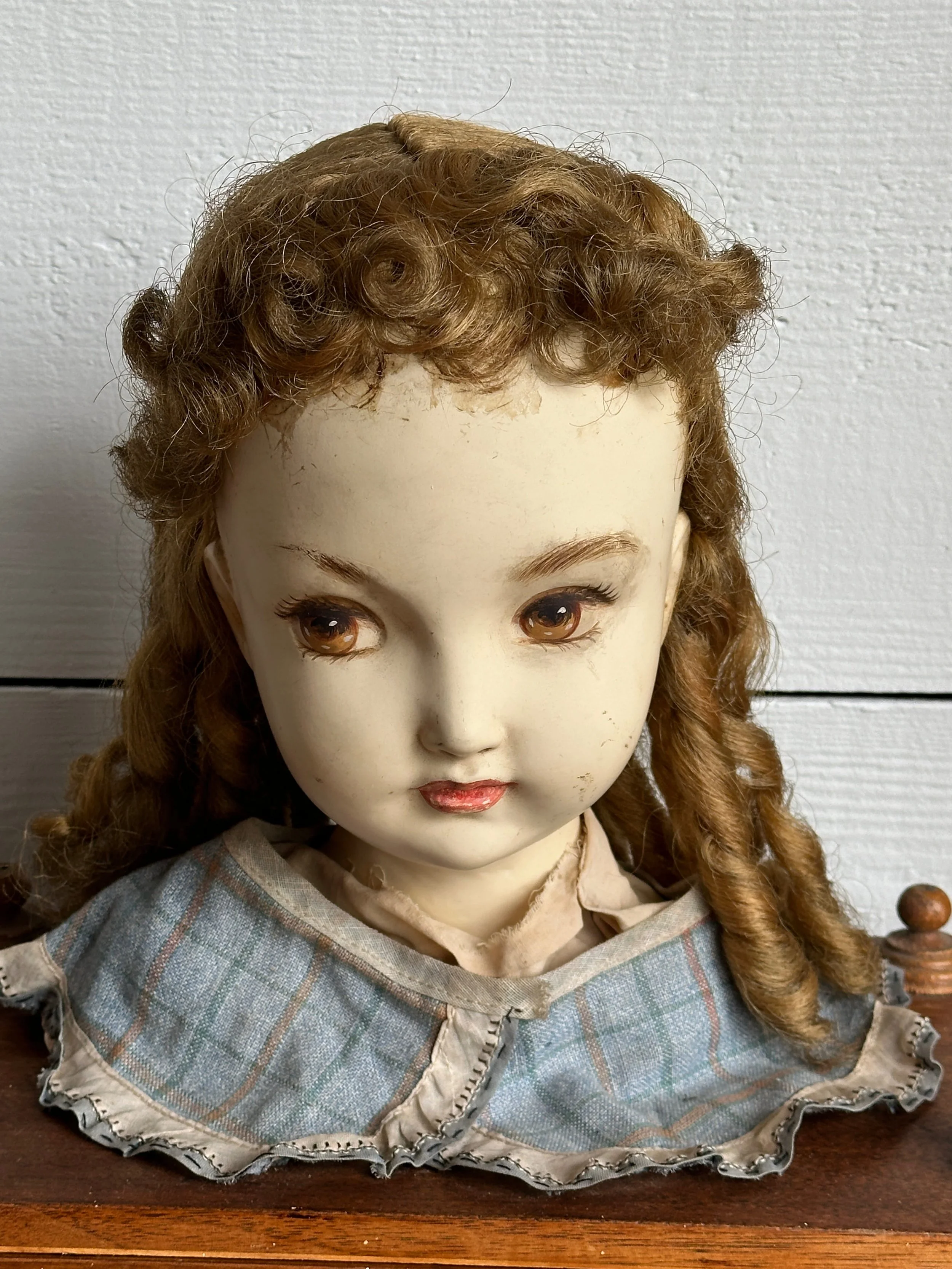
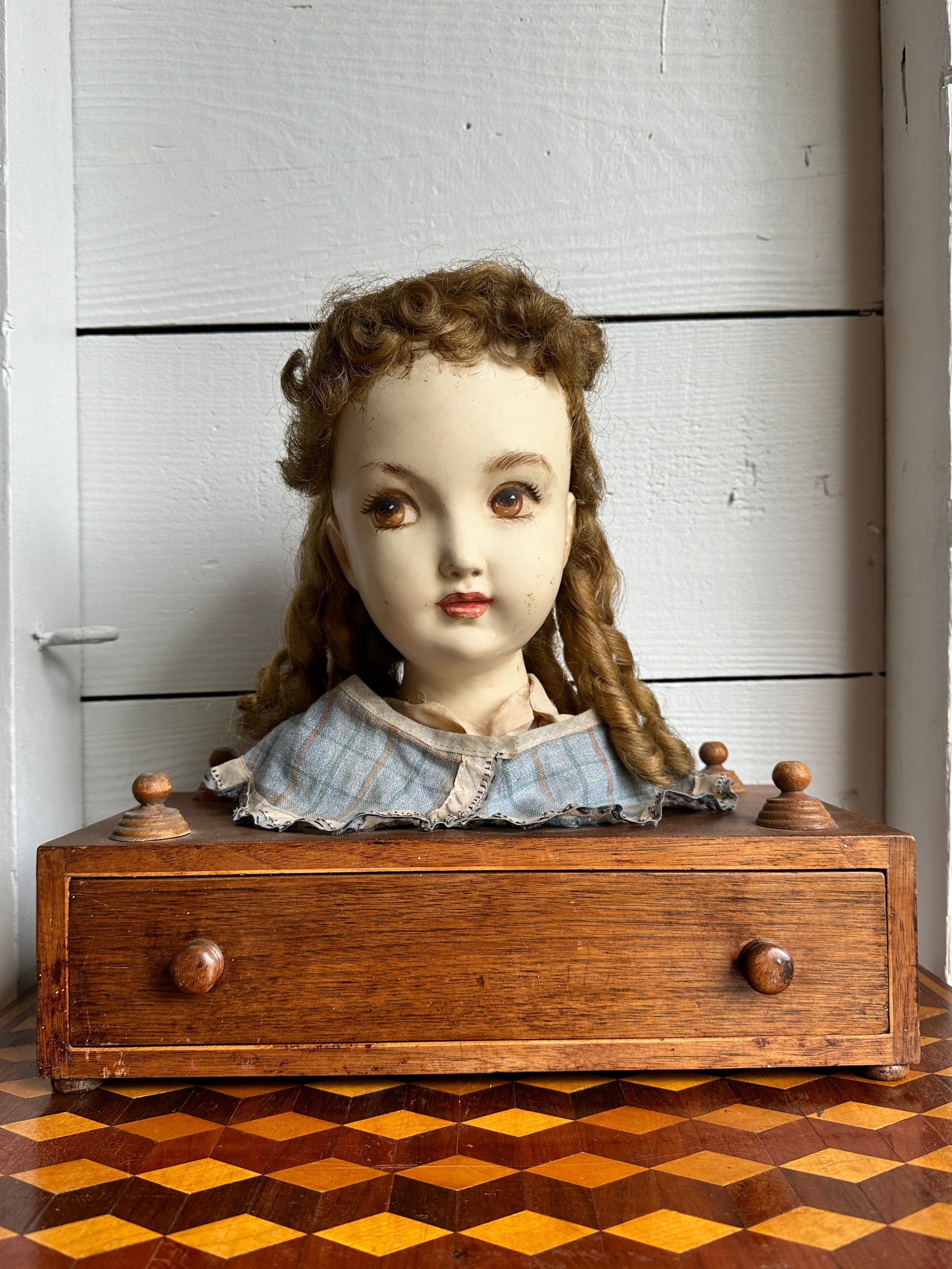
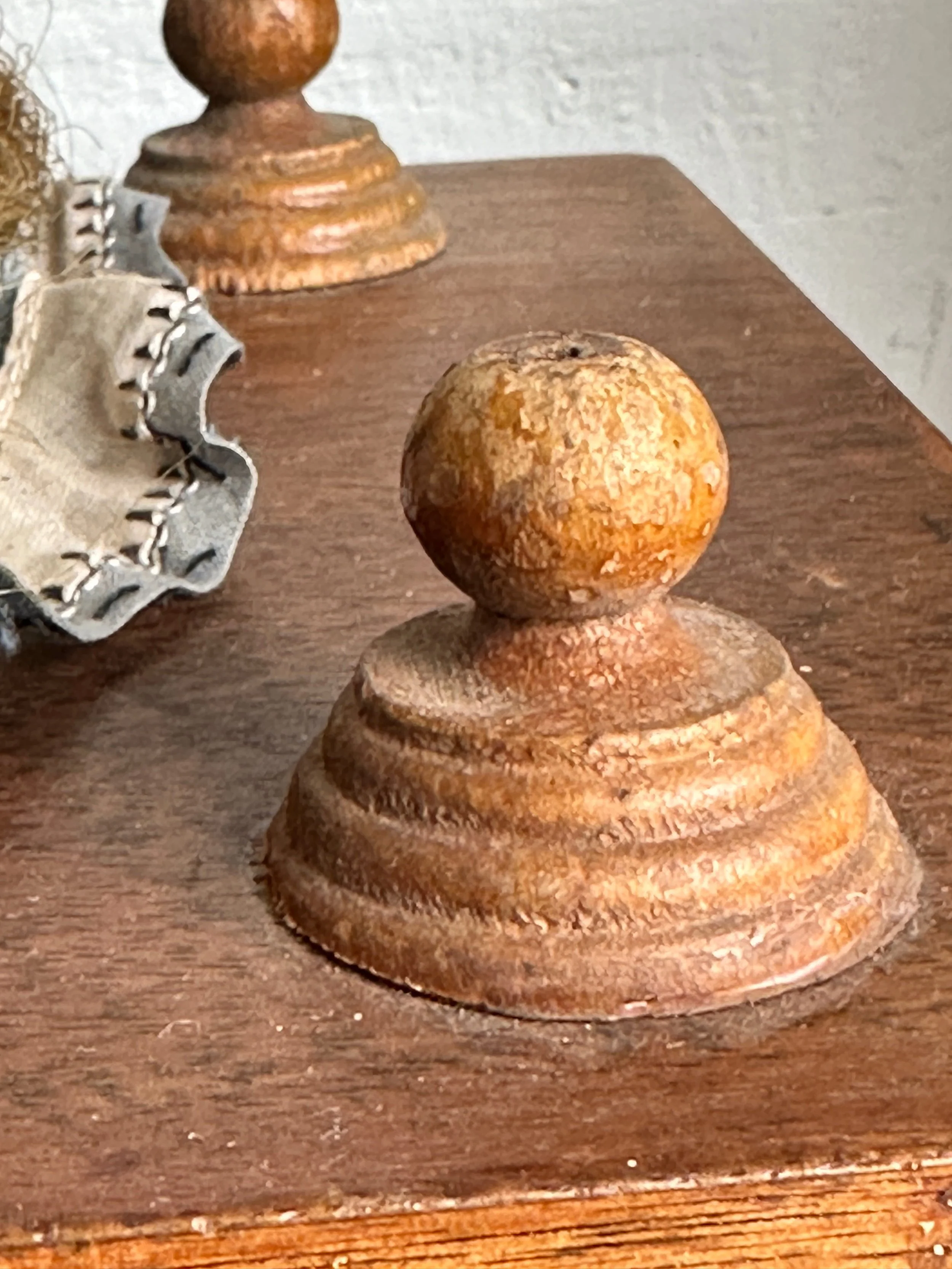
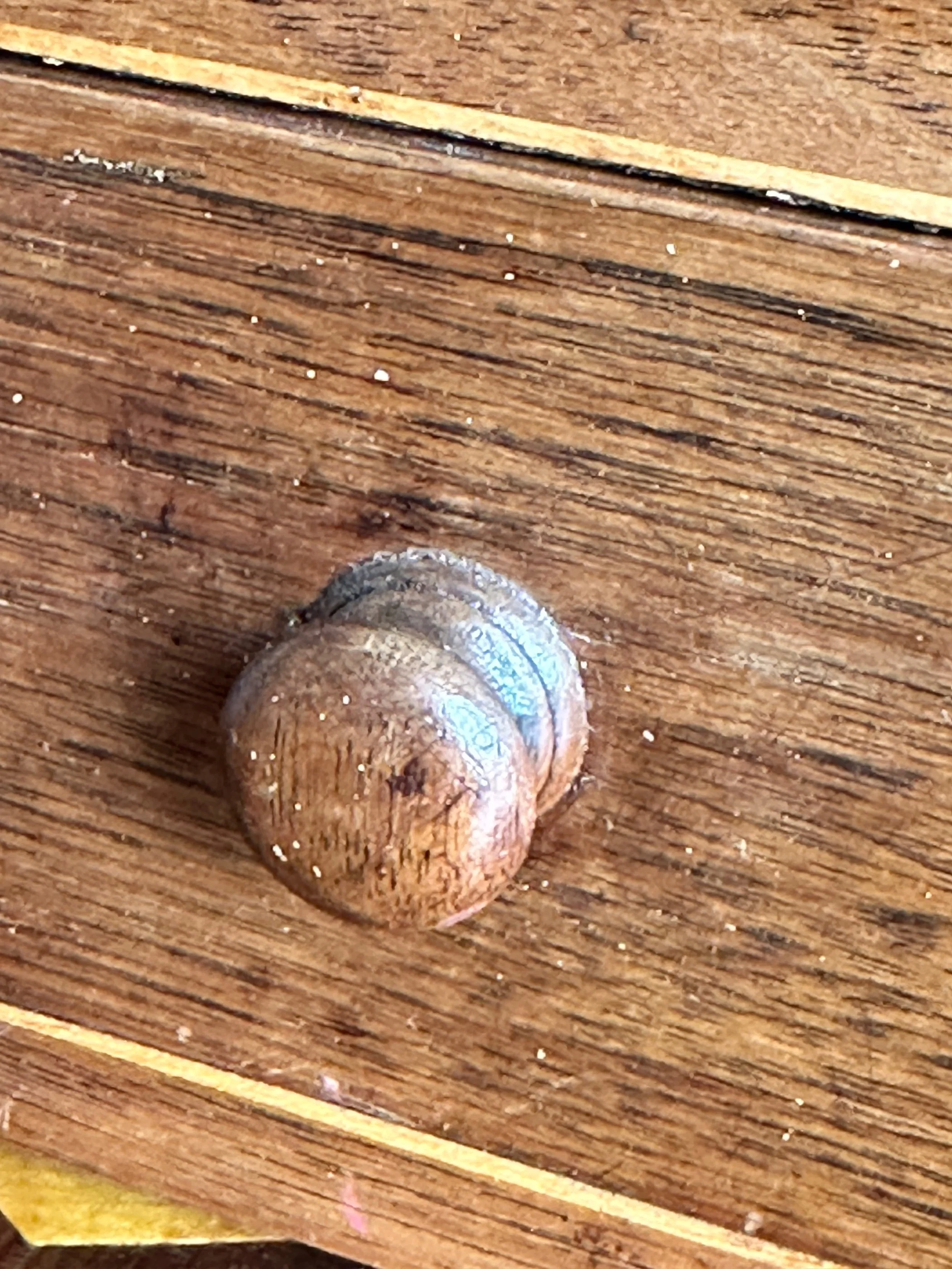
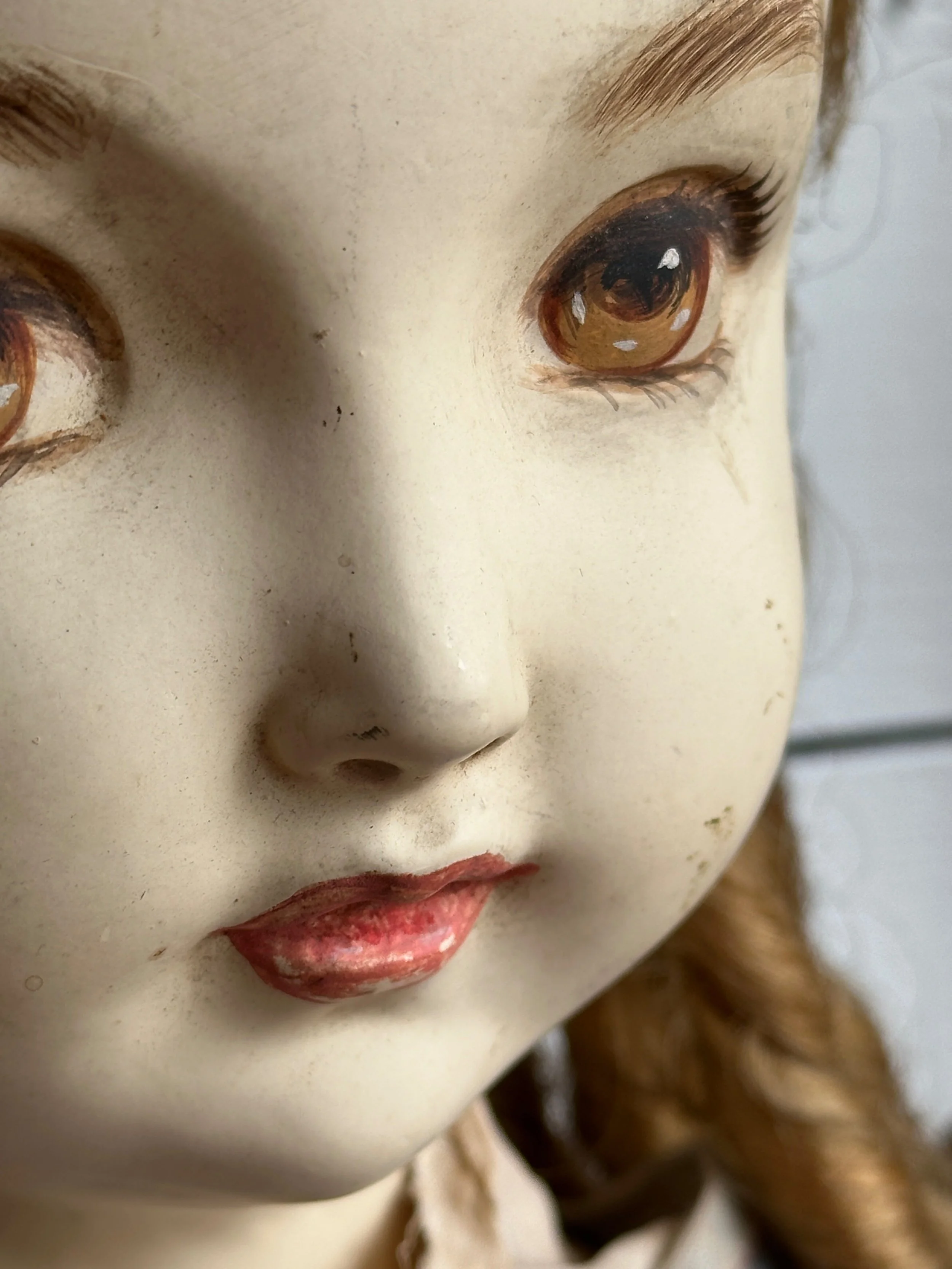
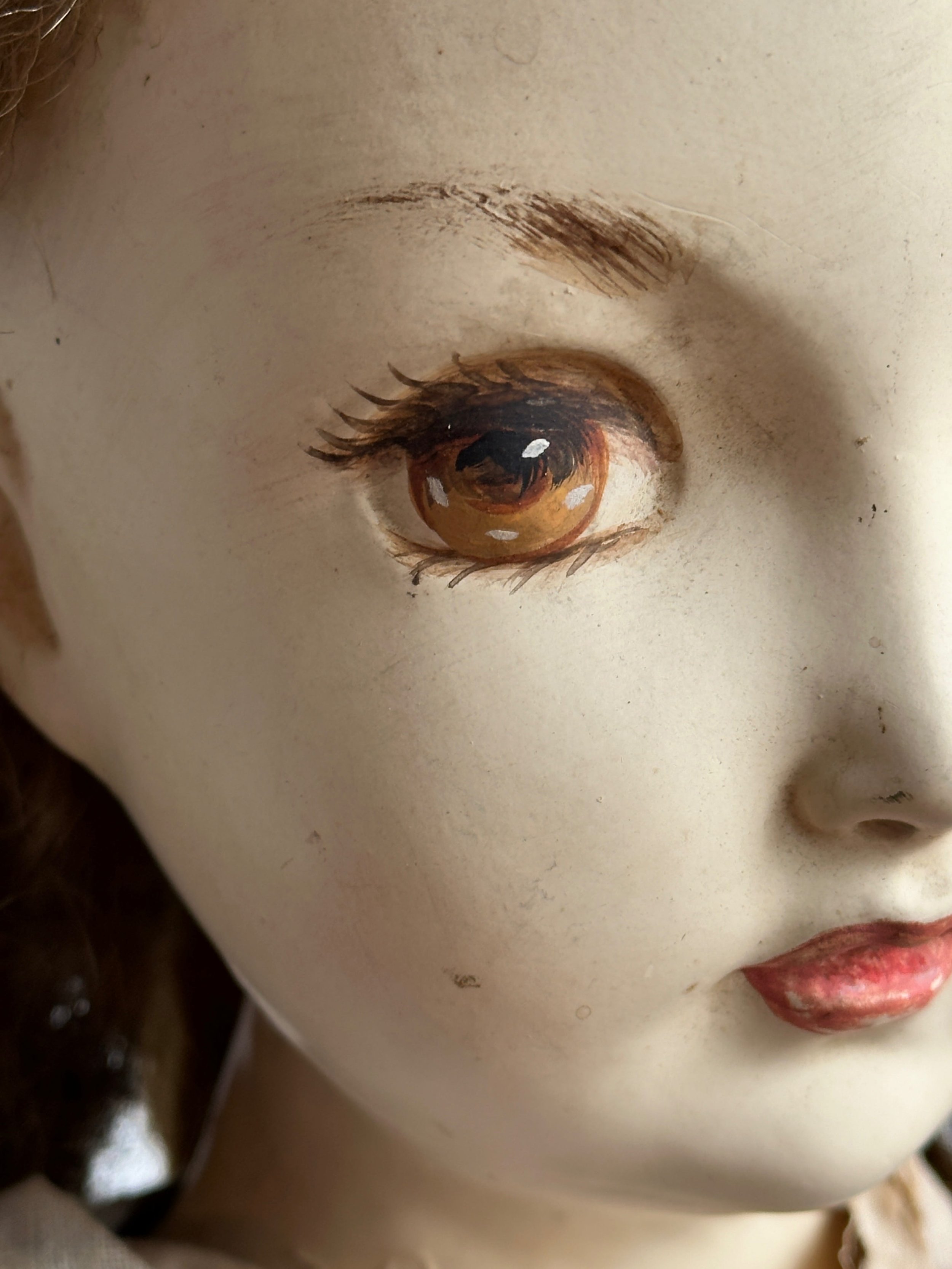
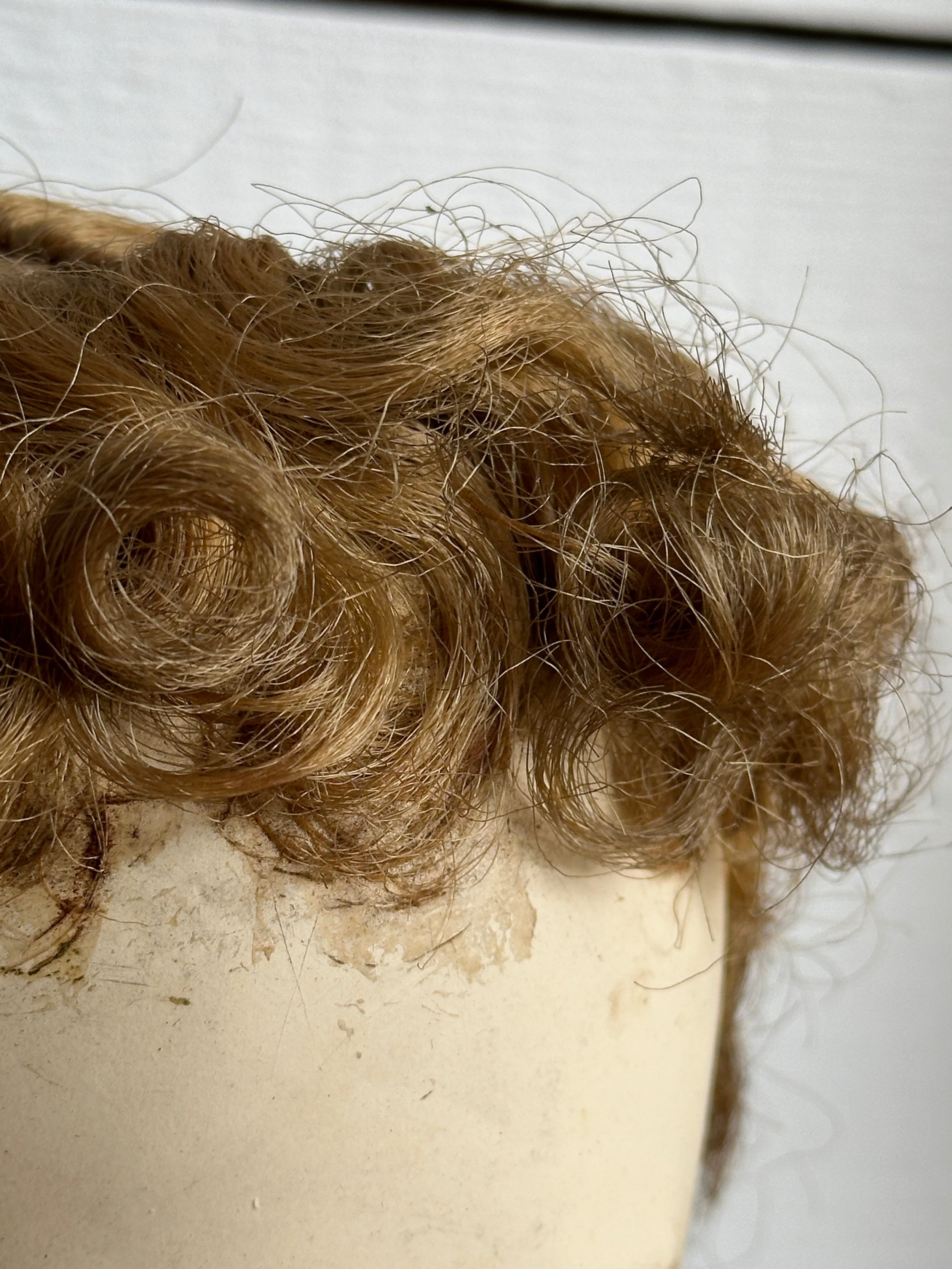
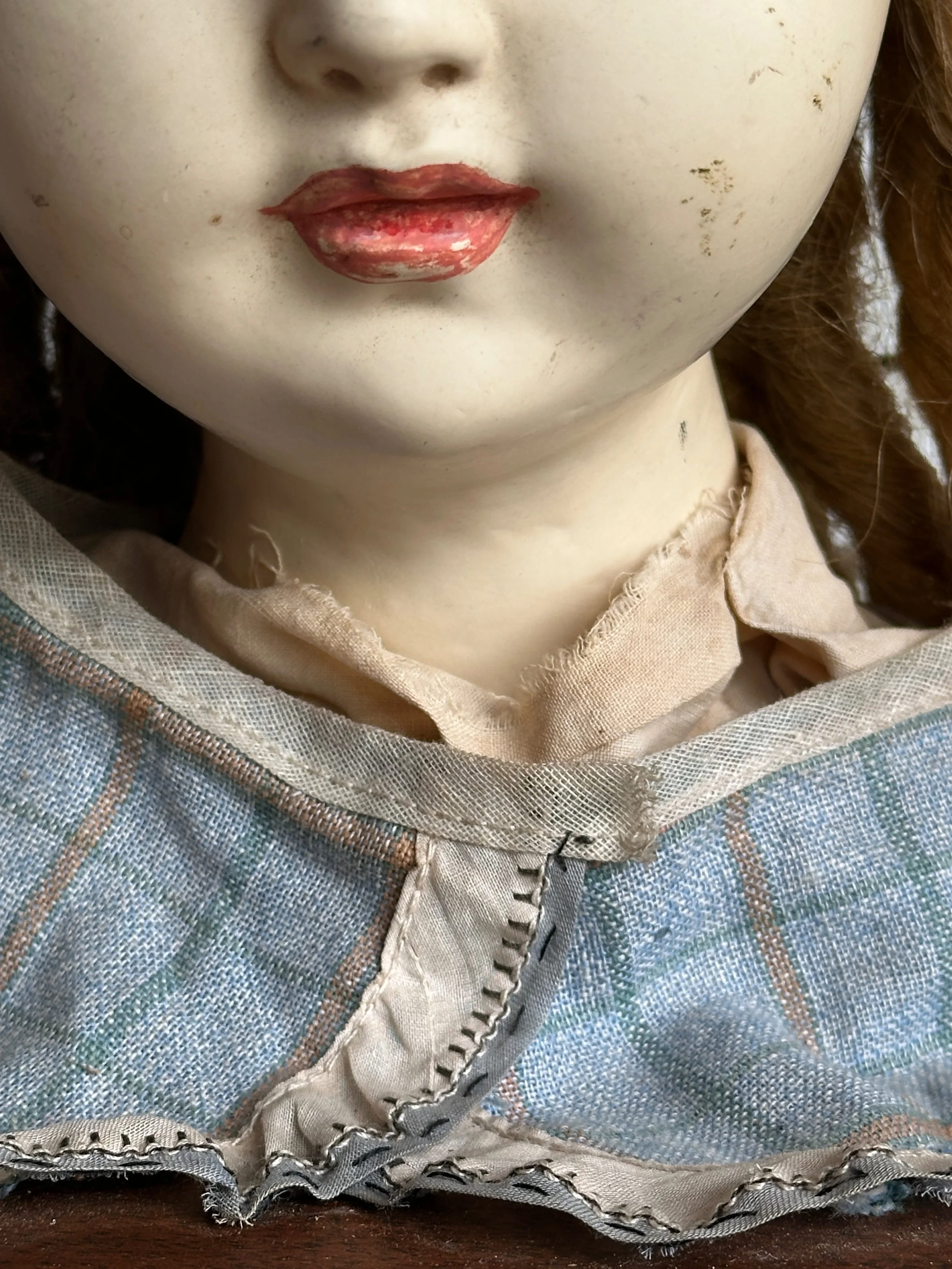
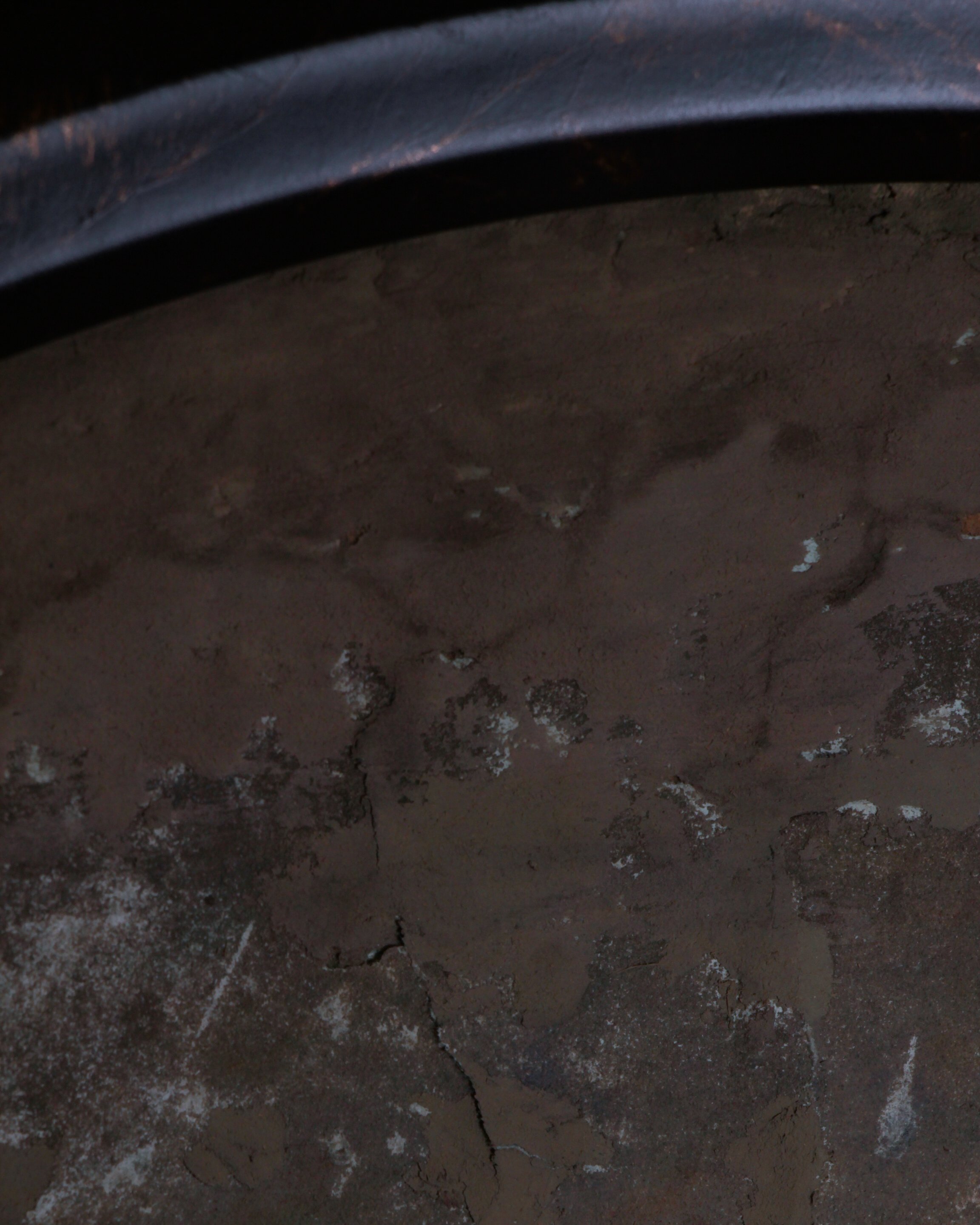
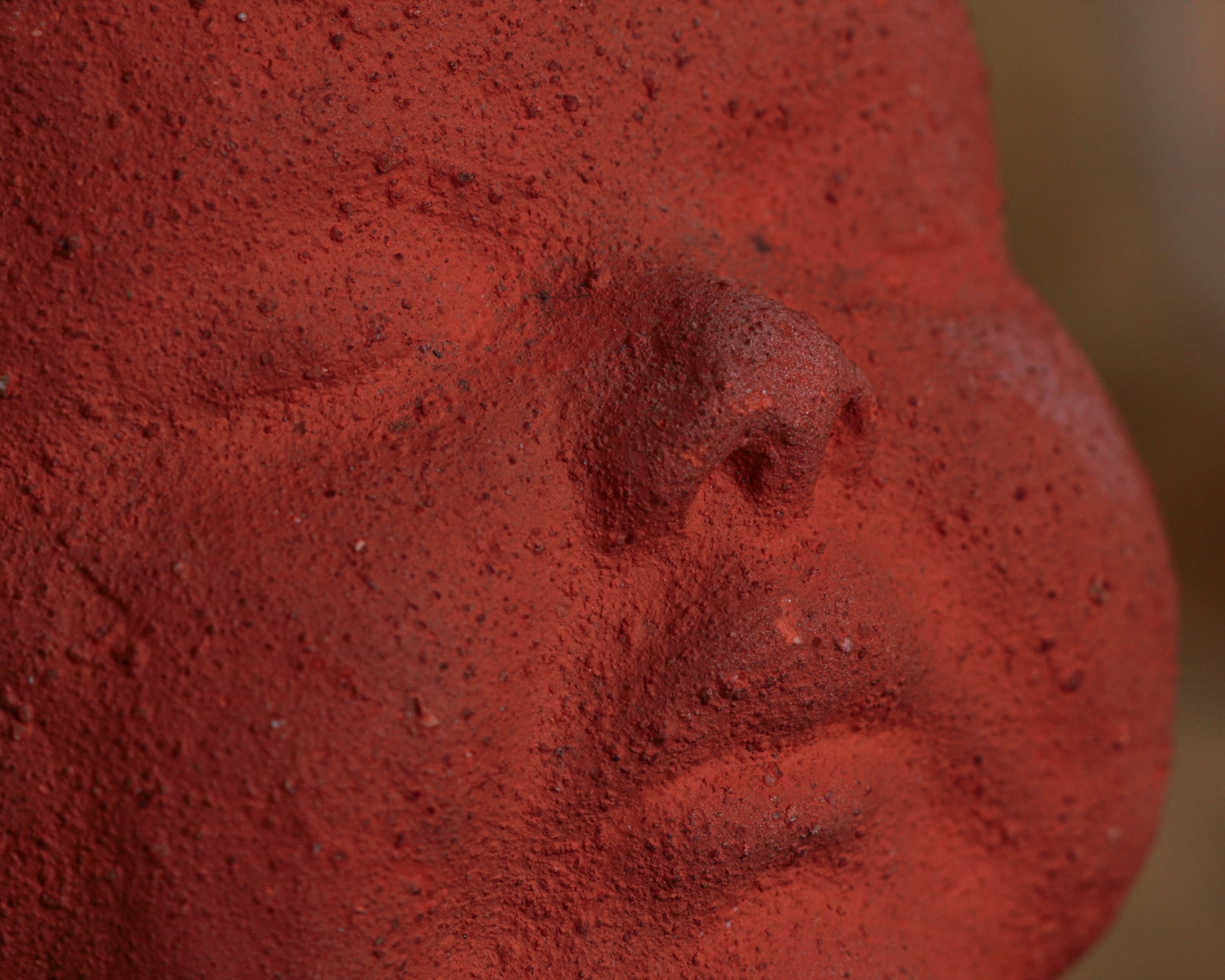
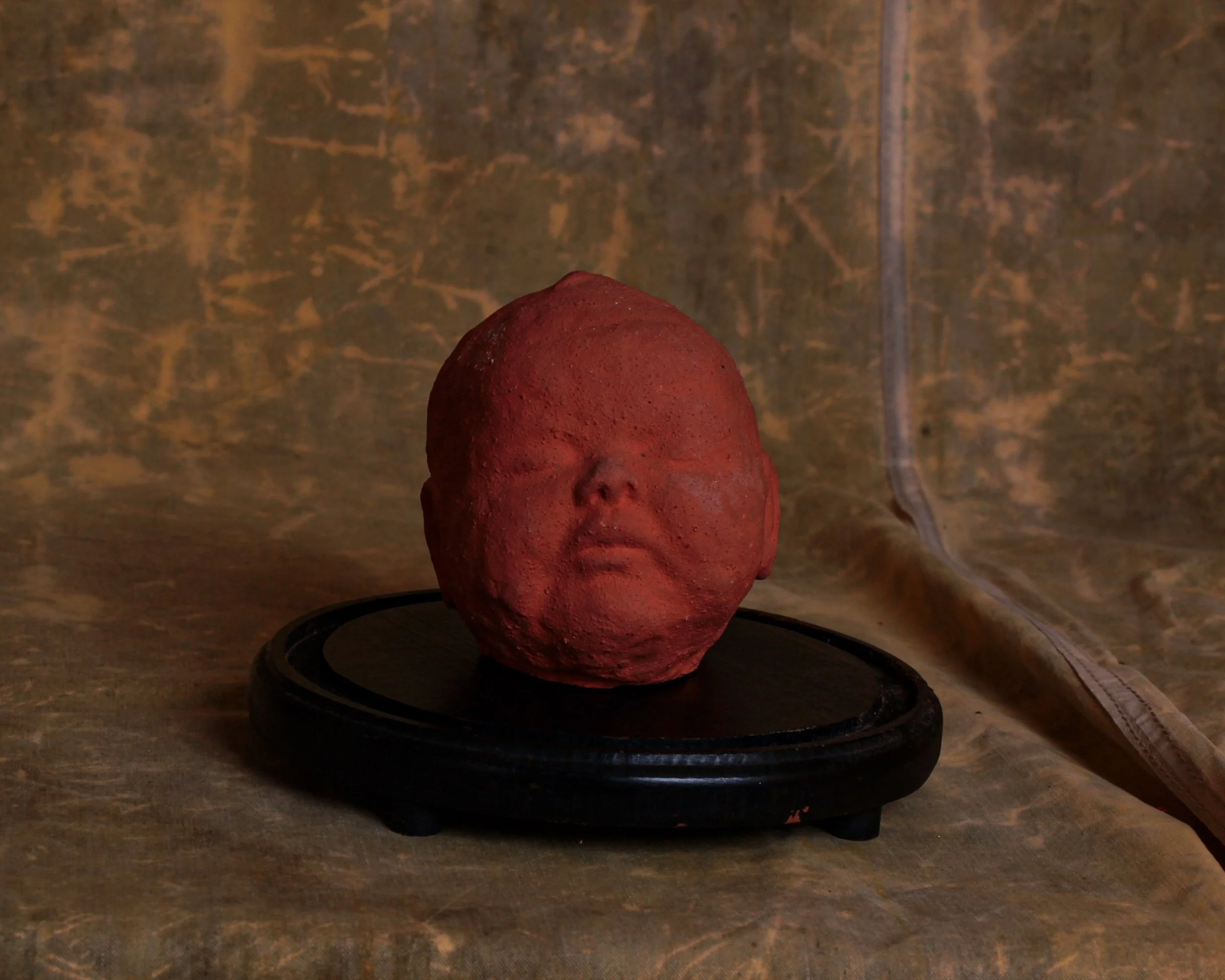
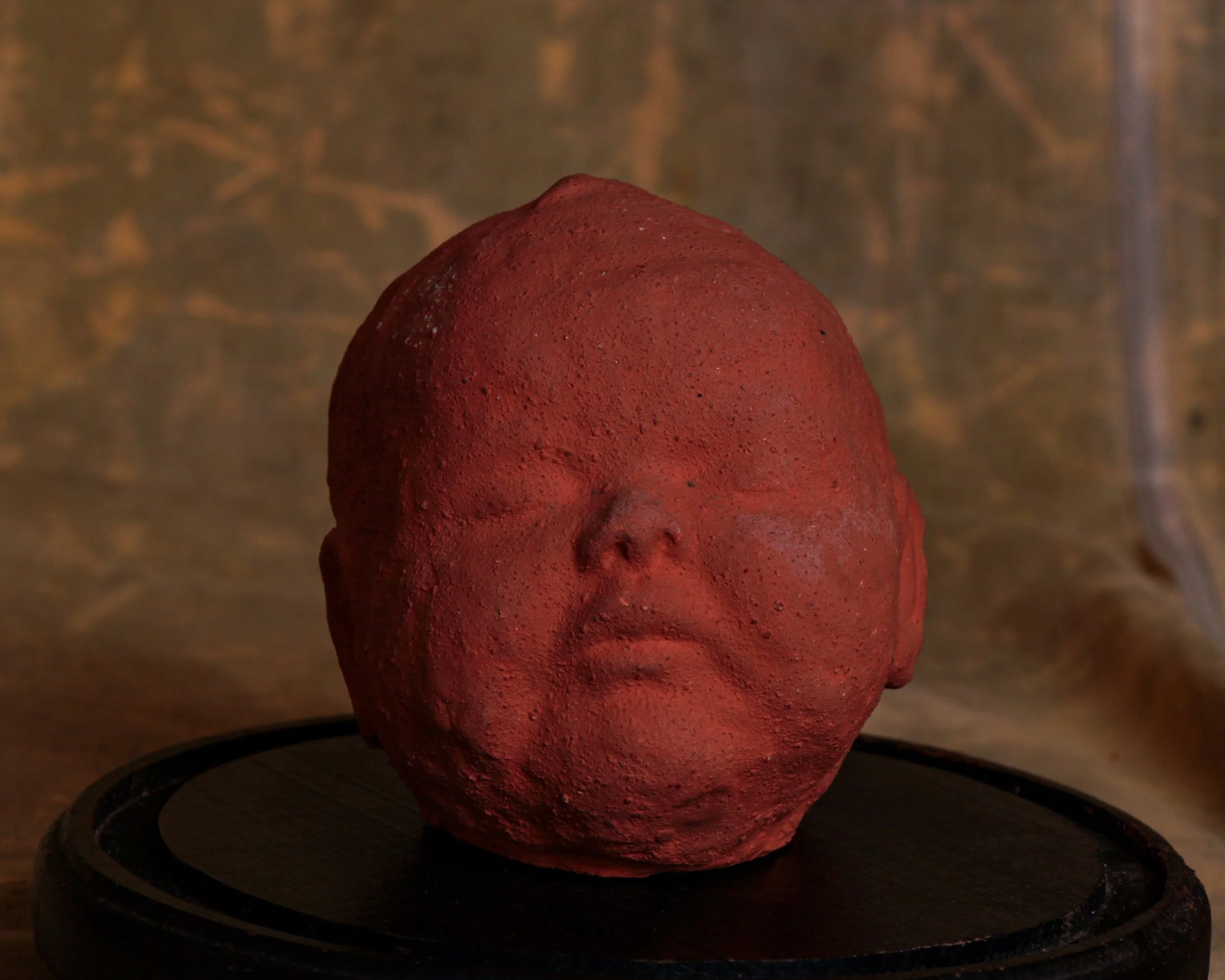
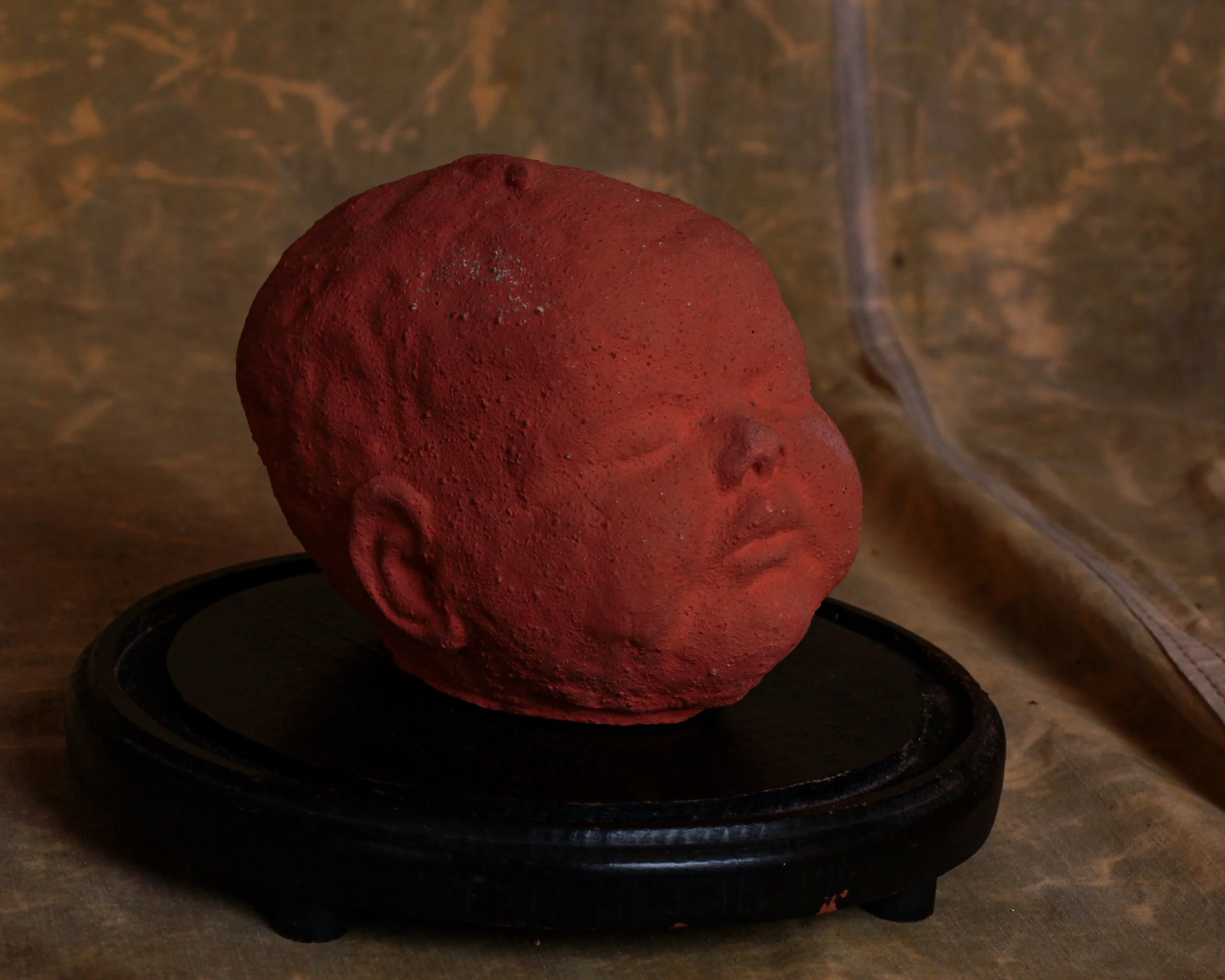
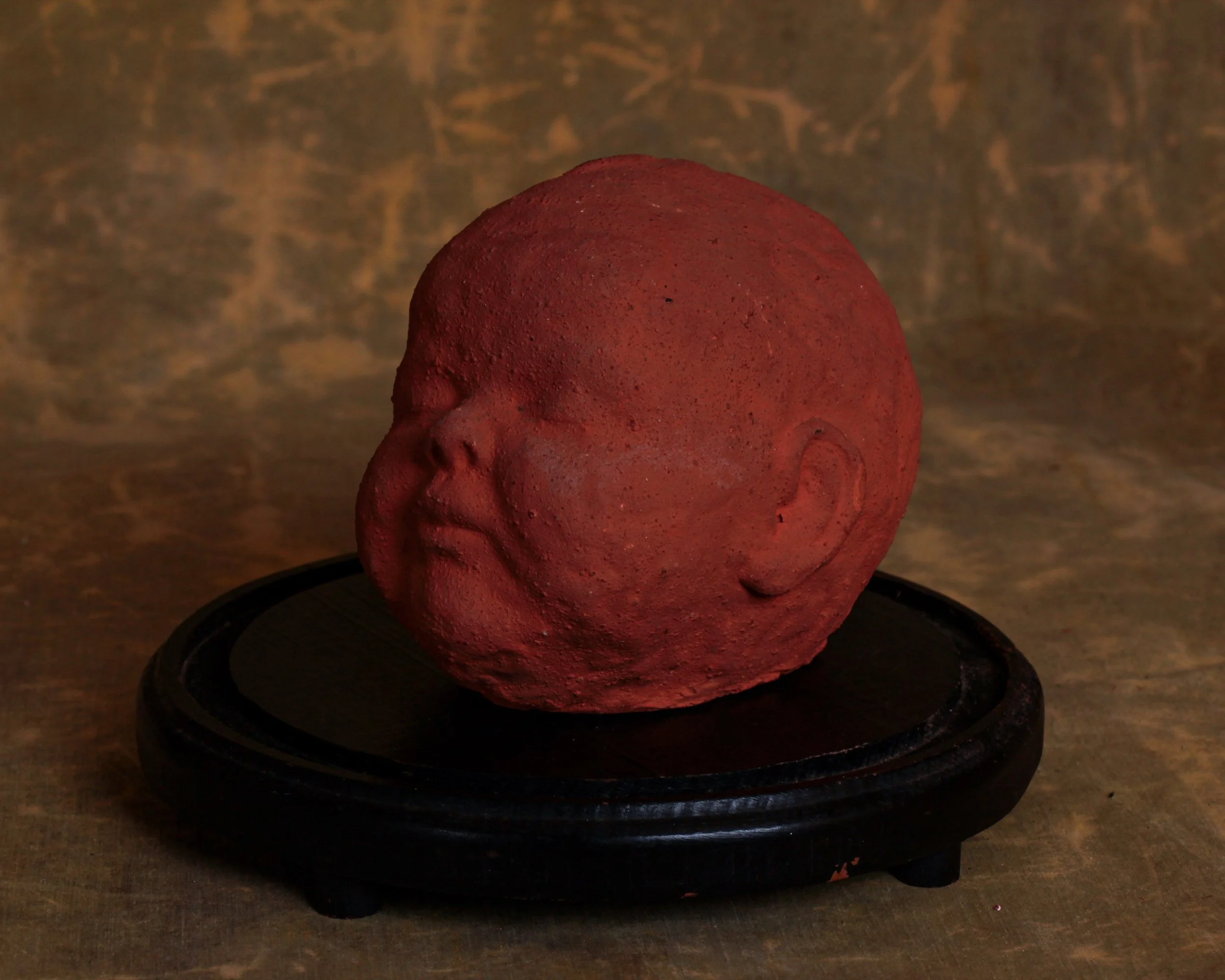
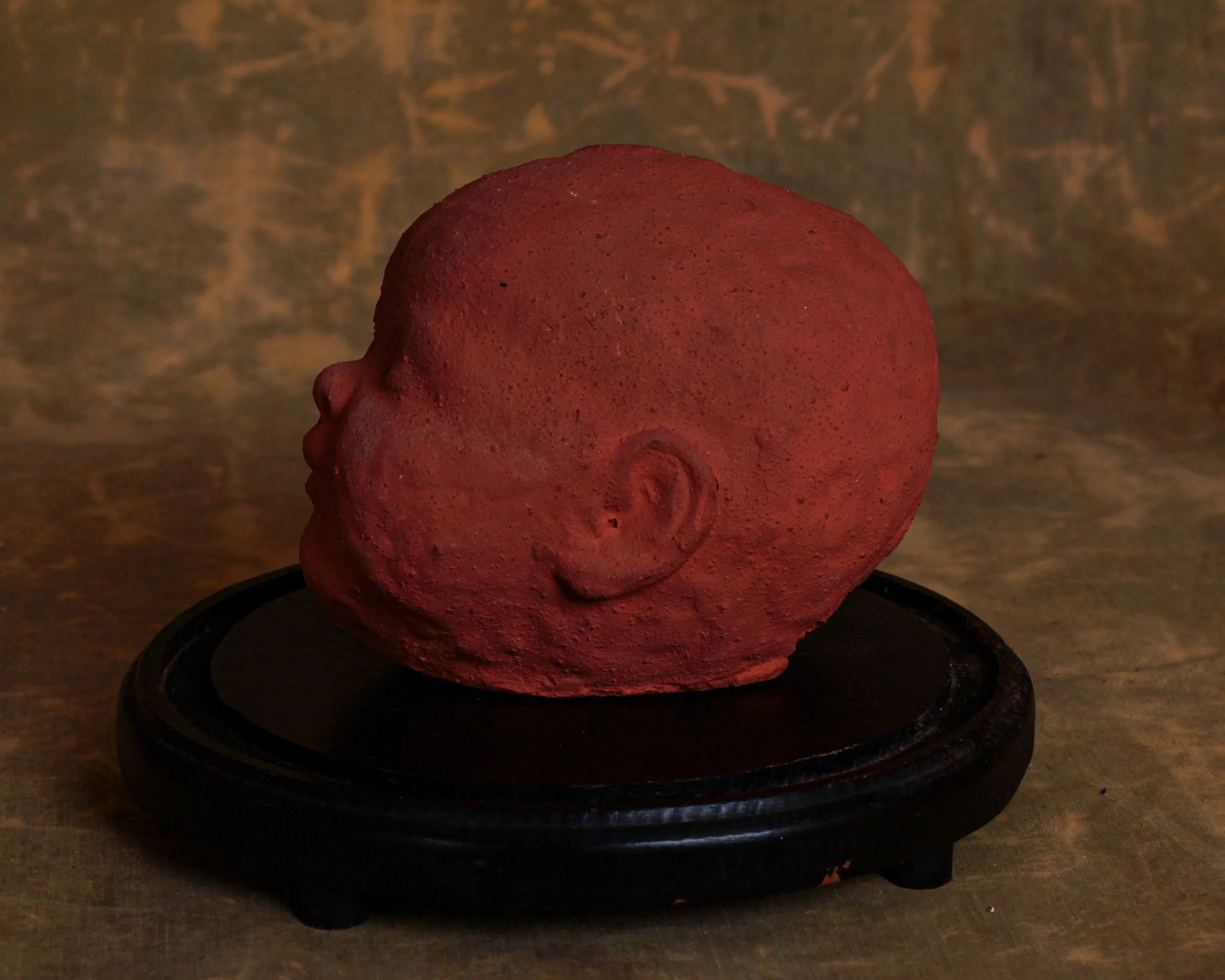
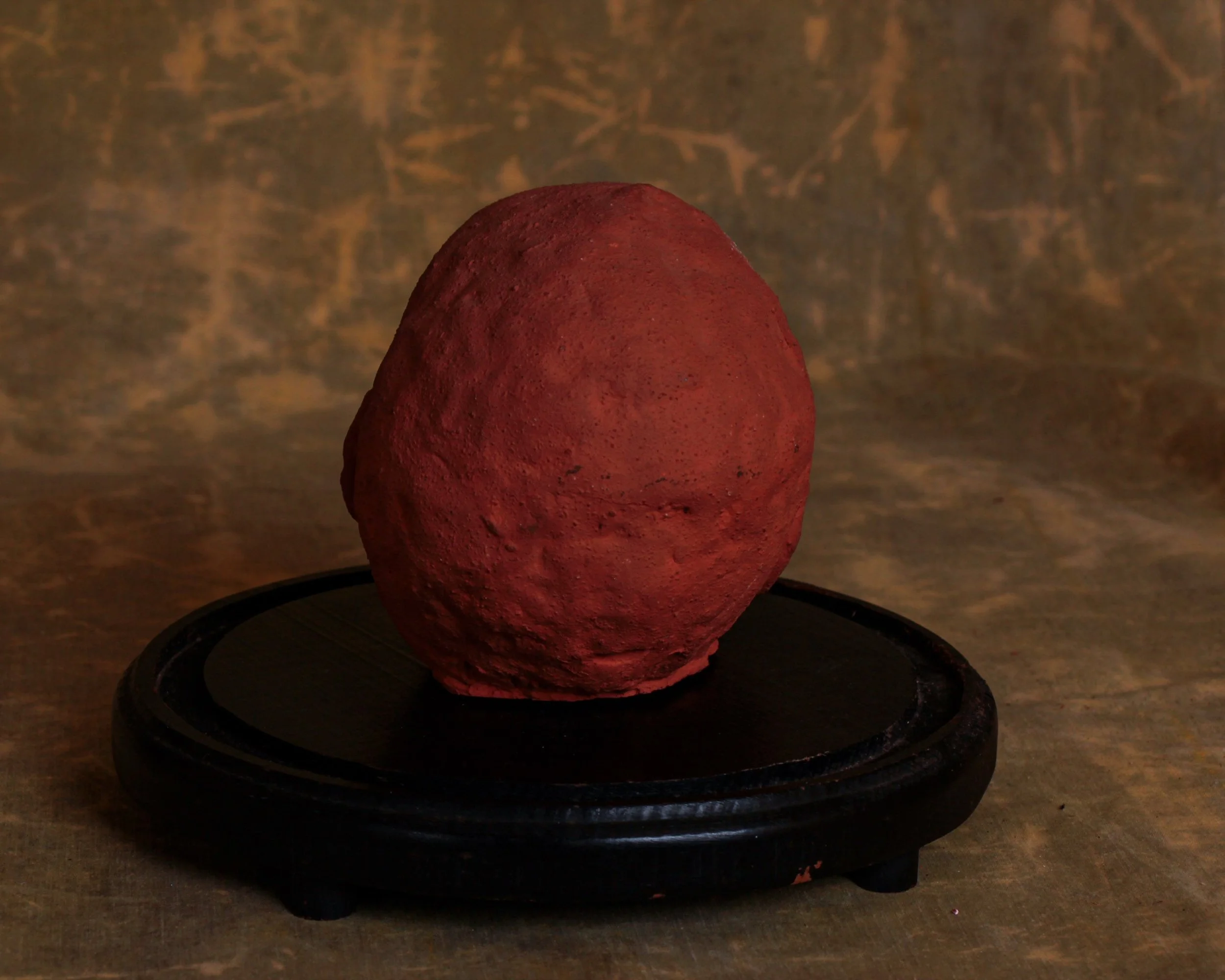
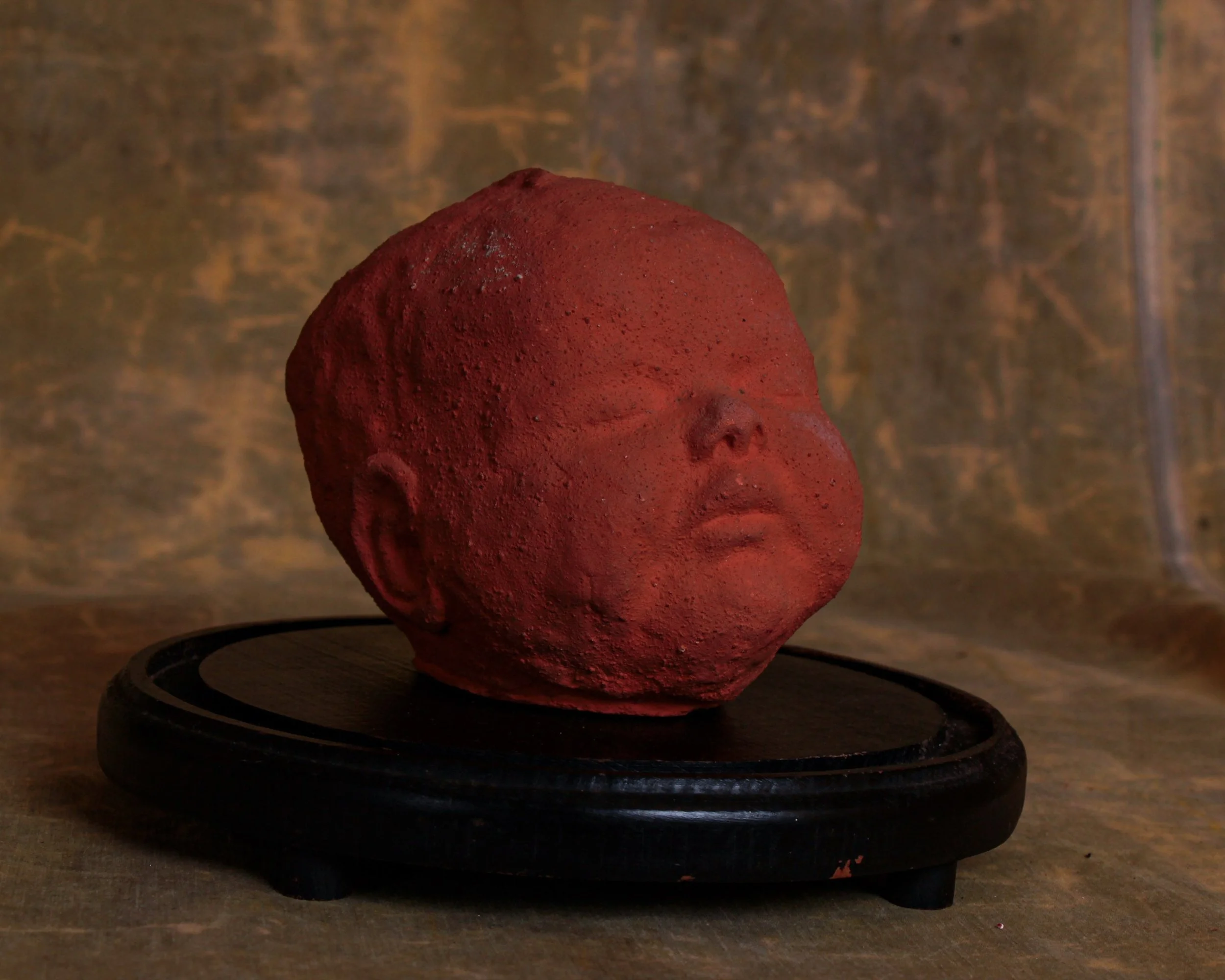
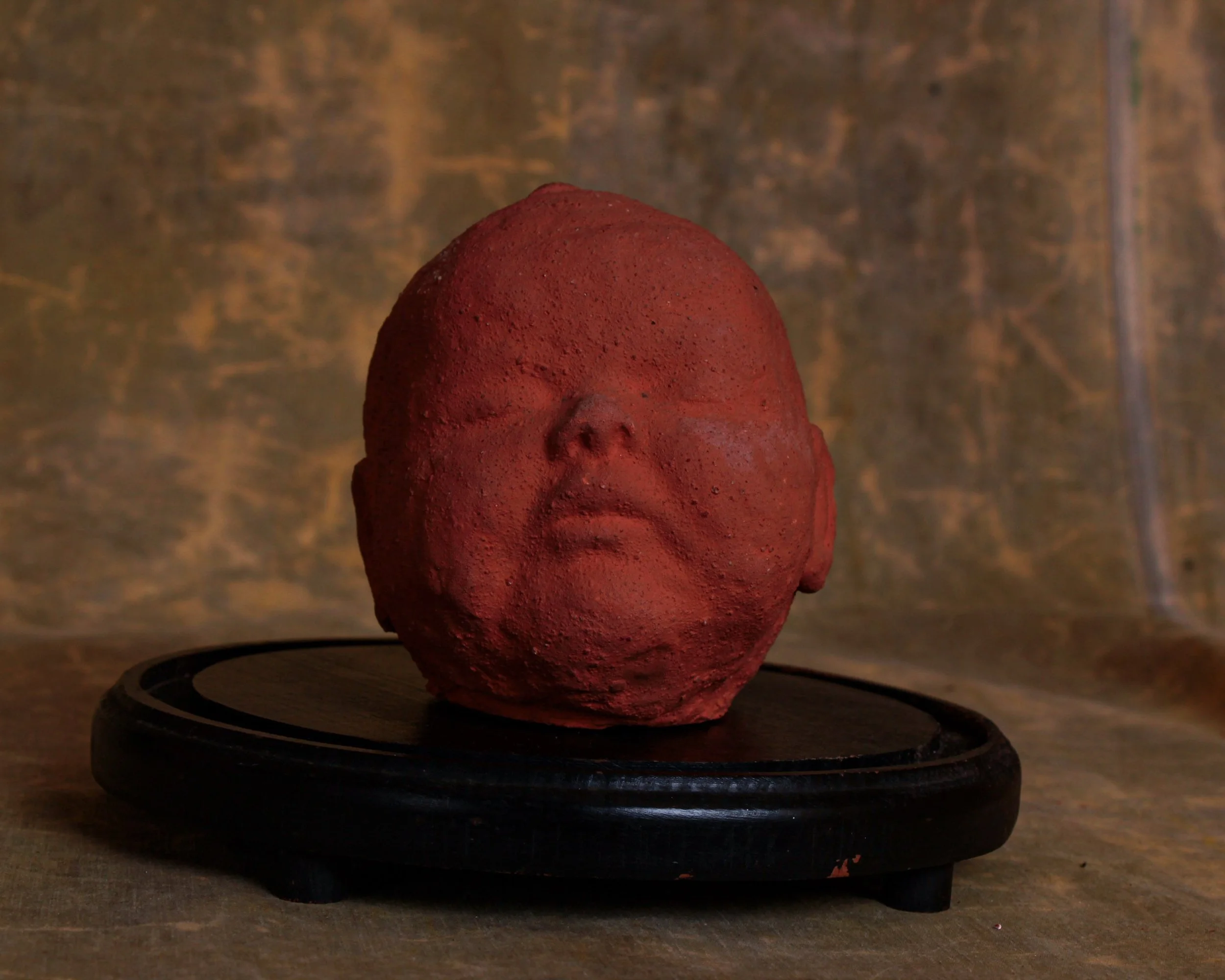
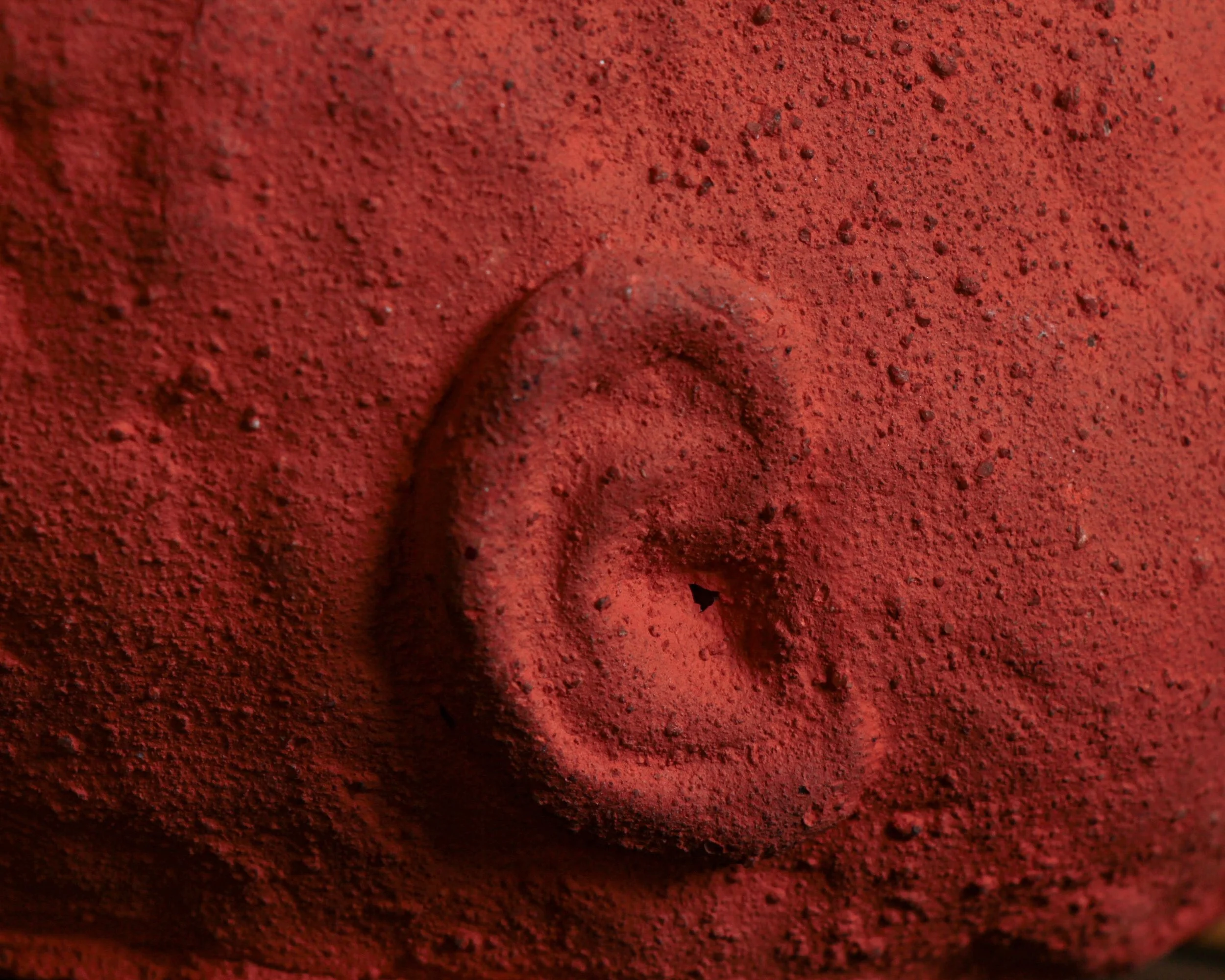
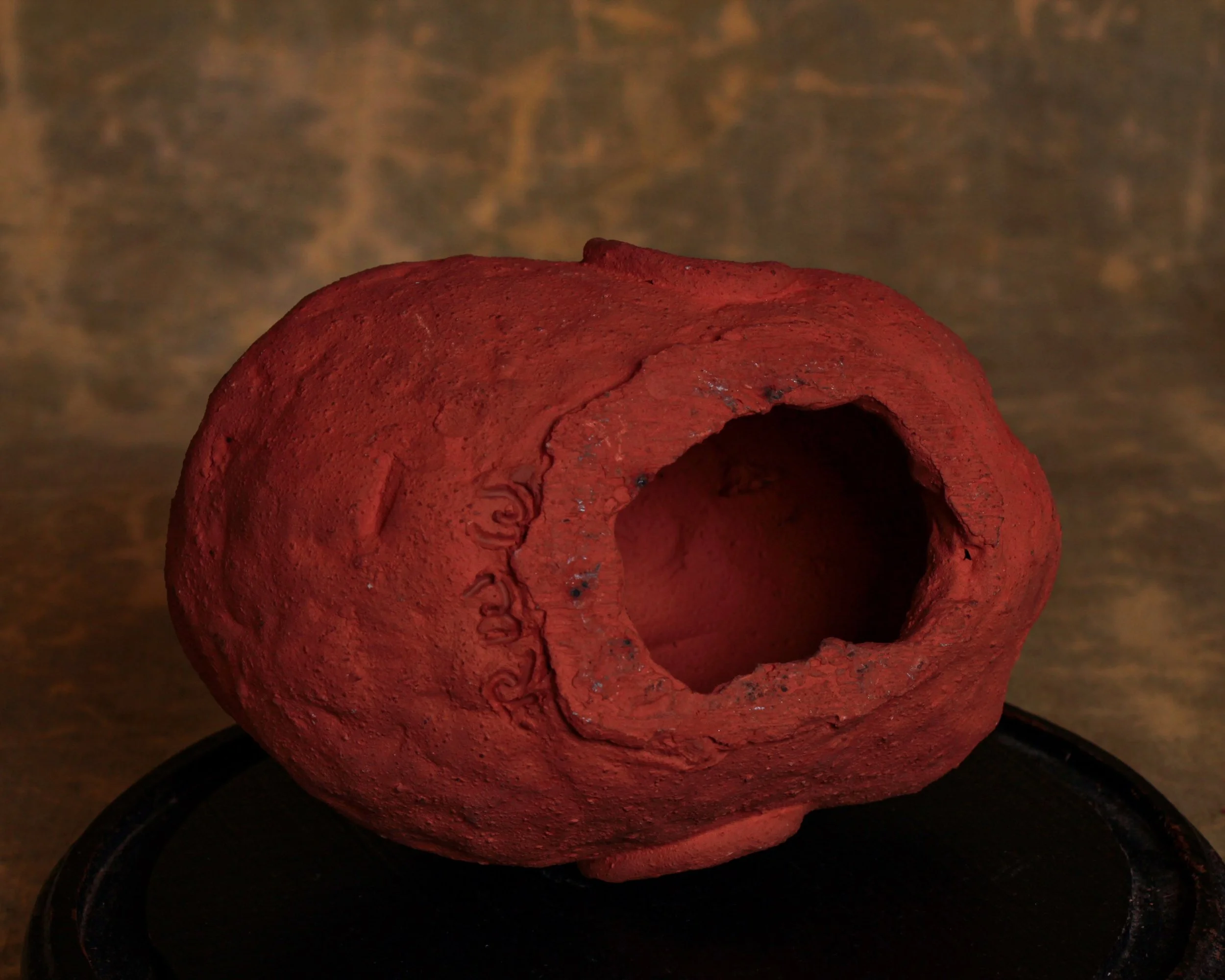
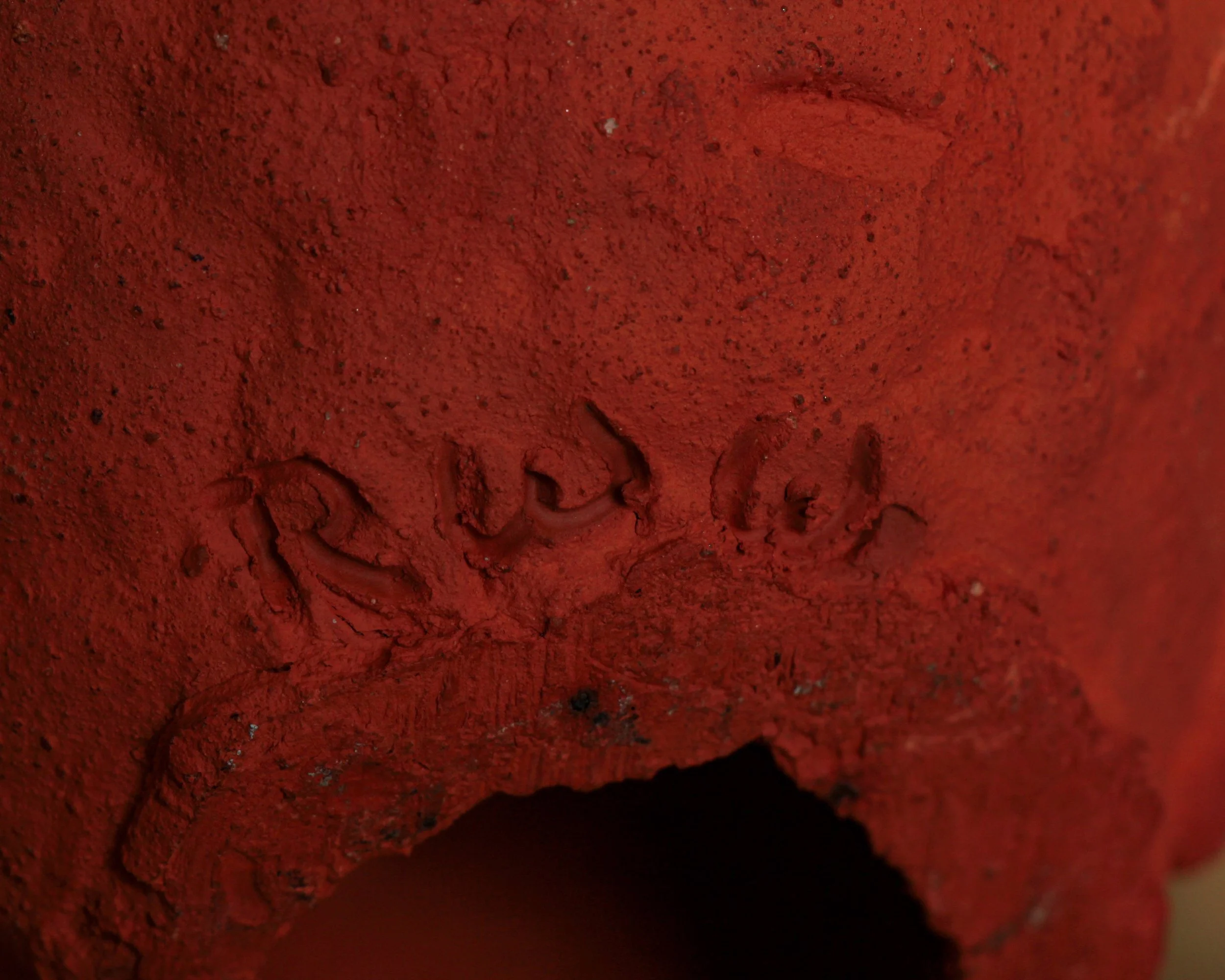
There’s something quietly haunting about this terracotta baby head maquette. Sculpted in deep, earthy red clay and signed “R.W.W.” on the base, this piece has a solemn, almost meditative presence. The surface is rough and textural, not smoothed out or overly refined, which gives it a raw, almost archaeological quality—like something unearthed rather than made.
Category History
A terracotta maquette is where a sculpture first learns how to exist. It’s the artist thinking out loud in clay—small, quick, and full of decisions that haven’t been locked in yet. Before committing to stone, bronze, or a full-scale work, sculptors would model a maquette to test proportions, movement, and balance. It’s less about polish and more about getting the idea to stand on its own feet.
Terracotta, with its soft, responsive feel, is perfect for this stage. You can push, carve, add, and subtract without ceremony. Finger marks stay. Tool lines remain visible. Nothing is hidden, and that’s the point. The maquette captures the energy of the first pass—the moment where instinct leads and refinement hasn’t smoothed everything out.
Once resolved, the maquette might be scaled up using pointing techniques or serve as the basis for a mold in bronze casting. In some cases, these small studies were never meant to leave the studio. They were working objects, references, stepping stones.
What makes them compelling now is exactly that rawness. You’re seeing the artist mid-process, not the finished statement. The slight asymmetries, the looseness in form, the areas left unresolved—they all carry more information than a polished surface ever could. A terracotta maquette isn’t just a smaller version of a sculpture. It’s the conversation that led to it, still intact.
PLEASE EMAIL US RE: SHIPPING TIMING BEFORE PURCHASING hello@heimweeantiques.com
There’s something quietly haunting about this terracotta baby head maquette. Sculpted in deep, earthy red clay and signed “R.W.W.” on the base, this piece has a solemn, almost meditative presence. The surface is rough and textural, not smoothed out or overly refined, which gives it a raw, almost archaeological quality—like something unearthed rather than made.
Category History
A terracotta maquette is where a sculpture first learns how to exist. It’s the artist thinking out loud in clay—small, quick, and full of decisions that haven’t been locked in yet. Before committing to stone, bronze, or a full-scale work, sculptors would model a maquette to test proportions, movement, and balance. It’s less about polish and more about getting the idea to stand on its own feet.
Terracotta, with its soft, responsive feel, is perfect for this stage. You can push, carve, add, and subtract without ceremony. Finger marks stay. Tool lines remain visible. Nothing is hidden, and that’s the point. The maquette captures the energy of the first pass—the moment where instinct leads and refinement hasn’t smoothed everything out.
Once resolved, the maquette might be scaled up using pointing techniques or serve as the basis for a mold in bronze casting. In some cases, these small studies were never meant to leave the studio. They were working objects, references, stepping stones.
What makes them compelling now is exactly that rawness. You’re seeing the artist mid-process, not the finished statement. The slight asymmetries, the looseness in form, the areas left unresolved—they all carry more information than a polished surface ever could. A terracotta maquette isn’t just a smaller version of a sculpture. It’s the conversation that led to it, still intact.