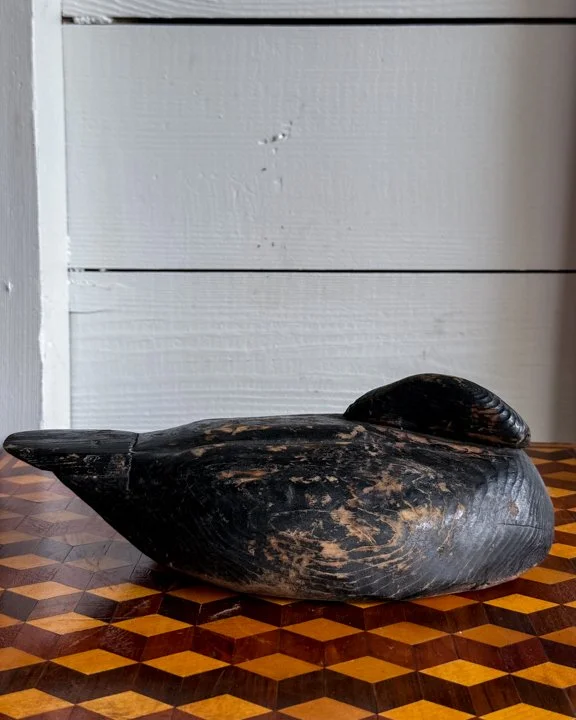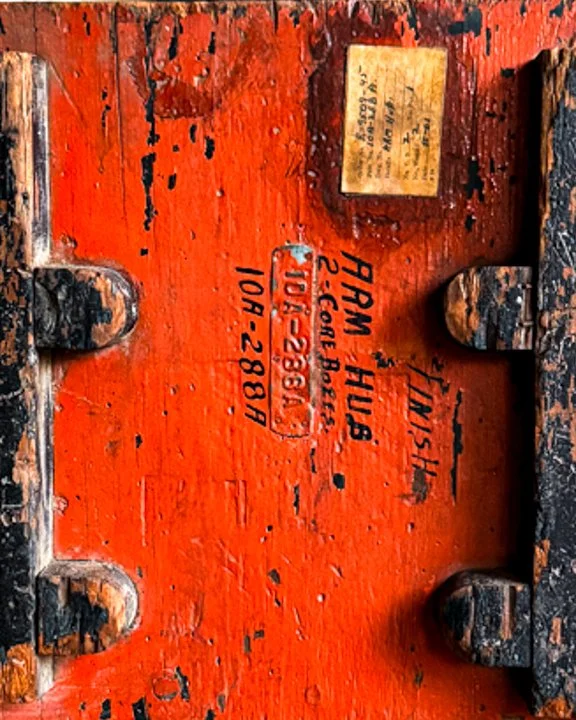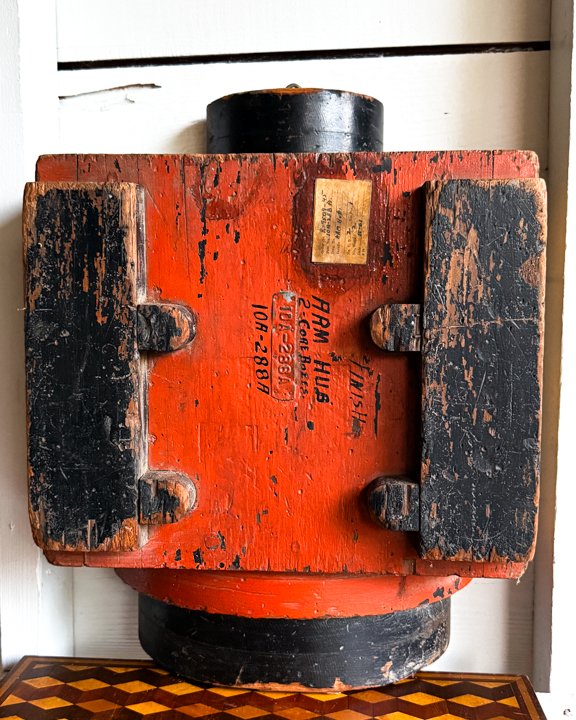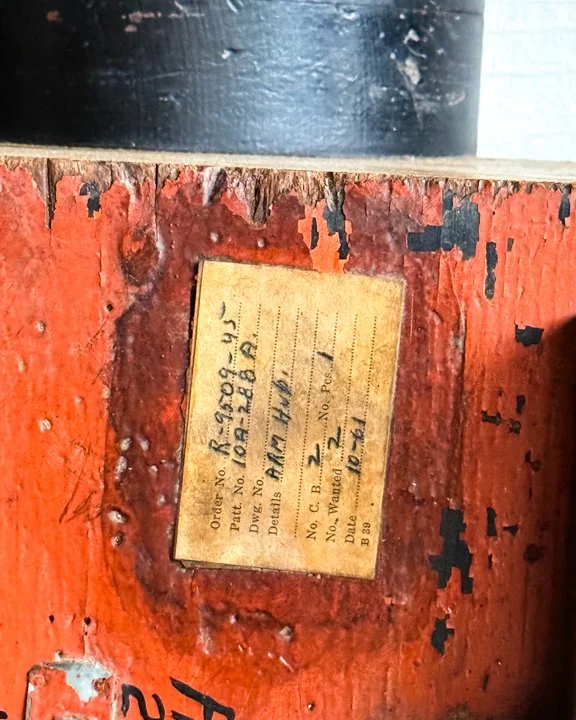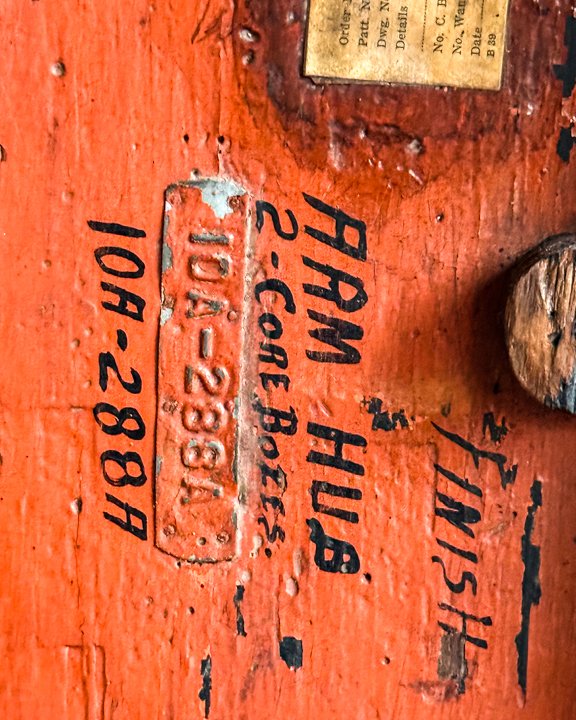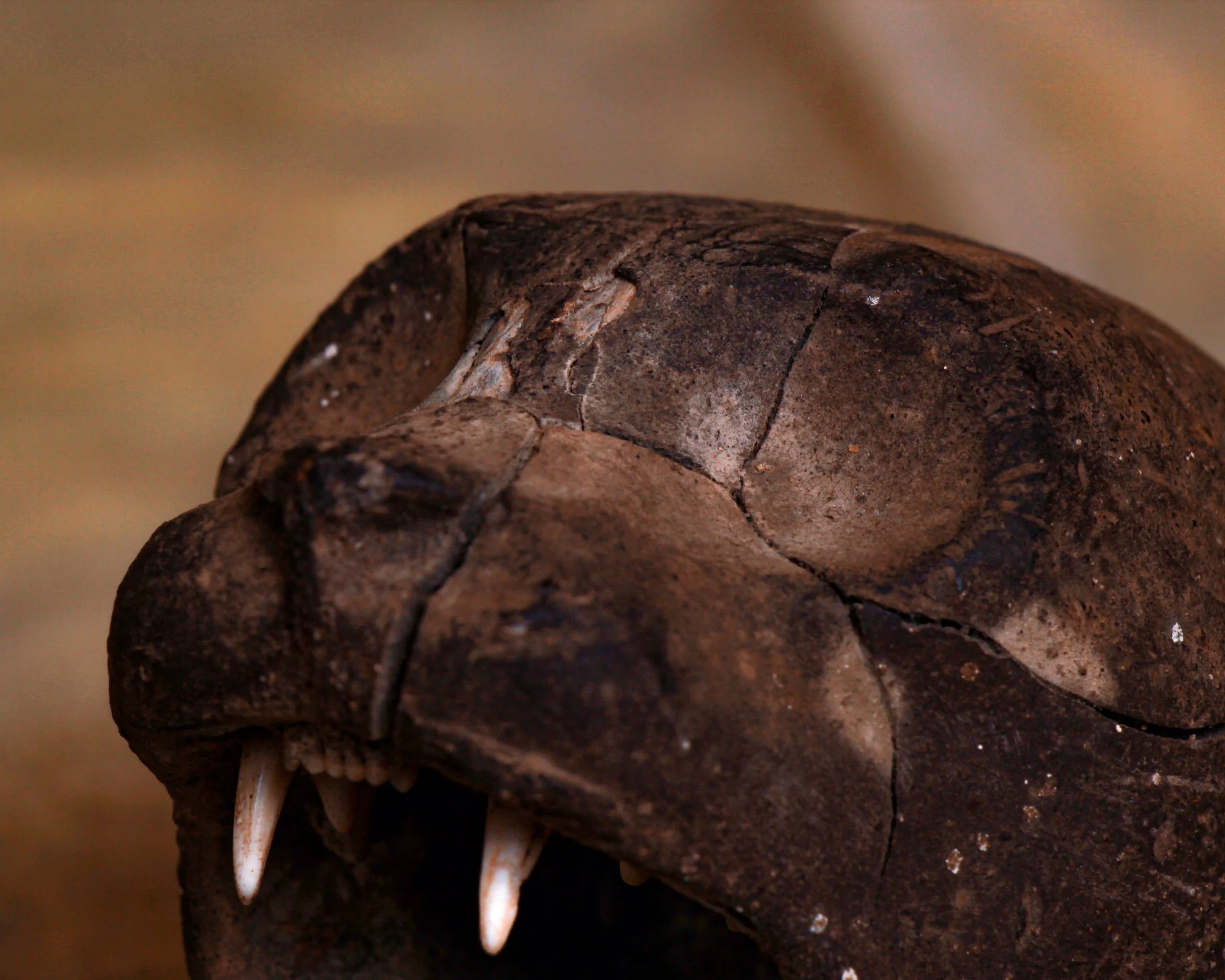
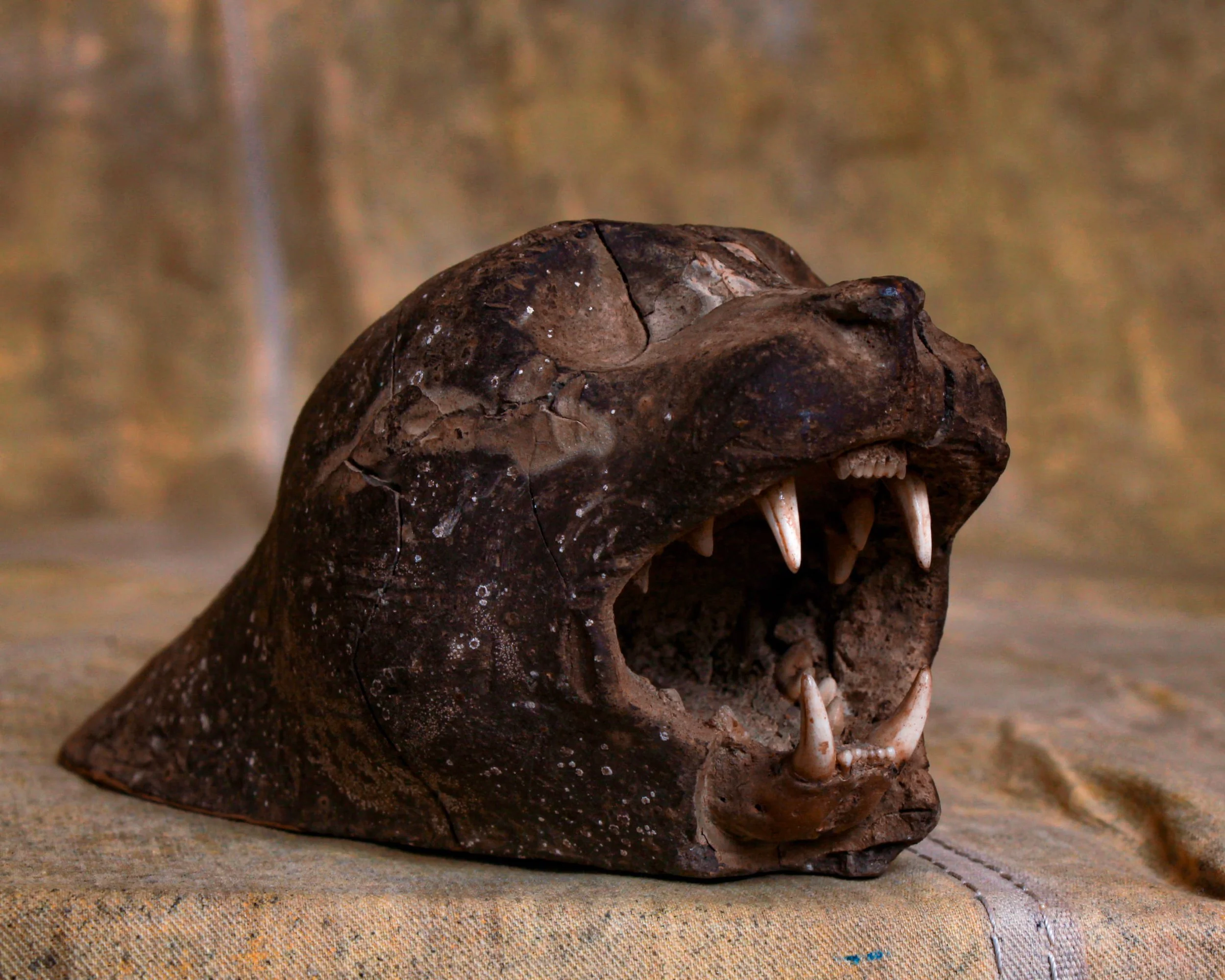
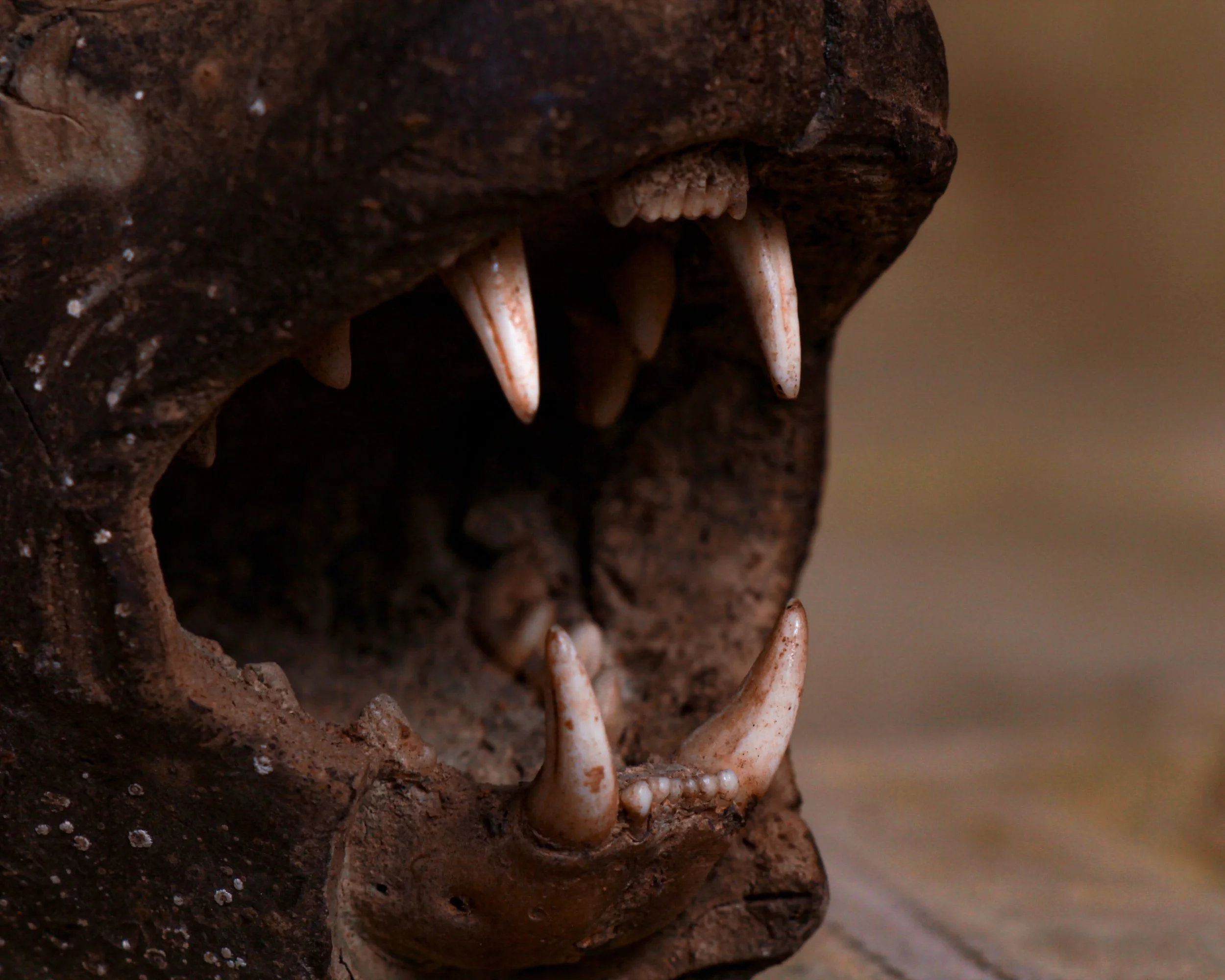
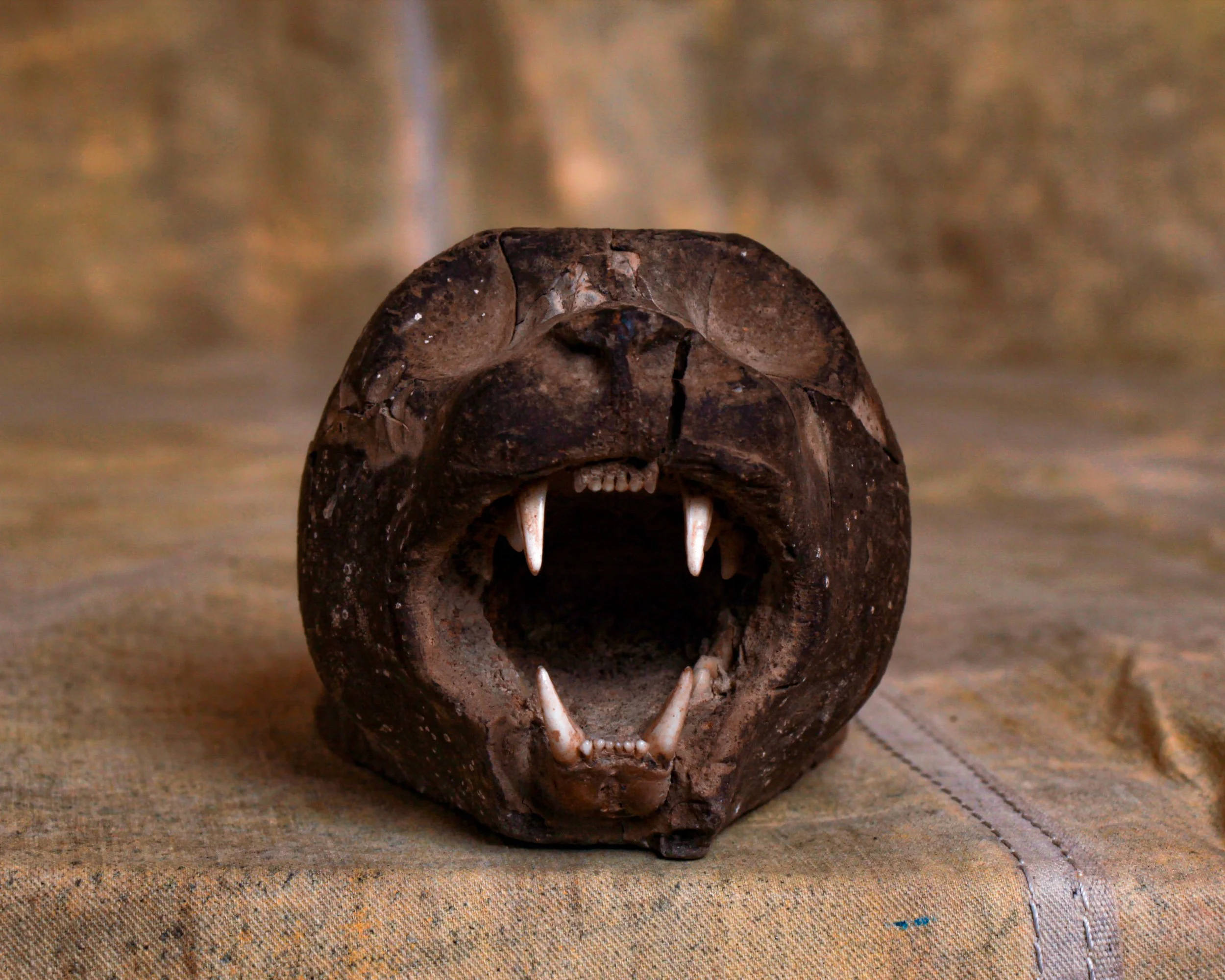
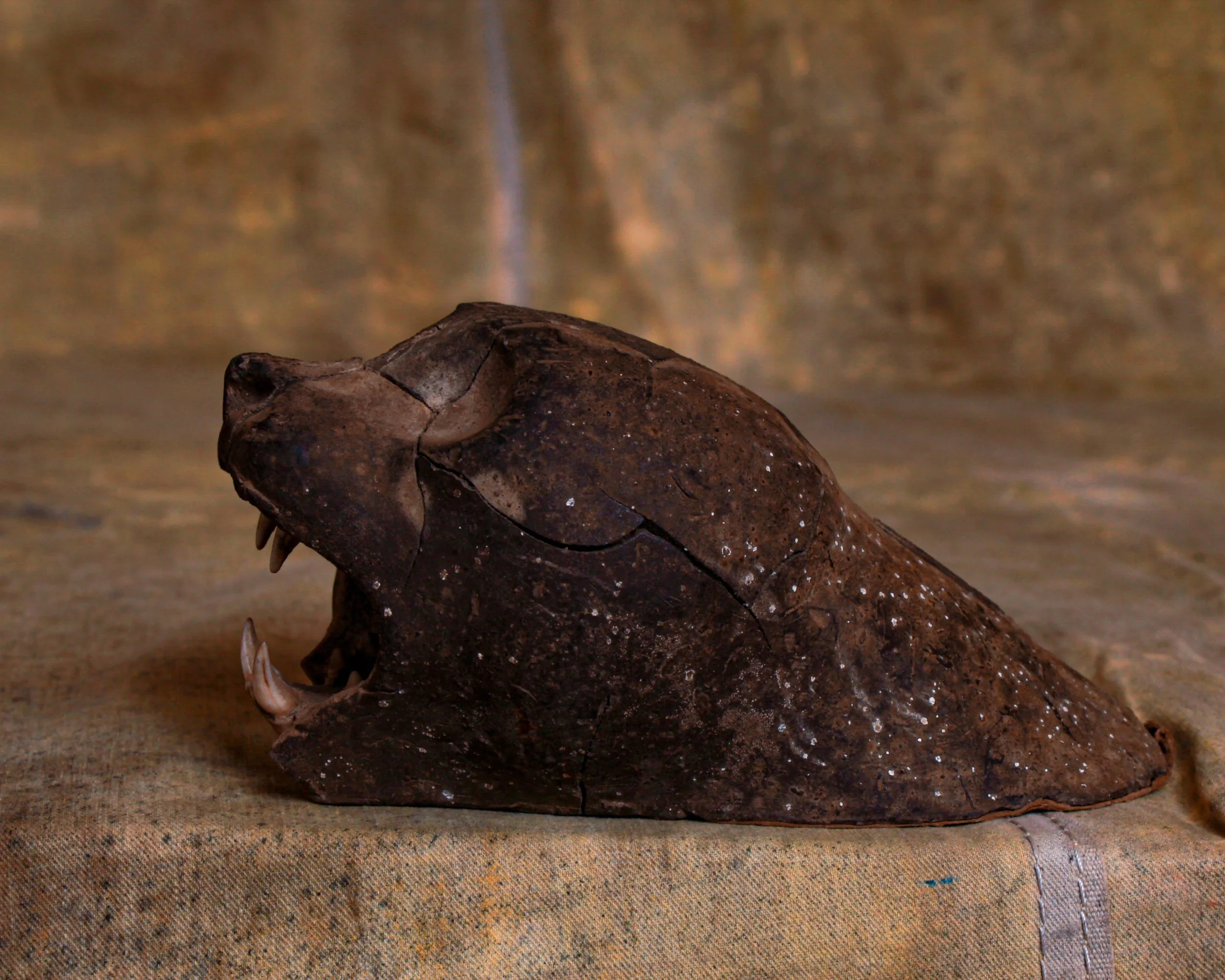
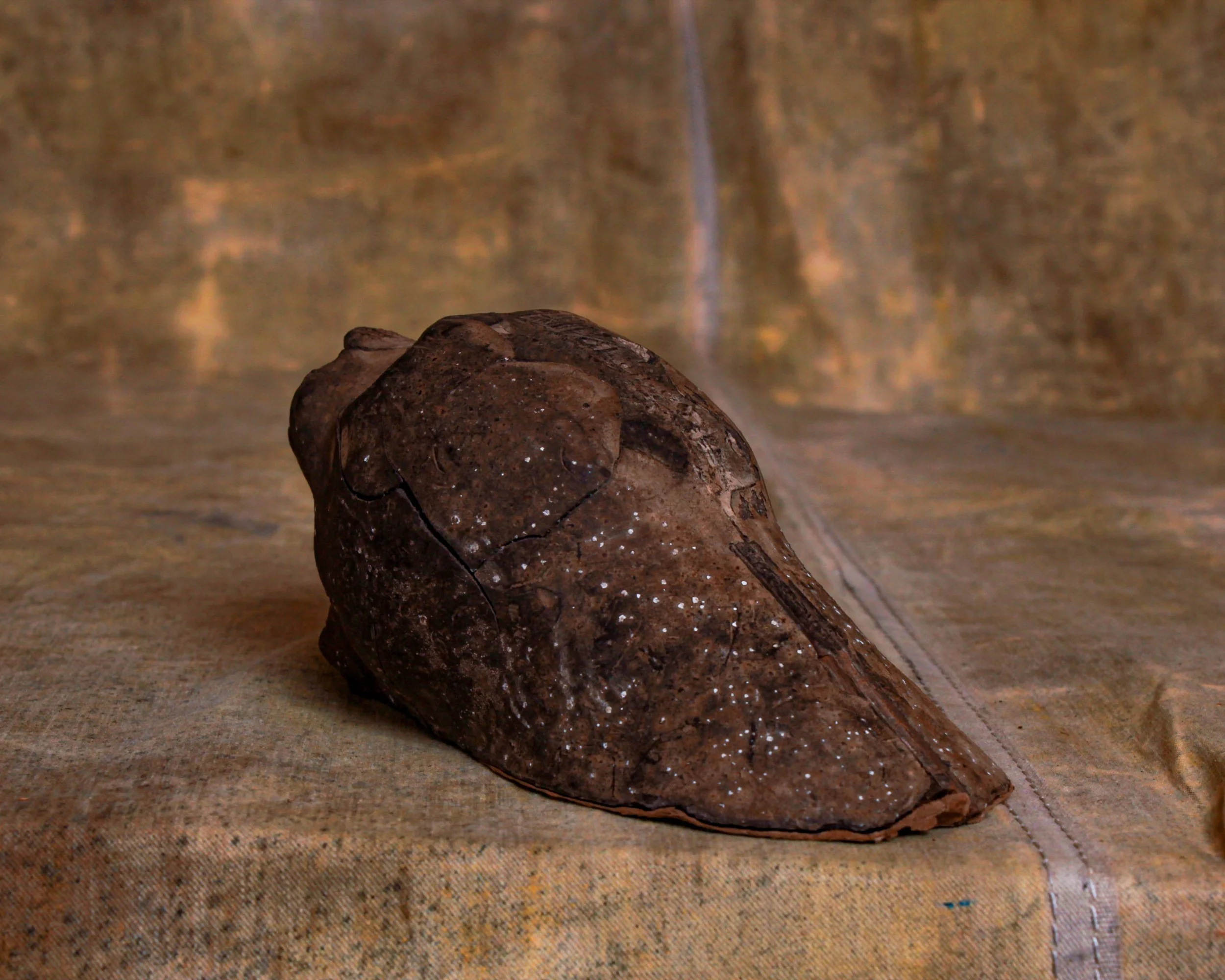
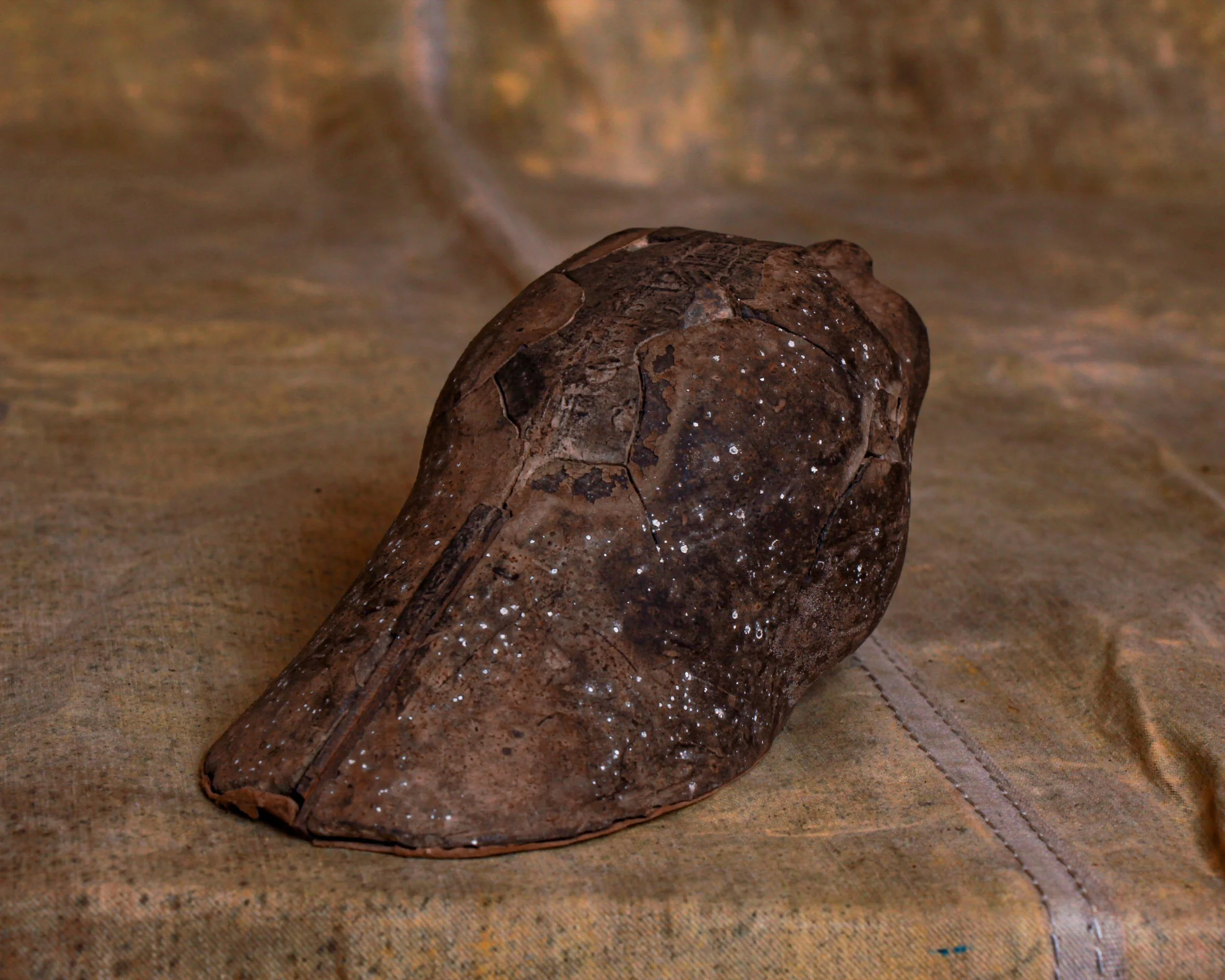
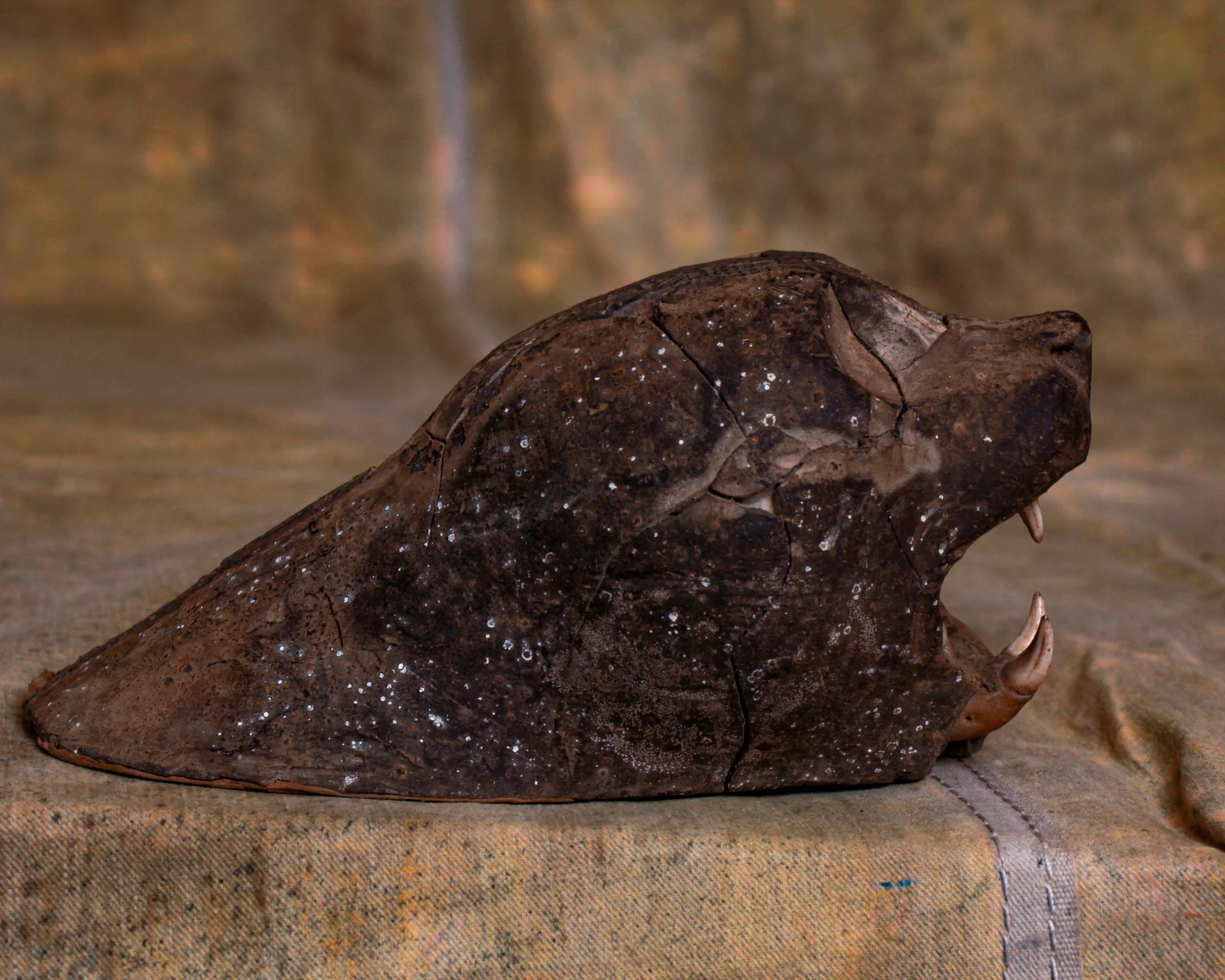
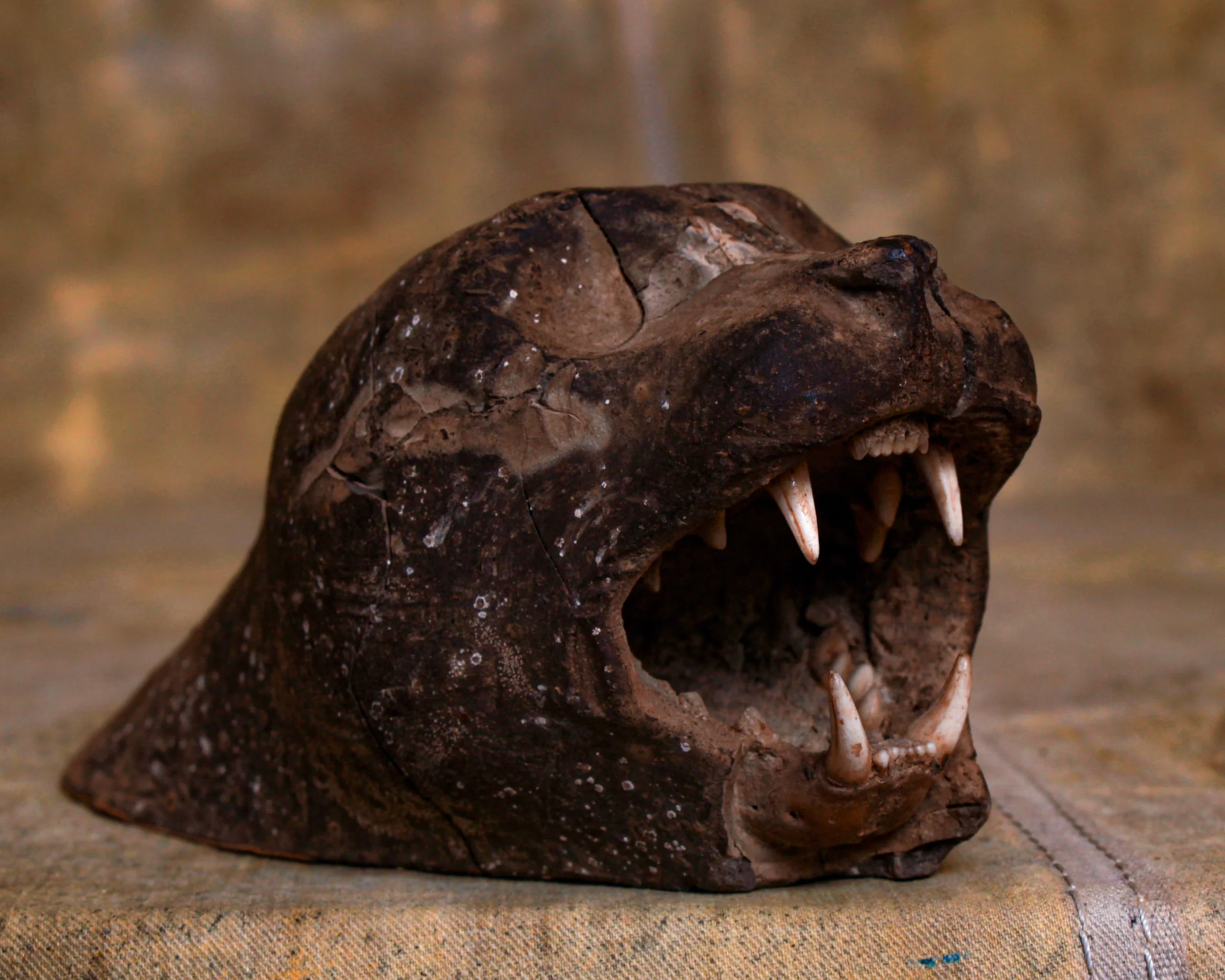
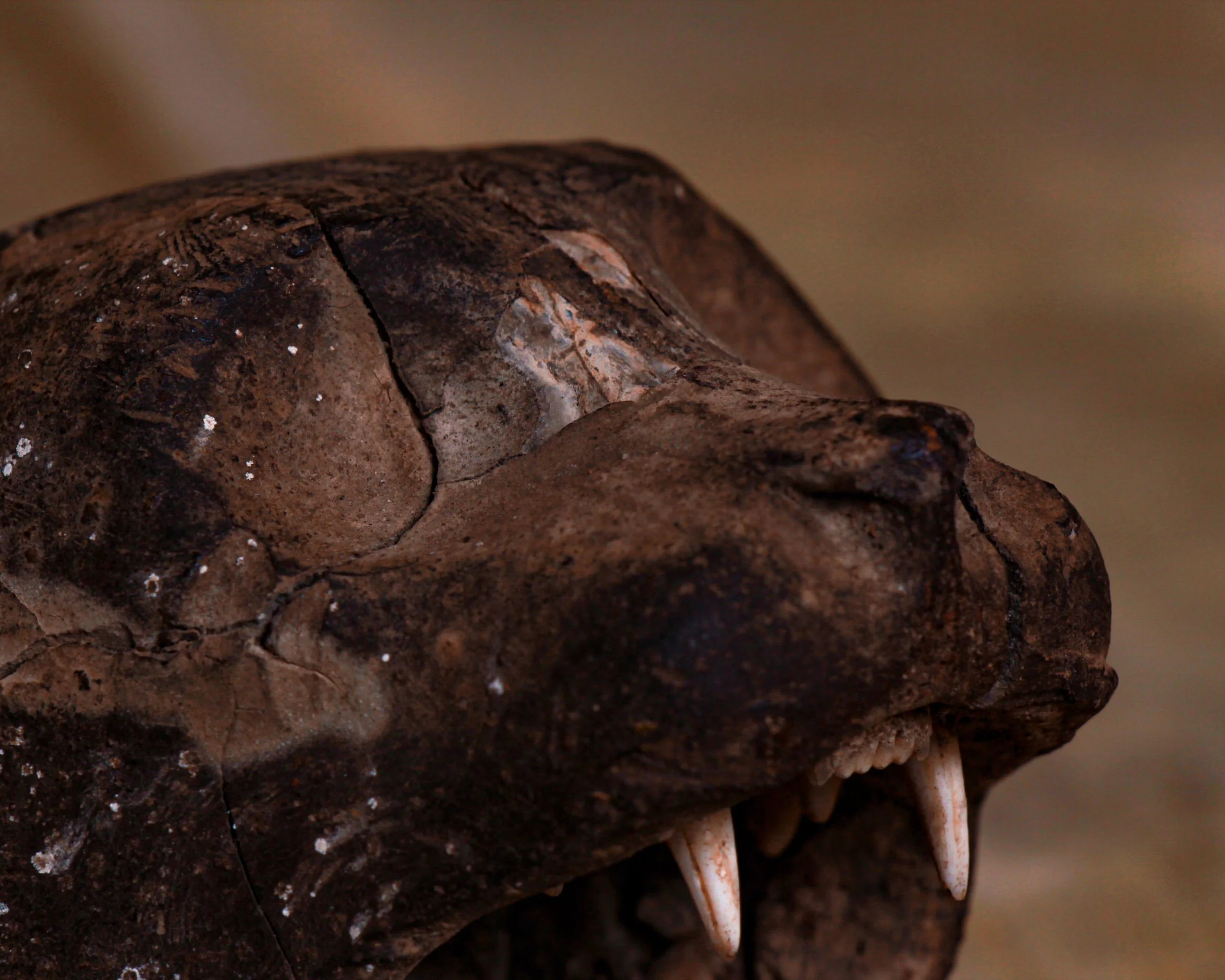
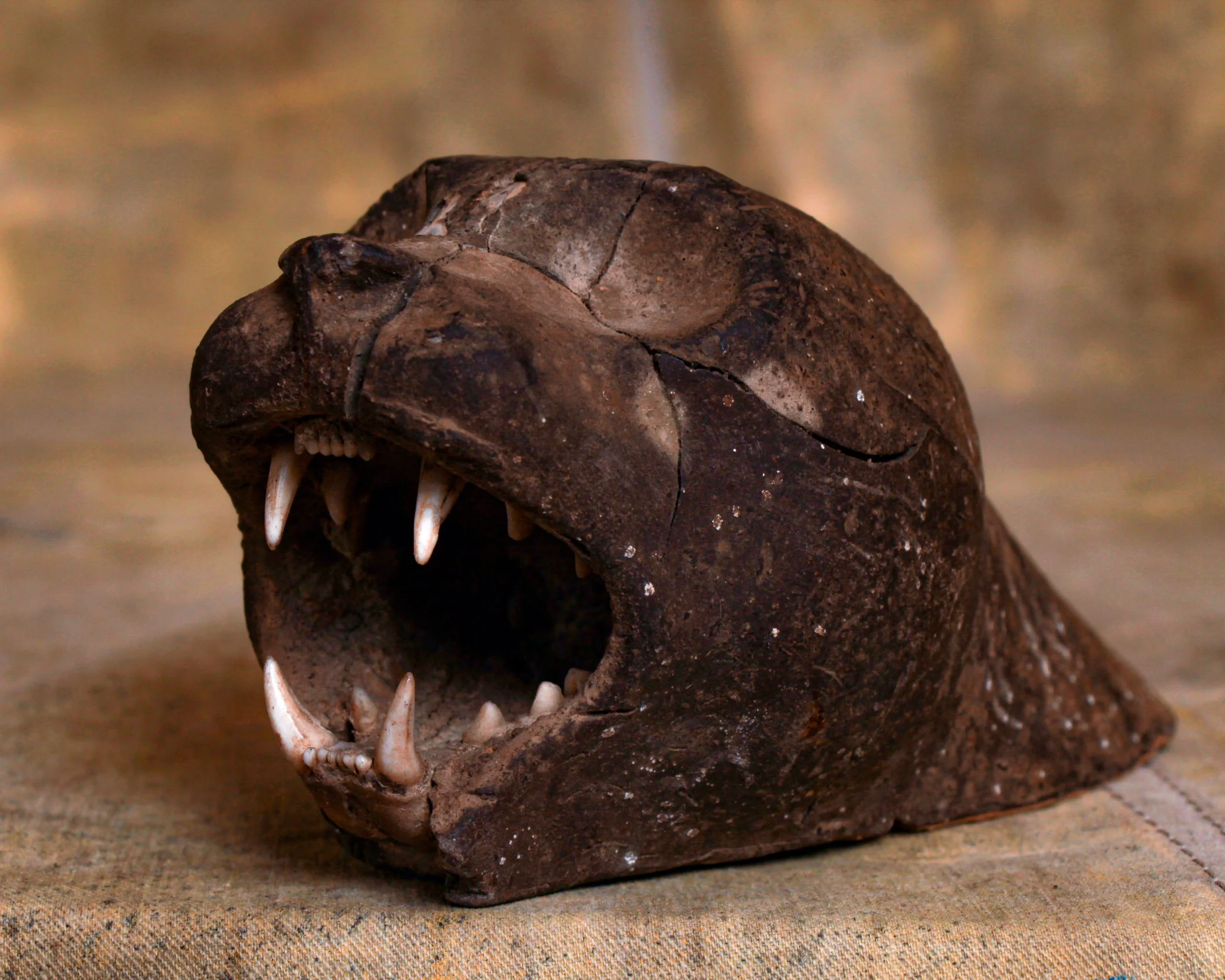
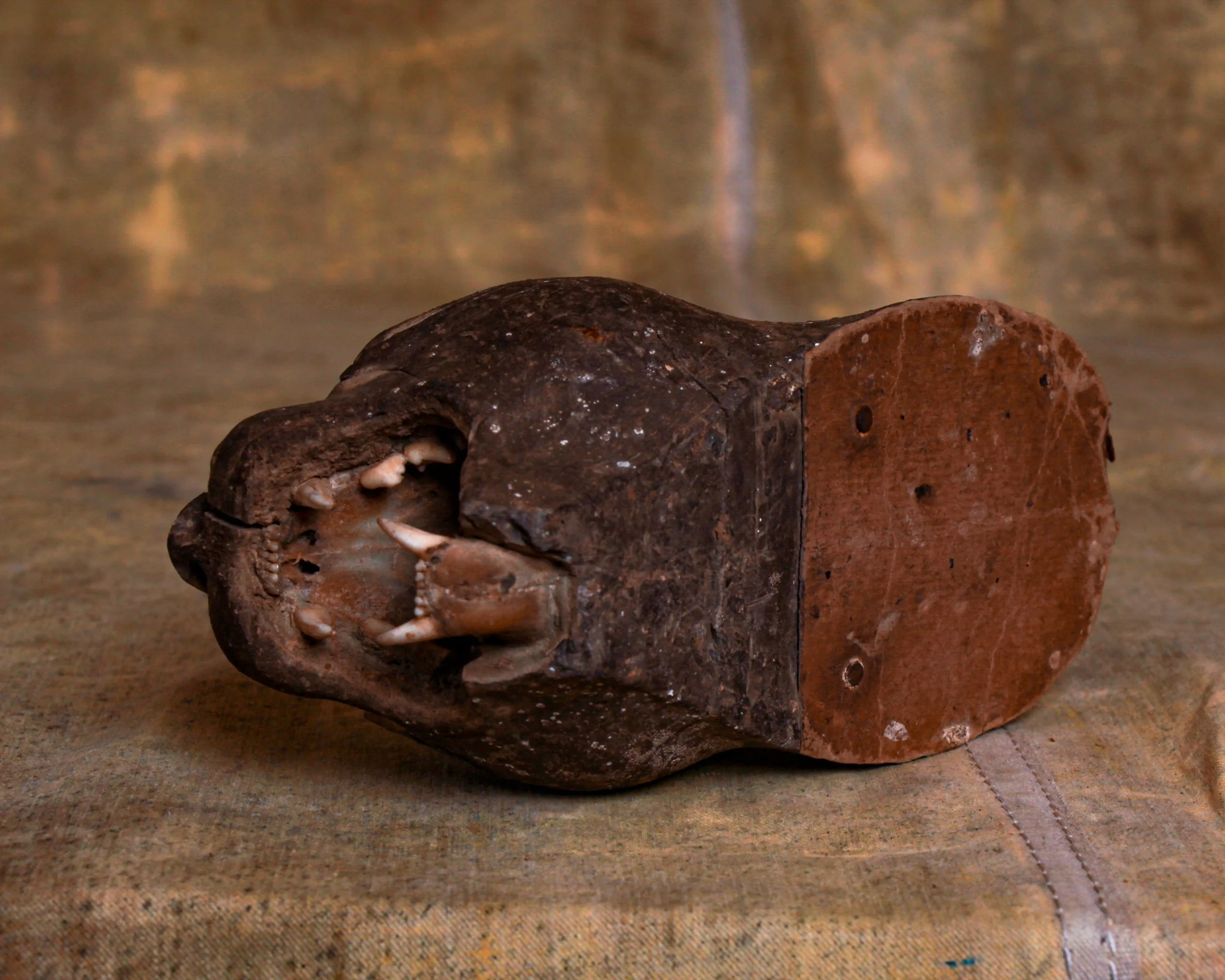
A great behind-the-scenes survivor from the golden age of American taxidermy. This 1940s bobcat model form was never meant to be the star of the show, but here it is—raw, expressive, and oddly captivating. Built as the foundation for mounting a real hide, it captures the animal mid-snarl, with carved features and inset teeth that still carry a surprising bite.
The surface tells its own story—cracked, worn, and darkened from years of use, with a kind of sculptural honesty you just can’t fake. It’s equal parts tool and object, sitting somewhere between workshop relic and folk art. A rare glimpse into the craft itself, where the illusion was built long before the fur ever went on.
Taxidermy
Antique taxidermy sits at the intersection of science, craft, and a certain kind of showmanship. In the 19th and early 20th centuries, it wasn’t just about preserving animals—it was about presenting them. Museums, hunting lodges, and world fairs all leaned on taxidermy to tell stories about nature, exploration, and status. A well-mounted animal was proof of skill, both in the field and in the workshop.
Early taxidermists worked with surprisingly rudimentary methods. Skins were carefully removed, treated with arsenic soaps or other preservatives, then stretched over handmade forms built from wood, wire, straw, or wrapped excelsior. These forms were sculpted by eye, which is why older mounts often have a slightly stylized, almost folk-art quality. Glass eyes were set by hand, expressions shaped with clay, and everything stitched and adjusted until it felt “alive”—or at least convincingly so.
By the early 20th century, the process became more refined. Pre-made manikins started replacing hand-built bodies, allowing for more anatomical accuracy and consistency. Still, much of the work remained deeply manual. The taxidermist wasn’t just assembling parts—they were interpreting posture, movement, and personality.
What makes antique taxidermy so compelling today is that you can see all of this in the finished piece. The materials age, the seams reveal themselves, the forms shift slightly over time. You’re not just looking at an animal—you’re looking at the decisions, shortcuts, and craftsmanship of the person who brought it back into form. It’s part preservation, part illusion, and part history lesson in three dimensions.