

ITEM NOT AVAILABLE IMMEDIATELY—INQUIRE IF INTERESTED hello@heimweeantiques.com
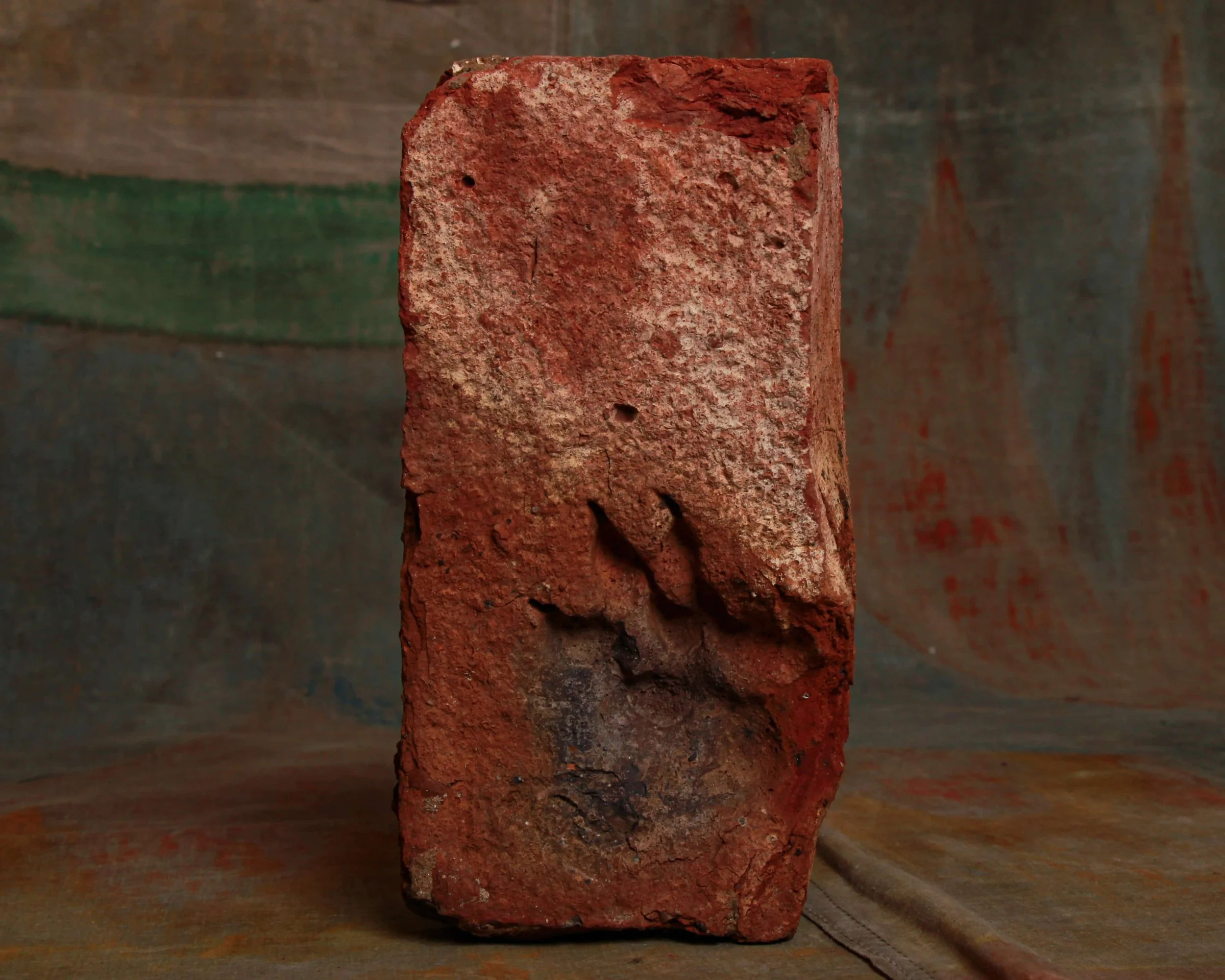
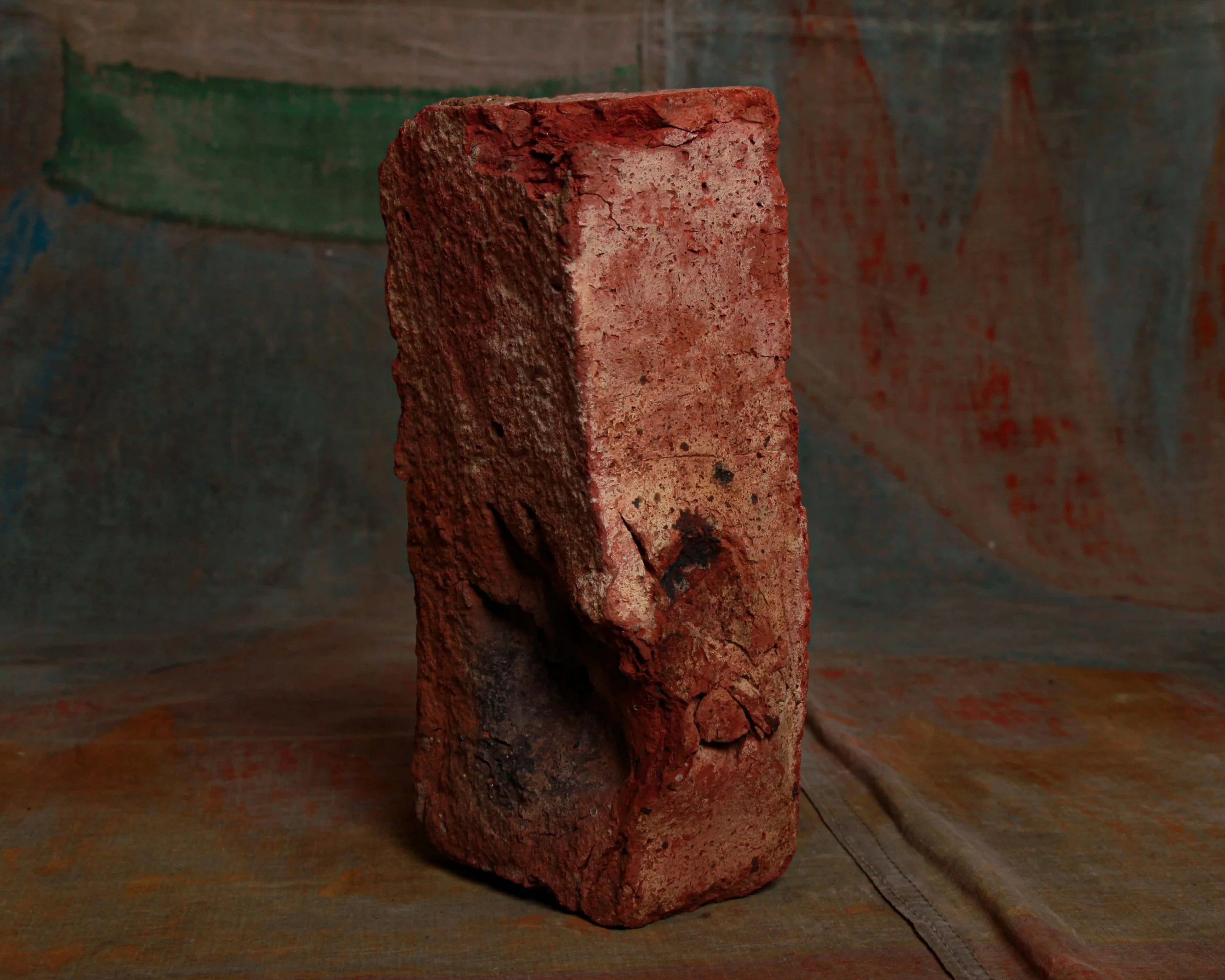
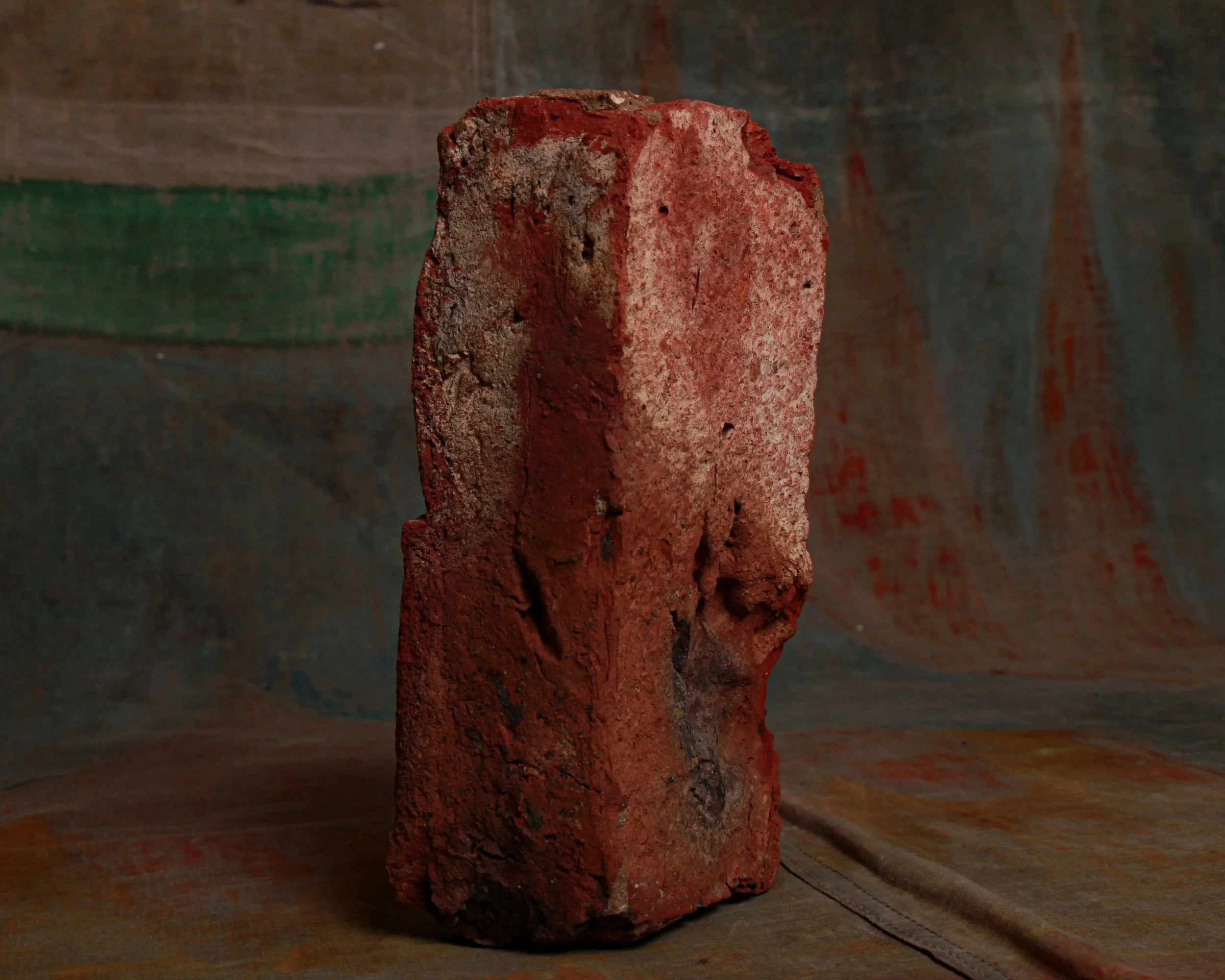
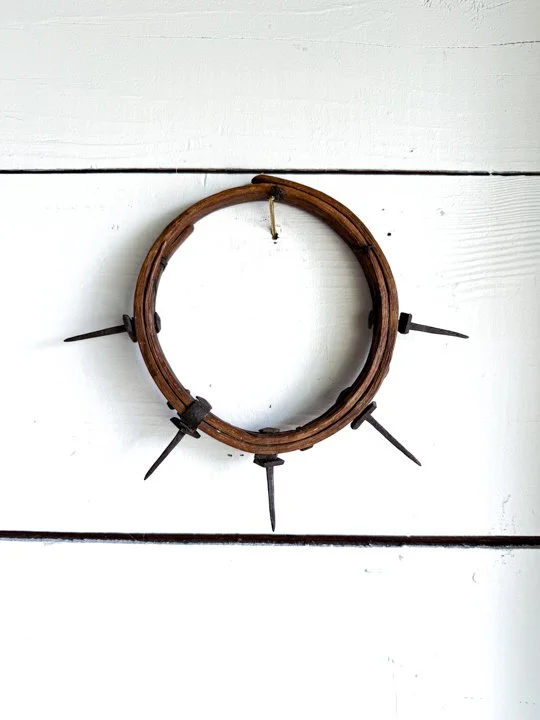
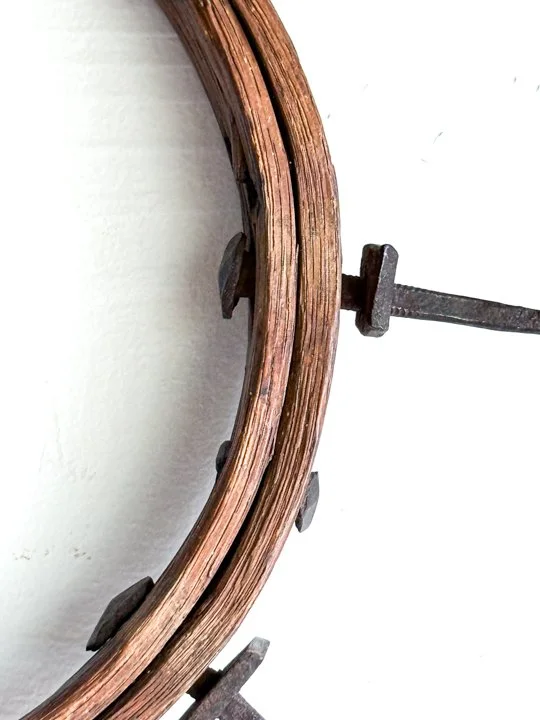
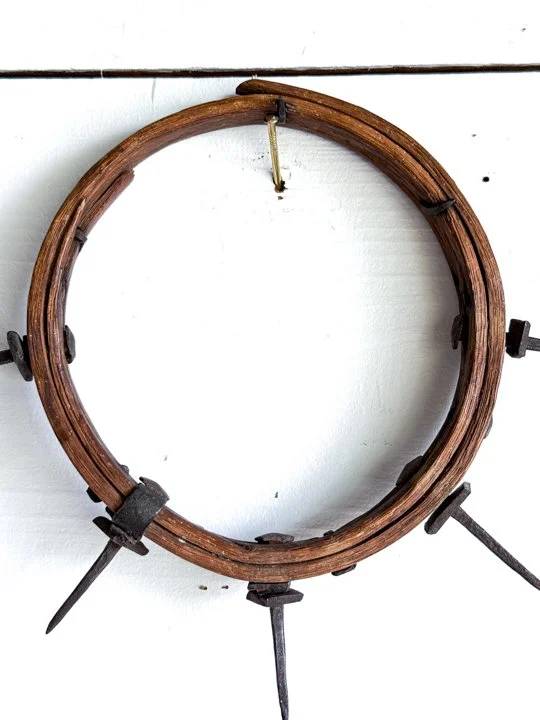
Here’s a piece of farm ingenuity that feels equal parts medieval and practical. This primitive bentwood collar, circa 1850s, was crafted from ash with leather fittings and fitted with five hand-forged iron spikes. The purpose? To keep a calf from nursing by giving mama cow a not-so-subtle prod every time the youngster tried to sneak a sip. The craftsmanship is raw and utilitarian, with the weathered wood and blacksmith-made spikes telling the story of rural necessity over comfort. Measures 8.25" W x 1" D x 9.75" H.
Category History
Early calf weaning collars are a good example of farm ingenuity—simple devices designed to solve a very specific problem without much fuss. Used widely in the late 19th and early 20th centuries, these collars were fitted around a calf’s neck and equipped with outward-facing spikes or prongs. The idea was straightforward: allow the calf to stay close to the cow, but prevent nursing by making it uncomfortable for the mother when the calf tried.
Most were made from leather, wood, or early metal forms, with adjustable straps and hand-forged or carved projections. They look a bit severe today, but they were part of a practical approach to managing livestock—encouraging independence in the calf while keeping the herd together.
What’s interesting is how low-tech the solution is. No separation pens, no elaborate systems—just a wearable tool that shifted behavior through experience. Over time, designs became more refined, but the core idea stayed the same.
Surviving examples often show heavy wear: softened leather, worn edges, repairs. They weren’t meant to last as artifacts, but to work season after season. Now, they read as both agricultural history and quietly sculptural objects shaped by use.
ITEM NOT AVAILABLE IMMEDIATELY—INQUIRE IF INTERESTED hello@heimweeantiques.com
Here’s a piece of farm ingenuity that feels equal parts medieval and practical. This primitive bentwood collar, circa 1850s, was crafted from ash with leather fittings and fitted with five hand-forged iron spikes. The purpose? To keep a calf from nursing by giving mama cow a not-so-subtle prod every time the youngster tried to sneak a sip. The craftsmanship is raw and utilitarian, with the weathered wood and blacksmith-made spikes telling the story of rural necessity over comfort. Measures 8.25" W x 1" D x 9.75" H.
Category History
Early calf weaning collars are a good example of farm ingenuity—simple devices designed to solve a very specific problem without much fuss. Used widely in the late 19th and early 20th centuries, these collars were fitted around a calf’s neck and equipped with outward-facing spikes or prongs. The idea was straightforward: allow the calf to stay close to the cow, but prevent nursing by making it uncomfortable for the mother when the calf tried.
Most were made from leather, wood, or early metal forms, with adjustable straps and hand-forged or carved projections. They look a bit severe today, but they were part of a practical approach to managing livestock—encouraging independence in the calf while keeping the herd together.
What’s interesting is how low-tech the solution is. No separation pens, no elaborate systems—just a wearable tool that shifted behavior through experience. Over time, designs became more refined, but the core idea stayed the same.
Surviving examples often show heavy wear: softened leather, worn edges, repairs. They weren’t meant to last as artifacts, but to work season after season. Now, they read as both agricultural history and quietly sculptural objects shaped by use.