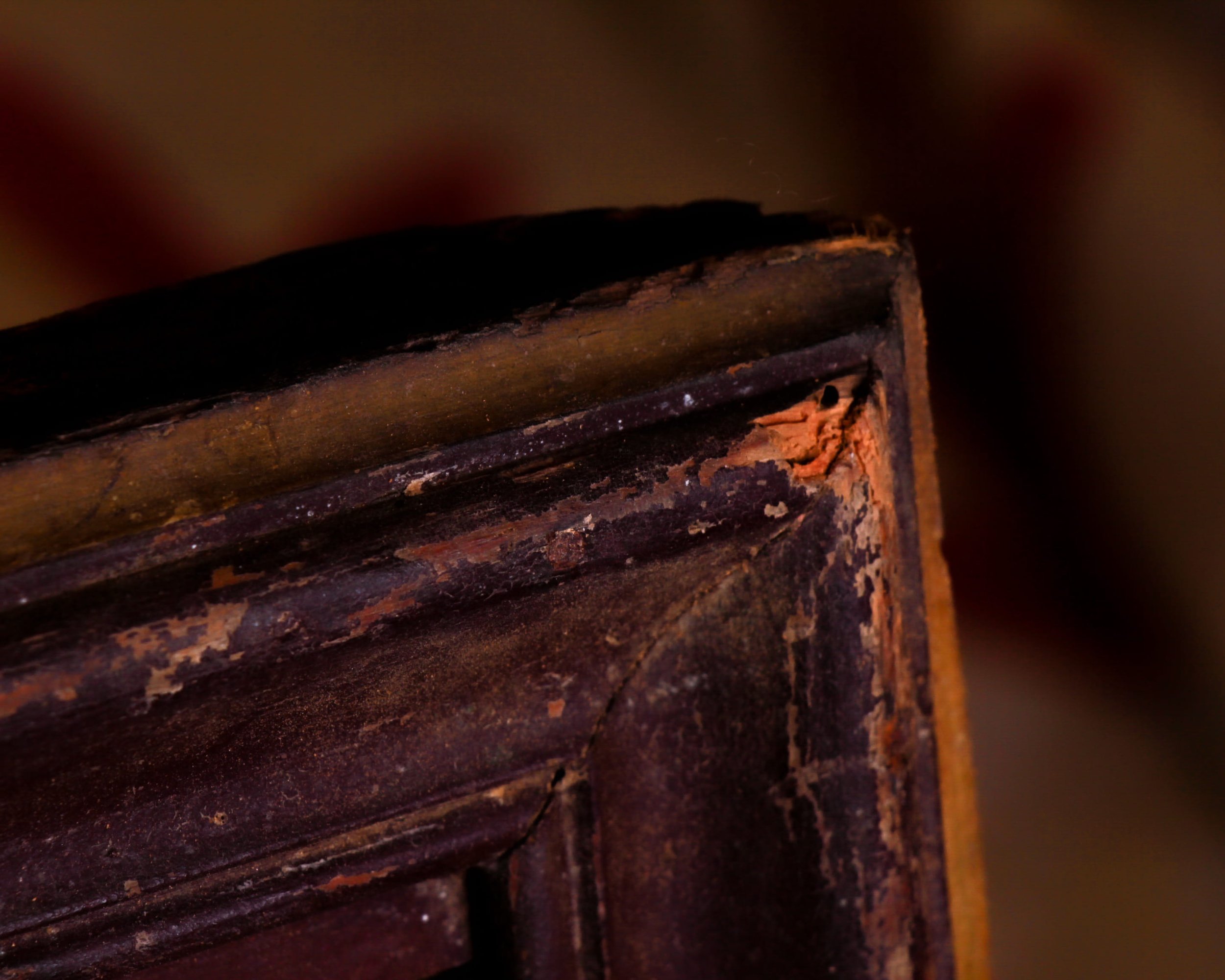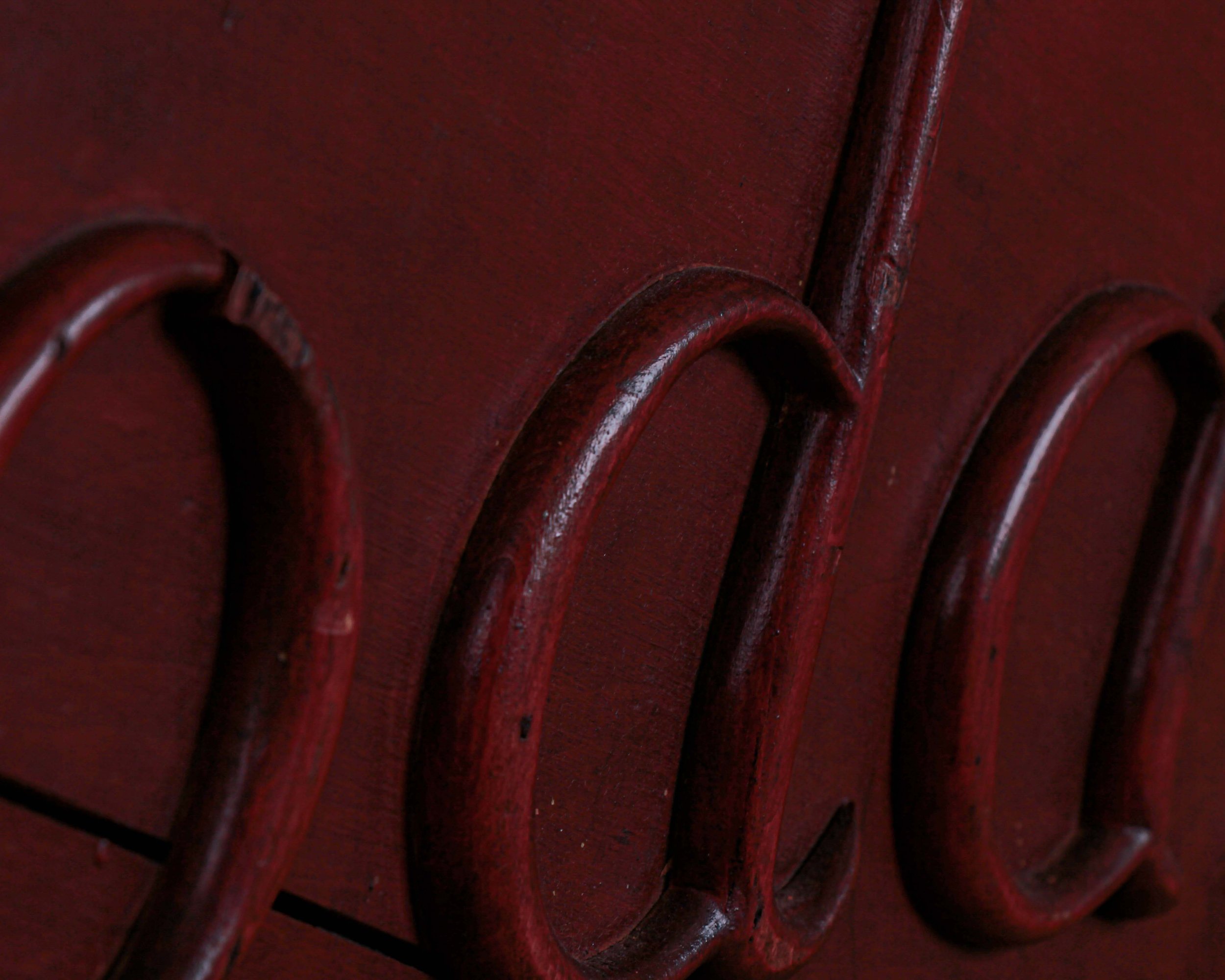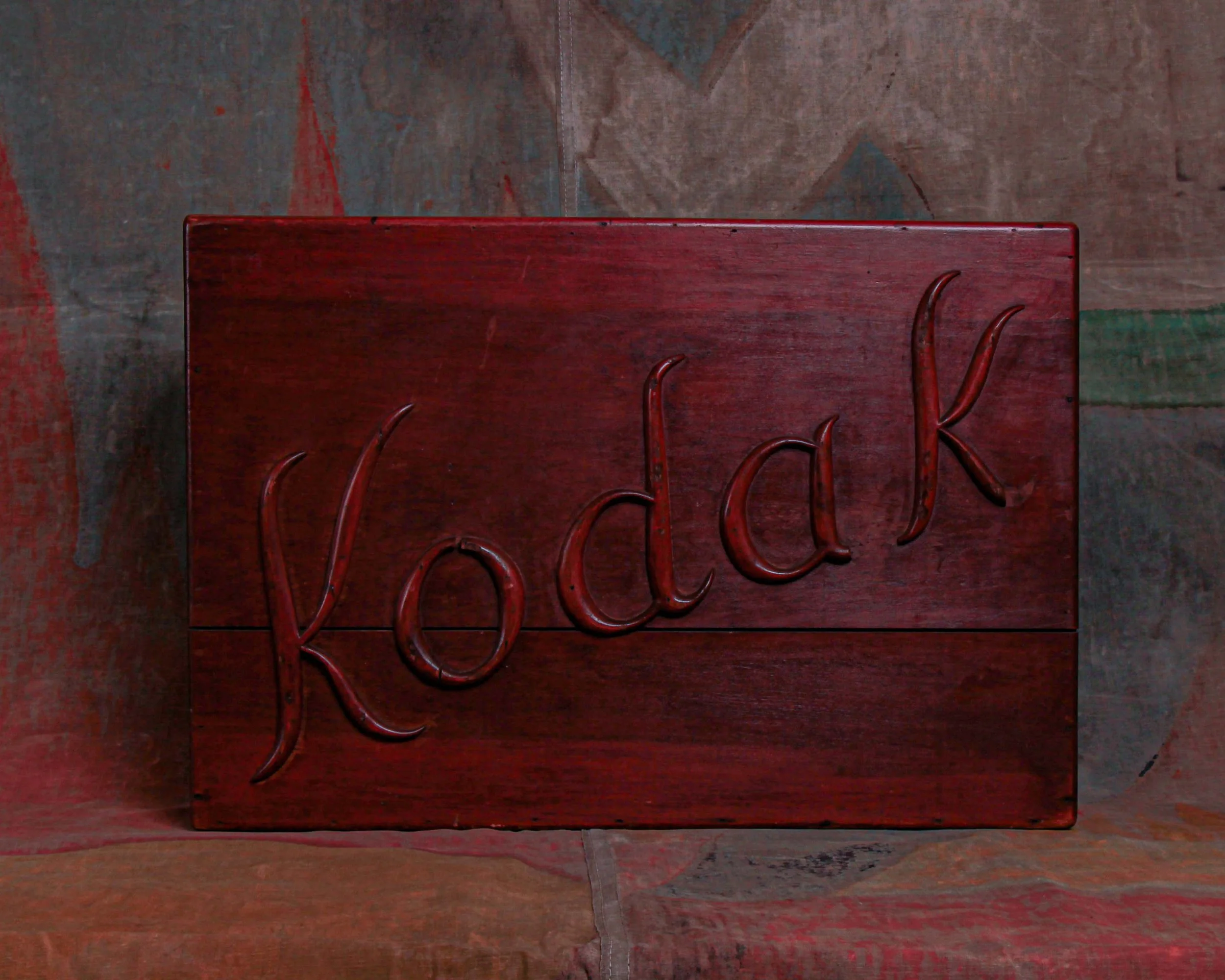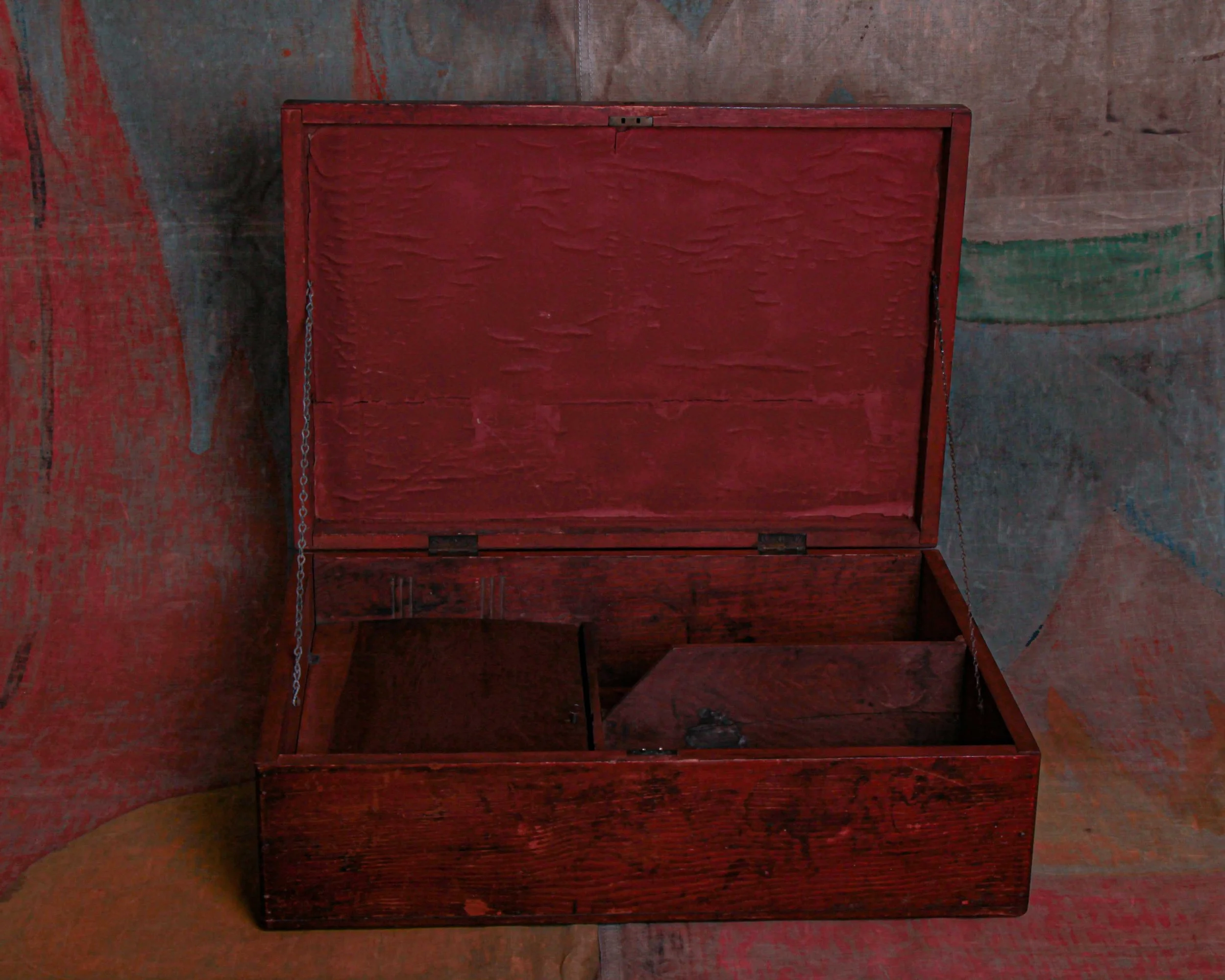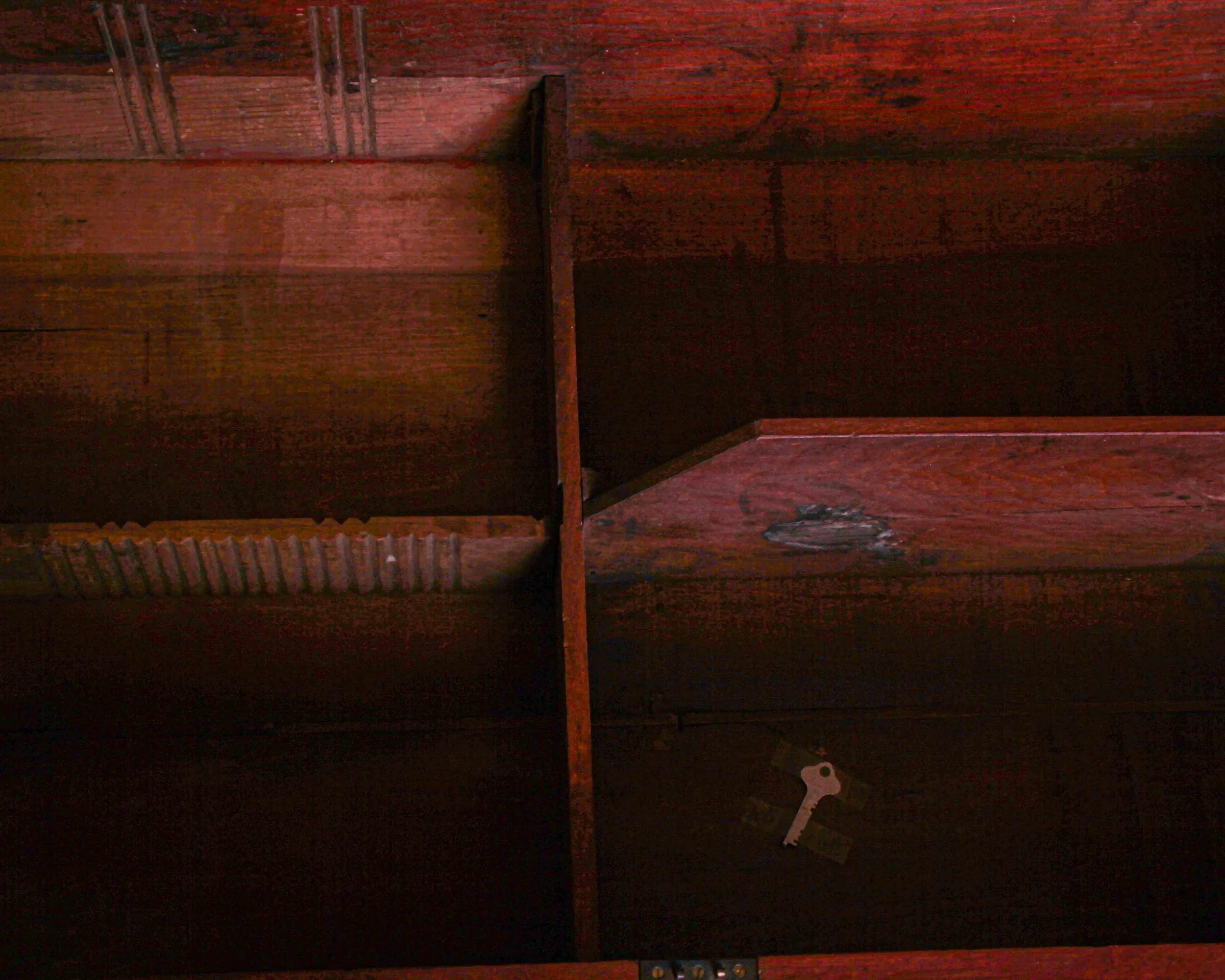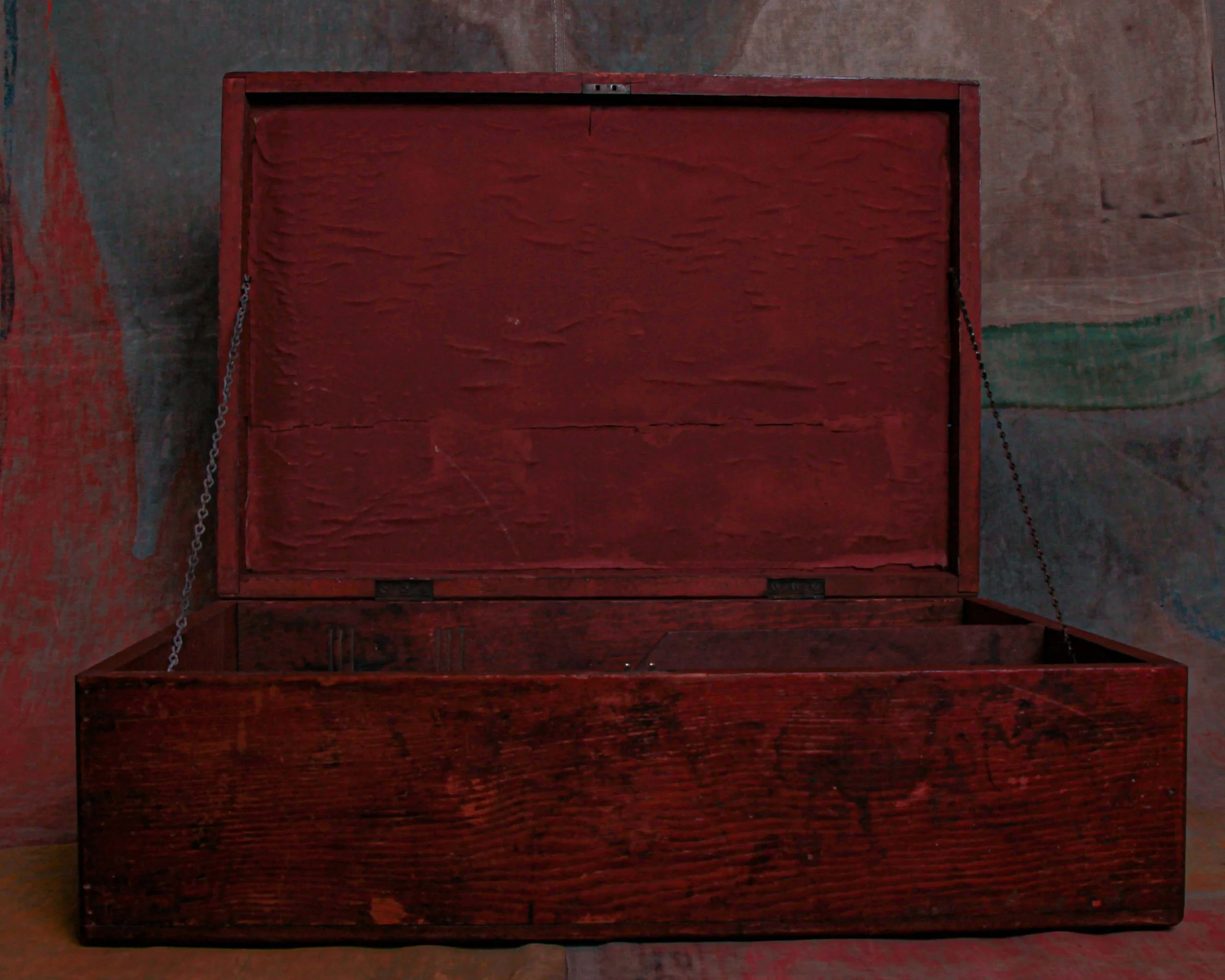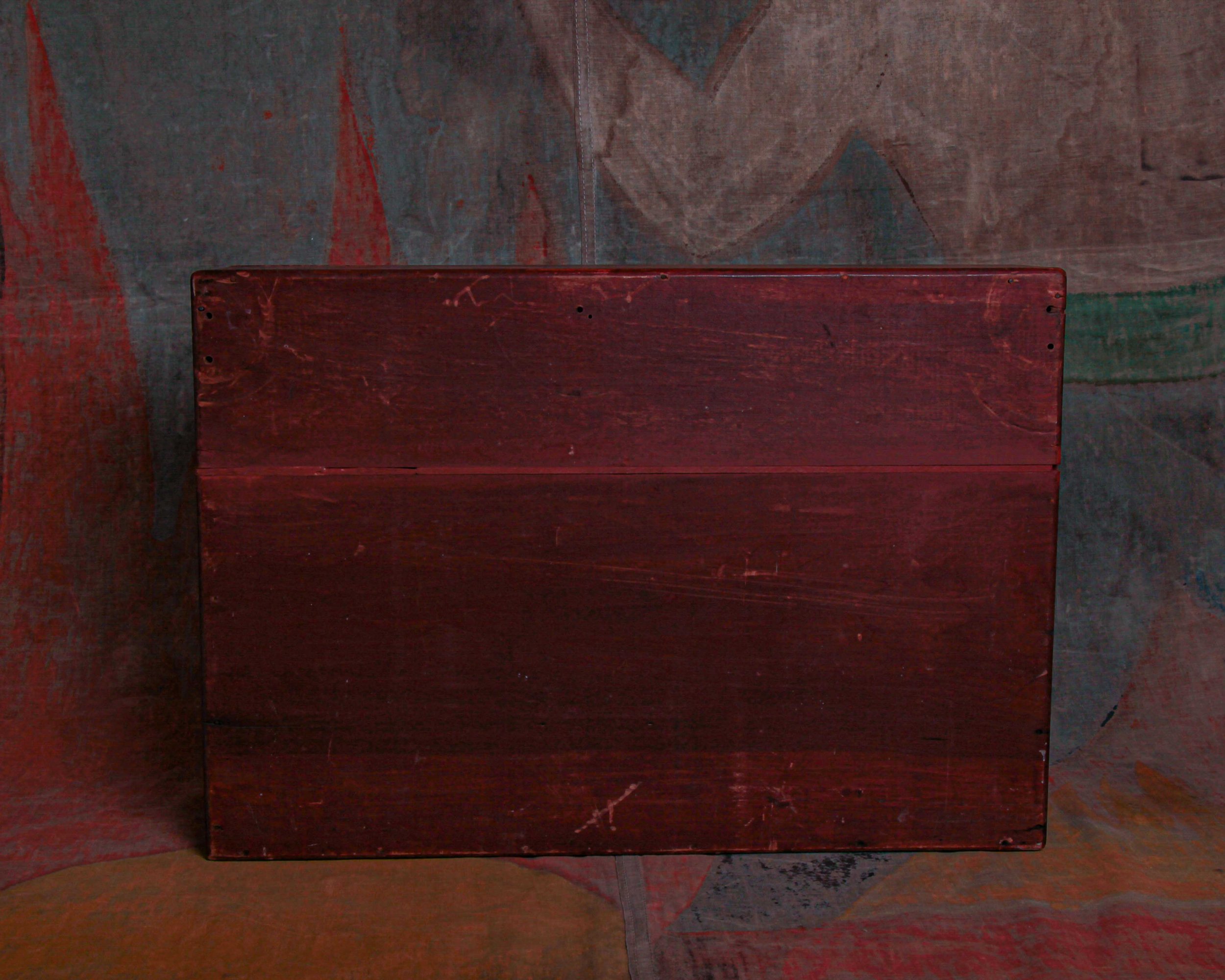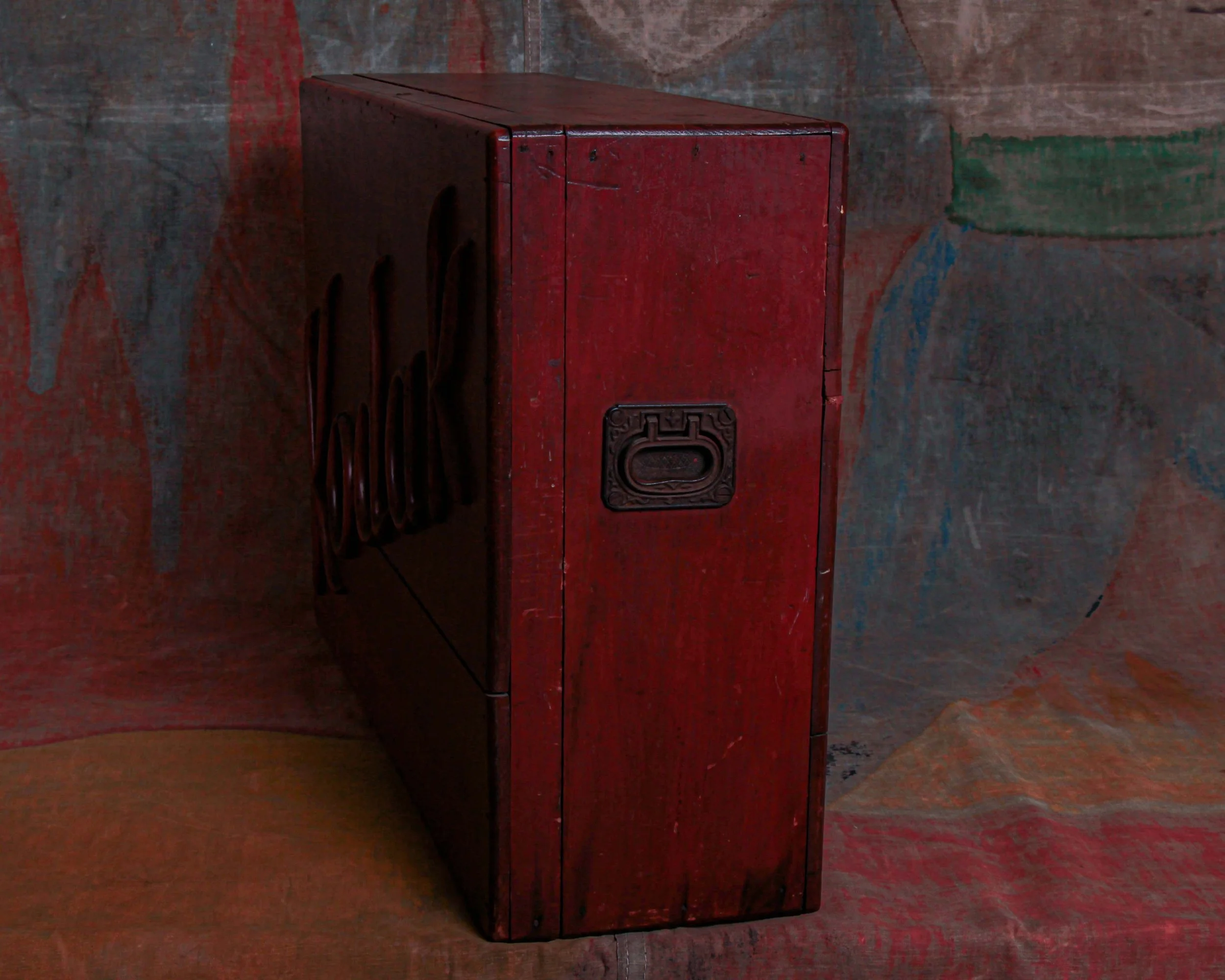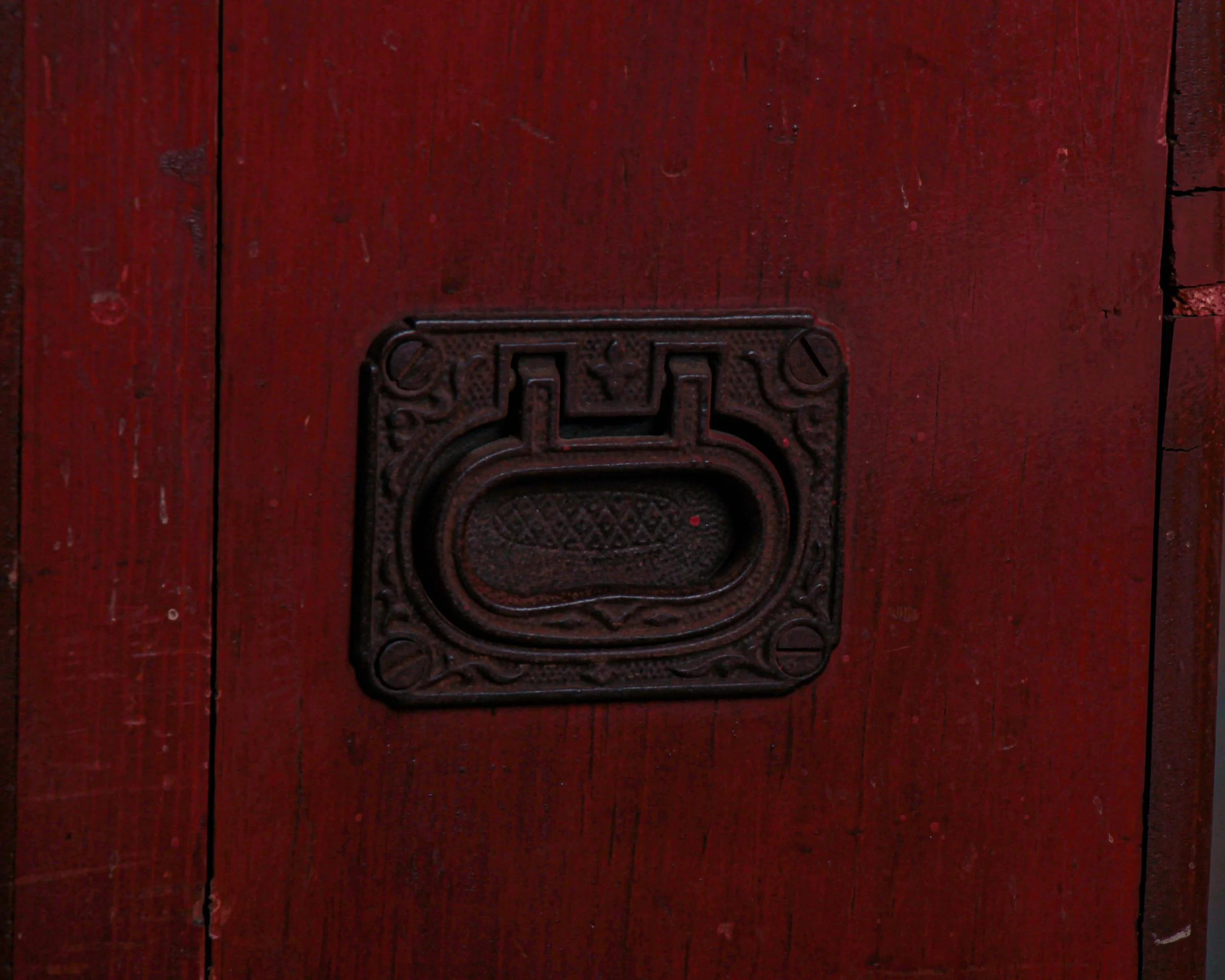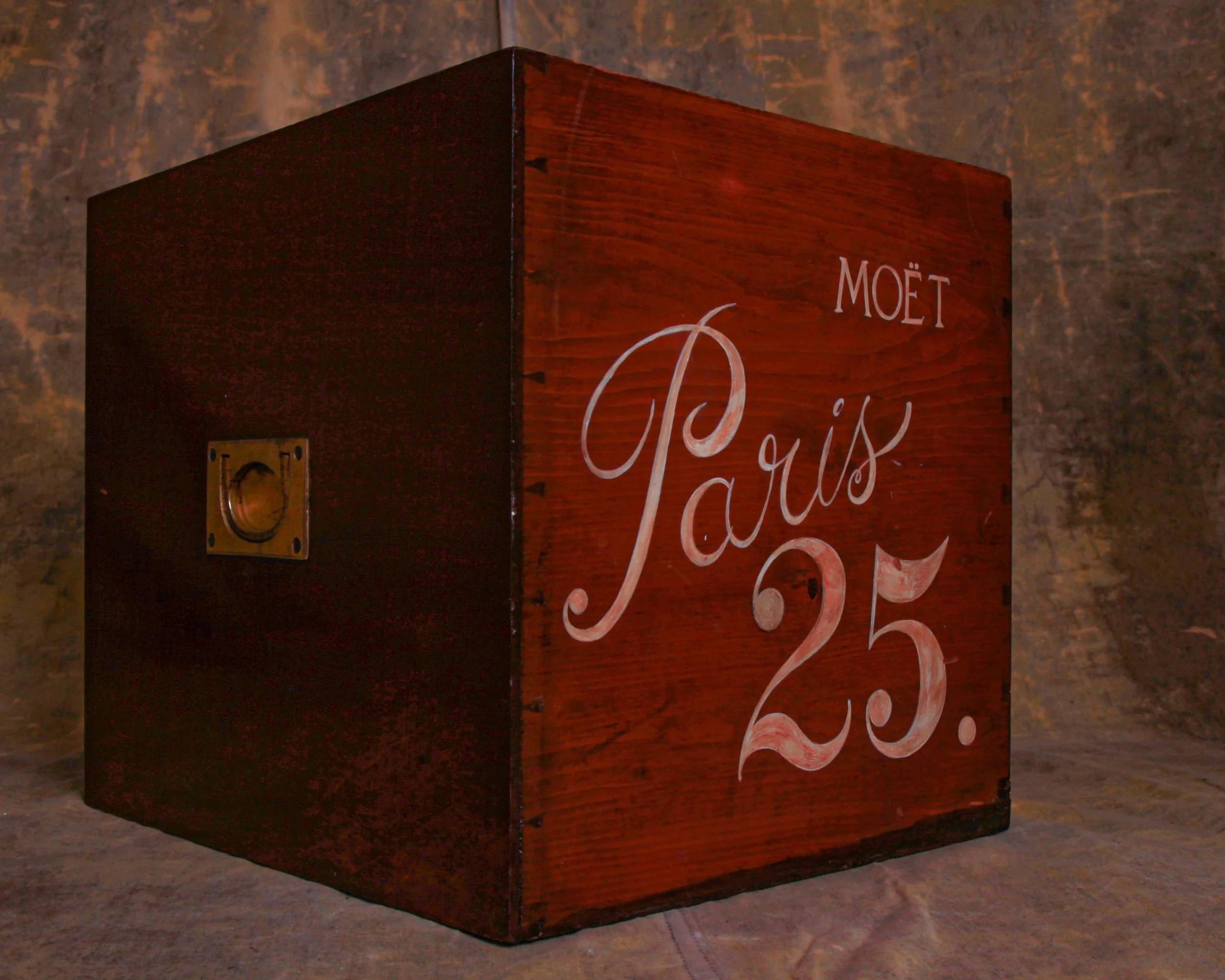
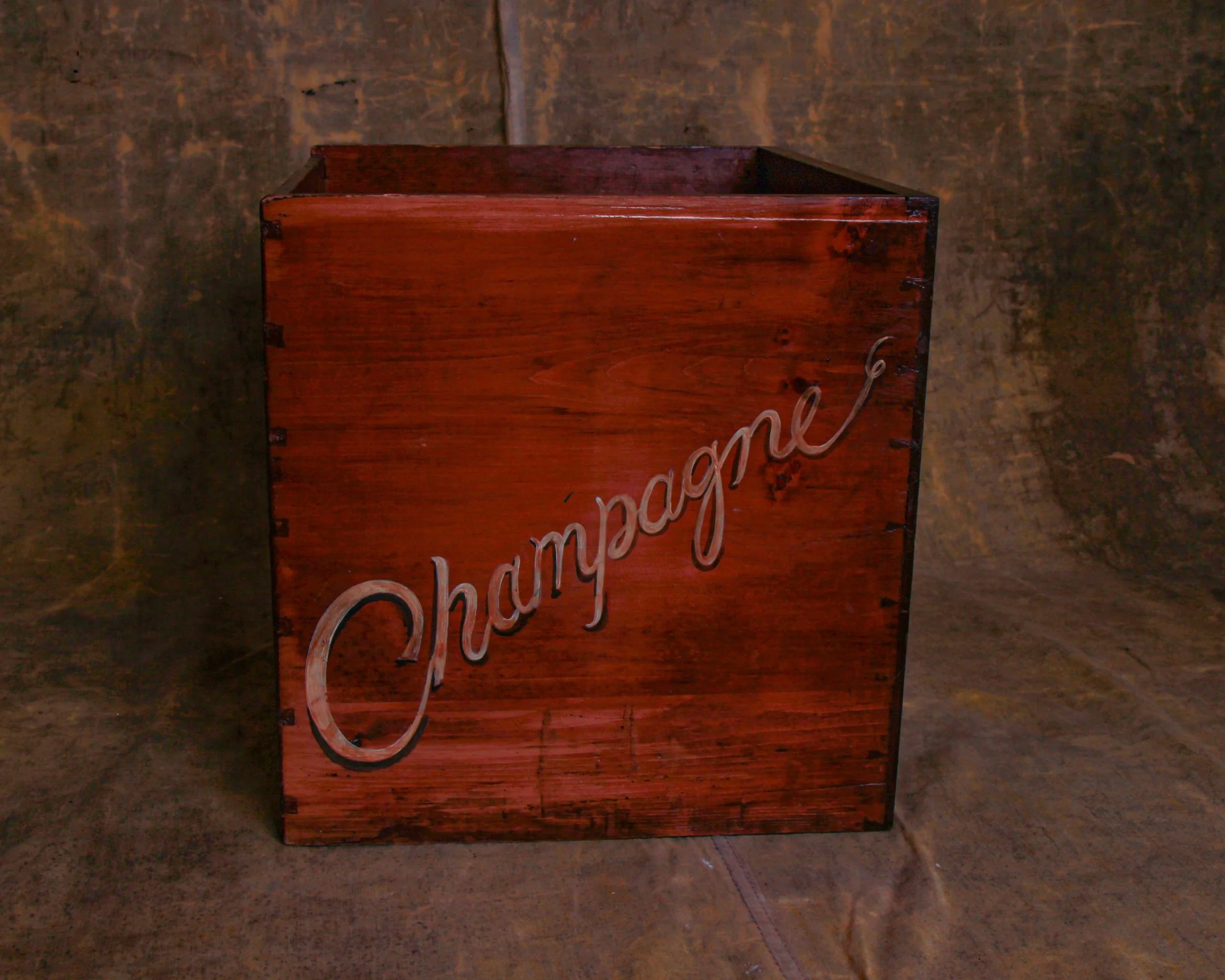
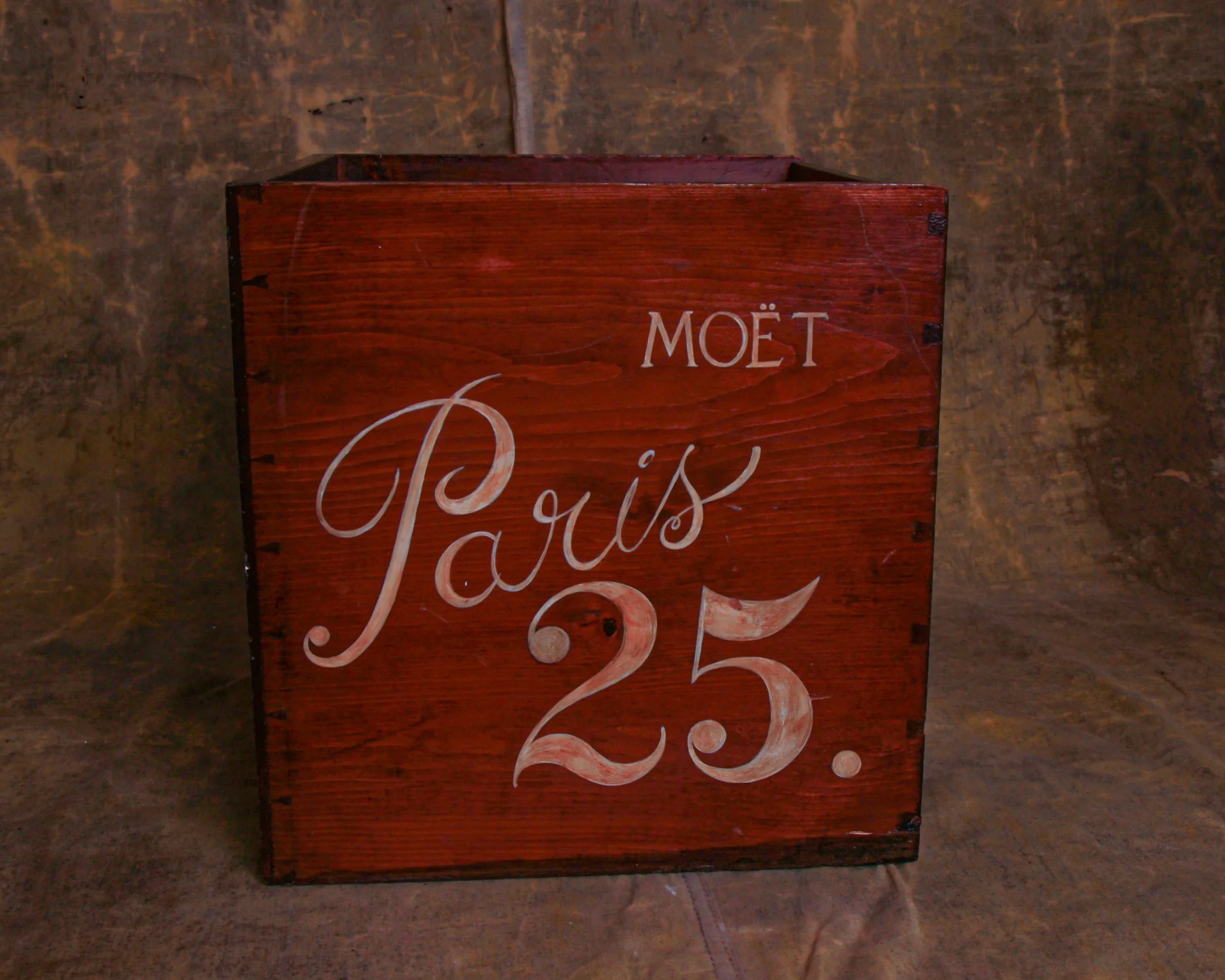
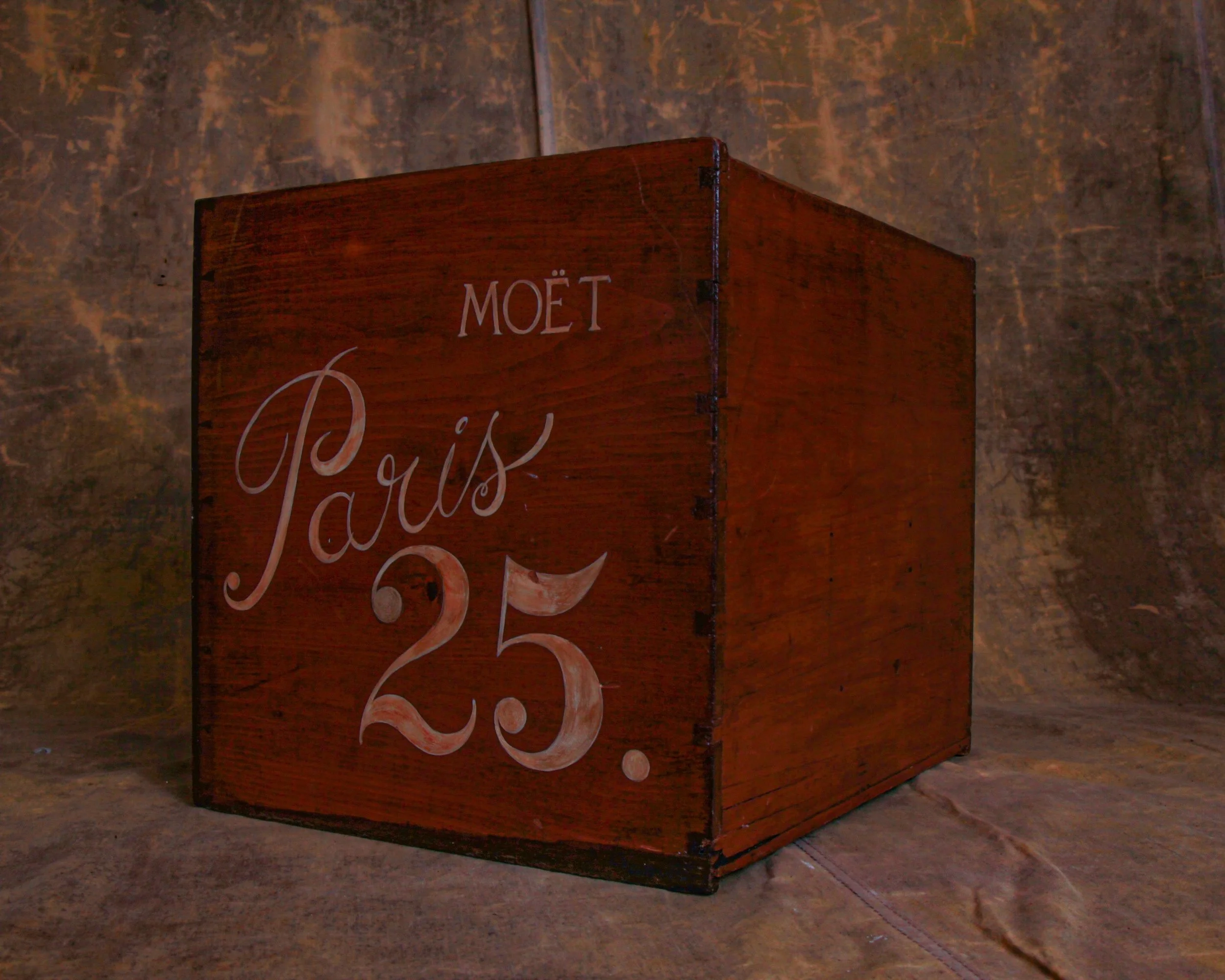
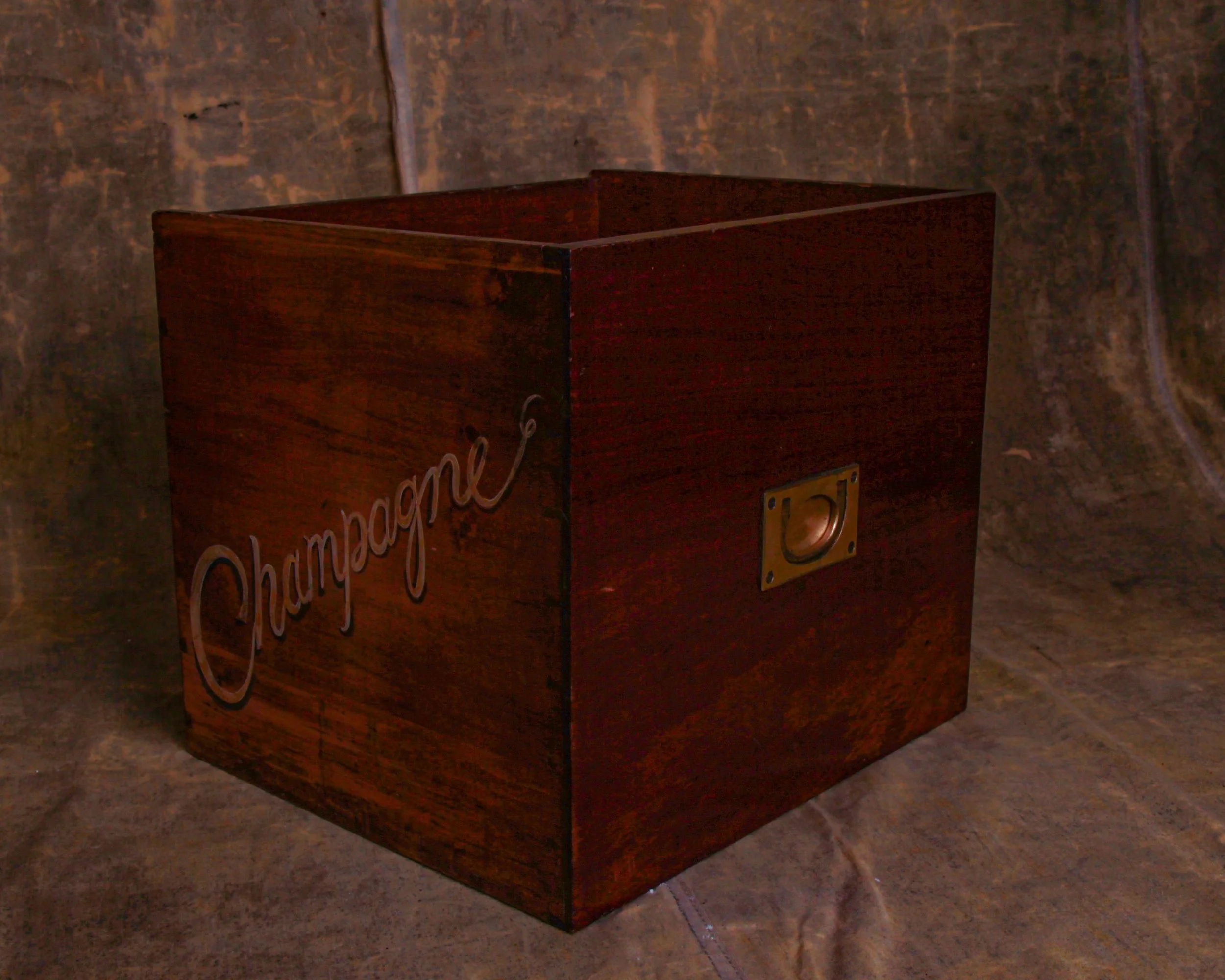
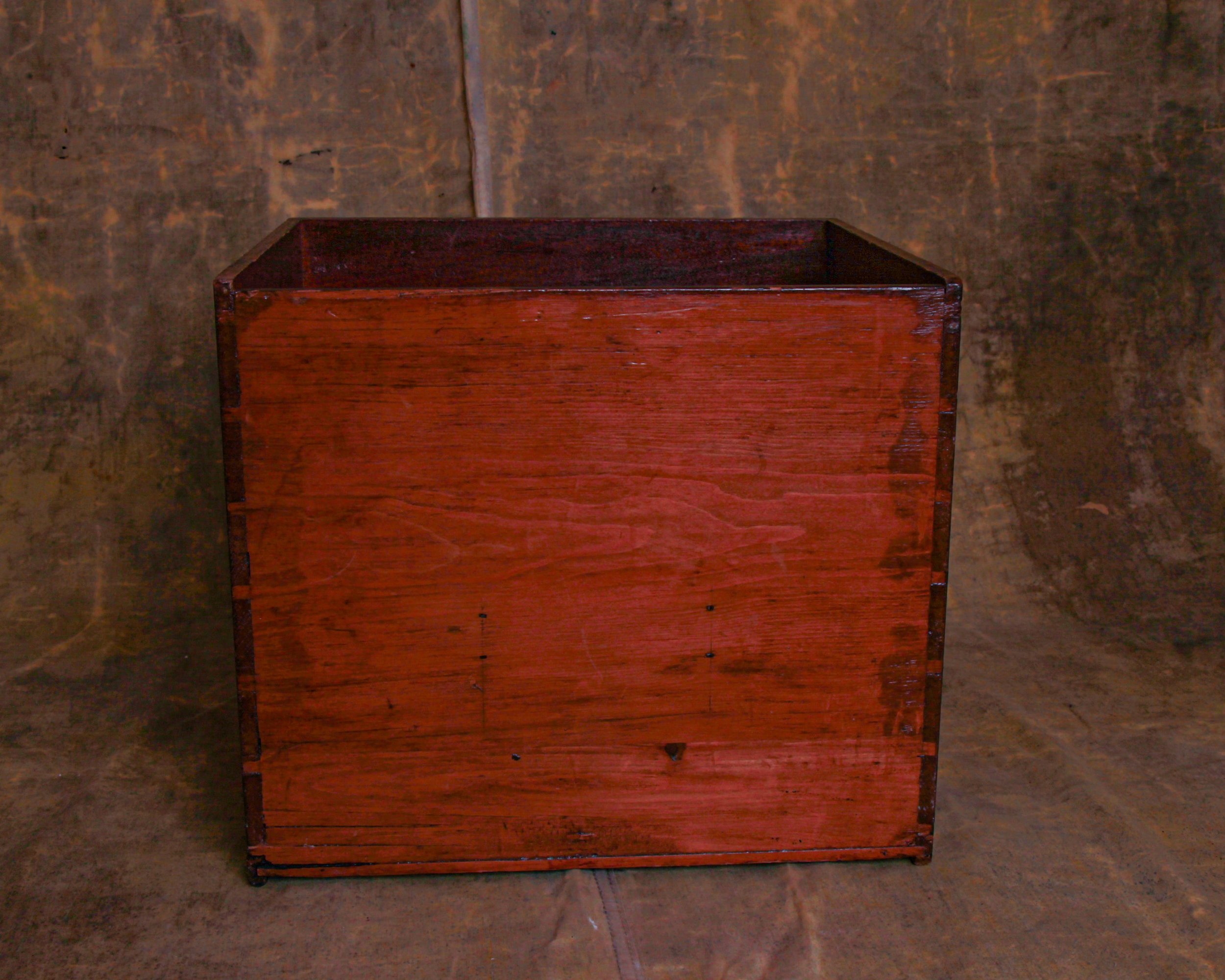
An early 19th-century Georgian serving drawer, originally part of a larger credenza, built with purpose and a surprising amount of foresight. At first glance it’s all handsome restraint: rich mahogany front, tight dovetail joinery, and a solid brass pull that feels just right in the hand.
Then you look inside.
The interior is fully lined with tin, designed to hold ice back when that was a luxury worth engineering for. Before refrigeration, this drawer would have been packed with ice to keep champagne bottles cool during service. Practical, clever, and quietly luxurious. Furniture that understood the party. Today, it stands beautifully on its own.
Category History
Champagne has always been a bit of an accident that turned into a signature. In the cold climate of the Champagne region in France, early winemakers struggled with secondary fermentation happening inside the bottle, creating bubbles they didn’t necessarily want. Over time, that unpredictability became the whole point.
By the 18th and 19th centuries, producers refined the process—controlling fermentation, strengthening bottles, and developing techniques like riddling to clarify the wine. Houses began to define their styles, blending grapes from different vineyards to create consistency year after year. What started as a regional quirk became a carefully managed craft.
What makes champagne distinct isn’t just the bubbles, it’s how they’re made. That second fermentation in the bottle builds pressure, texture, and complexity, giving the wine its fine mousse and layered character. It’s as much about timing and patience as it is about ingredients.
Over time, champagne became tied to celebration—victories, milestones, openings—but the object itself is grounded in process. Vineyard, cellar, bottle, time.
It carries a certain ceremony, but underneath it all, it’s a controlled transformation—pressure contained, then released at just the right moment.
An early 19th-century Georgian serving drawer, originally part of a larger credenza, built with purpose and a surprising amount of foresight. At first glance it’s all handsome restraint: rich mahogany front, tight dovetail joinery, and a solid brass pull that feels just right in the hand.
Then you look inside.
The interior is fully lined with tin, designed to hold ice back when that was a luxury worth engineering for. Before refrigeration, this drawer would have been packed with ice to keep champagne bottles cool during service. Practical, clever, and quietly luxurious. Furniture that understood the party. Today, it stands beautifully on its own.
Category History
Champagne has always been a bit of an accident that turned into a signature. In the cold climate of the Champagne region in France, early winemakers struggled with secondary fermentation happening inside the bottle, creating bubbles they didn’t necessarily want. Over time, that unpredictability became the whole point.
By the 18th and 19th centuries, producers refined the process—controlling fermentation, strengthening bottles, and developing techniques like riddling to clarify the wine. Houses began to define their styles, blending grapes from different vineyards to create consistency year after year. What started as a regional quirk became a carefully managed craft.
What makes champagne distinct isn’t just the bubbles, it’s how they’re made. That second fermentation in the bottle builds pressure, texture, and complexity, giving the wine its fine mousse and layered character. It’s as much about timing and patience as it is about ingredients.
Over time, champagne became tied to celebration—victories, milestones, openings—but the object itself is grounded in process. Vineyard, cellar, bottle, time.
It carries a certain ceremony, but underneath it all, it’s a controlled transformation—pressure contained, then released at just the right moment.