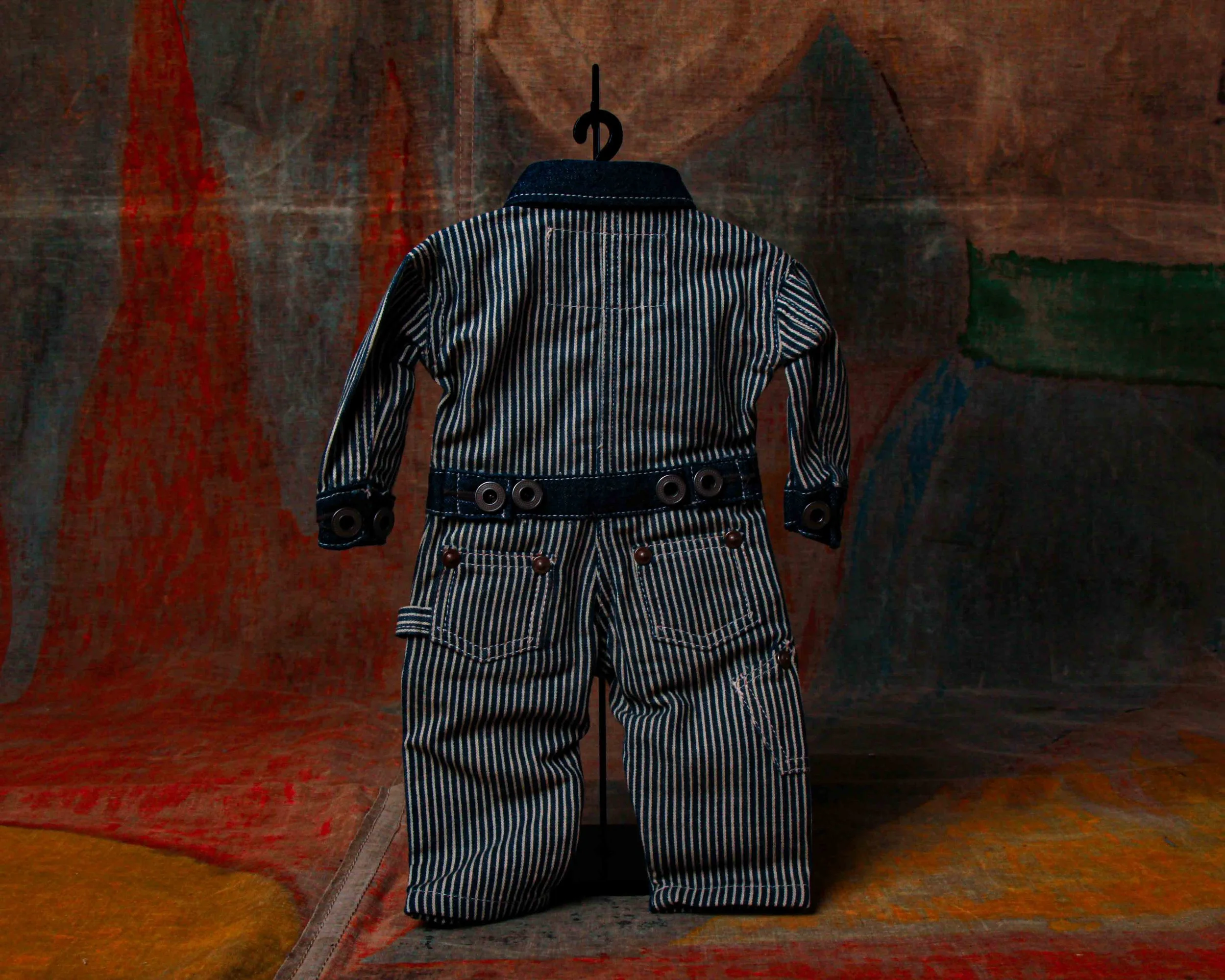
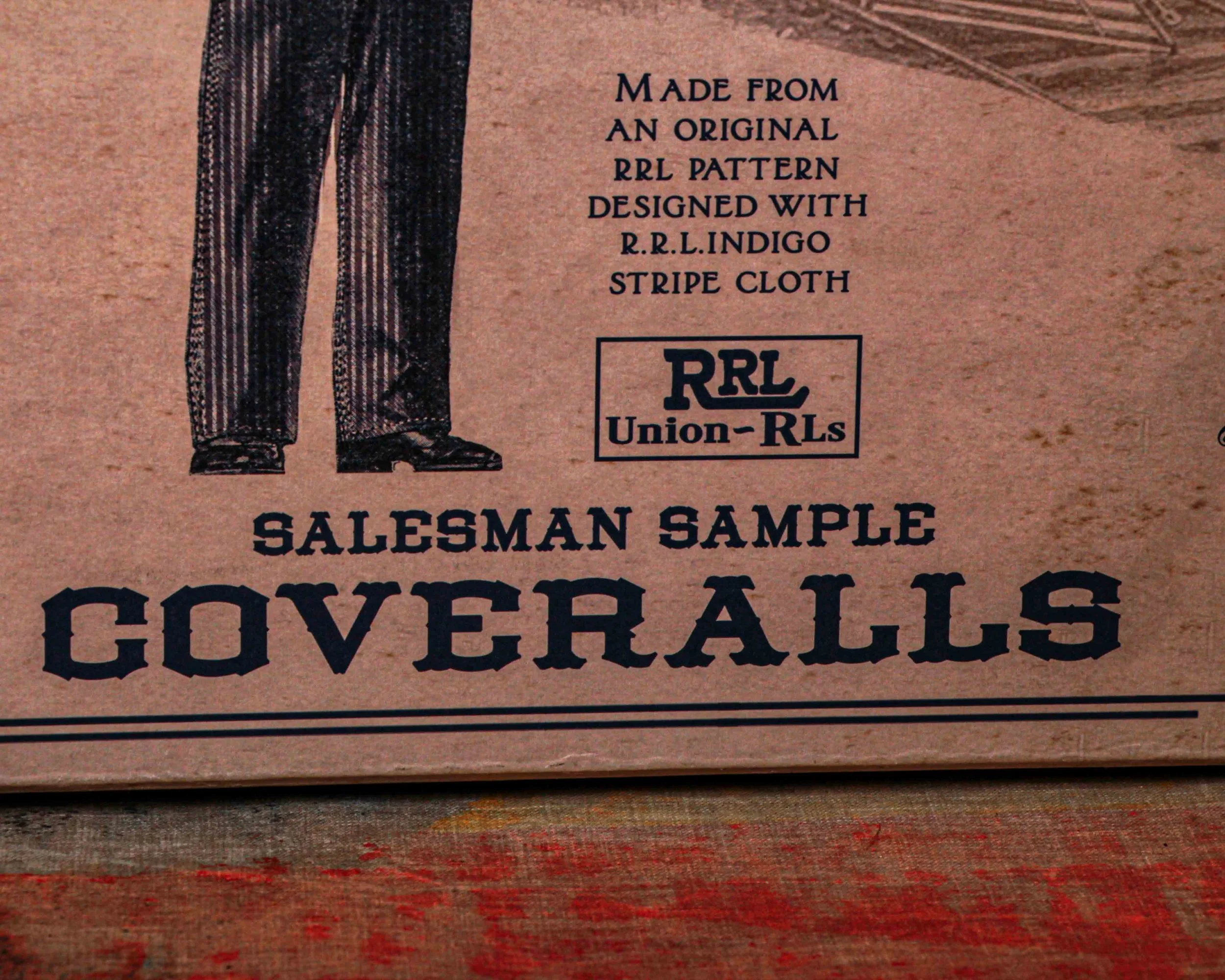
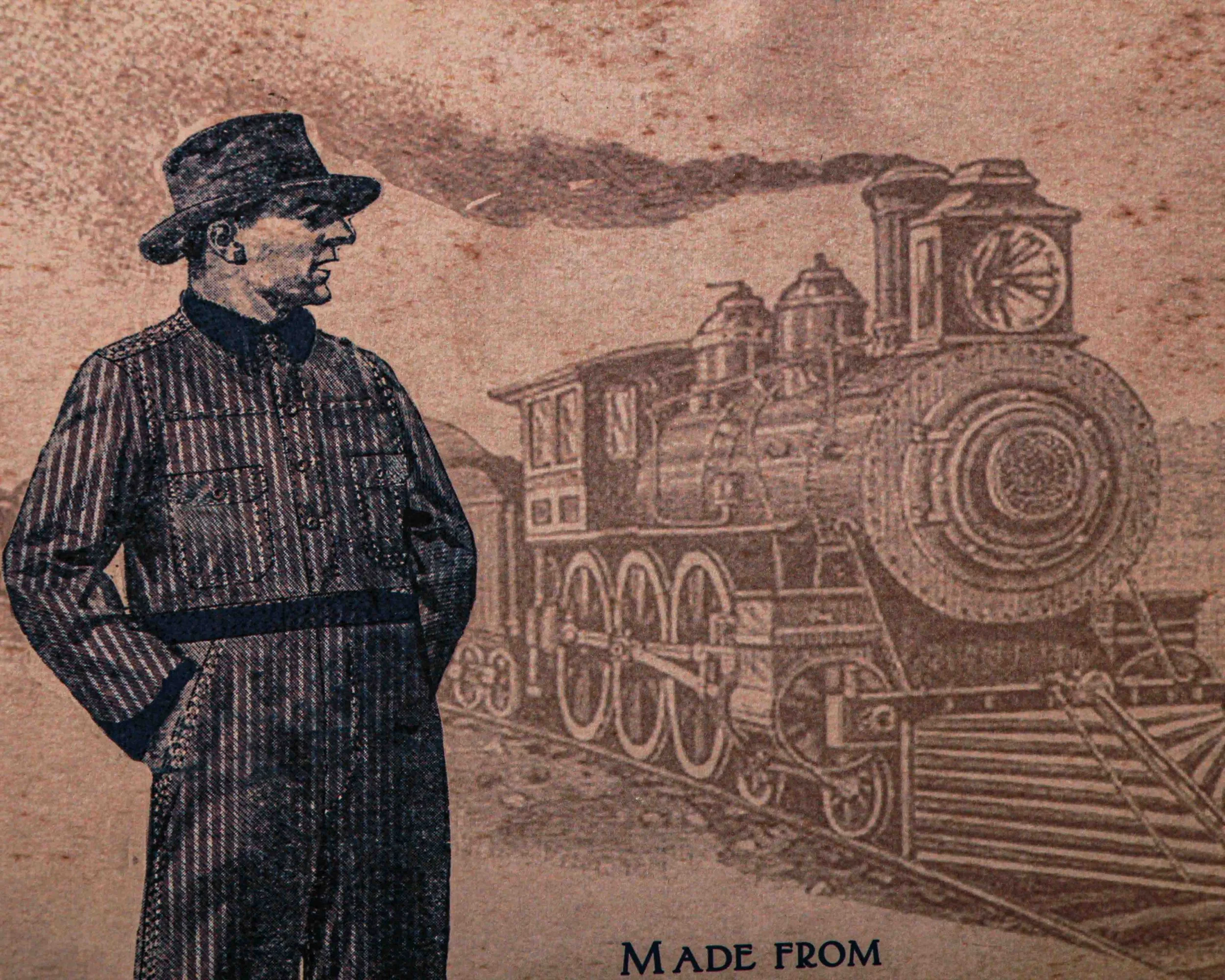
Miniature set of railroad-striped workwear, built with the same seriousness and attention to detail as the full-sized garments that inspired it. At first glance it looks like a child’s coverall, but it’s actually a collectible rooted in a much older tradition: the miniature samples carried by travelling salesmen in the early 1900s. Before catalogs were common and before buyers could browse products online, sales representatives often arrived with scaled-down versions of their wares, giving customers a tactile preview of materials, construction, and style.
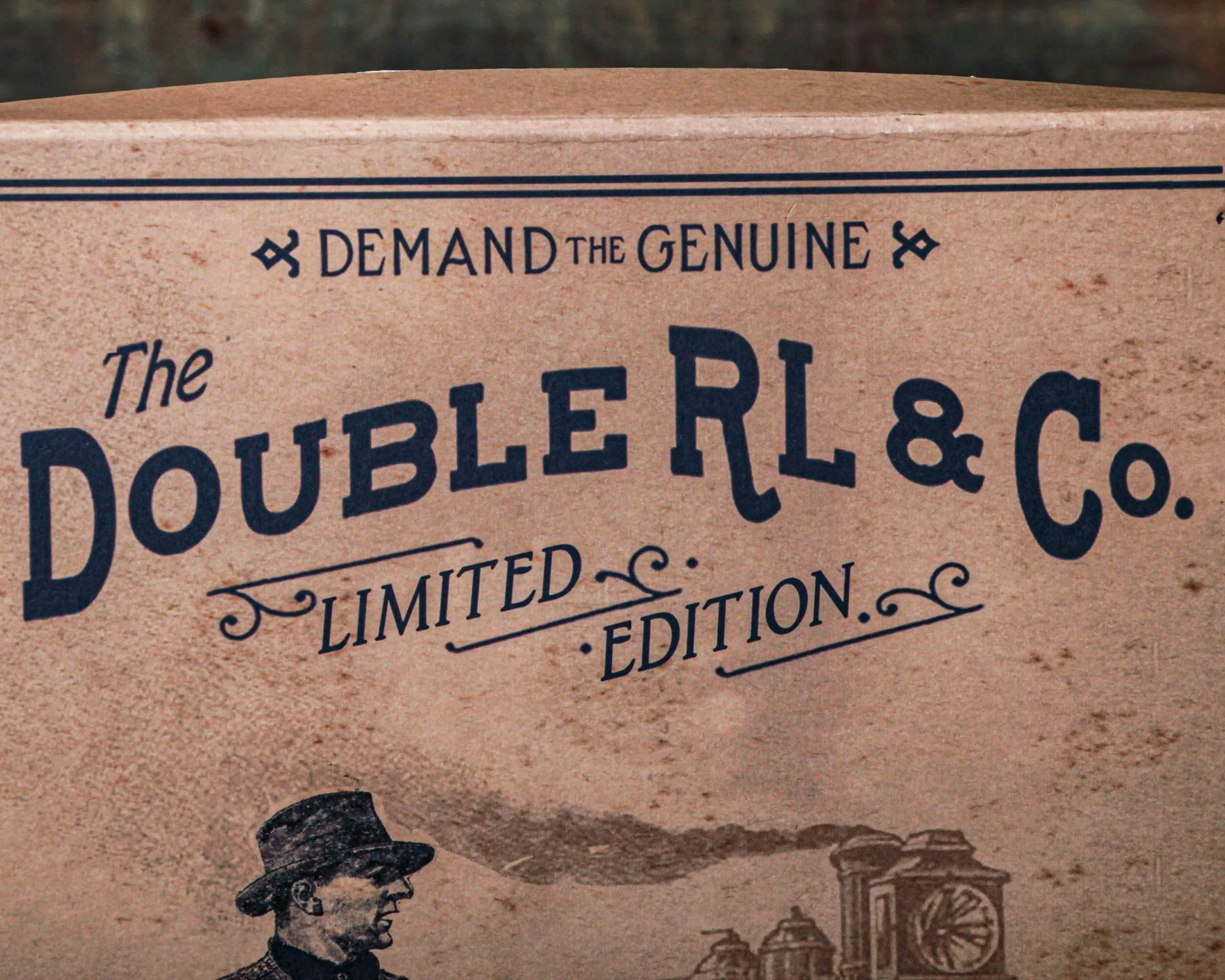
This example comes from Ralph Lauren’s Double RL line, a brand known for its deep appreciation of American workwear and frontier history. Produced in a limited edition of just 191 examples, it faithfully recreates the details of a classic railroad-era coverall in miniature form.
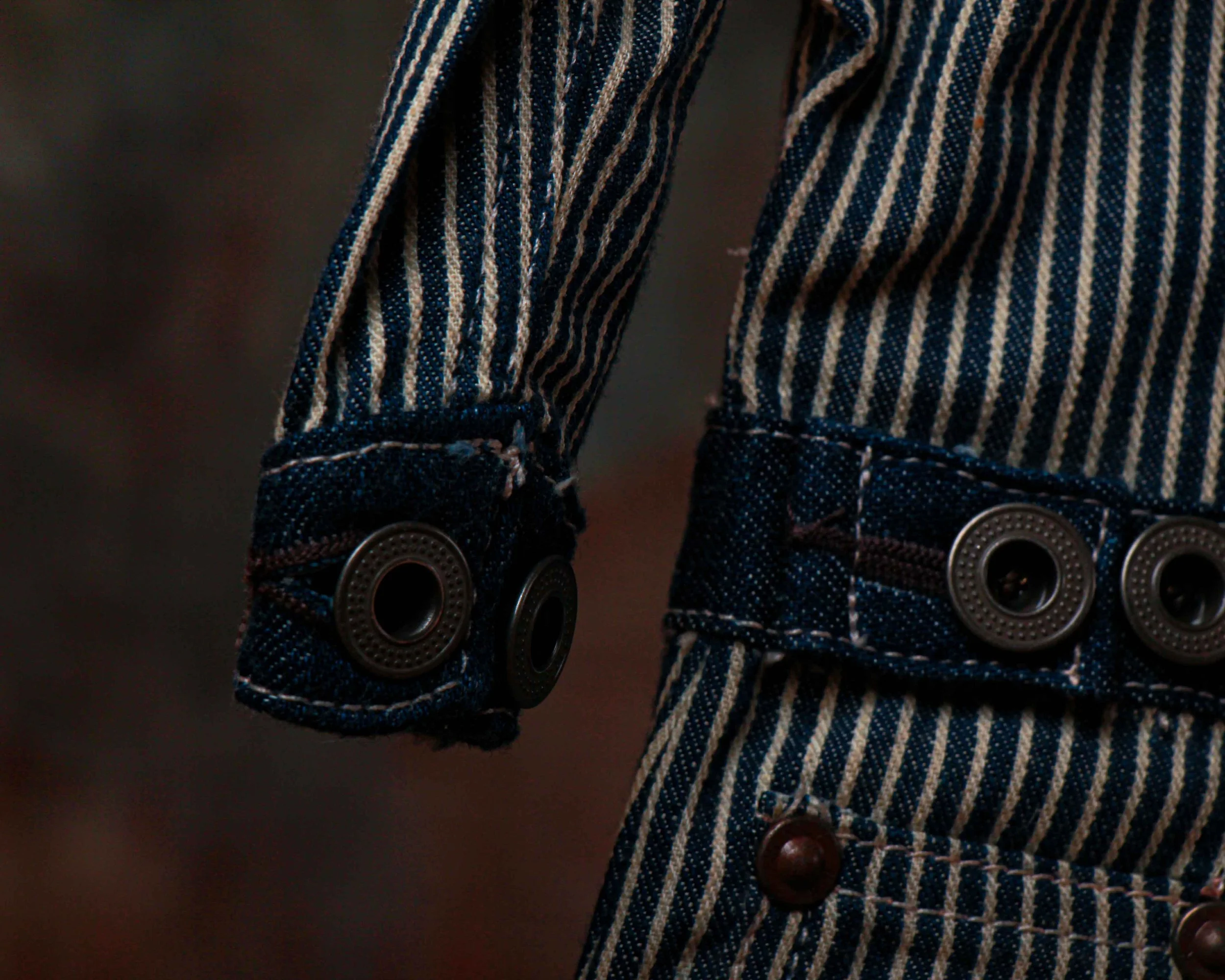
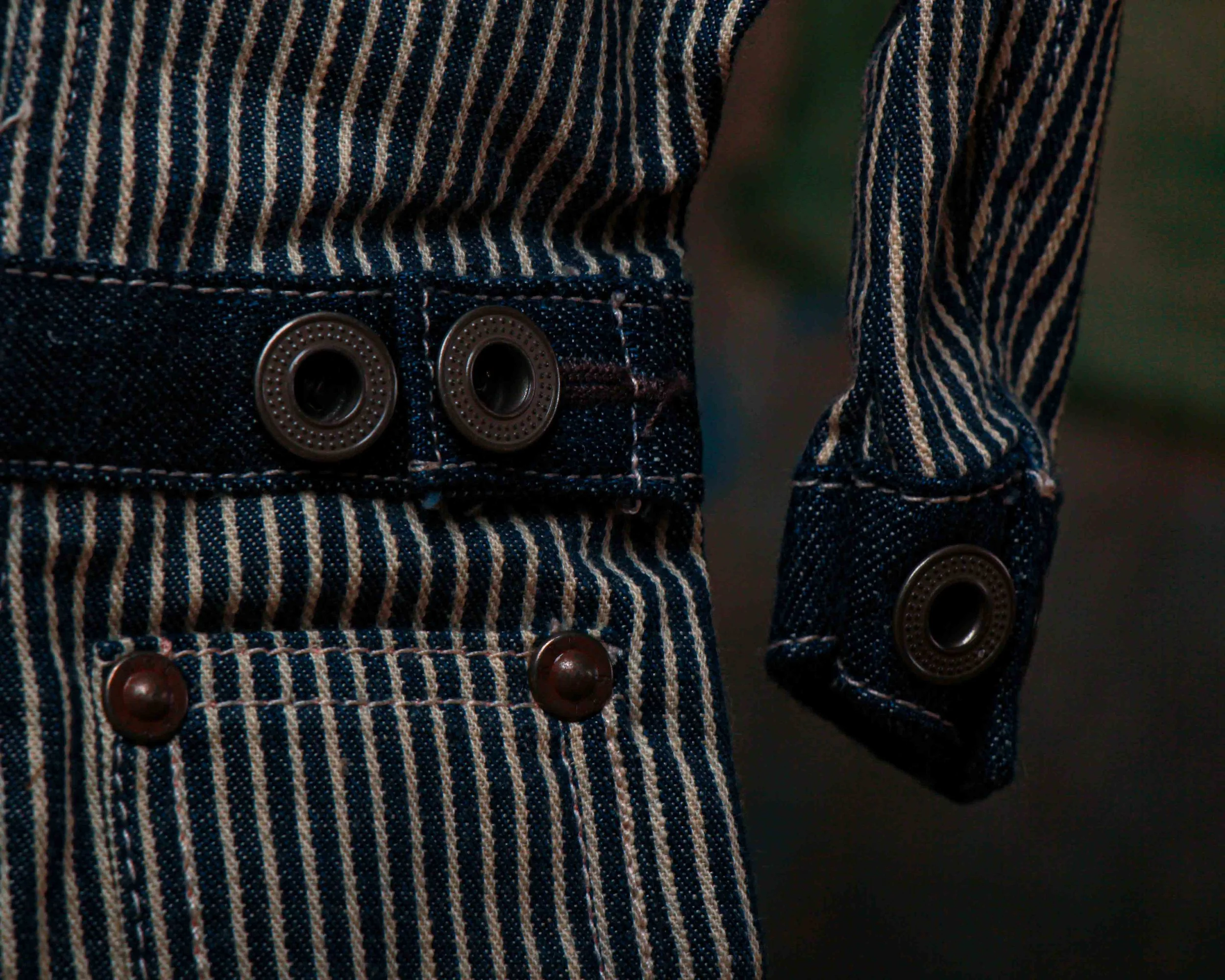
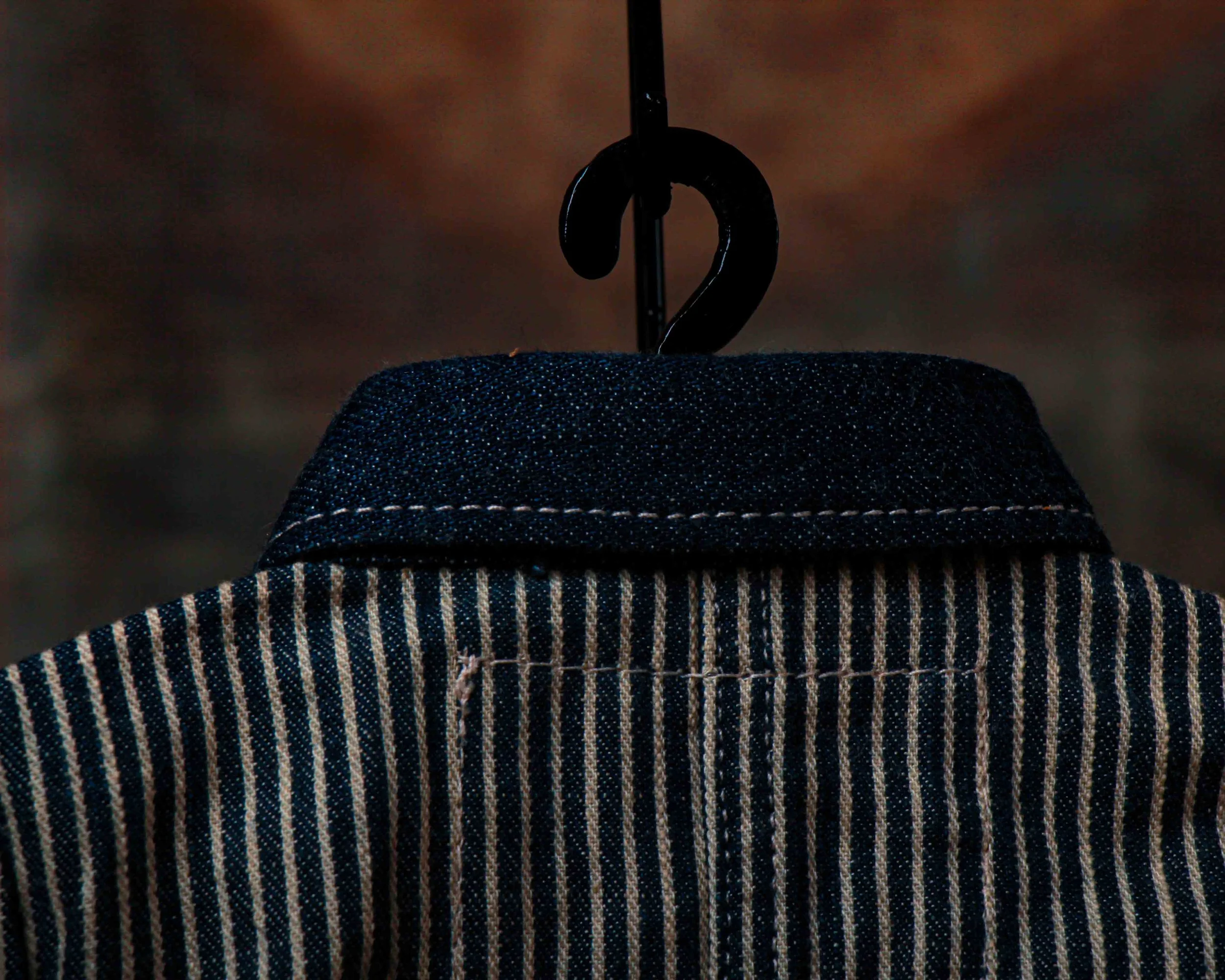
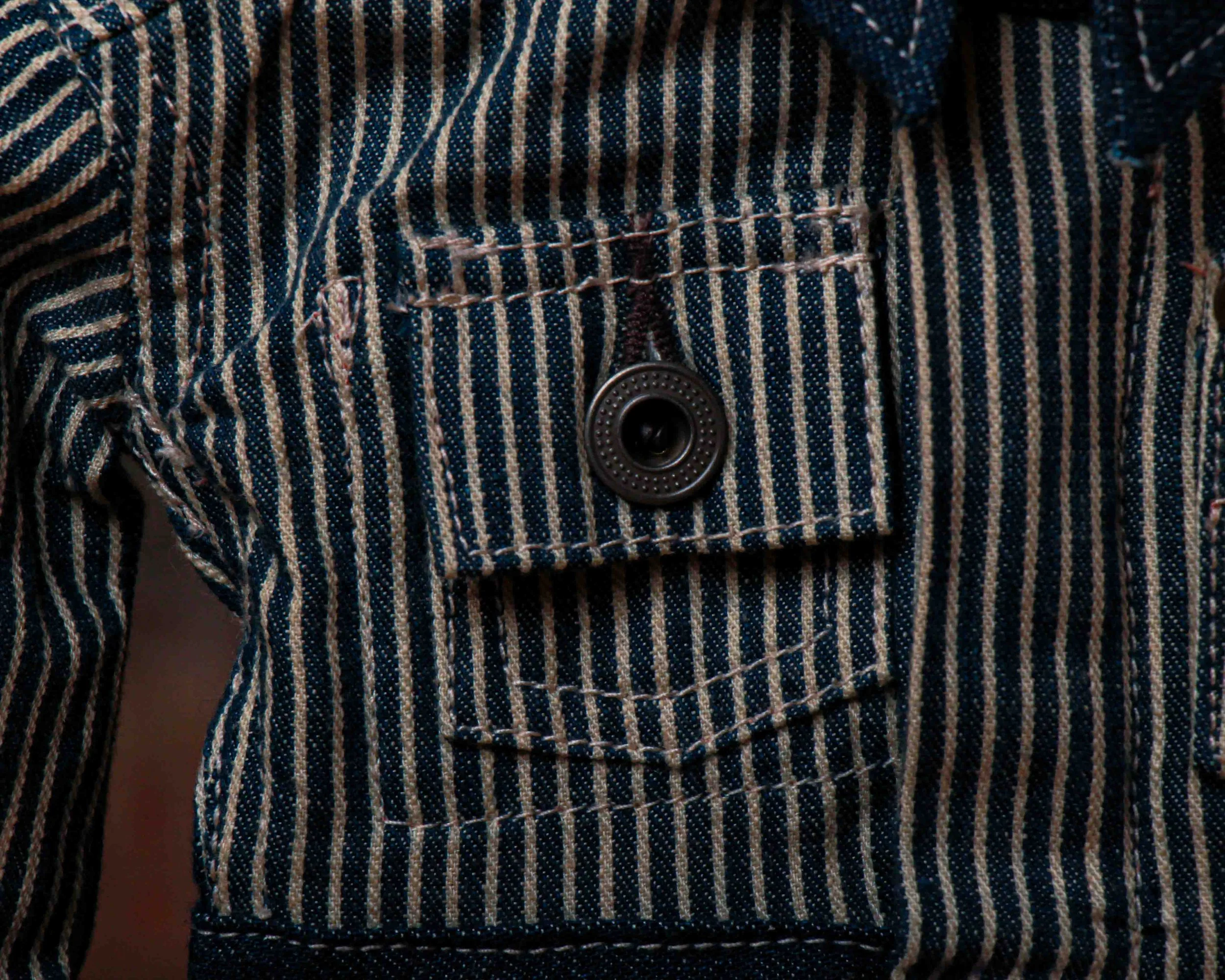
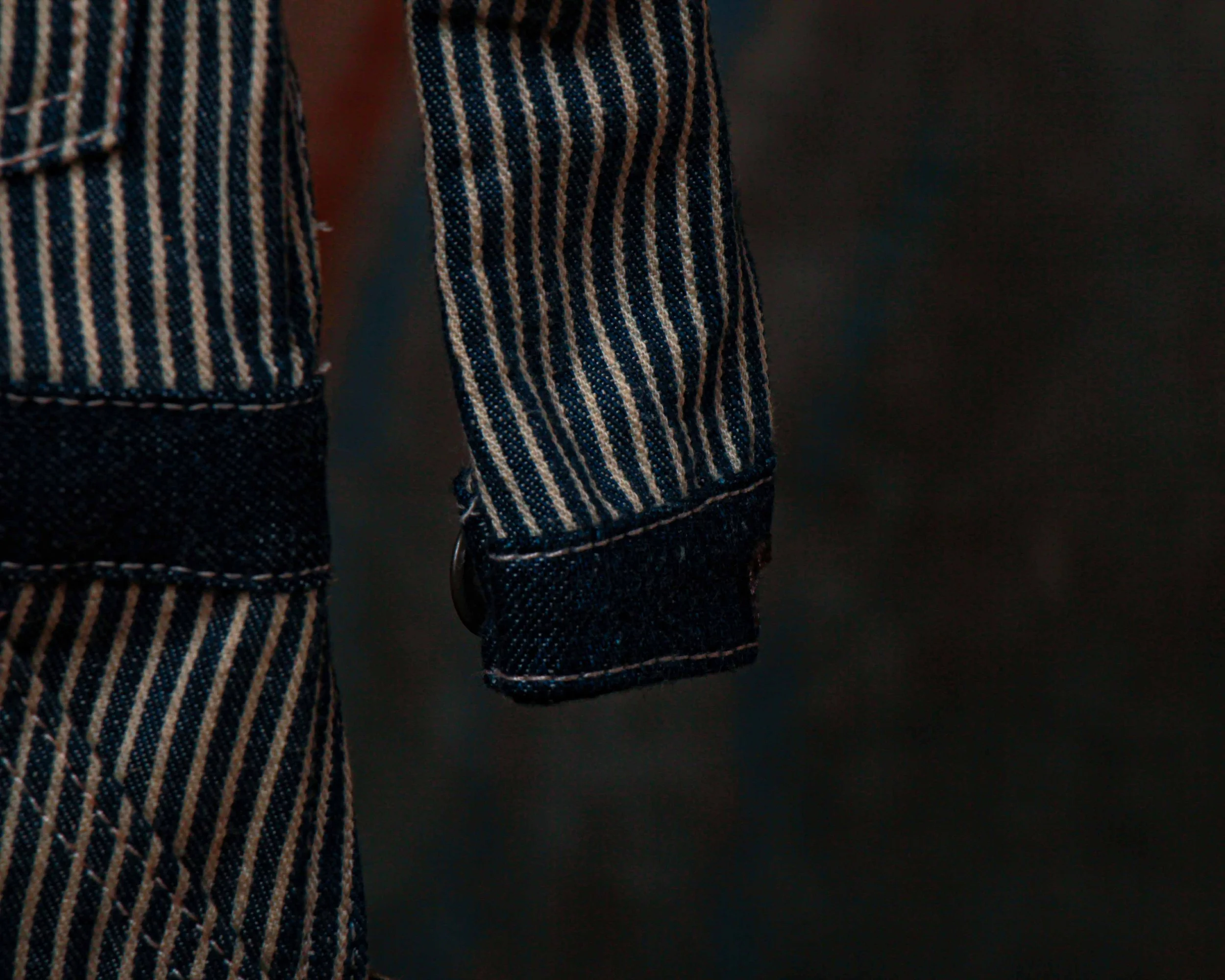
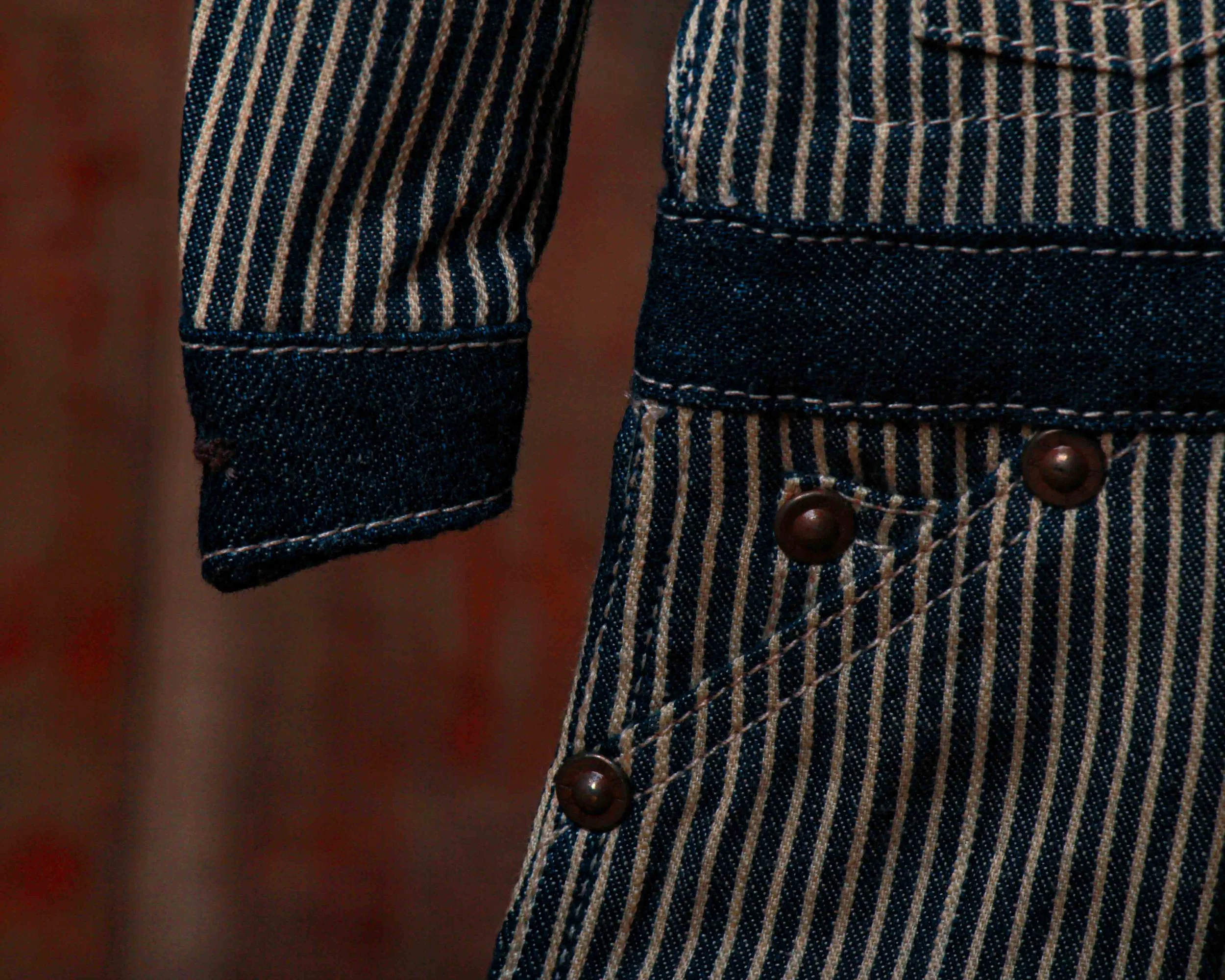
The fabric alone is worth a closer look. Constructed from indigo-dyed washed cotton twill with a traditional hickory-stripe pattern, it carries all the visual appeal of vintage workwear. The Japanese indigo cloth collar, cuffs, and waistband provide subtle contrast, while the true indigo dye gives the piece the same character and aging potential as its full-sized counterpart. As with vintage denim, some color transfer is possible.
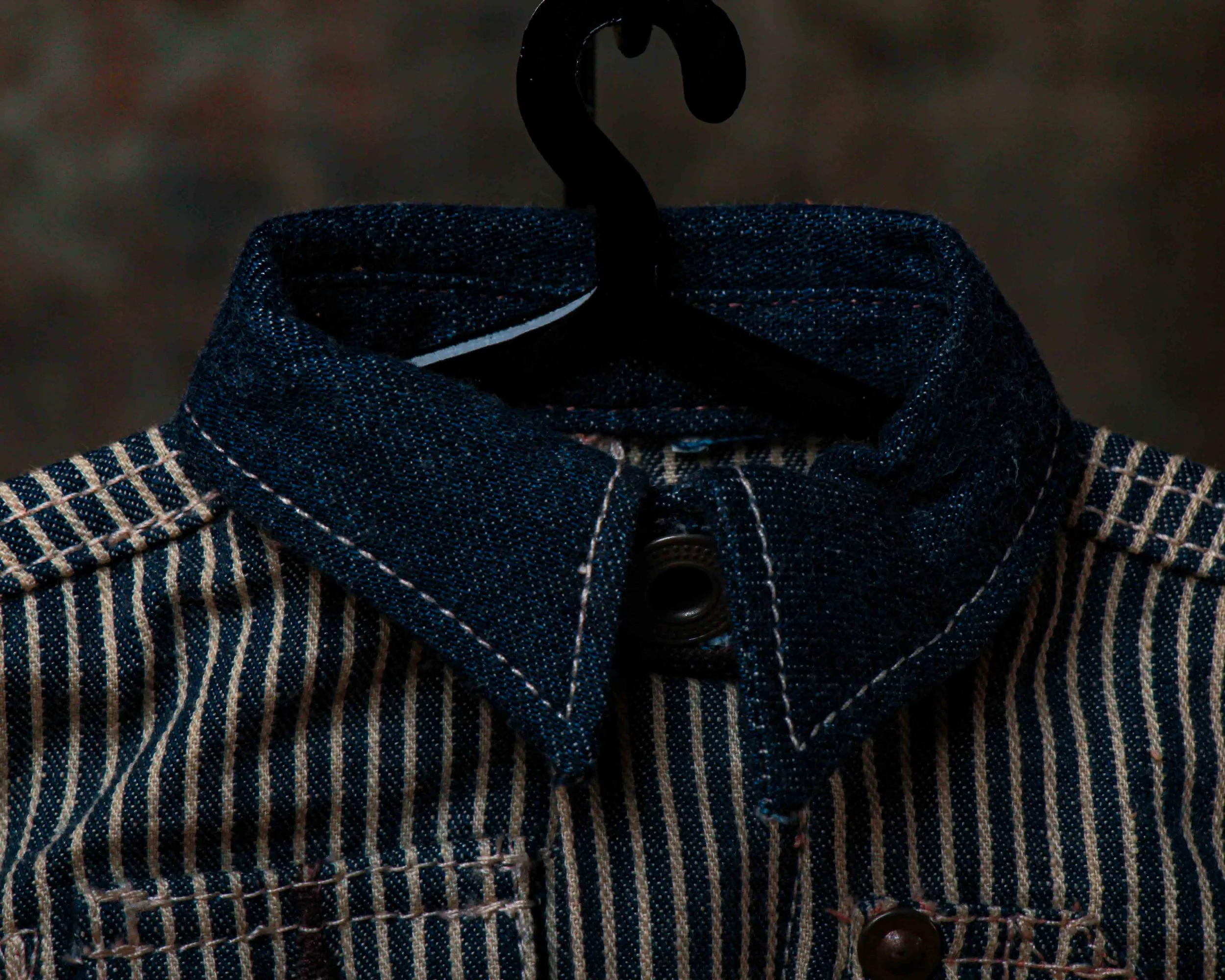
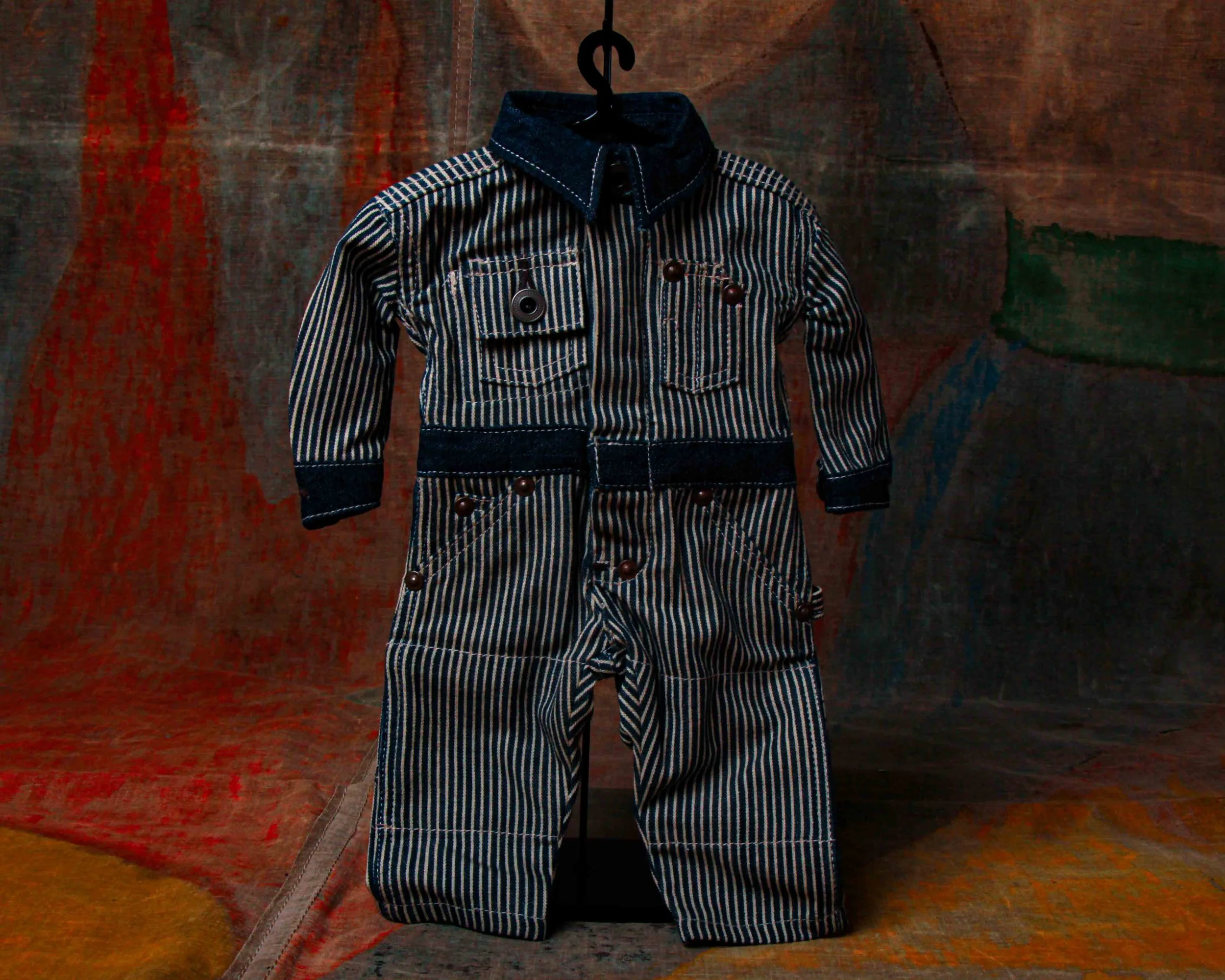
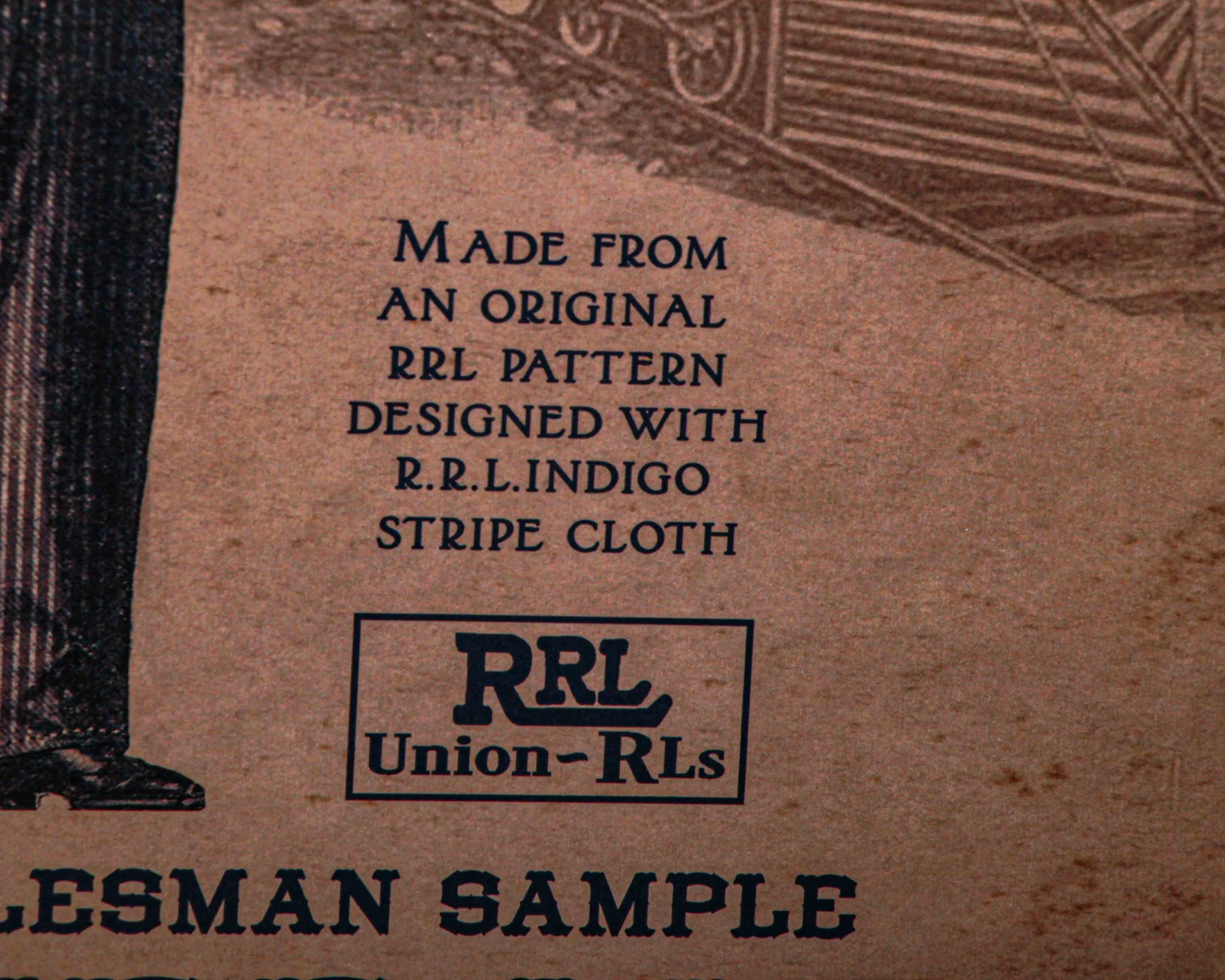
What really makes it shine are the details. A straight collar with buttoned throat latch, concealed button placket, metal hardware, buttoned side adjusters, chest pockets, hammer loop, tool pocket, reinforced knees, and five-pocket styling have all been scaled down with remarkable precision. Even the interior retains its “RRL Union-RLs” label.
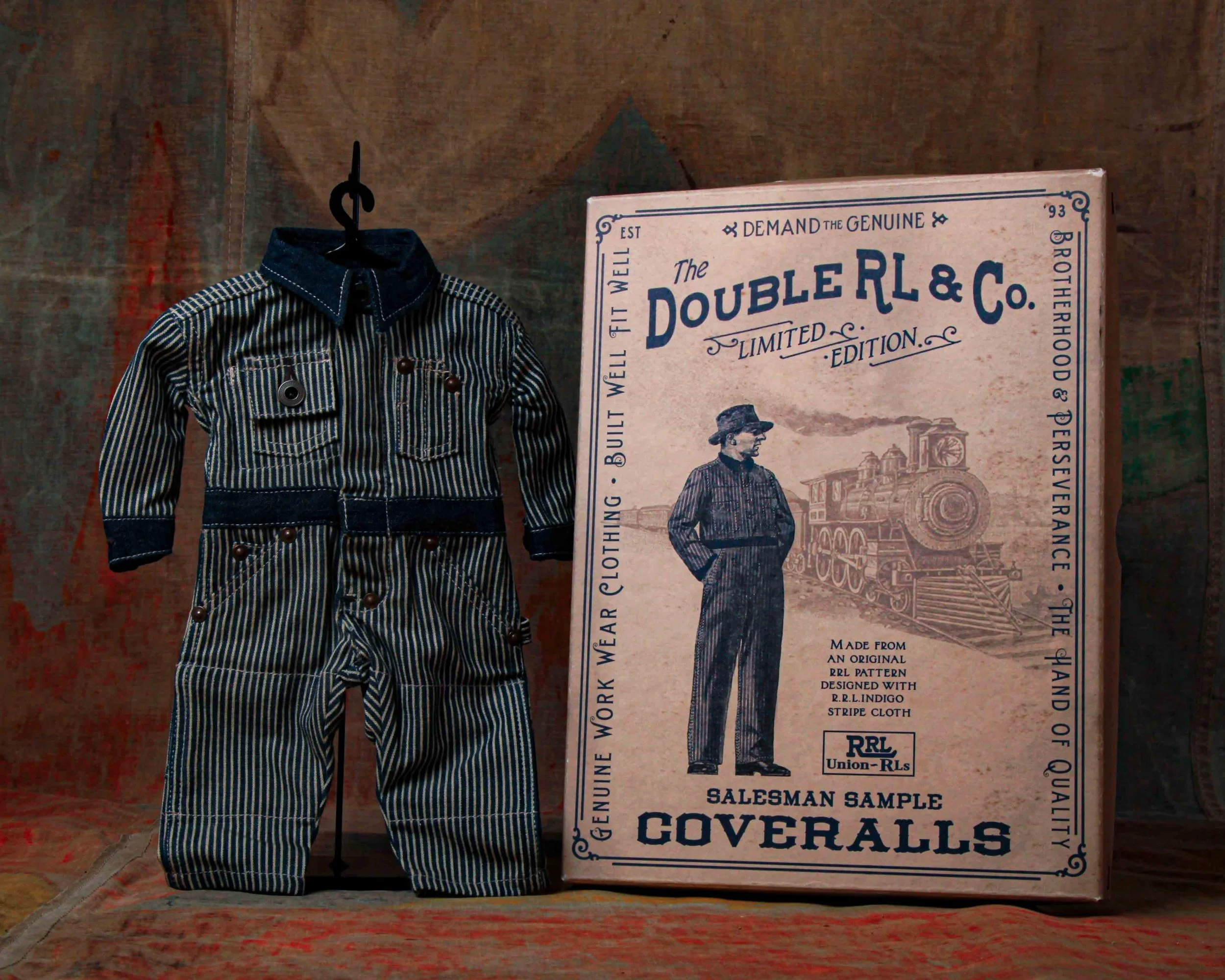
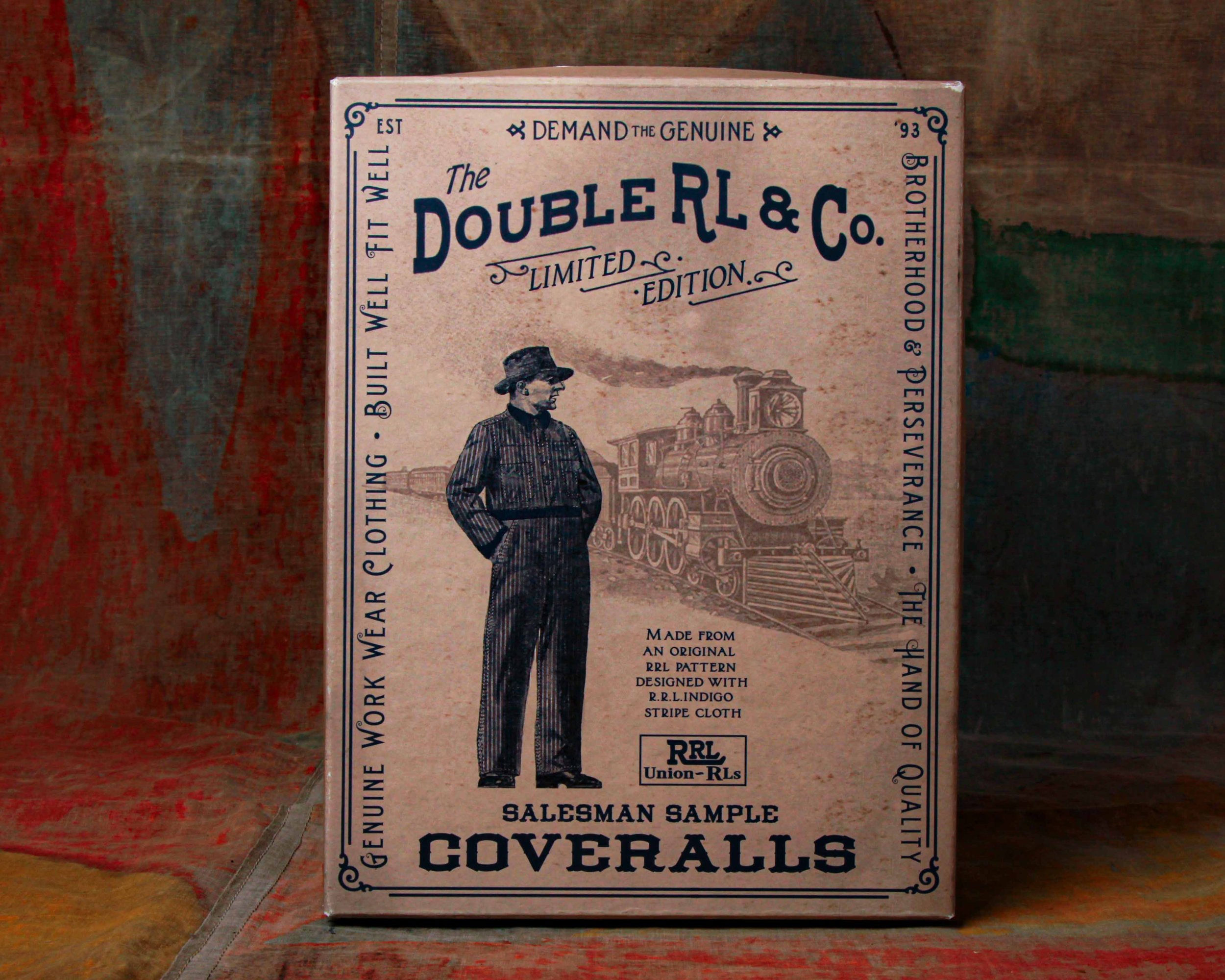
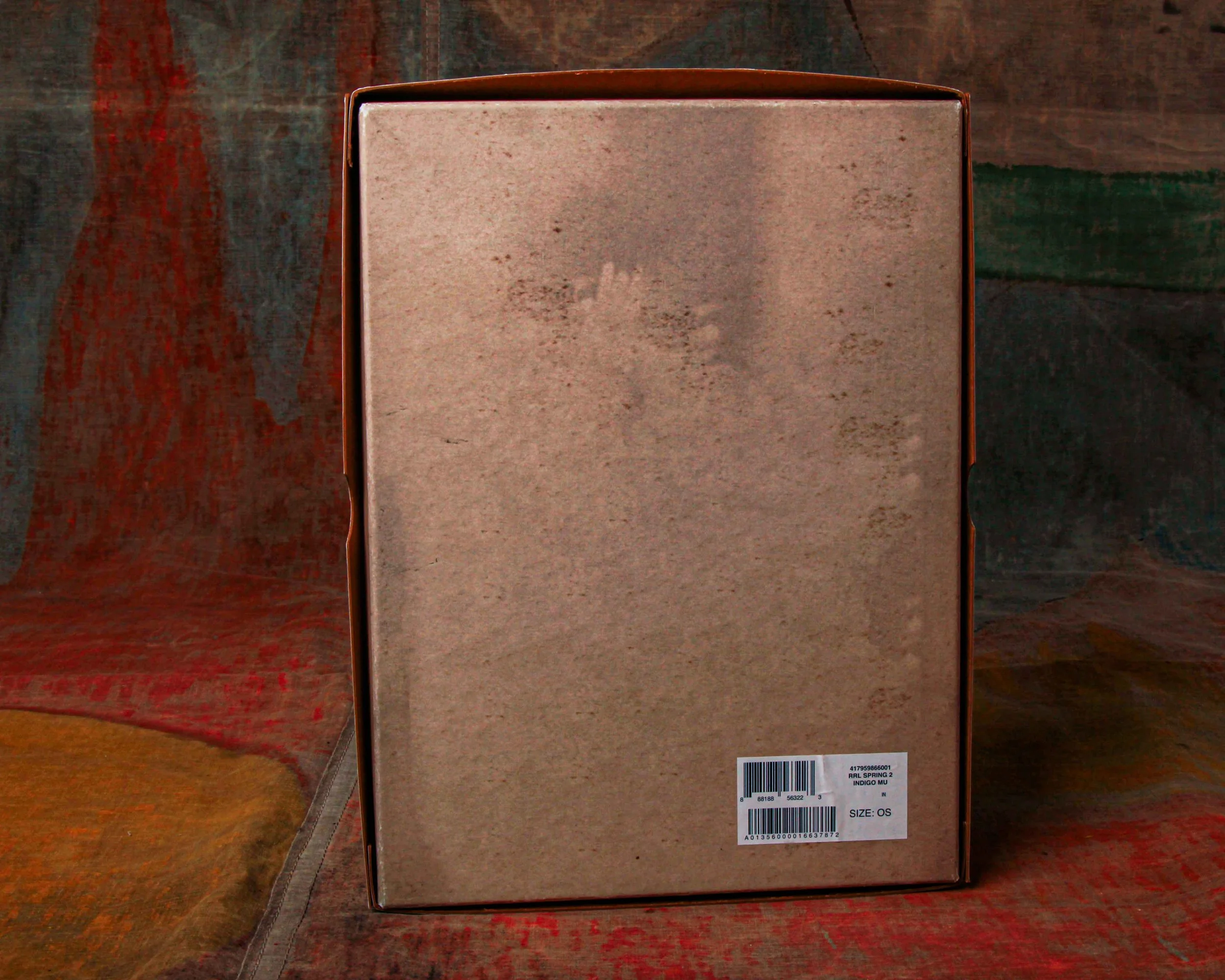
Measuring 12.8 inches high by 7 inches wide, it occupies that sweet spot between collectible and design piece. Displayed on its custom stand (included) and accompanied by its original signature presentation box, it feels less like merchandise and more like a tiny monument to American workwear. A small object, certainly, but one with an outsized amount of charm.
Circa first quarter 21st century.
Miniature set of railroad-striped workwear, built with the same seriousness and attention to detail as the full-sized garments that inspired it. At first glance it looks like a child’s coverall, but it’s actually a collectible rooted in a much older tradition: the miniature samples carried by travelling salesmen in the early 1900s. Before catalogs were common and before buyers could browse products online, sales representatives often arrived with scaled-down versions of their wares, giving customers a tactile preview of materials, construction, and style.
This example comes from Ralph Lauren’s Double RL line, a brand known for its deep appreciation of American workwear and frontier history. Produced in a limited edition of just 191 examples, it faithfully recreates the details of a classic railroad-era coverall in miniature form.
The fabric alone is worth a closer look. Constructed from indigo-dyed washed cotton twill with a traditional hickory-stripe pattern, it carries all the visual appeal of vintage workwear. The Japanese indigo cloth collar, cuffs, and waistband provide subtle contrast, while the true indigo dye gives the piece the same character and aging potential as its full-sized counterpart. As with vintage denim, some color transfer is possible.
What really makes it shine are the details. A straight collar with buttoned throat latch, concealed button placket, metal hardware, buttoned side adjusters, chest pockets, hammer loop, tool pocket, reinforced knees, and five-pocket styling have all been scaled down with remarkable precision. Even the interior retains its “RRL Union-RLs” label.
Measuring 12.8 inches high by 7 inches wide, it occupies that sweet spot between collectible and design piece. Displayed on its custom stand (included) and accompanied by its original signature presentation box, it feels less like merchandise and more like a tiny monument to American workwear. A small object, certainly, but one with an outsized amount of charm.
Circa first quarter 21st century.