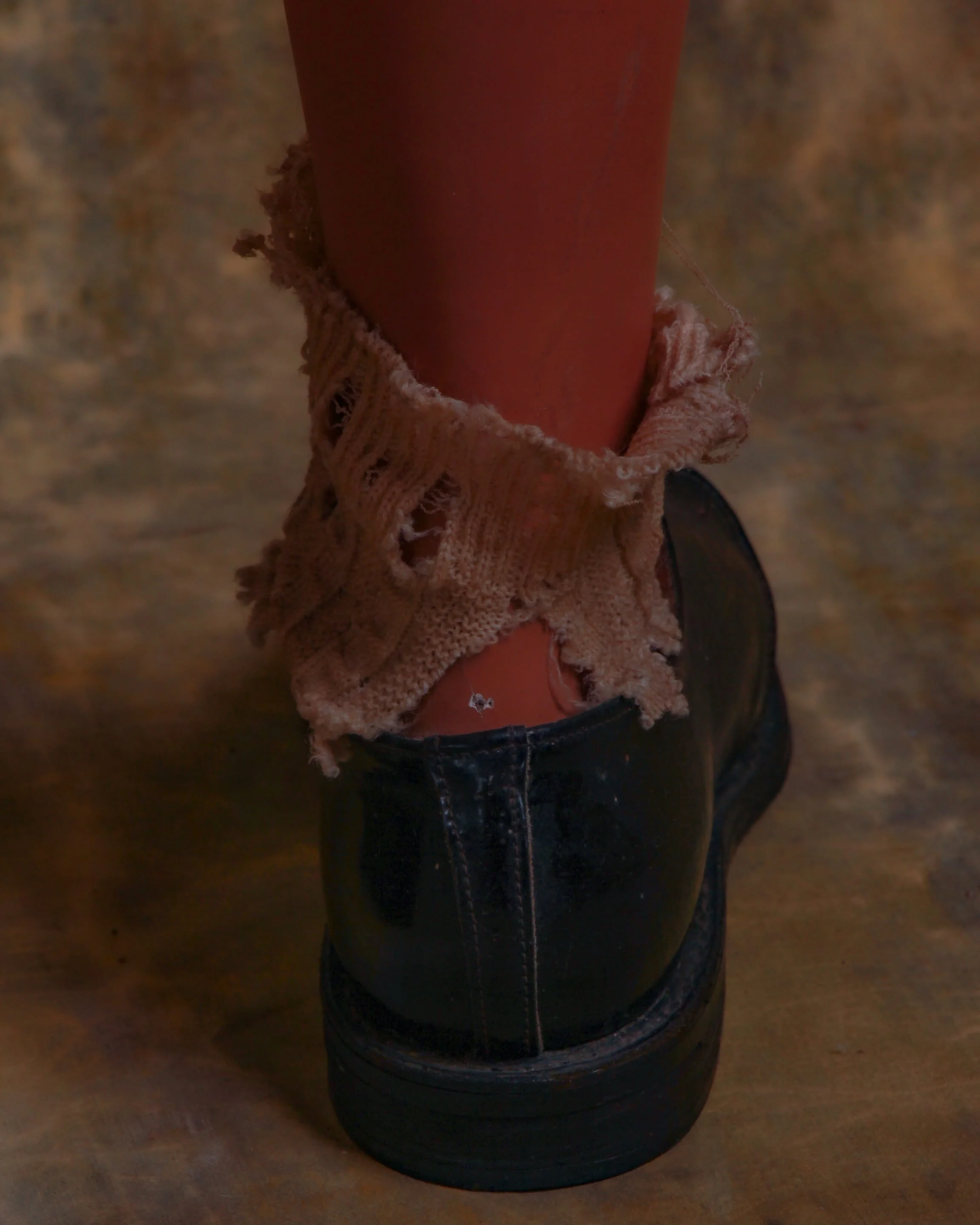
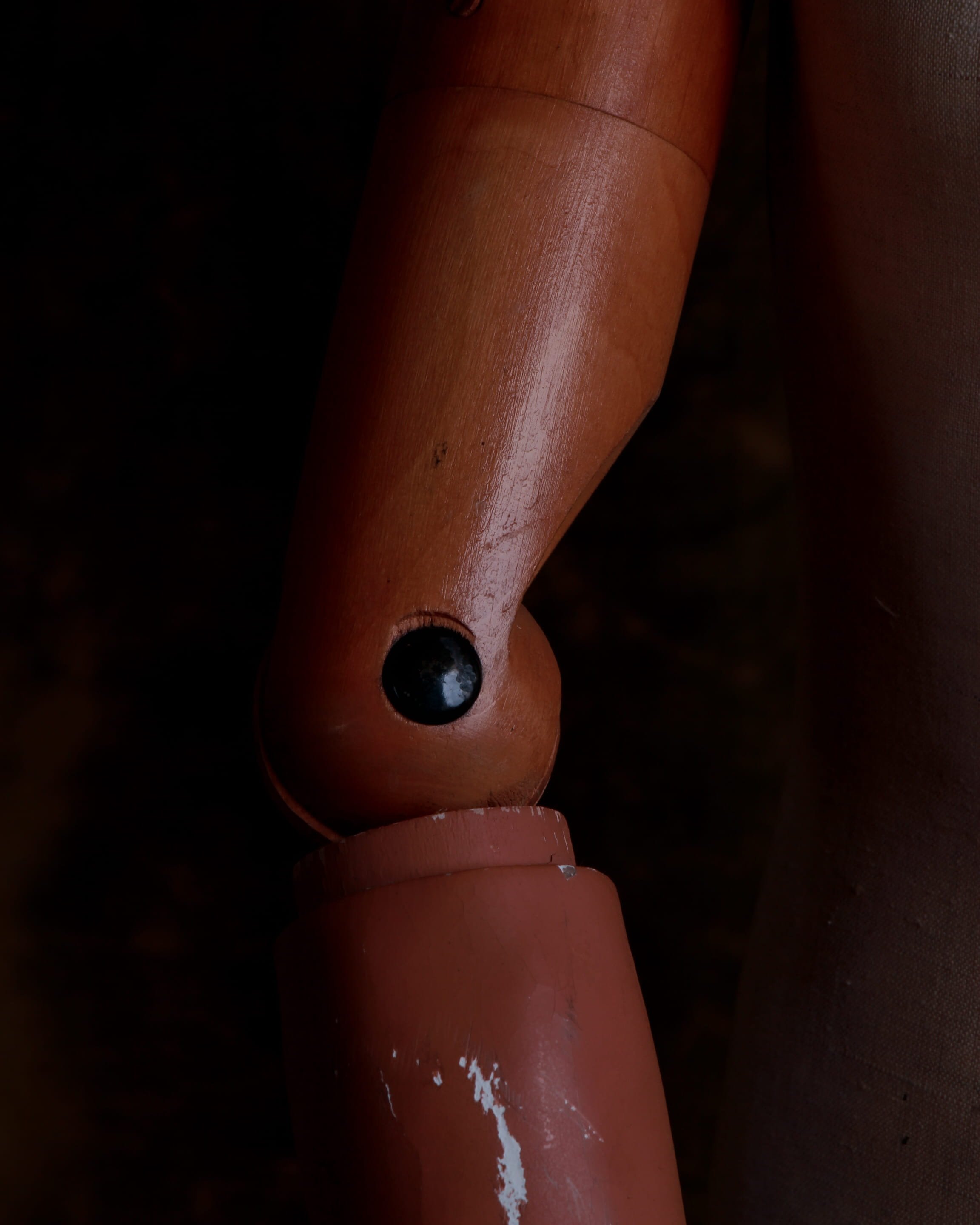
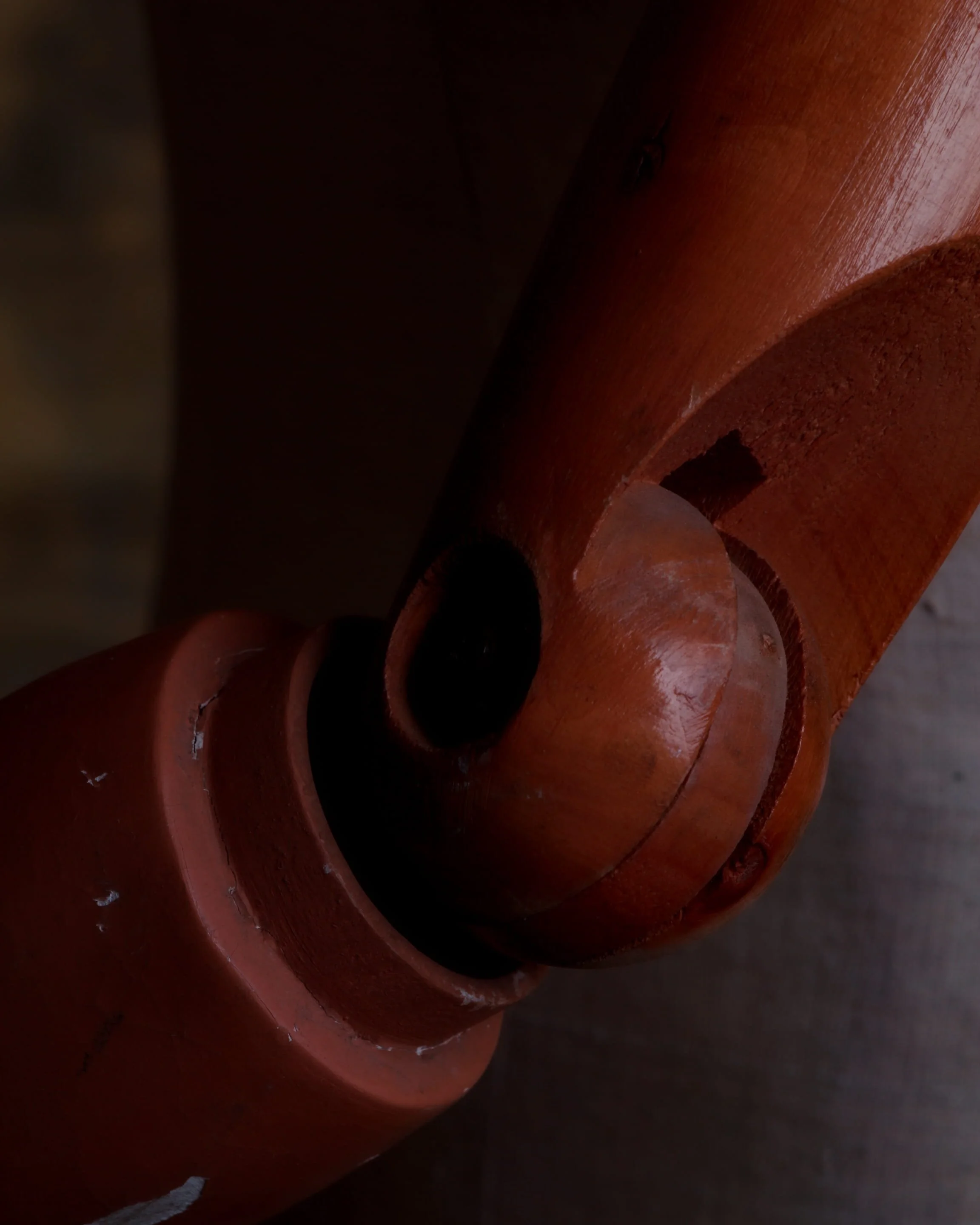
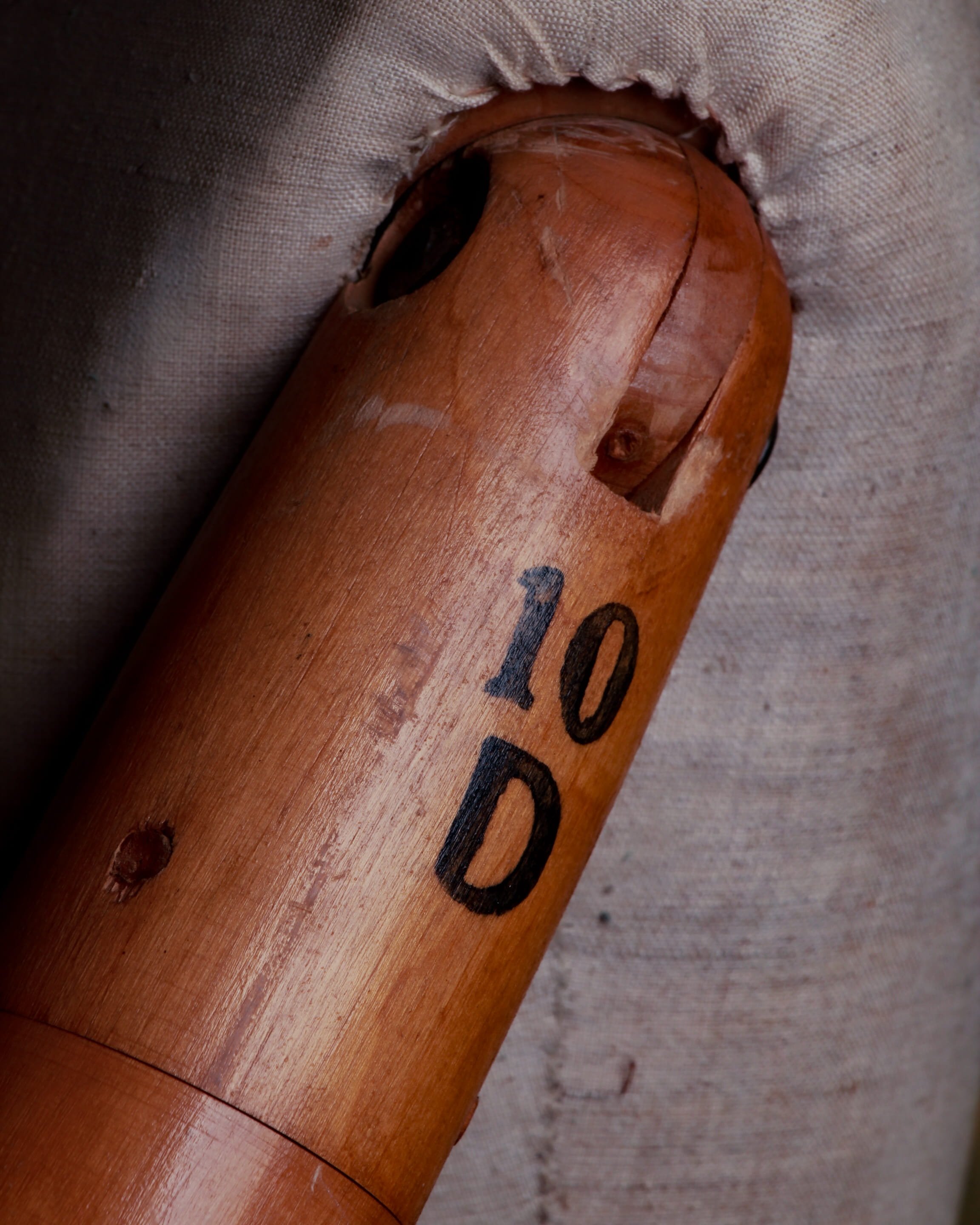
Experience the enchantment of the 19th century with these ultra rare fire juggler pins. Their patina reveal decades of use, taking you on a journey to a bygone era of mesmerizing entertainment and daring performances.
Imagine yourself transported to a bustling carnival, where the air is filled with anticipation and the flickering glow of flames illuminates the night. As the jugglers take center stage, their skilled hands seamlessly maneuver these exquisite pins, creating a spectacle that captivates the senses.
Each pin is a testament to the artistry and craftsmanship of the time—these pins are made of solid wood with a delicate cloth wrapping around the bottom.
Category History
19th-century jugglers worked in a world where skill had to speak louder than spectacle. Before electric lights and amplified sound, performance relied on timing, rhythm, and a clear visual read from a distance. Clubs and pins—early versions of what we’d now call juggling clubs—were shaped to catch the eye mid-air, their tapered bodies and bulbous ends creating a clean, spinning silhouette.
Fire added another layer. Torches or fire pins, often built with wooden handles and wrapped, fuel-soaked ends, turned a simple pattern into something charged with risk. The mechanics didn’t change—throws, catches, repetition—but the stakes did. Night performances, fairs, and traveling shows leaned into that contrast: control against unpredictability.
What’s interesting is how direct the tools were. Hand-shaped wood, simple wrappings, minimal decoration. They were built for balance and durability, not display. Over time, they picked up wear—charred ends, darkened grips, small repairs—evidence of repetition and use.
Juggling in this period sat somewhere between street performance and stage act, moving easily between spaces. The objects reflect that flexibility. Practical, portable, and just theatrical enough, they carry the rhythm of performance in their form—meant to move, and to keep moving.