ITEM NOT AVAILABLE IMMEDIATELY—INQUIRE IF INTERESTED hello@heimweeantiques.com
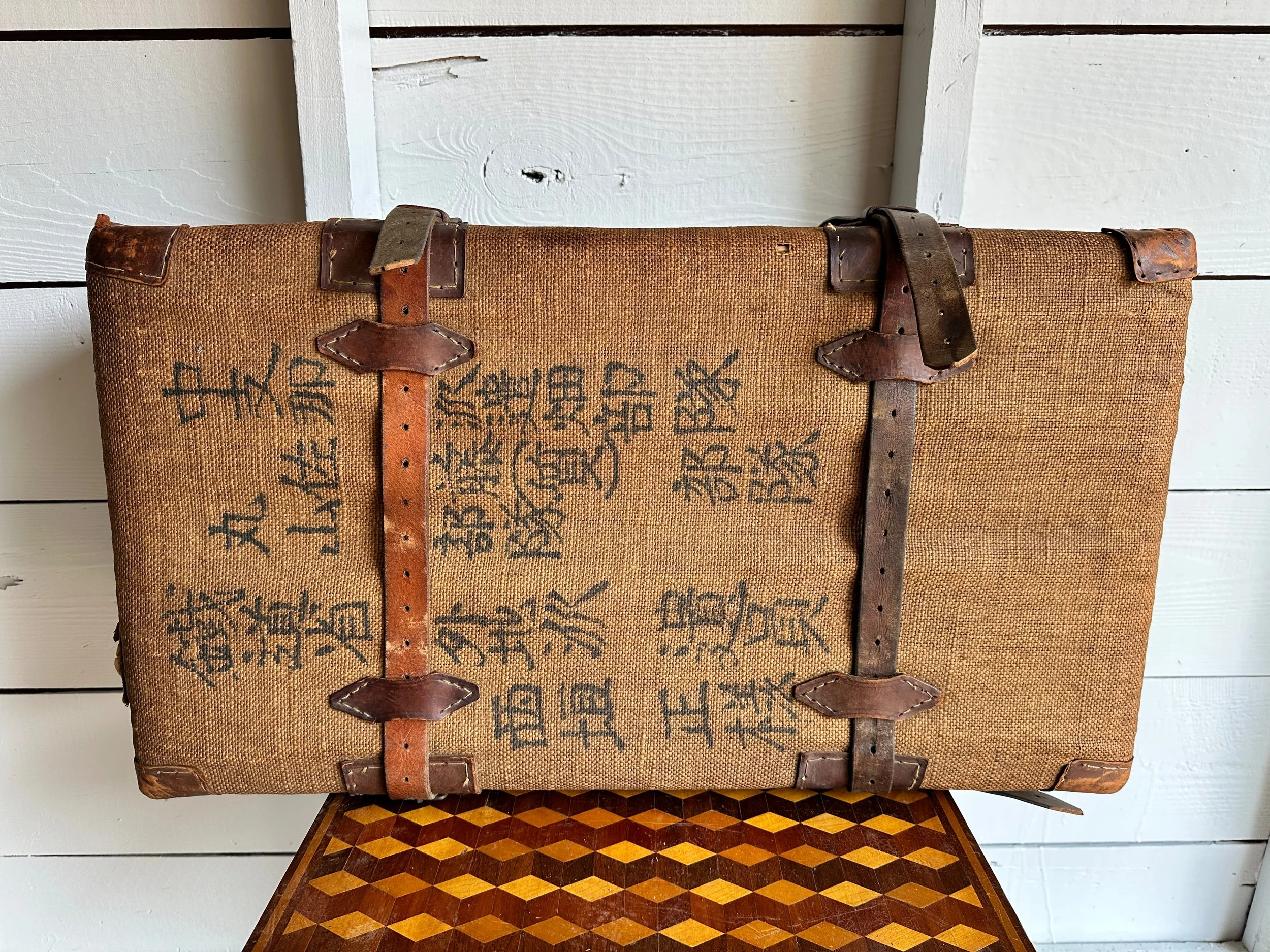
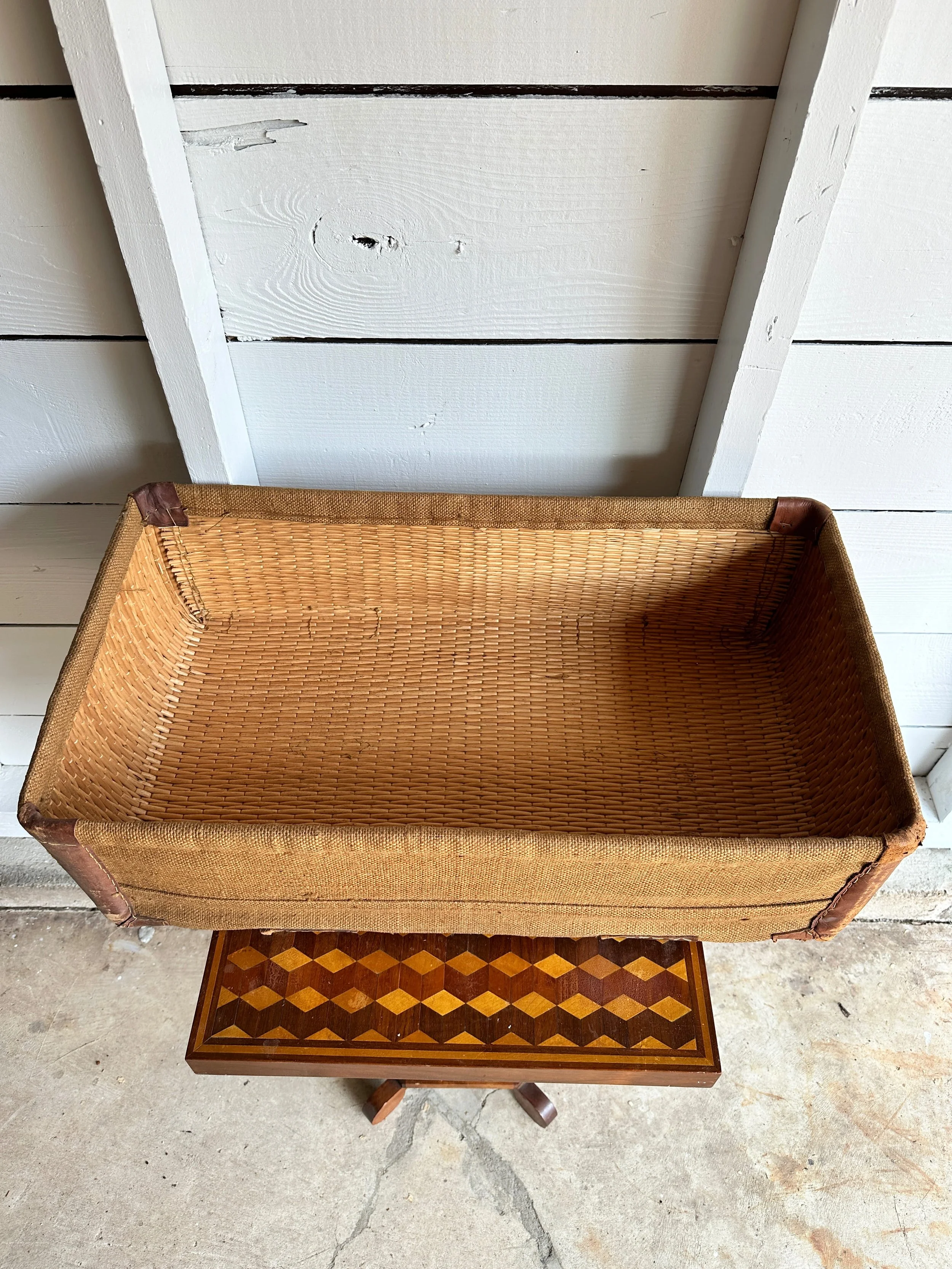
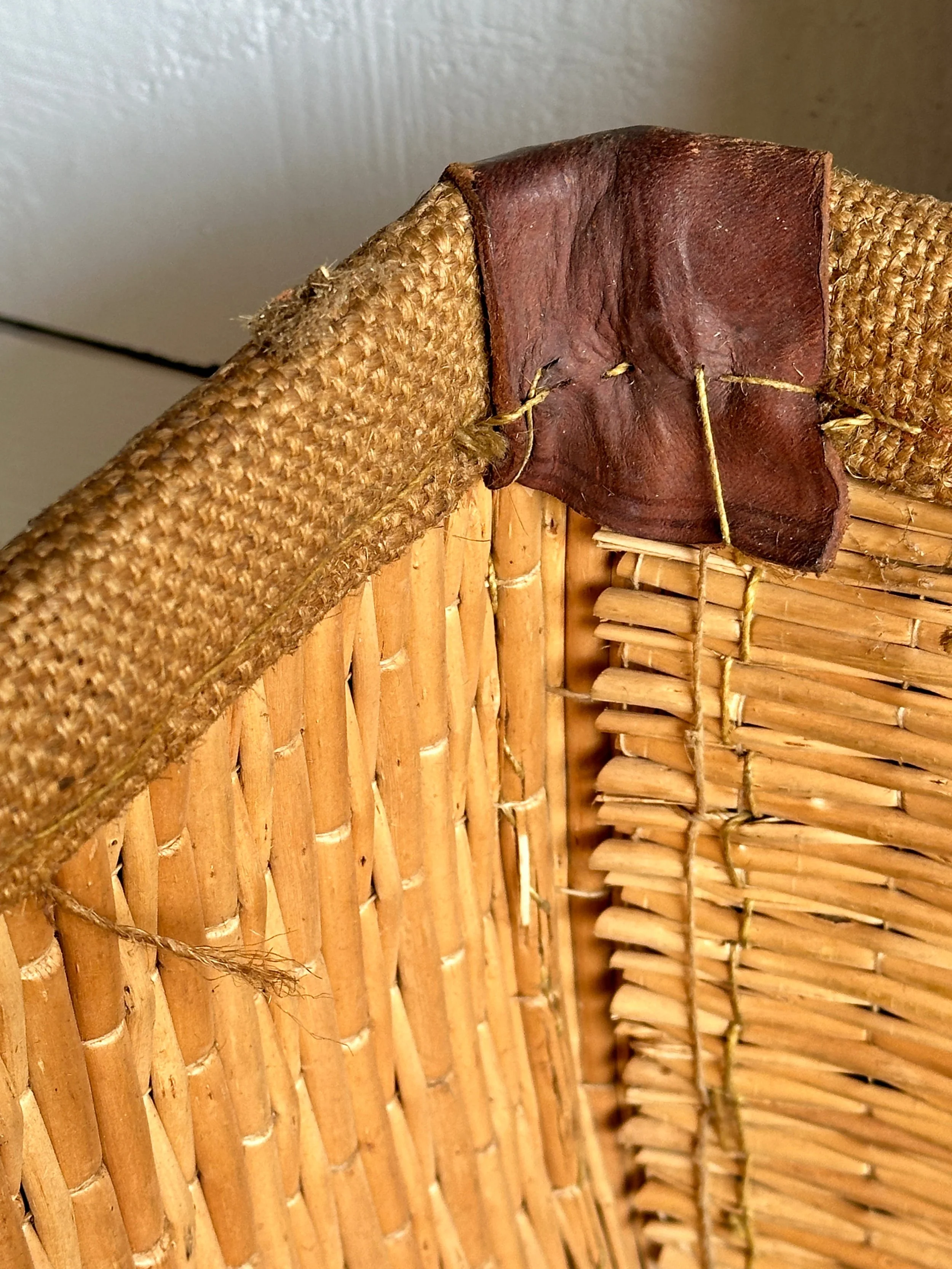
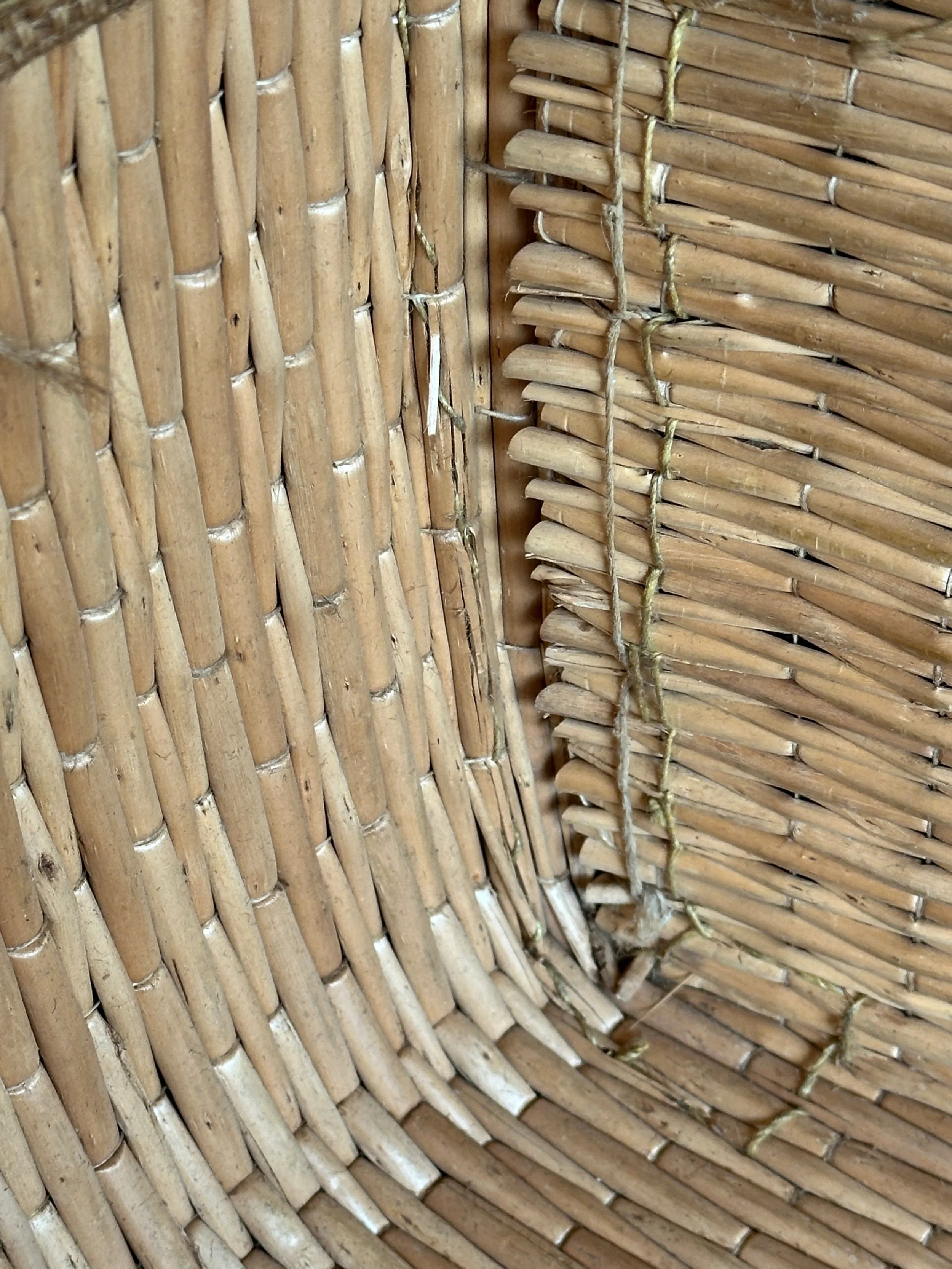
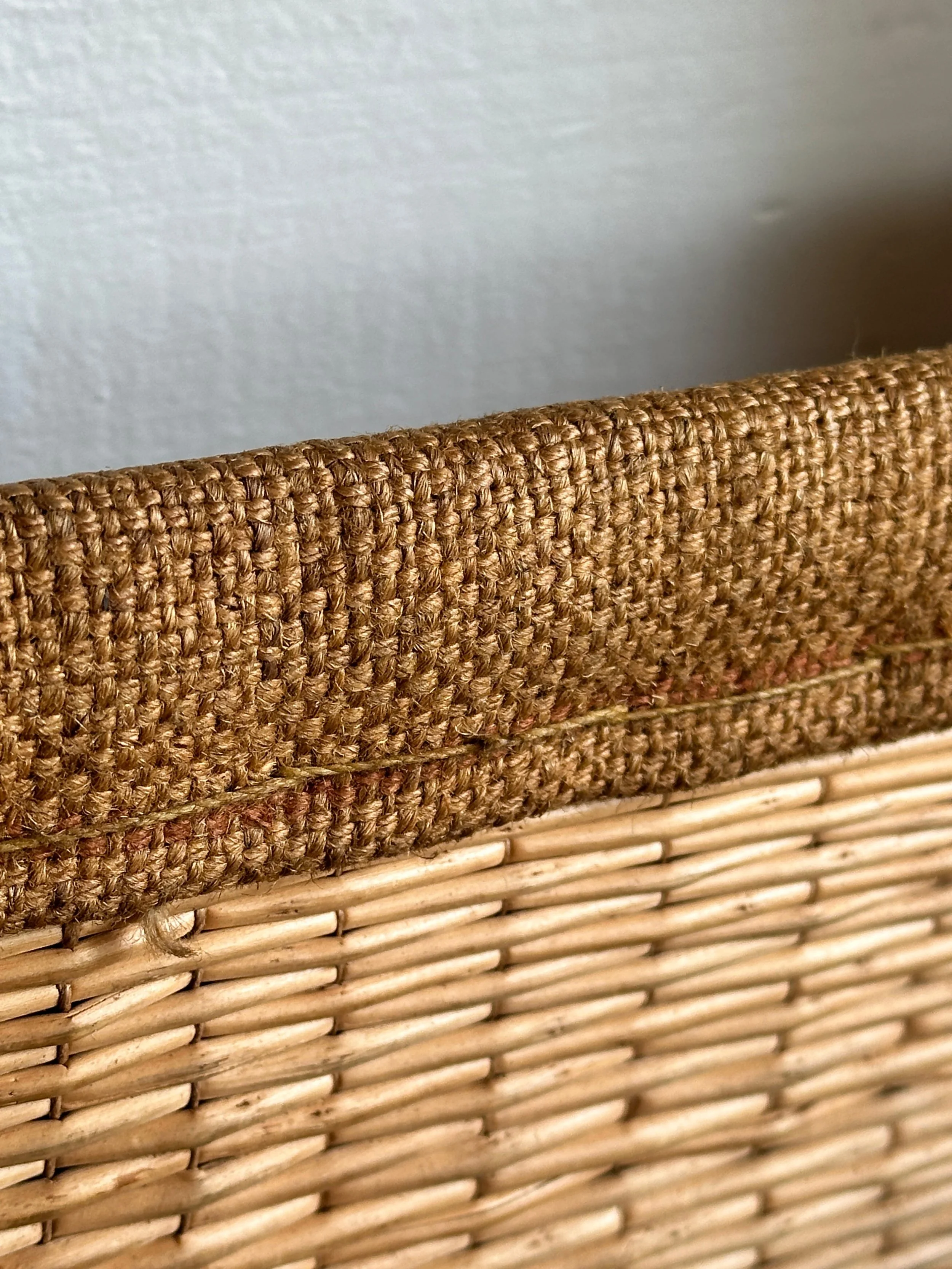
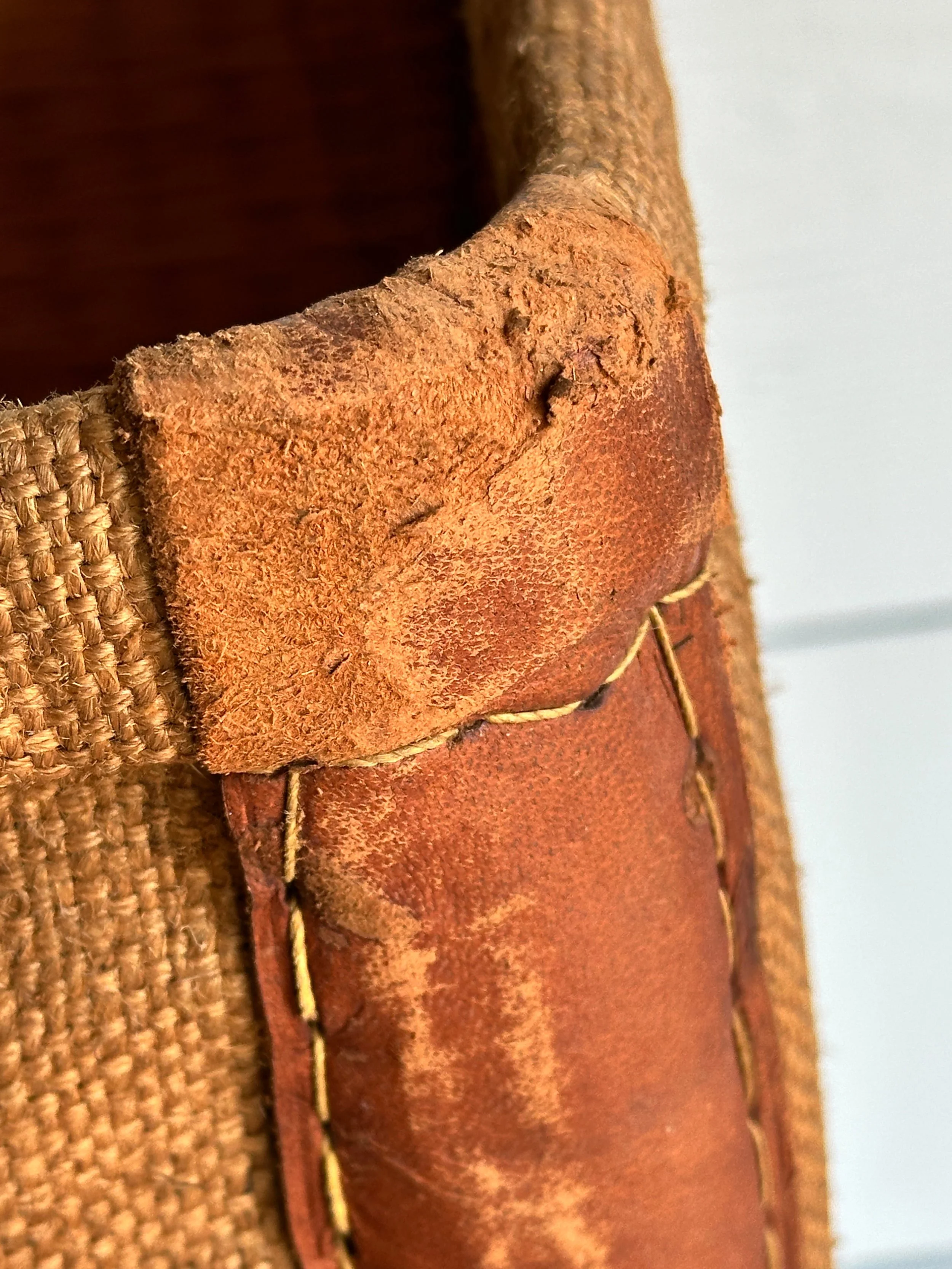
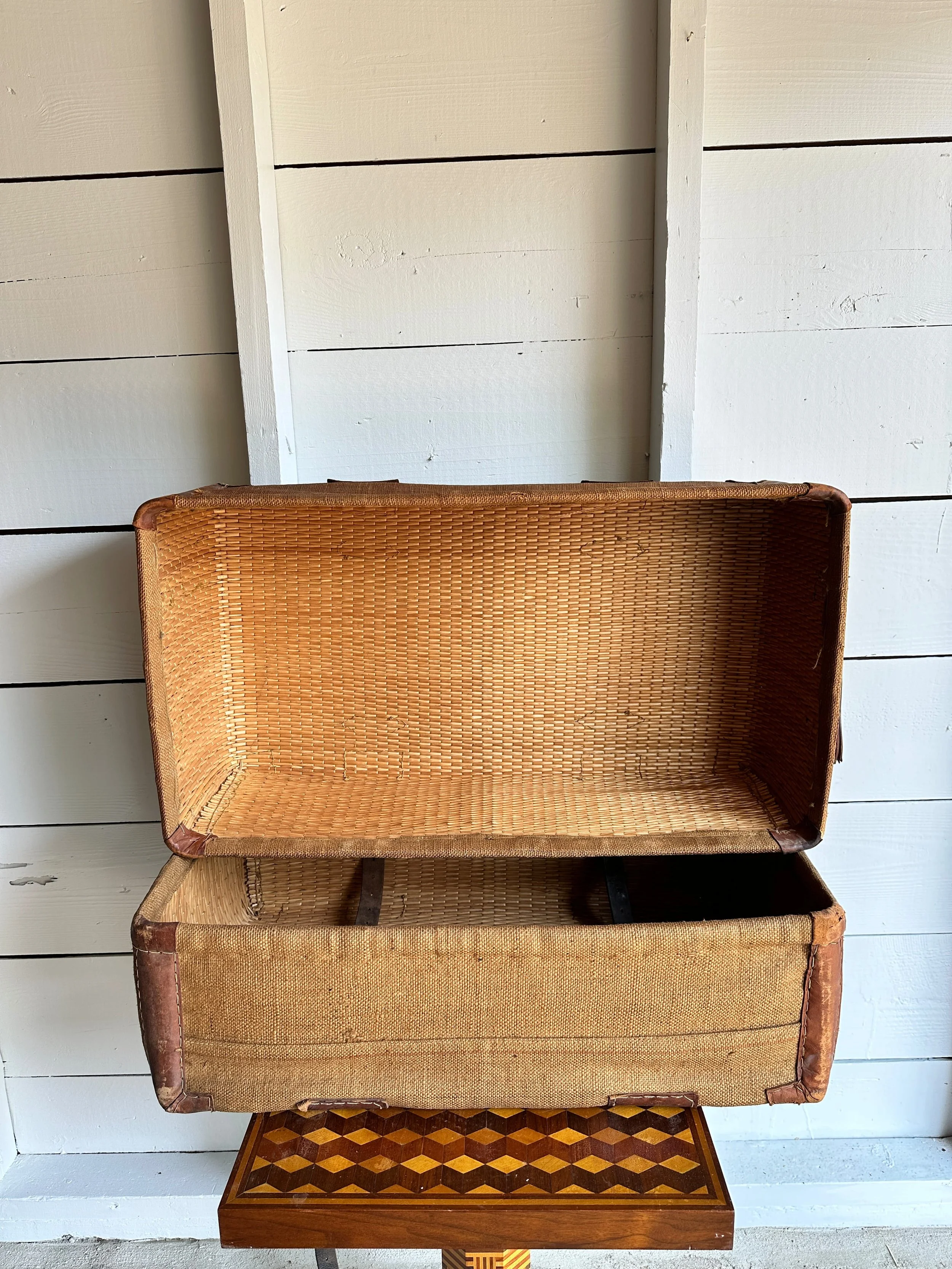
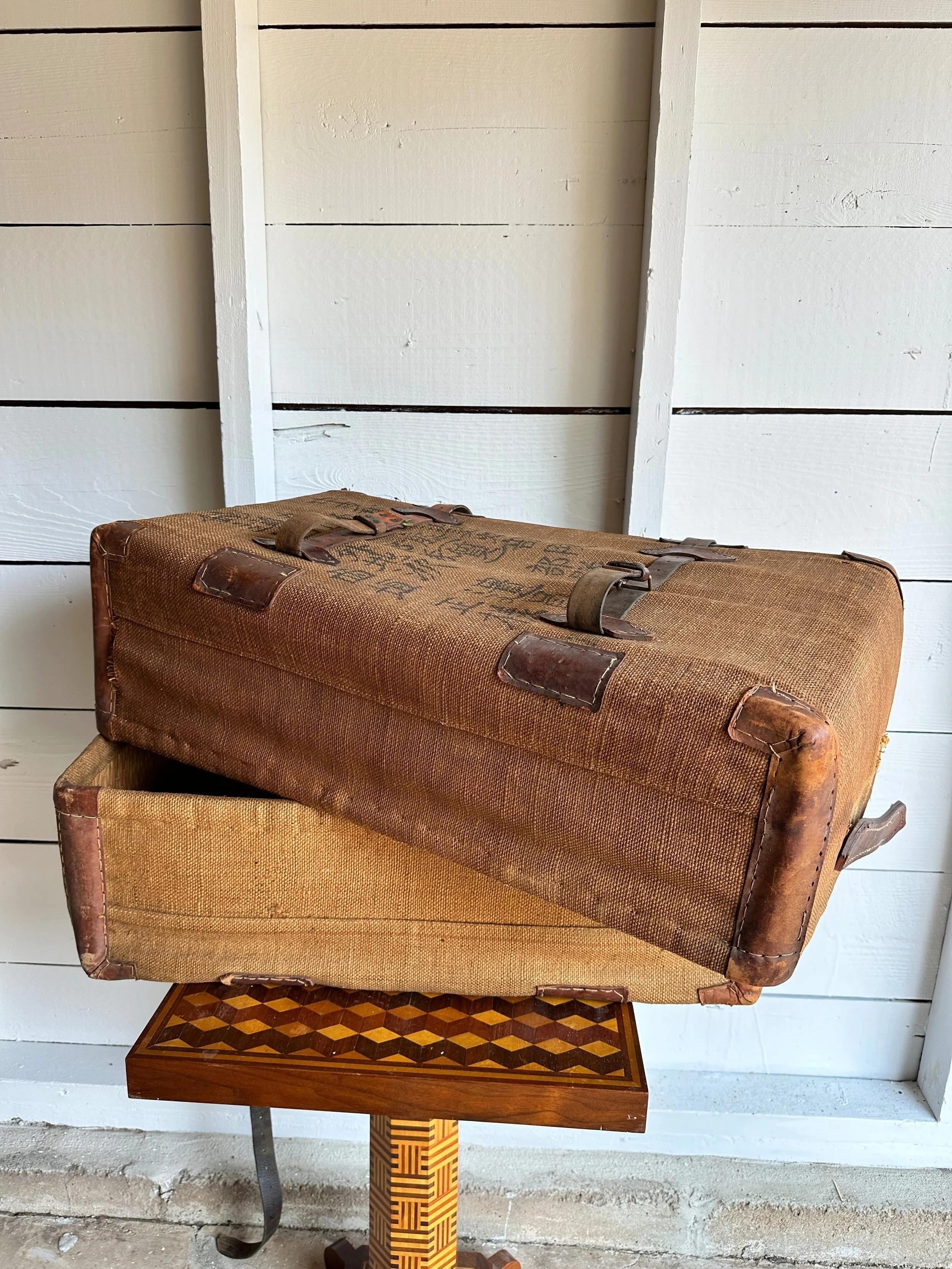
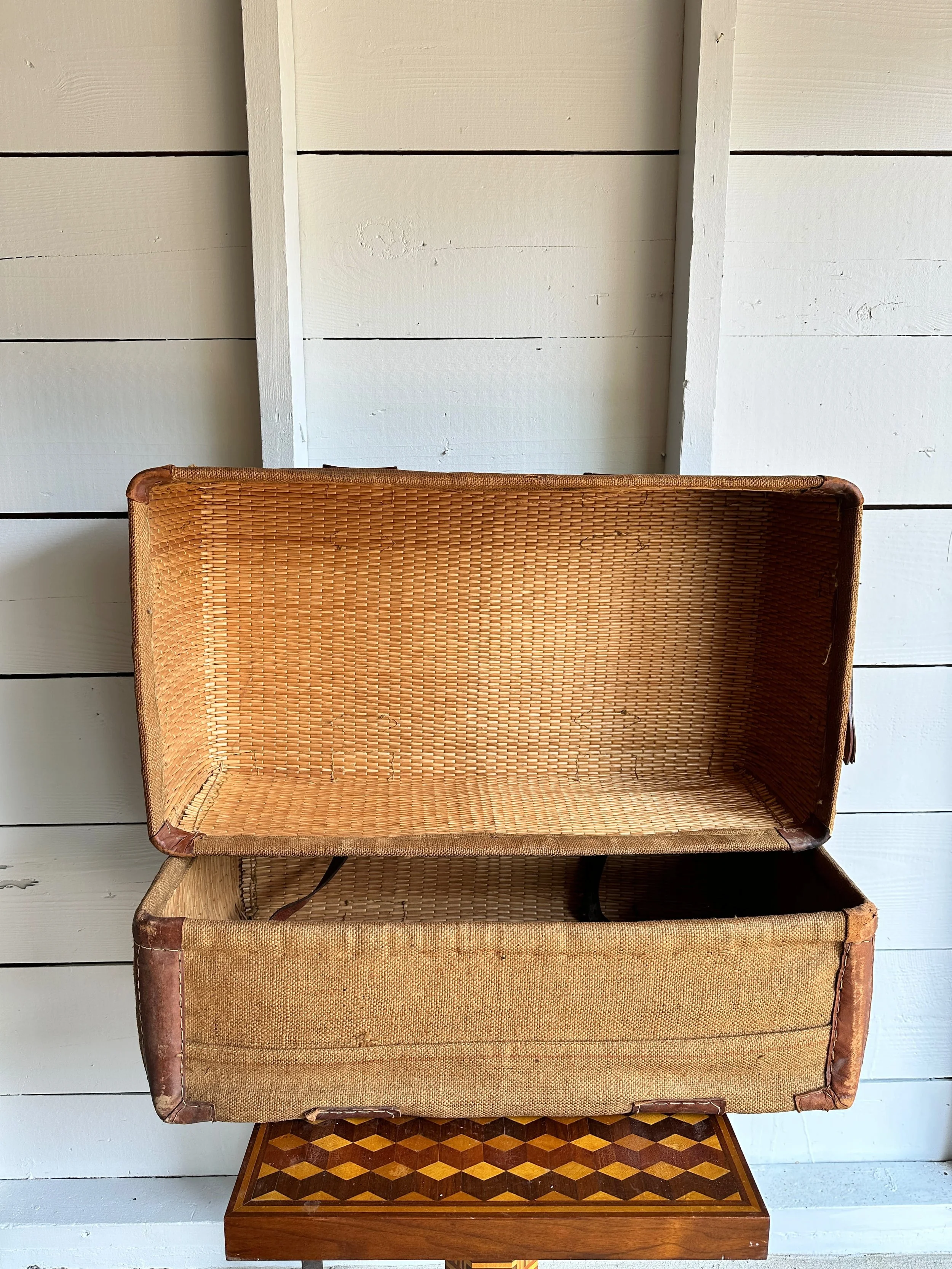
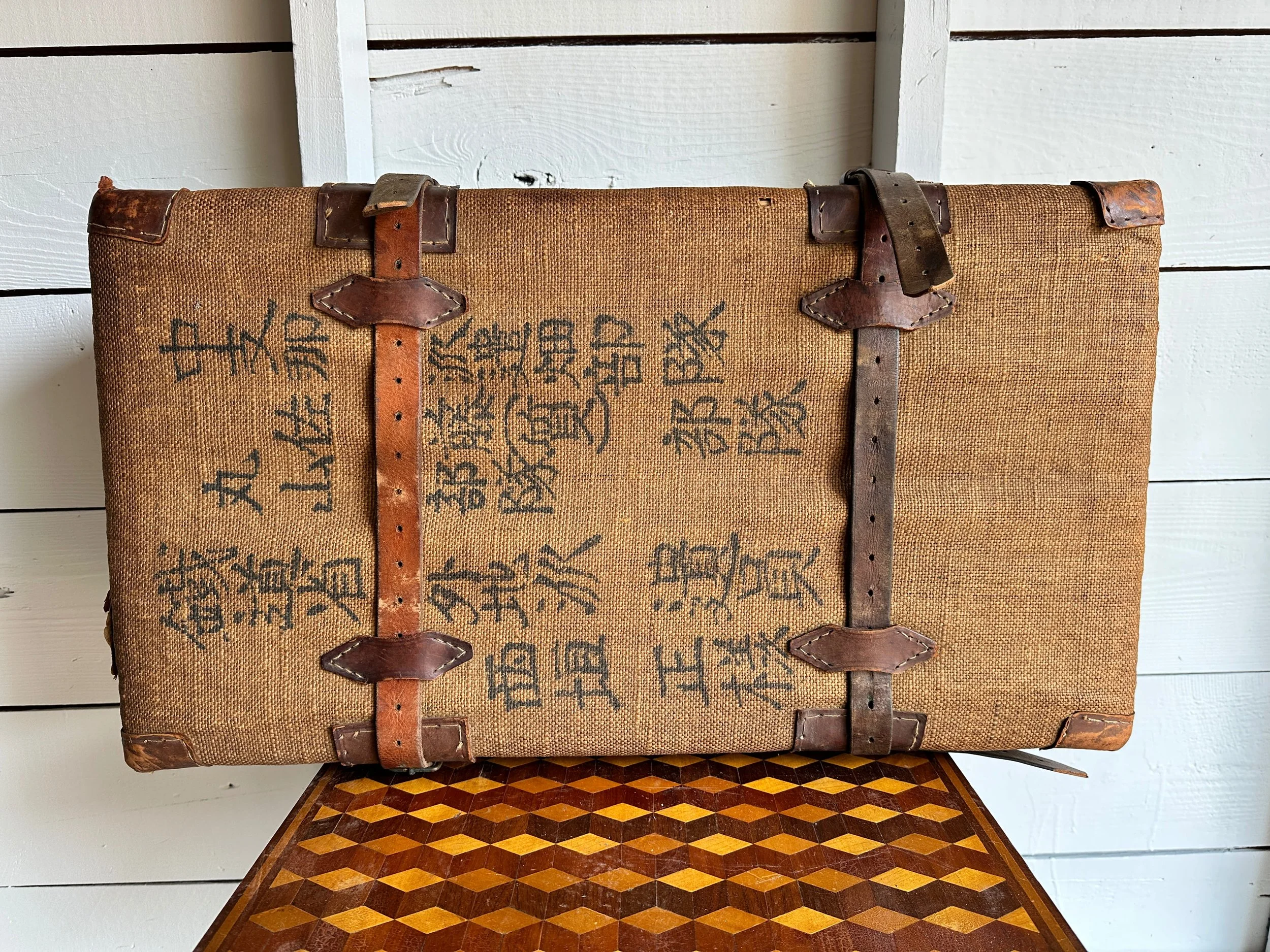
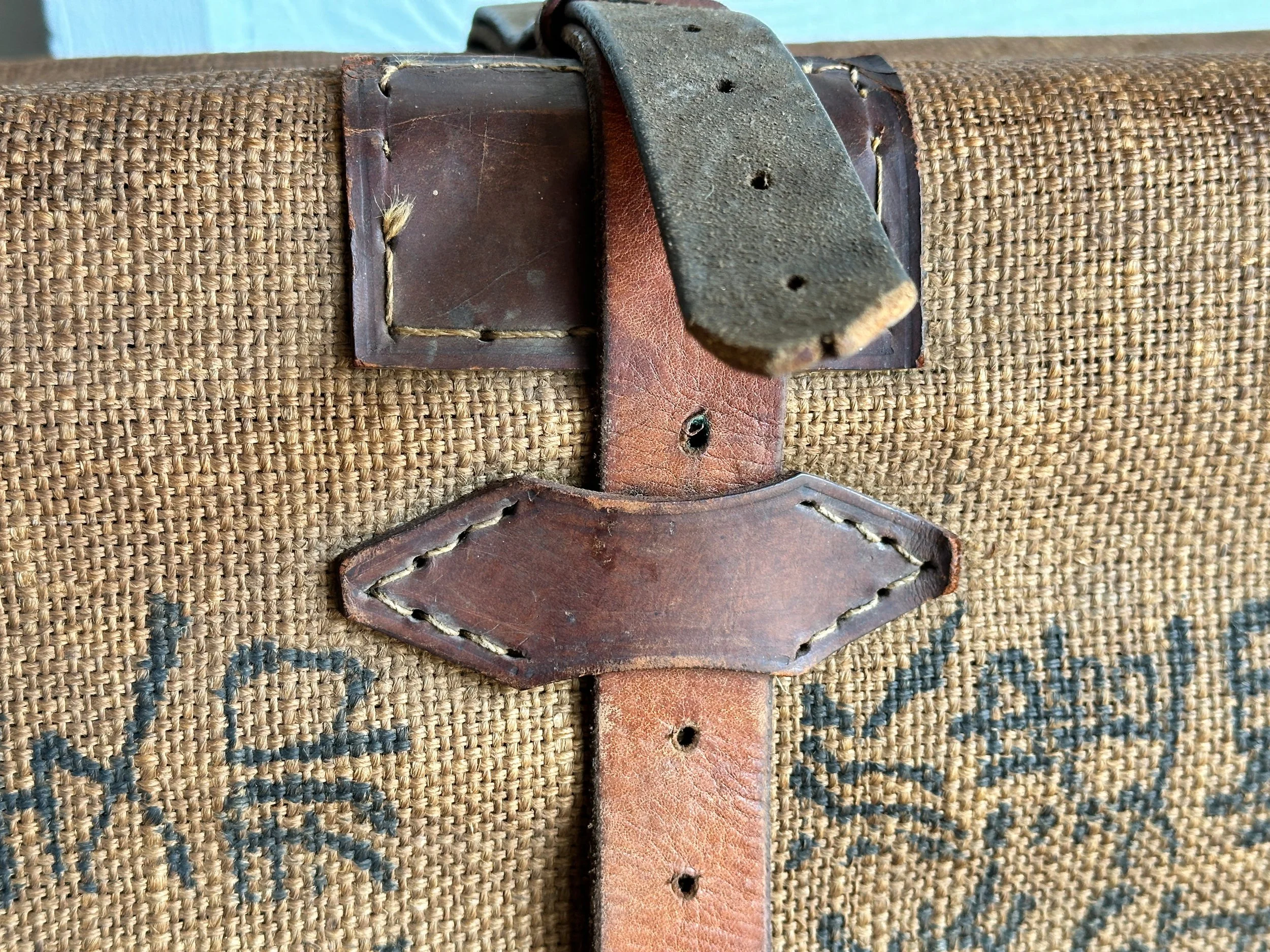
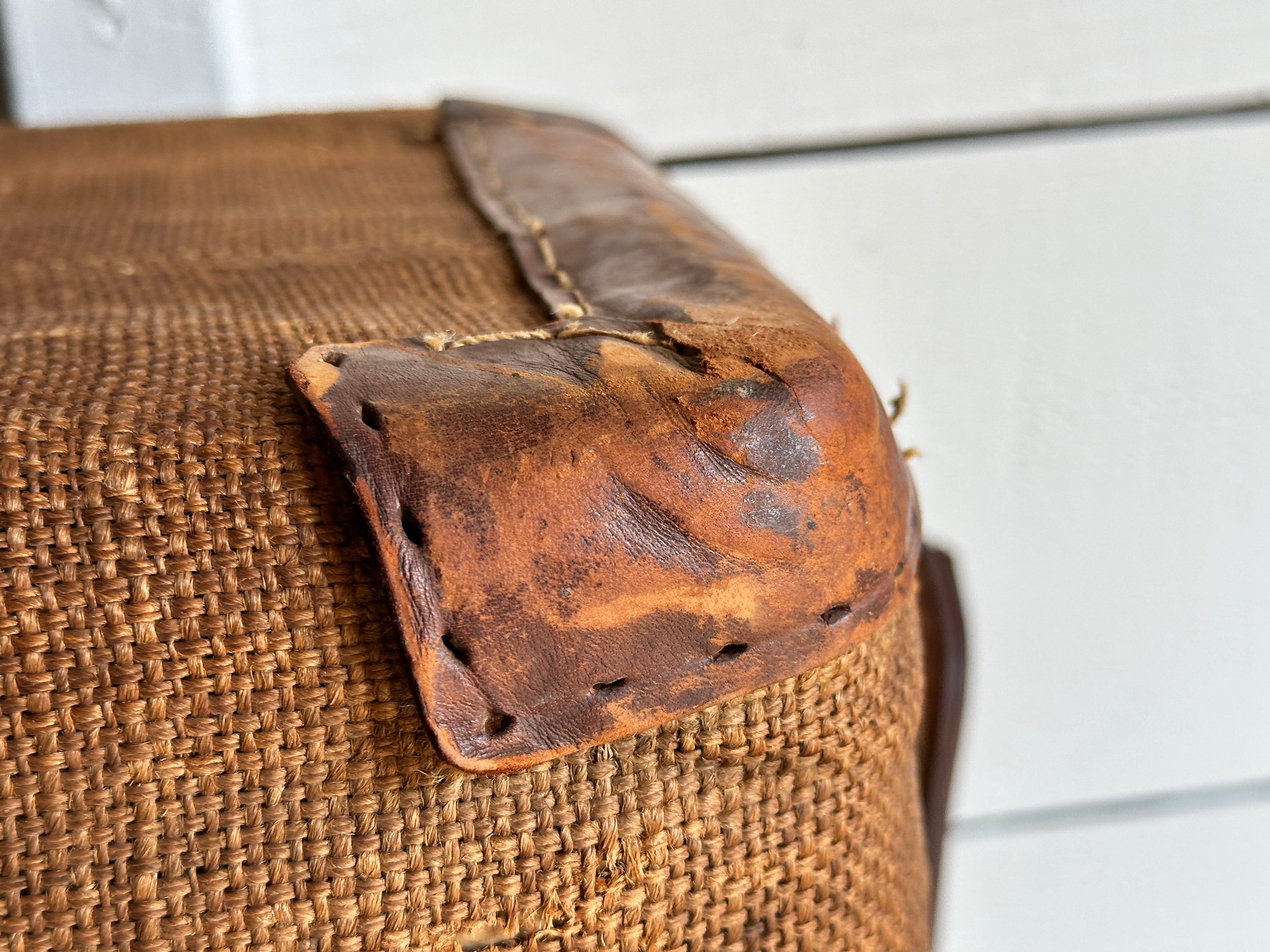
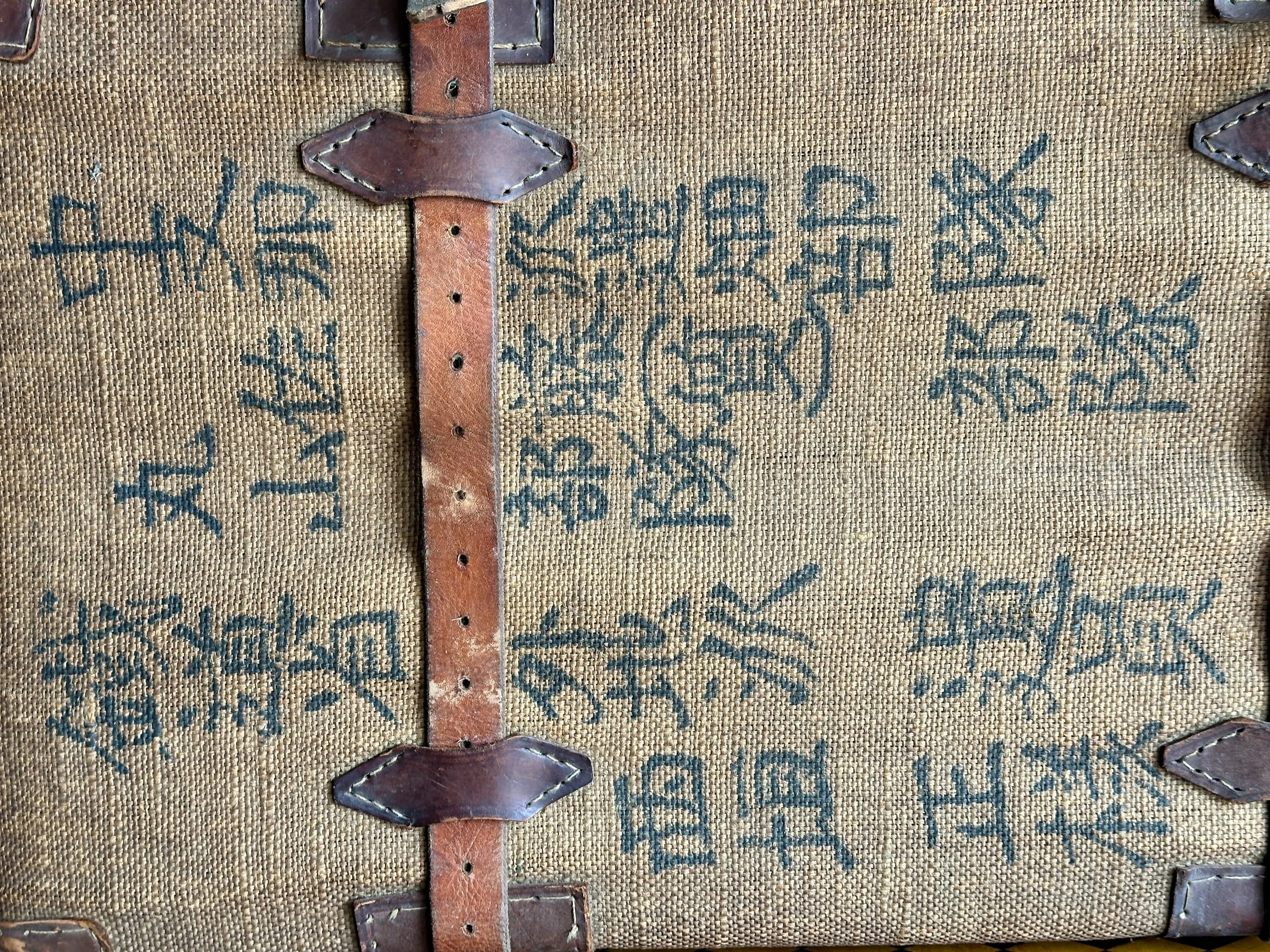
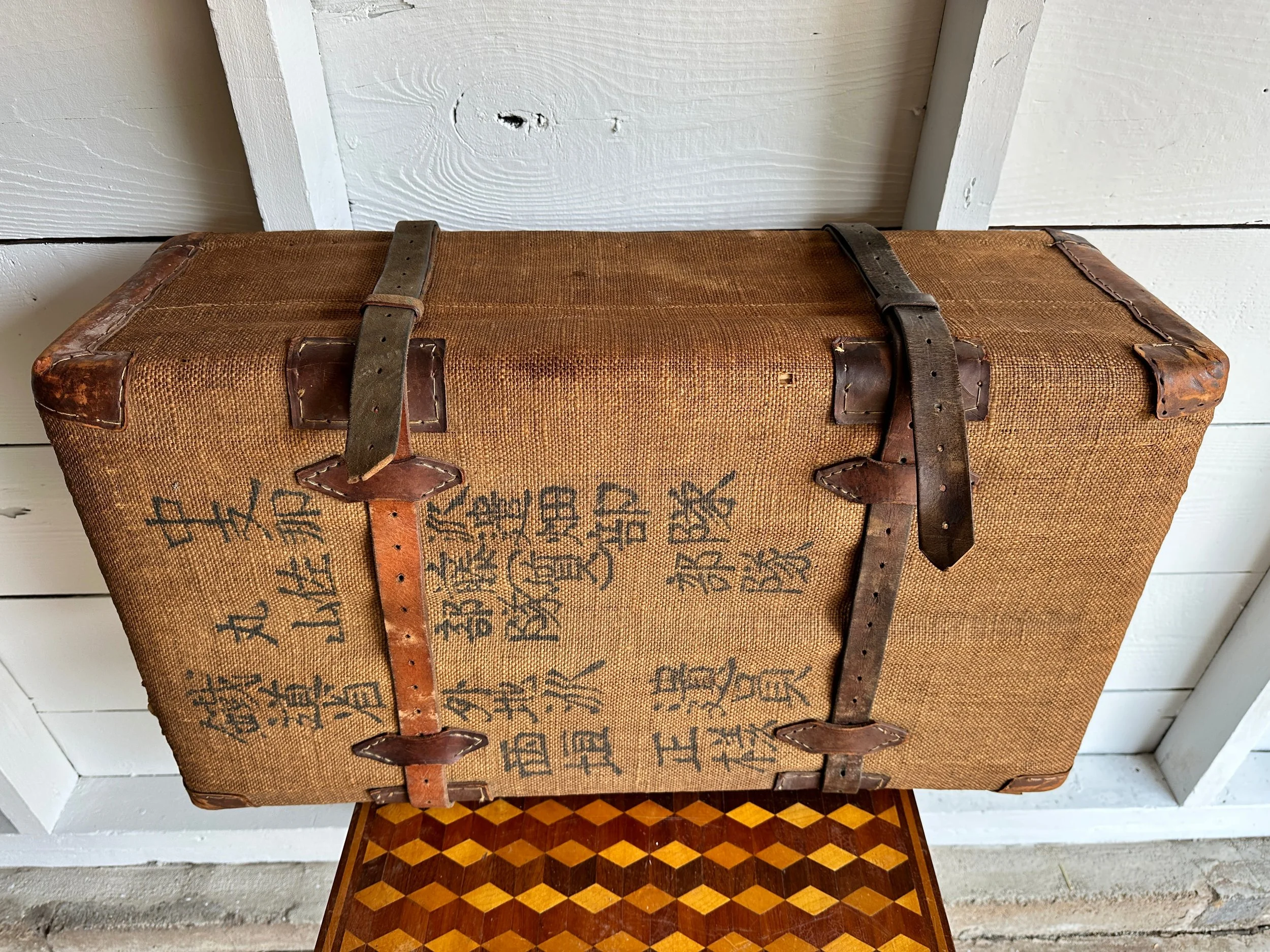
This WWII-era Japanese wicker trunk is handwoven from split bamboo and burlap, it's reinforced with rugged leather corners and buckle straps, all stitched and aged in the best way. The body is painted with bold Japanese calligraphy, likely identifying its original owner or regiment. Inside, it's beautifully lined with tight wickerwork, still intact after decades of wear and travel. Whether it once hauled uniforms, rations, or something more personal, it carries a quiet weight and undeniable presence. A rare survival with both function and soul.
Historical Background
The conflict between the United States and Japan during World War II didn’t begin in a vacuum. By the late 1930s, Japan had already been expanding aggressively across East Asia, occupying large parts of China and pushing into Southeast Asia in search of resources. The United States, watching this unfold, responded with economic pressure, most notably oil embargoes. For Japan, a nation heavily dependent on imported fuel, that was more than a political move. It was an existential problem.
Everything shifted on December 7, 1941, with the attack on Pearl Harbor in Hawaii. The strike was designed to cripple the U.S. Pacific Fleet and buy Japan time to secure territory across the Pacific. It succeeded in the short term, but it also pulled the United States fully into the war. What followed was a long, grinding conflict across vast stretches of ocean, fought island by island.
The nature of the war in the Pacific was different from what was happening in Europe. Distance played a huge role. Supply lines were stretched thin, and battles often took place on remote islands that, on a map, seemed insignificant but were strategically critical. Places like Guadalcanal, Iwo Jima, and Okinawa became names associated with intense, often brutal fighting. The strategy of “island hopping” allowed U.S. forces to bypass heavily fortified positions and focus on capturing key locations that could support airfields and naval operations.
There was also a cultural divide that shaped how the war was fought. Japanese military doctrine emphasized honor and resistance to surrender, which led to fierce defense and, in some cases, suicide attacks like kamikaze missions late in the war. On the American side, the war effort mobilized industry and manpower on an enormous scale, turning the conflict into both a military and manufacturing campaign.
By 1945, the war had shifted decisively. The U.S. had moved closer to Japan’s home islands, and bombing campaigns intensified. The final turning point came with the atomic bombings of Hiroshima and Nagasaki in August of that year, followed by Japan’s surrender. It brought a sudden end to a conflict that had been defined by slow advances, heavy losses, and immense distance, reshaping not just the Pacific, but the global balance of power for decades to come.
ITEM NOT AVAILABLE IMMEDIATELY—INQUIRE IF INTERESTED hello@heimweeantiques.com
This WWII-era Japanese wicker trunk is handwoven from split bamboo and burlap, it's reinforced with rugged leather corners and buckle straps, all stitched and aged in the best way. The body is painted with bold Japanese calligraphy, likely identifying its original owner or regiment. Inside, it's beautifully lined with tight wickerwork, still intact after decades of wear and travel. Whether it once hauled uniforms, rations, or something more personal, it carries a quiet weight and undeniable presence. A rare survival with both function and soul.
Historical Background
The conflict between the United States and Japan during World War II didn’t begin in a vacuum. By the late 1930s, Japan had already been expanding aggressively across East Asia, occupying large parts of China and pushing into Southeast Asia in search of resources. The United States, watching this unfold, responded with economic pressure, most notably oil embargoes. For Japan, a nation heavily dependent on imported fuel, that was more than a political move. It was an existential problem.
Everything shifted on December 7, 1941, with the attack on Pearl Harbor in Hawaii. The strike was designed to cripple the U.S. Pacific Fleet and buy Japan time to secure territory across the Pacific. It succeeded in the short term, but it also pulled the United States fully into the war. What followed was a long, grinding conflict across vast stretches of ocean, fought island by island.
The nature of the war in the Pacific was different from what was happening in Europe. Distance played a huge role. Supply lines were stretched thin, and battles often took place on remote islands that, on a map, seemed insignificant but were strategically critical. Places like Guadalcanal, Iwo Jima, and Okinawa became names associated with intense, often brutal fighting. The strategy of “island hopping” allowed U.S. forces to bypass heavily fortified positions and focus on capturing key locations that could support airfields and naval operations.
There was also a cultural divide that shaped how the war was fought. Japanese military doctrine emphasized honor and resistance to surrender, which led to fierce defense and, in some cases, suicide attacks like kamikaze missions late in the war. On the American side, the war effort mobilized industry and manpower on an enormous scale, turning the conflict into both a military and manufacturing campaign.
By 1945, the war had shifted decisively. The U.S. had moved closer to Japan’s home islands, and bombing campaigns intensified. The final turning point came with the atomic bombings of Hiroshima and Nagasaki in August of that year, followed by Japan’s surrender. It brought a sudden end to a conflict that had been defined by slow advances, heavy losses, and immense distance, reshaping not just the Pacific, but the global balance of power for decades to come.