ITEM NOT AVAILABLE IMMEDIATELY—INQUIRE IF INTERESTED hello@heimweeantiques.com
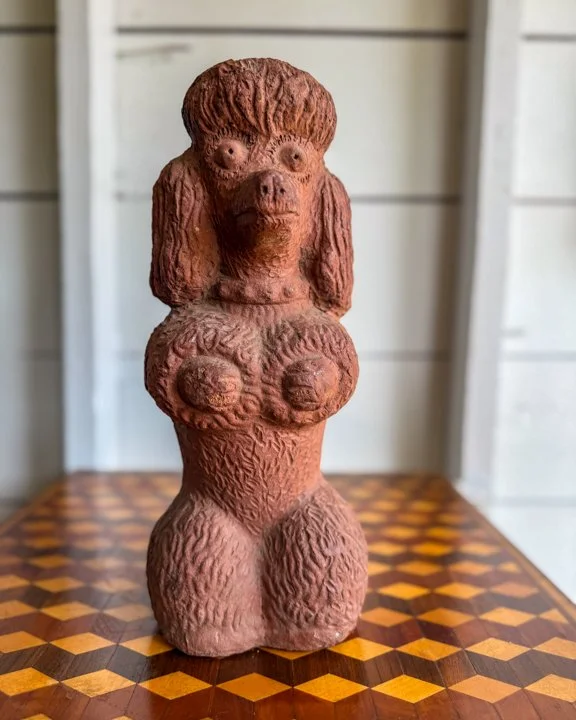
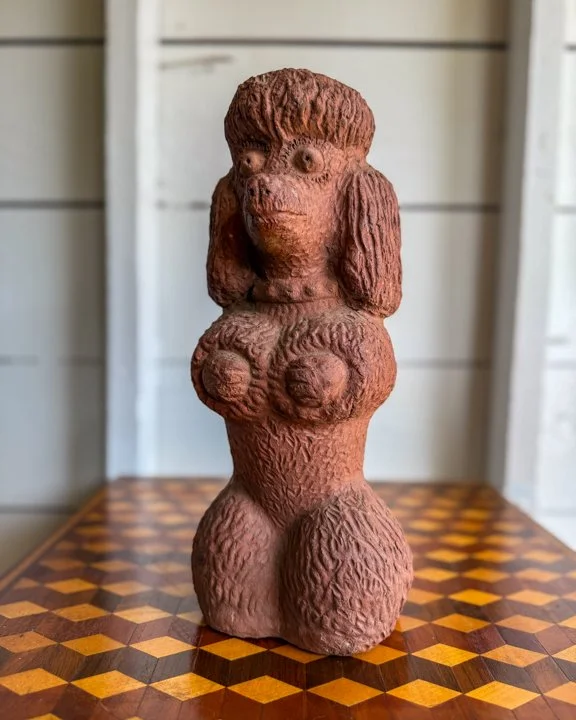
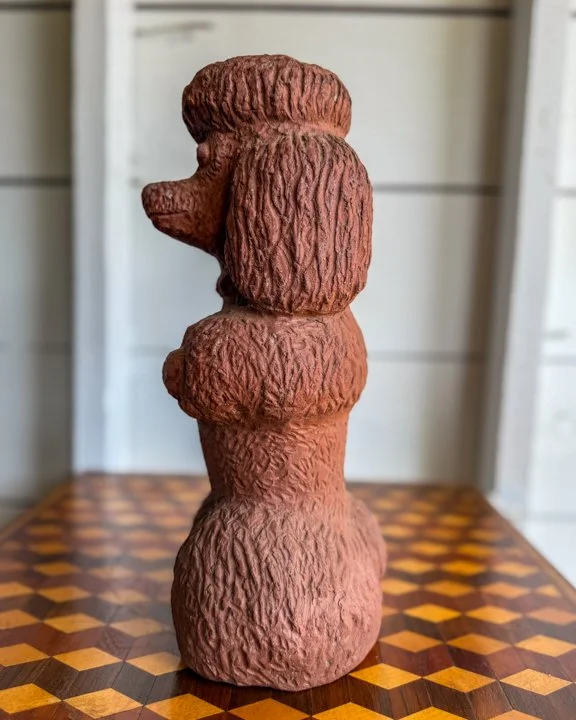
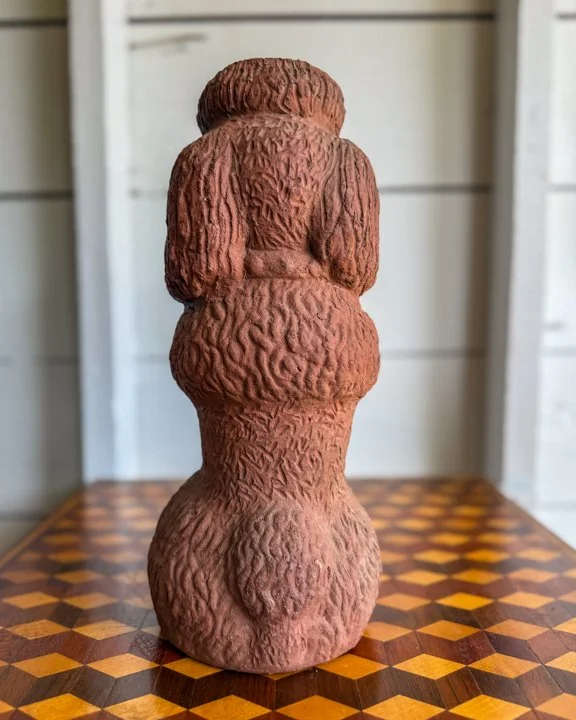
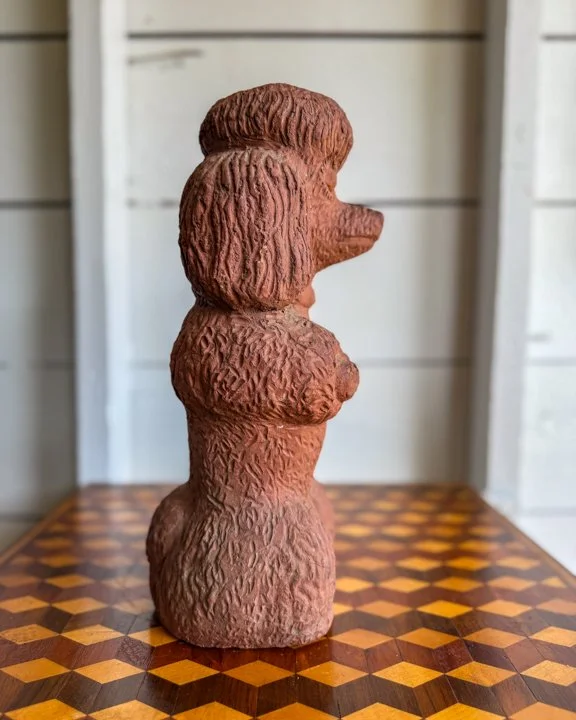
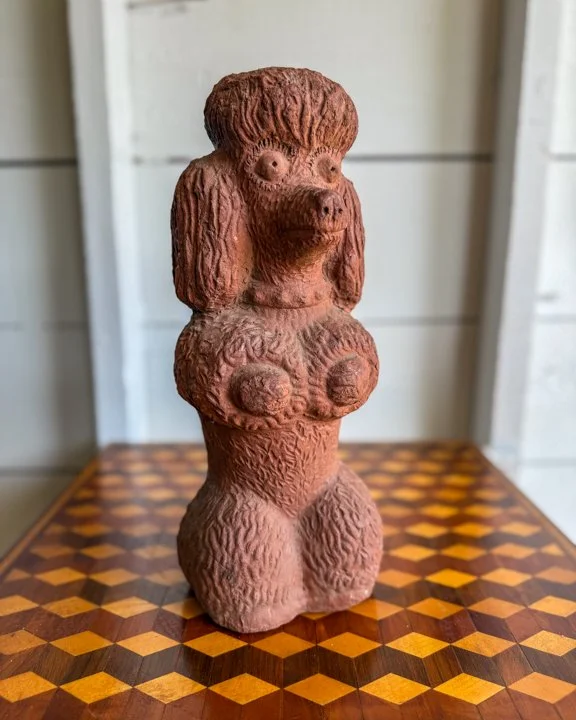
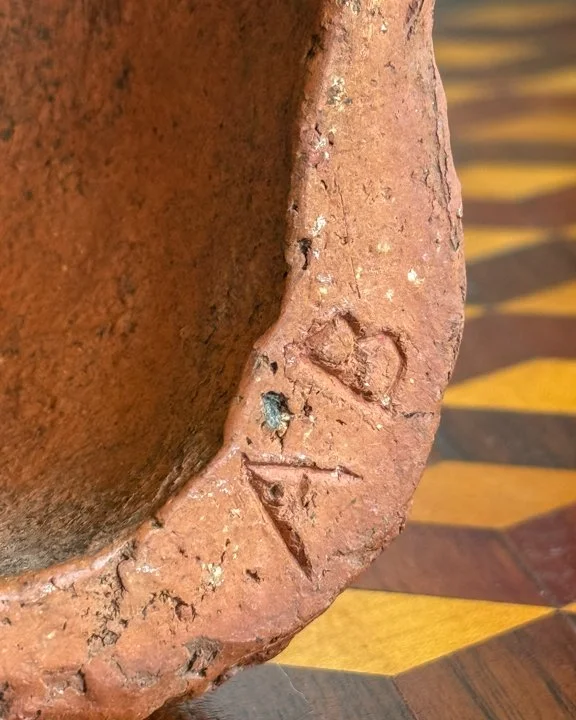
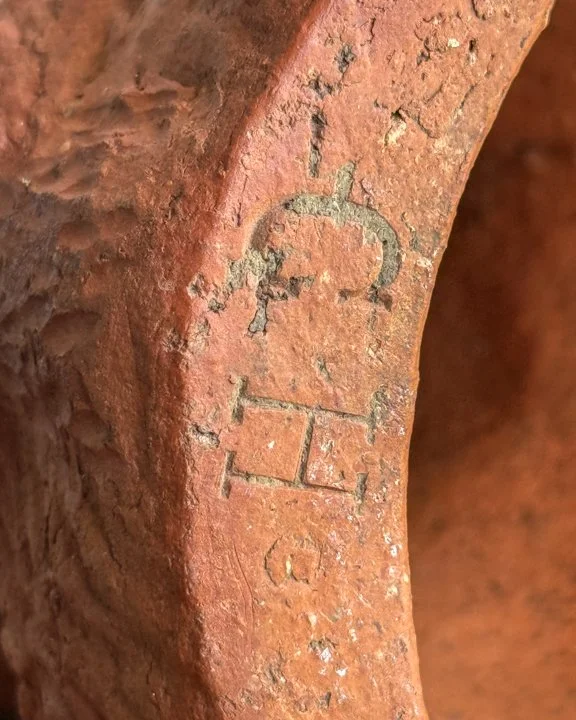
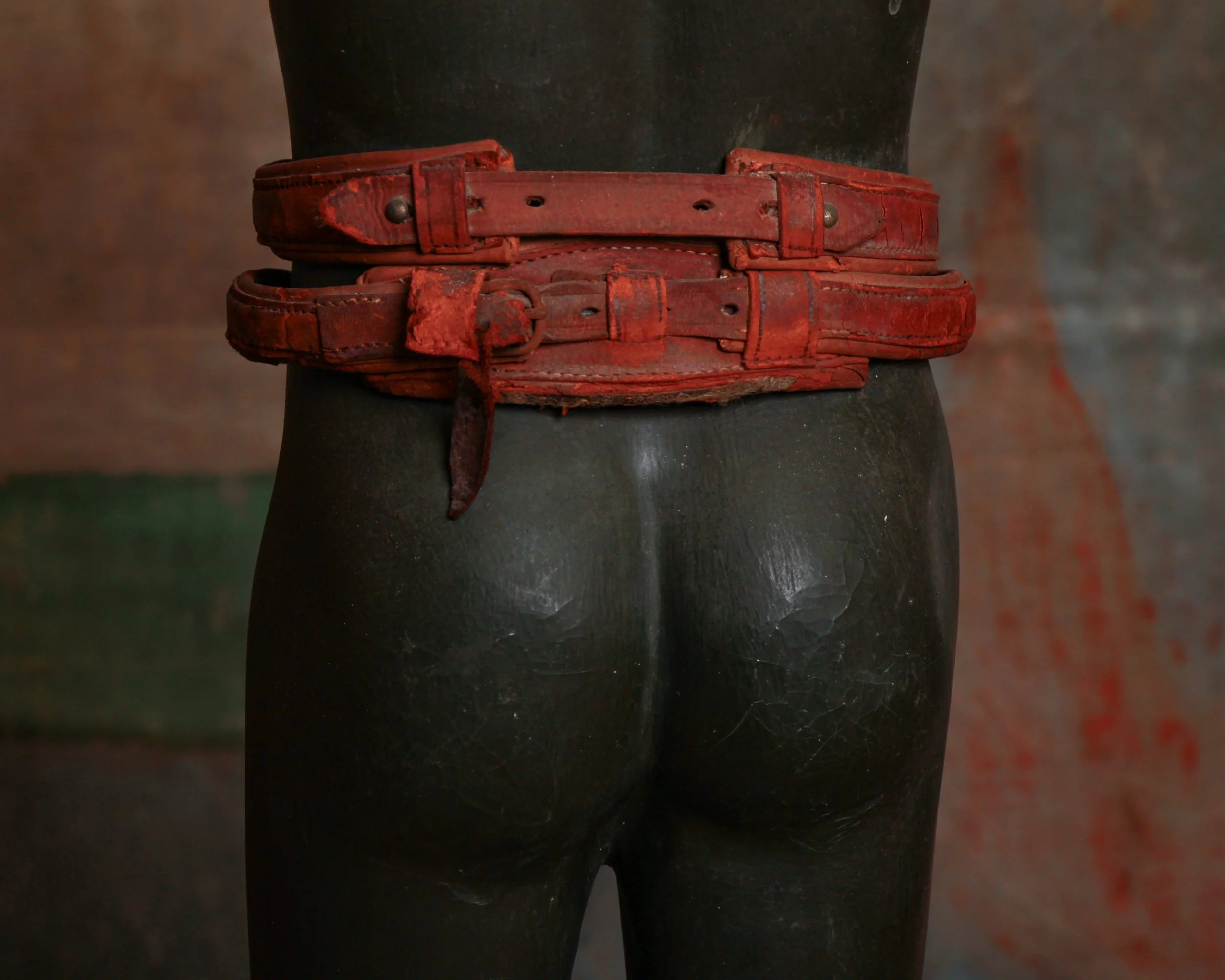
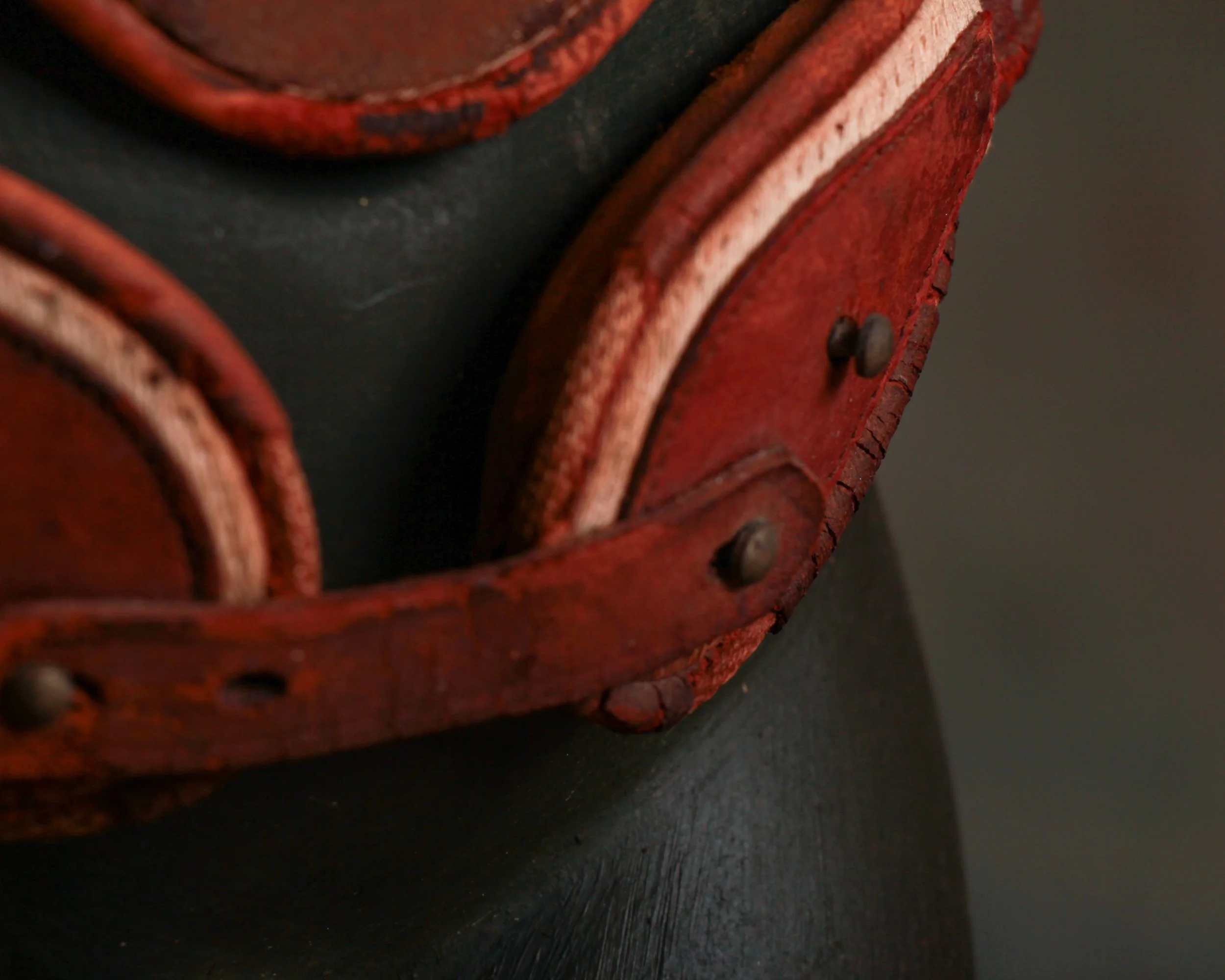
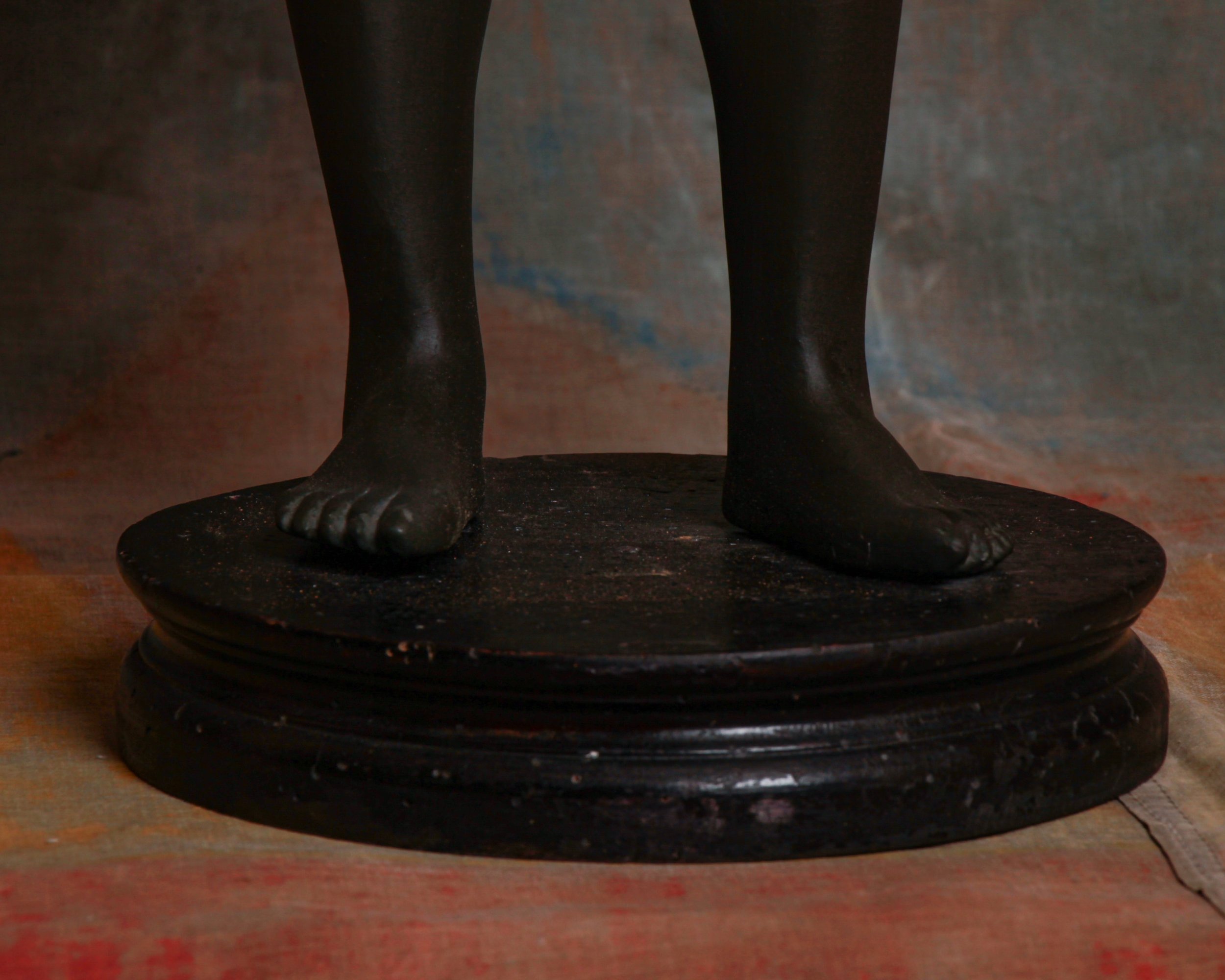
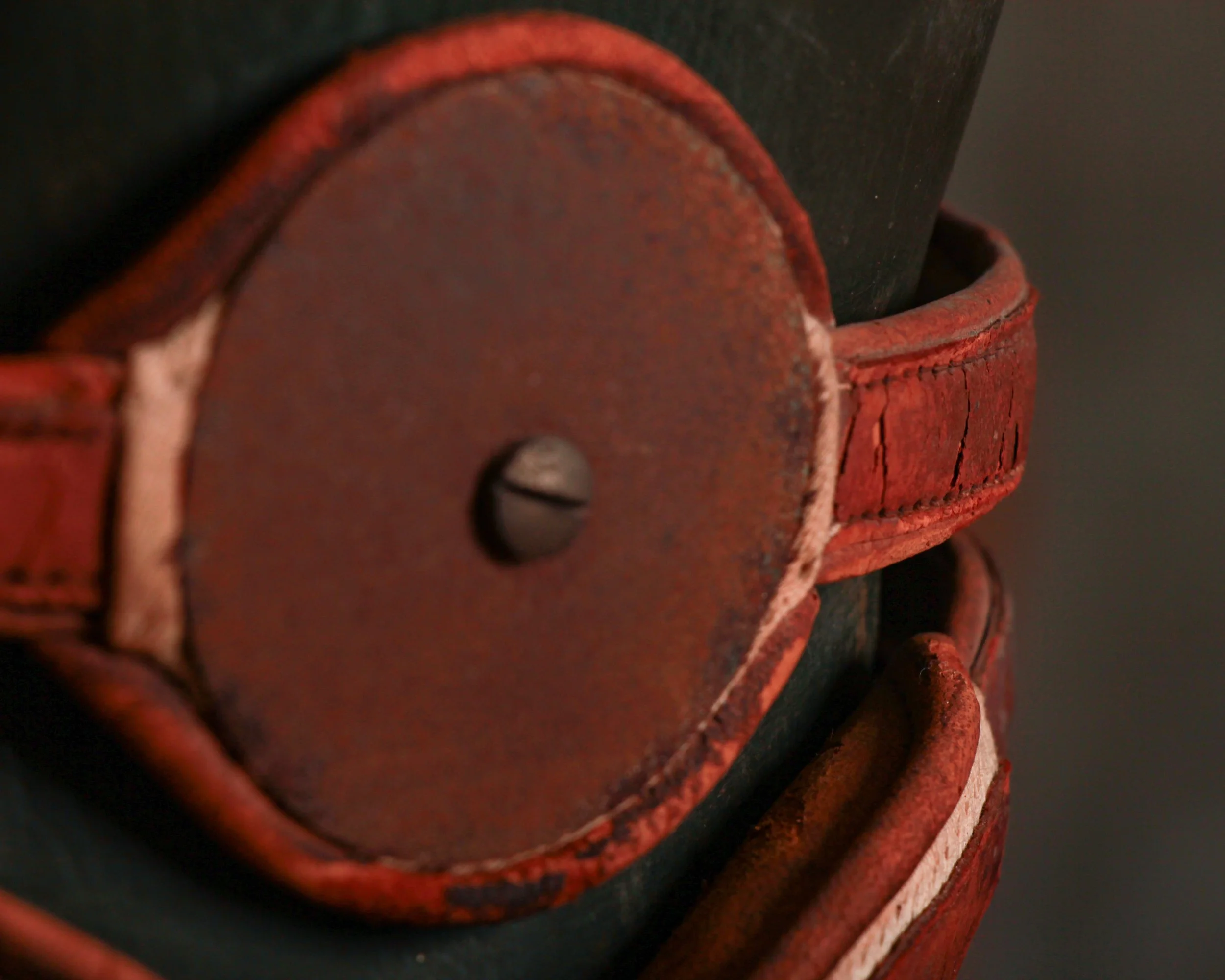
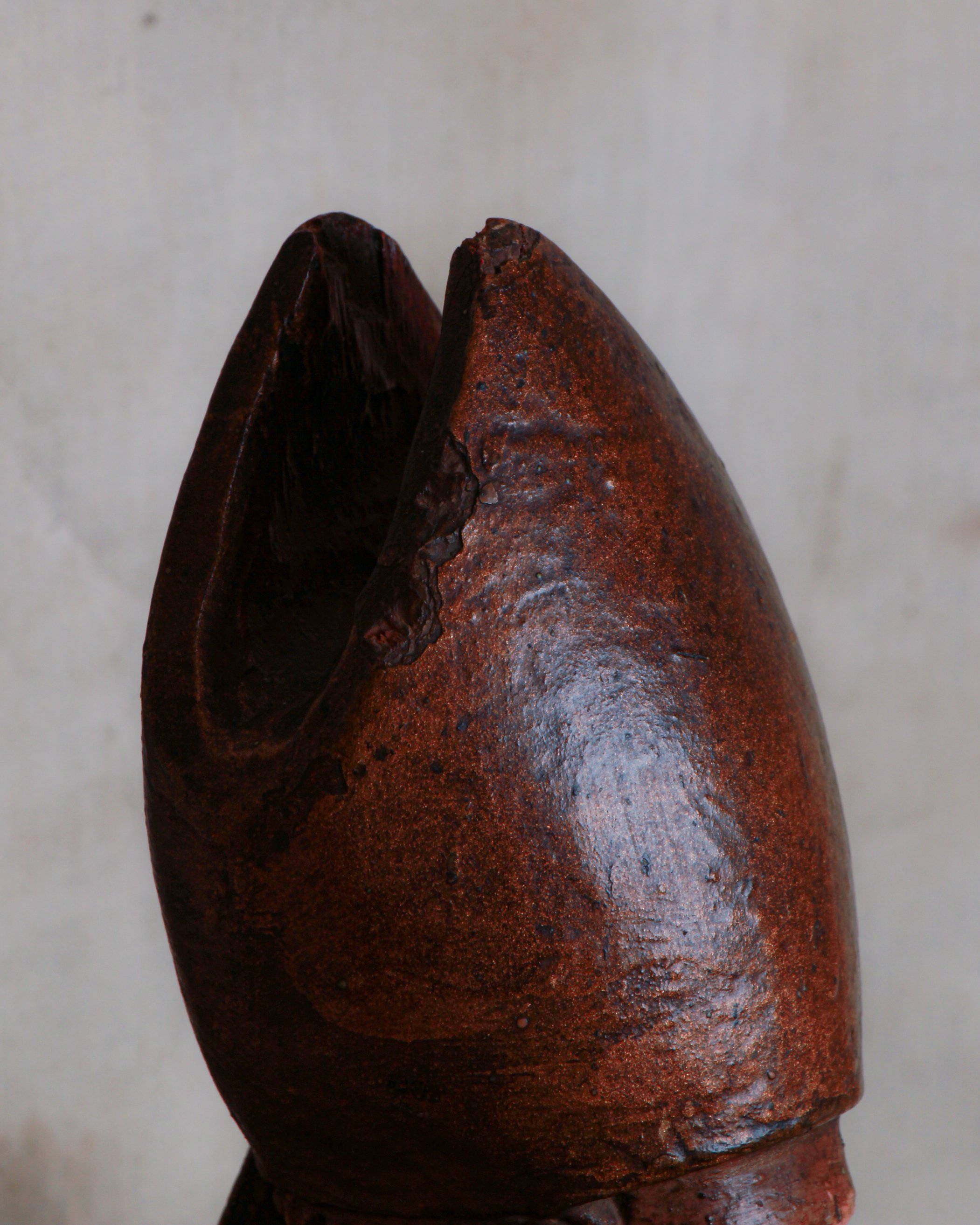
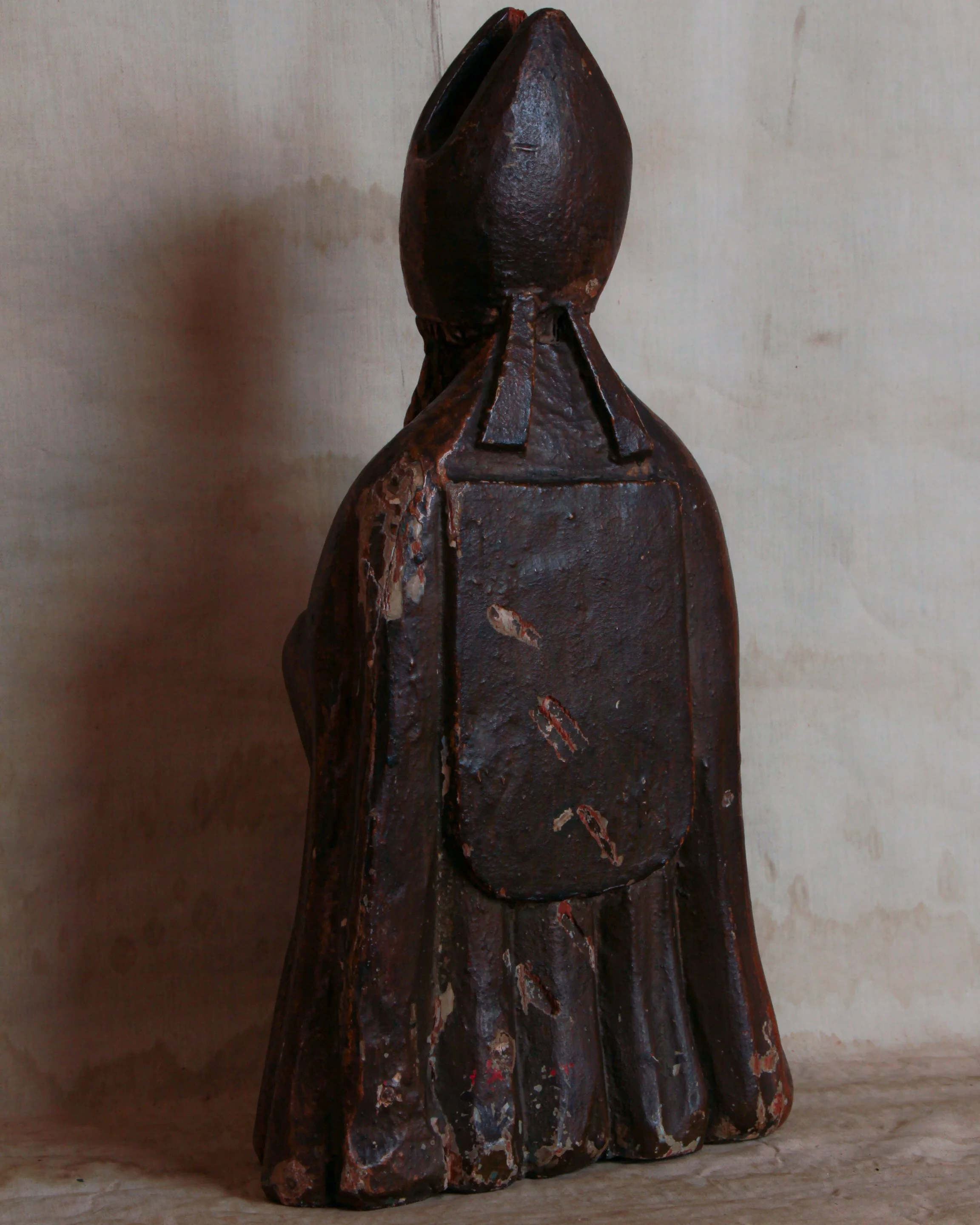
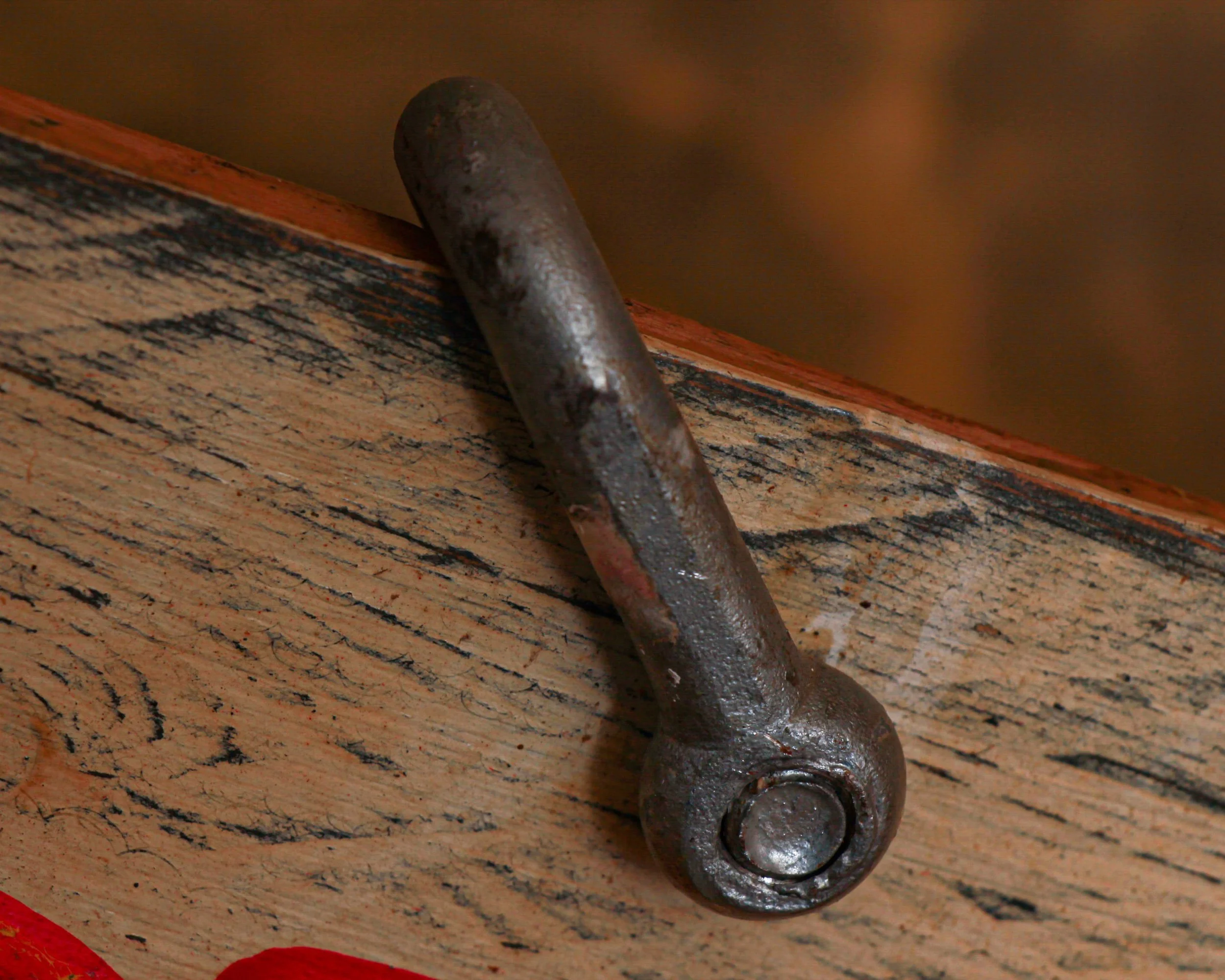
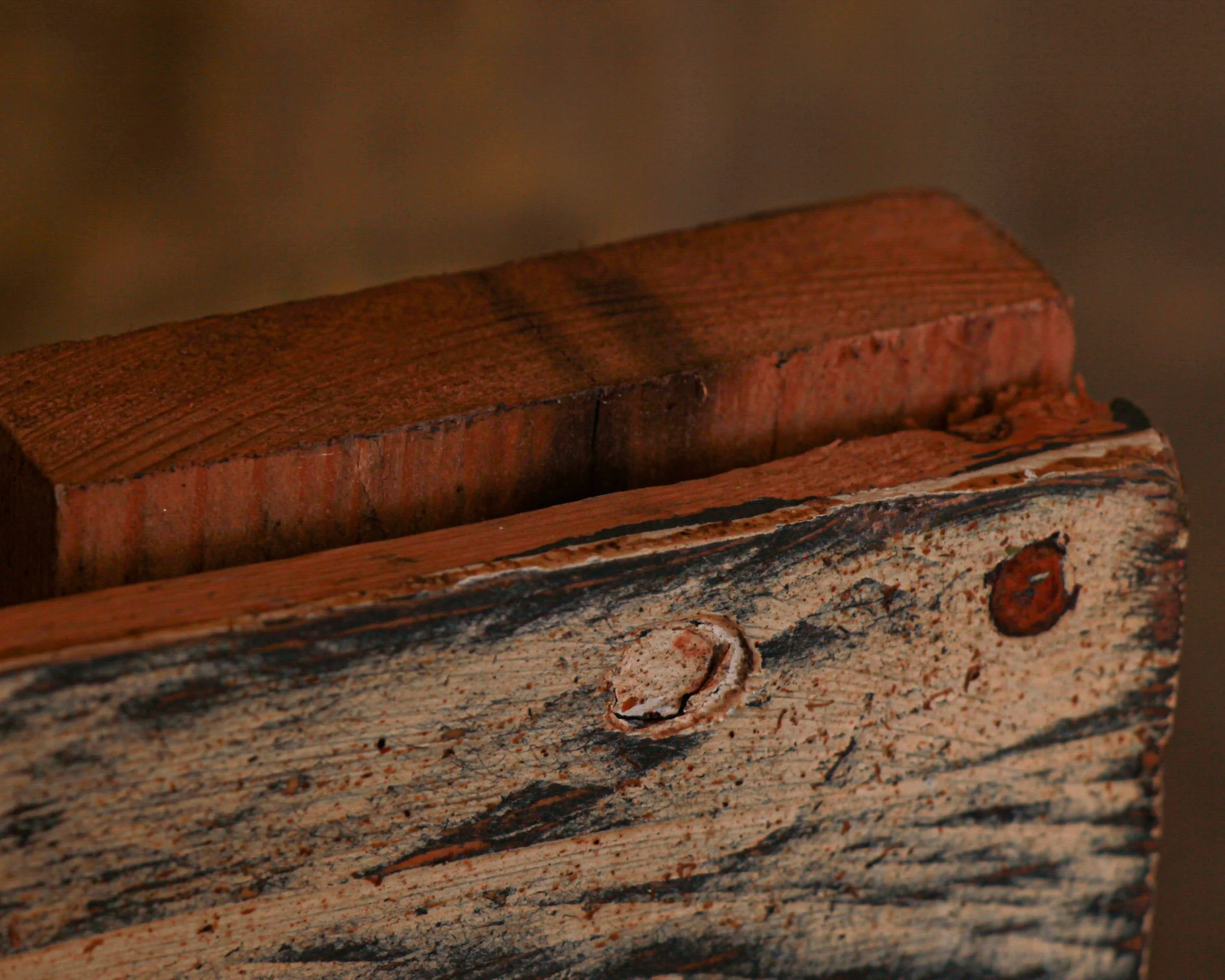
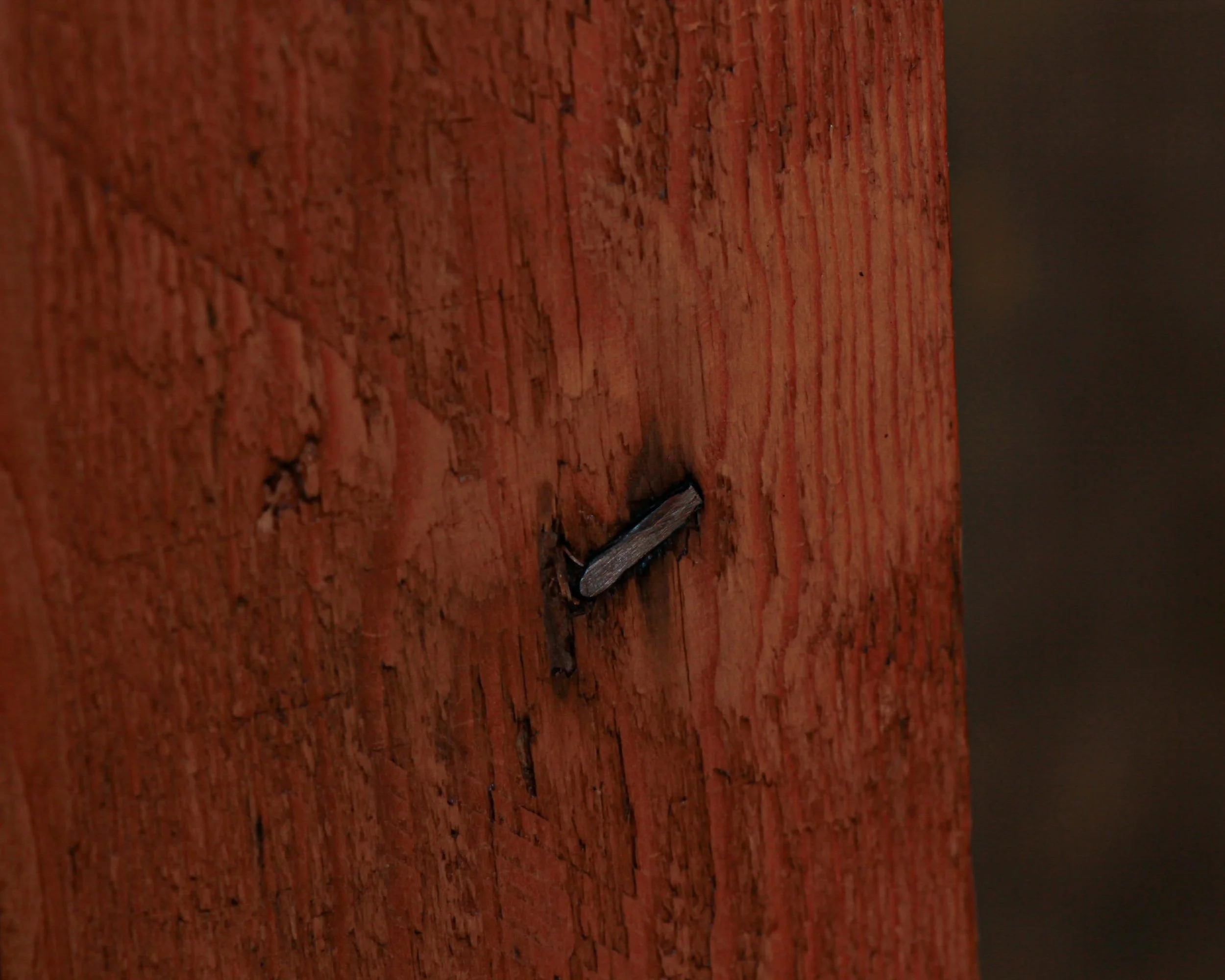
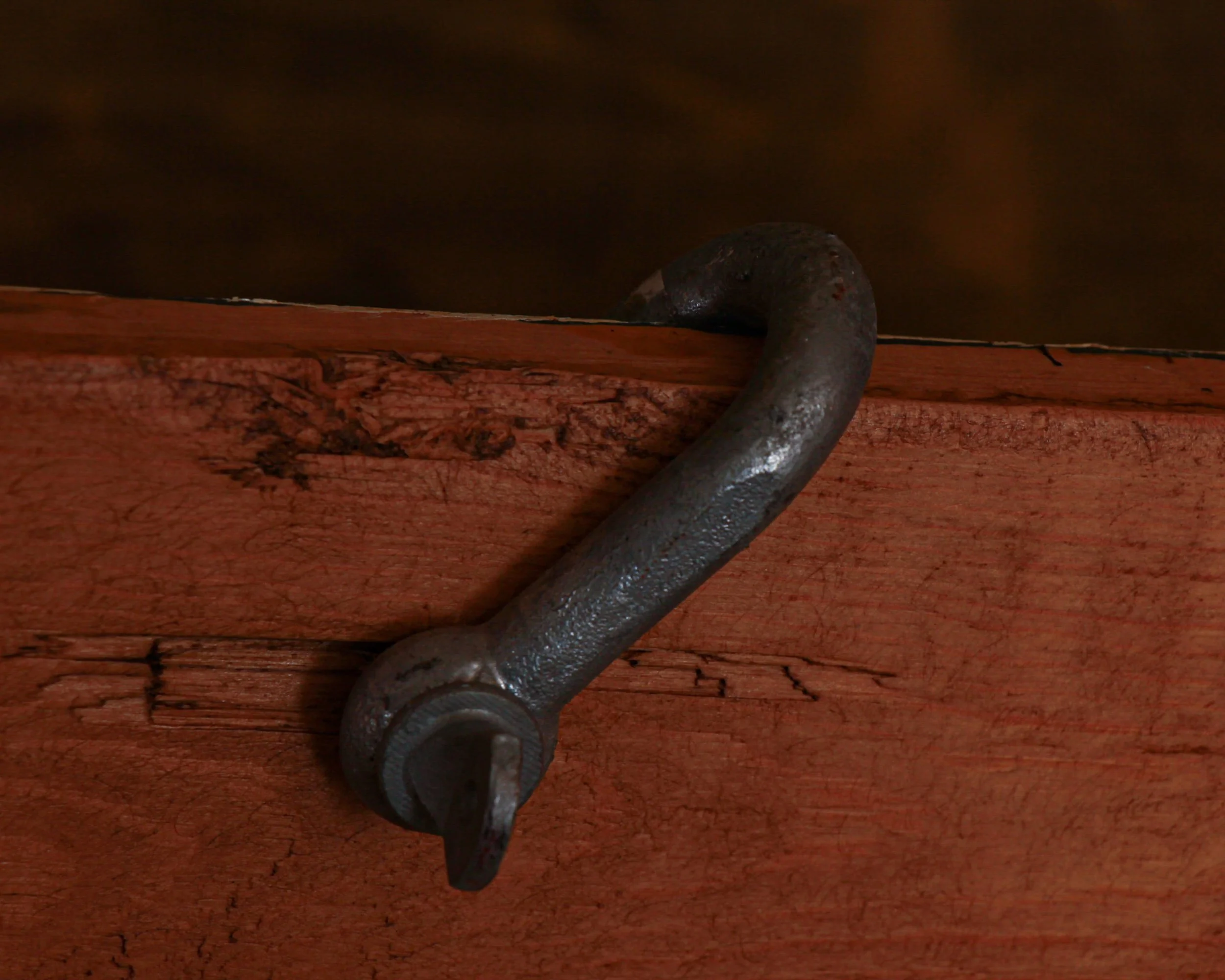
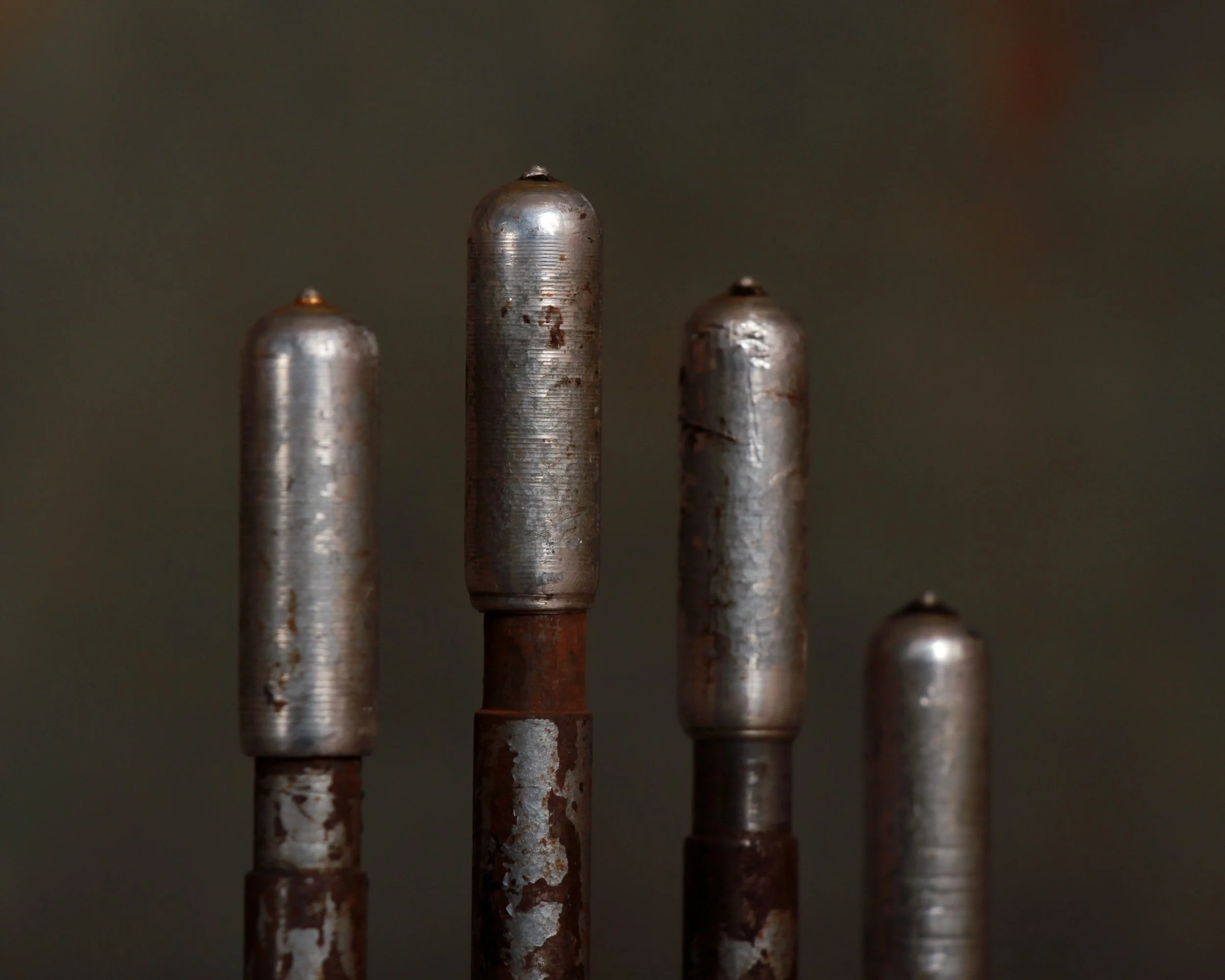
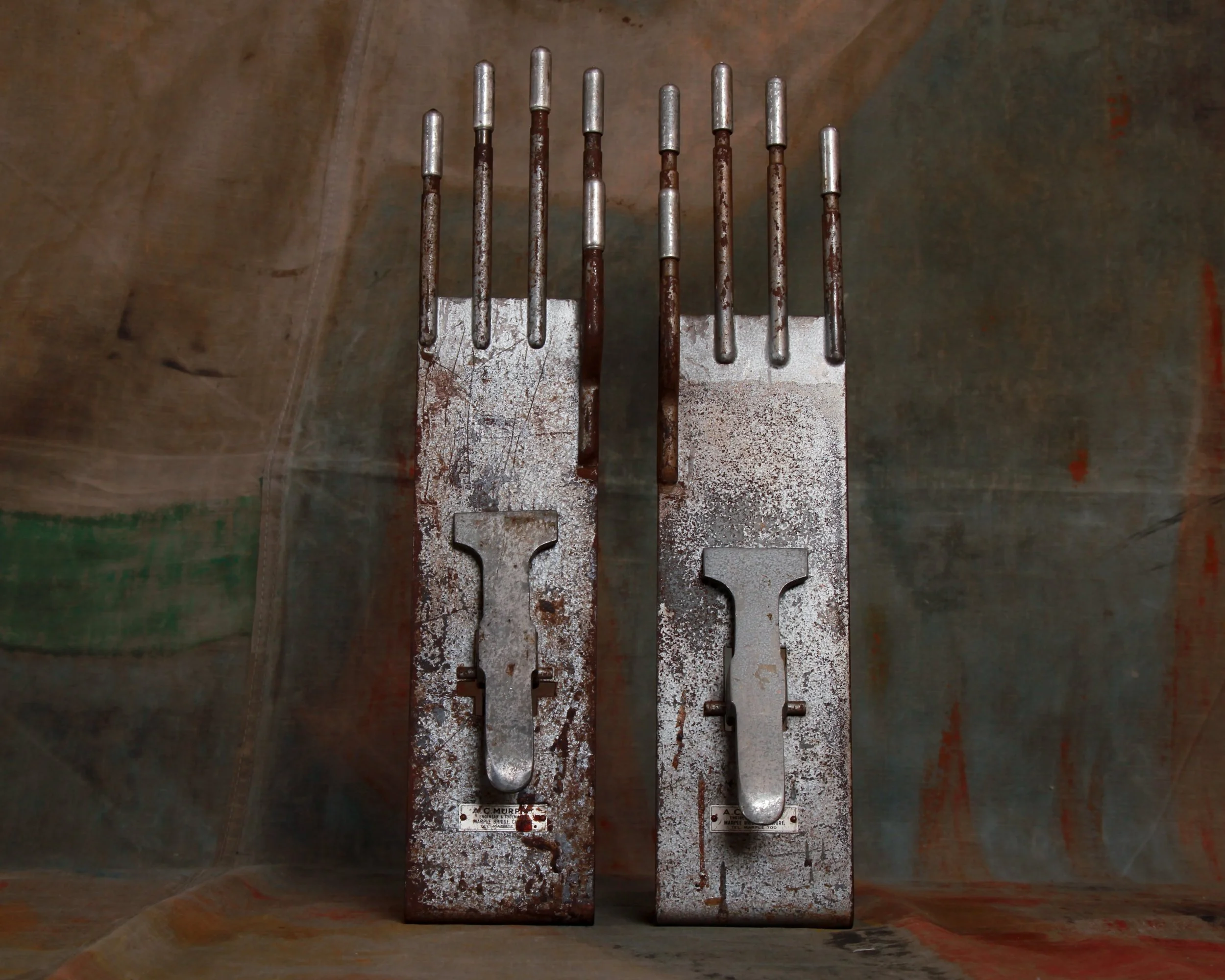
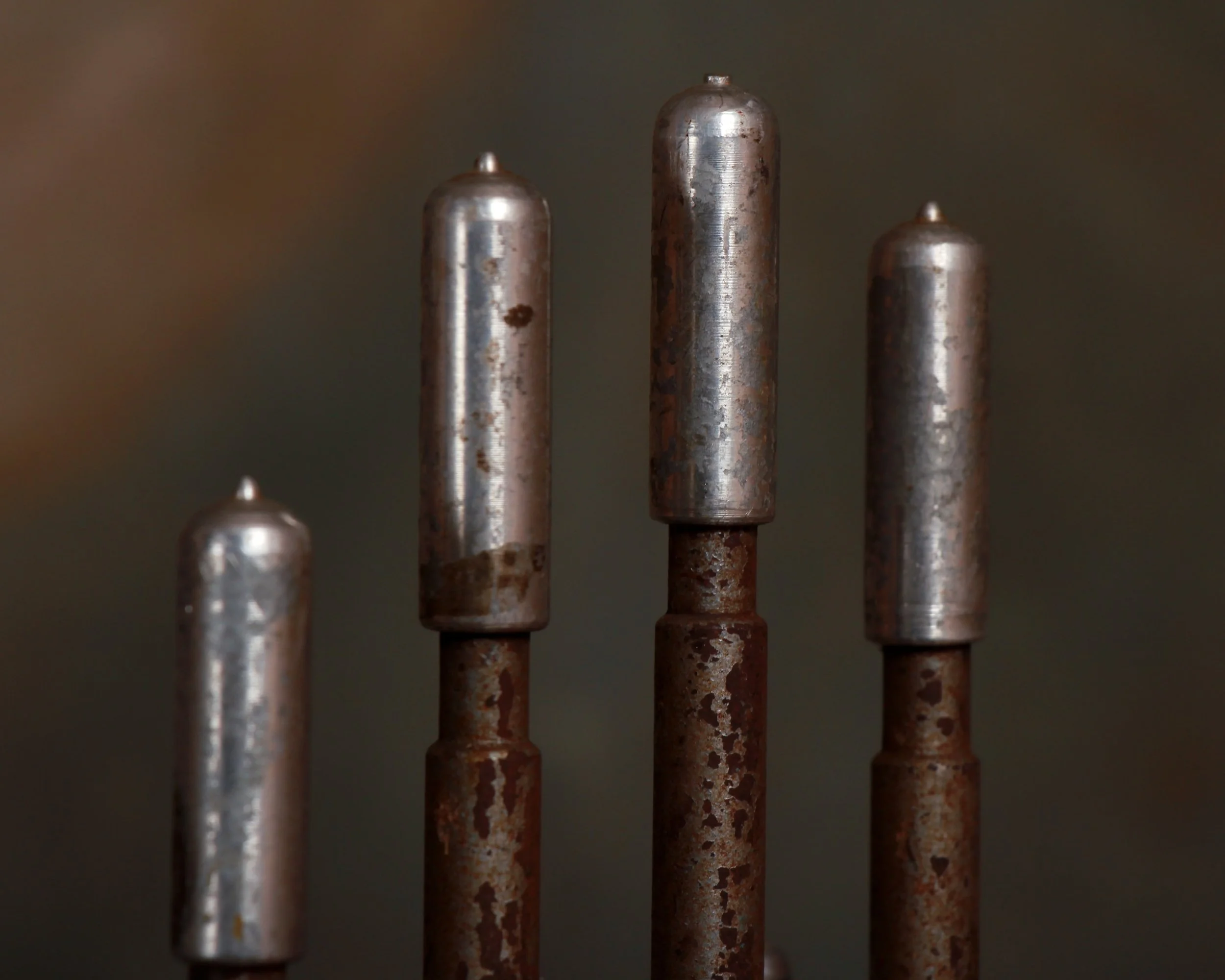
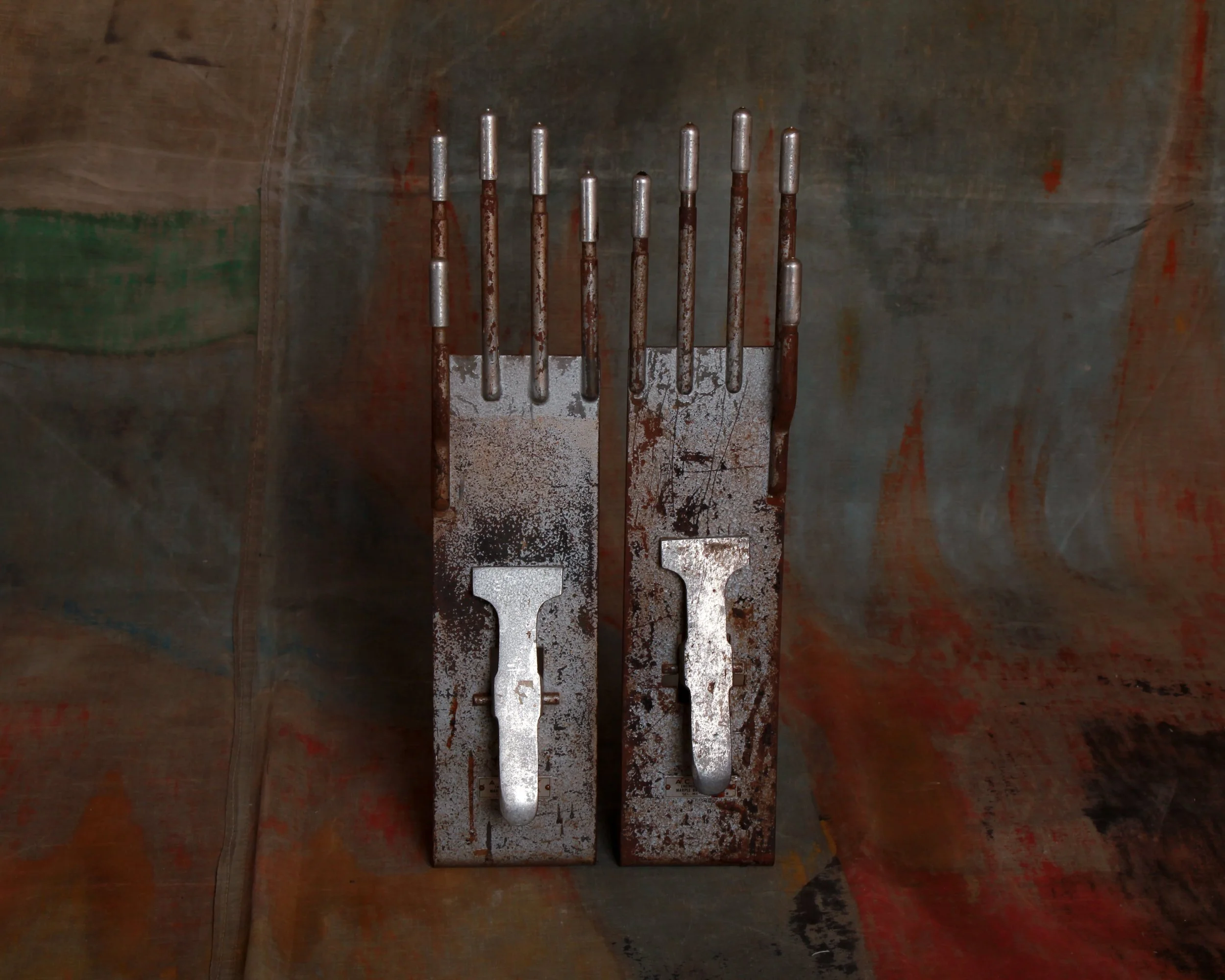
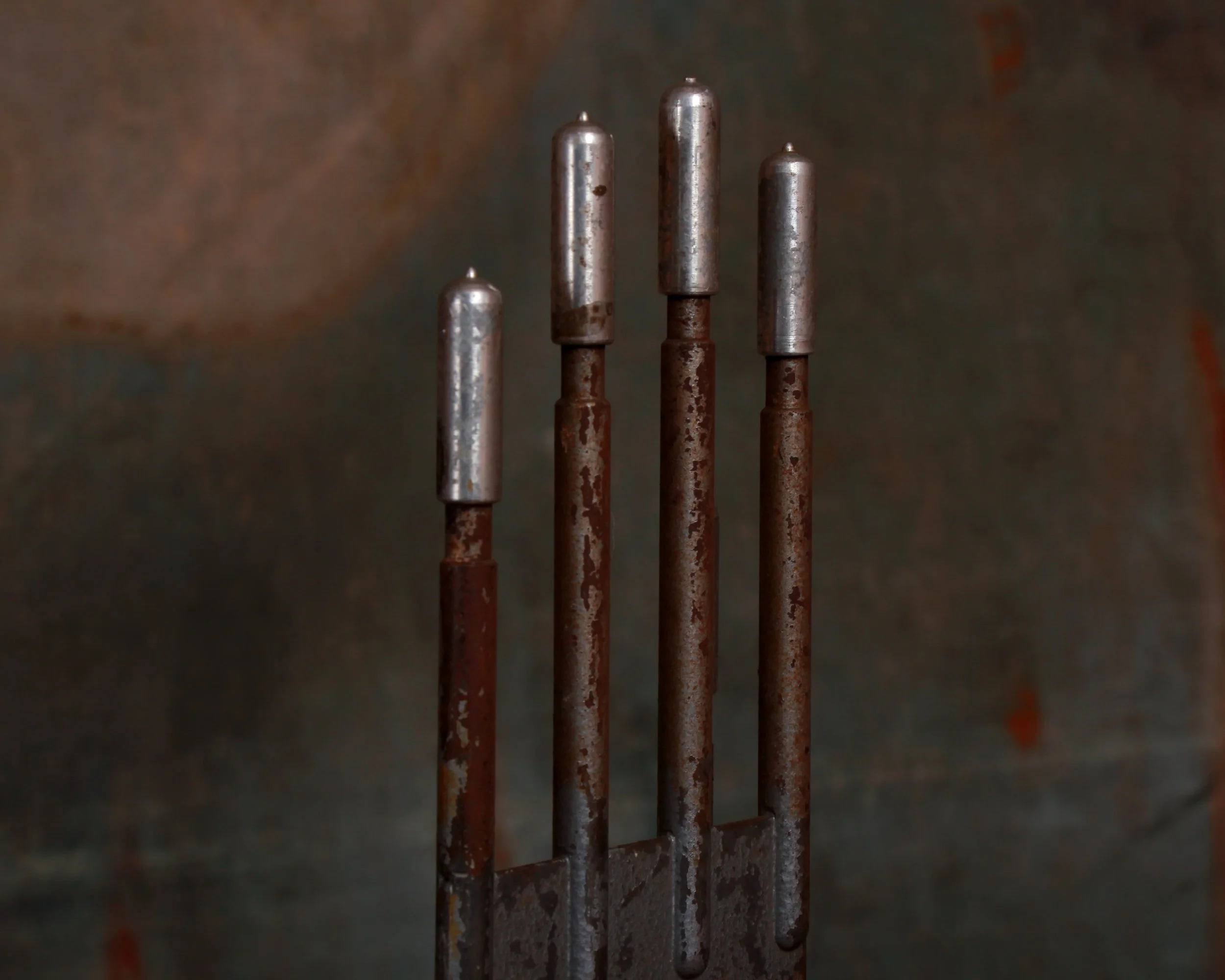
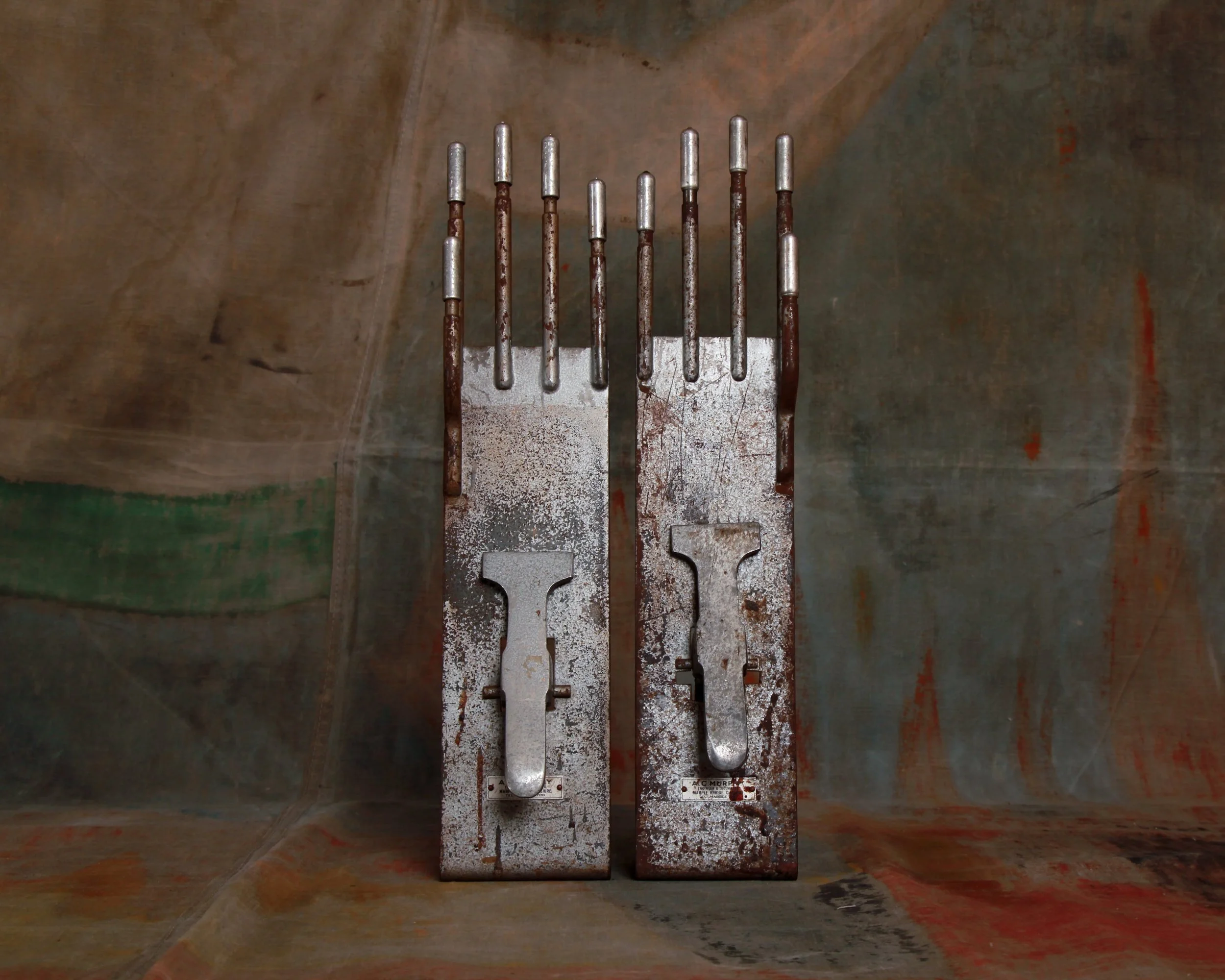
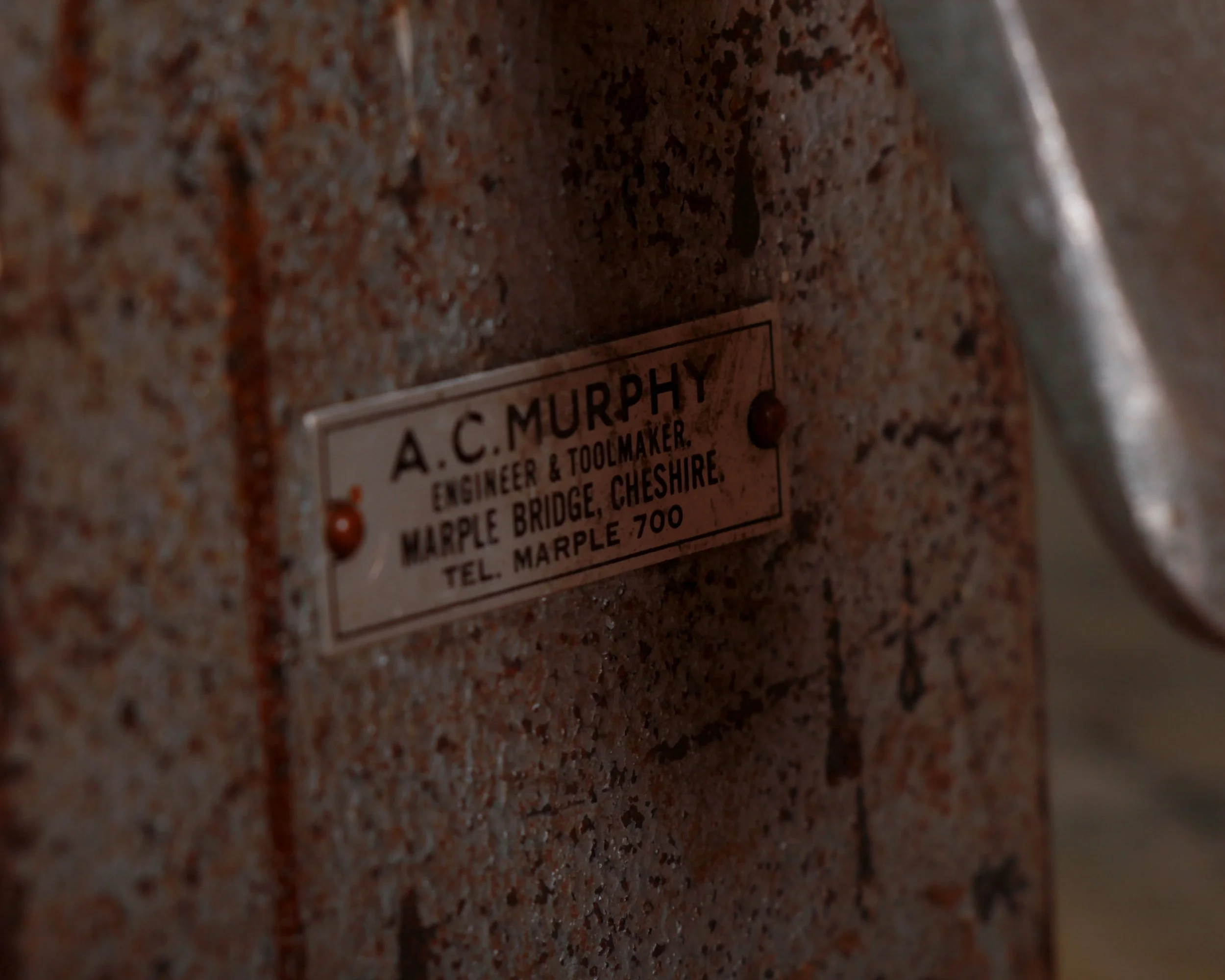
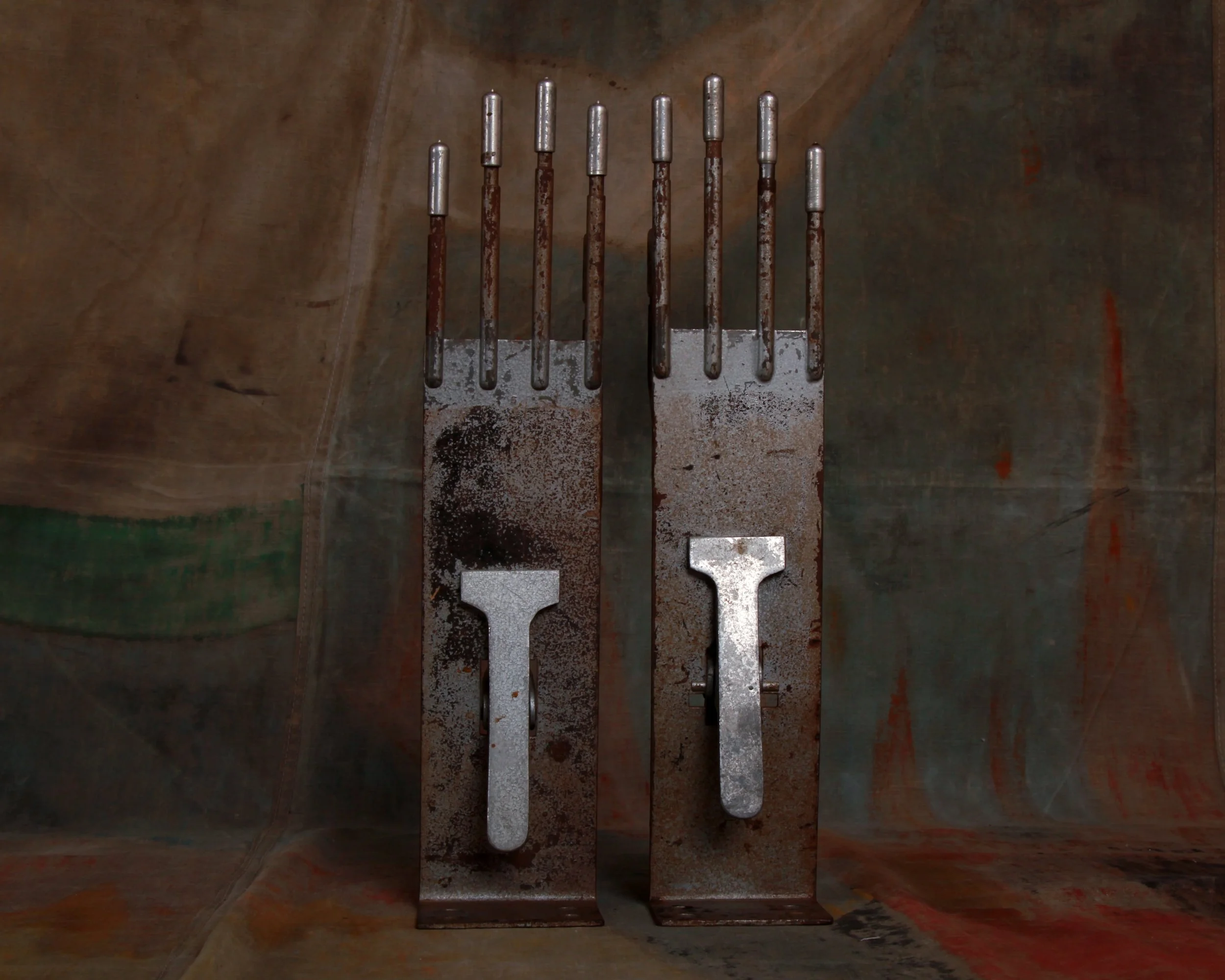
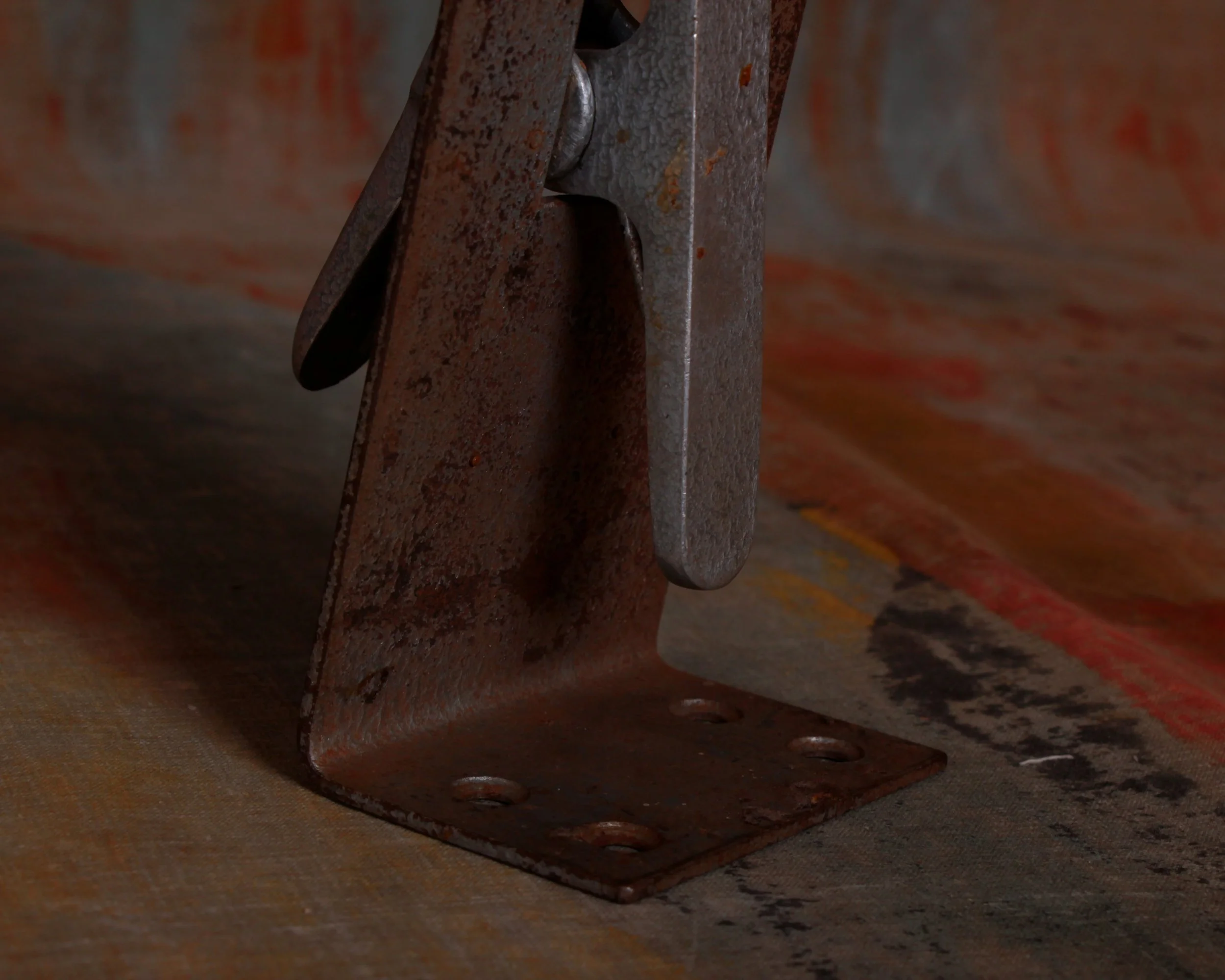
A pair of English sculptural factory glove molds with spring-loaded fingertips. Makers label reads: "A.C.Murphy, Engineer and Toolmaker, Marple Bridge, Cheshire. Tel. Marple 700". First half 20th c.
They each measure W 3.5" x H 16.9"
Category History
Molds are the quiet middlemen of manufacturing—the place where raw material agrees to become something specific. Long before injection molding and precision tooling took over, many industries relied on molds made from wood, plaster, or metal, each chosen for what it needed to endure.
Wooden molds show up early and often. They were easy to carve, quick to replace, and ideal for shaping things like hats, shoes, or even early rubber goods. In glove factories, ceramic or metal hand forms dipped repeatedly into liquid latex built up layers until a finished glove could be peeled away. Popsicles followed a similar logic: metal molds filled with flavored liquid, sticks set in place, then frozen and released with a quick dip in warm water.
As production scaled, metal molds took over—cast iron, aluminum, steel—bringing consistency and longevity. But even then, the process stayed tactile. Heat, pressure, timing. Fill, wait, release. Repeat.
What makes these molds compelling now is how clearly they show the thinking behind the object. Every curve, seam, and vent has a purpose. Many carry scars from use—burn marks, knife cuts, residue from countless cycles.
They’re not the finished product, but they’re where the real work happens. Without them, nothing takes shape.
ITEM NOT AVAILABLE IMMEDIATELY—INQUIRE IF INTERESTED hello@heimweeantiques.com
A pair of English sculptural factory glove molds with spring-loaded fingertips. Makers label reads: "A.C.Murphy, Engineer and Toolmaker, Marple Bridge, Cheshire. Tel. Marple 700". First half 20th c.
They each measure W 3.5" x H 16.9"
Category History
Molds are the quiet middlemen of manufacturing—the place where raw material agrees to become something specific. Long before injection molding and precision tooling took over, many industries relied on molds made from wood, plaster, or metal, each chosen for what it needed to endure.
Wooden molds show up early and often. They were easy to carve, quick to replace, and ideal for shaping things like hats, shoes, or even early rubber goods. In glove factories, ceramic or metal hand forms dipped repeatedly into liquid latex built up layers until a finished glove could be peeled away. Popsicles followed a similar logic: metal molds filled with flavored liquid, sticks set in place, then frozen and released with a quick dip in warm water.
As production scaled, metal molds took over—cast iron, aluminum, steel—bringing consistency and longevity. But even then, the process stayed tactile. Heat, pressure, timing. Fill, wait, release. Repeat.
What makes these molds compelling now is how clearly they show the thinking behind the object. Every curve, seam, and vent has a purpose. Many carry scars from use—burn marks, knife cuts, residue from countless cycles.
They’re not the finished product, but they’re where the real work happens. Without them, nothing takes shape.