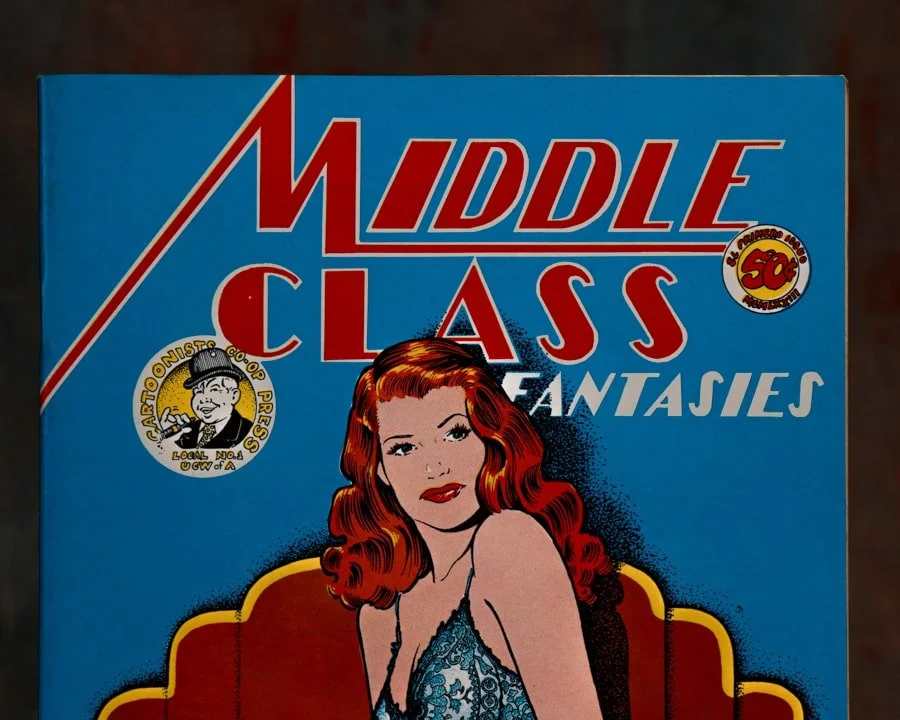
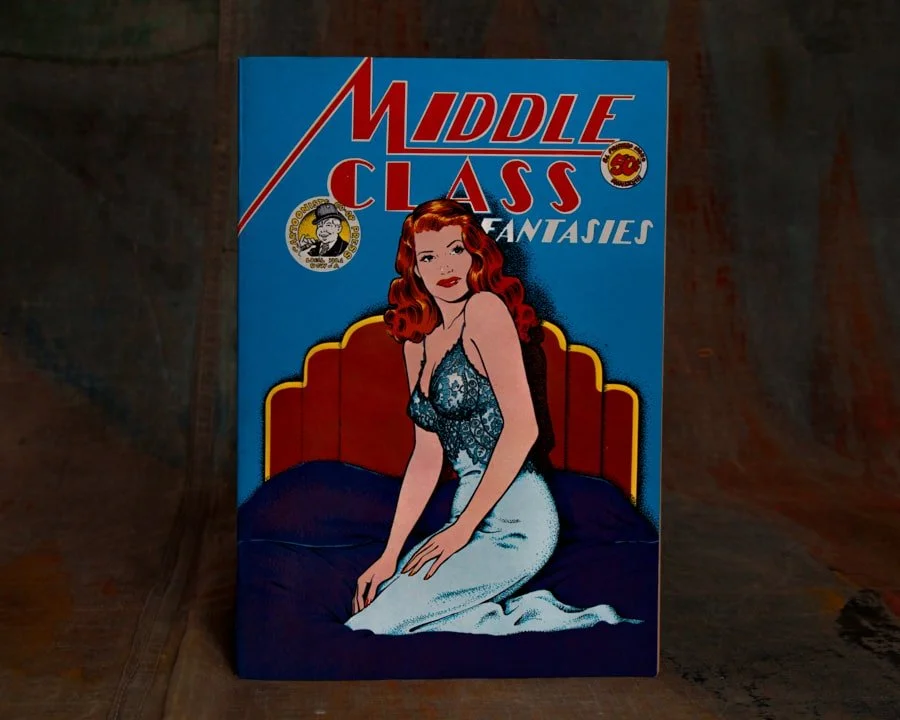
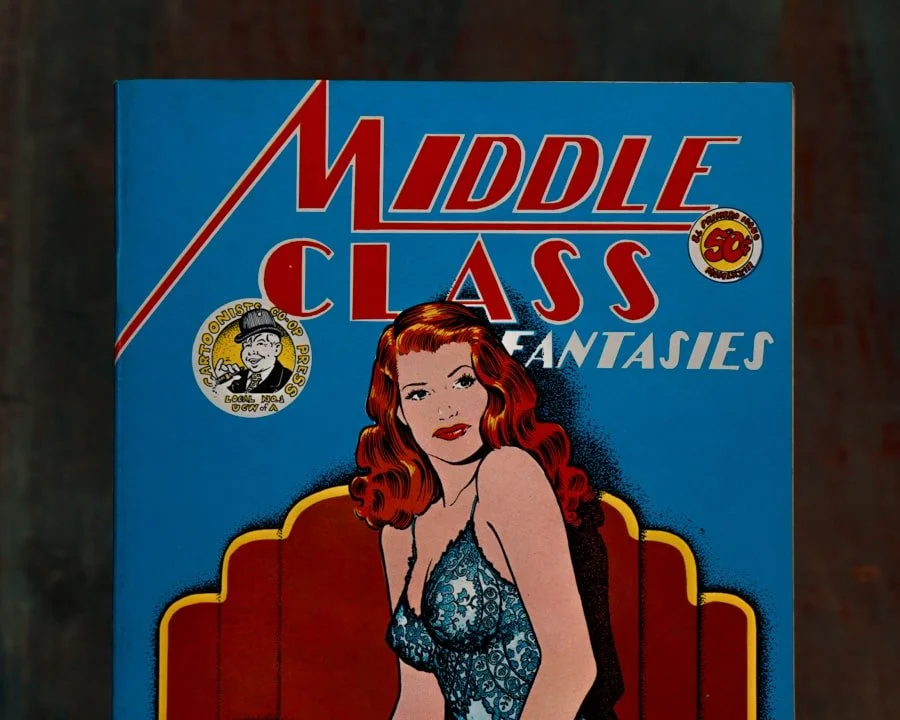
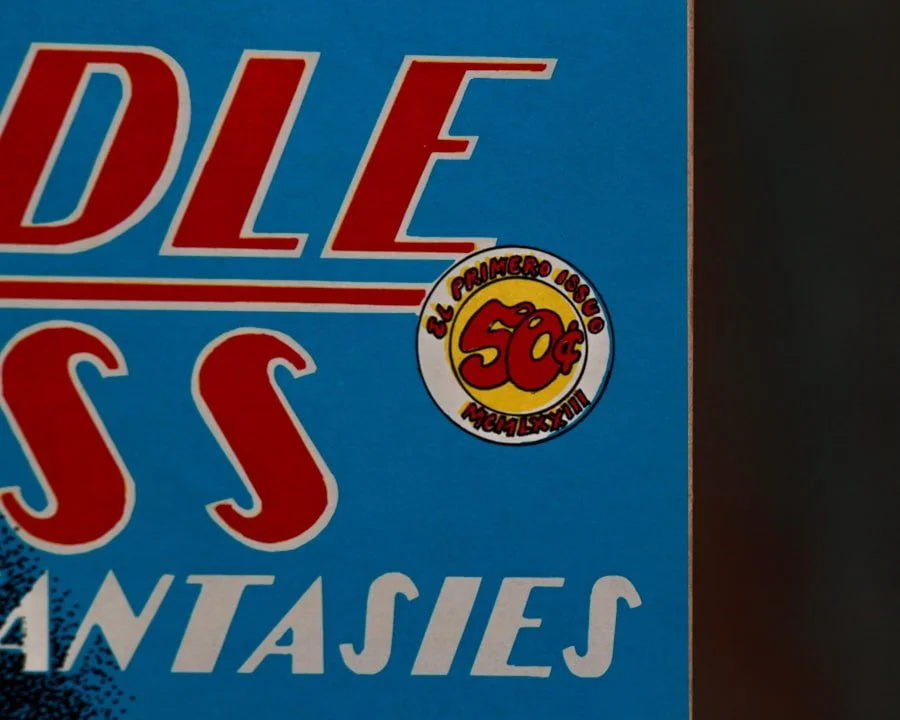
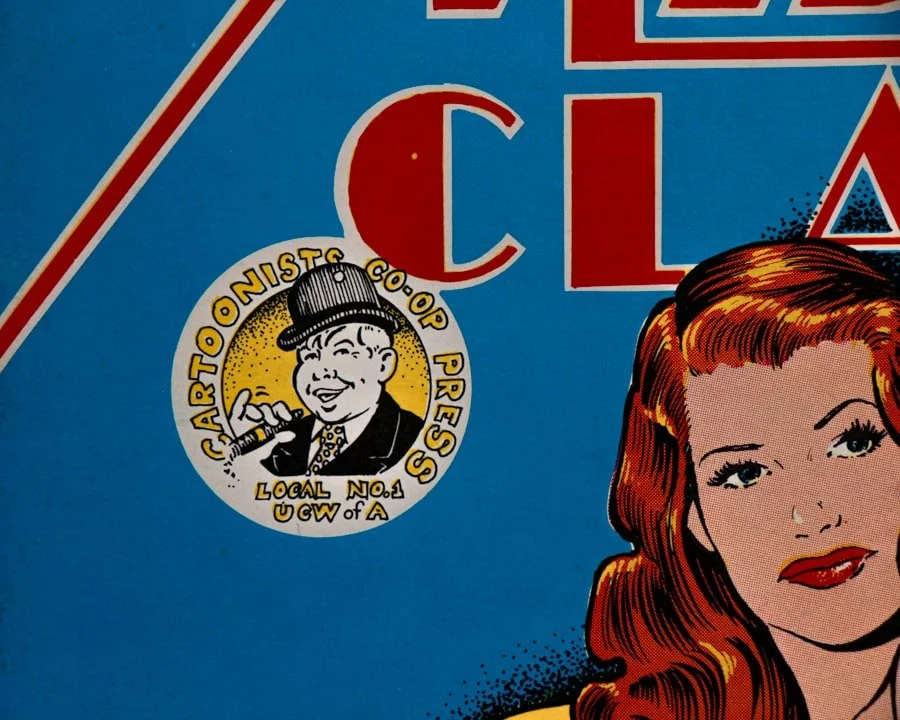
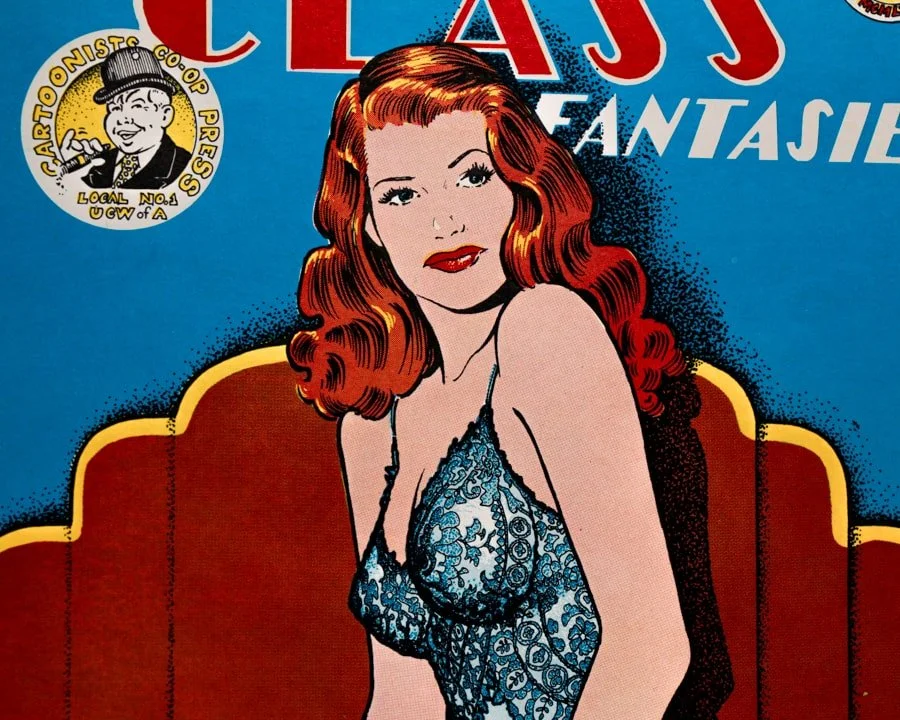
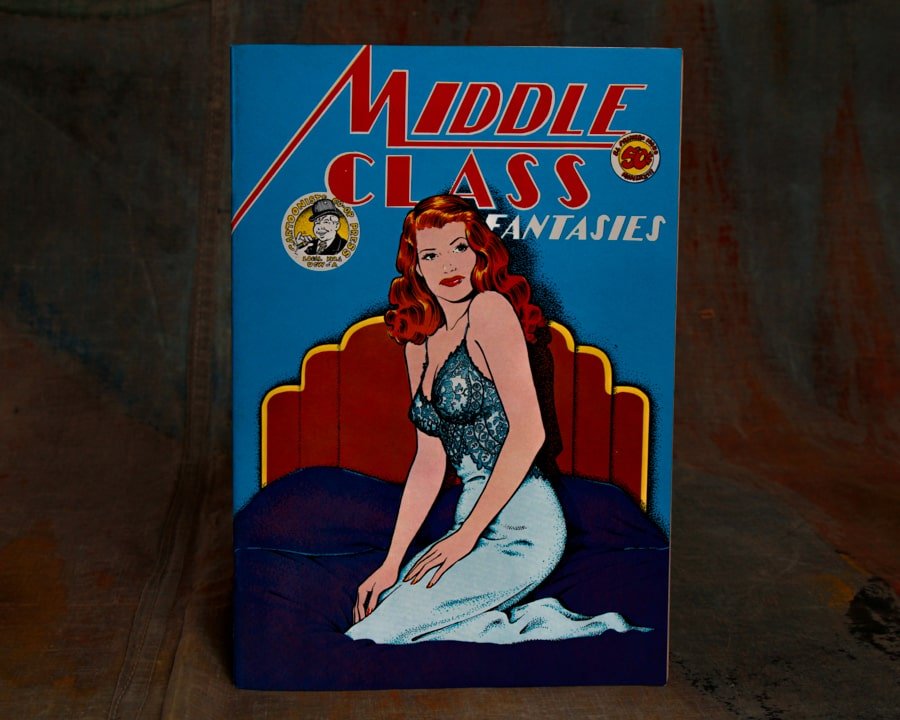
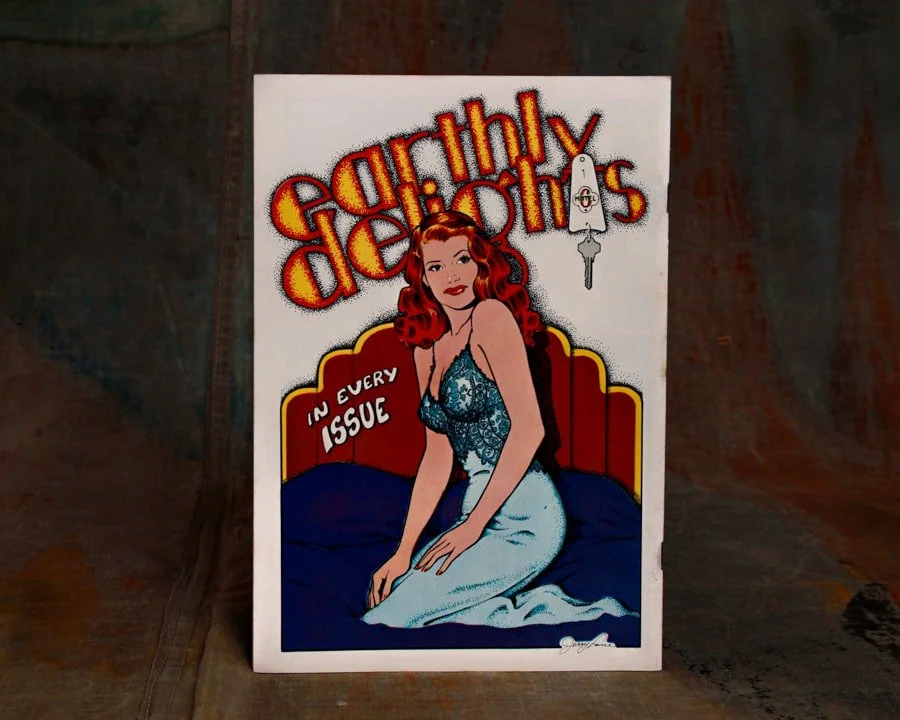
Dive into the countercultural revolution of the 1970s with this first-printing edition of Middle Class Fantasies, a provocative underground comic from 1973. Created by cartoonist Jerry Lane as part of his Master’s thesis in art at California State University. With its movie-themed narrative and boundary-pushing humor, Middle Class Fantasies captures the rebellious spirit of underground comics, where art and storytelling collided to challenge societal norms.
Category History
The 1970s underground comix movement felt like someone had taken the rulebook of mainstream comics, lit it on fire, and kept drawing anyway. These weren’t polished, mass-market superhero stories—they were raw, self-published, and often deliberately provocative. Artists like Robert Crumb, Spain Rodriguez, and Gilbert Shelton pushed comics into territory that major publishers wouldn’t touch: counterculture politics, sex, drugs, satire, and everyday absurdity.
Distribution was just as unconventional. Instead of newsstands, these comics showed up in head shops, record stores, and anywhere the counterculture had a foothold. Printing was often cheap and fast—black ink on rough paper—giving the work a gritty immediacy that matched the content.
What makes the movement compelling is its refusal to separate art from life. These artists weren’t trying to escape reality; they were documenting it, exaggerating it, and sometimes poking it with a stick. The drawing styles varied wildly—some crude, some incredibly detailed—but all carried a strong, personal voice.
Over time, the influence spread. What started as fringe material helped redefine what comics could be, opening the door for graphic novels and more experimental storytelling. Imperfect, confrontational, and unapologetically honest, underground comix didn’t just break rules—they made new ones.
Dive into the countercultural revolution of the 1970s with this first-printing edition of Middle Class Fantasies, a provocative underground comic from 1973. Created by cartoonist Jerry Lane as part of his Master’s thesis in art at California State University. With its movie-themed narrative and boundary-pushing humor, Middle Class Fantasies captures the rebellious spirit of underground comics, where art and storytelling collided to challenge societal norms.
Category History
The 1970s underground comix movement felt like someone had taken the rulebook of mainstream comics, lit it on fire, and kept drawing anyway. These weren’t polished, mass-market superhero stories—they were raw, self-published, and often deliberately provocative. Artists like Robert Crumb, Spain Rodriguez, and Gilbert Shelton pushed comics into territory that major publishers wouldn’t touch: counterculture politics, sex, drugs, satire, and everyday absurdity.
Distribution was just as unconventional. Instead of newsstands, these comics showed up in head shops, record stores, and anywhere the counterculture had a foothold. Printing was often cheap and fast—black ink on rough paper—giving the work a gritty immediacy that matched the content.
What makes the movement compelling is its refusal to separate art from life. These artists weren’t trying to escape reality; they were documenting it, exaggerating it, and sometimes poking it with a stick. The drawing styles varied wildly—some crude, some incredibly detailed—but all carried a strong, personal voice.
Over time, the influence spread. What started as fringe material helped redefine what comics could be, opening the door for graphic novels and more experimental storytelling. Imperfect, confrontational, and unapologetically honest, underground comix didn’t just break rules—they made new ones.