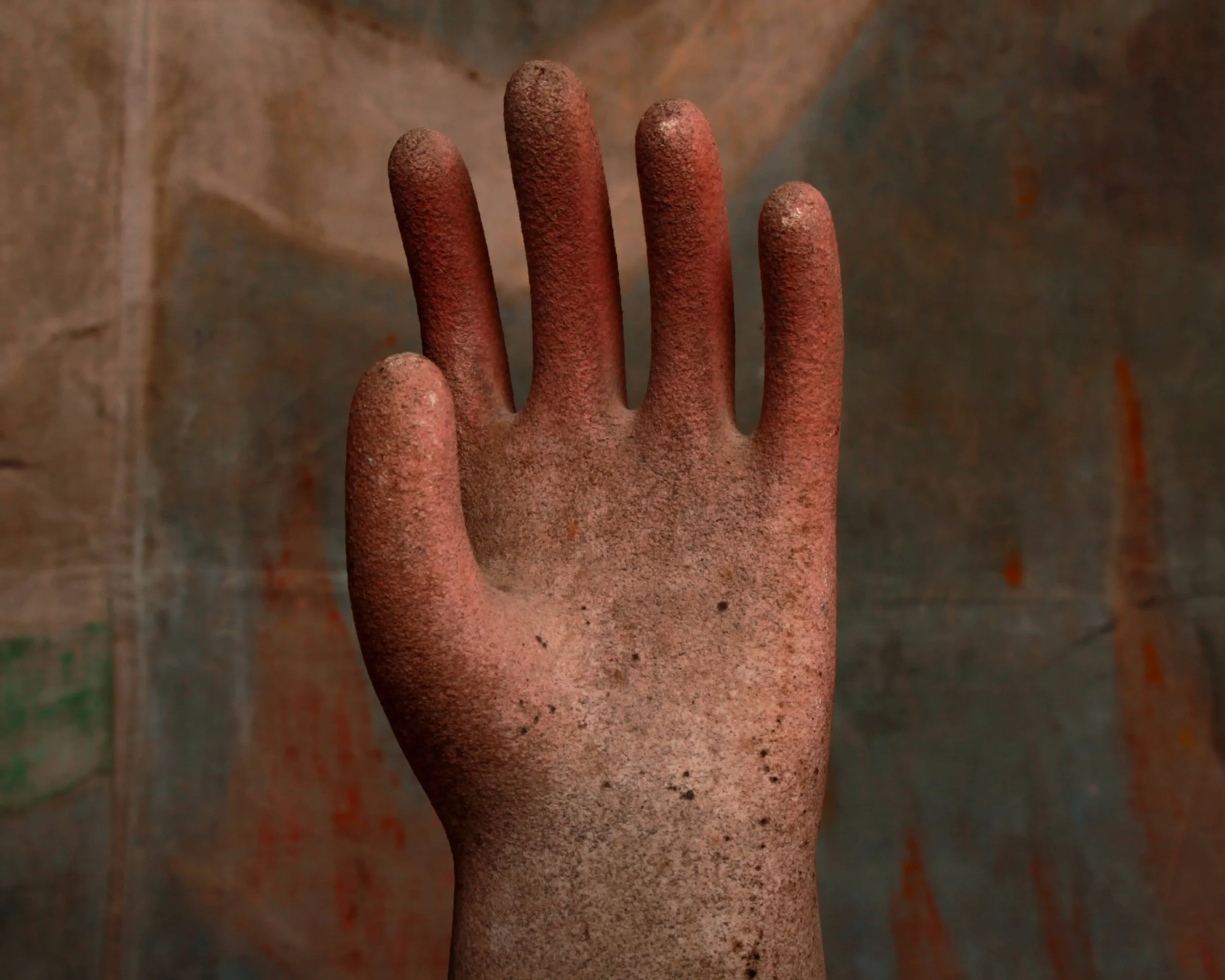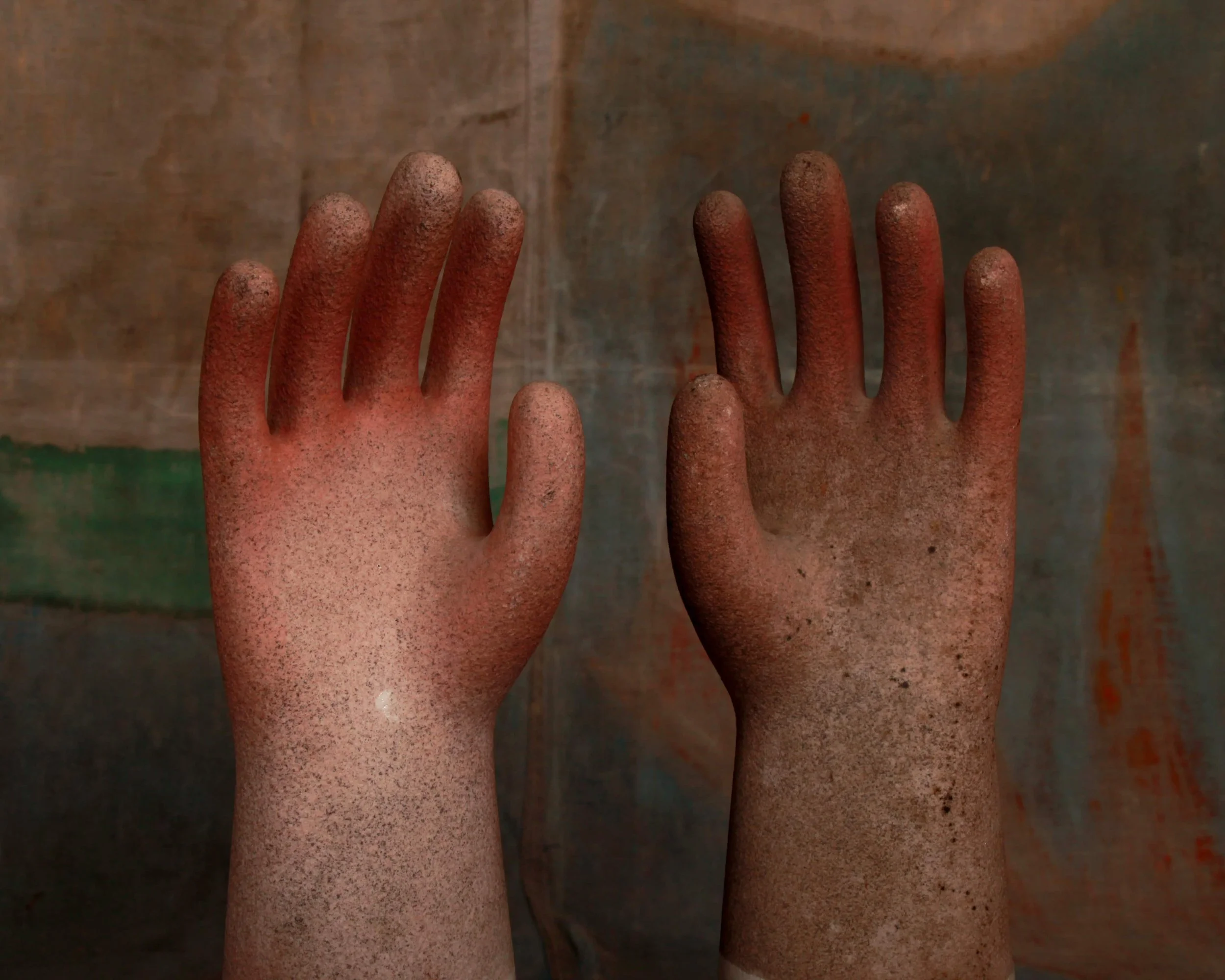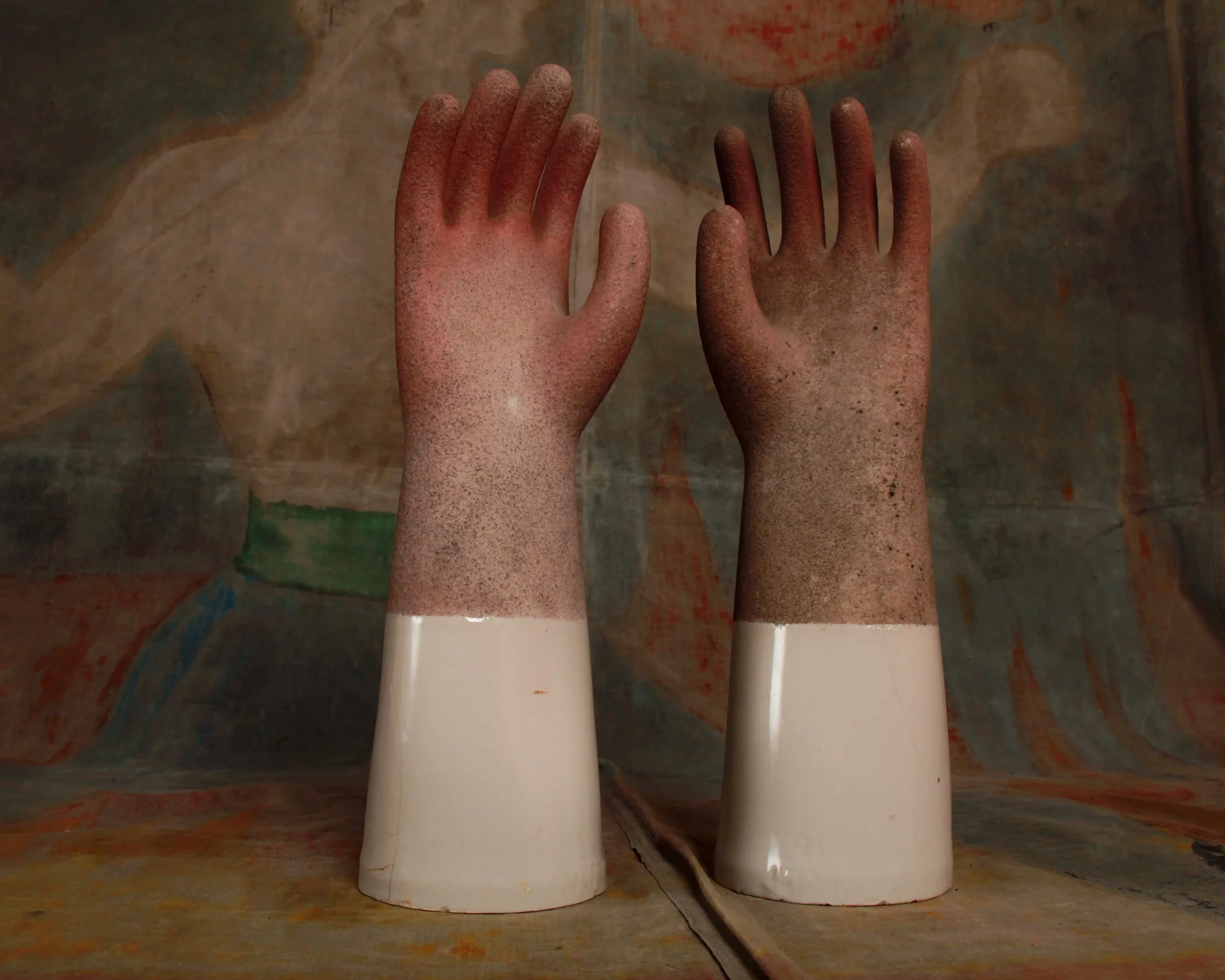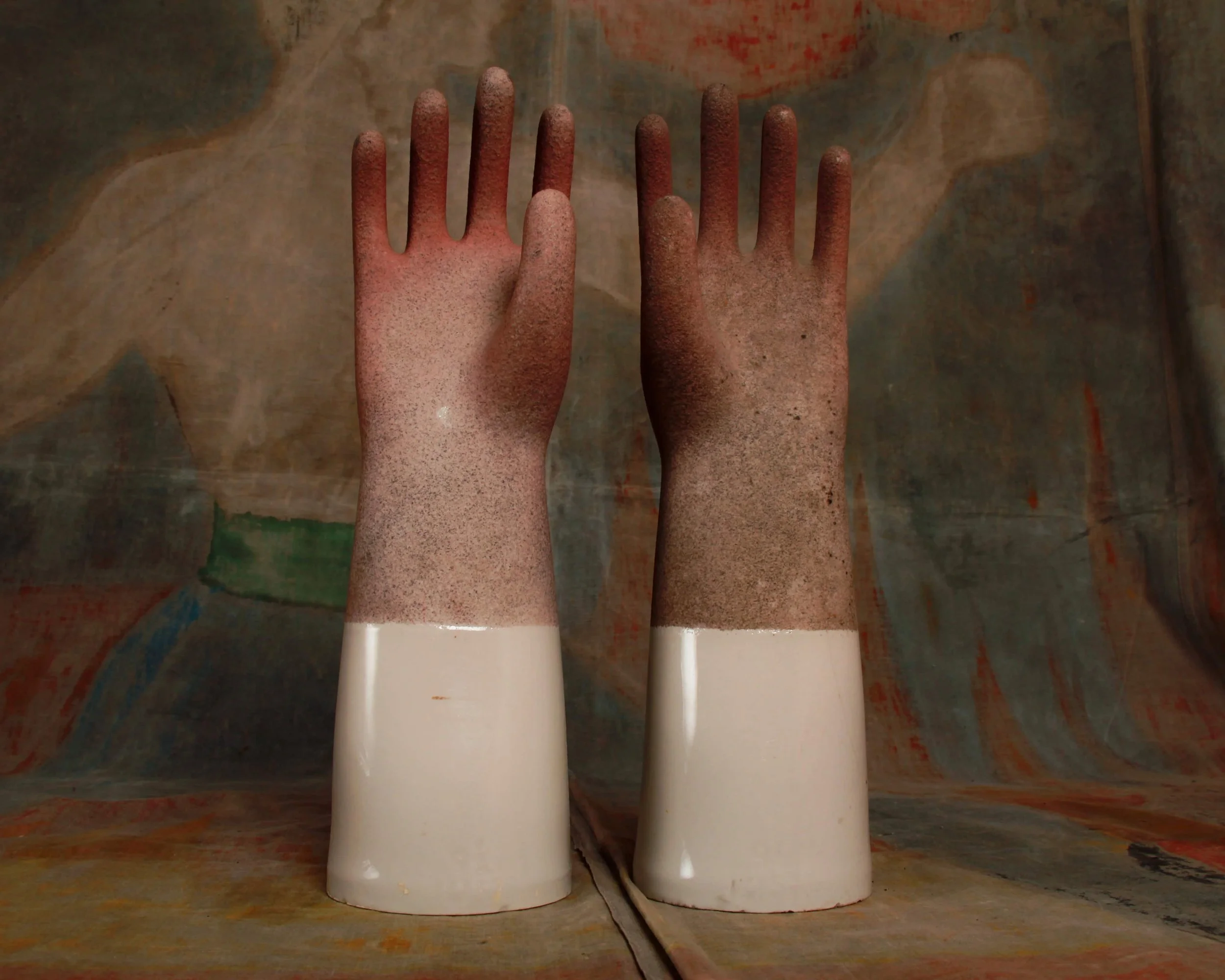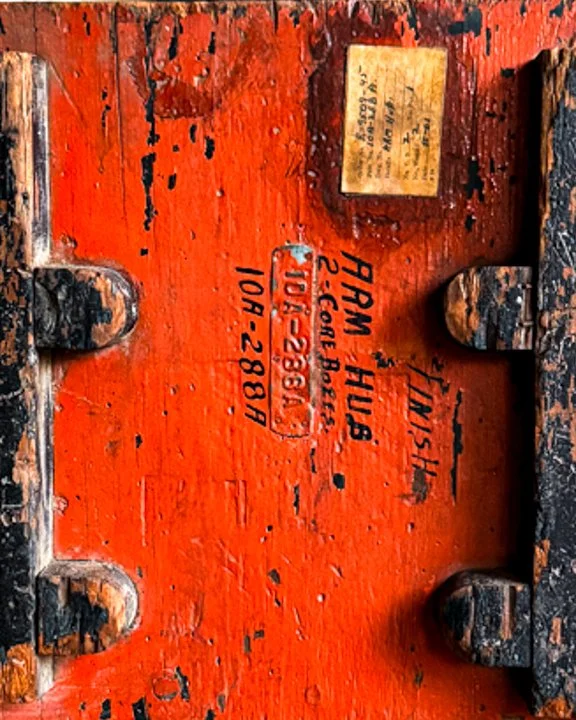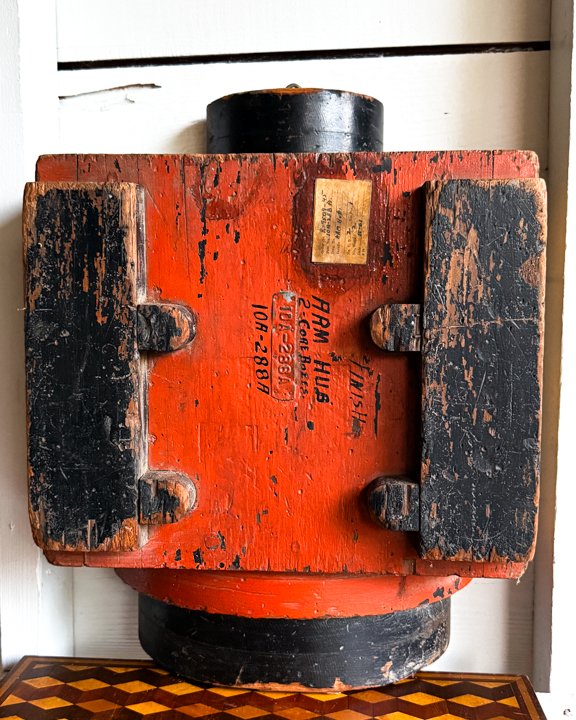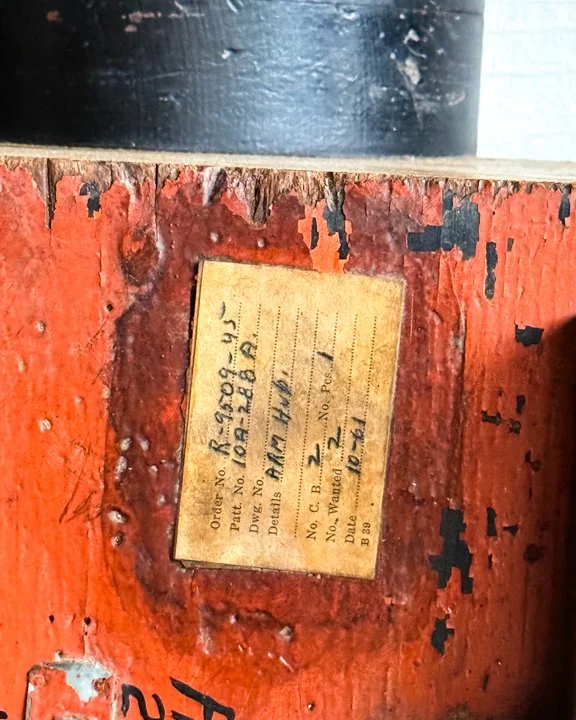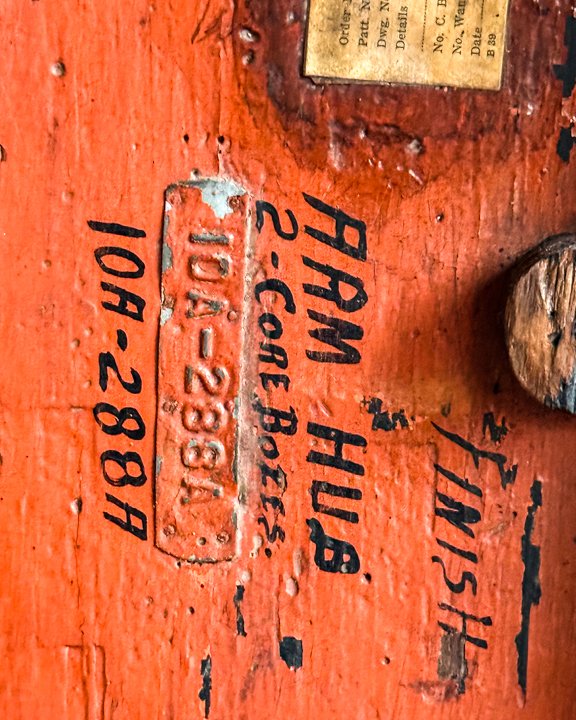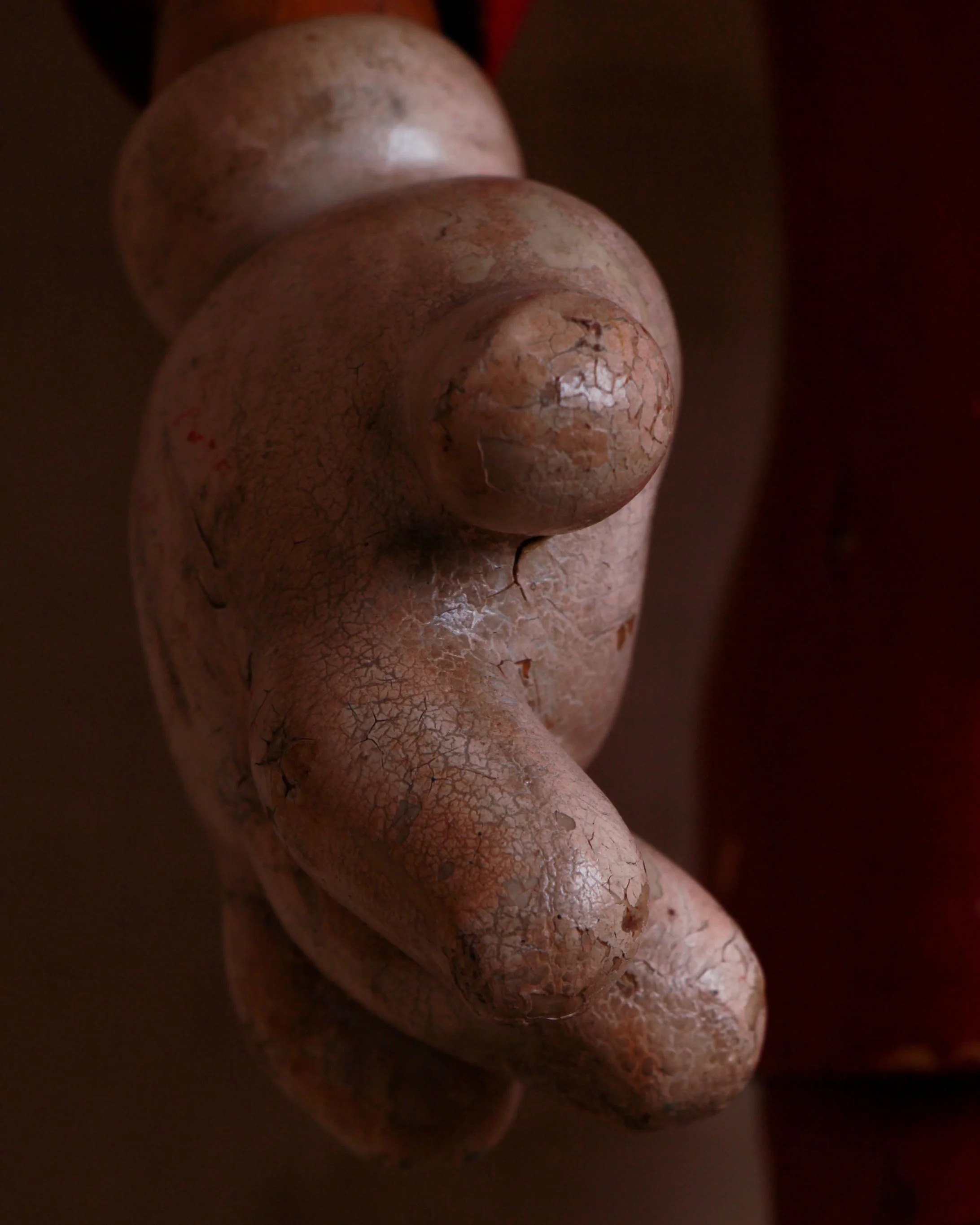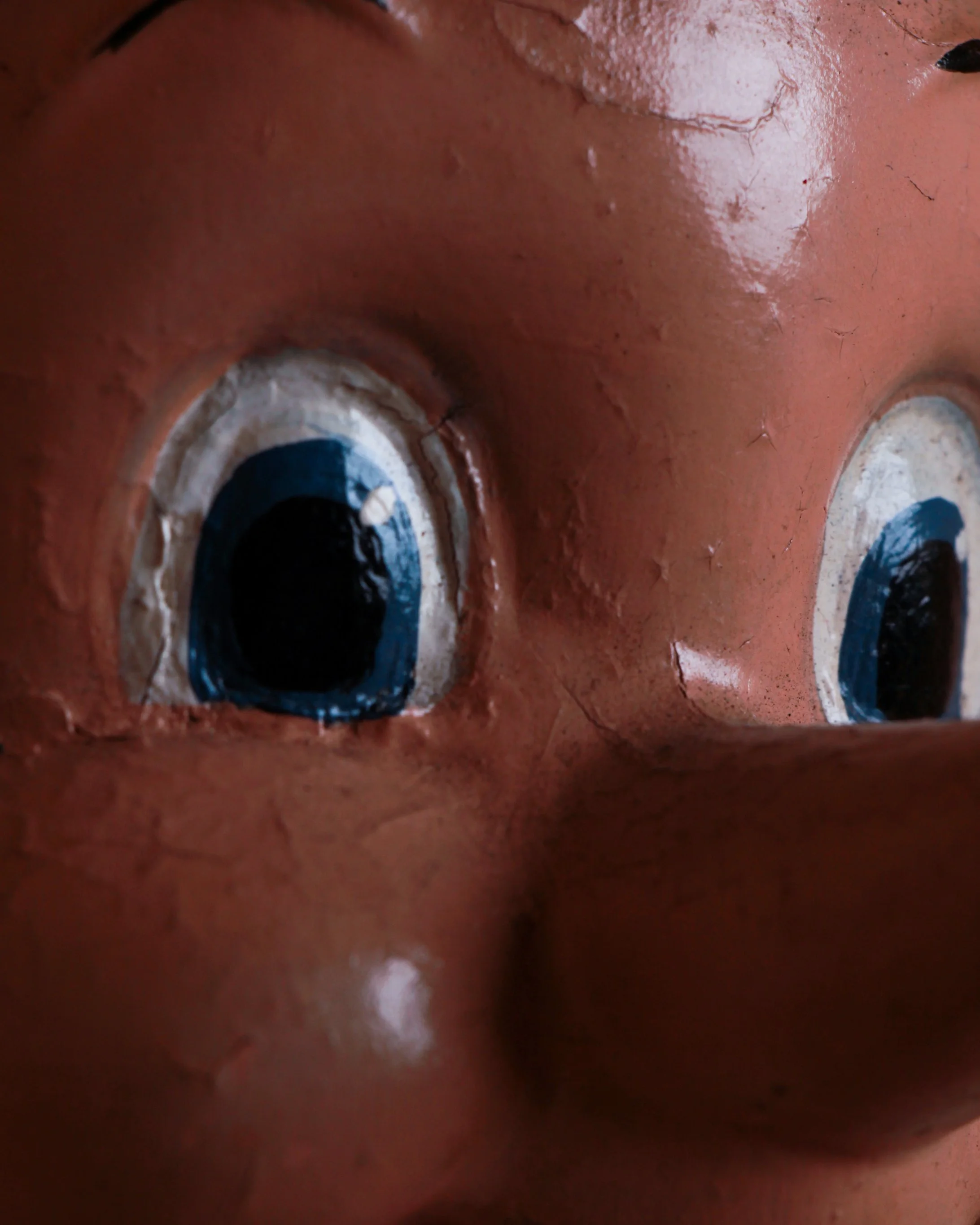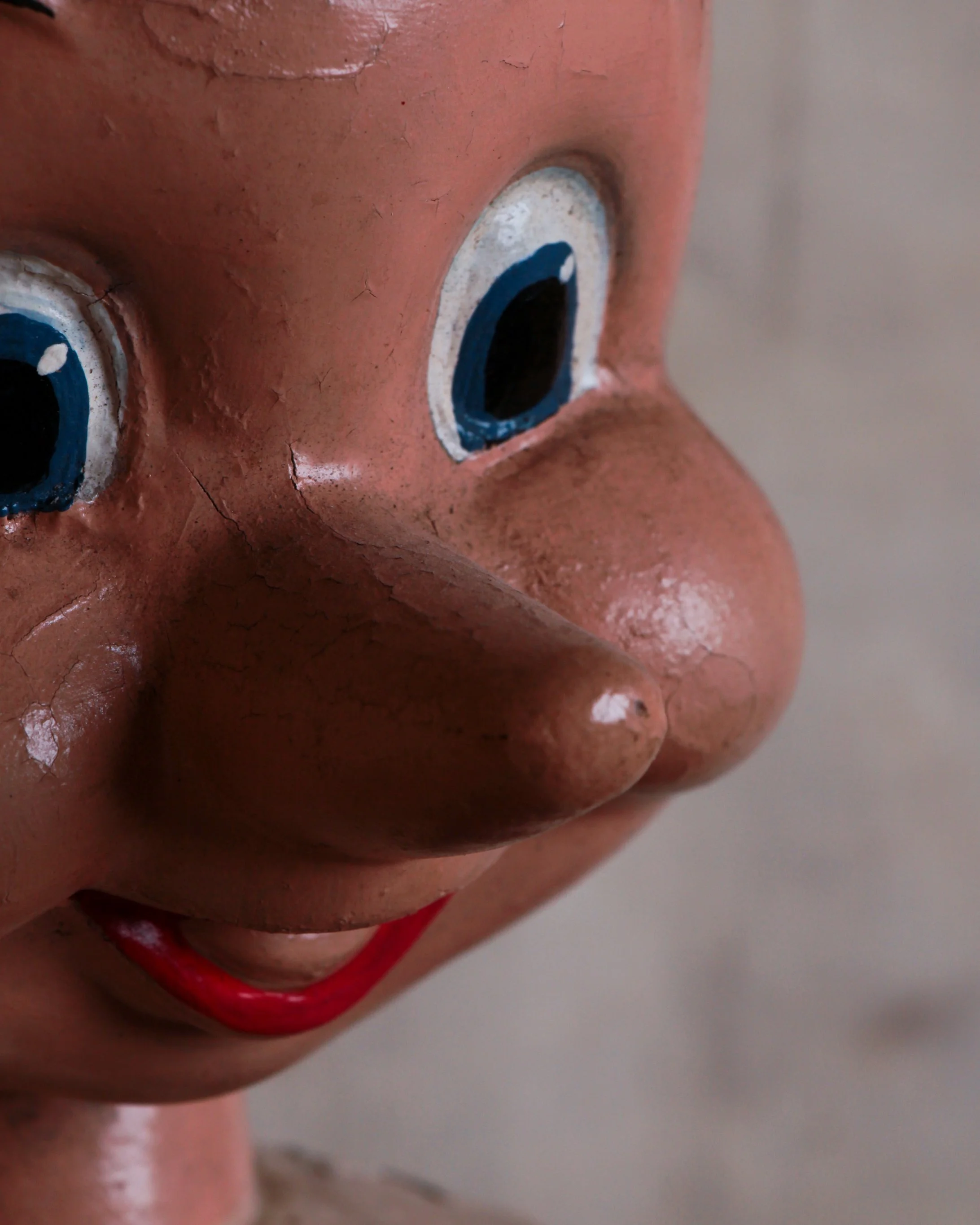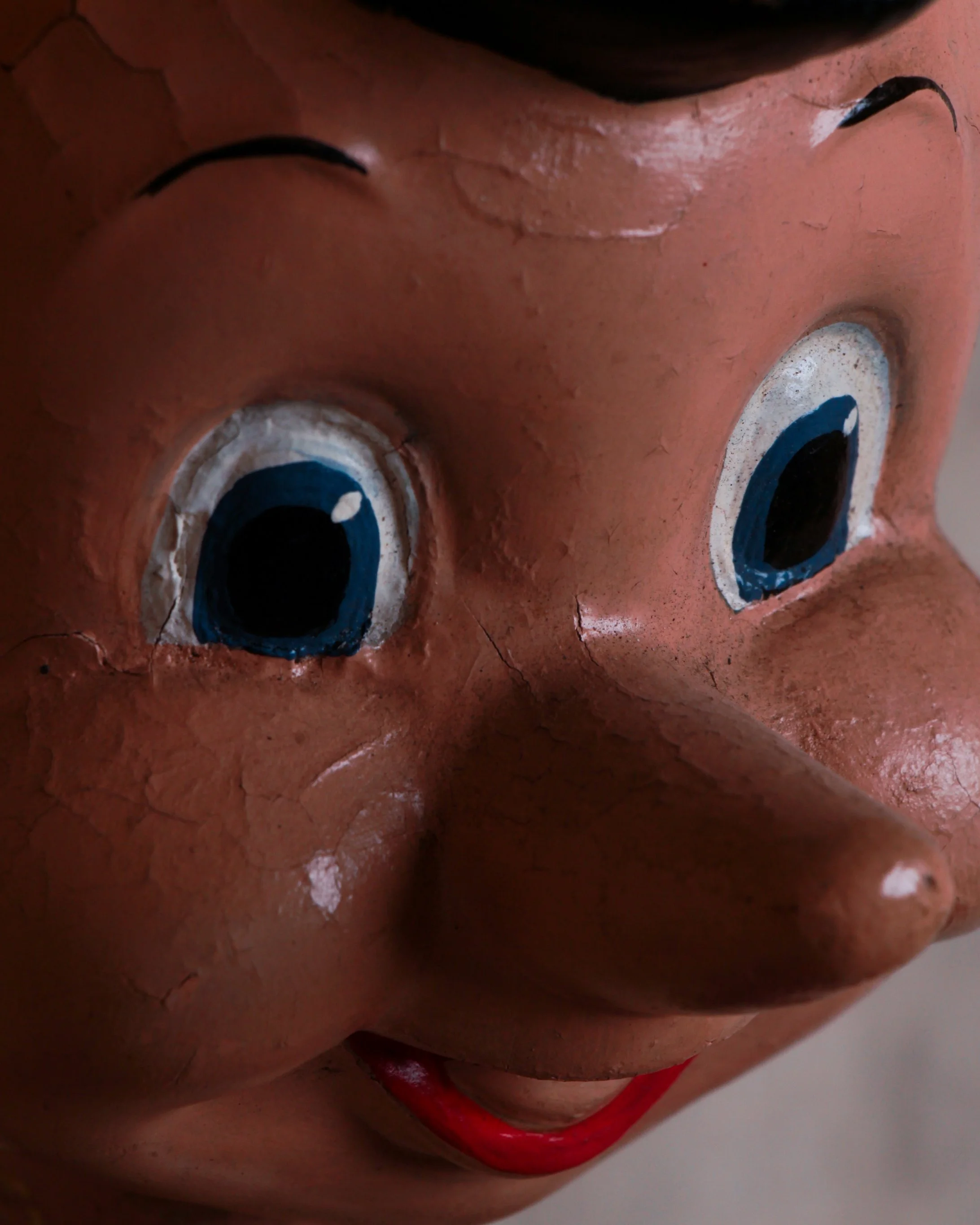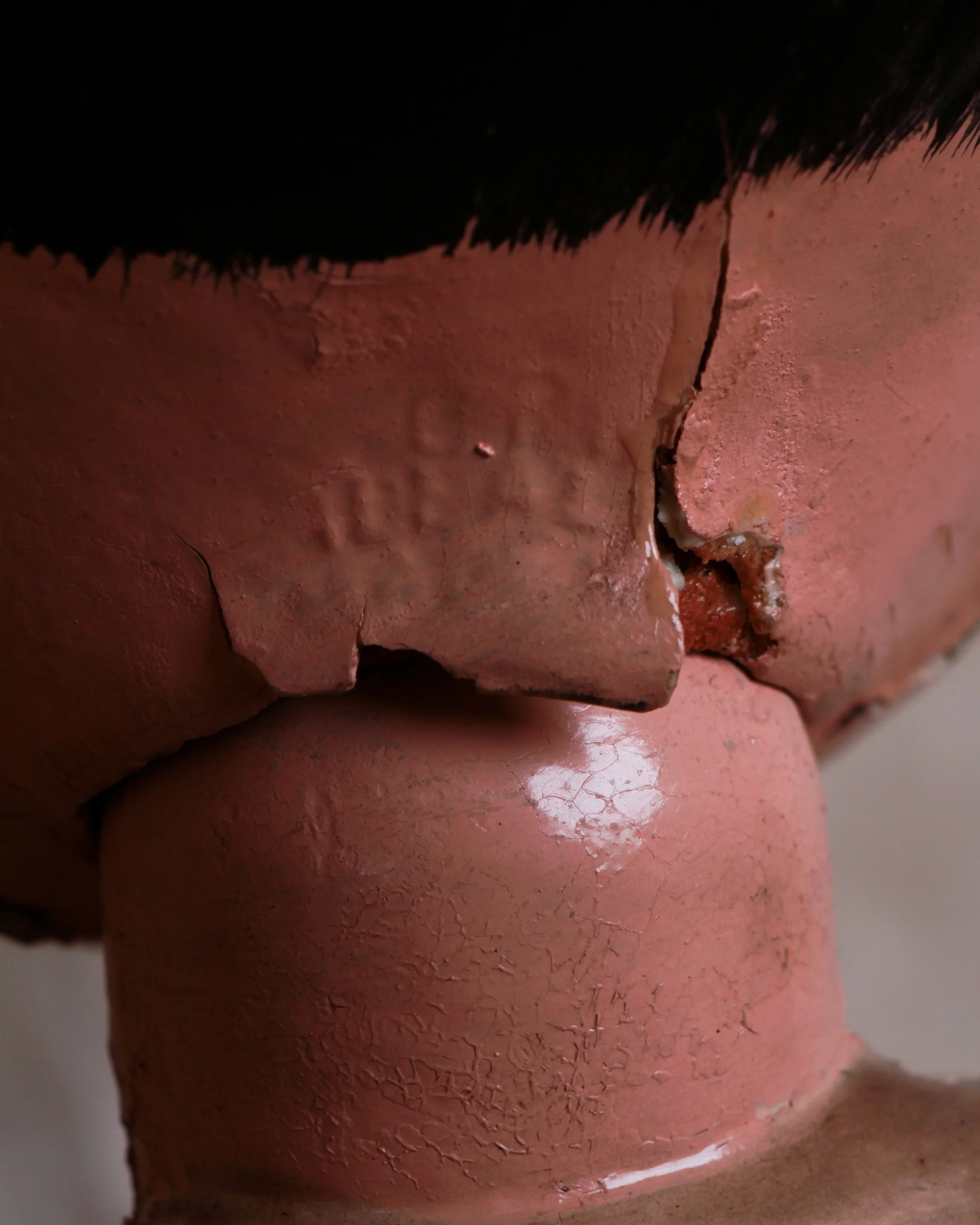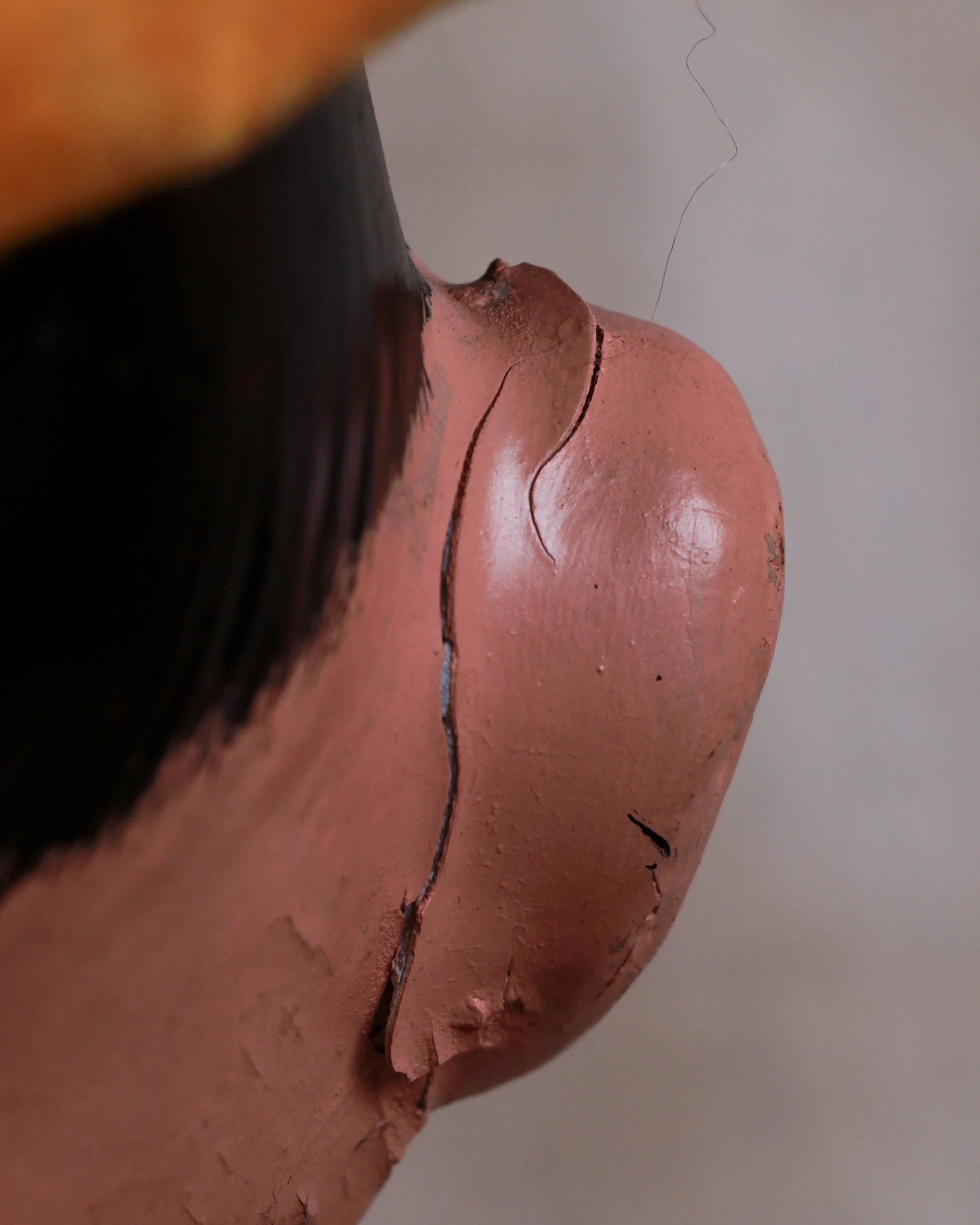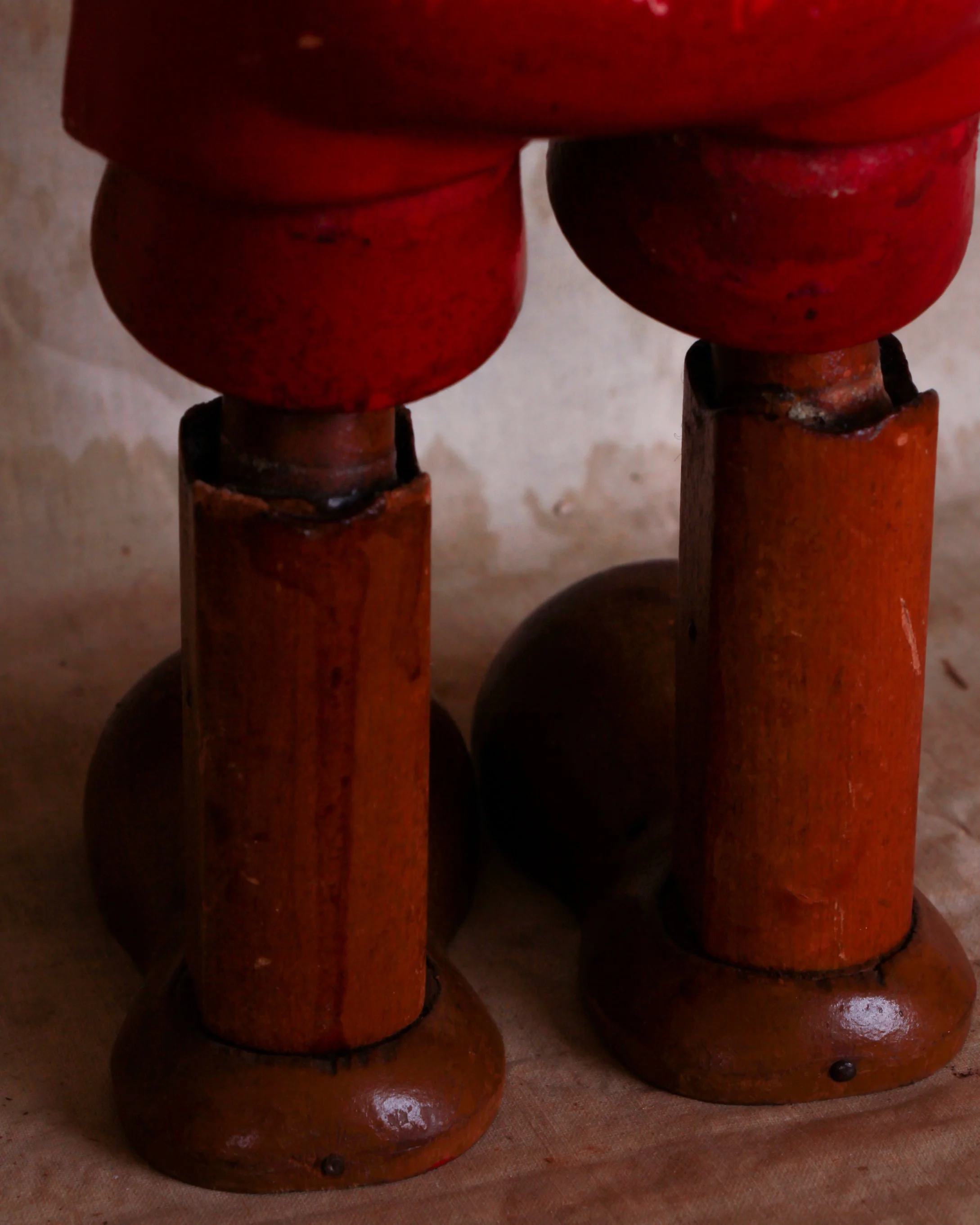
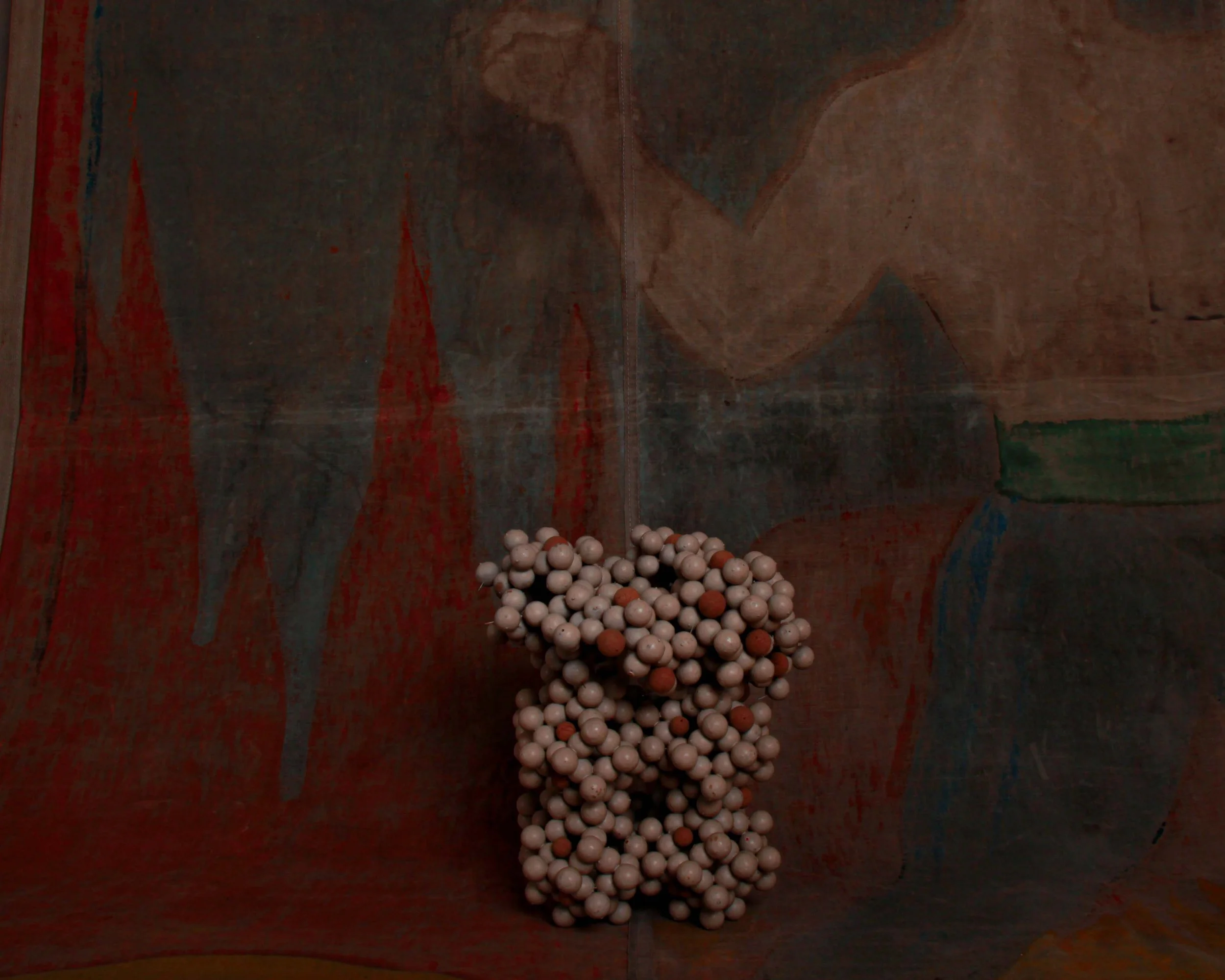
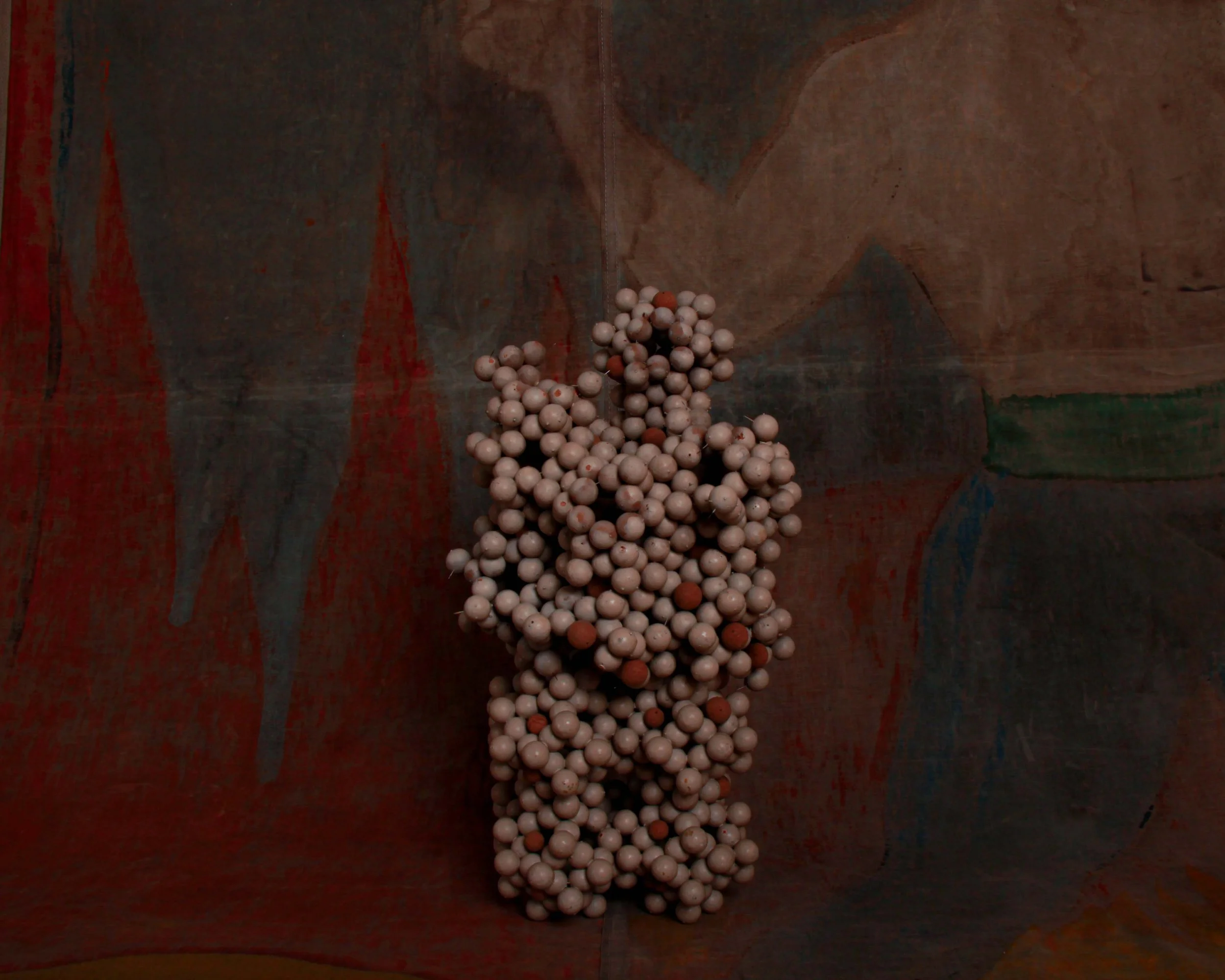
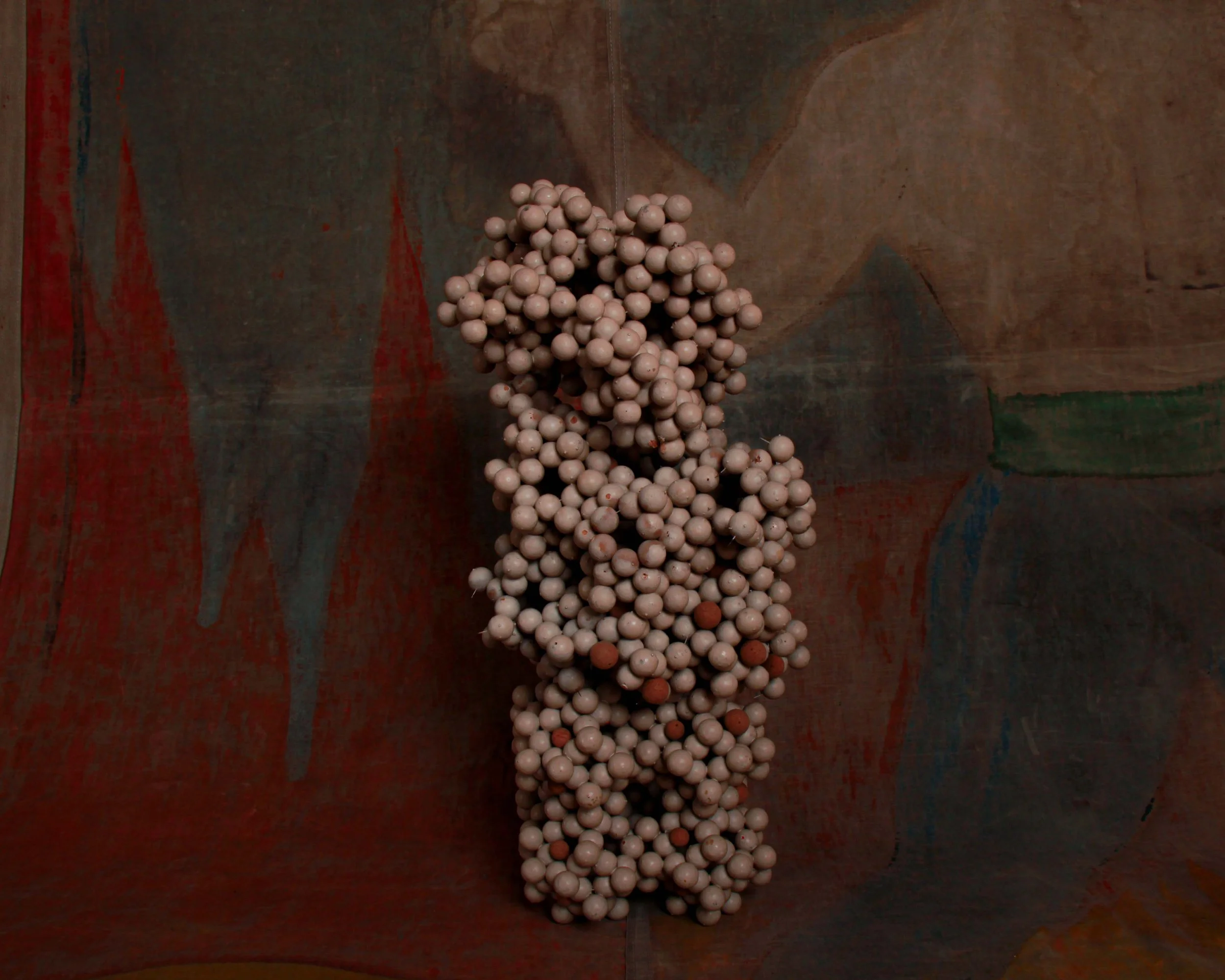
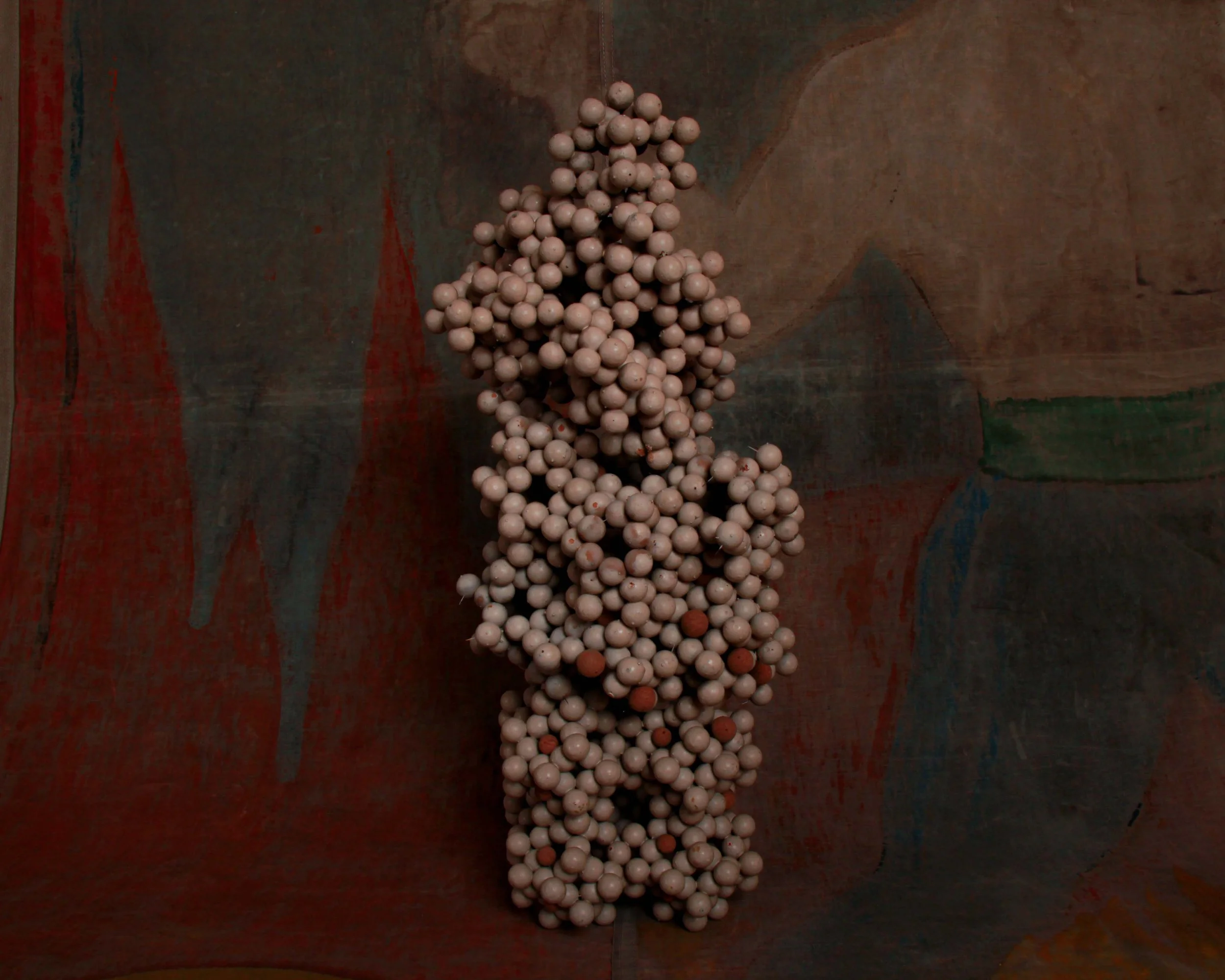
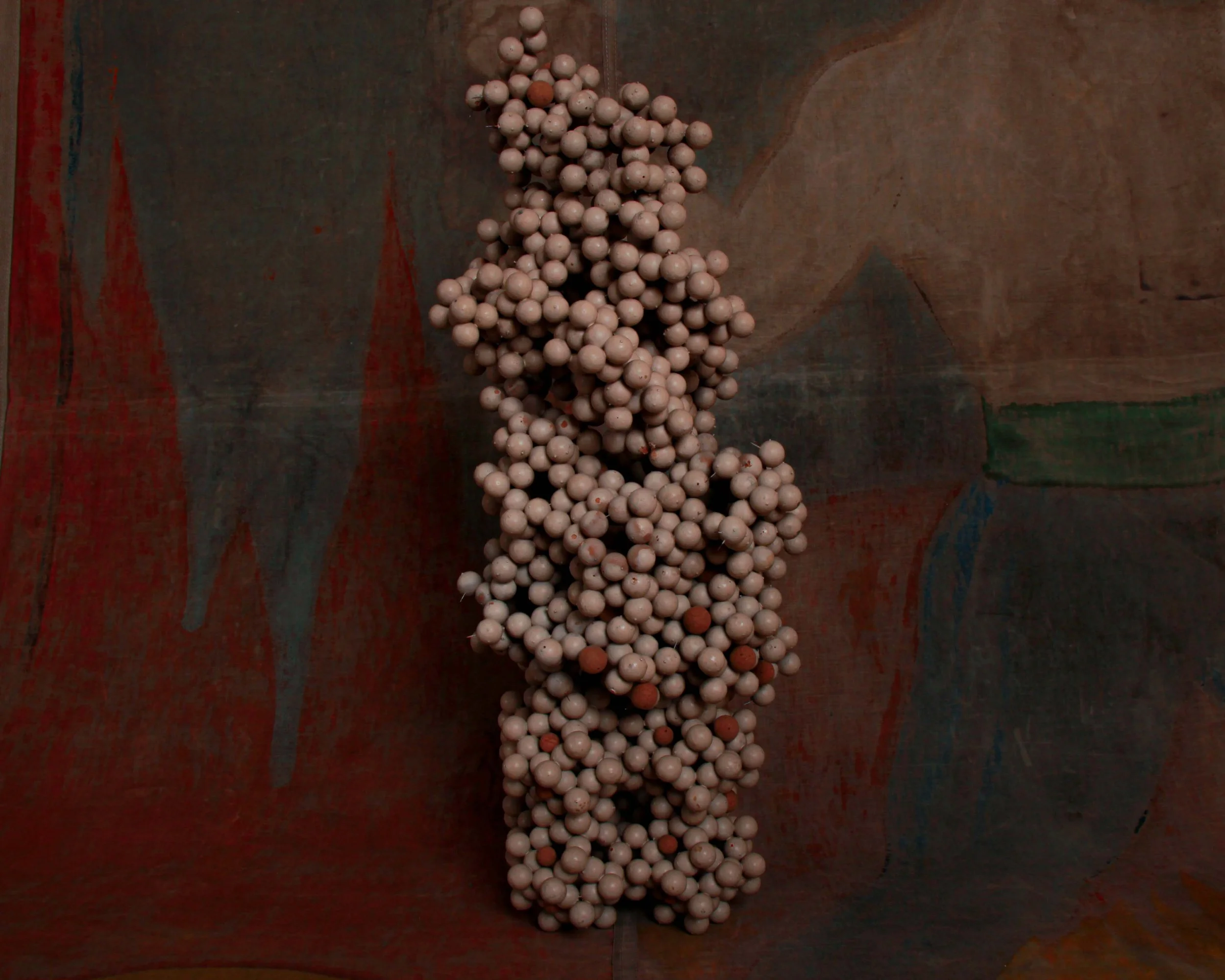
This is the kind of object that quietly slips from classroom tool to full-on sculpture without ever changing its posture. Originally made as a school scientific teaching aid, these cork-and-pin cell or molecular forms were designed to explain structure and connection. Somewhere along the way, they forgot about the lesson plan and leaned hard into abstraction.
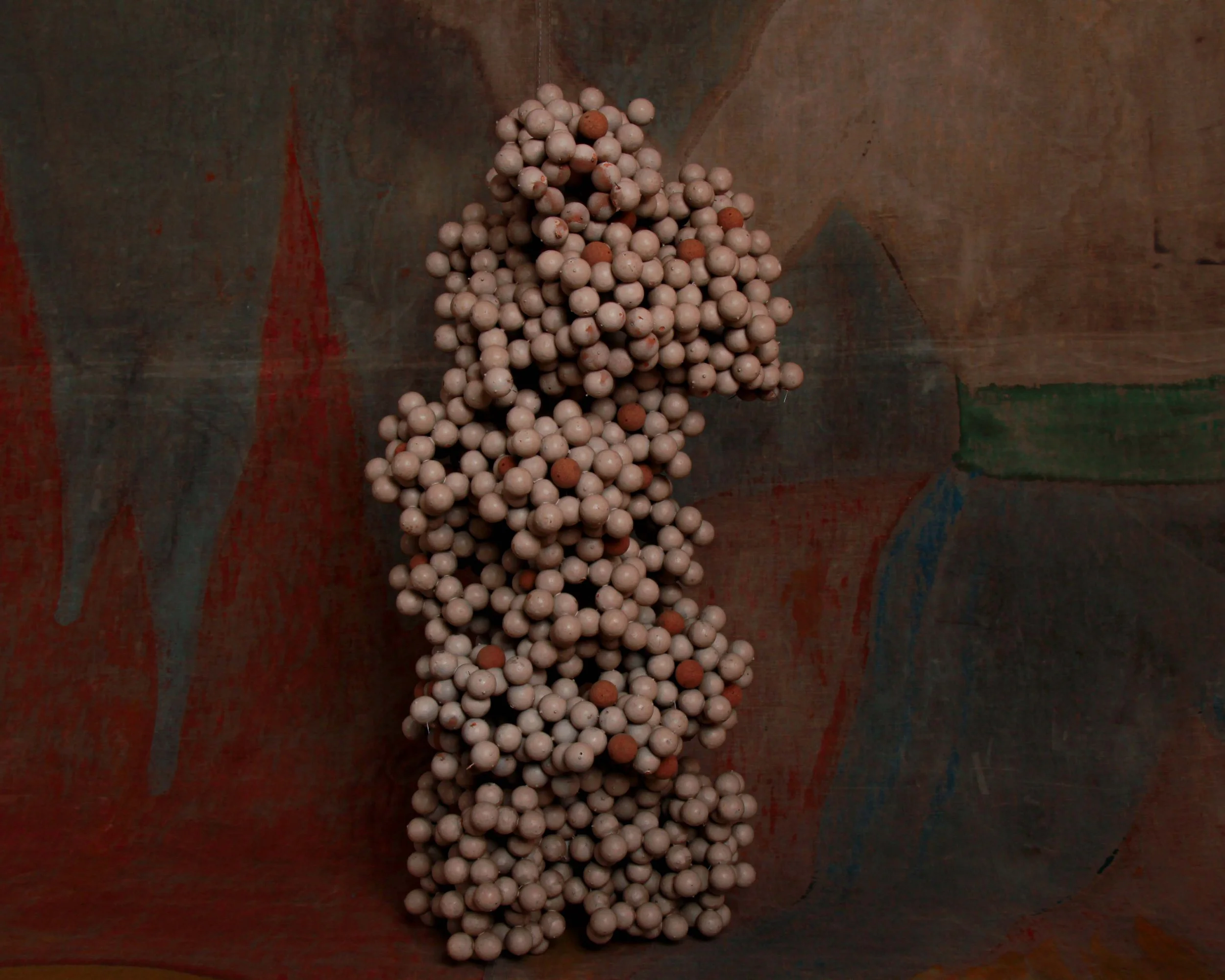
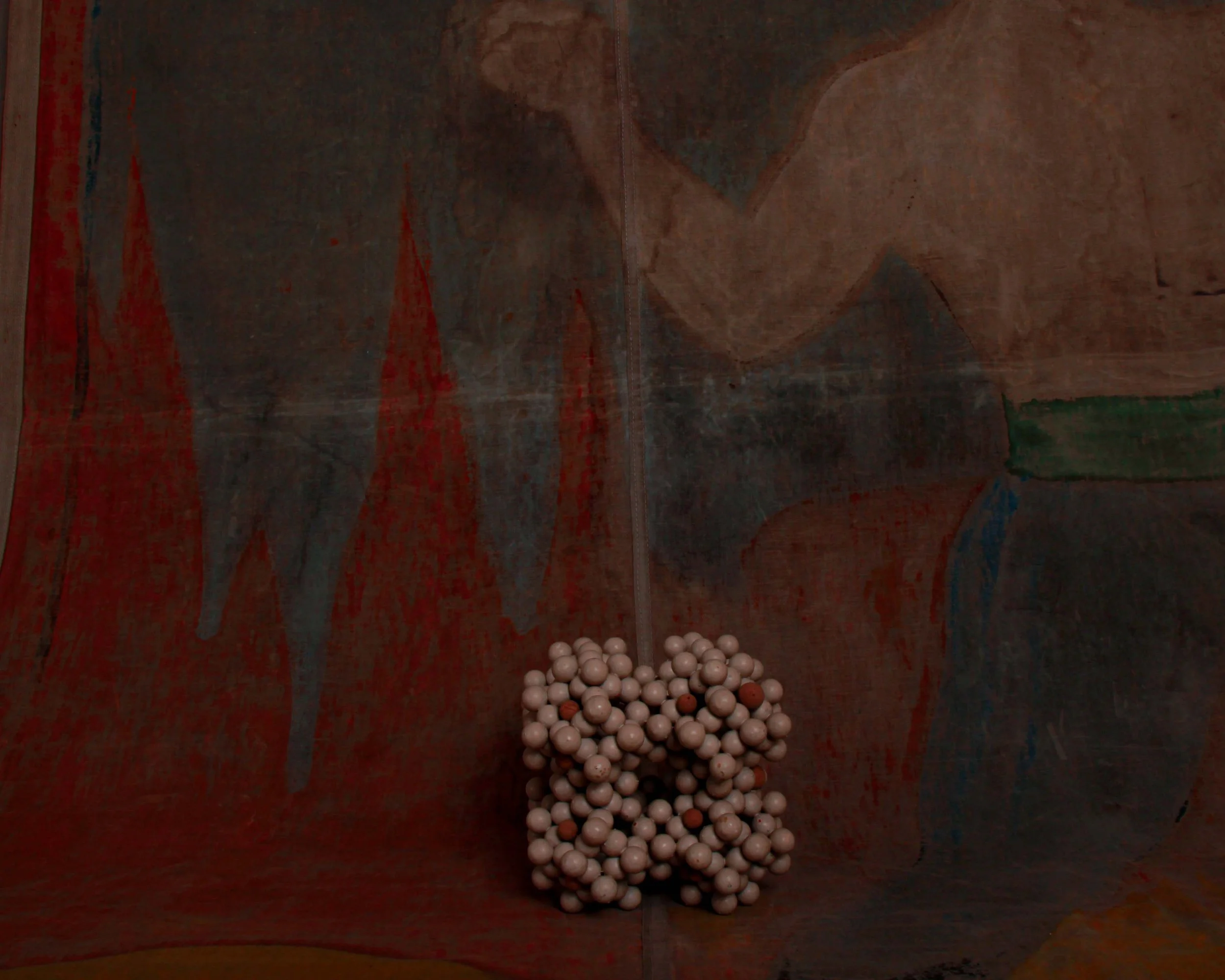
The piece is made up of six separate sections, each composed of dozens of cork spheres joined by fine metal pins. Individually, they feel like clustered constellations or magnified cells caught mid-division. When stacked together, they form a single vertical sculptural column that feels almost architectural, like a totem built out of ideas instead of stone.
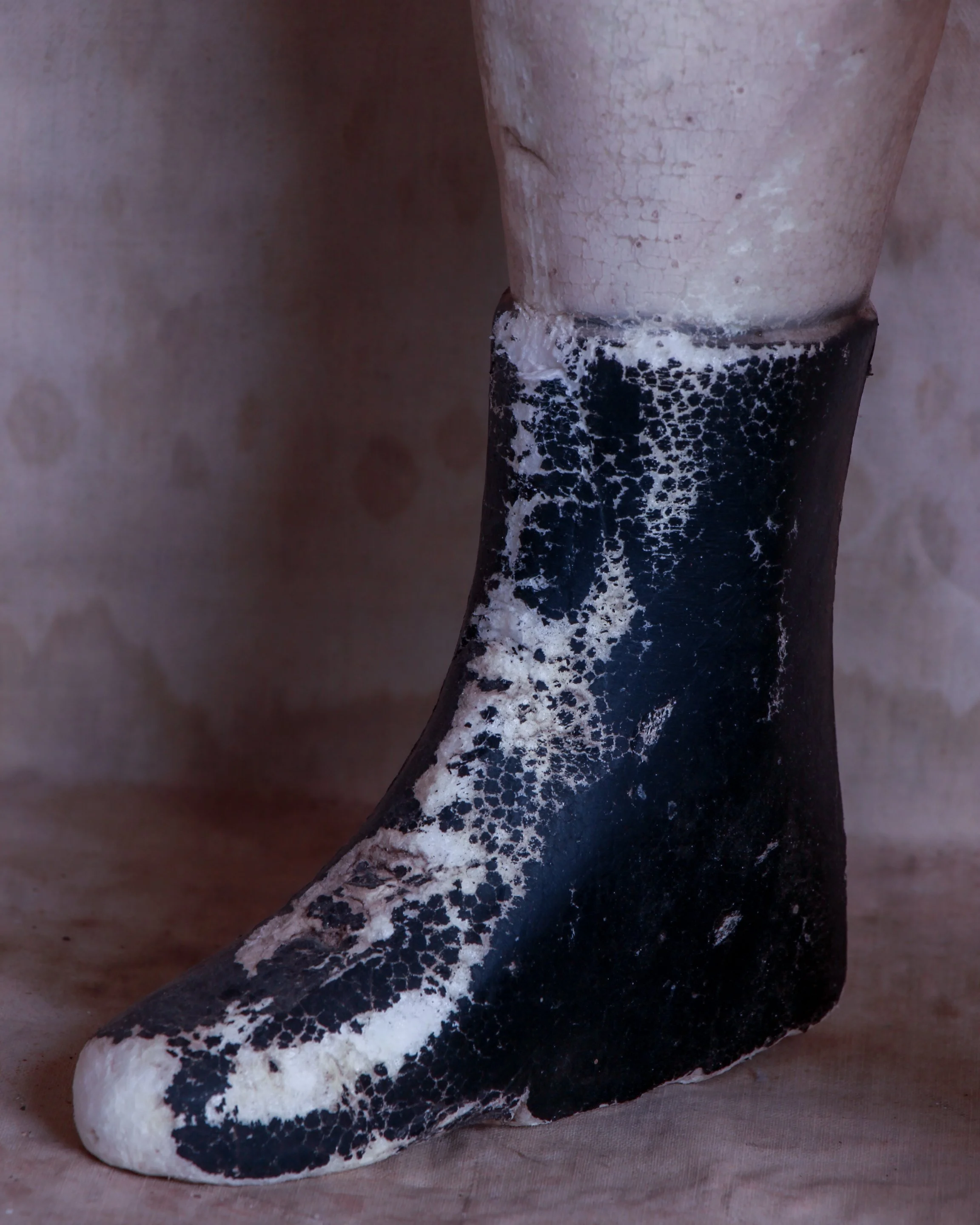
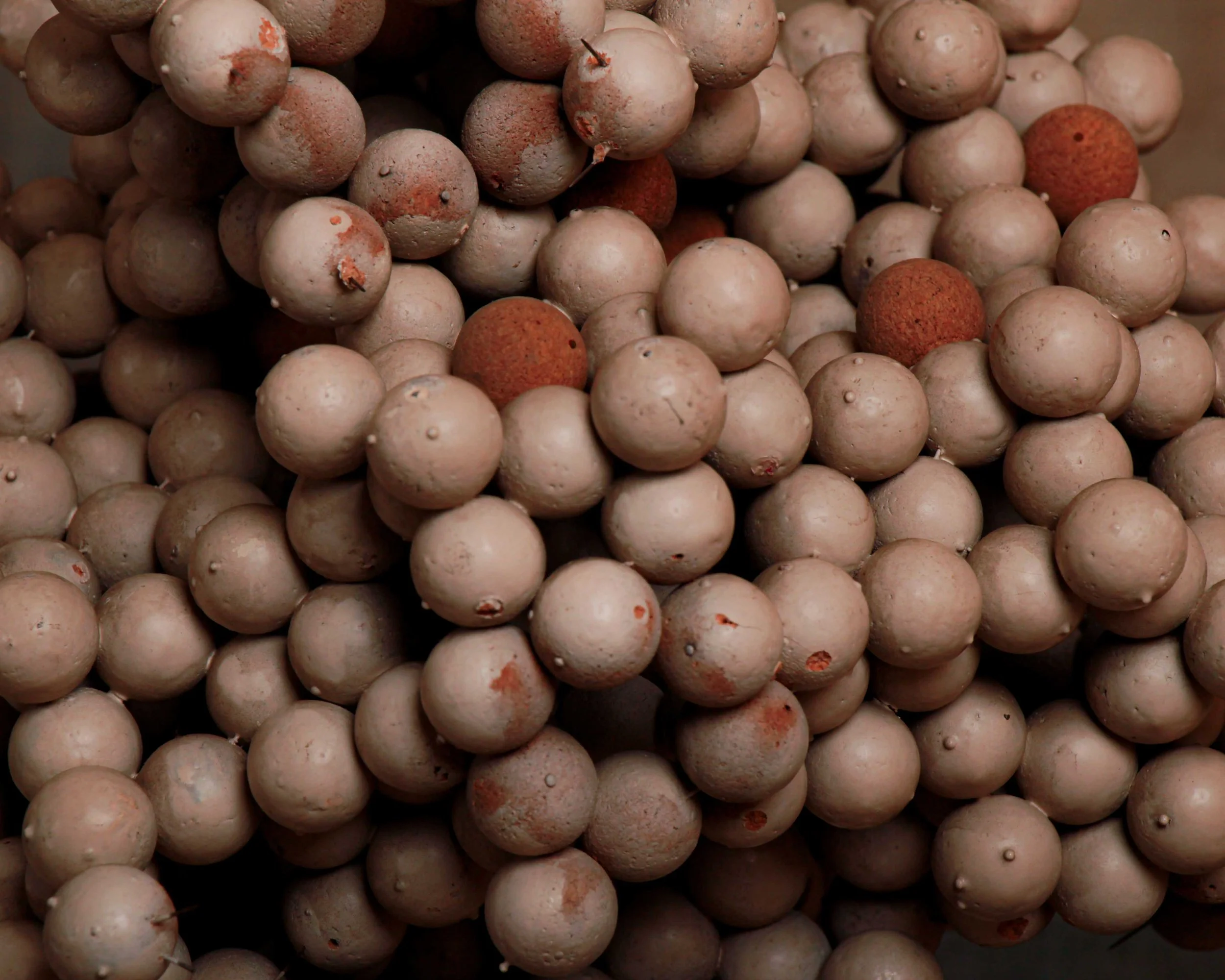
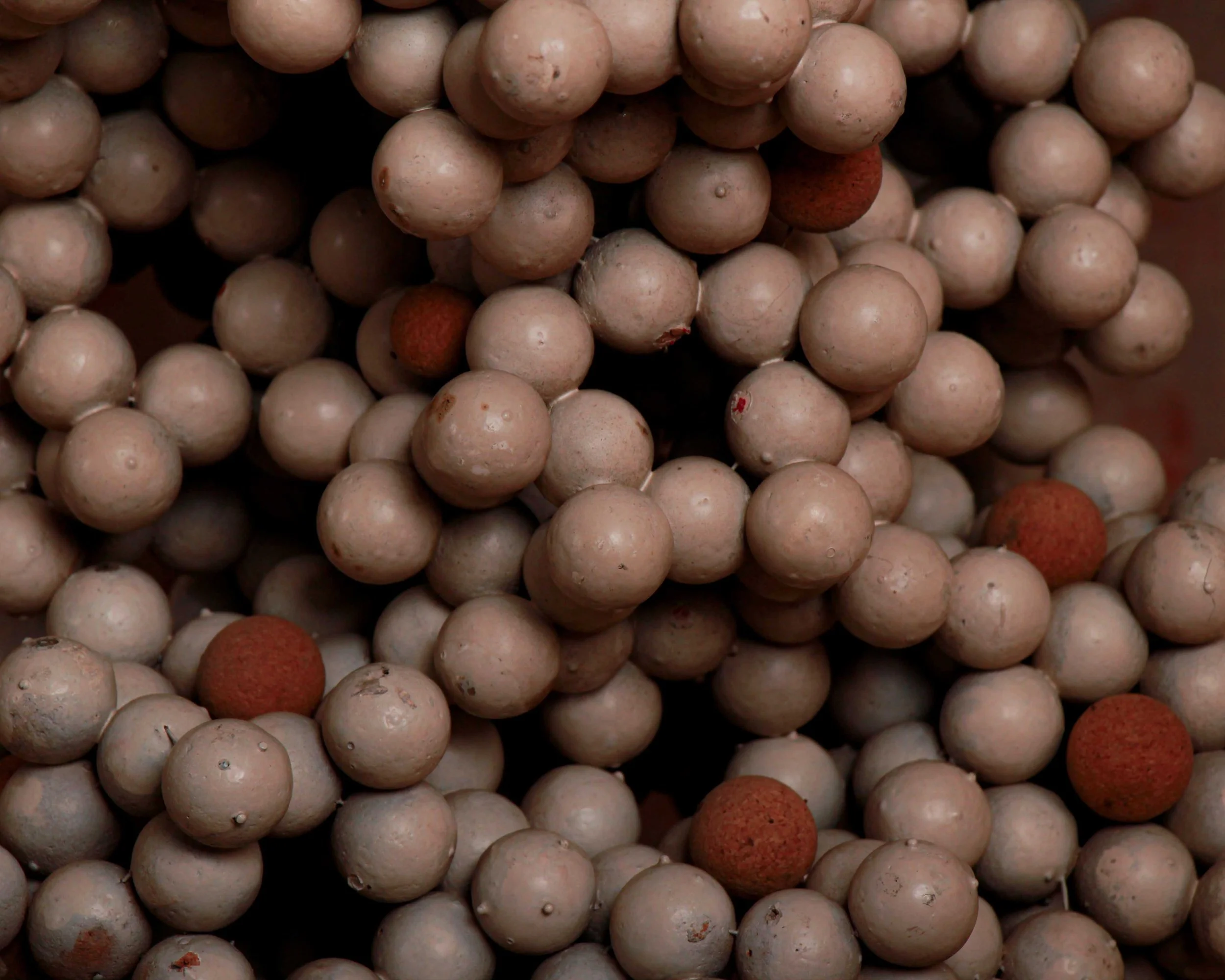
Up close, the details are irresistible. The cork balls vary slightly in tone, from pale beige to warmer, rusty browns, with small pinheads and punctures visible throughout. You can see where hands once pushed pins in and pulled them back out, where lessons were assembled and disassembled. It’s tactile, honest wear, the kind that only comes from repeated use rather than decoration.
What really makes this piece sing is the tension between order and looseness. There’s a clear system at work, but it’s not rigid. The clusters bulge, narrow, and shift as they rise, giving the whole form a sense of movement, like it’s slowly growing or rearranging itself when no one’s looking. It feels scientific and organic at the same time.
Now removed from the blackboard and lab bench, it reads as something entirely different. A sculptural object with serious presence. Part modernist experiment, part folk abstraction, part quiet nod to the beauty of learning tools made before screens took over.
It’s a fantastic crossover piece. Perfect for someone who appreciates objects that once had a job, did it well, and then earned a second life simply by being interesting. An accidental sculpture, built one cork and pin at a time.
Category History
Before screens and simulations, science was something you could pick up, turn over, and pass around a classroom. Early scientific models—used from the 19th into the early 20th century—were built to make abstract ideas tangible. Anatomy, botany, chemistry, astronomy—each got its own set of objects, often crafted from plaster, wood, papier-mâché, glass, or metal.
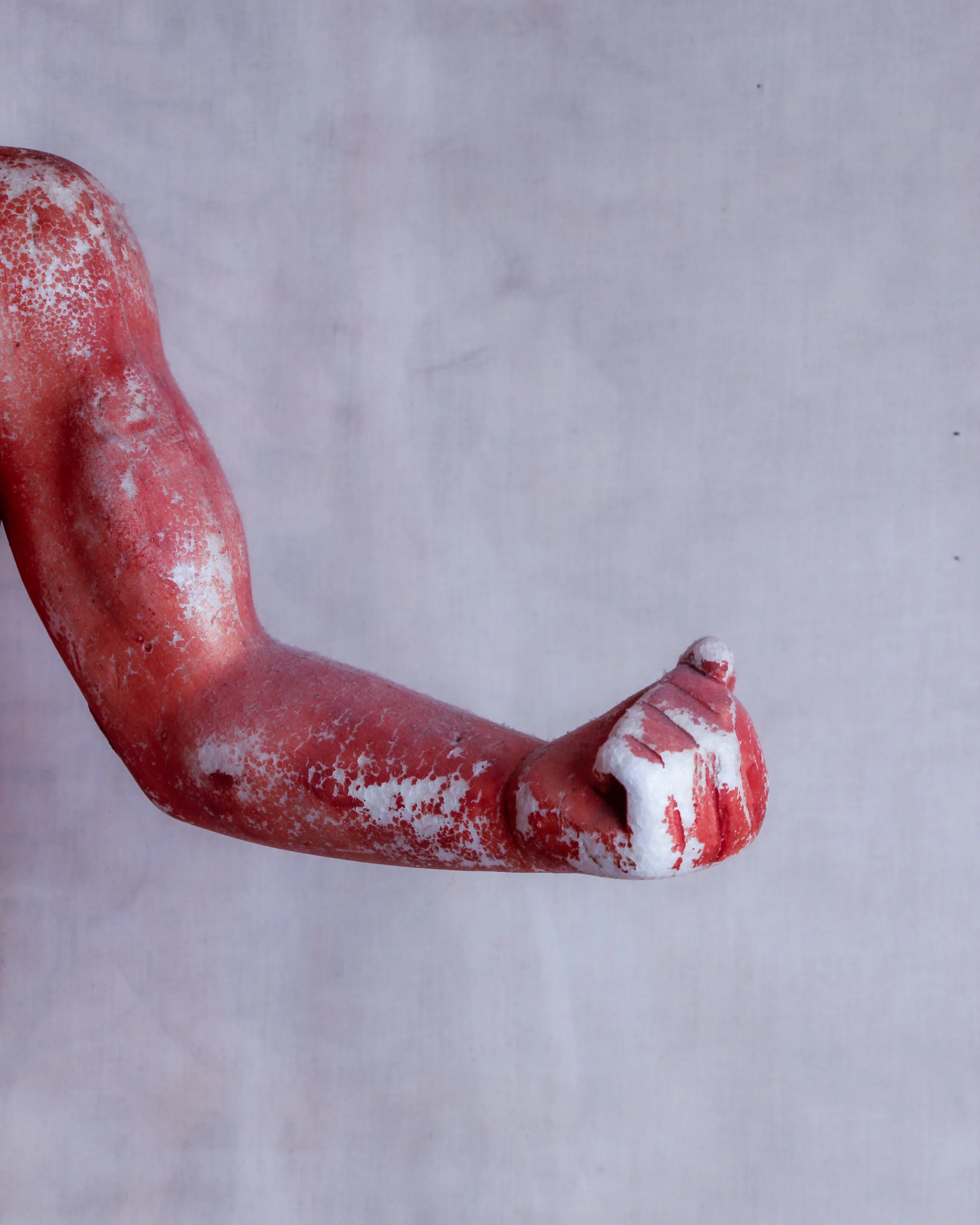
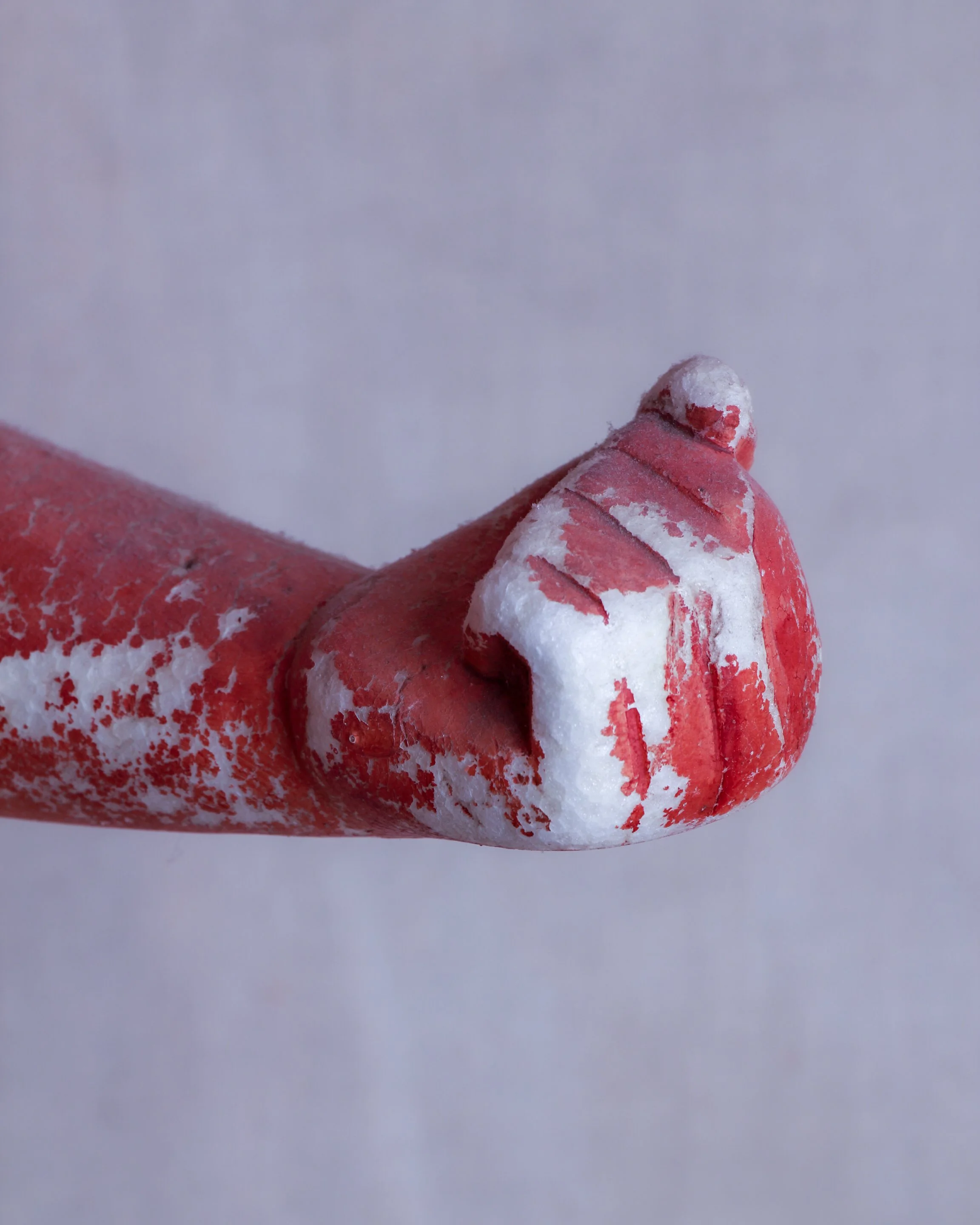
Some of the most striking examples came from European makers who specialized in teaching tools: dissectible human organs, enlarged flowers that could be taken apart petal by petal, or geometric solids that made complex math feel graspable. Accuracy mattered, but so did durability. These pieces were handled constantly, so they were built to survive curious hands.
What’s interesting is how they balance clarity with artistry. Colors were often exaggerated to highlight function, textures simplified to emphasize structure. They weren’t trying to replicate nature perfectly—they were trying to explain it.
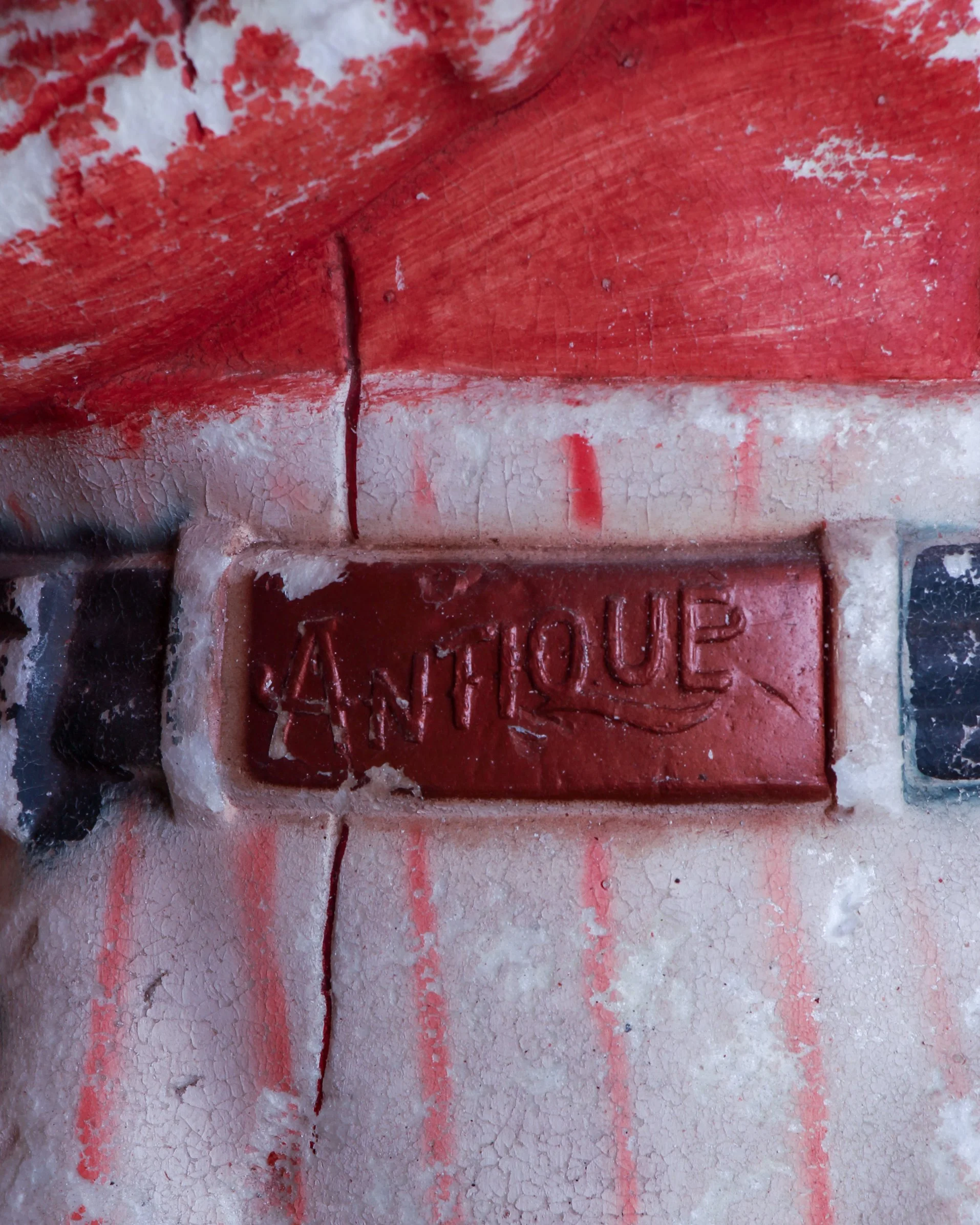
Today, they read as both educational artifacts and sculptural objects. Hinges, labels, and wear marks tell you exactly how they were used. They carry a kind of optimism too—the belief that if you could hold something in your hands, you could understand it.