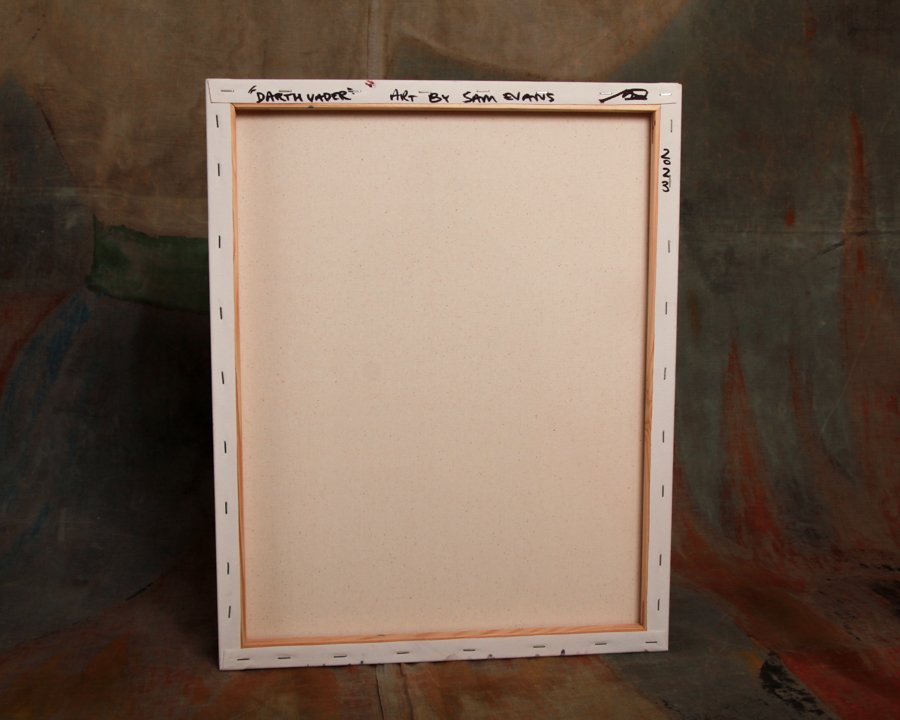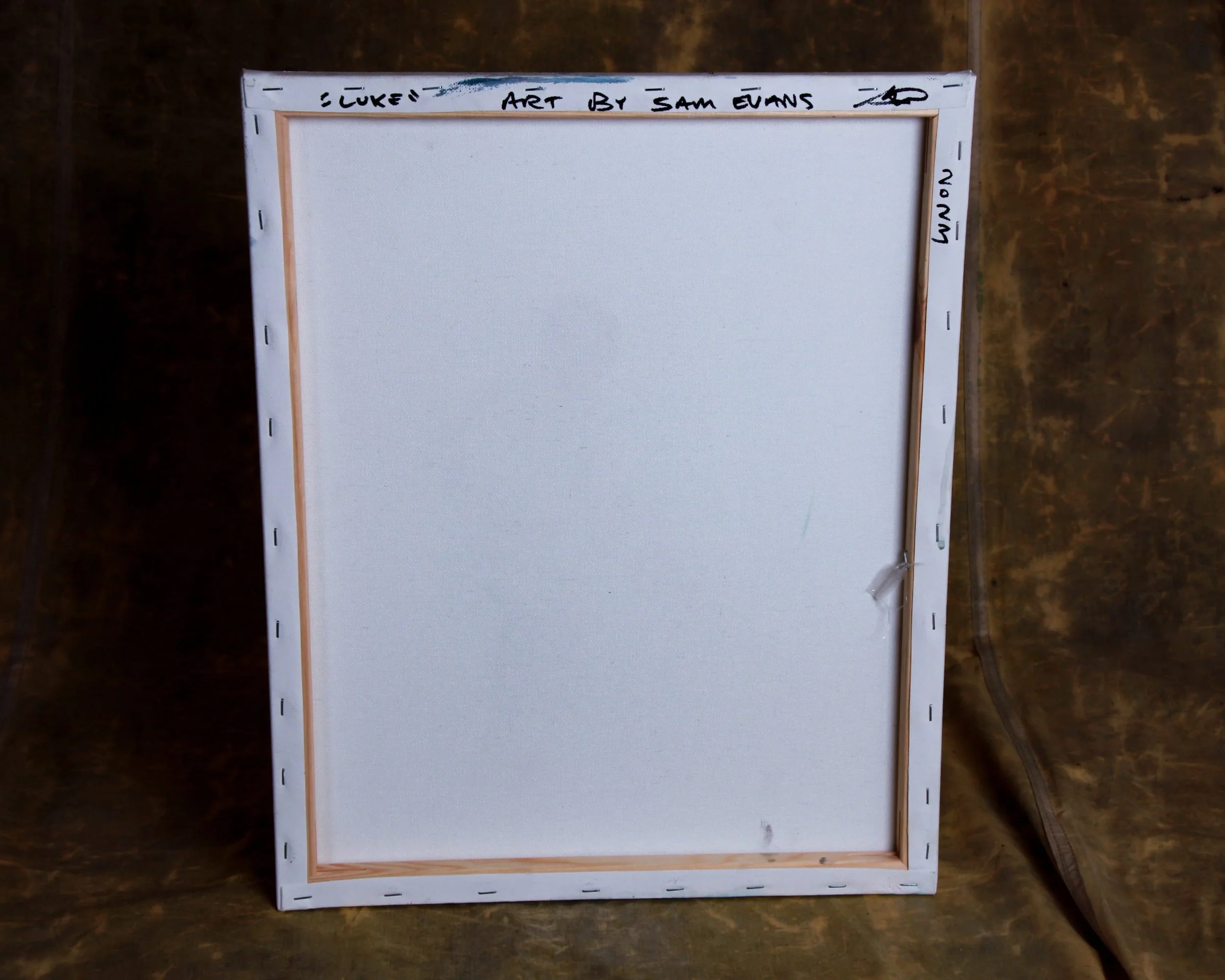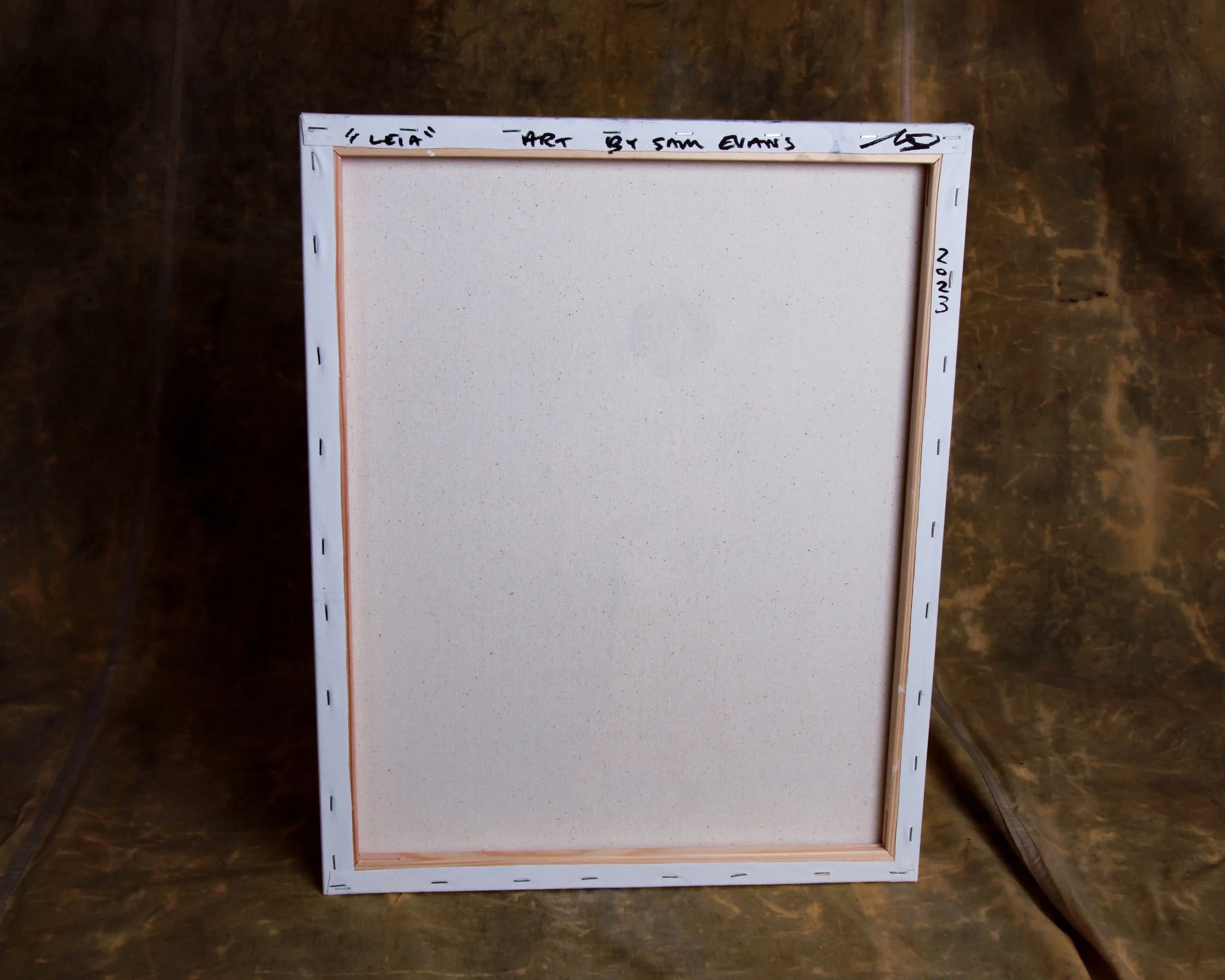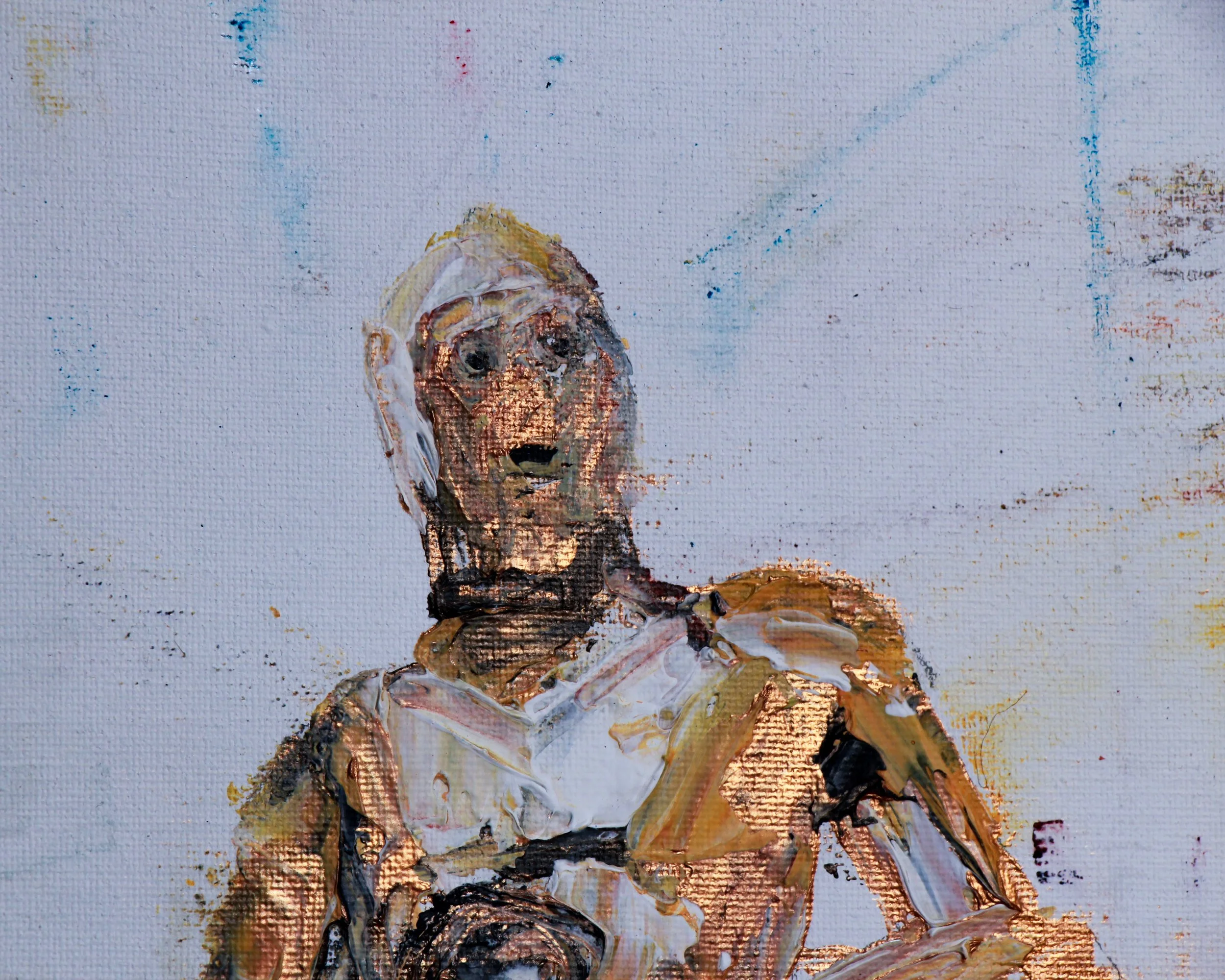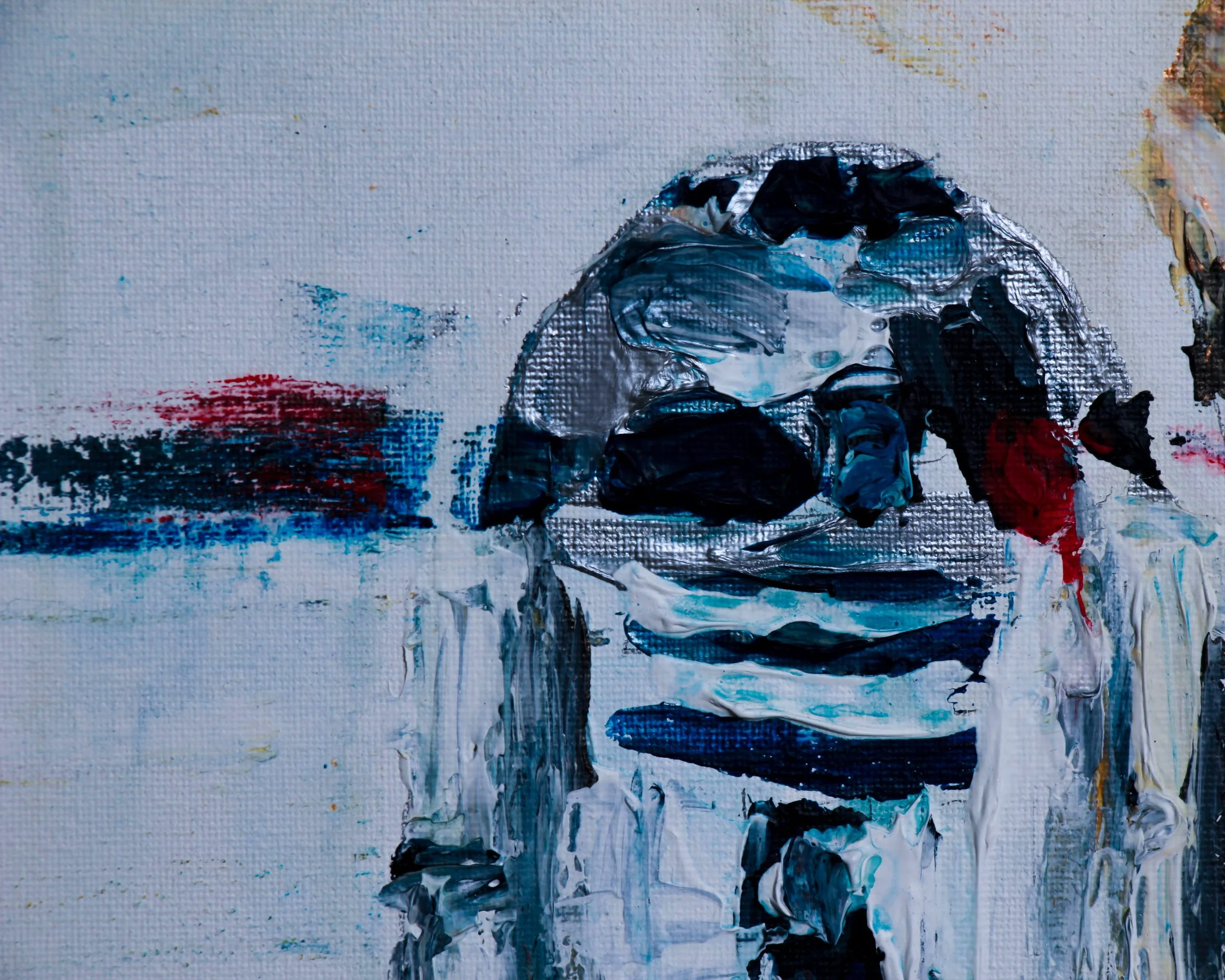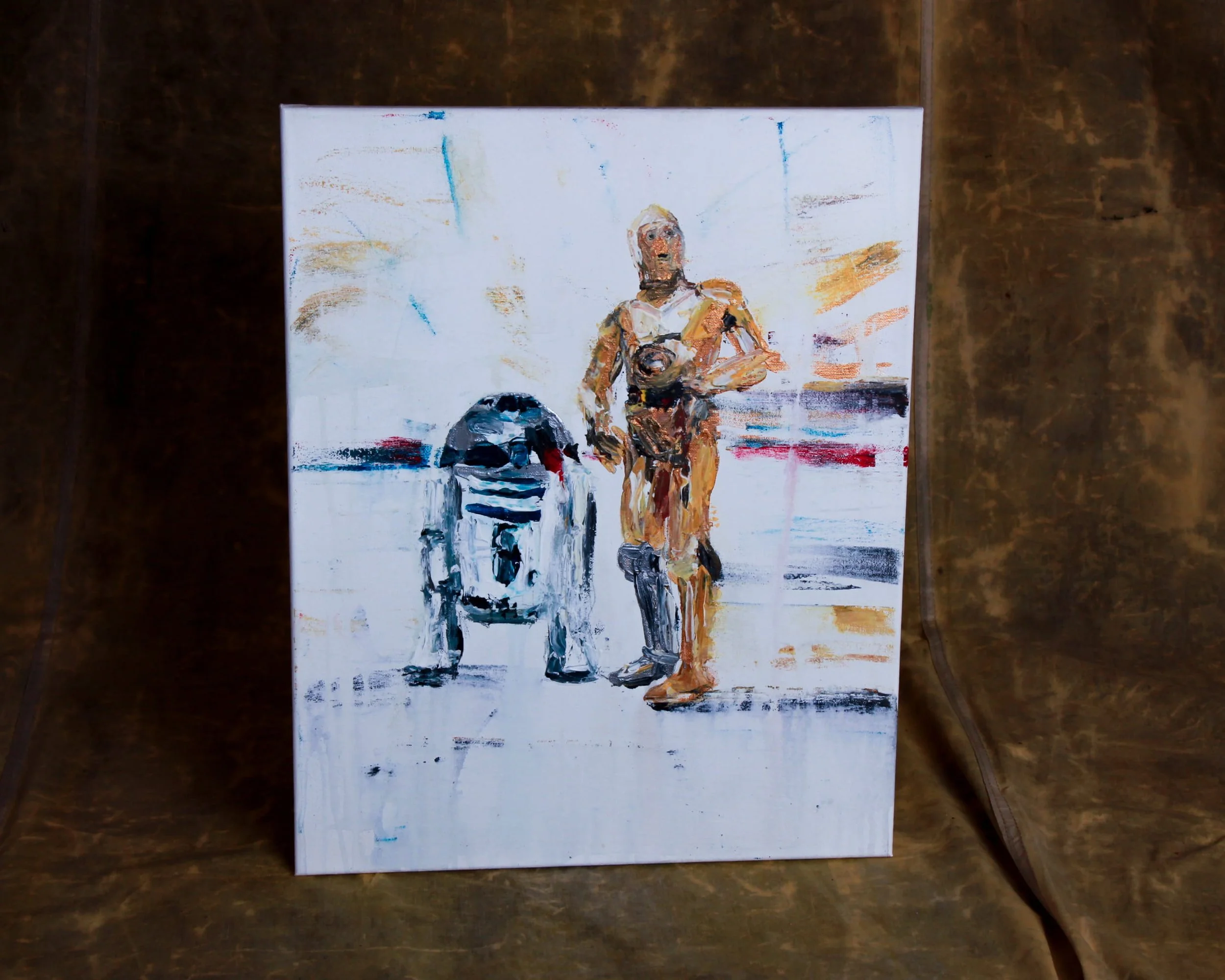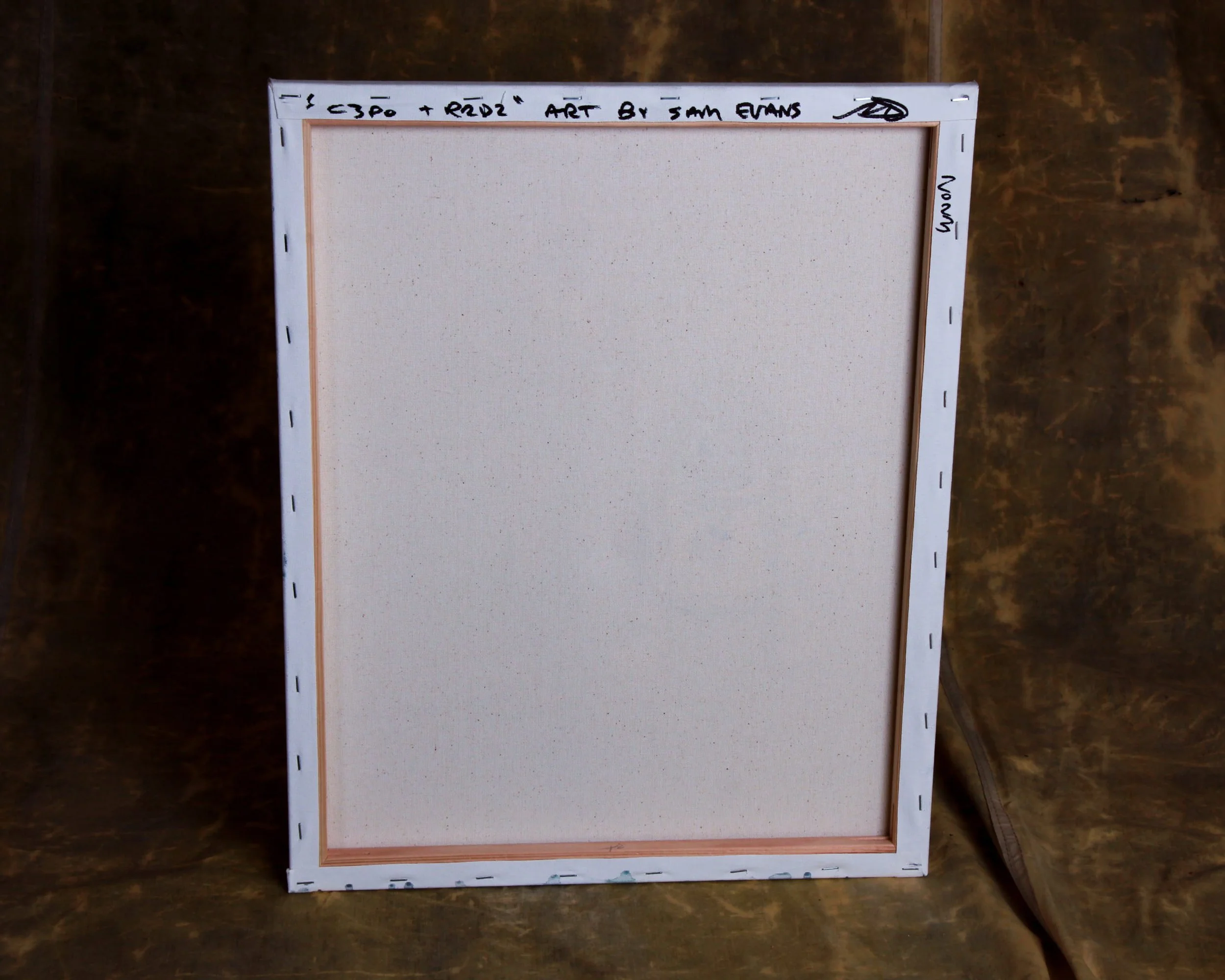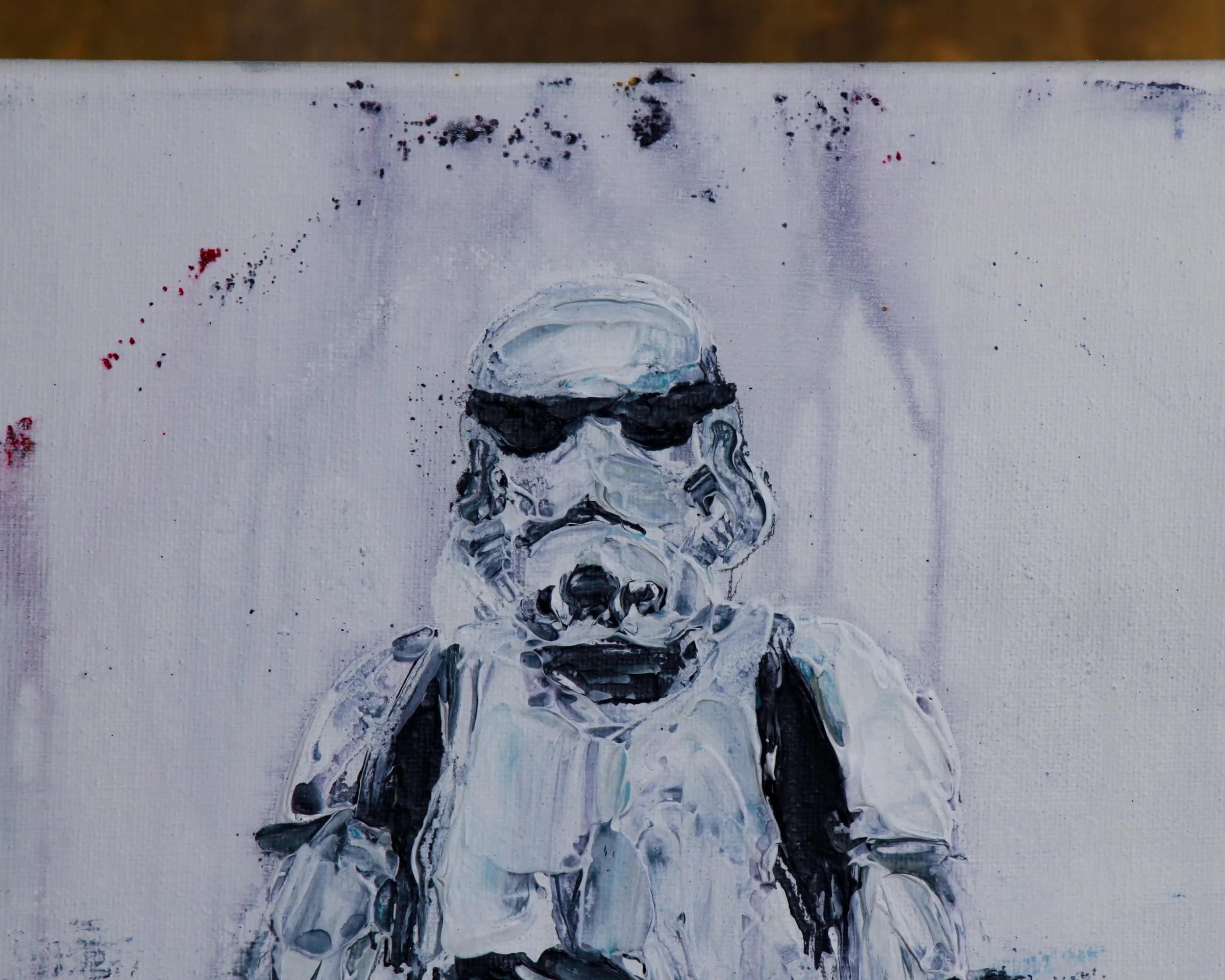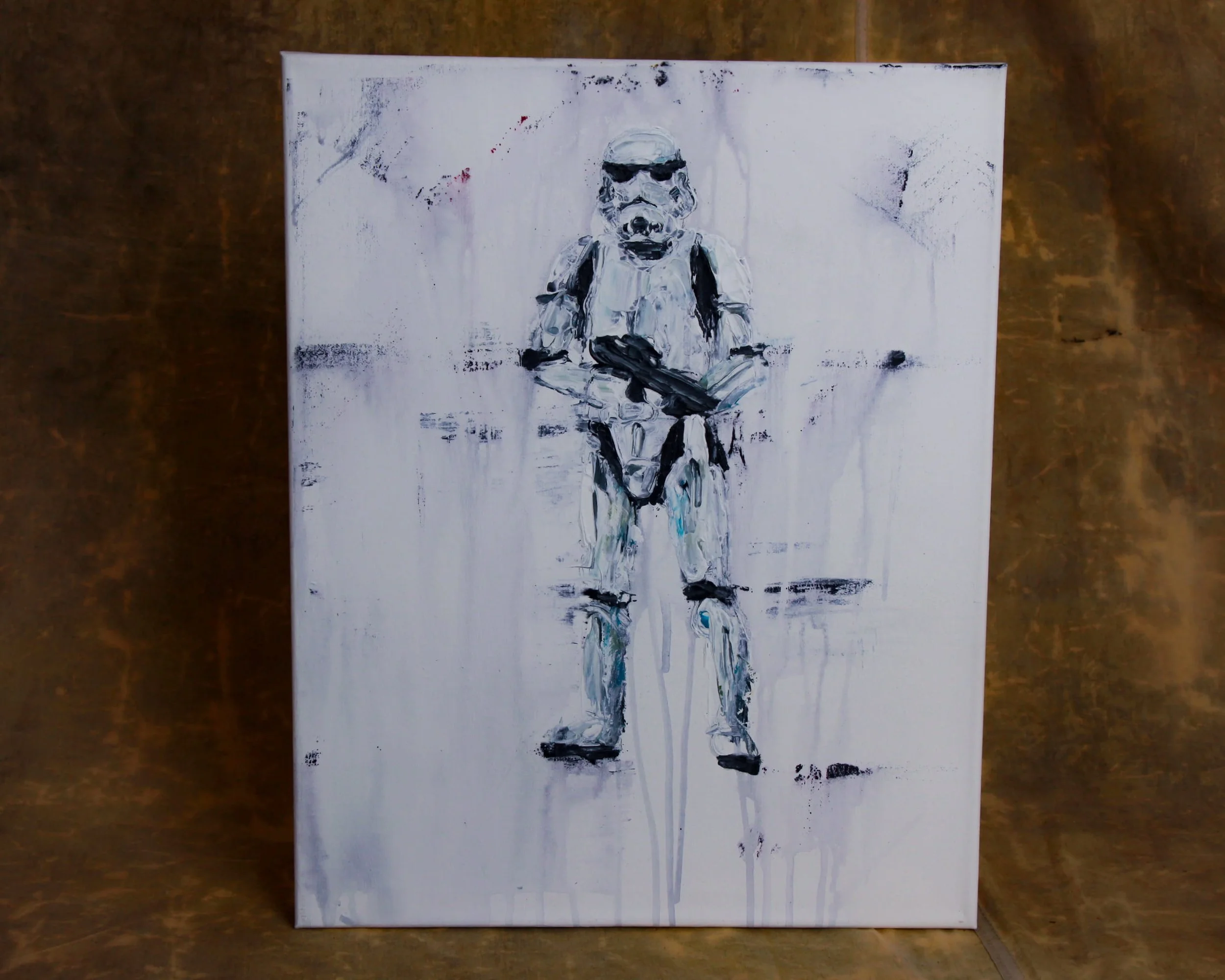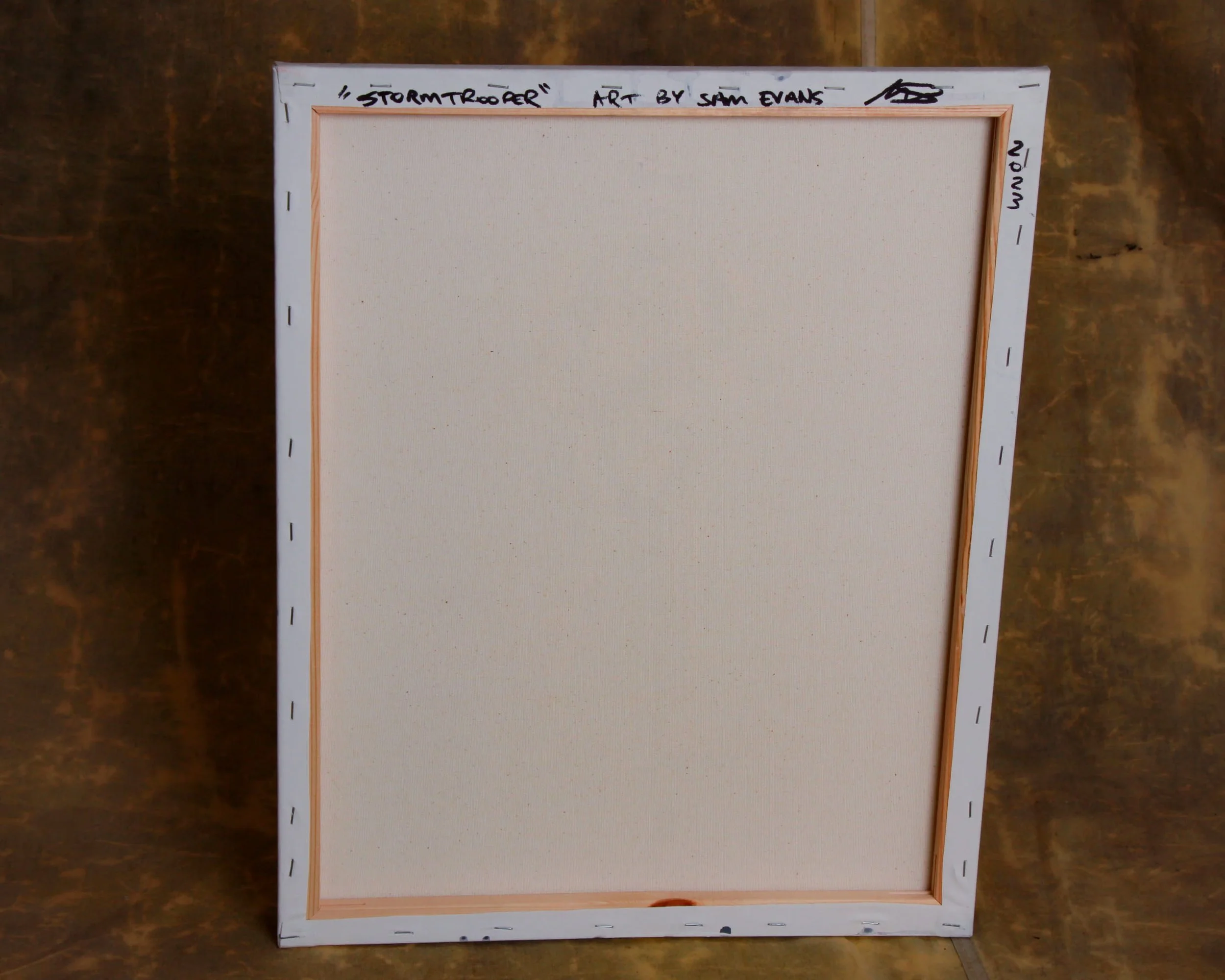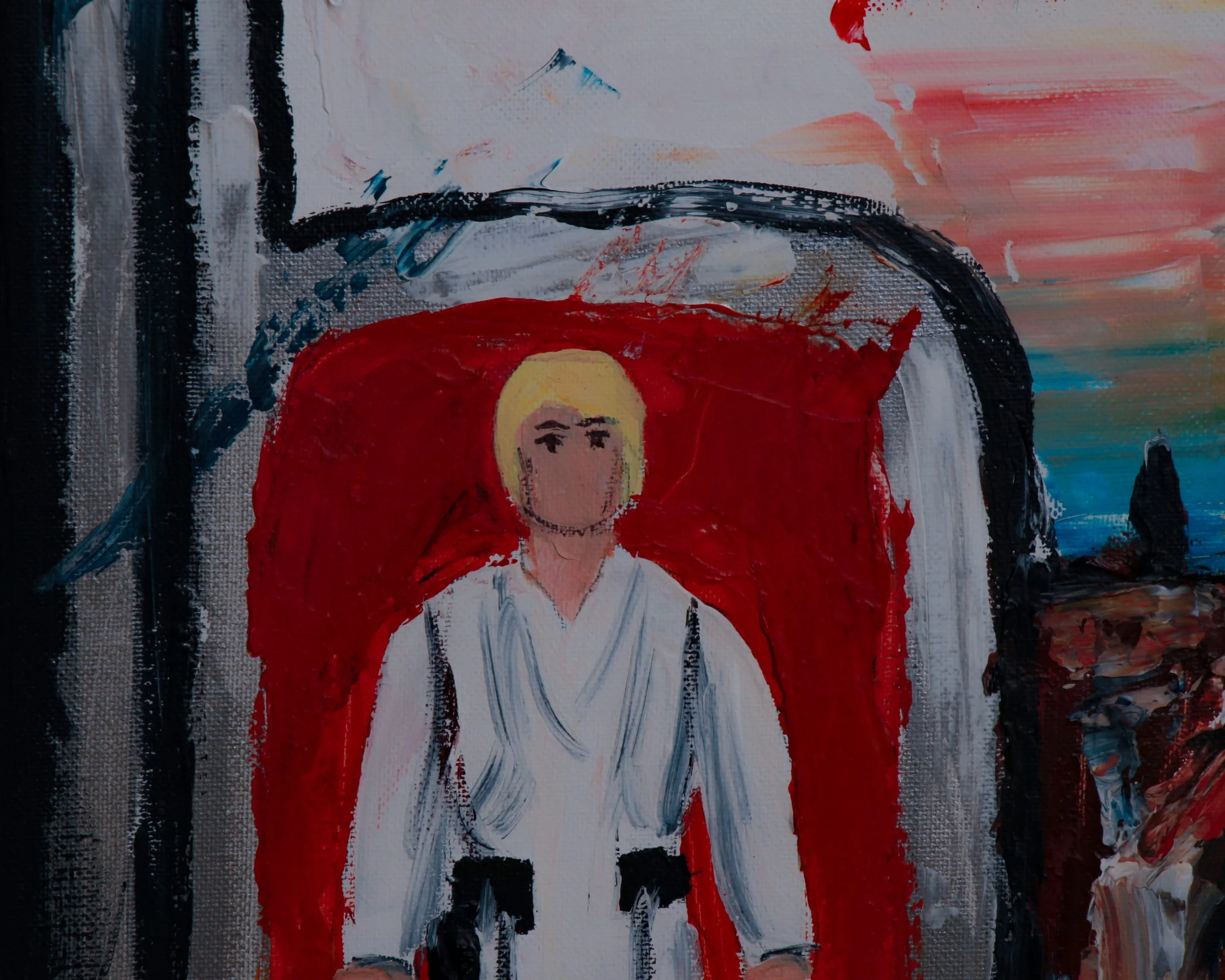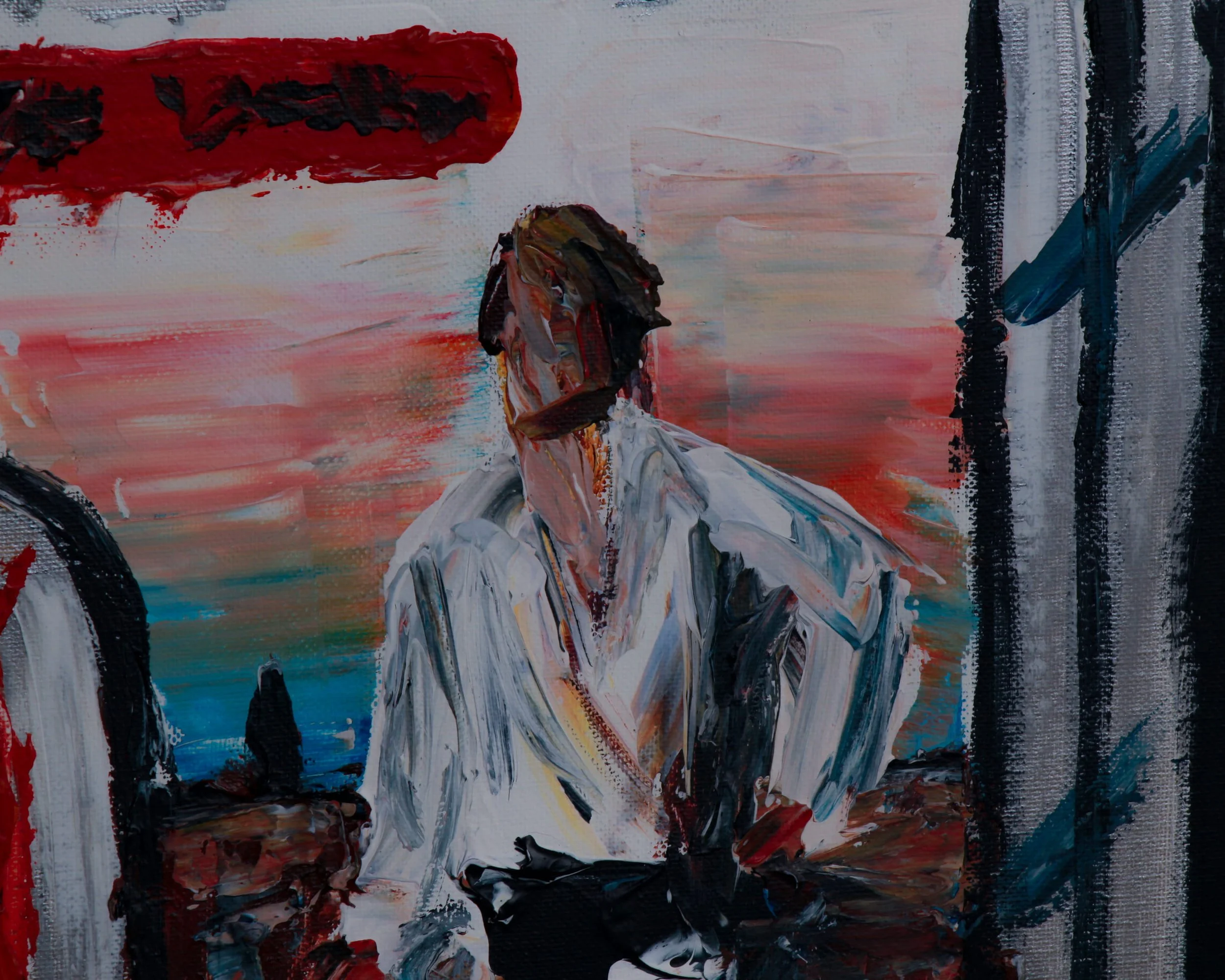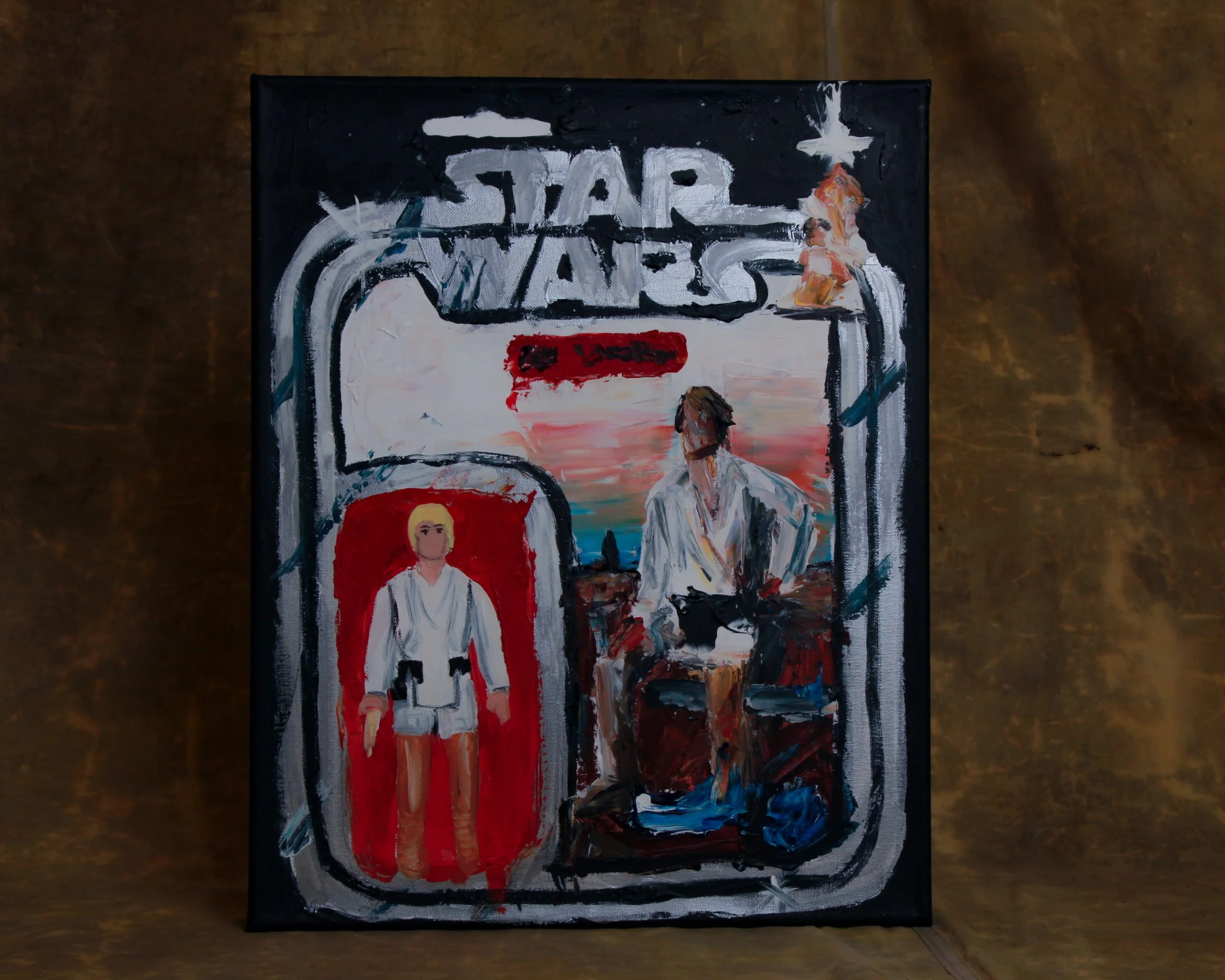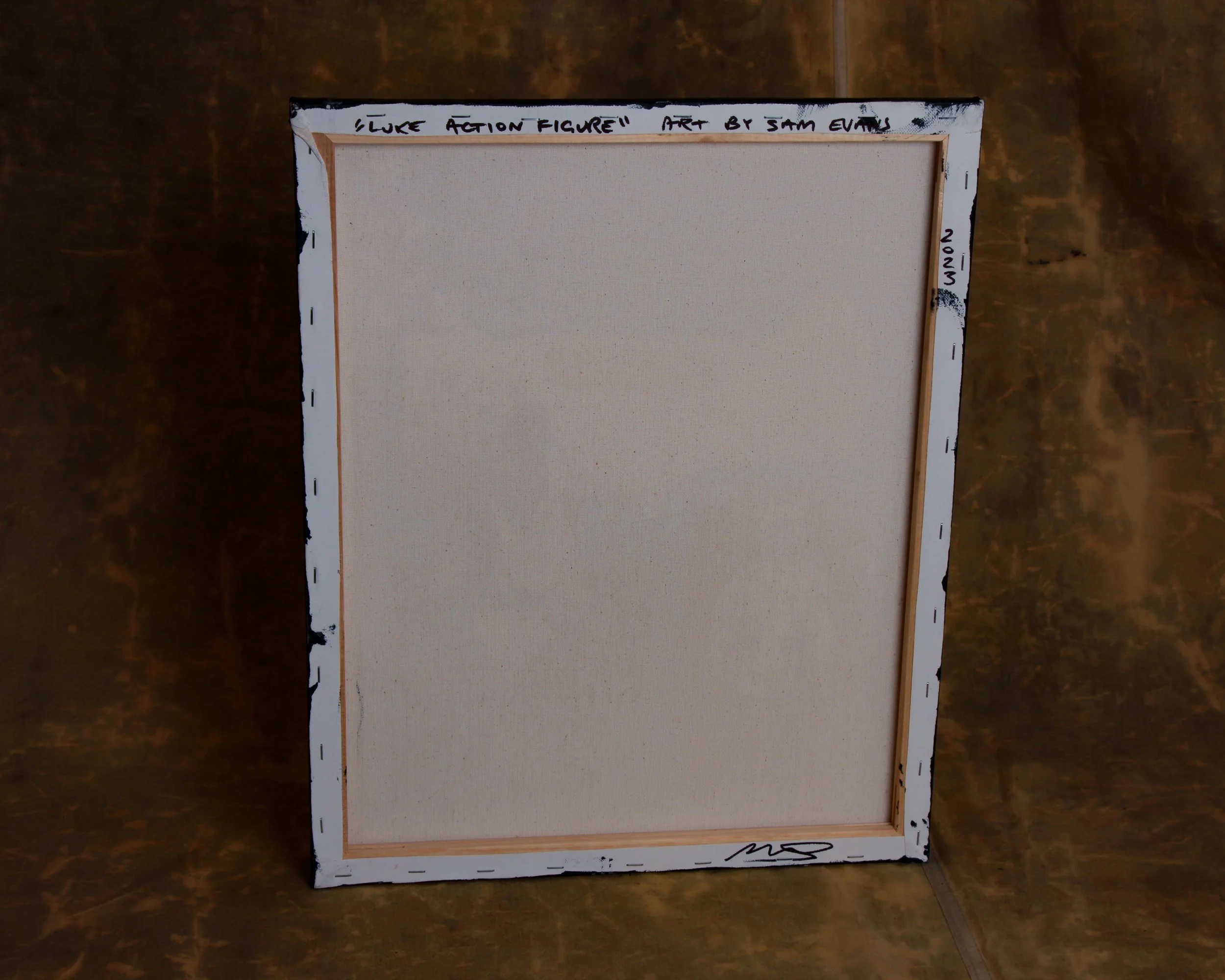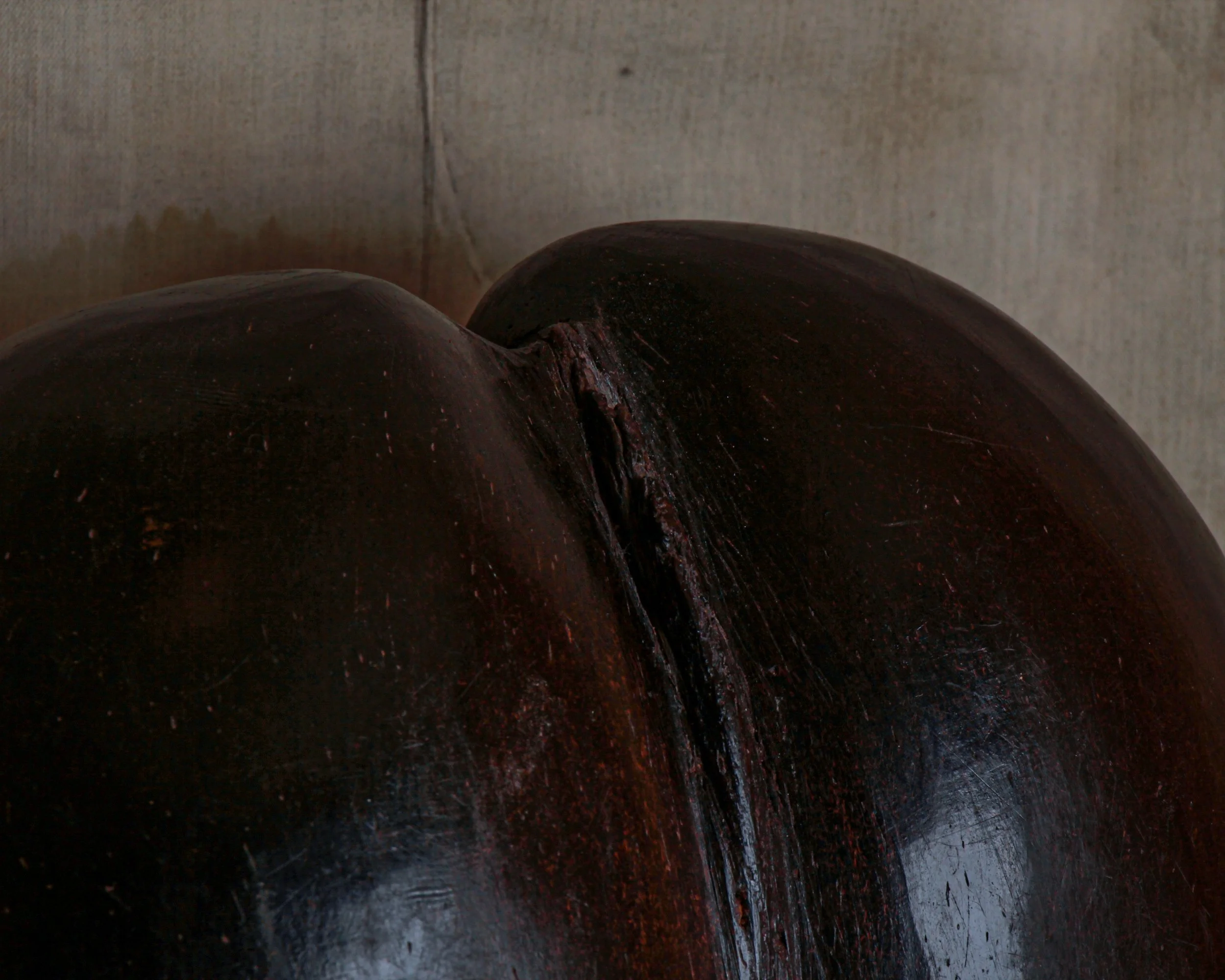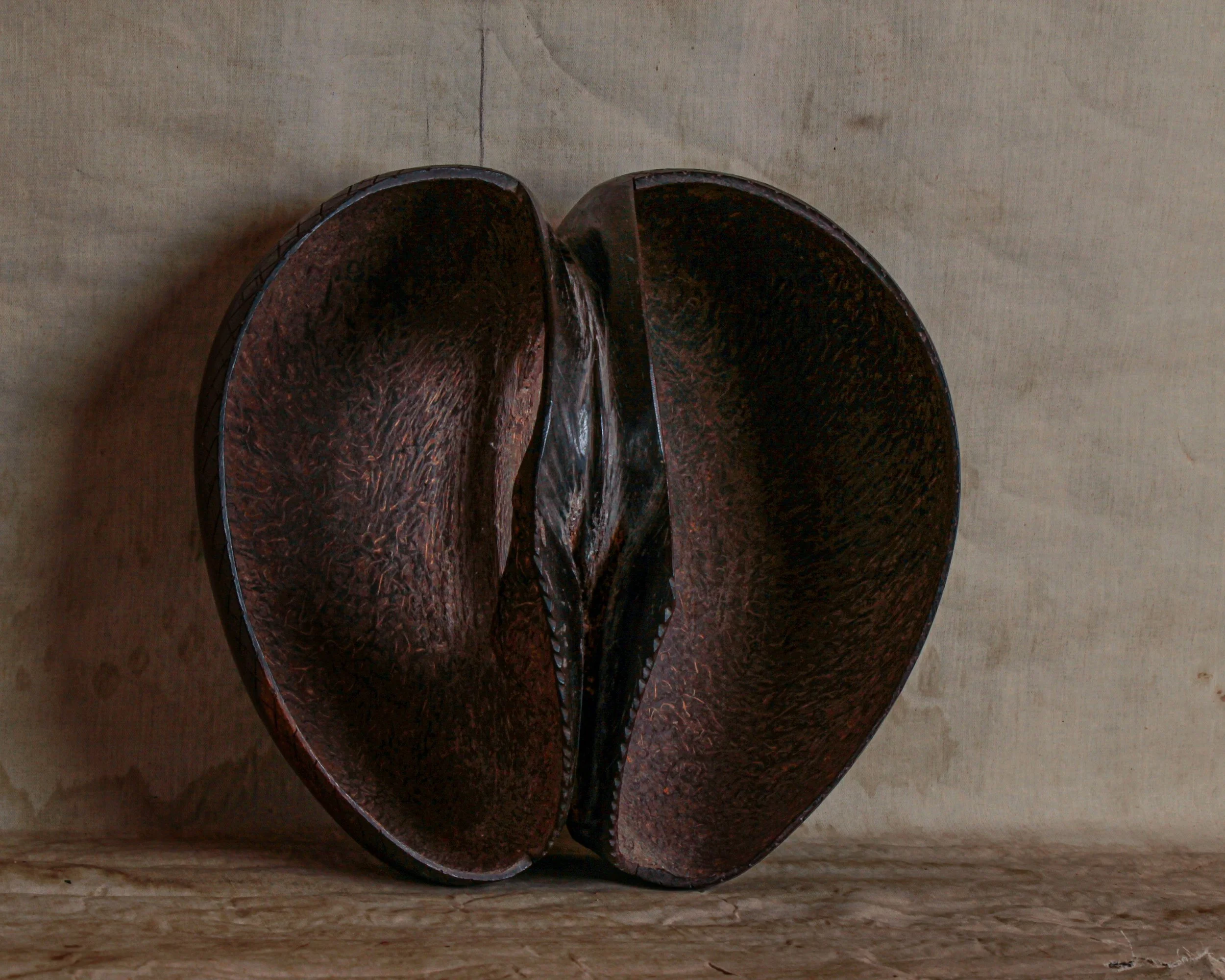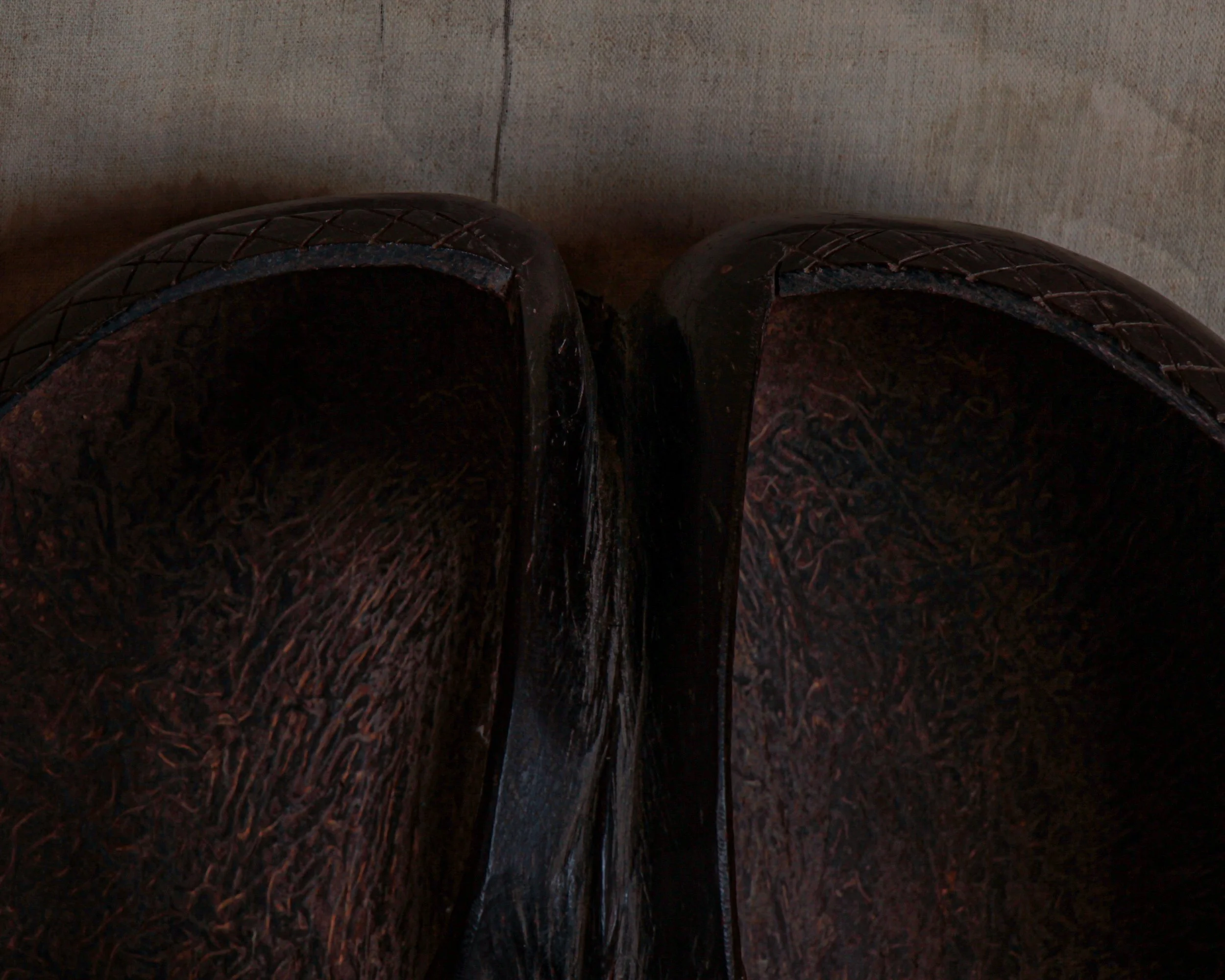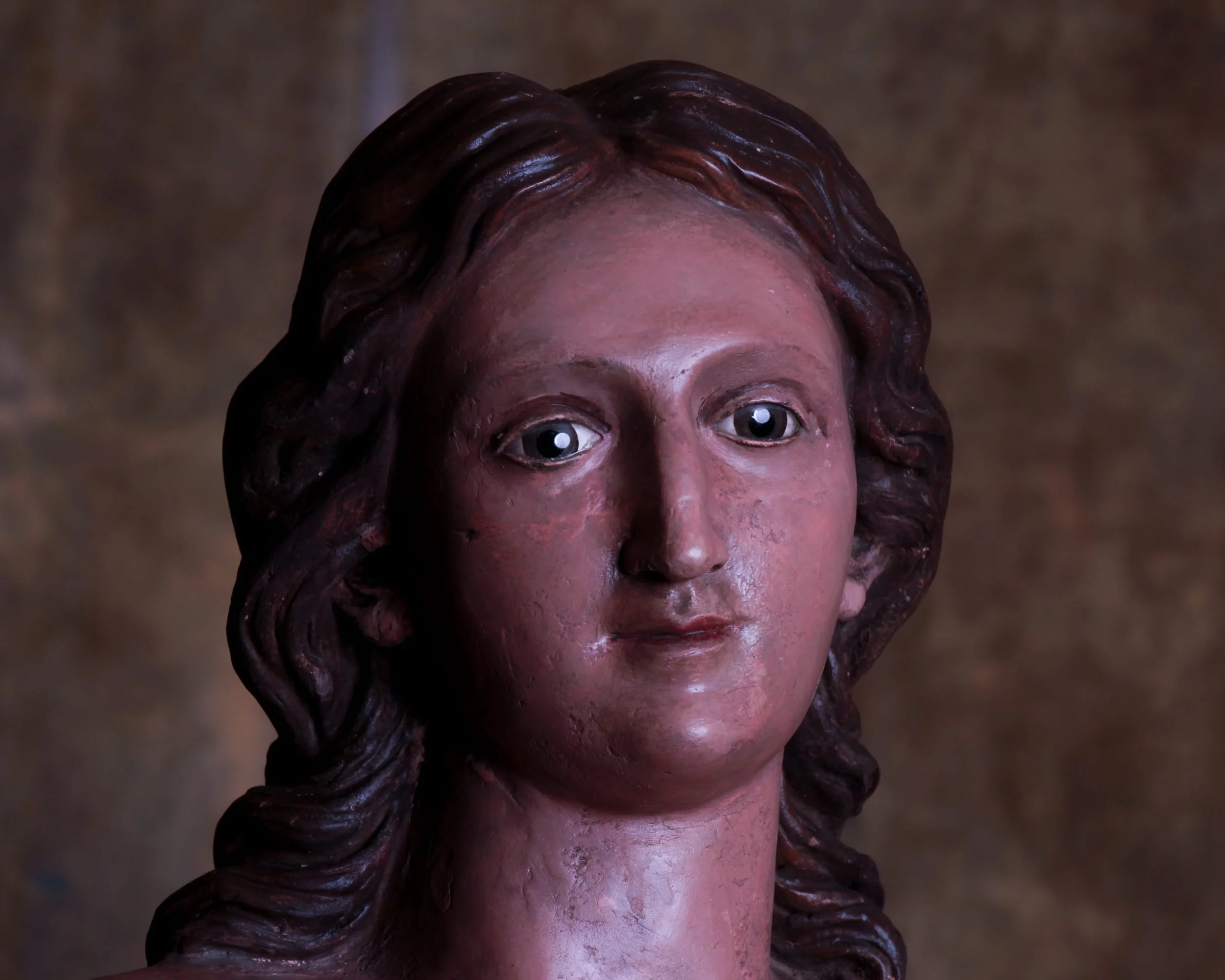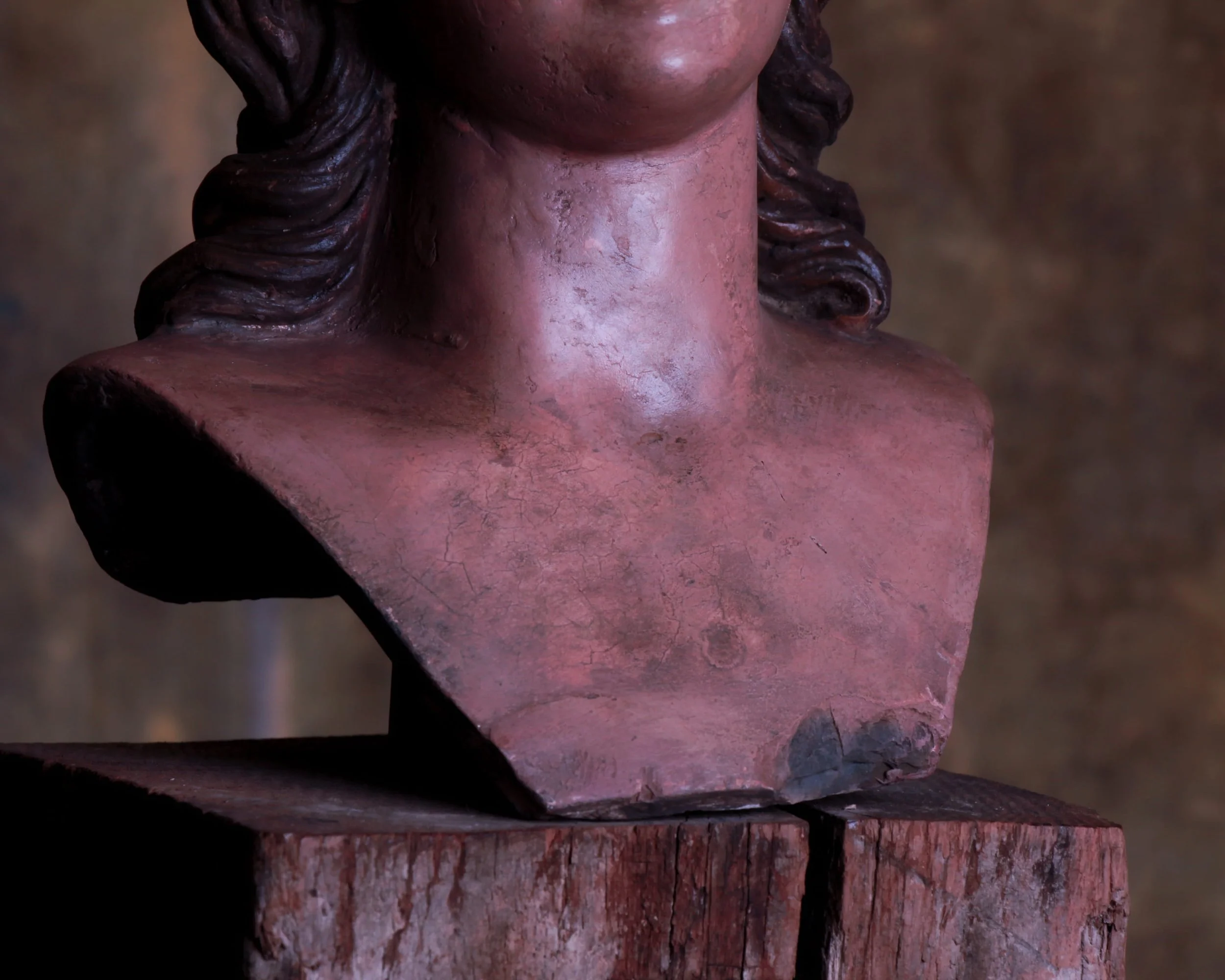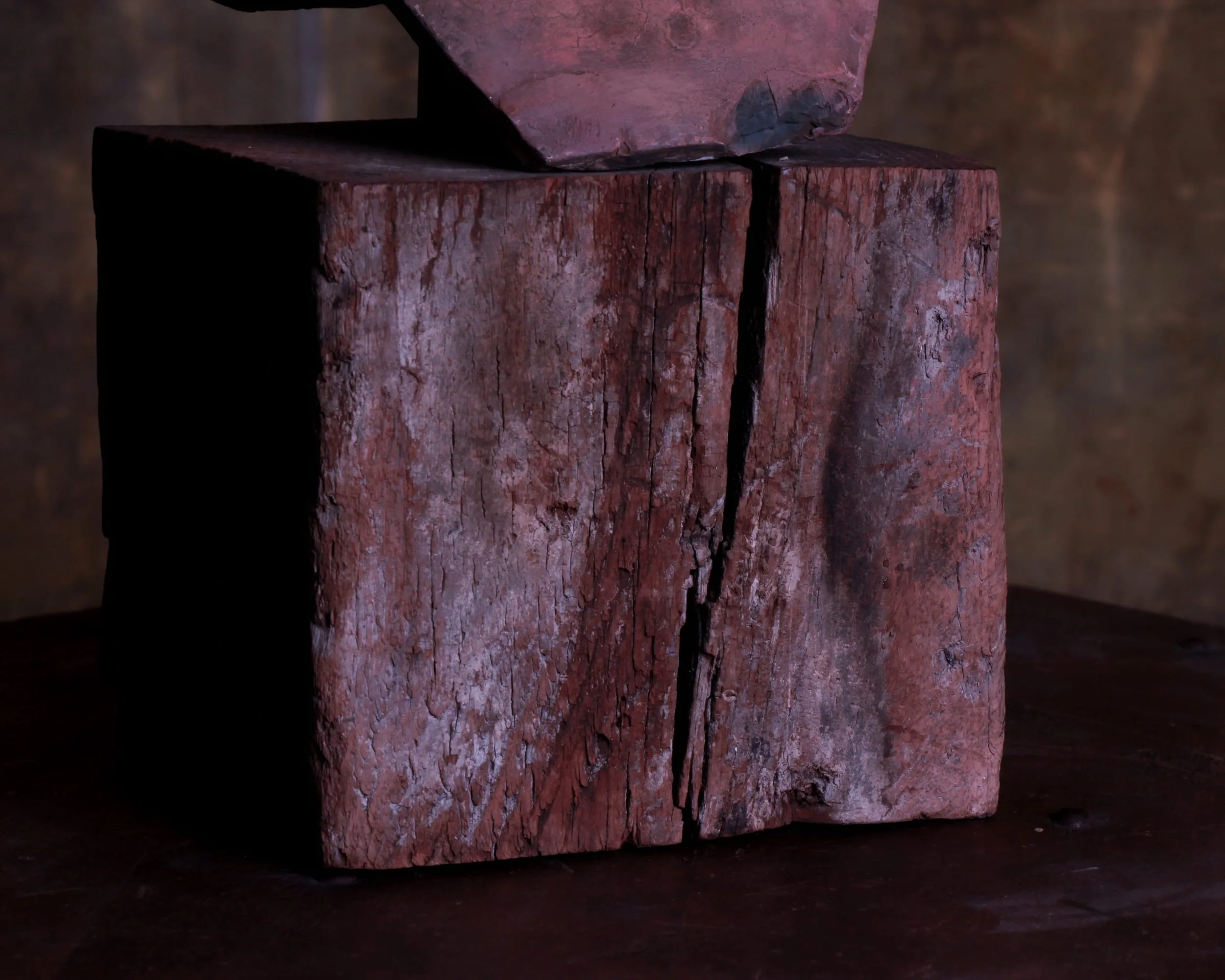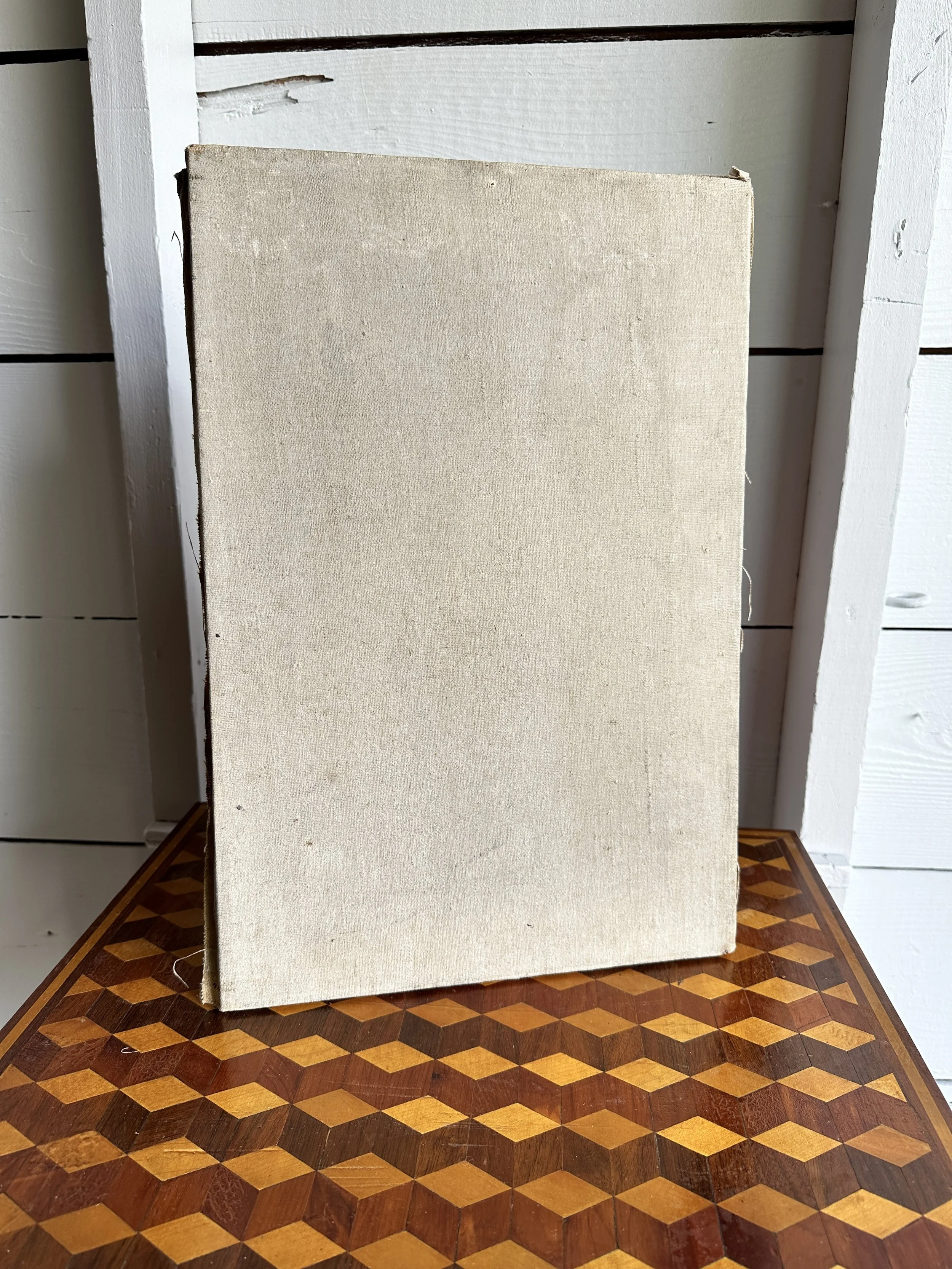
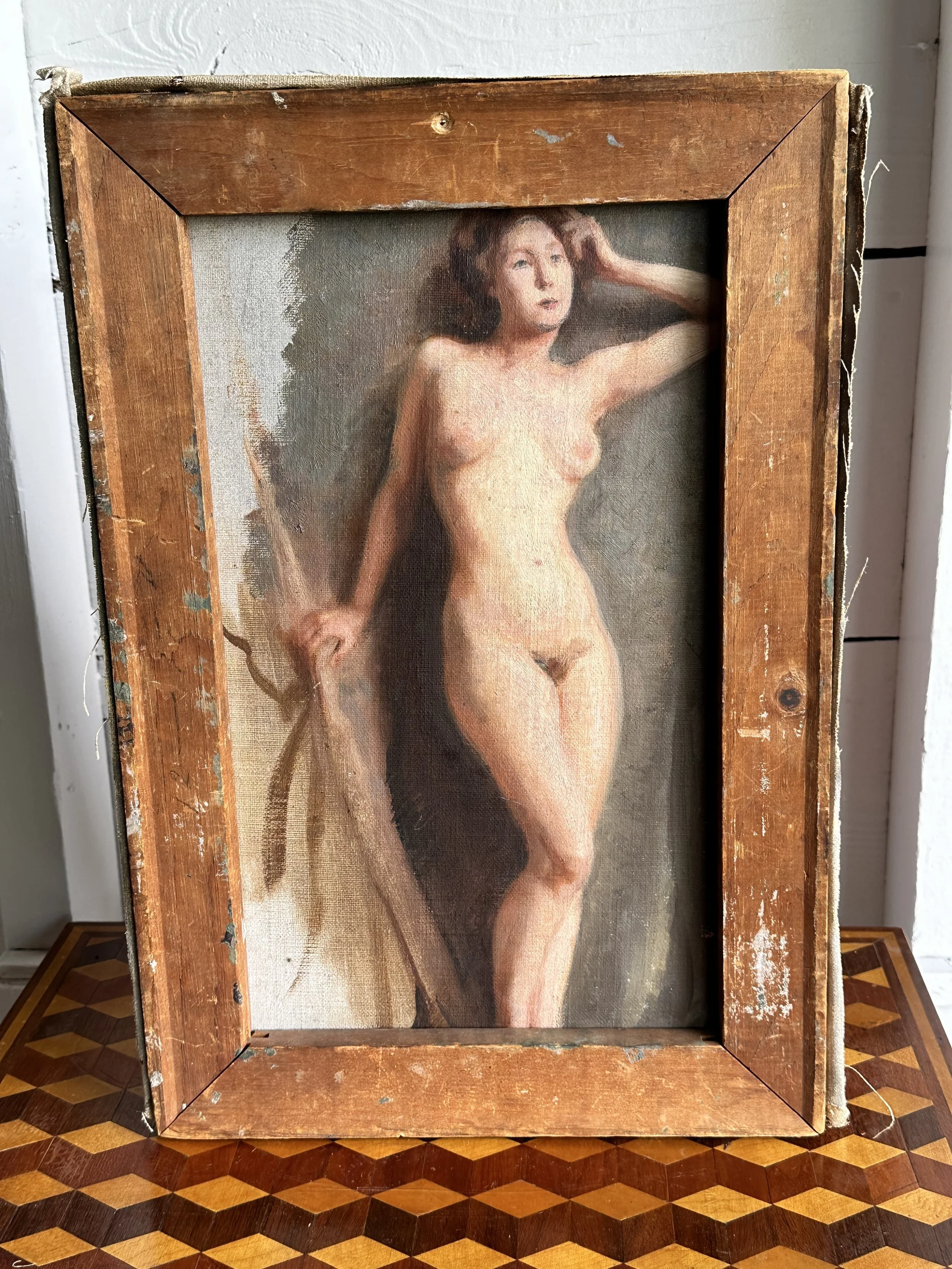
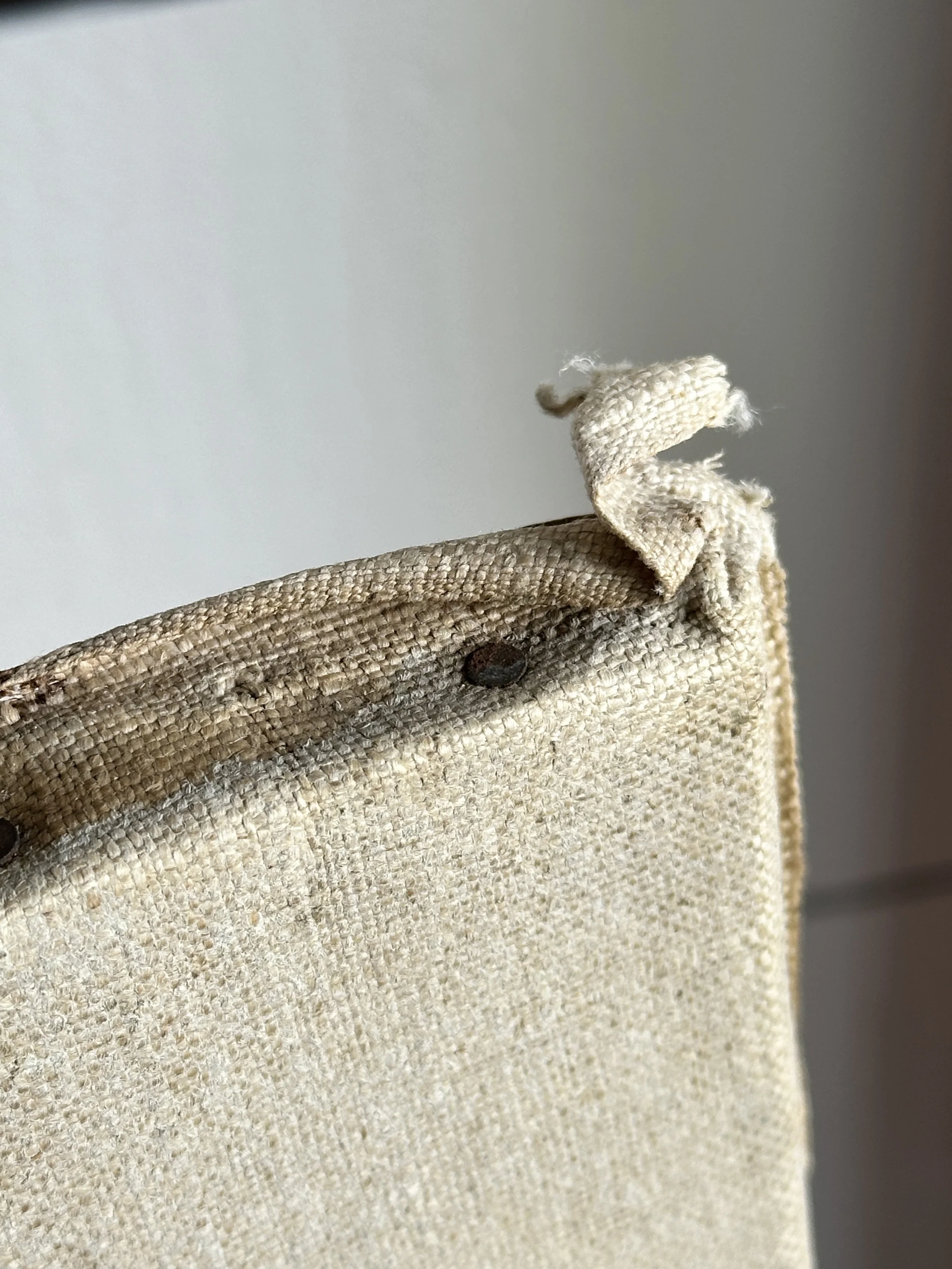
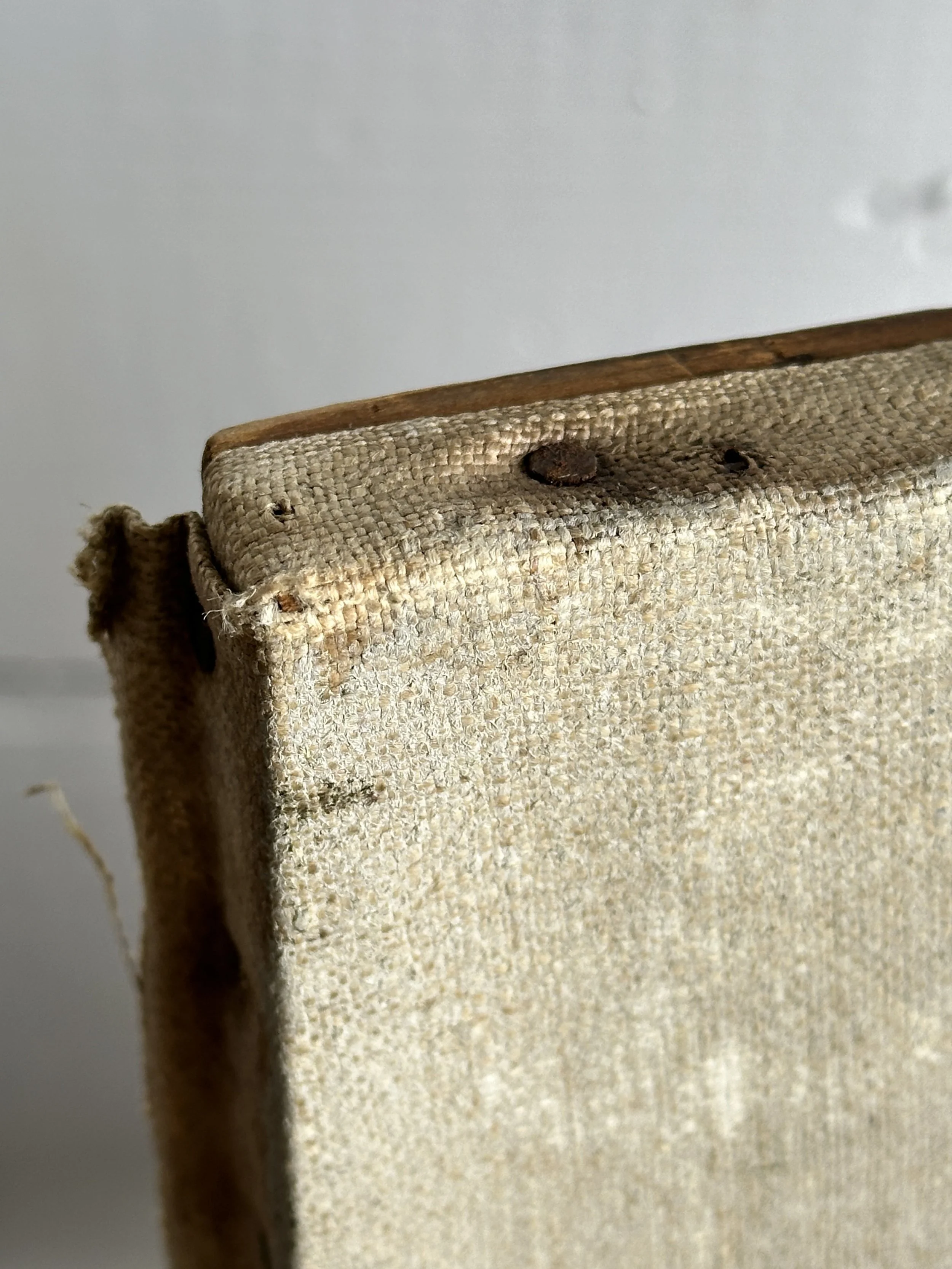
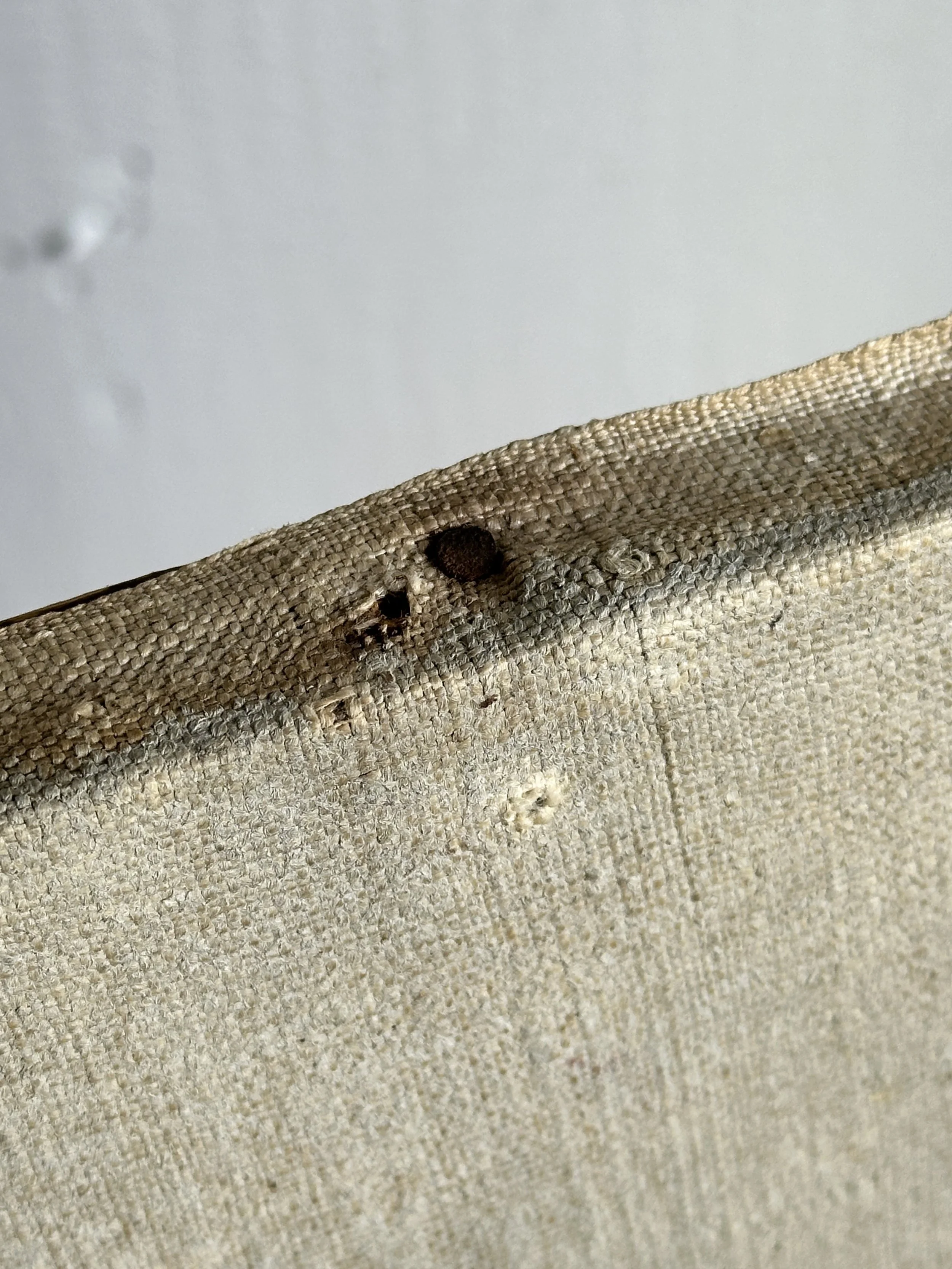
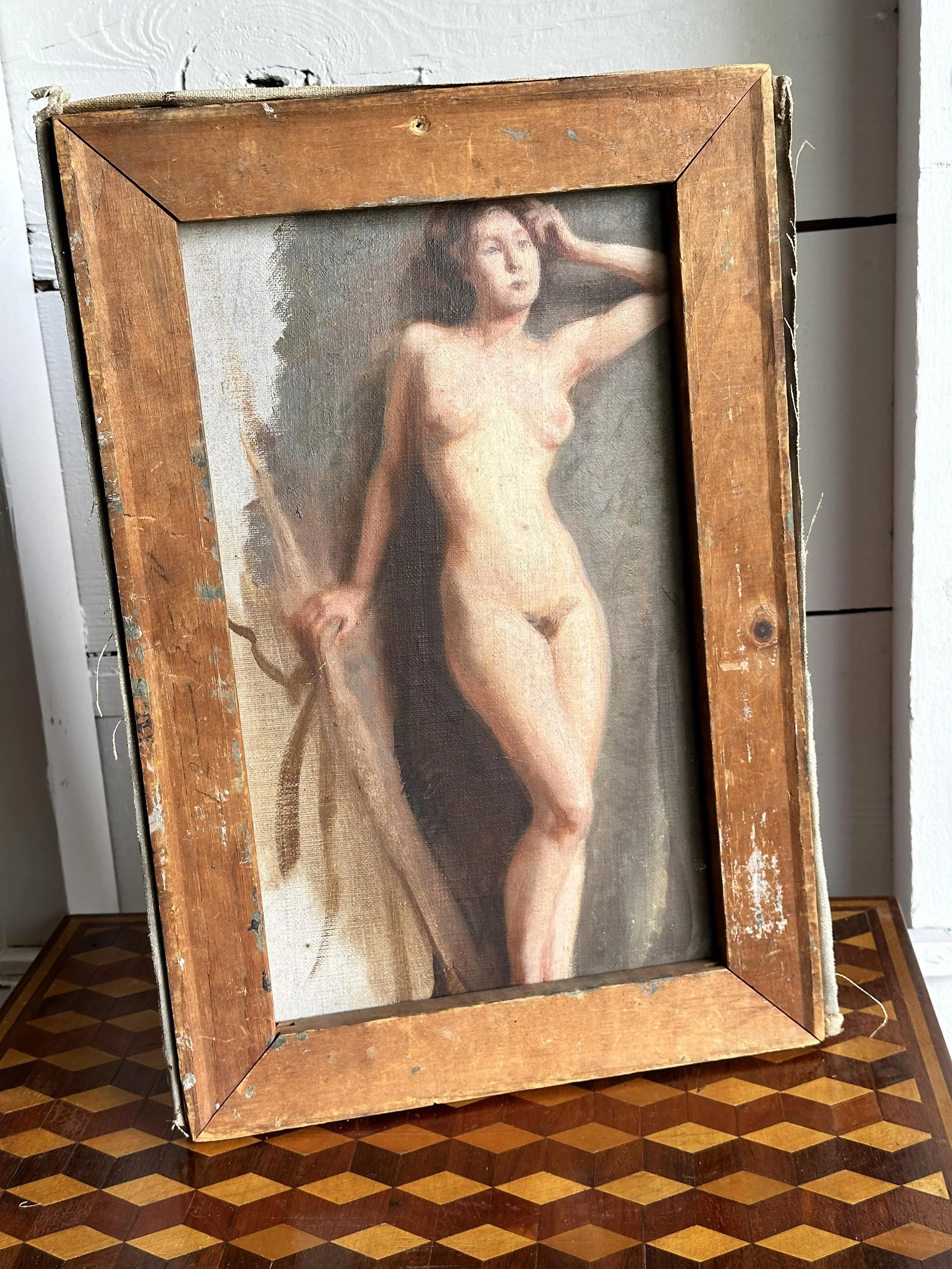
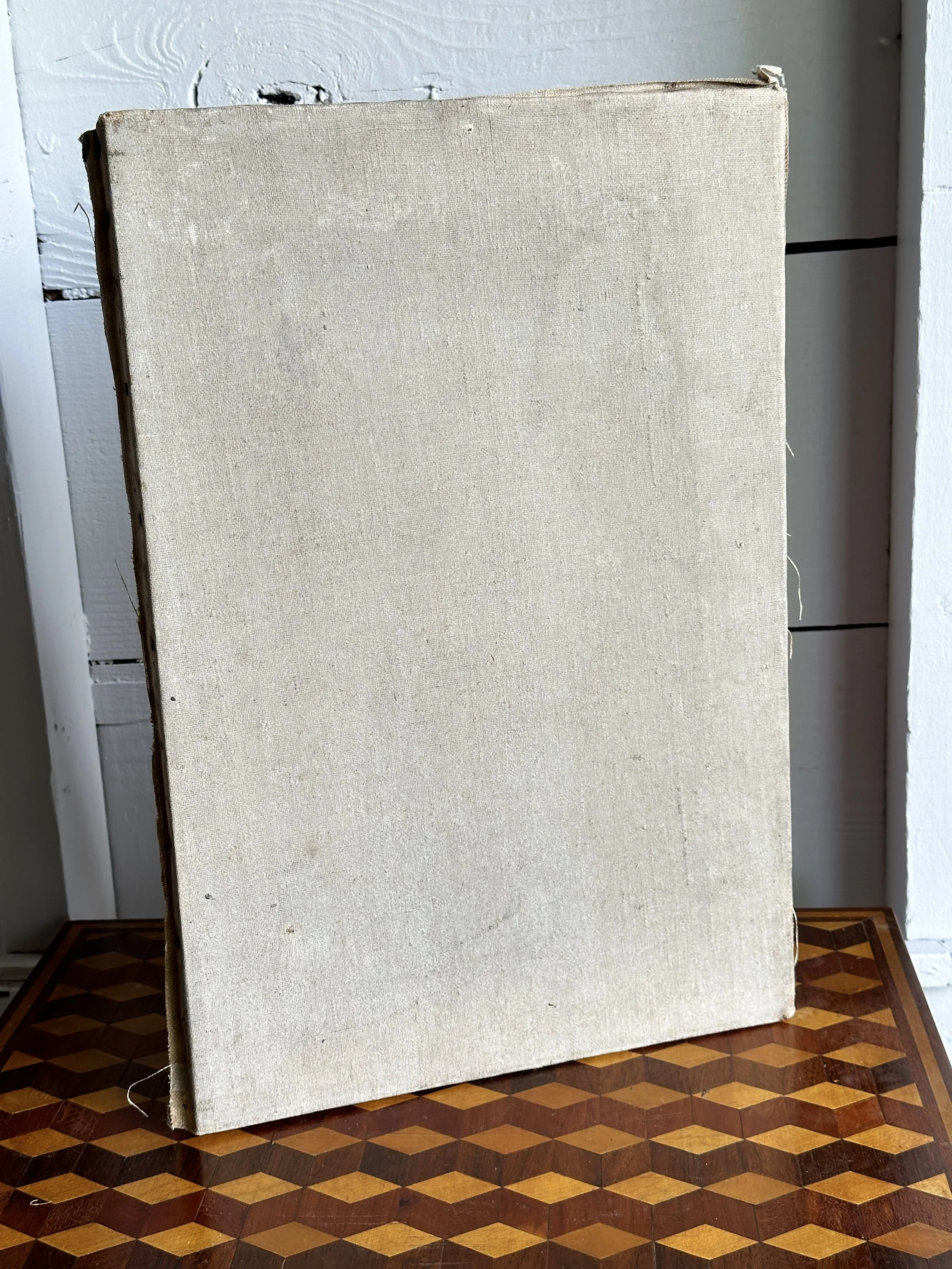
At first glance, it plays a convincing trick on the eye—just a plain, timeworn canvas, the kind you’d expect to find stacked in the back of an old studio, waiting its turn. But flip it around, and suddenly the secret is revealed: a classical nude, painted with soft, deliberate brushstrokes, gazes out from the hidden side. This piece is as much about the surprise as it is the painting itself. The modest, linen-covered back disguises what feels like a forgotten fragment of an artist’s study—a private exercise in anatomy, light, and form.
Category History
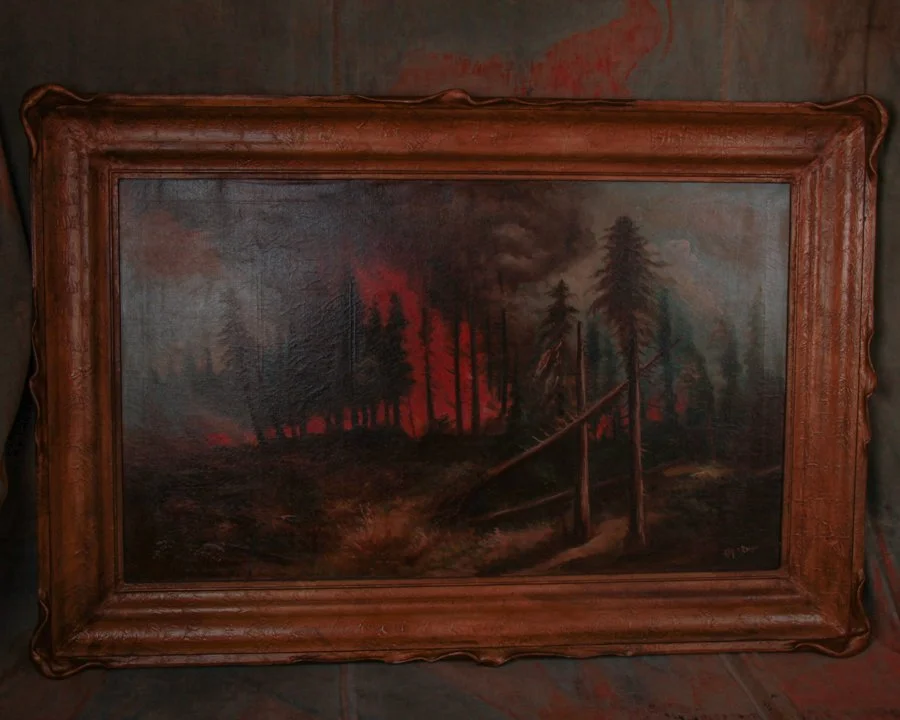
Late 19th to early 20th century oil paintings sit right at a turning point, where tradition meets a growing appetite for looseness and speed. Artists were still working within long-established studio practices—stretching canvas, sizing it with glue, then building up layers of ground—but the way paint was handled began to shift. Academic painters layered thin glazes, slowly building depth and polish. Others, especially influenced by Impressionism, worked more directly, laying down color in thicker, visible strokes.
Oil paint itself made all of this possible. It dries slowly, giving artists time to blend, adjust, scrape back, or completely rethink a passage. Many would begin with a loose underdrawing or tonal block-in, establishing composition and light before committing to color. From there, the painting could evolve in stages or be pushed forward all at once, depending on the artist’s approach.
What’s compelling about works from this period is the tension between control and freedom. You often see areas that are tightly rendered sitting right next to passages that feel almost unfinished. Brushwork becomes part of the story, not something to hide. These paintings don’t just show what the artist saw—they show how they worked, decision by decision, layer by layer.
At first glance, it plays a convincing trick on the eye—just a plain, timeworn canvas, the kind you’d expect to find stacked in the back of an old studio, waiting its turn. But flip it around, and suddenly the secret is revealed: a classical nude, painted with soft, deliberate brushstrokes, gazes out from the hidden side. This piece is as much about the surprise as it is the painting itself. The modest, linen-covered back disguises what feels like a forgotten fragment of an artist’s study—a private exercise in anatomy, light, and form.
Category History
Late 19th to early 20th century oil paintings sit right at a turning point, where tradition meets a growing appetite for looseness and speed. Artists were still working within long-established studio practices—stretching canvas, sizing it with glue, then building up layers of ground—but the way paint was handled began to shift. Academic painters layered thin glazes, slowly building depth and polish. Others, especially influenced by Impressionism, worked more directly, laying down color in thicker, visible strokes.
Oil paint itself made all of this possible. It dries slowly, giving artists time to blend, adjust, scrape back, or completely rethink a passage. Many would begin with a loose underdrawing or tonal block-in, establishing composition and light before committing to color. From there, the painting could evolve in stages or be pushed forward all at once, depending on the artist’s approach.
What’s compelling about works from this period is the tension between control and freedom. You often see areas that are tightly rendered sitting right next to passages that feel almost unfinished. Brushwork becomes part of the story, not something to hide. These paintings don’t just show what the artist saw—they show how they worked, decision by decision, layer by layer.