ITEM NOT AVAILABLE IMMEDIATELY—INQUIRE IF INTERESTED hello@heimweeantiques.com
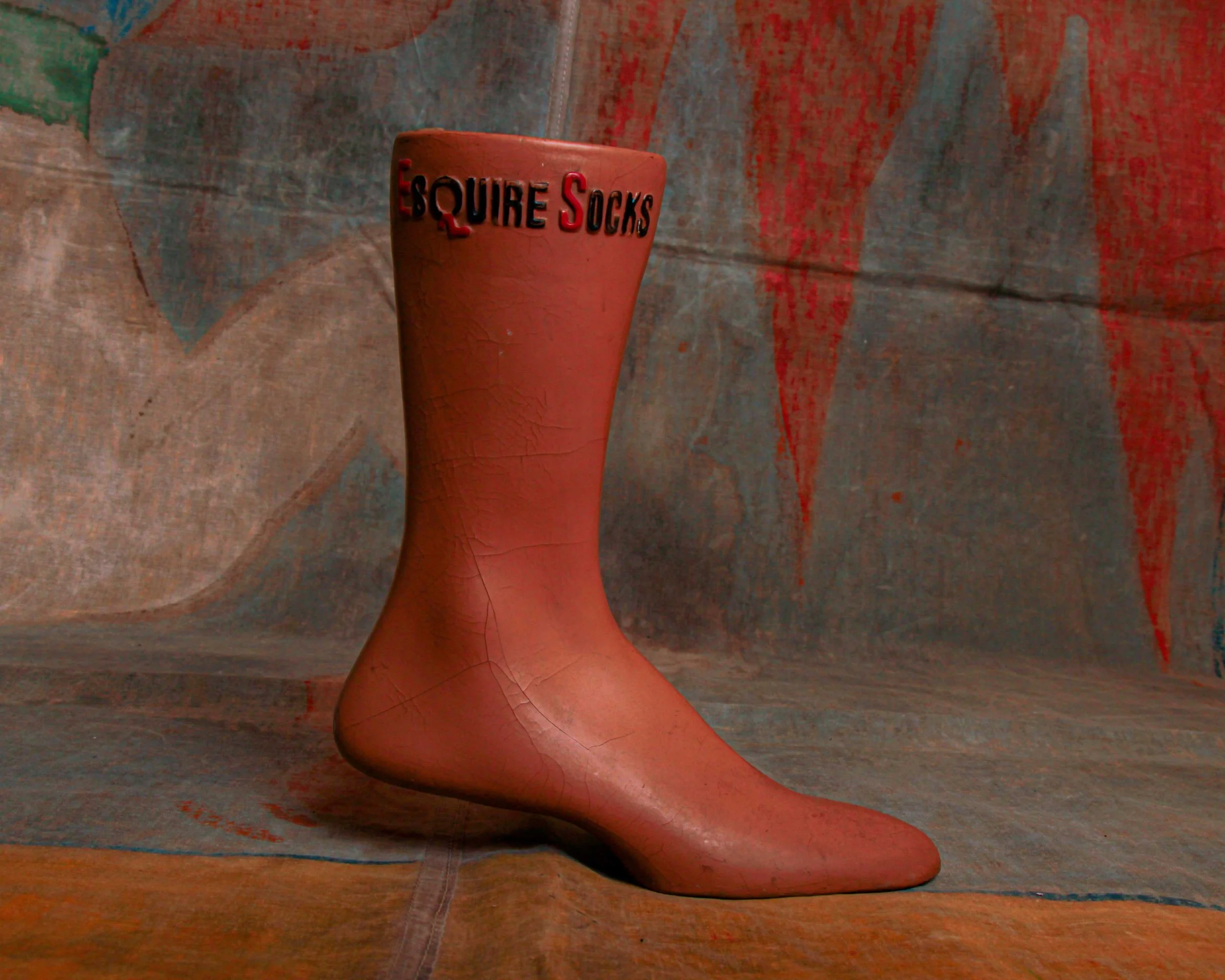
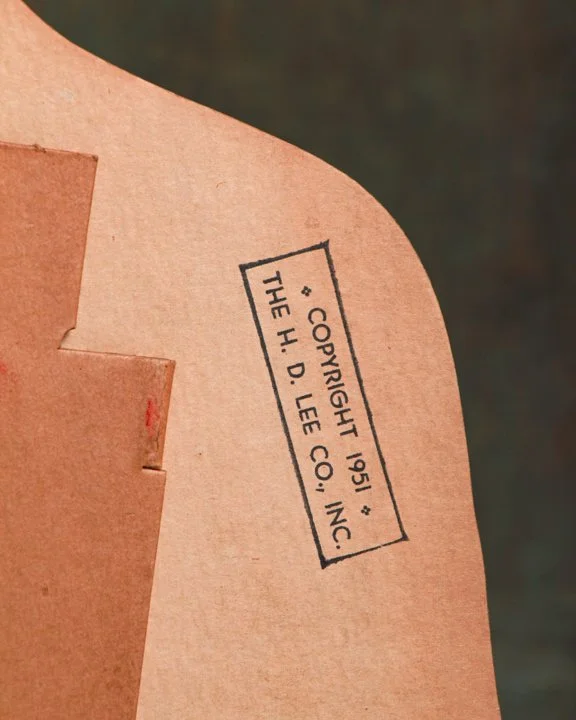
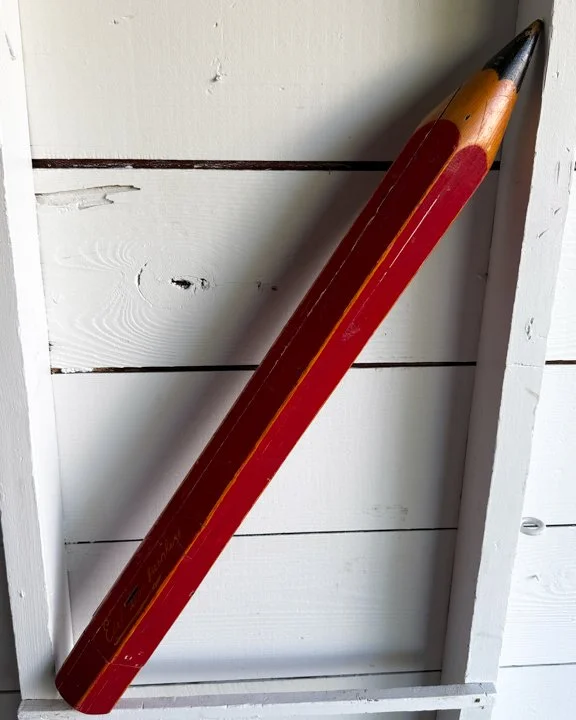
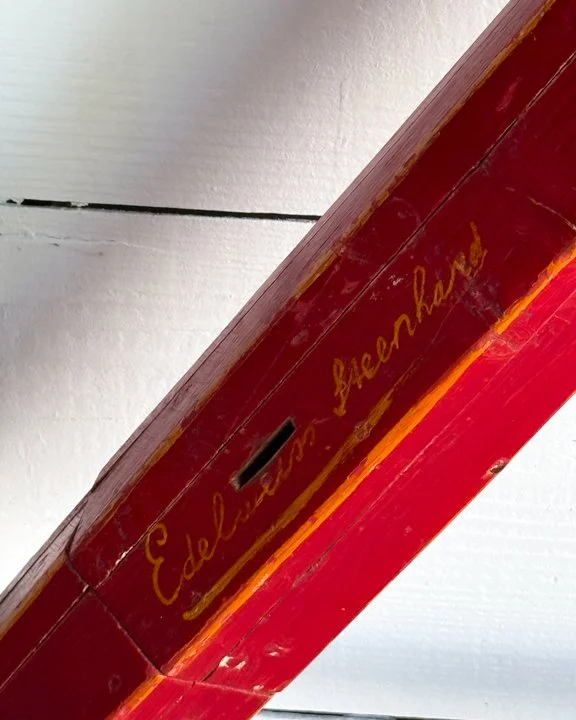
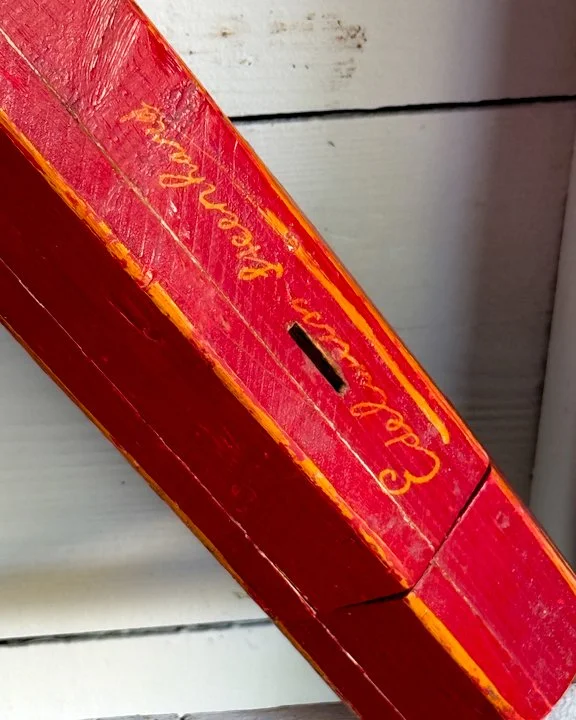
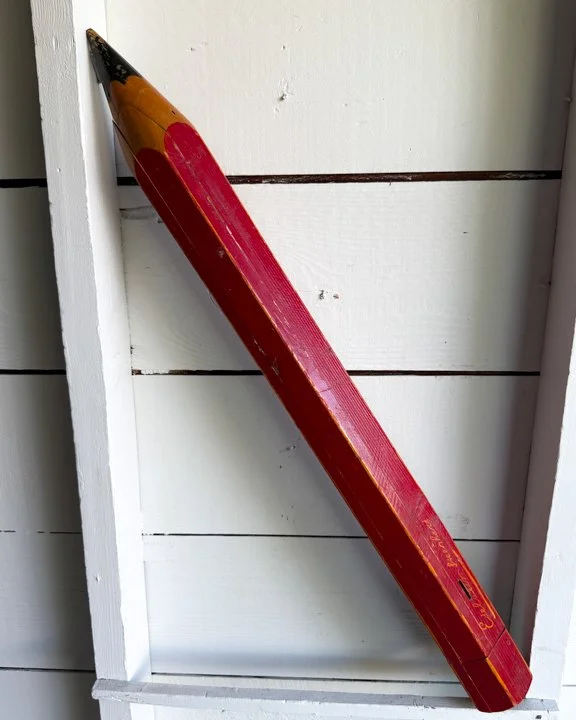
This towering, hand-carved wooden pencil was originally made as a store display—likely to hawk the writing tools of choice for schoolkids, draftsmen, and list-makers alike. Finished in bright red with a yellow racing stripe and stamped Edelweiss Eberhard, it mimics the classic carpenter’s pencil, only scaled way up and with just enough dings and wear to show it had a proper working life.
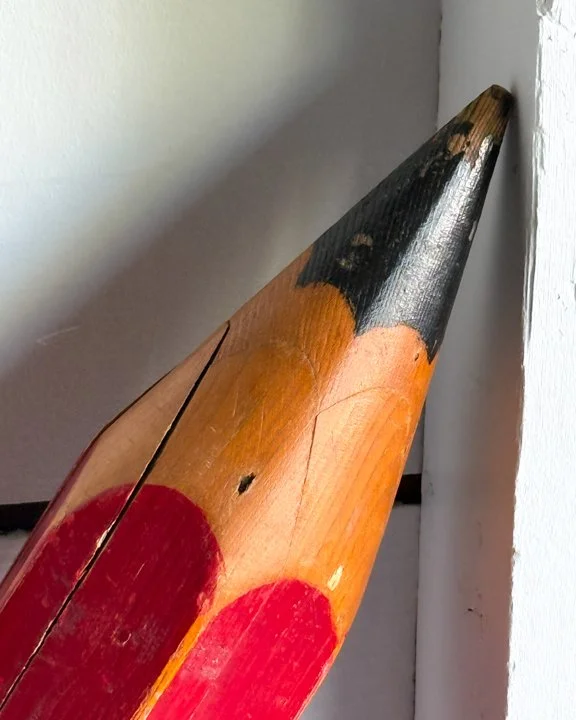
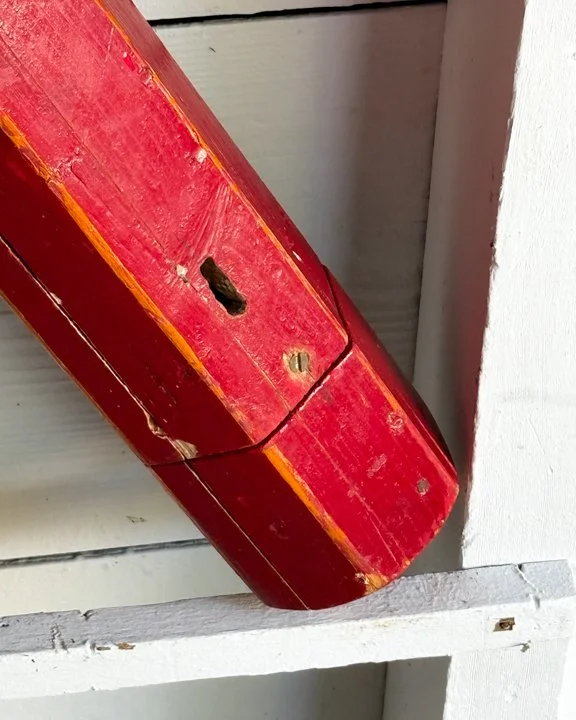
Best part? It doubles as a bank. A narrow coin slot is carved right into the body (with removable cap), making this a savings plan disguised as signage. The whole thing looks like it was made in a workshop rather than a factory—complete with naive but charming paint lines and a chunky graphite tip that’s seen some action.
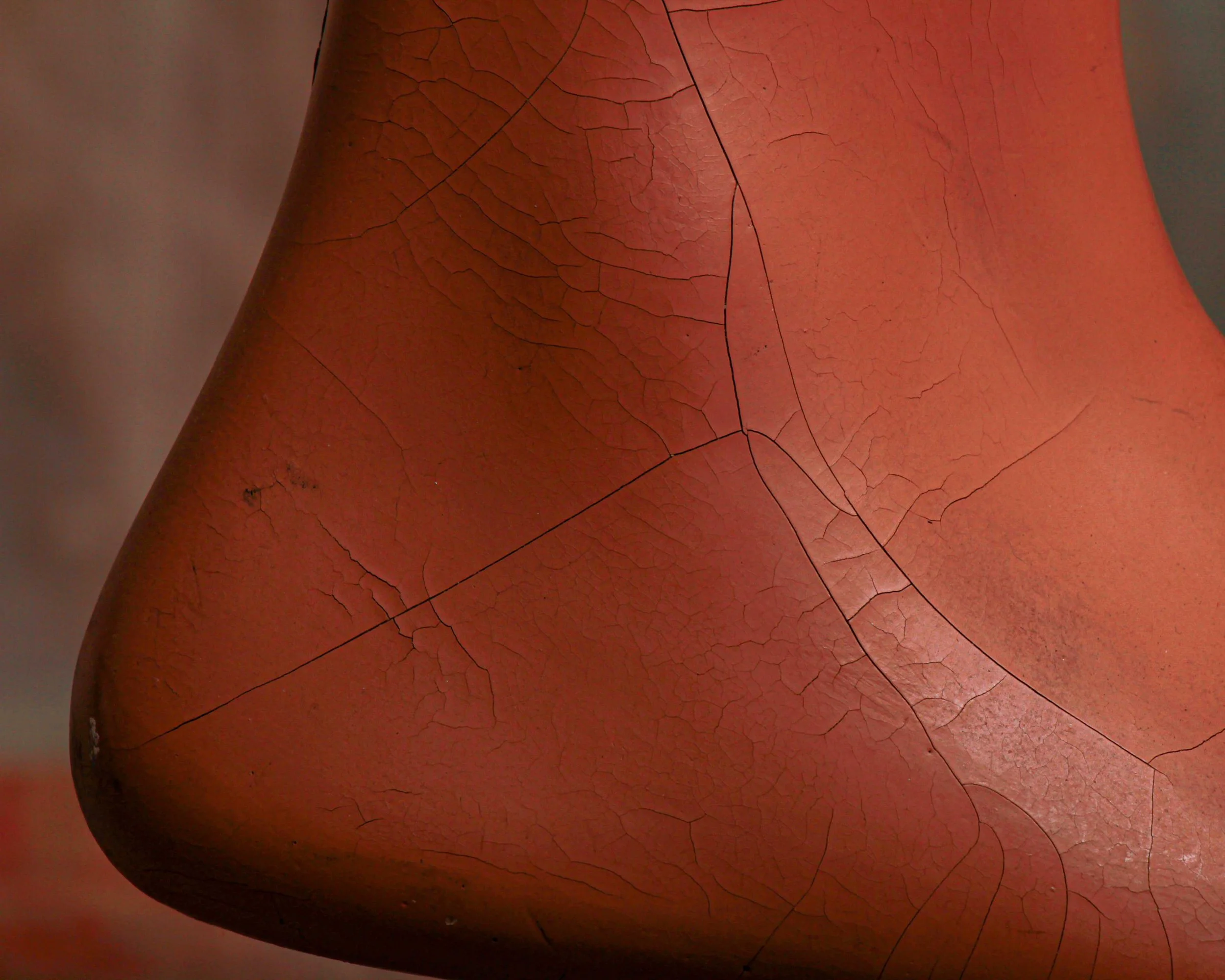
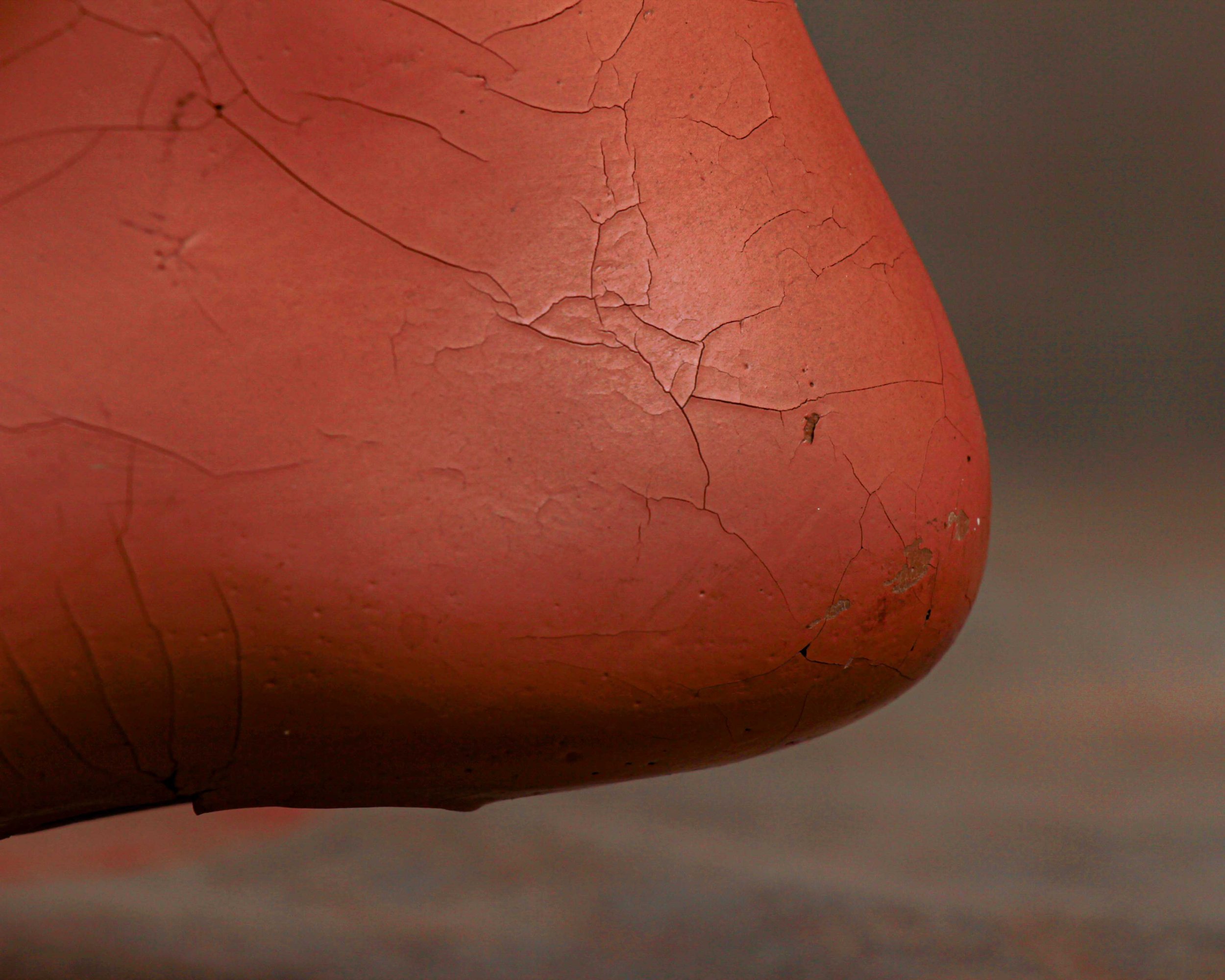
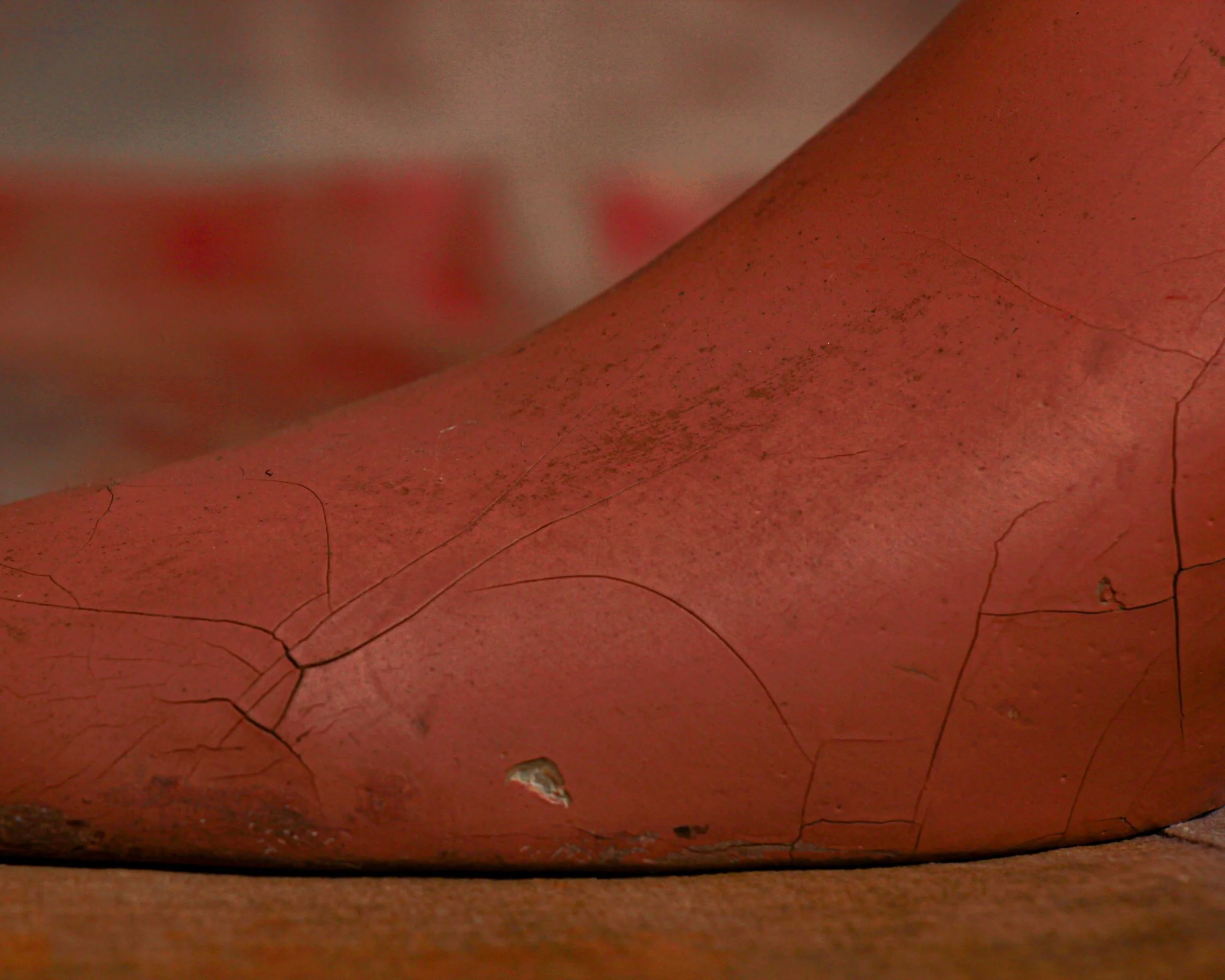
Scuffs and cracks throughout.
Category History
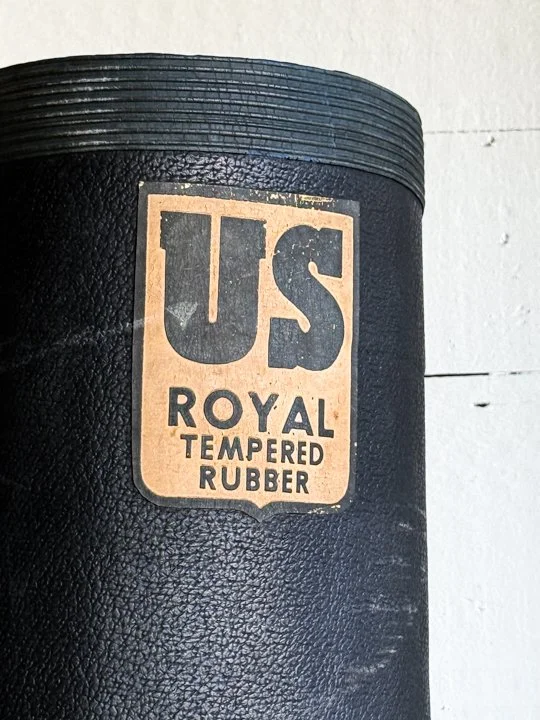
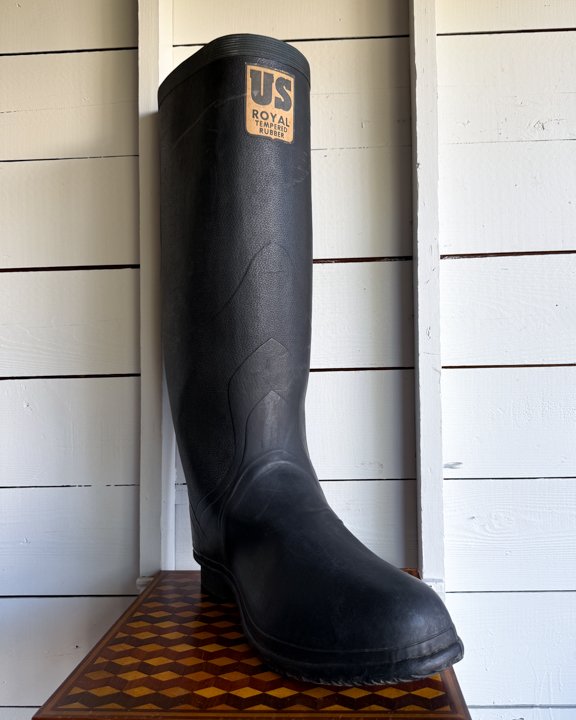
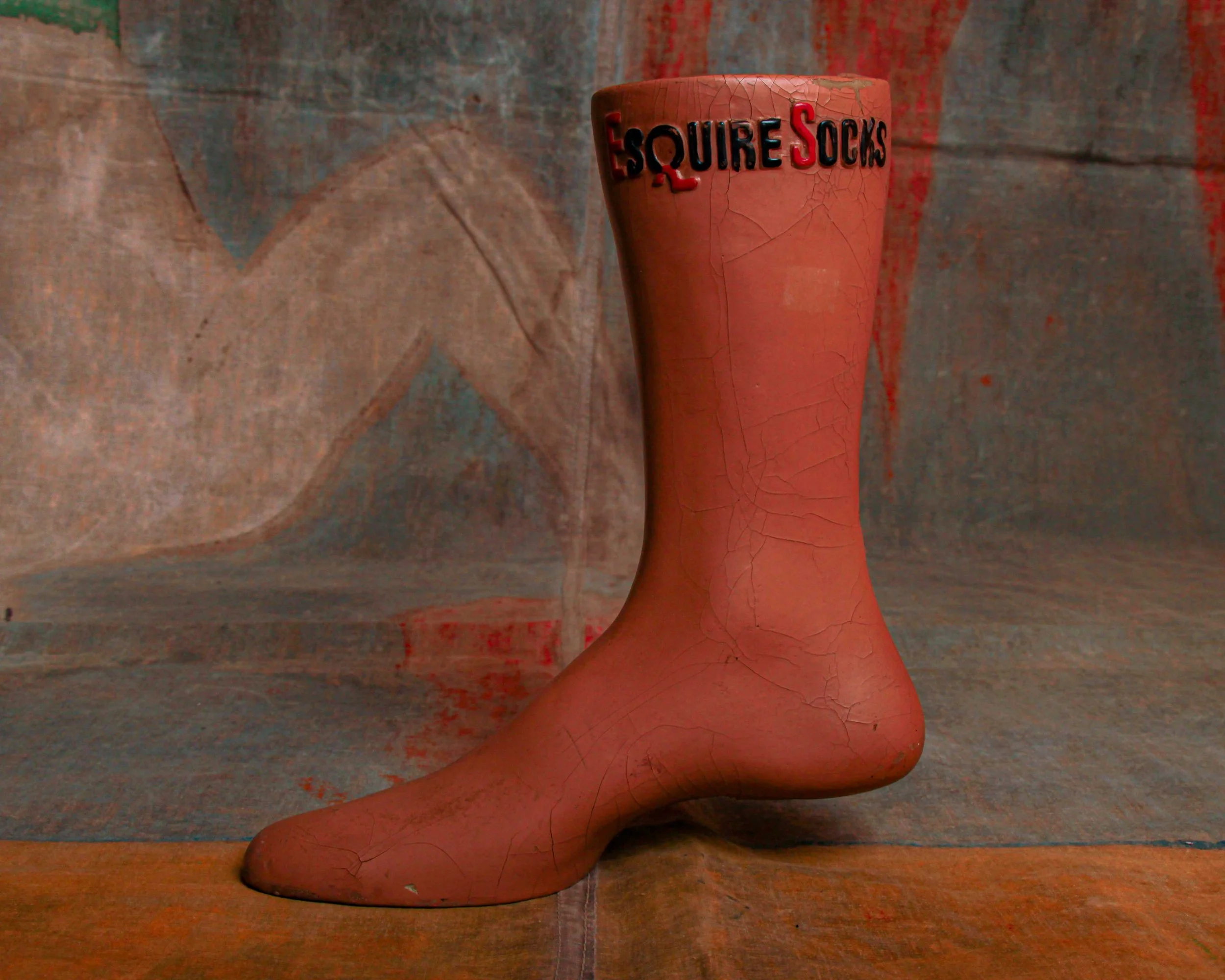
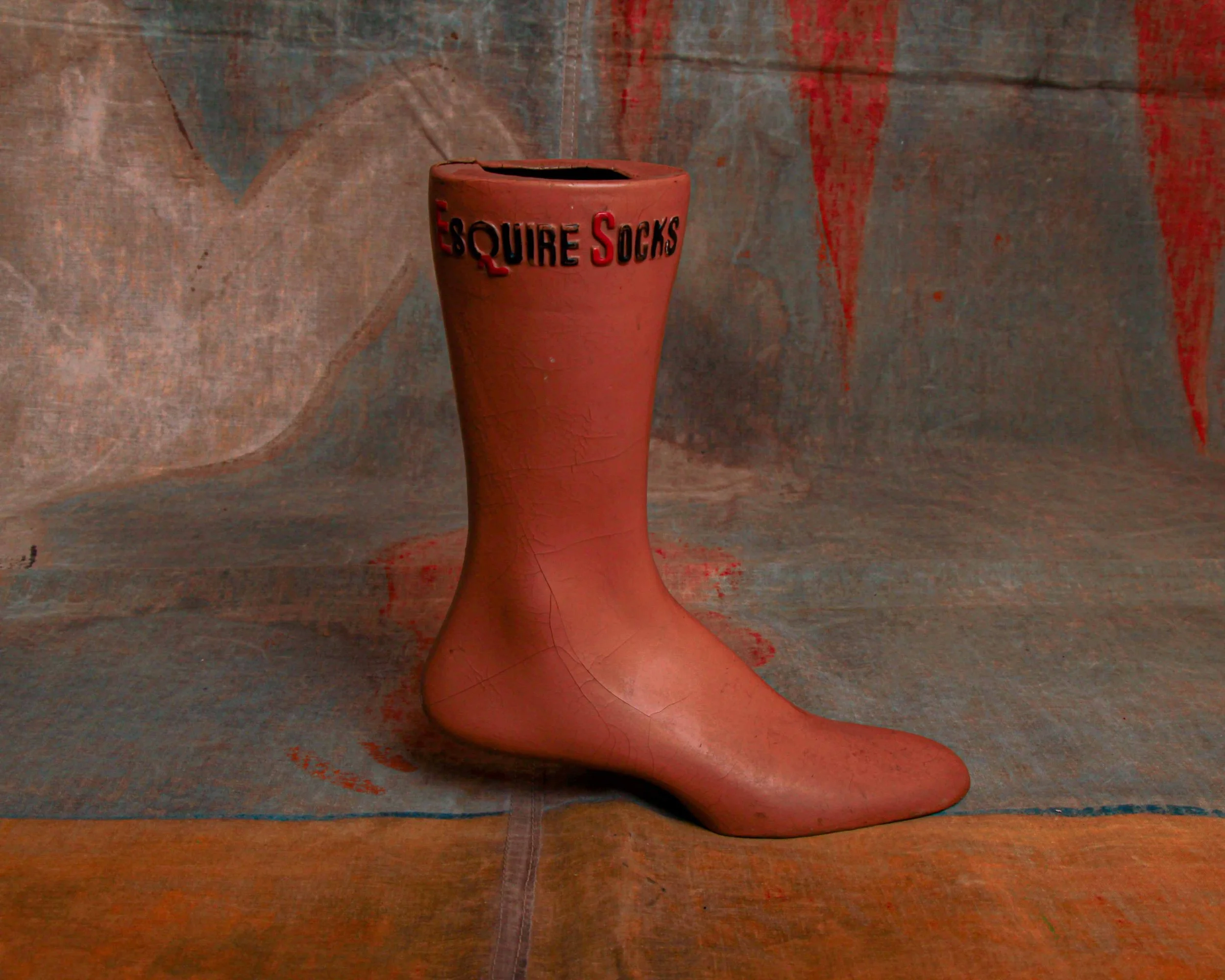
Oversized advertising displays are retail’s version of a shout across the street. Long before digital screens, shops relied on scale to grab attention—take something familiar and make it absurdly large. A rubber boot taller than a doorway, a pencil the size of a bat, a sneaker you could practically climb into. You didn’t need to read anything. You just looked.
These pieces showed up from the early 20th century onward, often made from lightweight materials like papier-mâché, wood, plaster, or later fiberglass and rubber. They were built to be seen from a distance and to hold up in windows, sidewalks, or trade shows. Function came second to impact, but the better examples still carry a surprising level of detail—stitched seams, laces, logos, all scaled up with care.
What makes them interesting is how direct the idea is. No subtlety, no decoding. If you sold boots, you showed a boot—just bigger and louder than anyone else’s. It’s marketing boiled down to instinct.
Over time, many were discarded once campaigns ended or displays changed. The survivors carry scuffs, repairs, sun fade—the marks of being out in the world doing their job.
Now they read as equal parts sculpture and sales pitch. Playful, a little surreal, and still doing exactly what they were meant to do: stop you in your tracks.
ITEM NOT AVAILABLE IMMEDIATELY—INQUIRE IF INTERESTED hello@heimweeantiques.com
This towering, hand-carved wooden pencil was originally made as a store display—likely to hawk the writing tools of choice for schoolkids, draftsmen, and list-makers alike. Finished in bright red with a yellow racing stripe and stamped Edelweiss Eberhard, it mimics the classic carpenter’s pencil, only scaled way up and with just enough dings and wear to show it had a proper working life.
Best part? It doubles as a bank. A narrow coin slot is carved right into the body (with removable cap), making this a savings plan disguised as signage. The whole thing looks like it was made in a workshop rather than a factory—complete with naive but charming paint lines and a chunky graphite tip that’s seen some action.
Scuffs and cracks throughout.
Category History
Oversized advertising displays are retail’s version of a shout across the street. Long before digital screens, shops relied on scale to grab attention—take something familiar and make it absurdly large. A rubber boot taller than a doorway, a pencil the size of a bat, a sneaker you could practically climb into. You didn’t need to read anything. You just looked.
These pieces showed up from the early 20th century onward, often made from lightweight materials like papier-mâché, wood, plaster, or later fiberglass and rubber. They were built to be seen from a distance and to hold up in windows, sidewalks, or trade shows. Function came second to impact, but the better examples still carry a surprising level of detail—stitched seams, laces, logos, all scaled up with care.
What makes them interesting is how direct the idea is. No subtlety, no decoding. If you sold boots, you showed a boot—just bigger and louder than anyone else’s. It’s marketing boiled down to instinct.
Over time, many were discarded once campaigns ended or displays changed. The survivors carry scuffs, repairs, sun fade—the marks of being out in the world doing their job.
Now they read as equal parts sculpture and sales pitch. Playful, a little surreal, and still doing exactly what they were meant to do: stop you in your tracks.