PLEASE EMAIL US RE: SHIPPING TIMING BEFORE PURCHASING hello@heimweeantiques.com
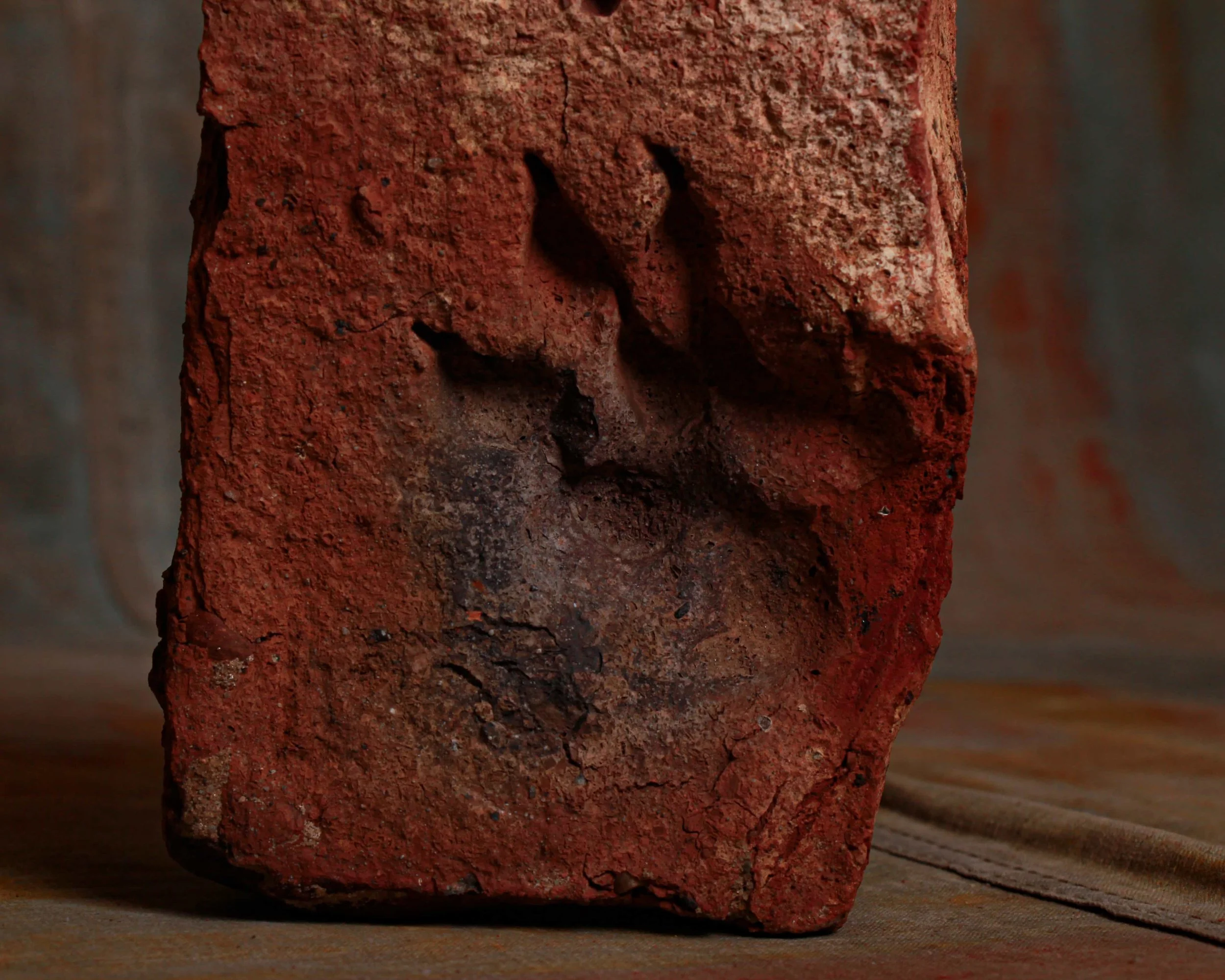
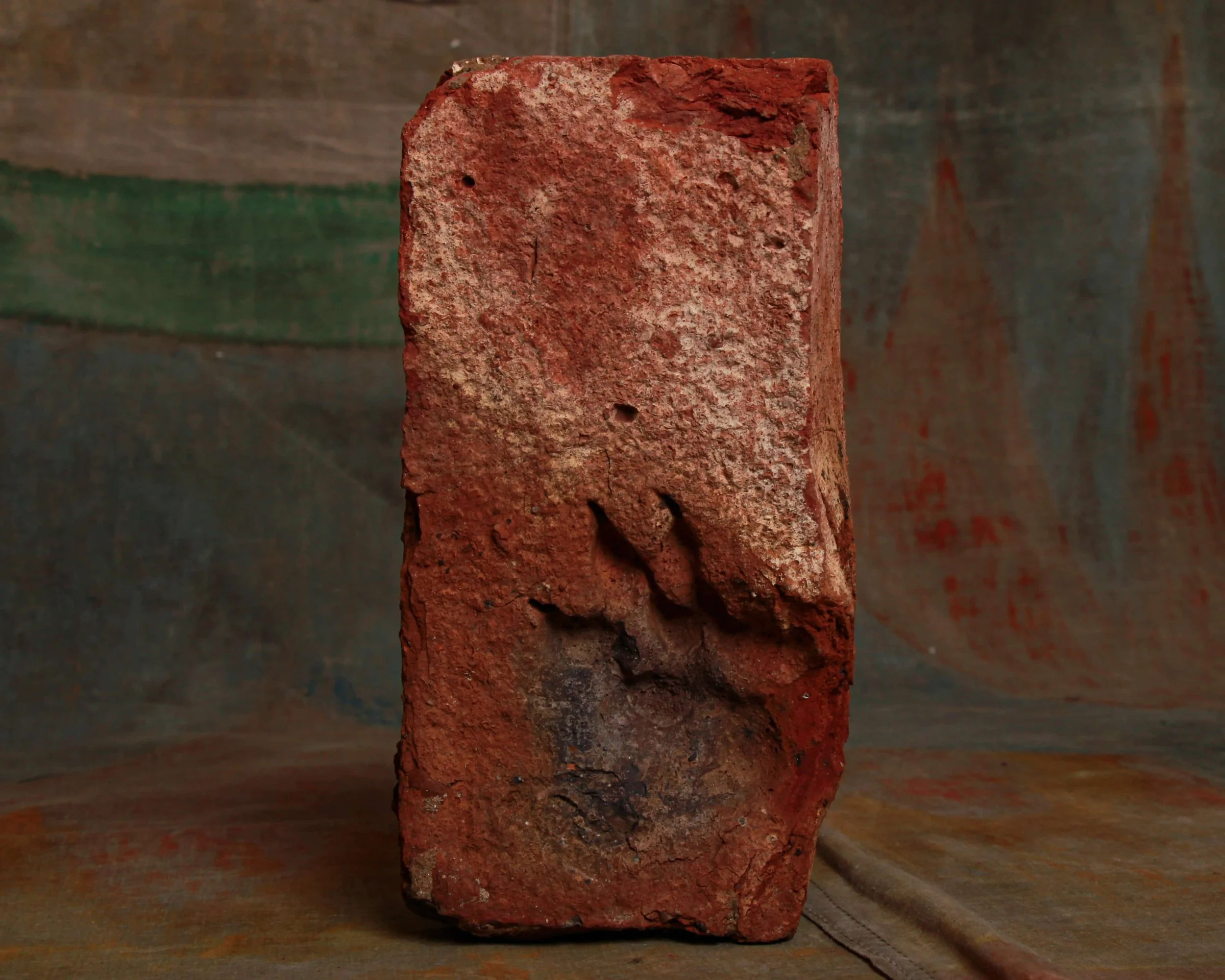
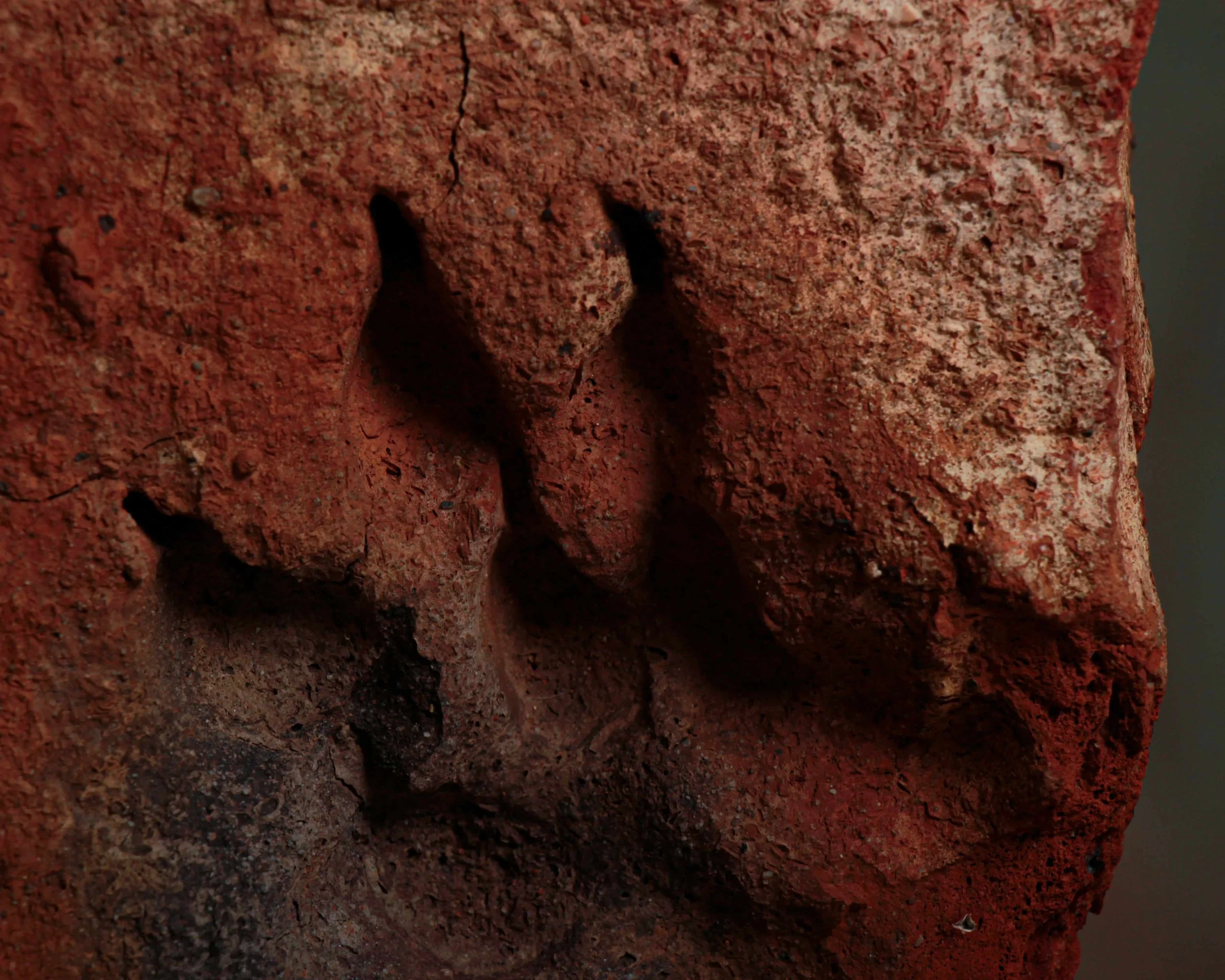
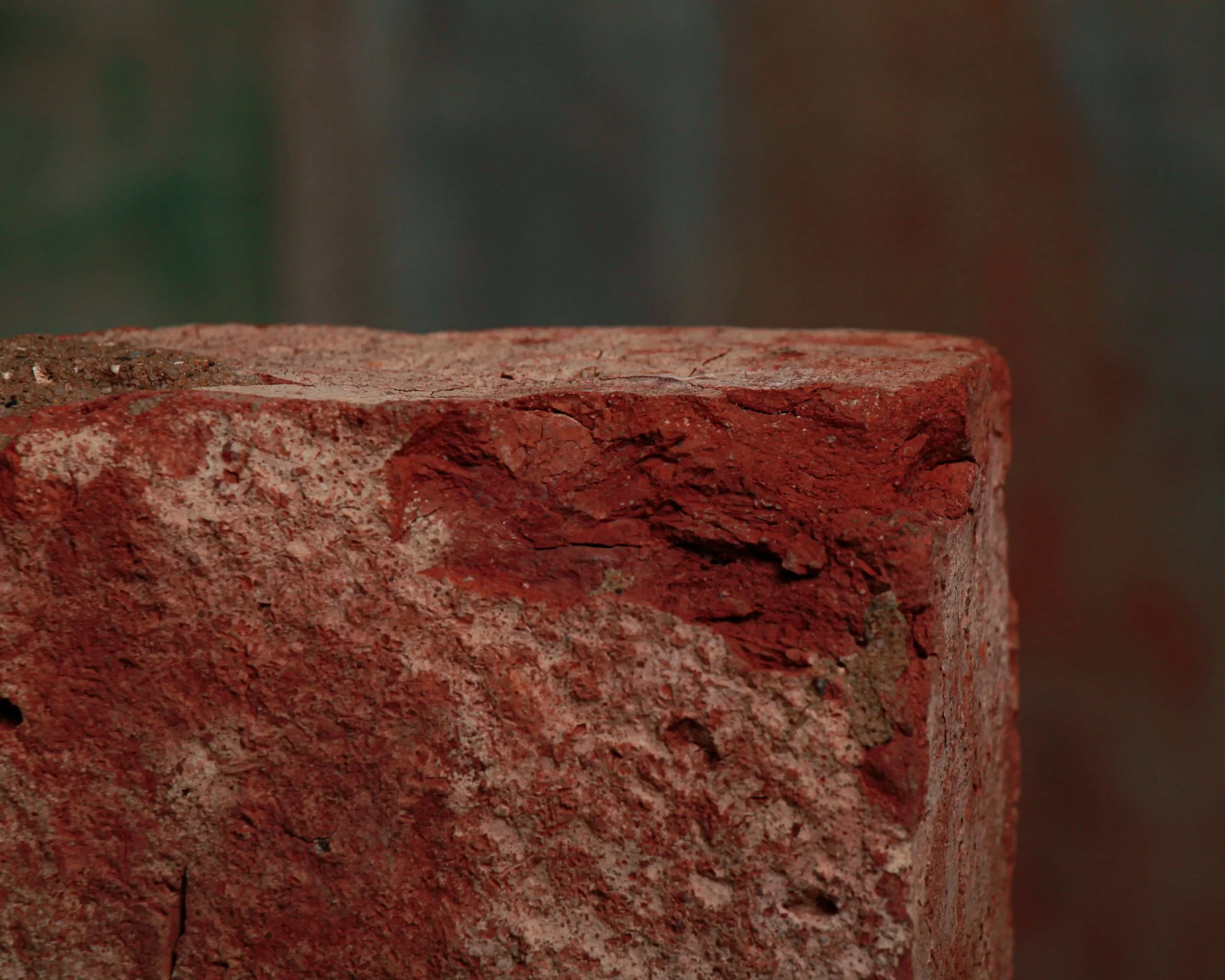
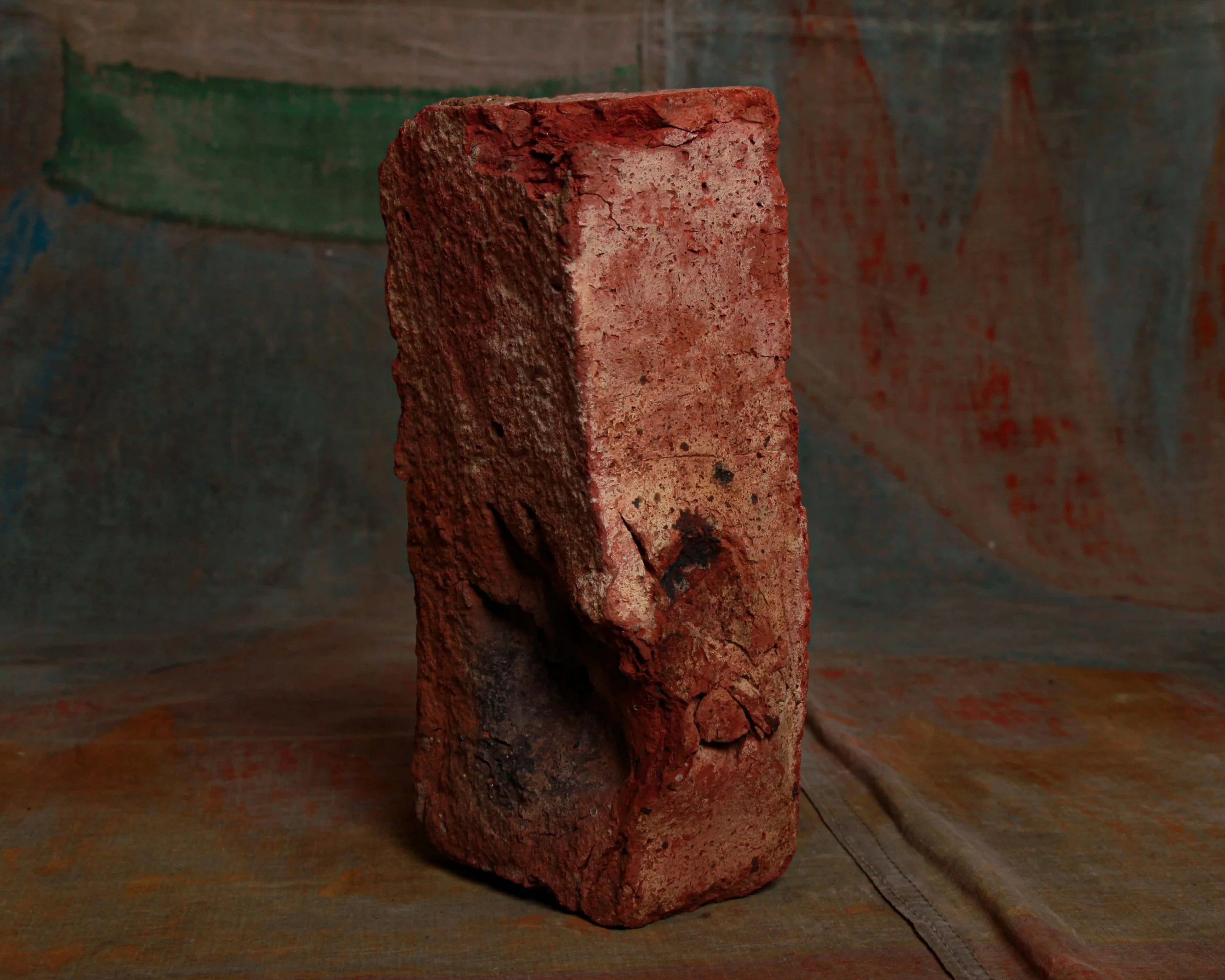
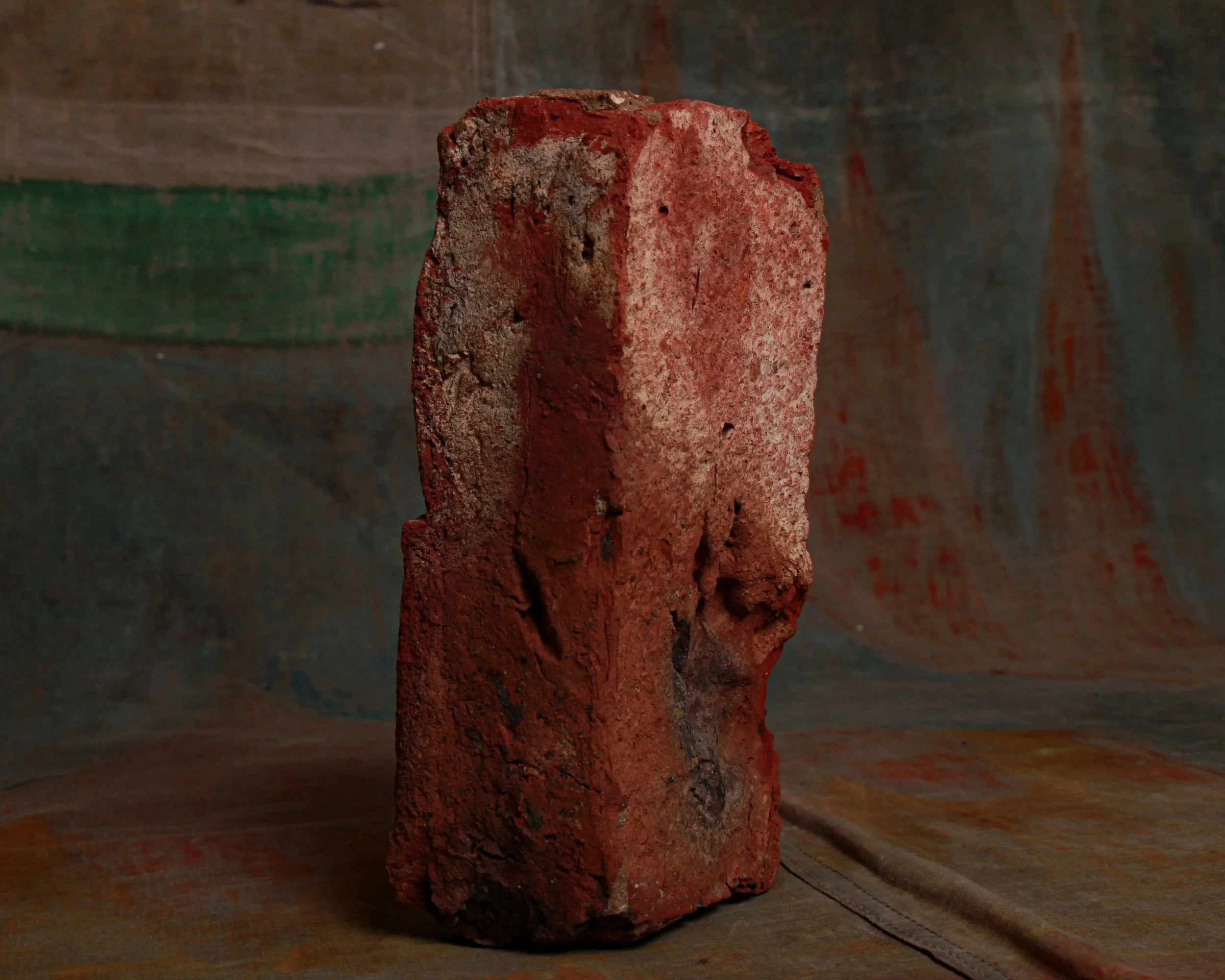
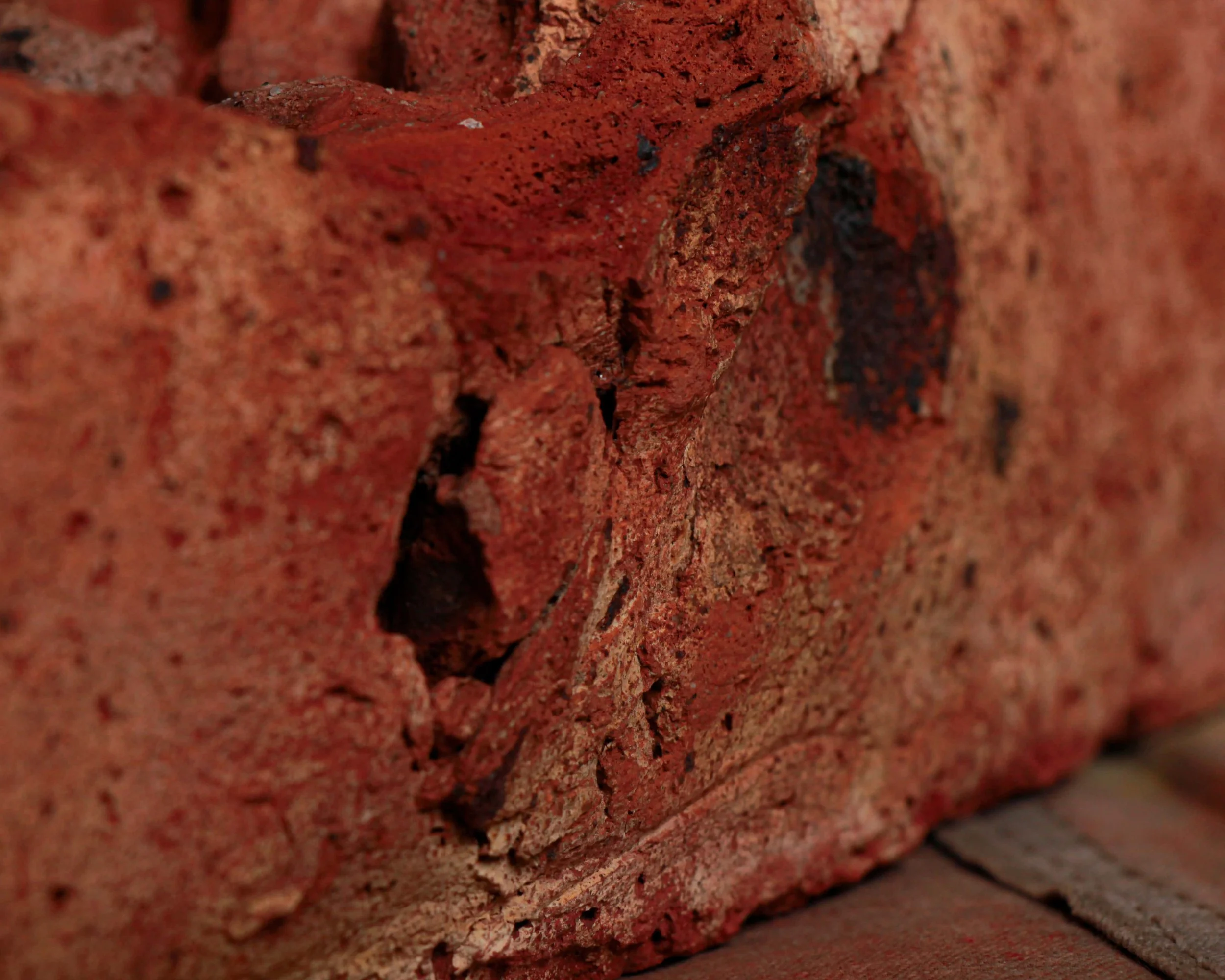
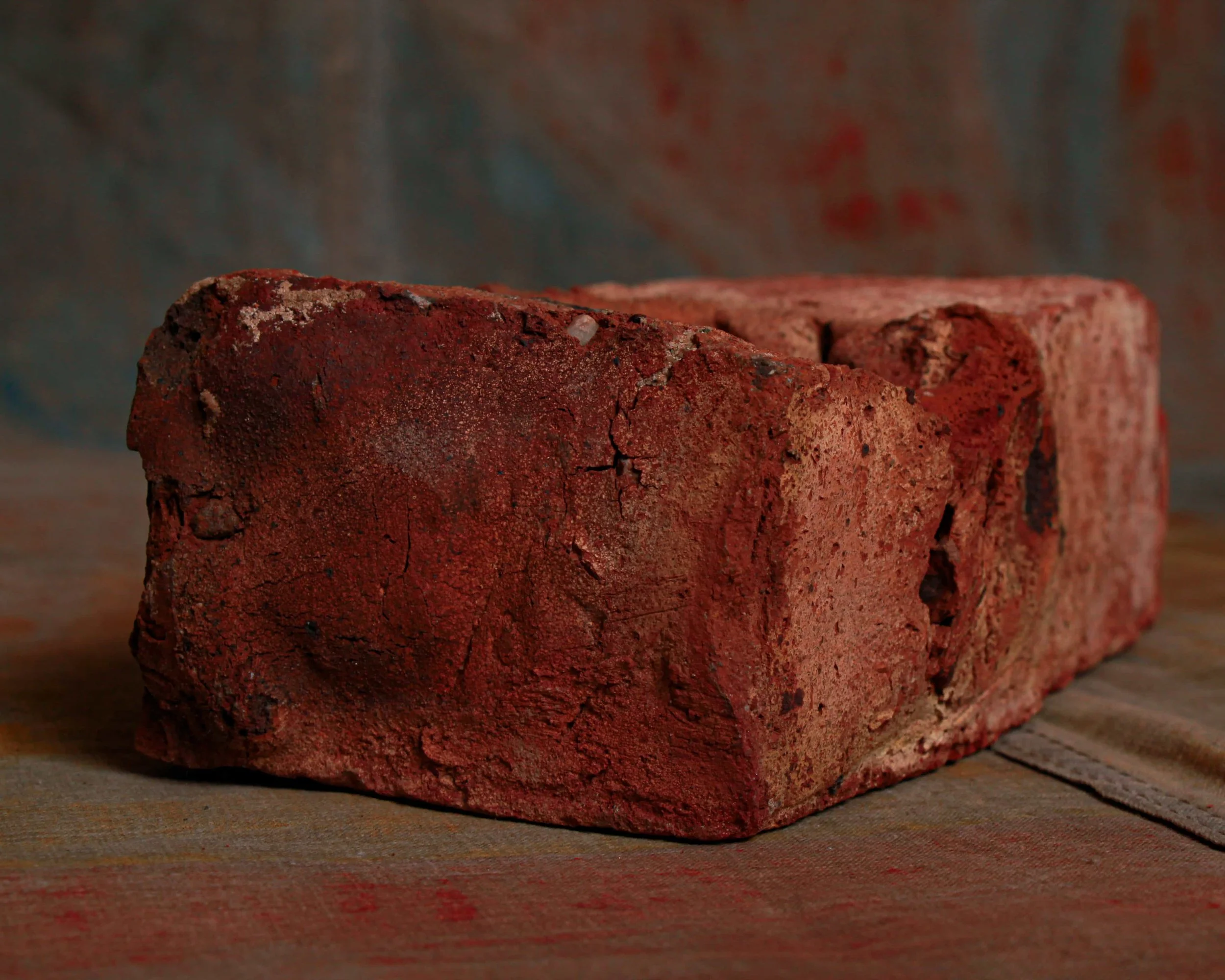
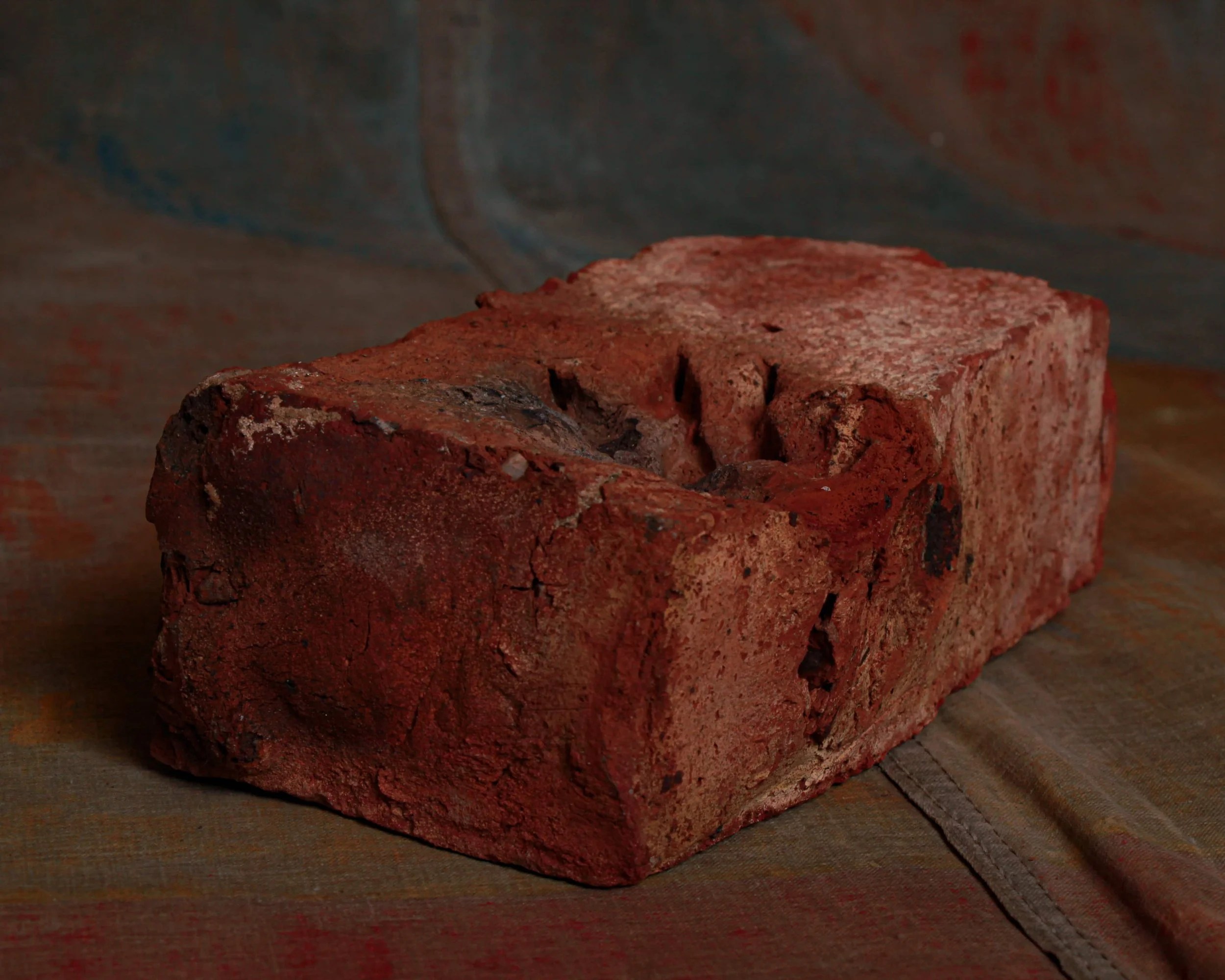
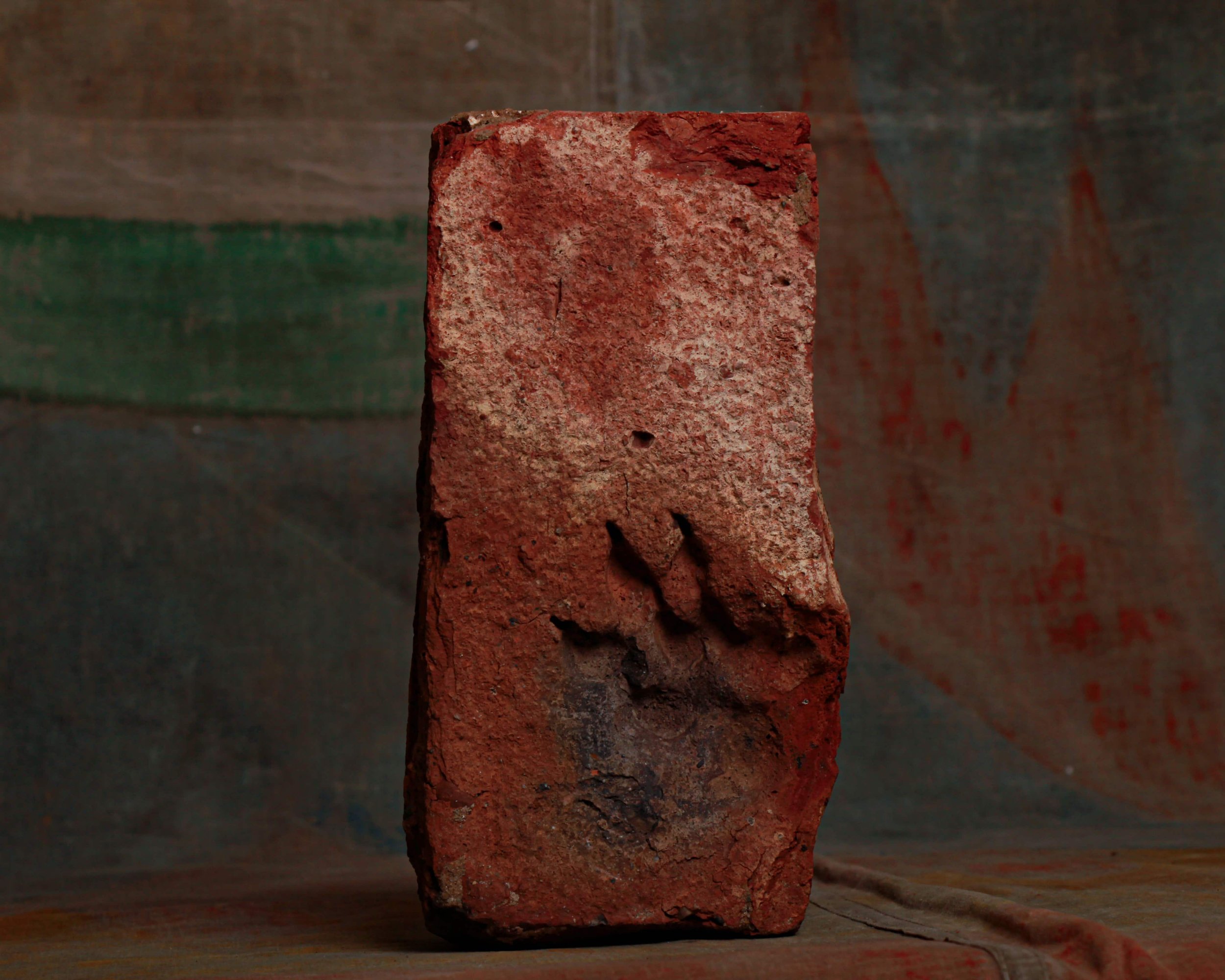
A humble red English brick, handmade in the late Victorian period, turned into an accidental time capsule when a hound planted its paw in the soft clay before firing. The result? A bold, unmistakable print that has survived well over a century. Measuring 9 inches long, 5 inches deep, and 3 inches tall, it carries the usual knocks, chips, and mortar remnants you’d expect from something salvaged long ago, but it’s the canine impression that makes it irresistible. Was it the paw of a working dog padding through a brickyard, or a curious stray leaving its autograph for posterity? Either way, this brick holds a story you can feel every time you trace your fingers across the print. A fragment of Victorian industry with a touch of animal mischief.
Category History
Occasionally, a brick leaves the kiln with an unexpected signature. In the 19th and early 20th centuries, bricks were often laid out to dry in open yards before firing. Soft, damp clay made a perfect canvas—and curious animals took advantage. Dogs, cats, birds, even the occasional farmyard wanderer would step across the surface, pressing in a set of tracks that would later be fired permanently into the finished brick.
These impressions are more than charming accidents—they’re tiny field guides. A cat’s paw tends to be round with no visible claw marks, while a dog’s print is more oval and often shows claws. Birds leave three-pronged, forward-facing tracks, sometimes with a rear toe. Size and stride can hint at scale and movement, whether it was a cautious step or a quick pass through.
Once fired, the clay locks everything in place. What began as a fleeting moment—a single step across wet earth—becomes something fixed and surprisingly personal, carried forward in brick and time.
PLEASE EMAIL US RE: SHIPPING TIMING BEFORE PURCHASING hello@heimweeantiques.com
A humble red English brick, handmade in the late Victorian period, turned into an accidental time capsule when a hound planted its paw in the soft clay before firing. The result? A bold, unmistakable print that has survived well over a century. Measuring 9 inches long, 5 inches deep, and 3 inches tall, it carries the usual knocks, chips, and mortar remnants you’d expect from something salvaged long ago, but it’s the canine impression that makes it irresistible. Was it the paw of a working dog padding through a brickyard, or a curious stray leaving its autograph for posterity? Either way, this brick holds a story you can feel every time you trace your fingers across the print. A fragment of Victorian industry with a touch of animal mischief.
Category History
Occasionally, a brick leaves the kiln with an unexpected signature. In the 19th and early 20th centuries, bricks were often laid out to dry in open yards before firing. Soft, damp clay made a perfect canvas—and curious animals took advantage. Dogs, cats, birds, even the occasional farmyard wanderer would step across the surface, pressing in a set of tracks that would later be fired permanently into the finished brick.
These impressions are more than charming accidents—they’re tiny field guides. A cat’s paw tends to be round with no visible claw marks, while a dog’s print is more oval and often shows claws. Birds leave three-pronged, forward-facing tracks, sometimes with a rear toe. Size and stride can hint at scale and movement, whether it was a cautious step or a quick pass through.
Once fired, the clay locks everything in place. What began as a fleeting moment—a single step across wet earth—becomes something fixed and surprisingly personal, carried forward in brick and time.