
ITEM NOT AVAILABLE IMMEDIATELY—INQUIRE IF INTERESTED hello@heimweeantiques.com
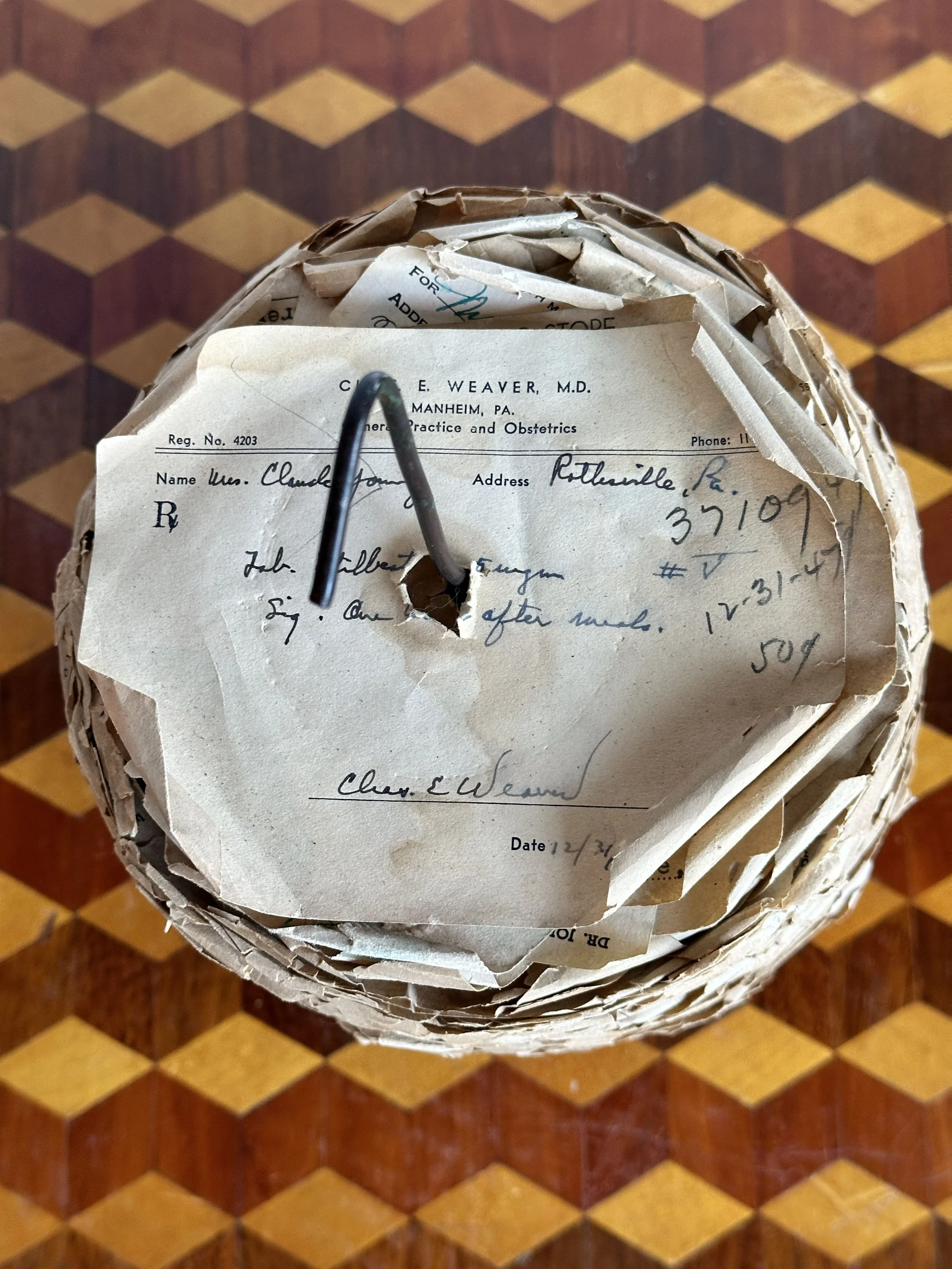
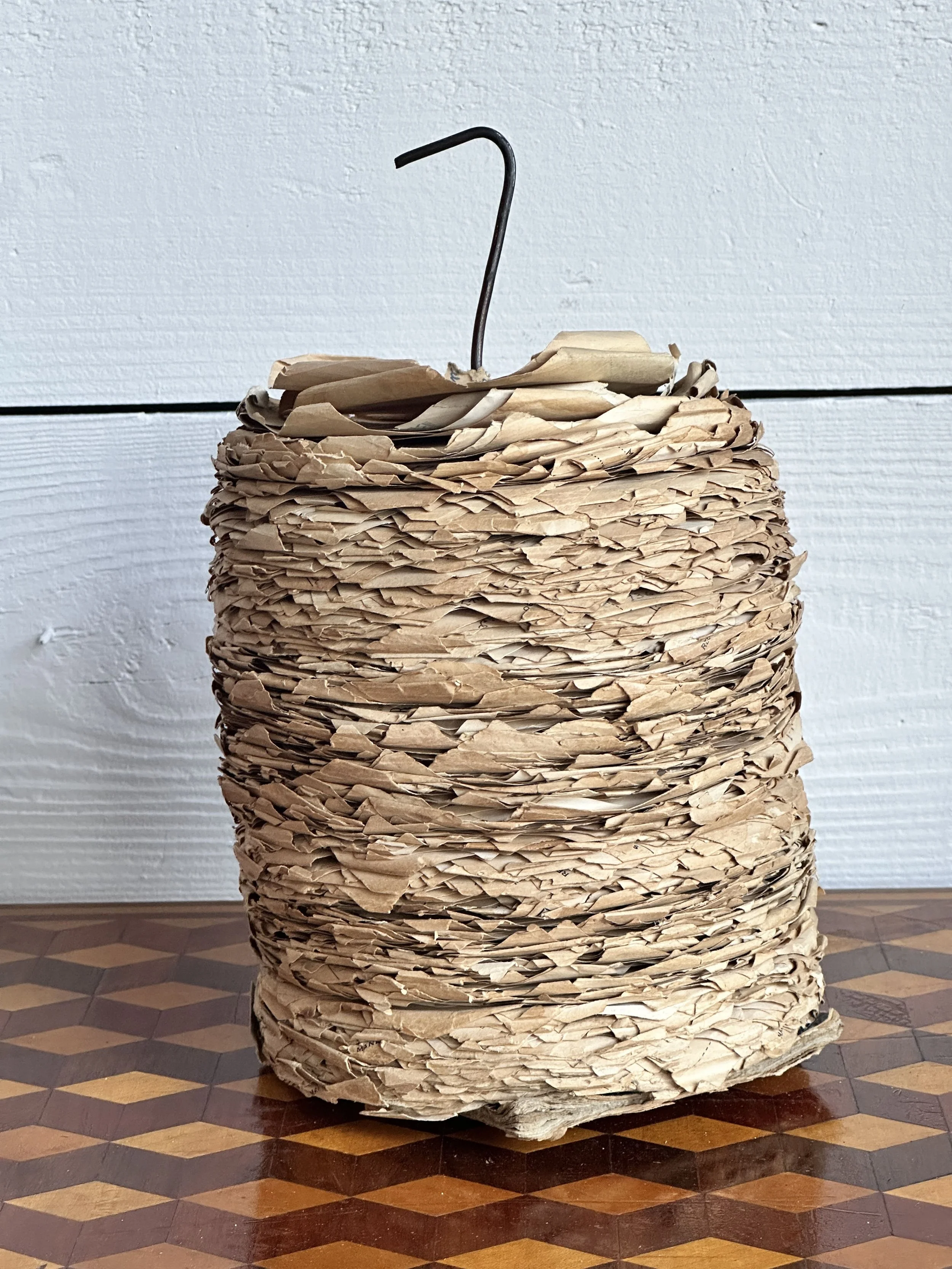
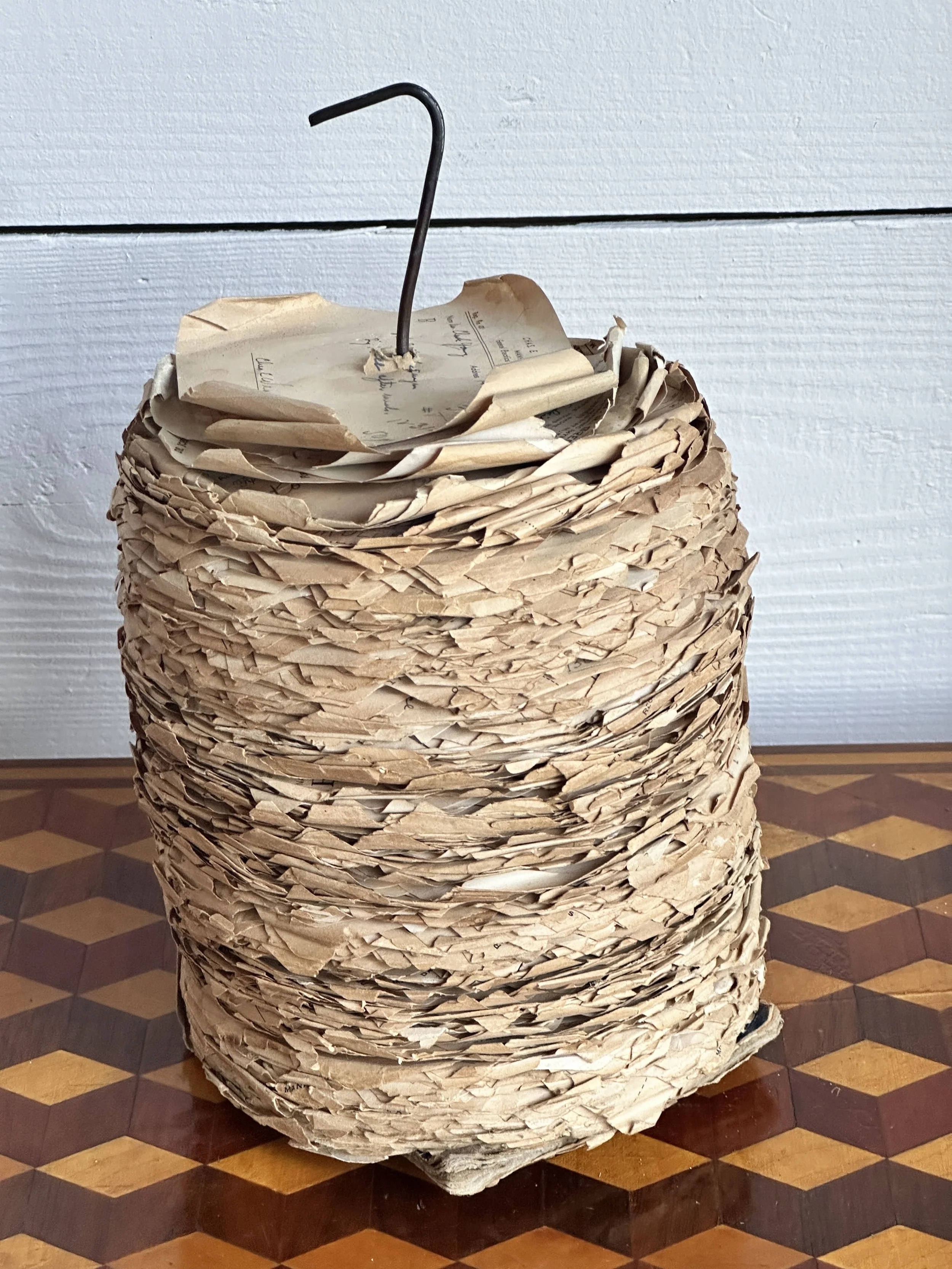
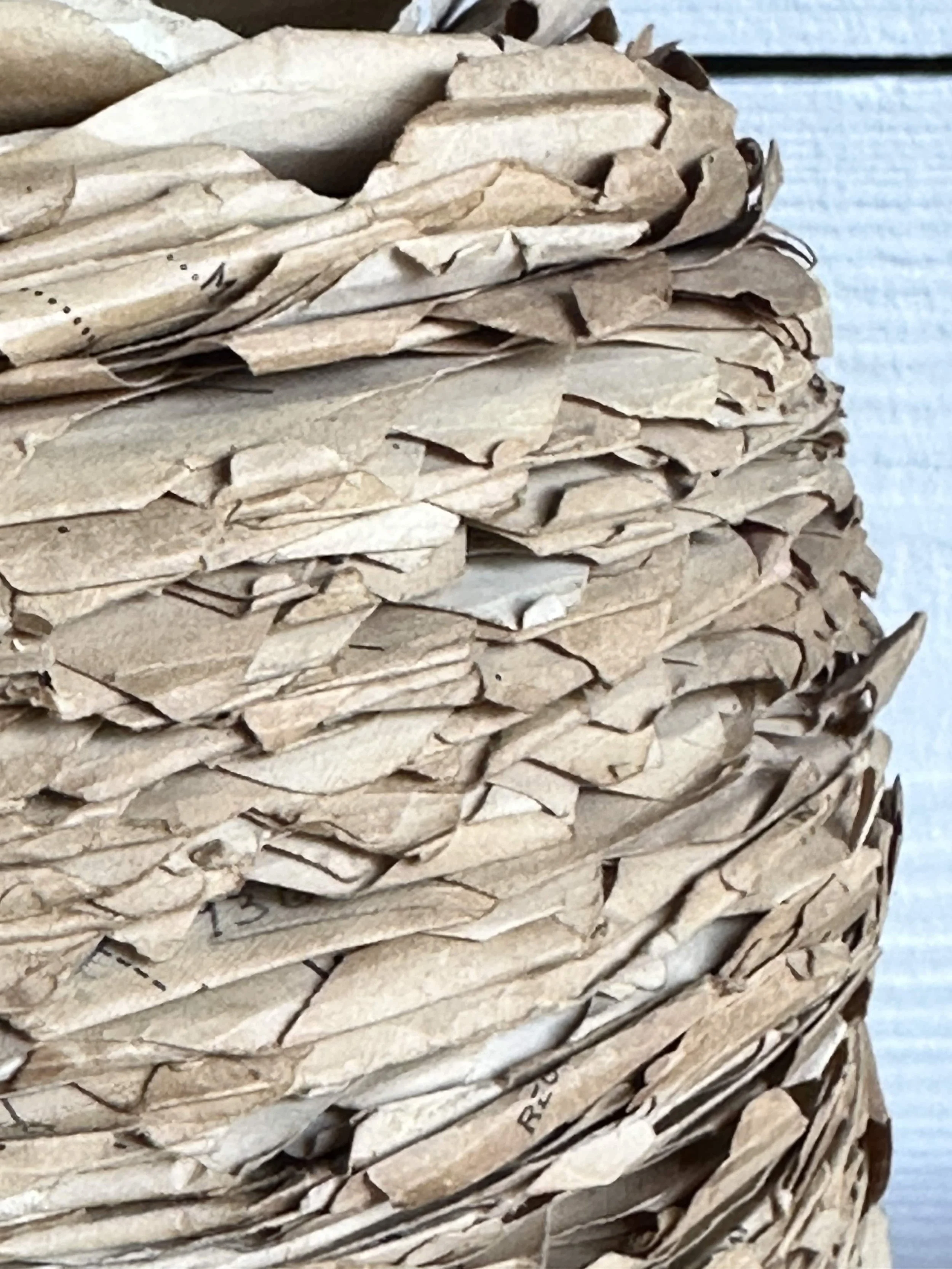
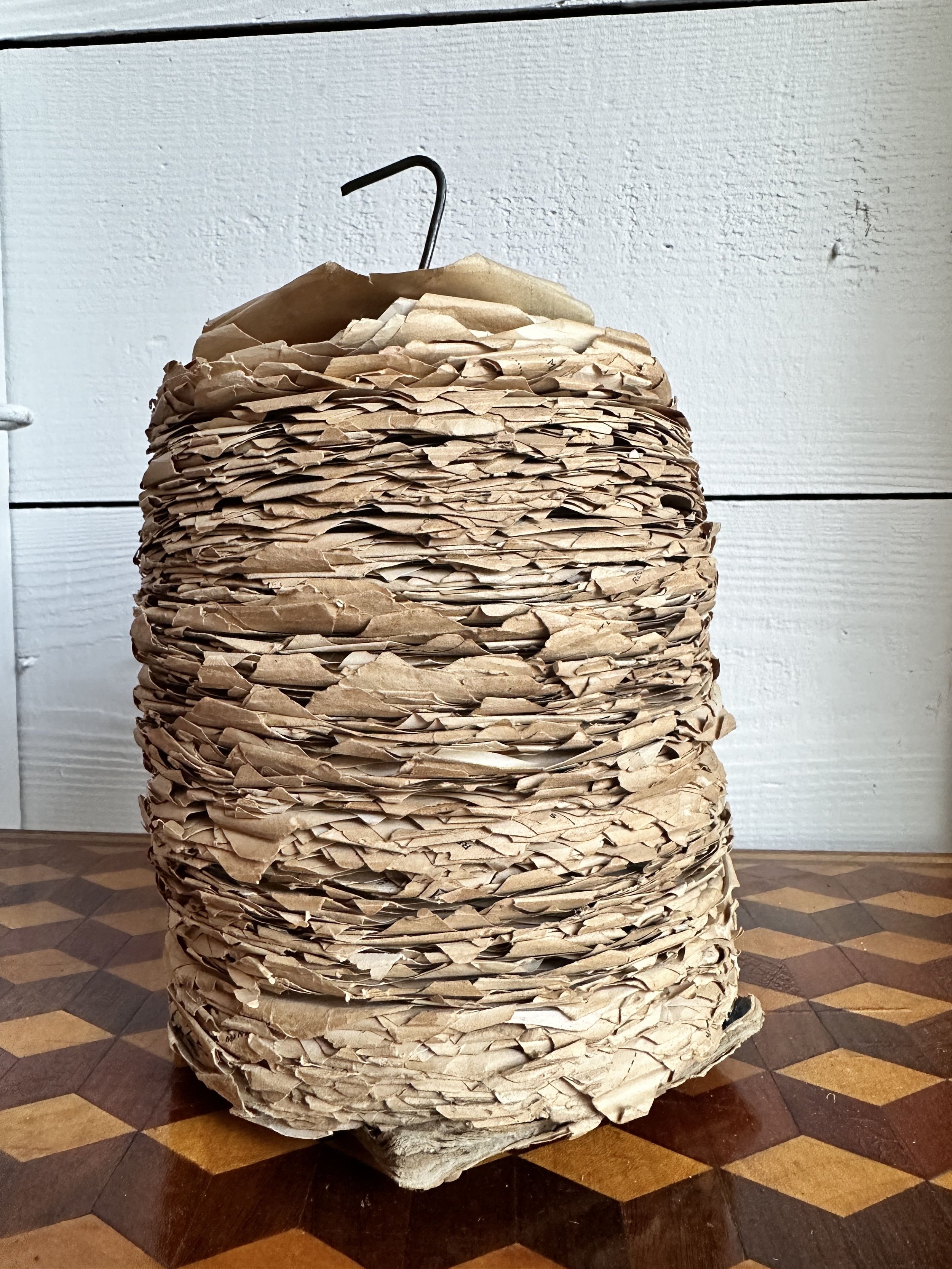
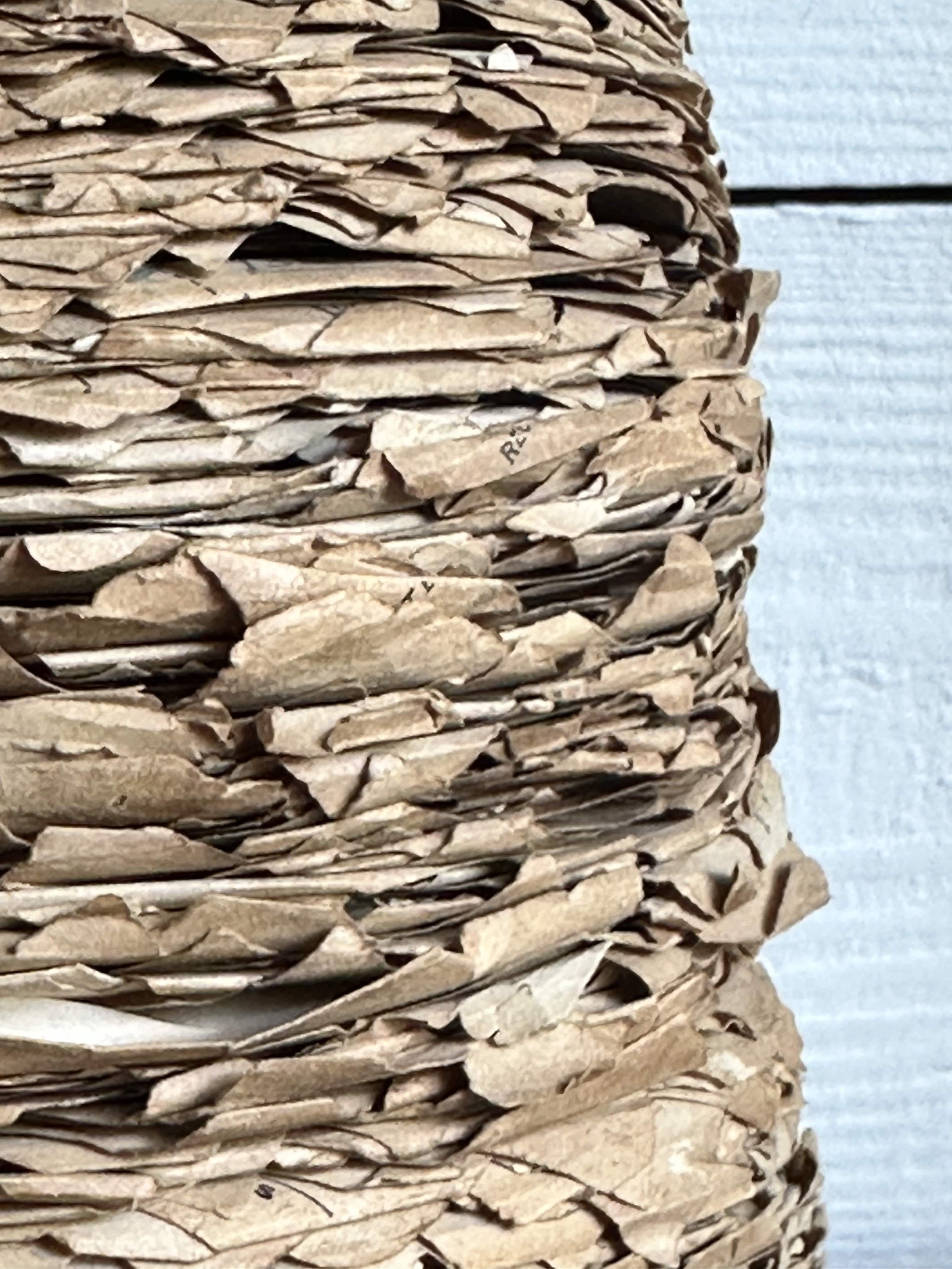
A true monument to everyday medicine, this towering stack of spiked prescriptions comes straight out of Ruhl’s Drugstore, circa 1930s. Each slip of paper—yellowed, curling, and perfectly impaled—is a tiny time capsule of ailments past, scrawled in doctorly cursive and dosed with authority. It’s less a receipt spike, more a paper wasp nest of human frailty, headaches, fevers, and tonics. Look closely and you’ll find names and dates—back when medicine came with a handwritten note and a pharmacist who probably knew your dog’s name.
Category History
Early 1900s pharmacies were part lab, part storefront, and part neighborhood advice desk. Before mass-produced medications took over, prescriptions were often compounded by hand. A doctor’s note—sometimes scribbled in hurried script—would be brought in, and the pharmacist would measure, grind, mix, and bottle the remedy on the spot. Powders, tinctures, tonics, and syrups were all part of the daily rhythm.
The paper trail that came with it is just as telling. Prescriptions, receipts, and labels were typically handwritten or printed in small batches, often stamped with the pharmacy’s name and address. They carry a kind of immediacy—names of patients, dates, dosages—tiny records of individual needs rather than standardized solutions.
What’s interesting is how personal it all feels. These weren’t anonymous transactions; there was a level of trust and familiarity between customer and pharmacist. The documents reflect that—less polished, more direct, sometimes corrected or amended on the fly.
Today, these pieces read like fragments of everyday medical history. Ink fading, paper yellowing, edges worn from handling—they hold onto a moment when medicine was as much craft as science, and every prescription had a human scale to it.
ITEM NOT AVAILABLE IMMEDIATELY—INQUIRE IF INTERESTED hello@heimweeantiques.com
A true monument to everyday medicine, this towering stack of spiked prescriptions comes straight out of Ruhl’s Drugstore, circa 1930s. Each slip of paper—yellowed, curling, and perfectly impaled—is a tiny time capsule of ailments past, scrawled in doctorly cursive and dosed with authority. It’s less a receipt spike, more a paper wasp nest of human frailty, headaches, fevers, and tonics. Look closely and you’ll find names and dates—back when medicine came with a handwritten note and a pharmacist who probably knew your dog’s name.
Category History
Early 1900s pharmacies were part lab, part storefront, and part neighborhood advice desk. Before mass-produced medications took over, prescriptions were often compounded by hand. A doctor’s note—sometimes scribbled in hurried script—would be brought in, and the pharmacist would measure, grind, mix, and bottle the remedy on the spot. Powders, tinctures, tonics, and syrups were all part of the daily rhythm.
The paper trail that came with it is just as telling. Prescriptions, receipts, and labels were typically handwritten or printed in small batches, often stamped with the pharmacy’s name and address. They carry a kind of immediacy—names of patients, dates, dosages—tiny records of individual needs rather than standardized solutions.
What’s interesting is how personal it all feels. These weren’t anonymous transactions; there was a level of trust and familiarity between customer and pharmacist. The documents reflect that—less polished, more direct, sometimes corrected or amended on the fly.
Today, these pieces read like fragments of everyday medical history. Ink fading, paper yellowing, edges worn from handling—they hold onto a moment when medicine was as much craft as science, and every prescription had a human scale to it.