ITEM NOT AVAILABLE IMMEDIATELY—INQUIRE IF INTERESTED hello@heimweeantiques.com
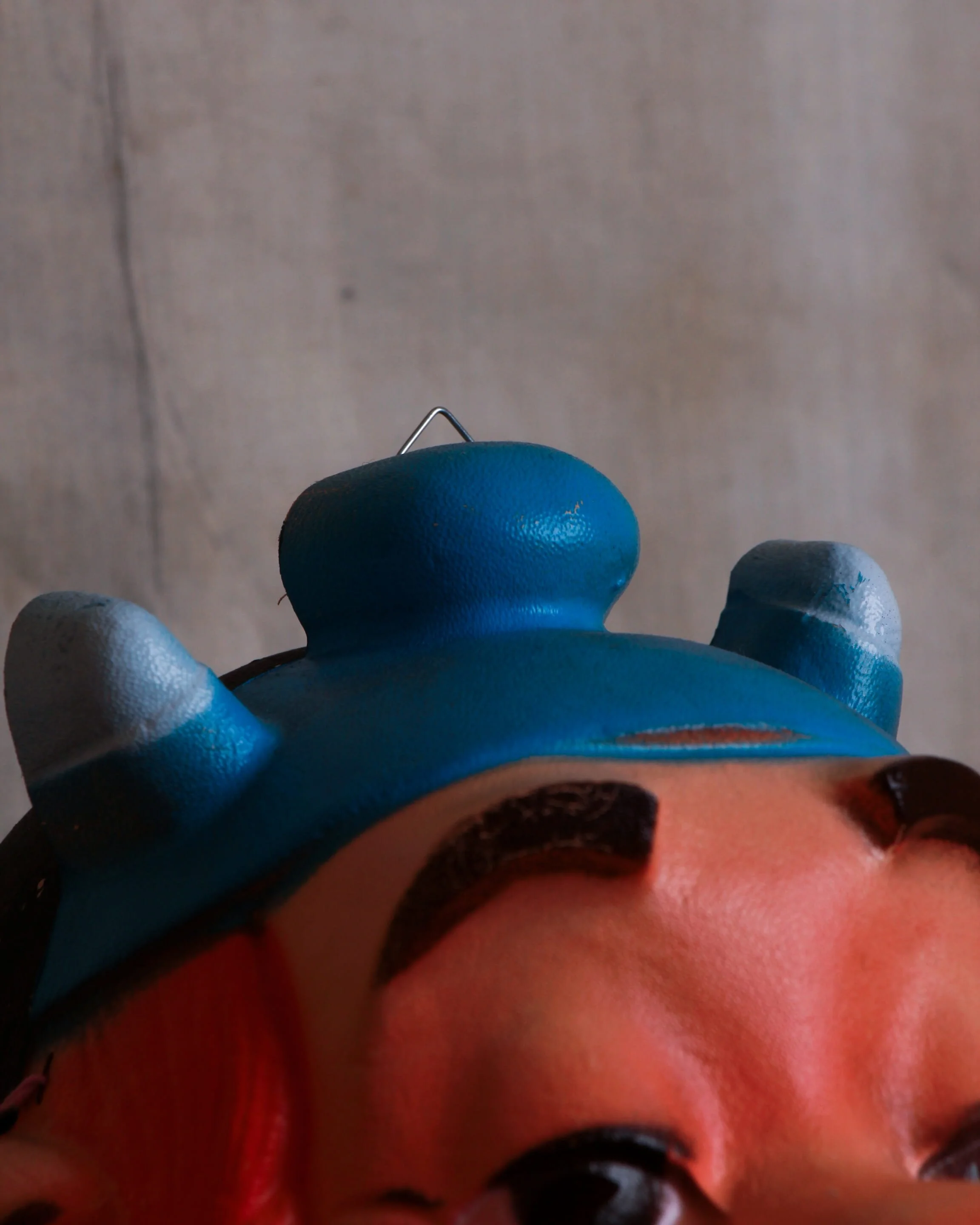
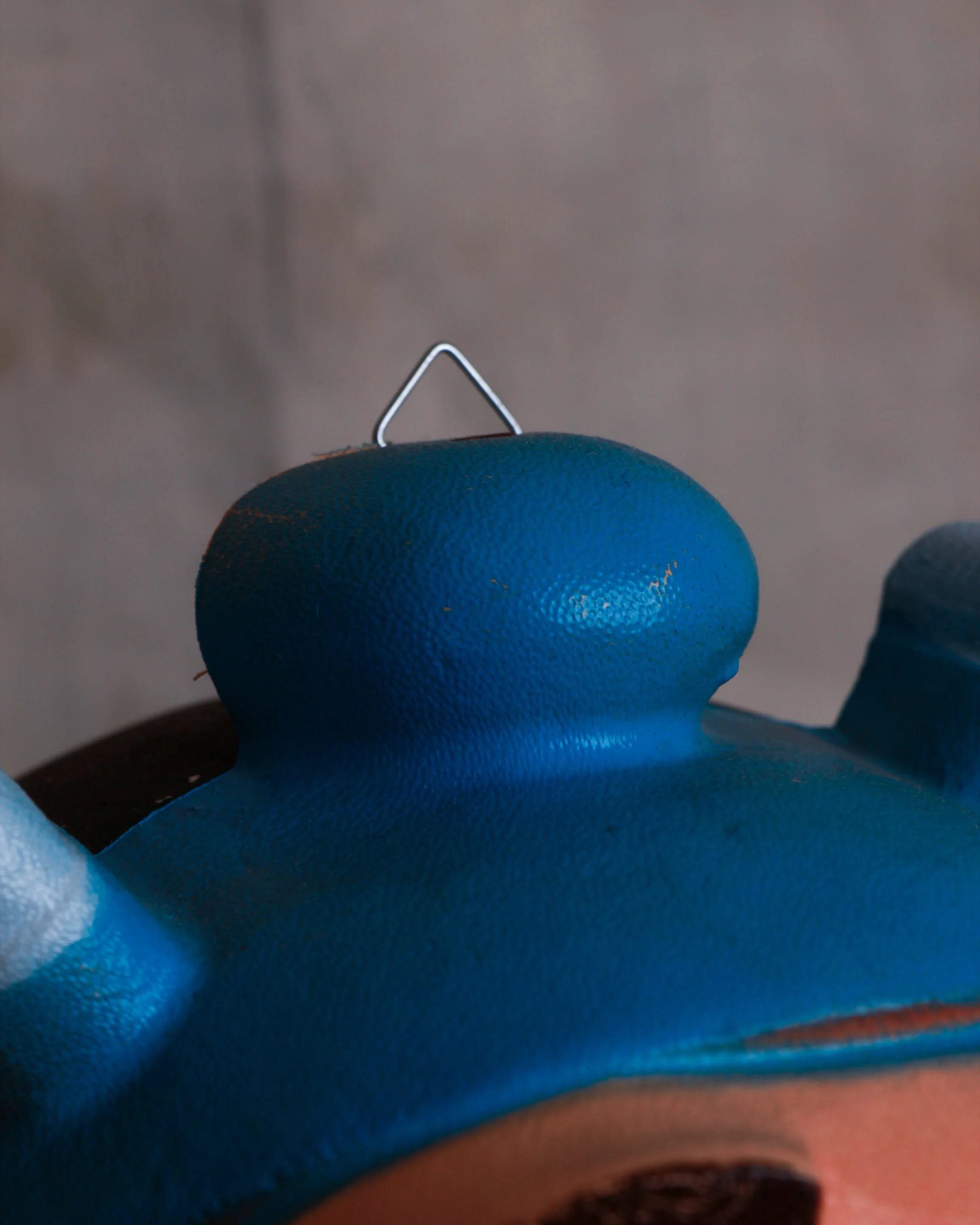
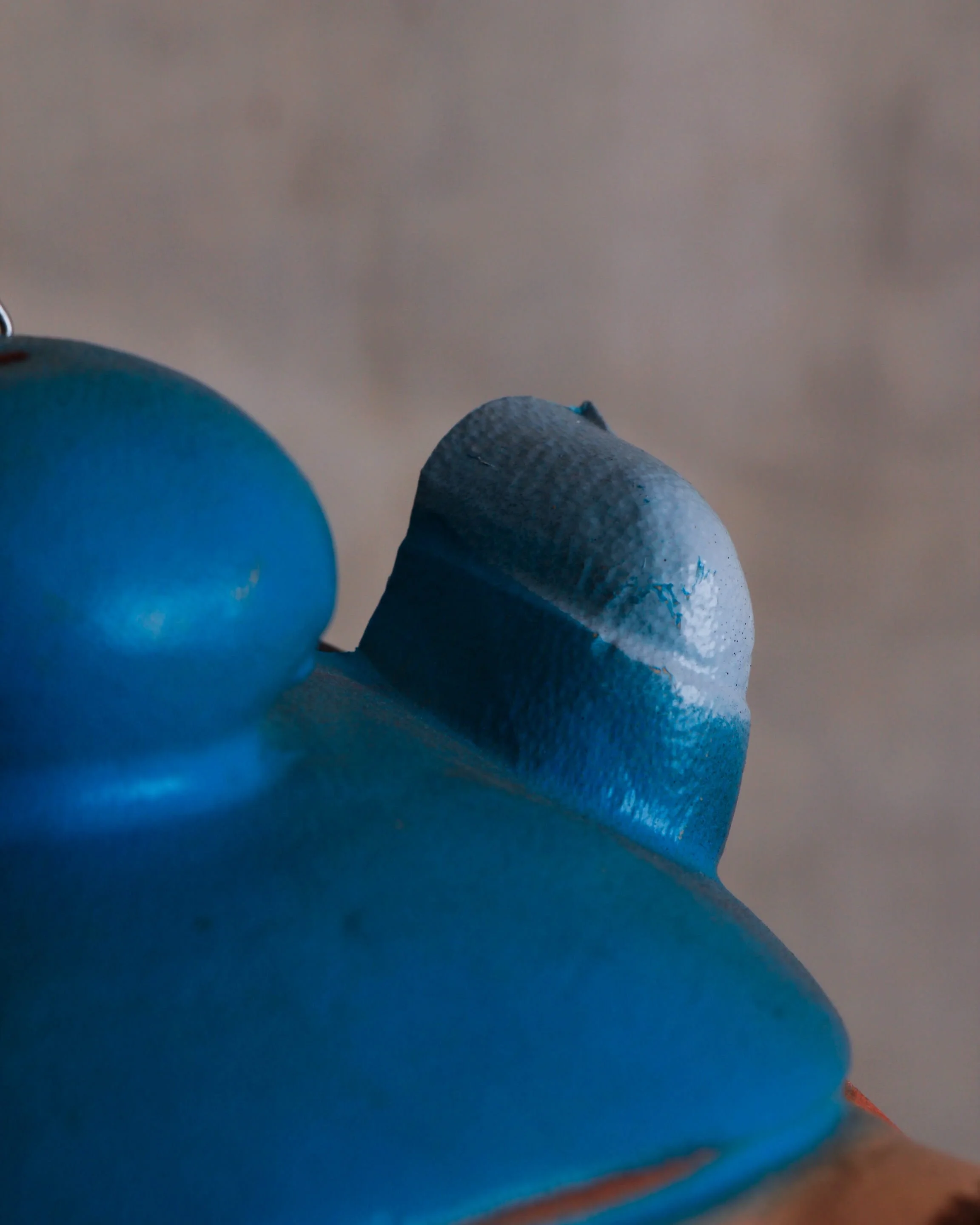
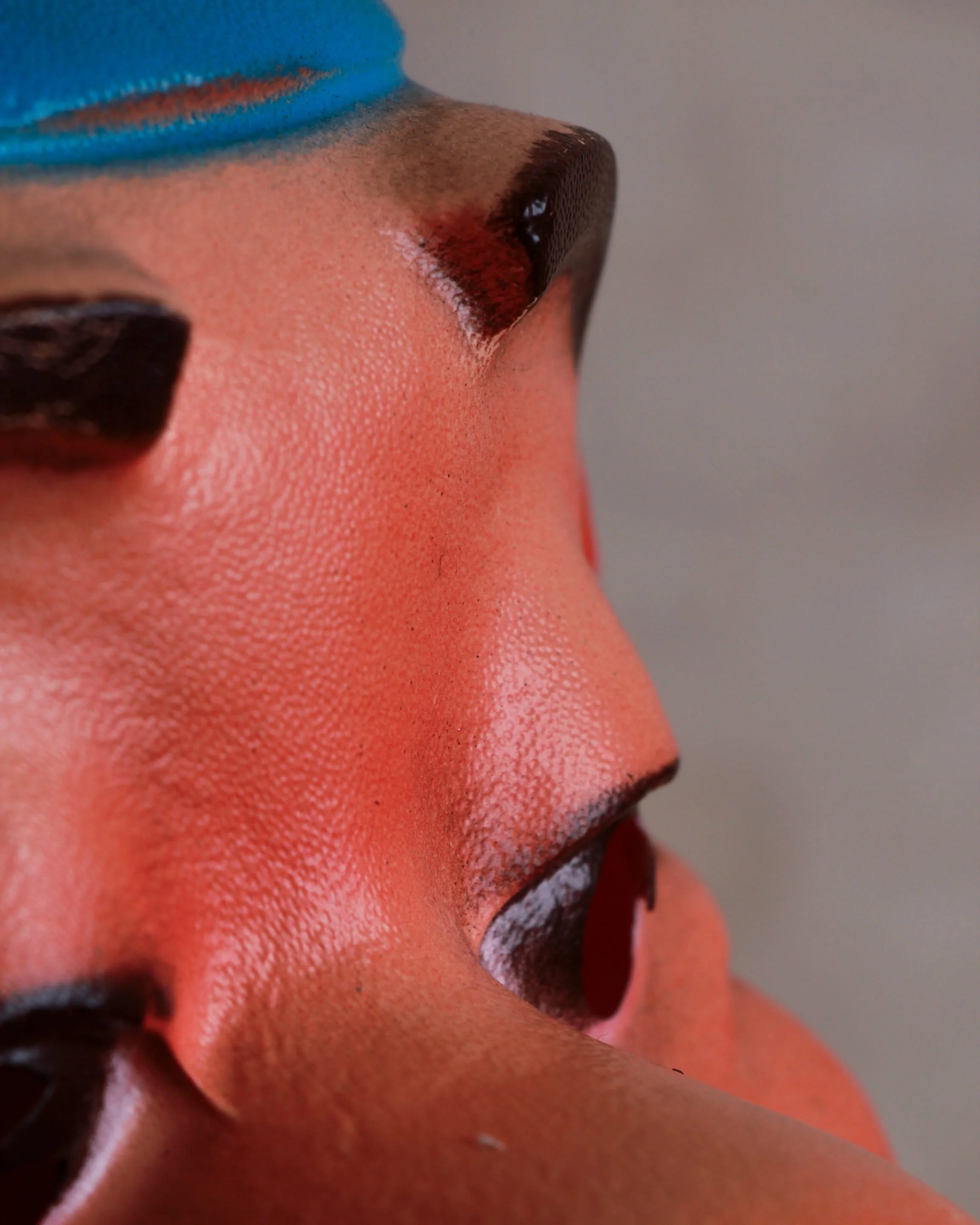
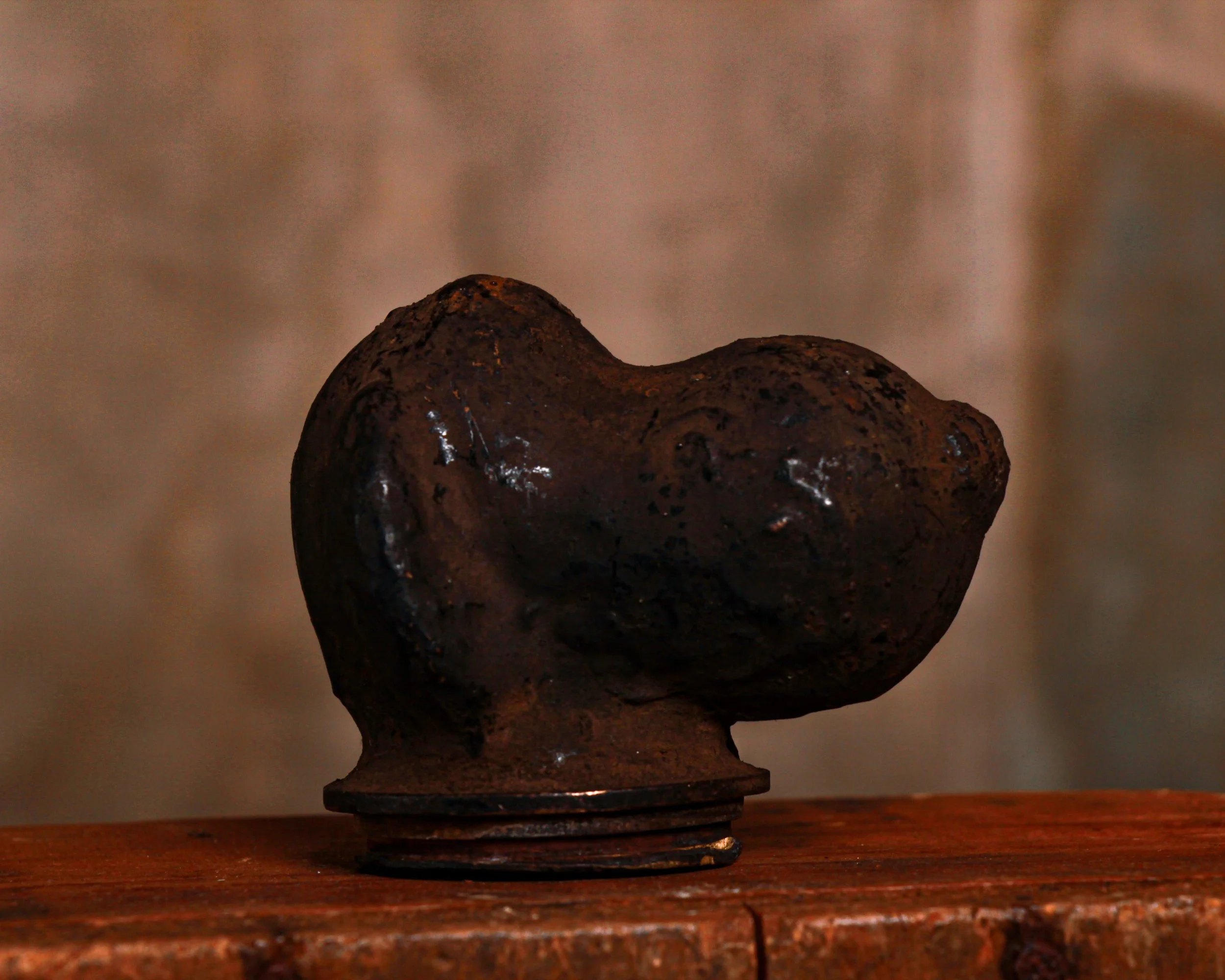
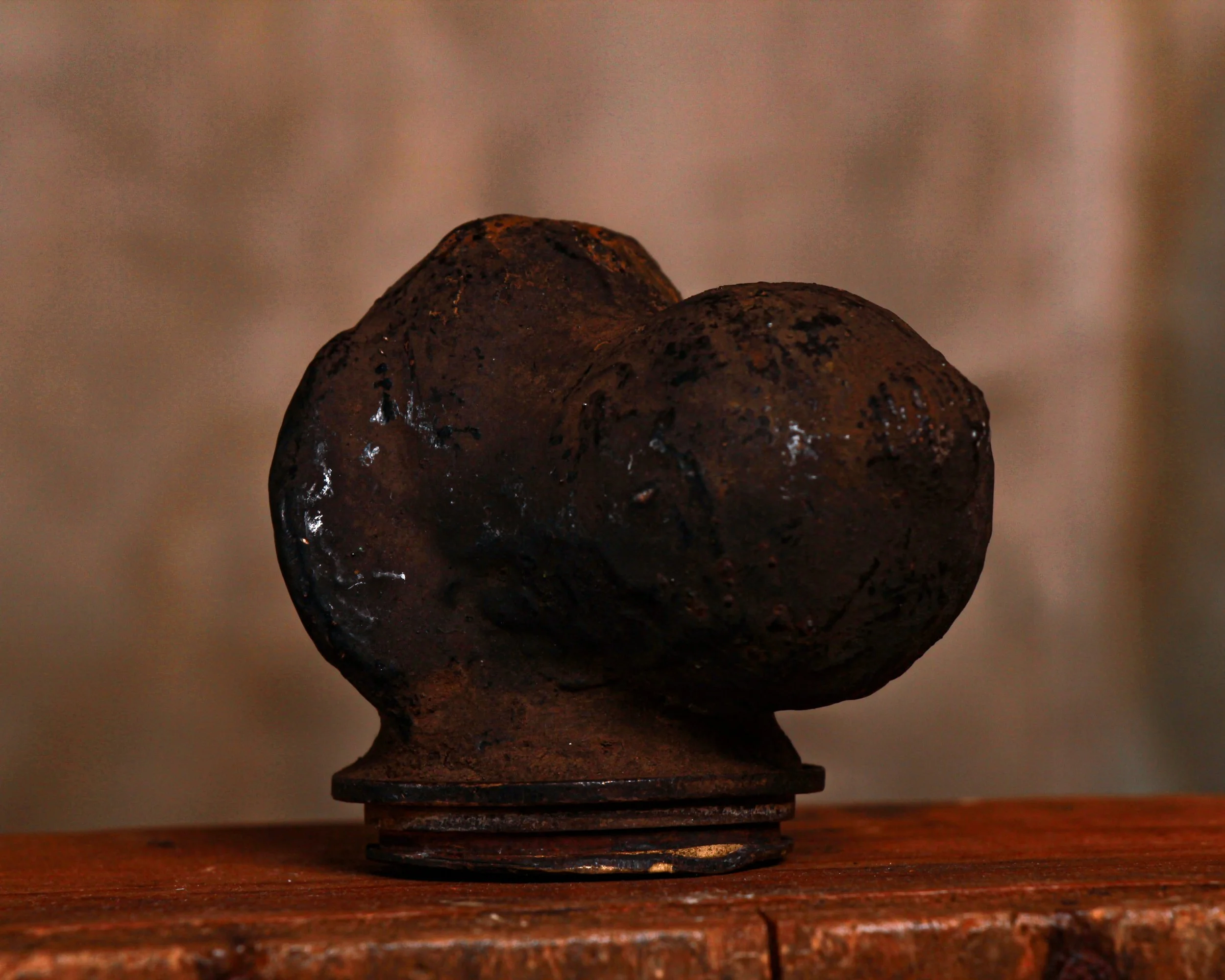
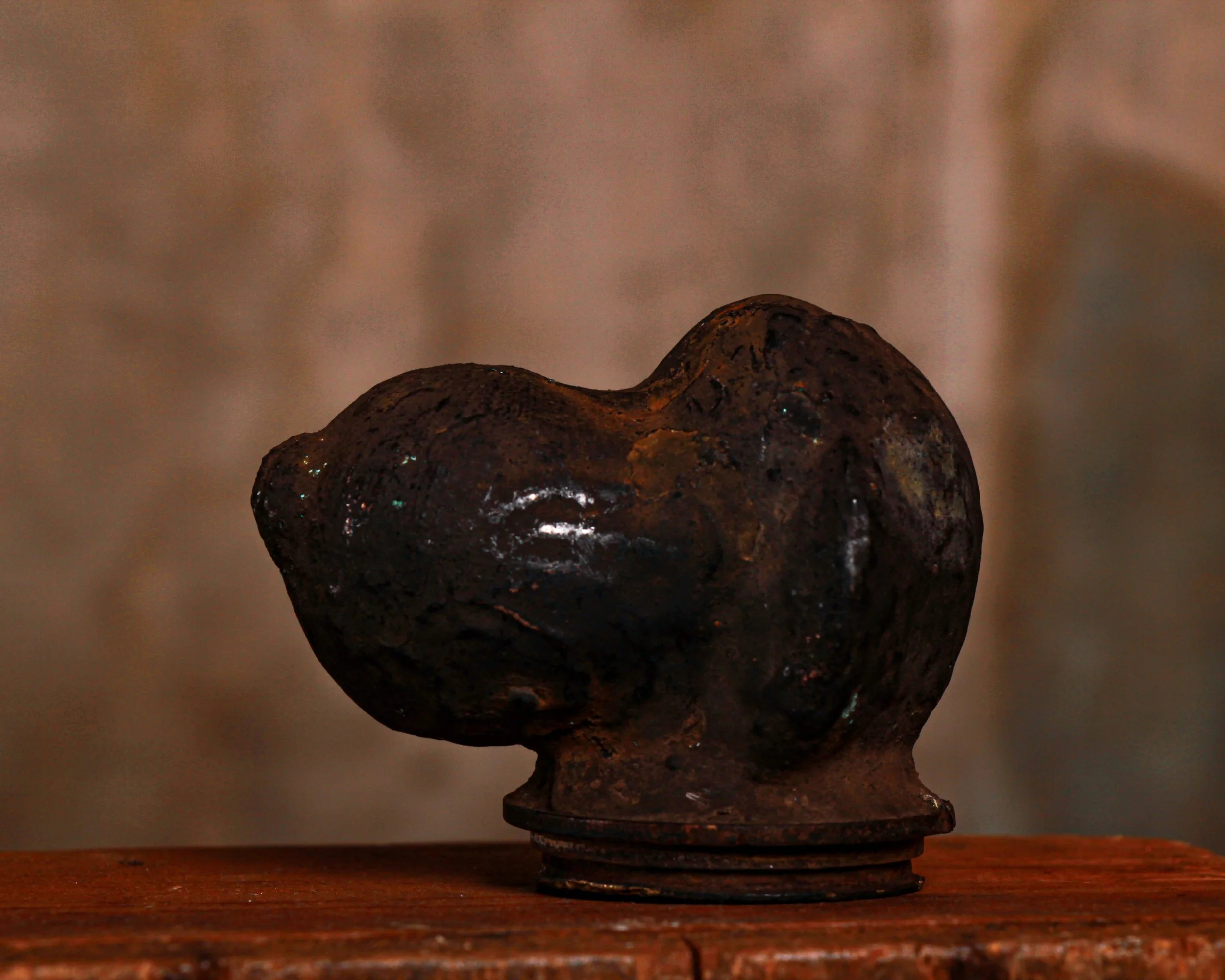
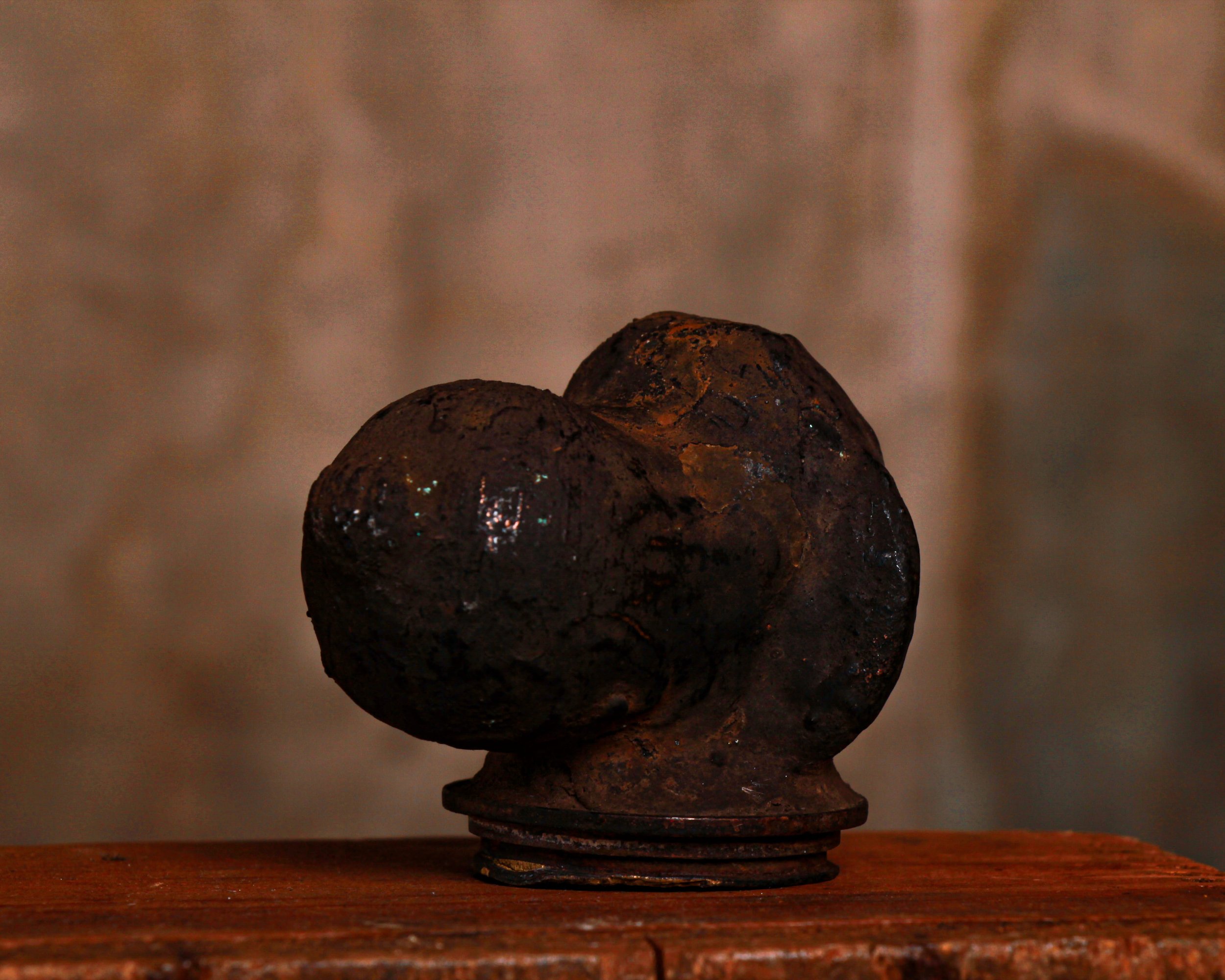
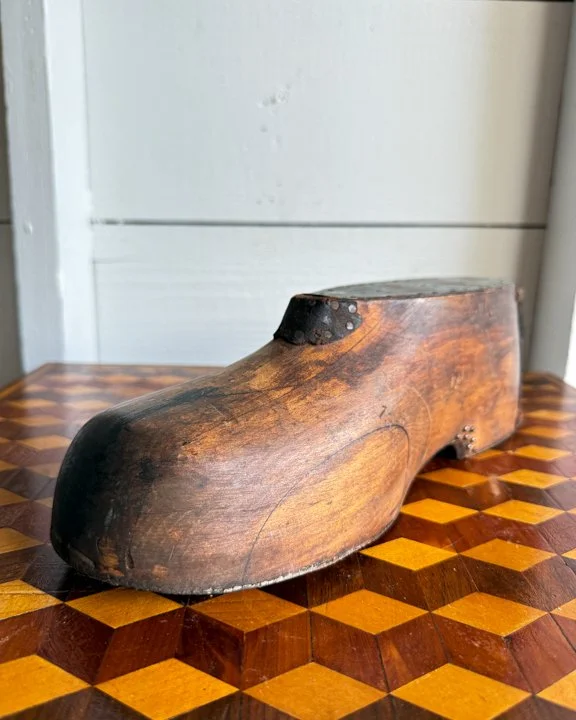
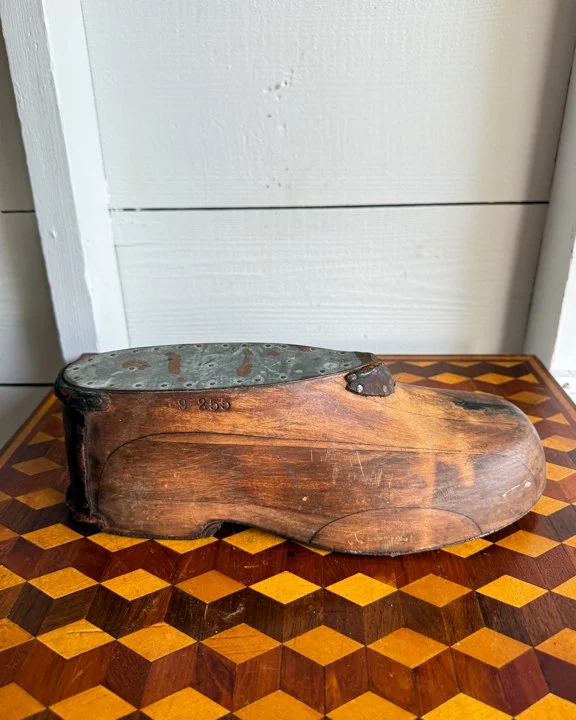
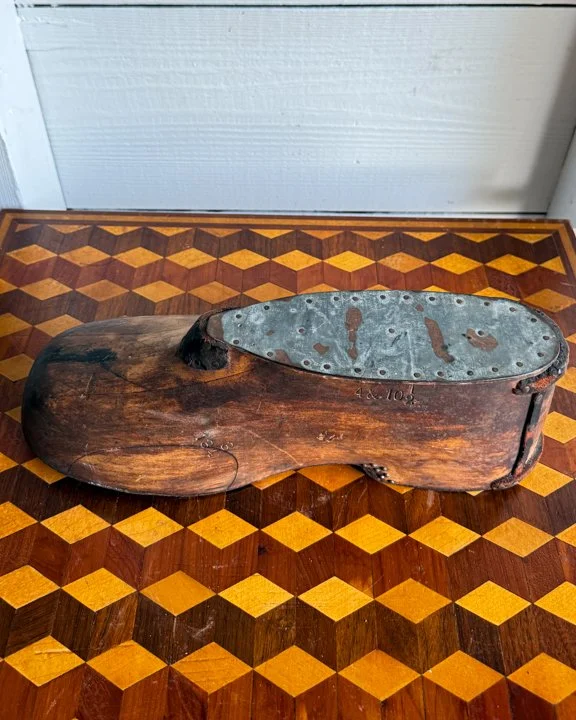
Originally used in a shoemaker’s shop, oversized wooden shoe forms like this were essential working tools. They helped shape and hold leather as shoes were constructed, giving makers a reliable structure to build around. This example is wonderfully large, with a long, sculptural profile that almost reads like a piece of modern design despite being purely practical in origin.
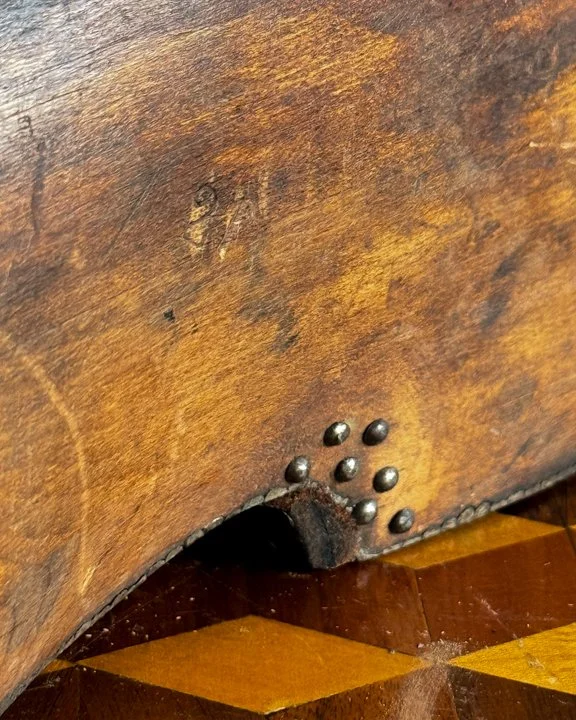
The body is carved from solid wood that has developed a deep, warm patina from decades of handling. Every surface tells you it was used. There are softened edges, old tool marks, subtle dents, and darkened areas where hands likely held it over and over again. The wood has that rich, time-earned tone that only comes from years in a working environment.
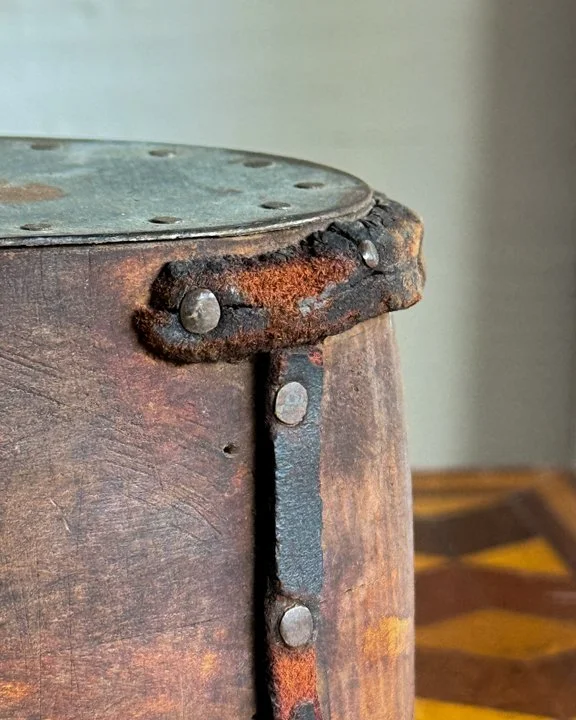
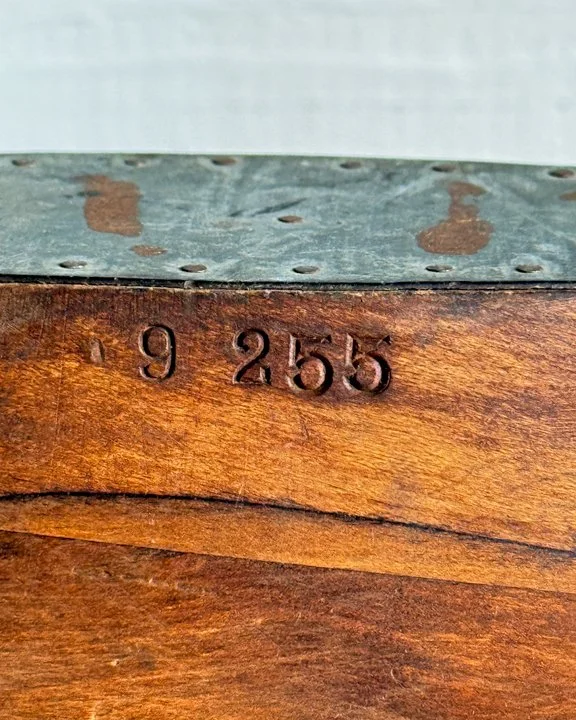
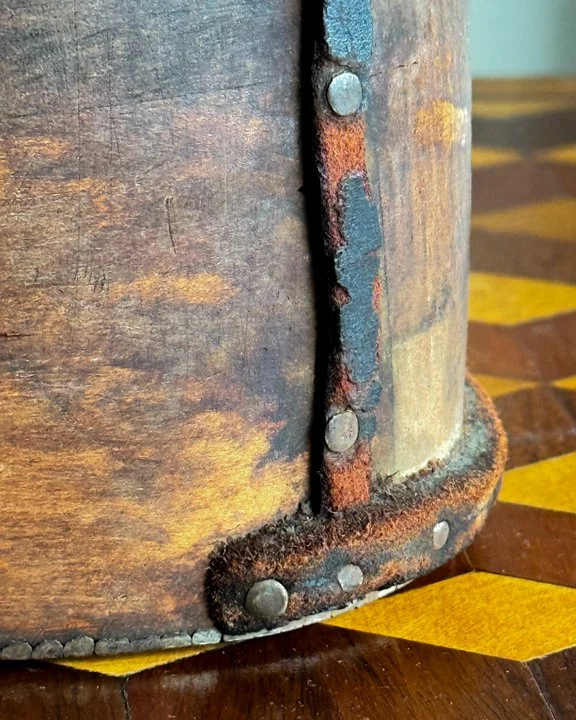
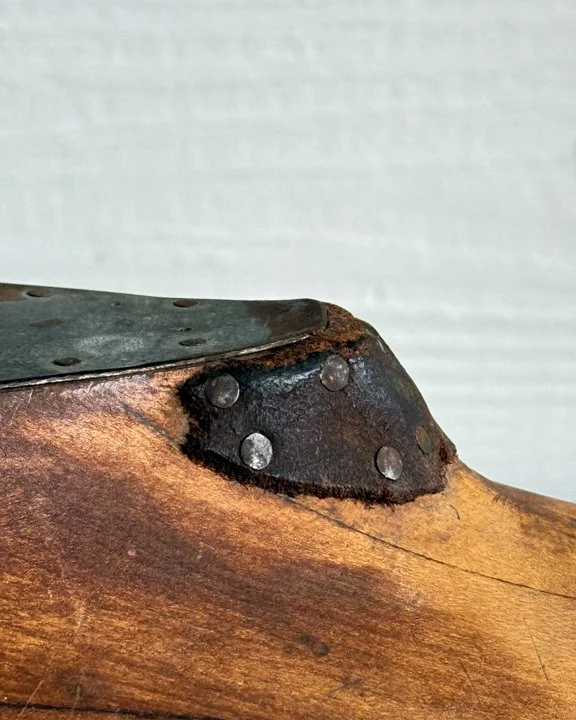
What really sets this one apart are the leather details and iron hardware. The stitched leather band wrapping around the heel and the riveted metal plate across the top give it a rugged, almost industrial character.
Category History
Old shoe and cobbler molds and forms—better known as lasts—are the quiet architects behind every well-made shoe. Before factories standardized sizing, each last was shaped for a specific purpose: a right or left foot, a certain style, even a particular client. Carved from hardwood or later cast in metal, they set the proportions before a single piece of leather was cut.
In the shop, they were everywhere—stacked, hung, and labeled—each one carrying the memory of past work. The leather was stretched, tacked, and formed directly over these shapes, locking in fit and structure. Subtle differences mattered. A slightly raised instep, a narrower toe, a deeper heel cup—all decisions built into the form.
What makes them compelling now is how much use they show. Nail holes, inked numbers, worn edges, even small repairs—evidence of repetition and adjustment. They’re not pristine, and that’s the point.
They read as both tool and object—functional, sculptural, and quietly precise. A record of craft that starts with shape and ends with something meant to be worn.
ITEM NOT AVAILABLE IMMEDIATELY—INQUIRE IF INTERESTED hello@heimweeantiques.com
Originally used in a shoemaker’s shop, oversized wooden shoe forms like this were essential working tools. They helped shape and hold leather as shoes were constructed, giving makers a reliable structure to build around. This example is wonderfully large, with a long, sculptural profile that almost reads like a piece of modern design despite being purely practical in origin.
The body is carved from solid wood that has developed a deep, warm patina from decades of handling. Every surface tells you it was used. There are softened edges, old tool marks, subtle dents, and darkened areas where hands likely held it over and over again. The wood has that rich, time-earned tone that only comes from years in a working environment.
What really sets this one apart are the leather details and iron hardware. The stitched leather band wrapping around the heel and the riveted metal plate across the top give it a rugged, almost industrial character.
Category History
Old shoe and cobbler molds and forms—better known as lasts—are the quiet architects behind every well-made shoe. Before factories standardized sizing, each last was shaped for a specific purpose: a right or left foot, a certain style, even a particular client. Carved from hardwood or later cast in metal, they set the proportions before a single piece of leather was cut.
In the shop, they were everywhere—stacked, hung, and labeled—each one carrying the memory of past work. The leather was stretched, tacked, and formed directly over these shapes, locking in fit and structure. Subtle differences mattered. A slightly raised instep, a narrower toe, a deeper heel cup—all decisions built into the form.
What makes them compelling now is how much use they show. Nail holes, inked numbers, worn edges, even small repairs—evidence of repetition and adjustment. They’re not pristine, and that’s the point.
They read as both tool and object—functional, sculptural, and quietly precise. A record of craft that starts with shape and ends with something meant to be worn.