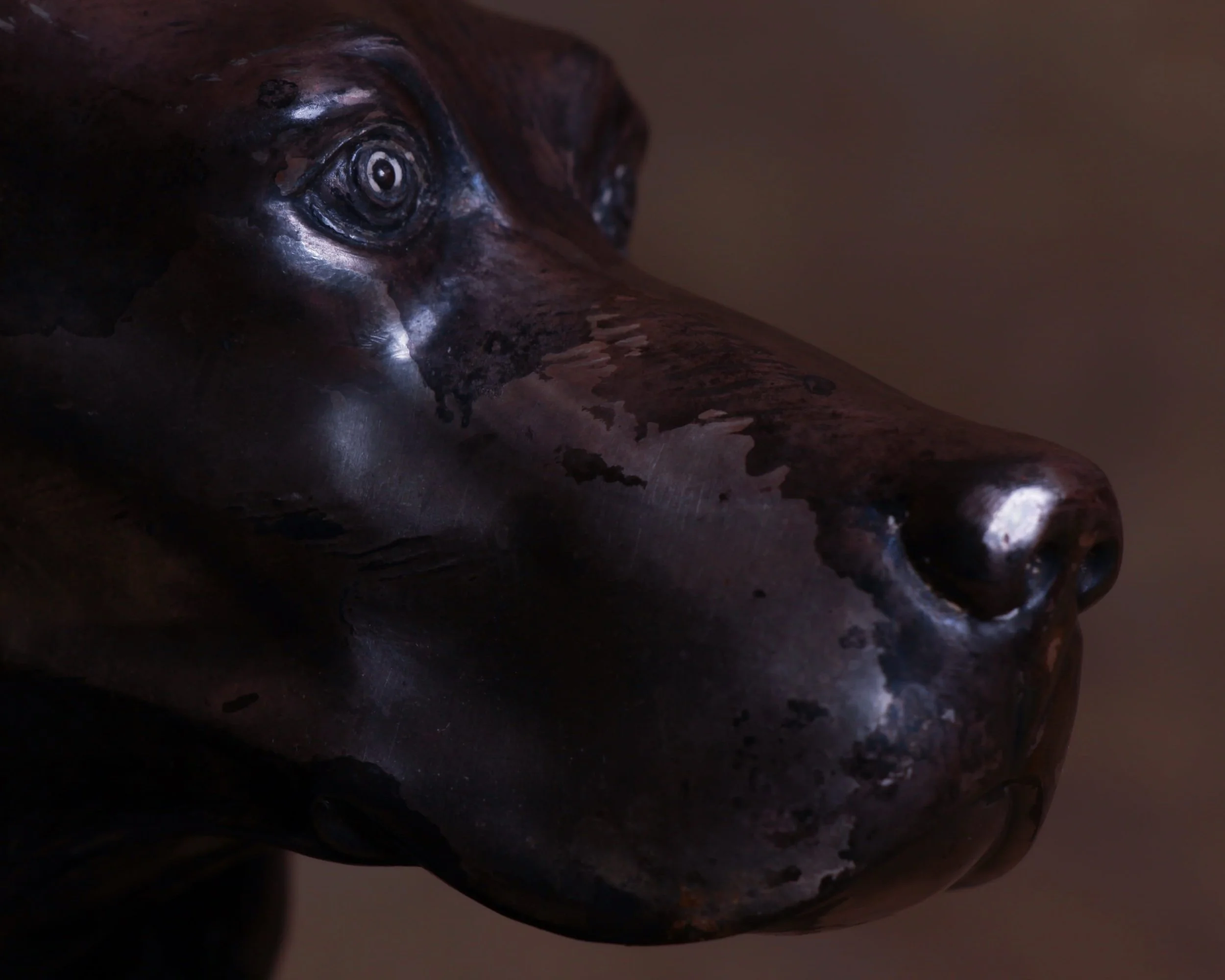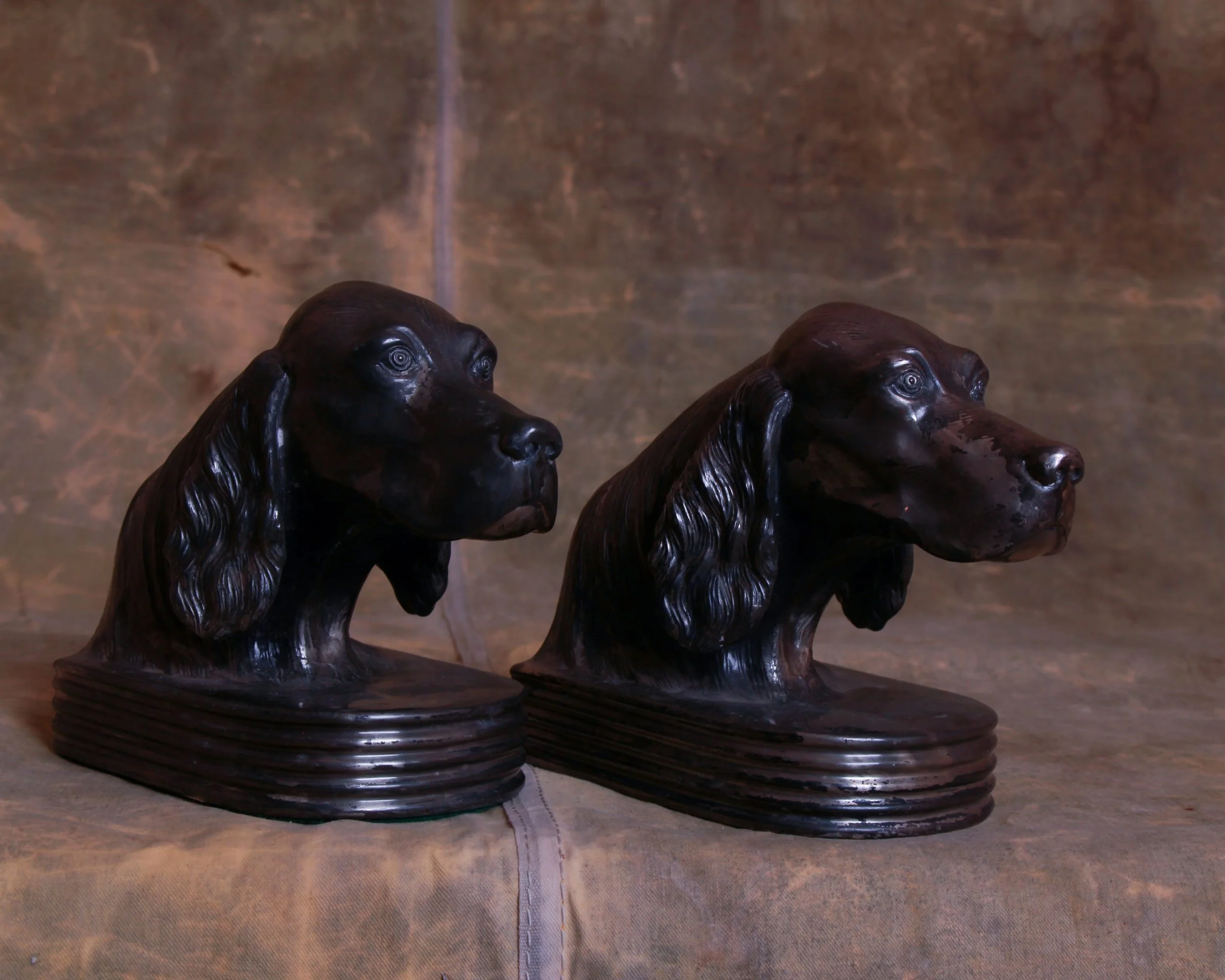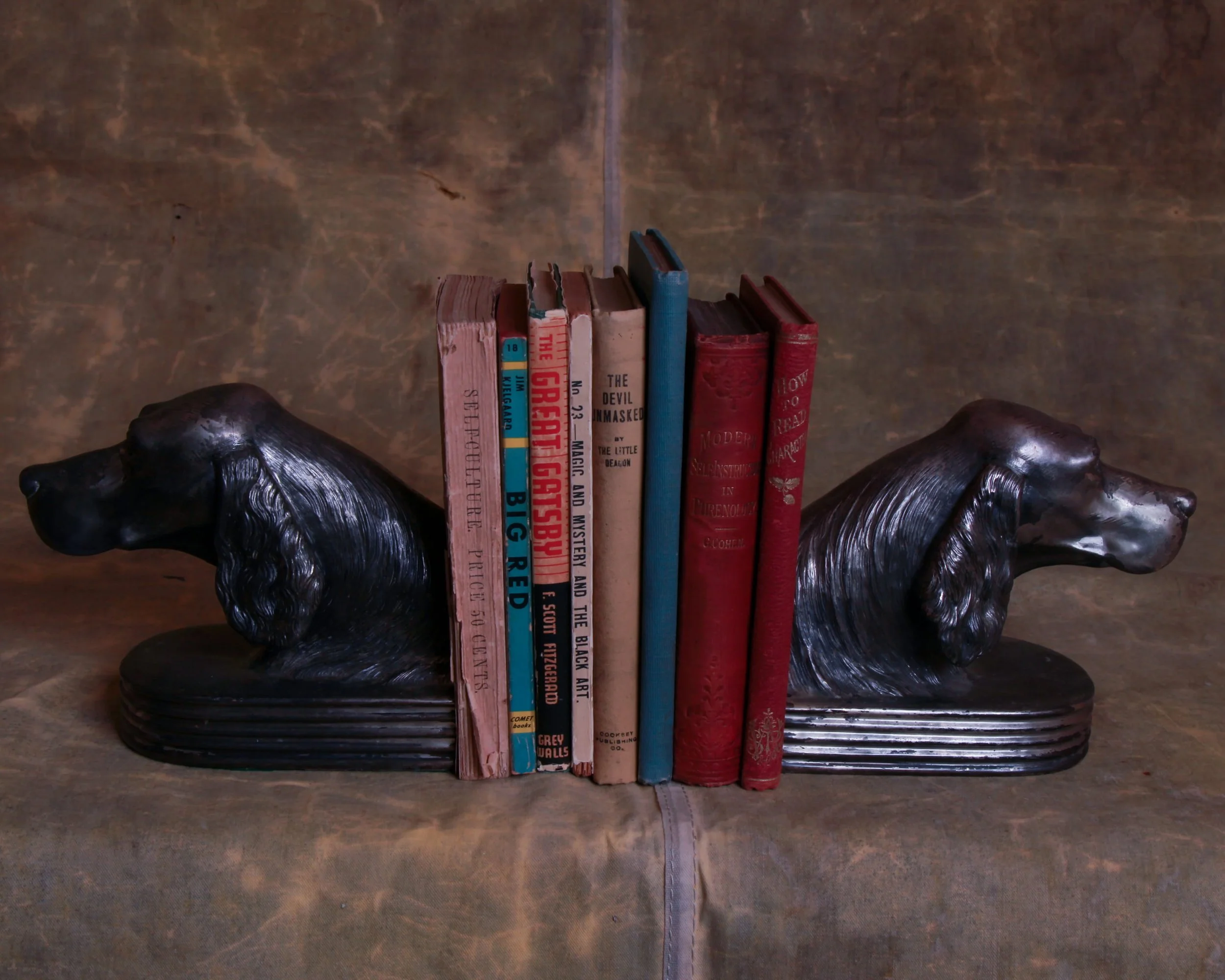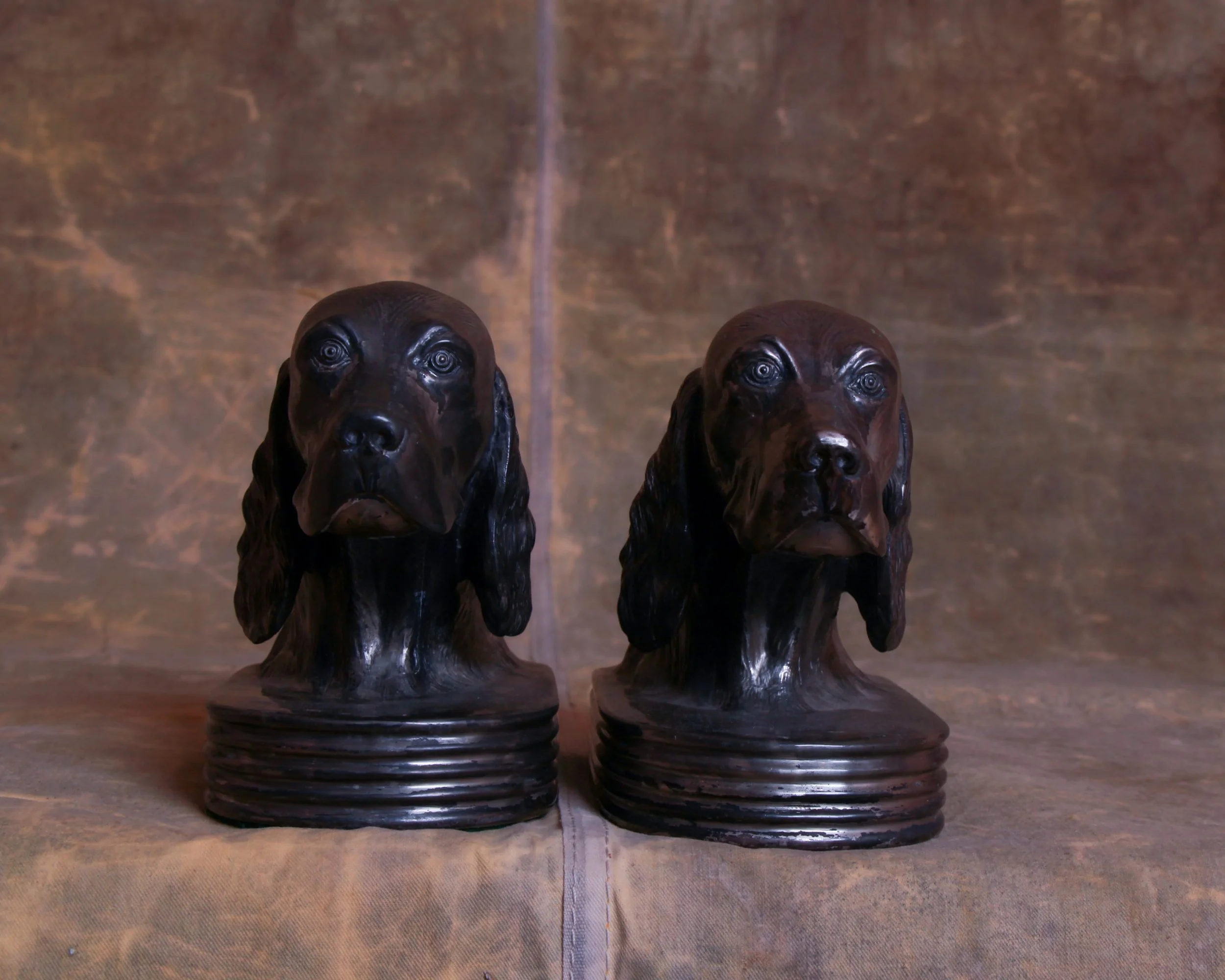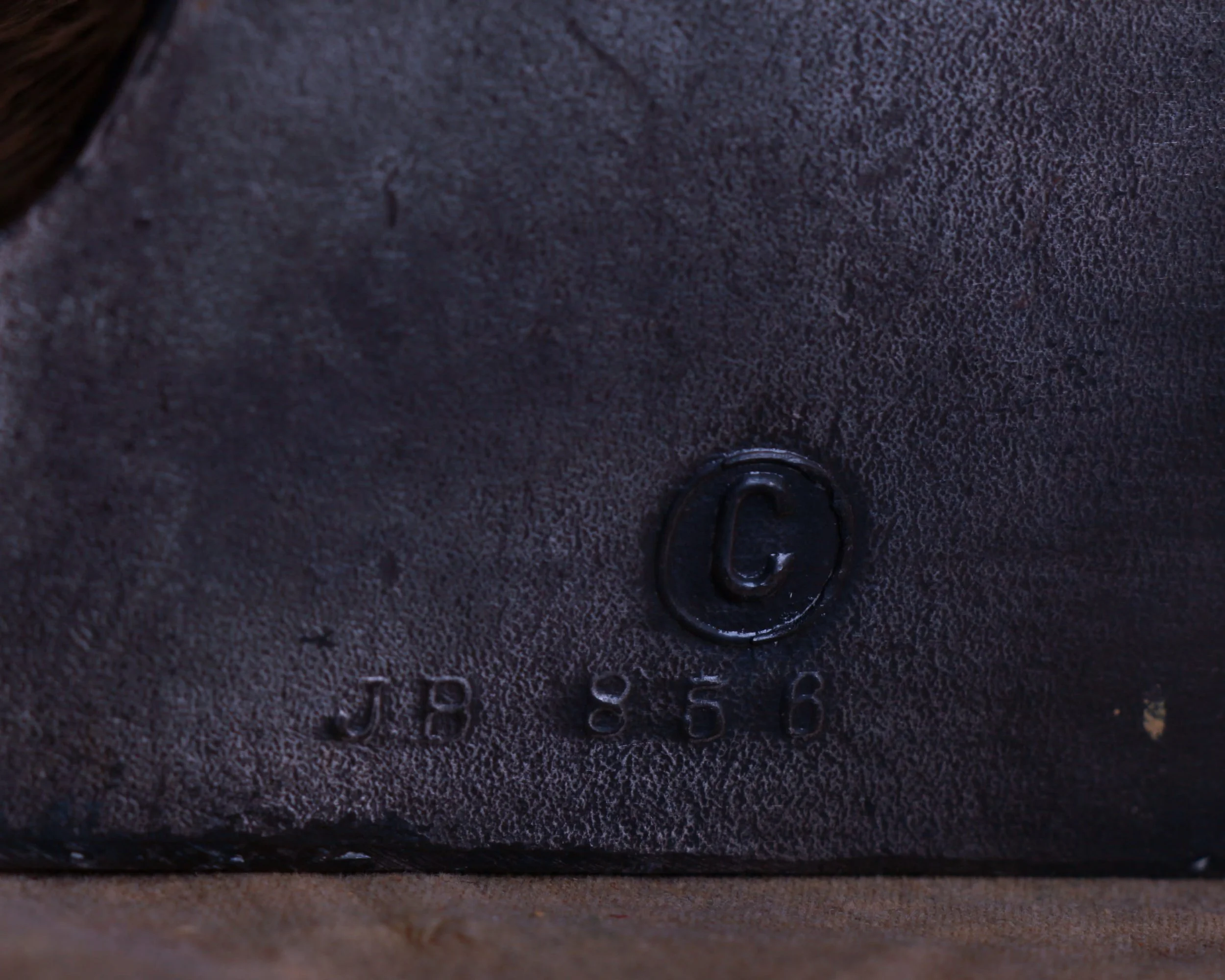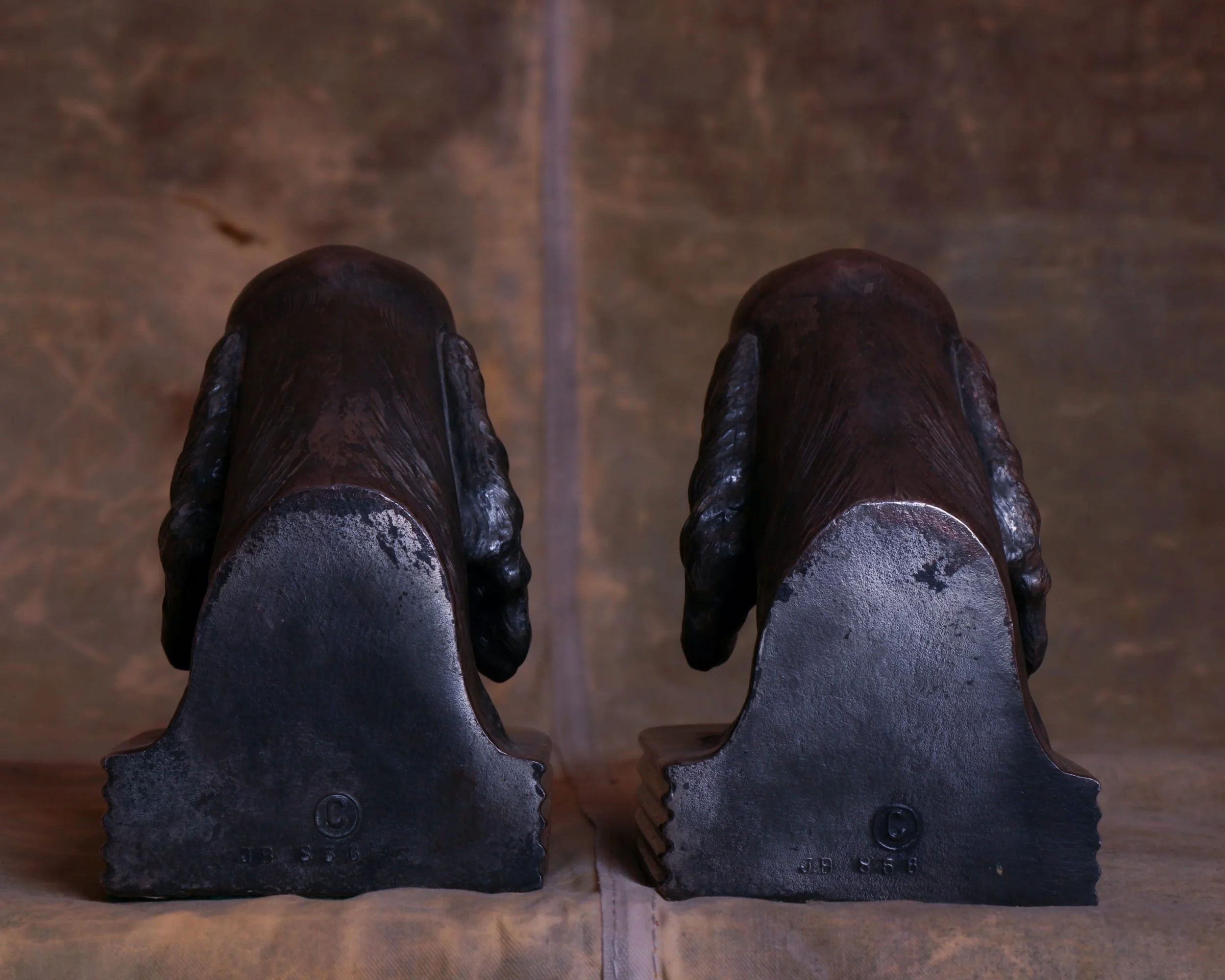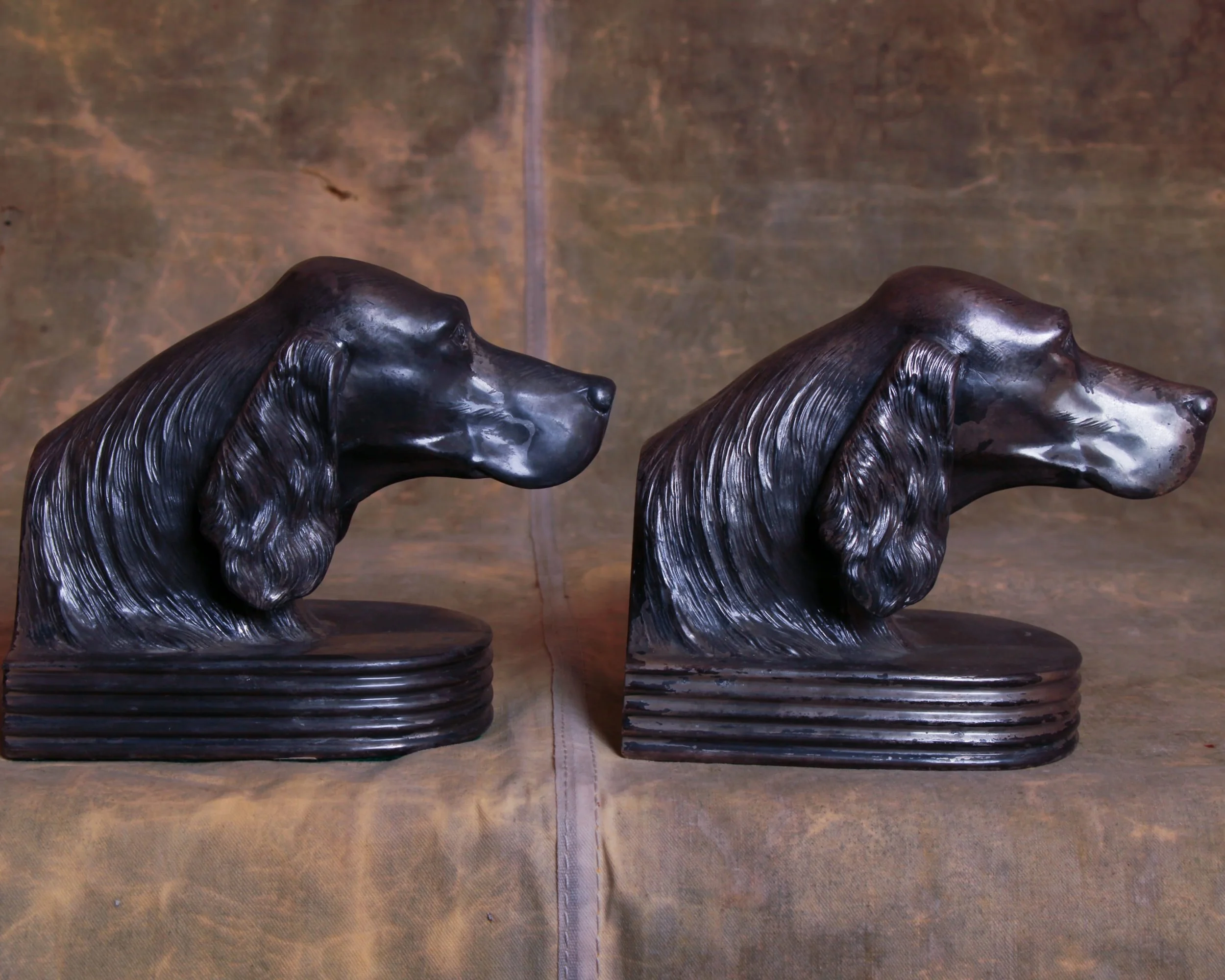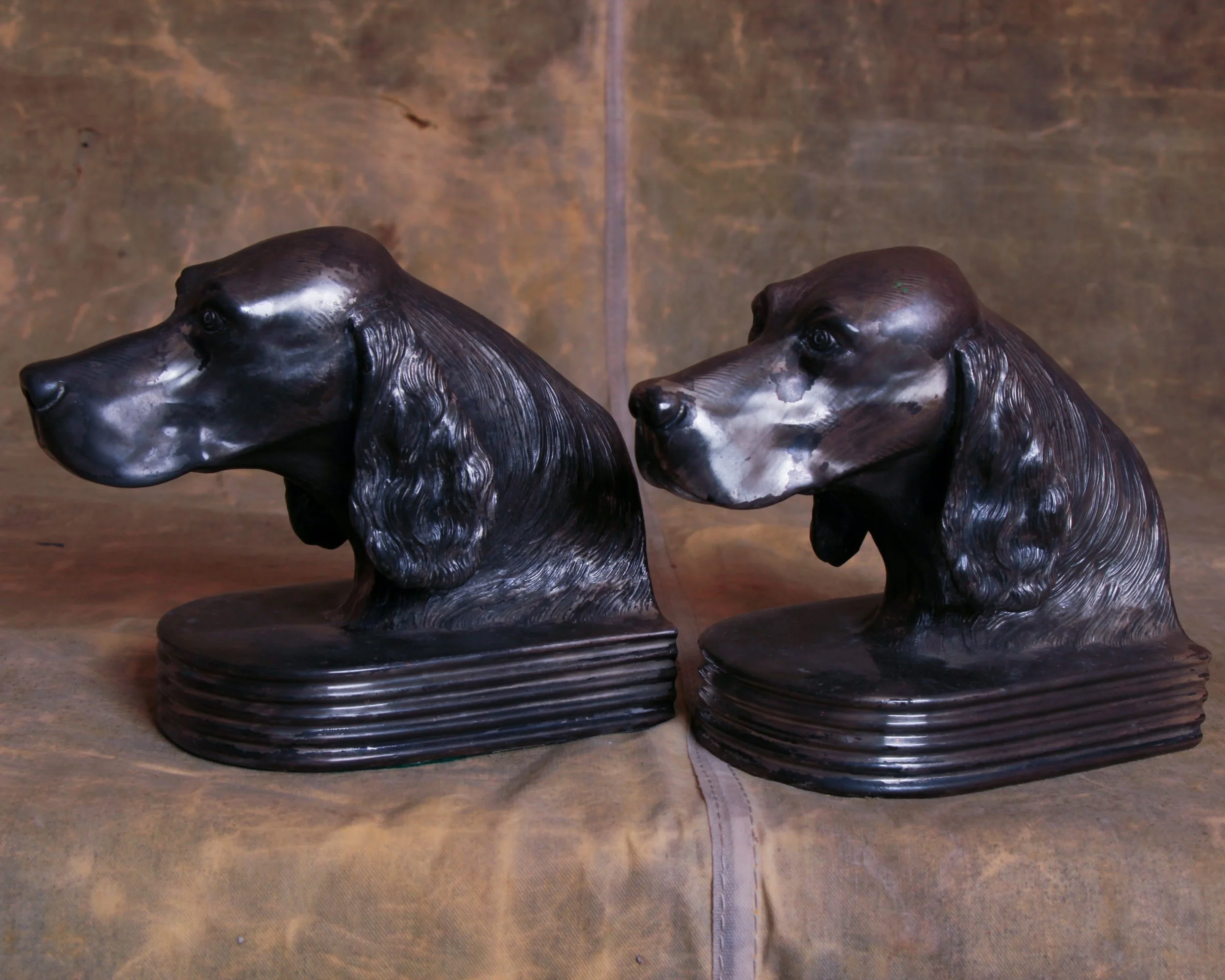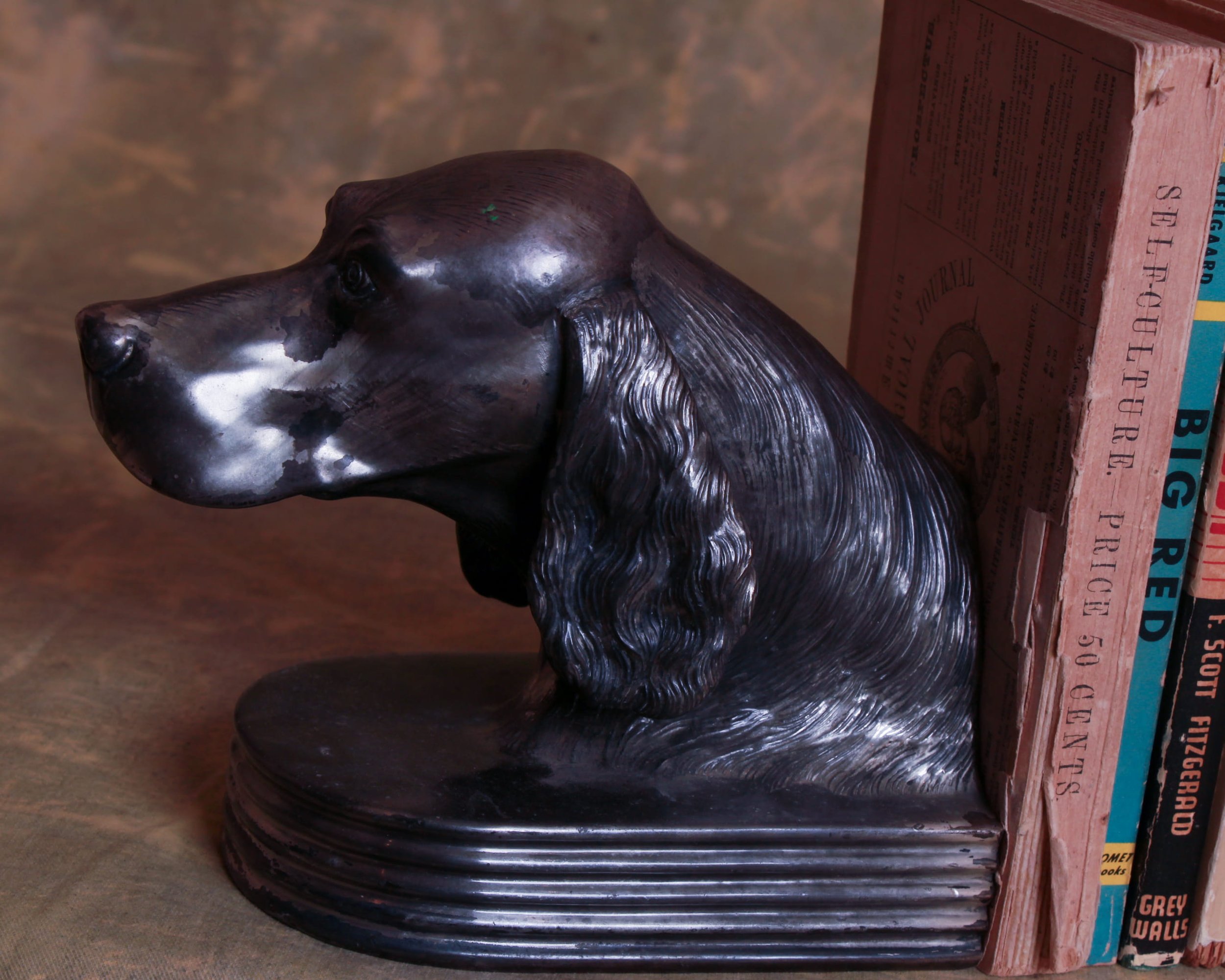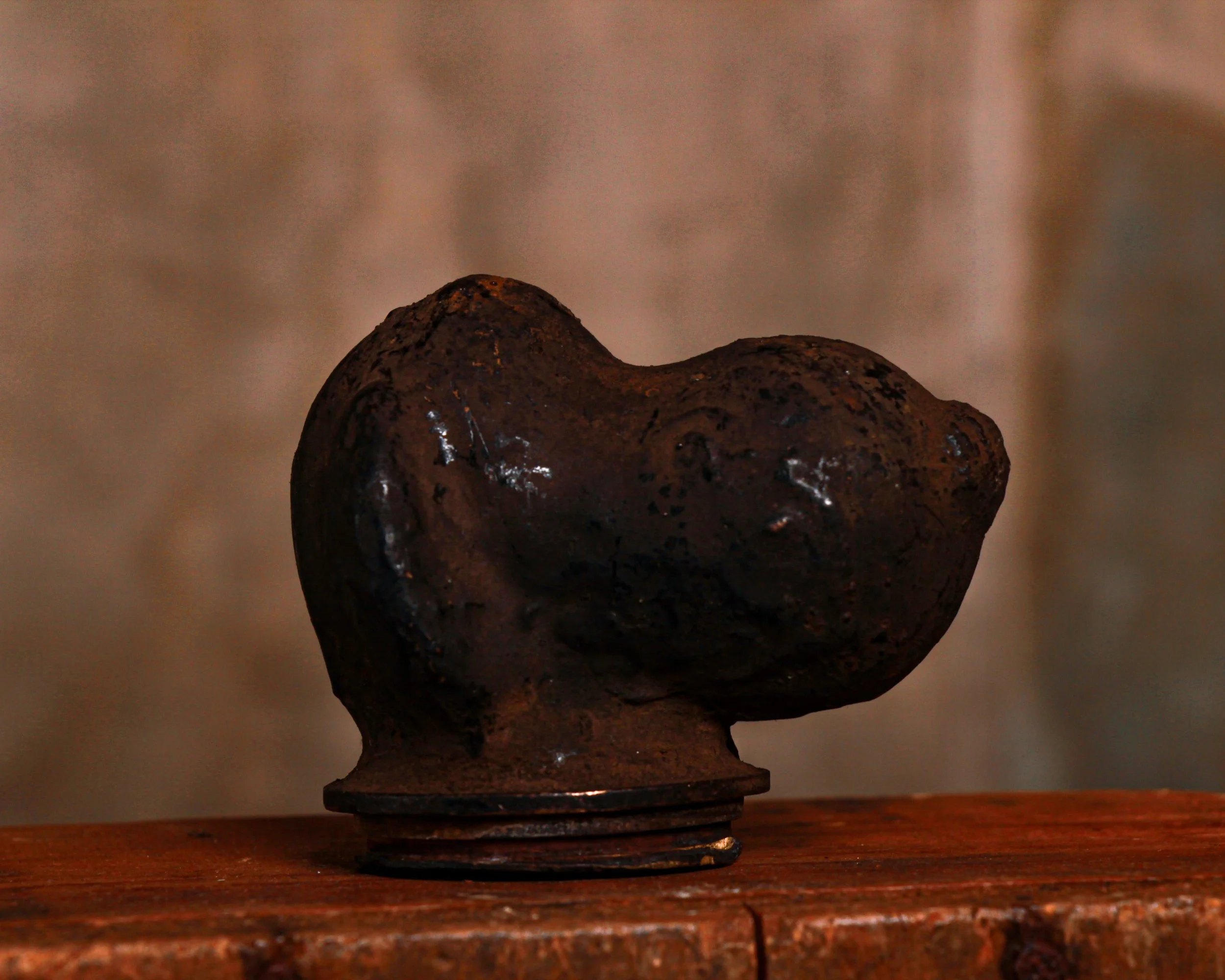
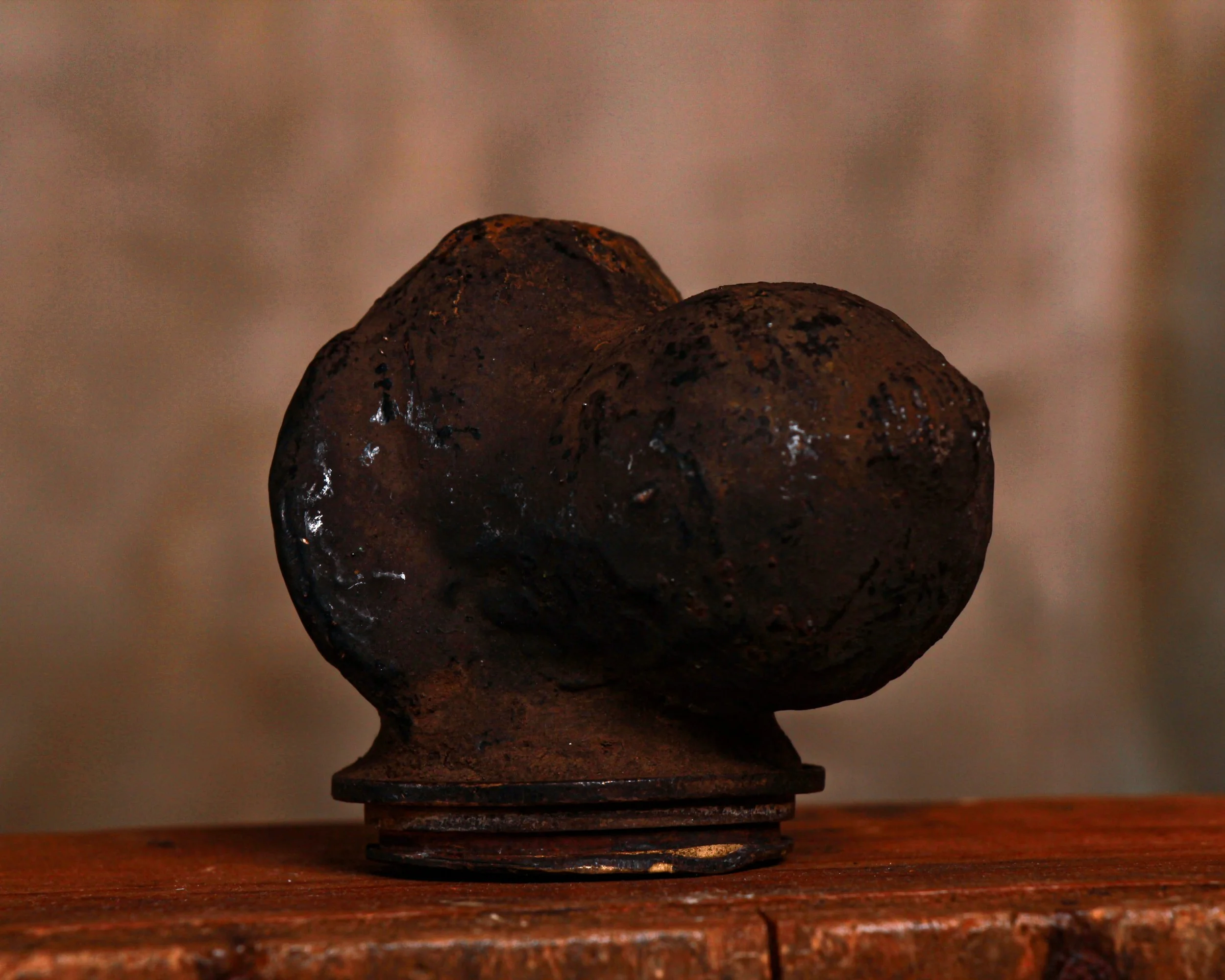
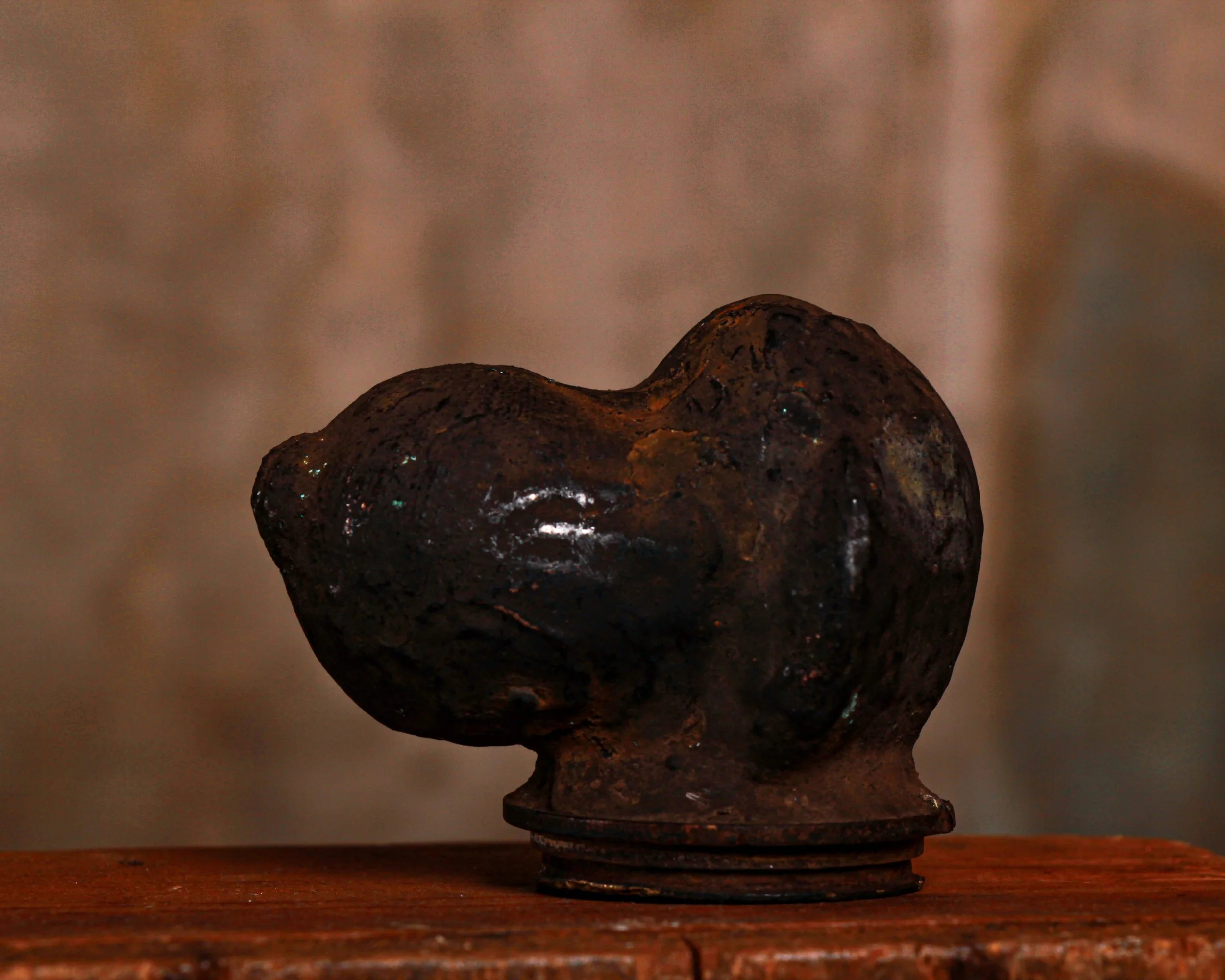
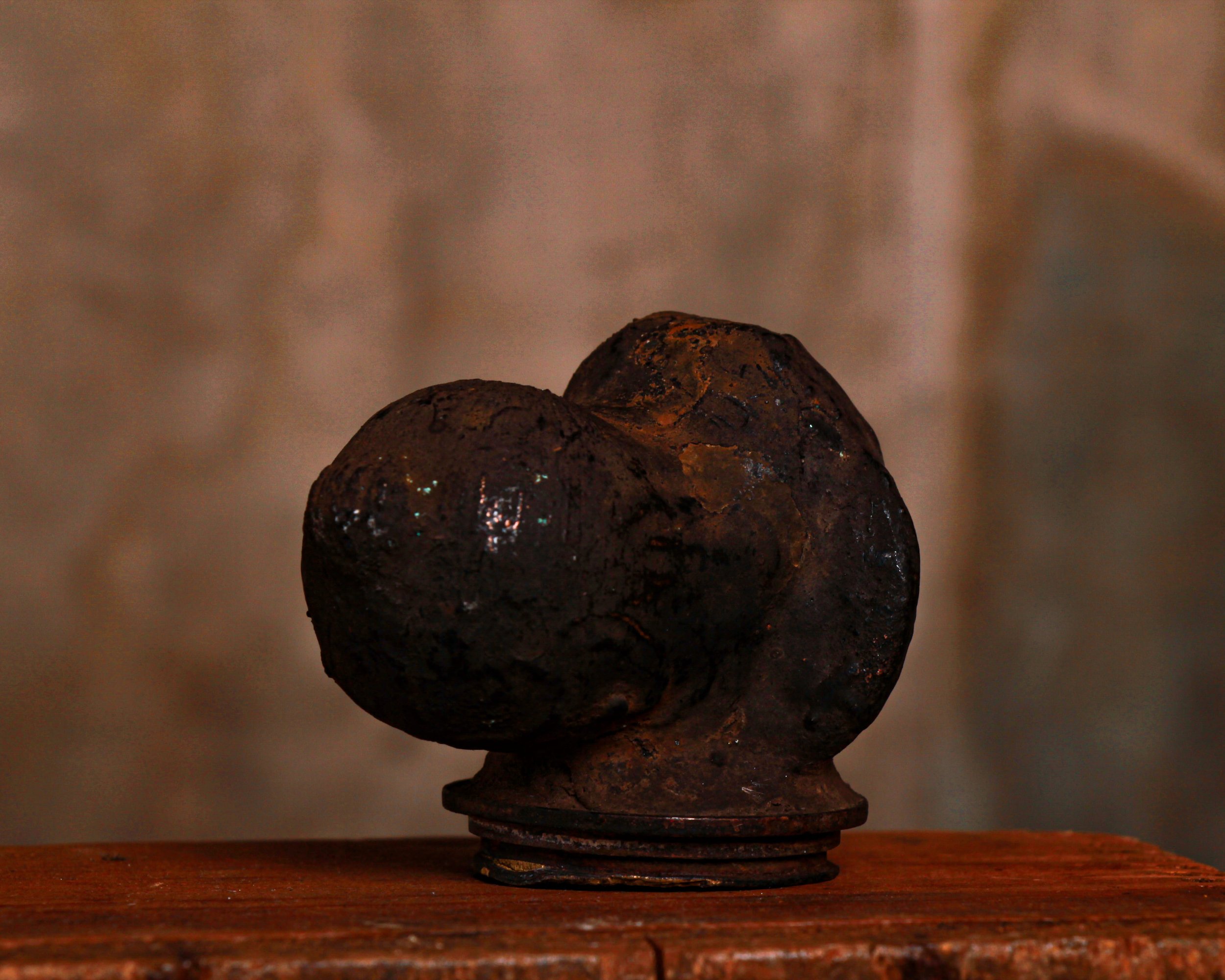
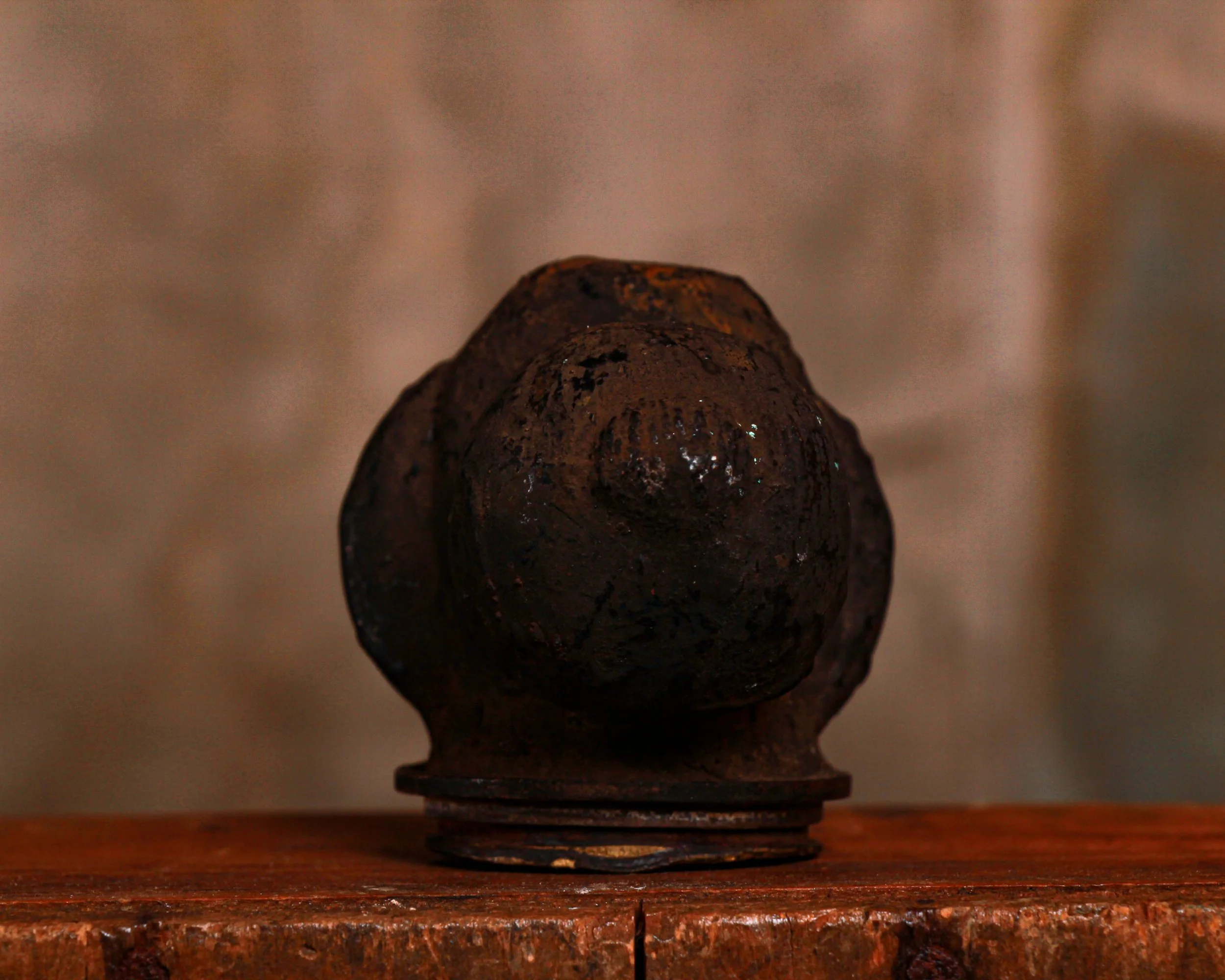
This is one of those objects that feels equal parts industrial tool and accidental sculpture. A metal toy mold in the unmistakable shape of Snoopy’s head, it was once part of a production line—likely used to form hollow figures or banks, where molten material would be poured in, cooled, and popped out as a finished piece ready for paint and personality.
Now stripped of that context, what you’re left with is something far more raw. The form is all there—those rounded cheeks, the drooping ears, the bulbous snout—but reduced to a heavy, utilitarian mass of cast metal. It’s Snoopy, but seen through the lens of function rather than charm.
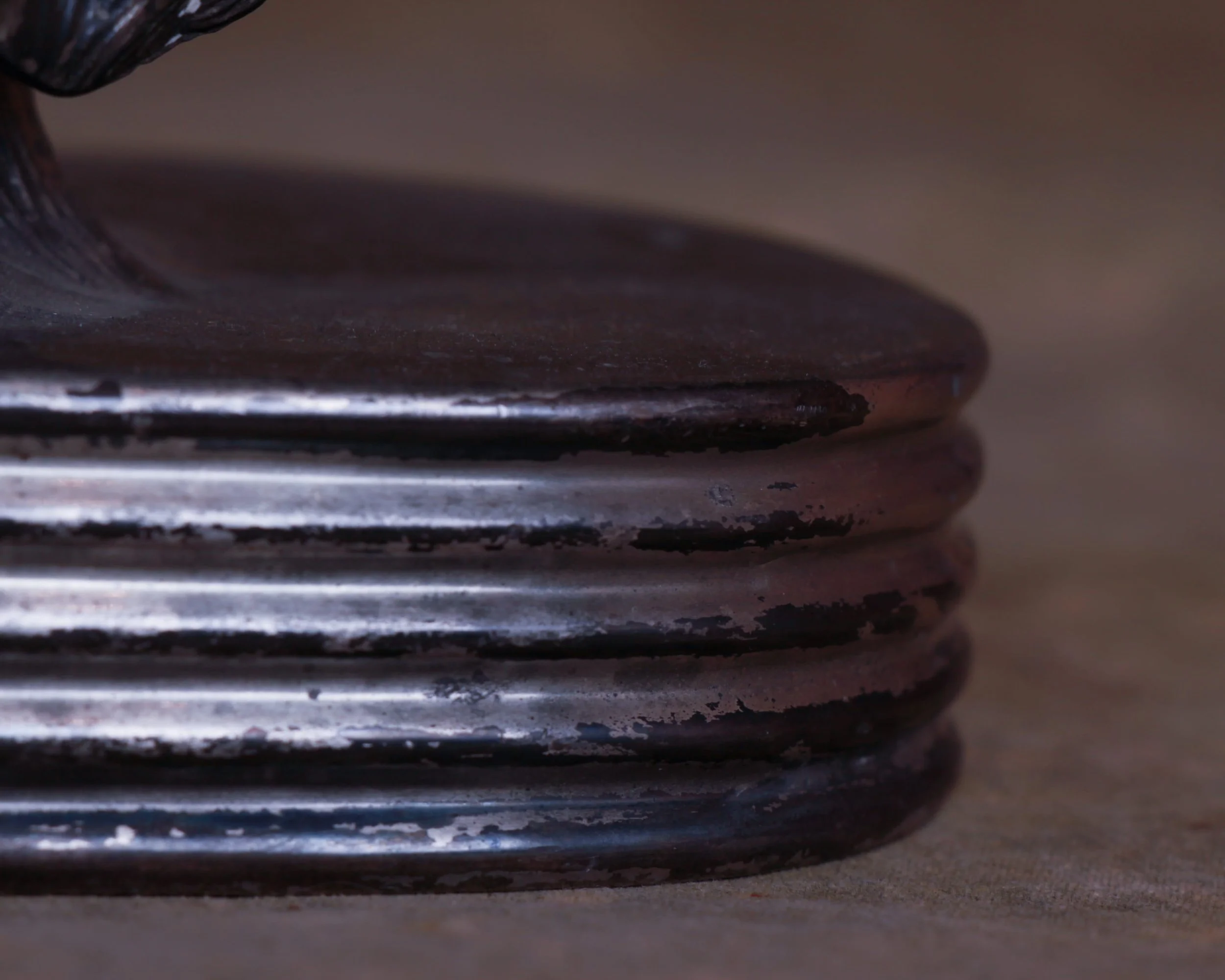
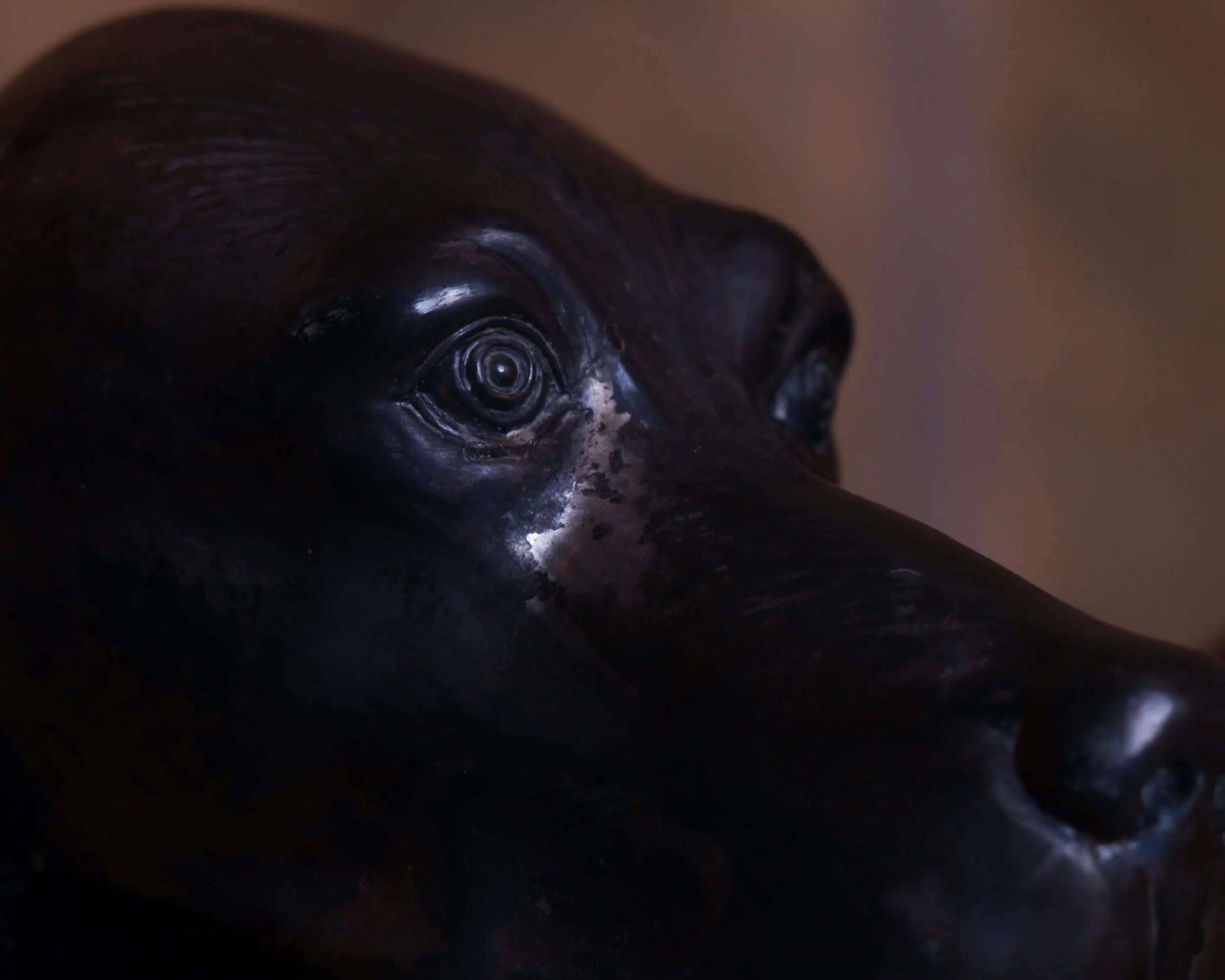
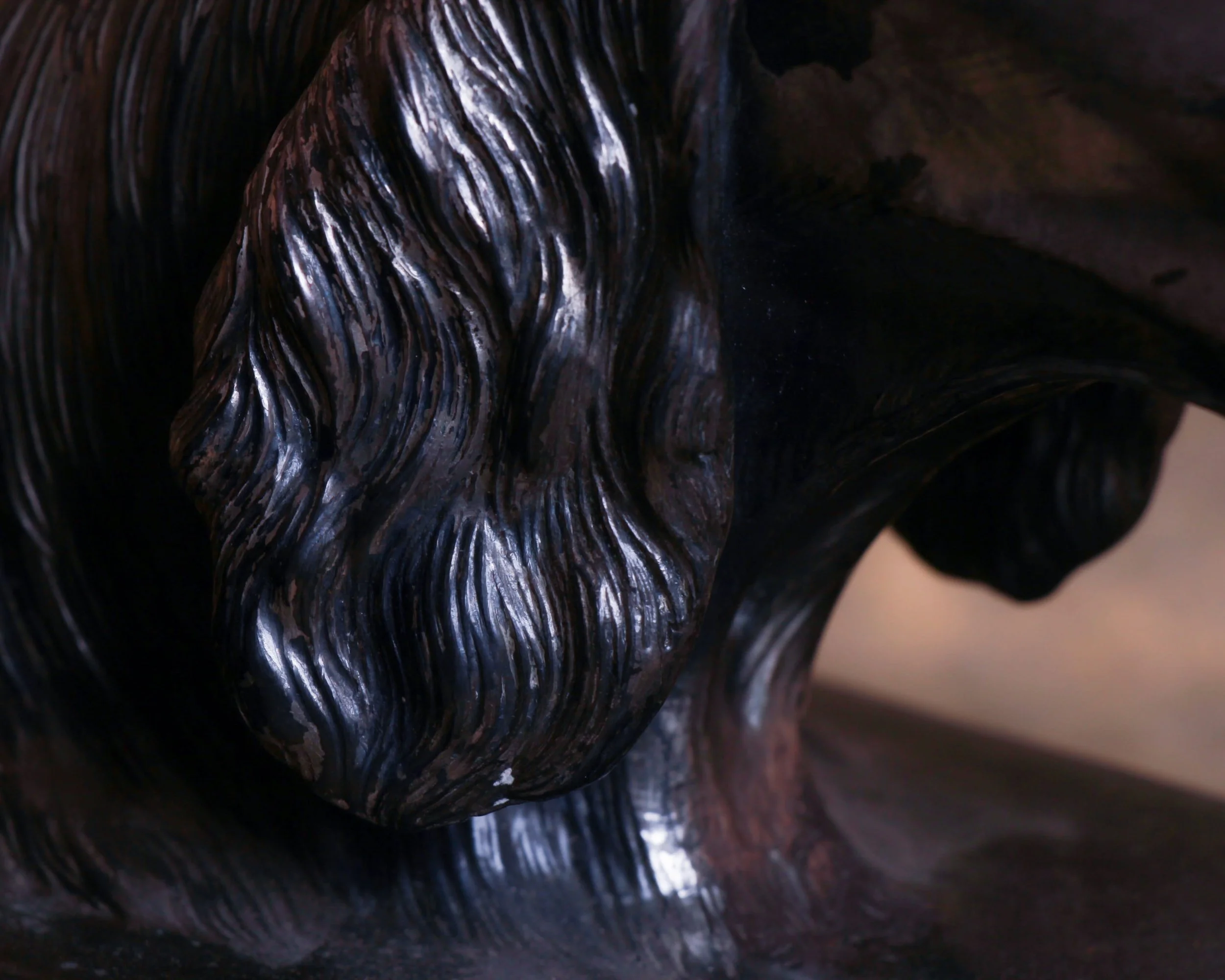
The surface tells the real story. Dark, pitted, and richly oxidized, it carries decades of use and exposure. There are small irregularities, areas where the metal has worn or built up, traces of heat and handling that hint at repetition—open, close, fill, release, again and again.
Mounted or left as-is, it reads like a quiet nod to manufacturing history. A recognizable form, caught in its most unpolished state—less about the finished toy, more about how it came to be.
Toy Molds
Toy cast metal molds are the quiet workhorses behind some of the most recognizable playthings of the 19th and early 20th centuries. Before plastics took over, toys were often made by pouring molten metal—typically iron, tin, or lead alloys—into hinged molds like these, then cooling, trimming, and painting the result by hand. The molds themselves were built for repetition: durable, heat-resistant, and precisely carved to capture detail without slowing production.
What’s interesting is how these molds sit at the intersection of craft and industry. Early examples were often hand-finished, with subtle variations that carried through to the toys themselves. Later, as demand grew, molds became more standardized, allowing for faster output but still requiring skill to operate. Today, they read less like tools and more like negative sculptures—objects that hold the memory of every figure they helped bring into the world.
This is one of those objects that feels equal parts industrial tool and accidental sculpture. A metal toy mold in the unmistakable shape of Snoopy’s head, it was once part of a production line—likely used to form hollow figures or banks, where molten material would be poured in, cooled, and popped out as a finished piece ready for paint and personality.
Now stripped of that context, what you’re left with is something far more raw. The form is all there—those rounded cheeks, the drooping ears, the bulbous snout—but reduced to a heavy, utilitarian mass of cast metal. It’s Snoopy, but seen through the lens of function rather than charm.
The surface tells the real story. Dark, pitted, and richly oxidized, it carries decades of use and exposure. There are small irregularities, areas where the metal has worn or built up, traces of heat and handling that hint at repetition—open, close, fill, release, again and again.
Mounted or left as-is, it reads like a quiet nod to manufacturing history. A recognizable form, caught in its most unpolished state—less about the finished toy, more about how it came to be.
Toy Molds
Toy cast metal molds are the quiet workhorses behind some of the most recognizable playthings of the 19th and early 20th centuries. Before plastics took over, toys were often made by pouring molten metal—typically iron, tin, or lead alloys—into hinged molds like these, then cooling, trimming, and painting the result by hand. The molds themselves were built for repetition: durable, heat-resistant, and precisely carved to capture detail without slowing production.
What’s interesting is how these molds sit at the intersection of craft and industry. Early examples were often hand-finished, with subtle variations that carried through to the toys themselves. Later, as demand grew, molds became more standardized, allowing for faster output but still requiring skill to operate. Today, they read less like tools and more like negative sculptures—objects that hold the memory of every figure they helped bring into the world.