
Porcelain Enamel Signs: How to Tell an Original From a Reproduction
Porcelain enamel signs are among the most collectible objects in the antique advertising world. Vivid colour, exceptional durability, and a graphic quality that modern printing cannot replicate. They were built to last, and many have. The problem is that reproductions have also lasted, and in some cases were made well enough to fool buyers who do not know what they are looking for.
Understanding the difference between an original and a reproduction is not complicated once you know where to look. This guide covers the key indicators that experienced collectors use when assessing a piece.
At Heimwee Antiques, every piece in our antique advertising and vintage signs collections is sourced and assessed for authenticity. No reproductions, no licensed reprints.
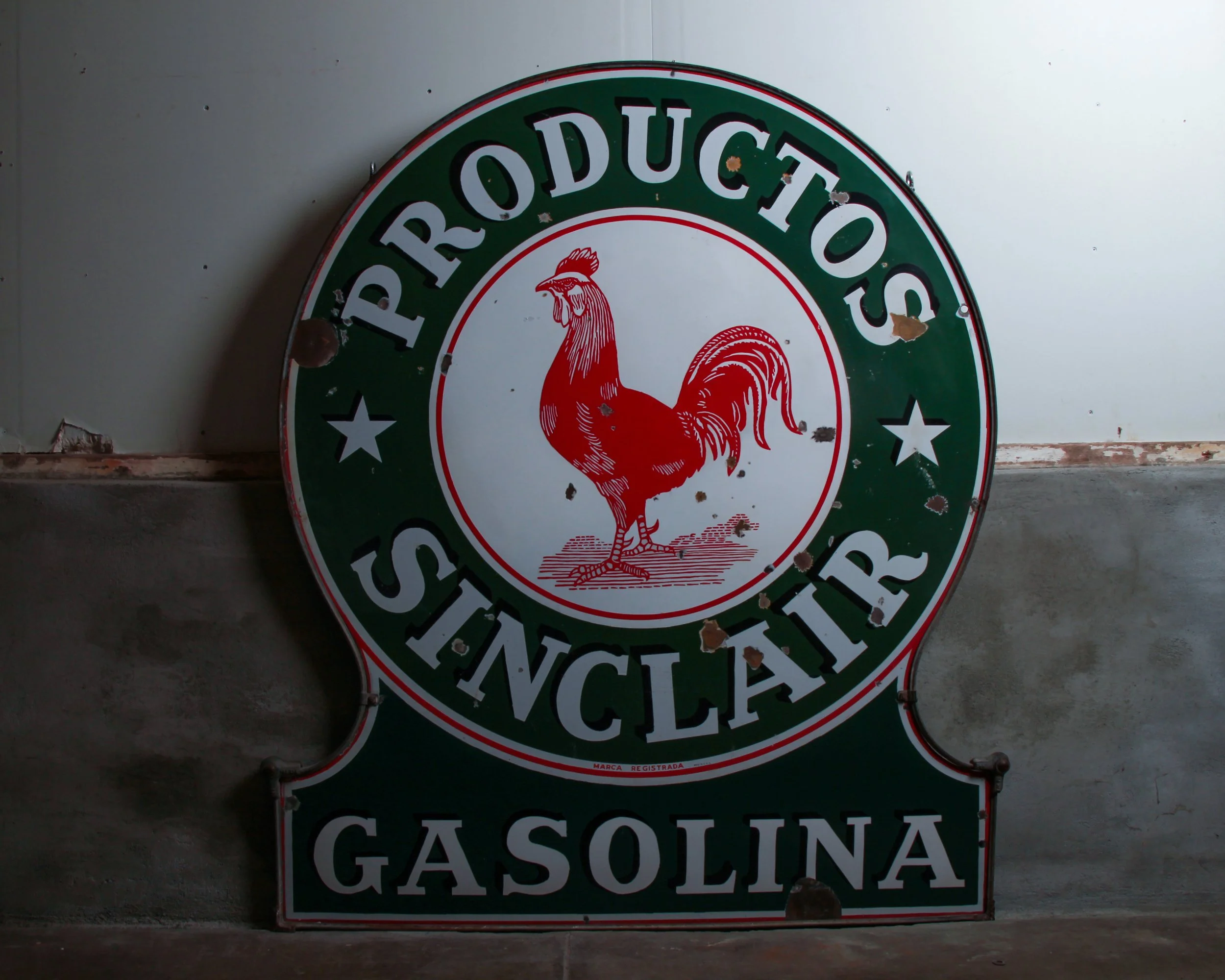
Table of Contents
What Is a Porcelain Enamel Sign?
The Production Process
Porcelain enamel signs were produced by fusing powdered glass onto a steel base at extremely high temperatures. The result was a hard, glossy surface with colour that was bonded directly into the material rather than printed on top of it. This process gave enamel signs their characteristic depth and resistance to fading.
Why They Were Made
Porcelain enamel signs were widely used for commercial advertising from the late nineteenth century through the mid twentieth century. Businesses, public institutions, railways, and government departments used them because they were legible, weather resistant, and built to last decades of outdoor exposure.
How to Identify an Original Porcelain Enamel Sign
Edge Condition
One of the most reliable indicators of an original enamel sign is the condition of its edges. Genuine antique enamel signs were produced with rolled or folded steel edges that show consistent ageing, oxidisation, and in many cases rust that has developed gradually over decades. Reproduction signs often have sharper, cleaner edges with ageing that appears applied rather than developed naturally.
Surface Chipping
Original porcelain enamel signs chip in a specific way. Because the enamel is fused to the steel base, chips reveal the raw metal underneath and often show a gradual transition at the edge of the chip. Reproduction signs frequently show chipping that looks deliberately applied or uniform in a way that genuine wear never is.
The Back of the Sign
Experienced collectors always look at the reverse side of an enamel sign. Original signs will show rust, oxidisation, old mounting hardware, and in many cases stencilled or stamped manufacturer markings. Reproduction signs often have cleaner, more uniform reverses that do not match the apparent age of the front surface.
Weight and Steel Gauge
Antique porcelain enamel signs were produced using heavier gauge steel than most modern reproductions. Picking up a genuine antique sign has a solidity to it that lighter reproduction pieces do not replicate. This is a useful secondary indicator when assessing a piece in person.
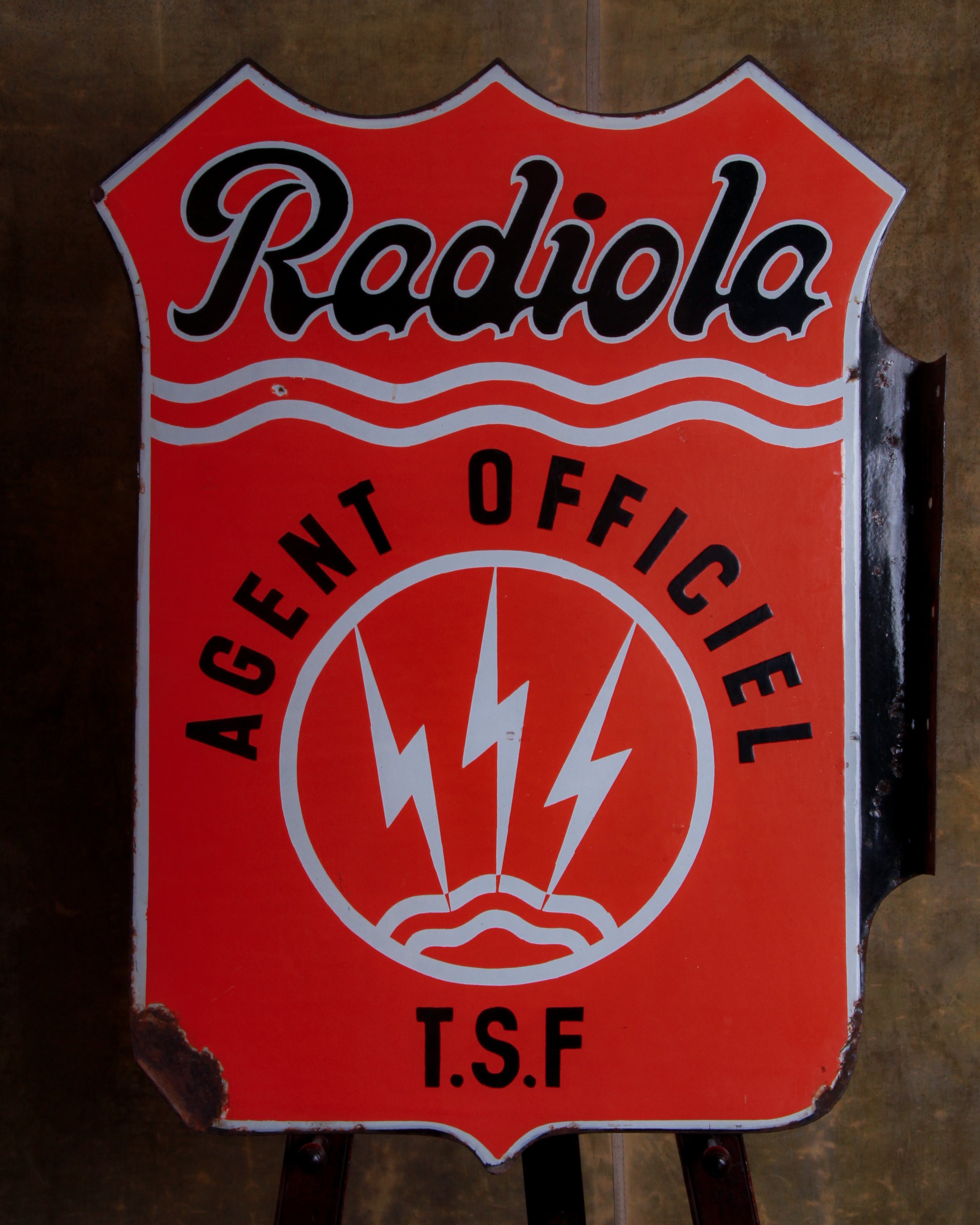
Common Signs You Are Looking at a Reproduction
Colour Uniformity
Original enamel signs show subtle colour variation caused by decades of light exposure, temperature change, and handling. The colour on reproduction signs tends to be more uniform and vivid in a way that looks closer to modern printing than to a piece that has spent a century outdoors.
Artificial Ageing
Reproduction manufacturers sometimes apply artificial ageing to signs to make them appear older. This can include added rust, deliberate chipping, and surface dulling. Artificial ageing tends to be too consistent. Genuine wear is always irregular and concentrated in areas that would logically see the most handling or exposure.
Licensed Reproductions
A significant number of reproduction enamel signs on the market are officially licensed by the brands they depict. These are not fakes in the traditional sense but they are not antiques either. Licensed reproductions are usually identified by small print on the reverse indicating the year of reproduction and the licensing arrangement.
What to Look for When Buying
Provenance and History
Where a sign comes from matters. Pieces sourced directly from old commercial premises, estate clearances, or established collections carry more credibility than signs with no traceable history. A seller who can speak to where a piece came from is always preferable to one who cannot.
Buy From Reputable Sources
The antique advertising and vintage signs markets include both serious collectors and opportunistic sellers. Buying from sources that specialise in antique advertising and are transparent about their sourcing process significantly reduces the risk of paying antique prices for a reproduction.At Heimwee, every piece in the antique advertising collection is sourced by hand and assessed individually. If it is here, it is the real thing.

Summary
Original porcelain enamel signs can be distinguished from reproductions by examining edge condition, surface chipping, the reverse side, weight, and colour consistency.
Artificial ageing is the most common technique used to make reproduction signs appear older than they are, and it is usually detectable on close inspection.
Buying from reputable sources with transparent sourcing practices remains the most reliable protection against purchasing a reproduction at antique prices.Explore the Heimwee collection of vintage antique signs and antique advertising to see what is currently available.
Frequently Asked Questions
-
Check the edges, the reverse side, and the nature of any chipping or wear. Original enamel signs show gradual, irregular ageing across all surfaces. Reproductions often show artificial or overly uniform ageing concentrated on the visible face of the sign.
-
Porcelain enamel signs are produced by fusing powdered glass onto a steel base at high temperature, bonding the colour into the surface. Painted metal signs use lithographic or screen printing processes applied on top of the metal. Enamel signs are generally more durable and more collectible than painted metal equivalents.
-
Licensed reproductions have some decorative value but they are not antiques and should not be priced or treated as such. For collectors interested in genuine antique advertising, original pieces with verifiable age and provenance are always preferable.
-
Original antique enamel signs are sourced from old commercial premises, estate clearances, antique fairs, and private collections. Pieces from verifiable commercial locations tend to carry stronger provenance than those with no traceable history.
-
Porcelain enamel signs combine strong graphic design, exceptional durability, and a production process that cannot be replicated by modern manufacturing. Original pieces carry the marks of their commercial lives in a way that reproductions cannot authentically reproduce.
