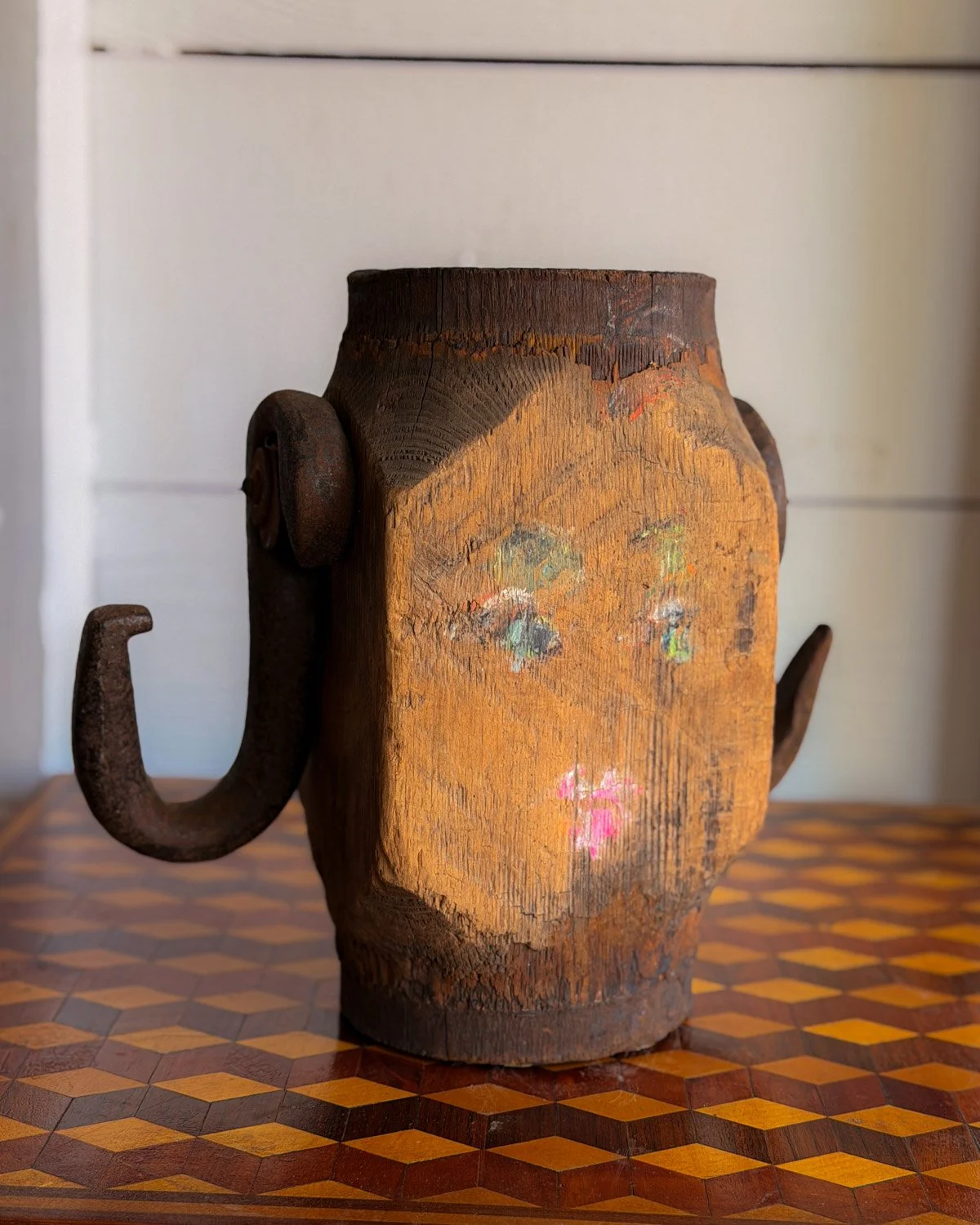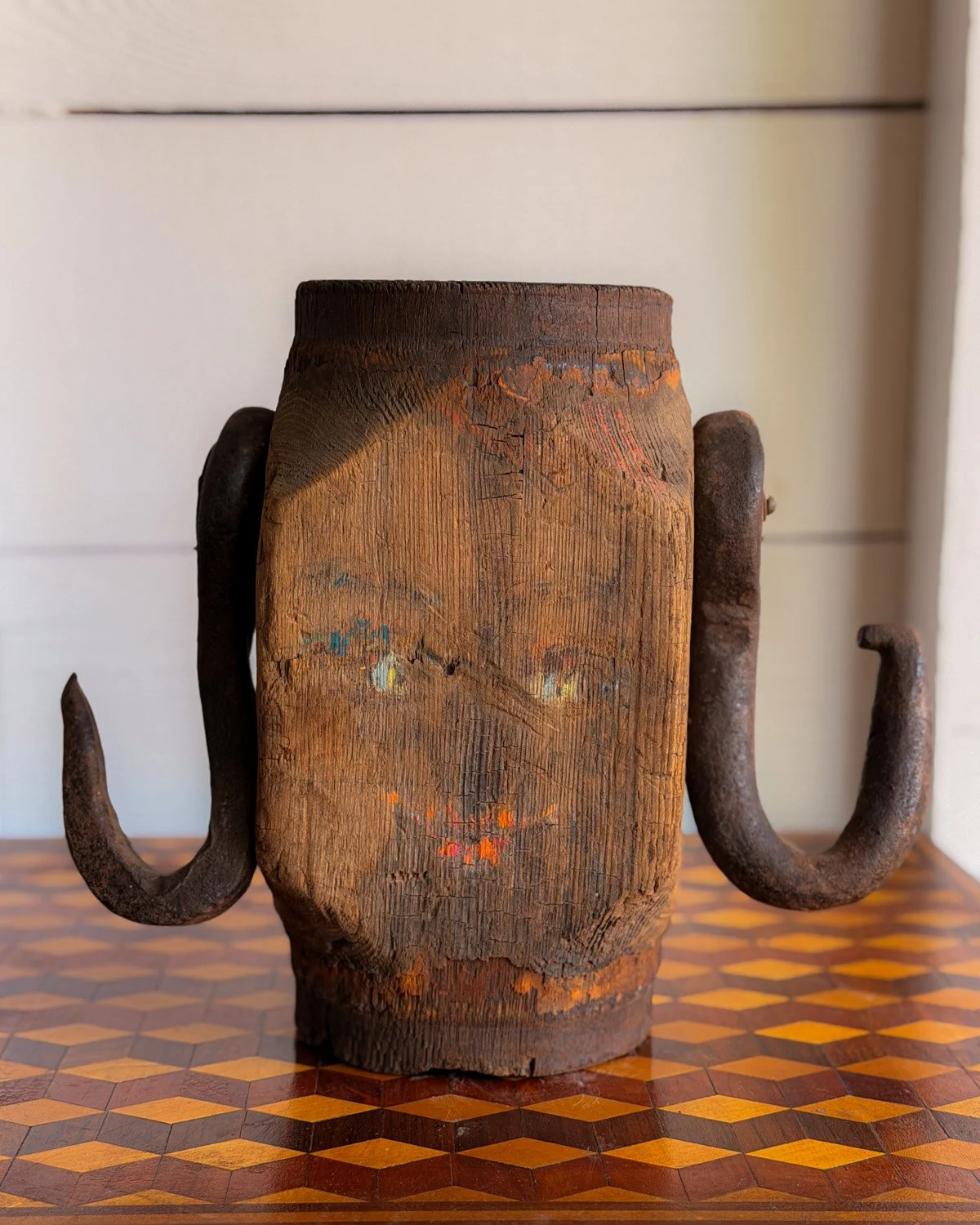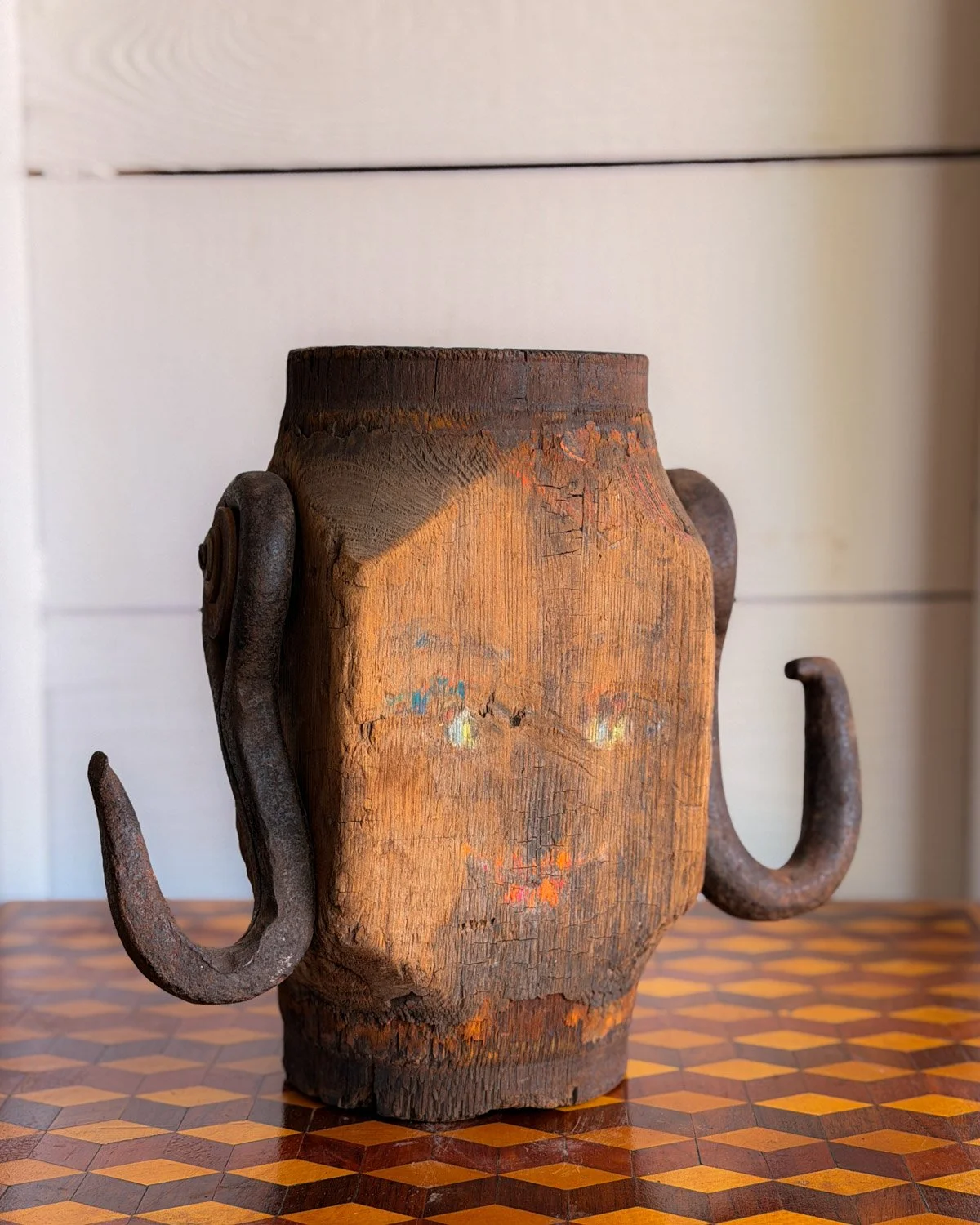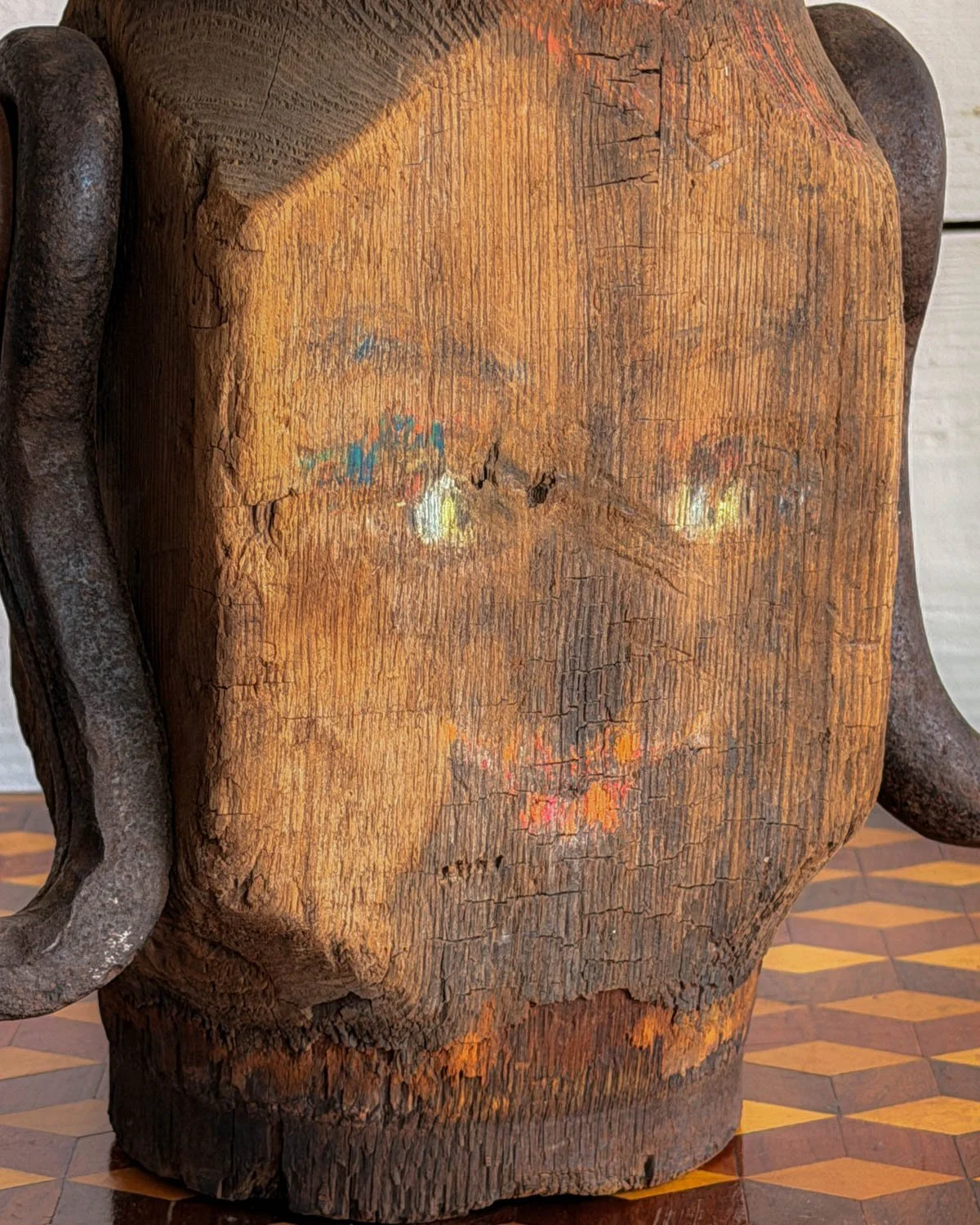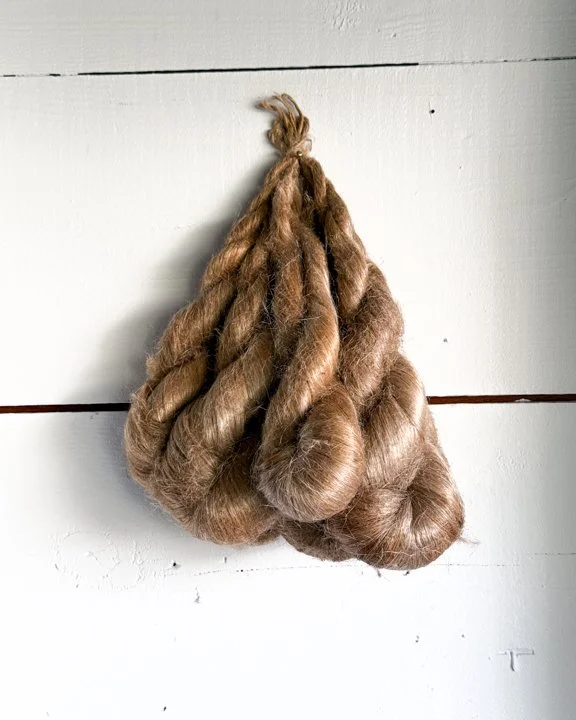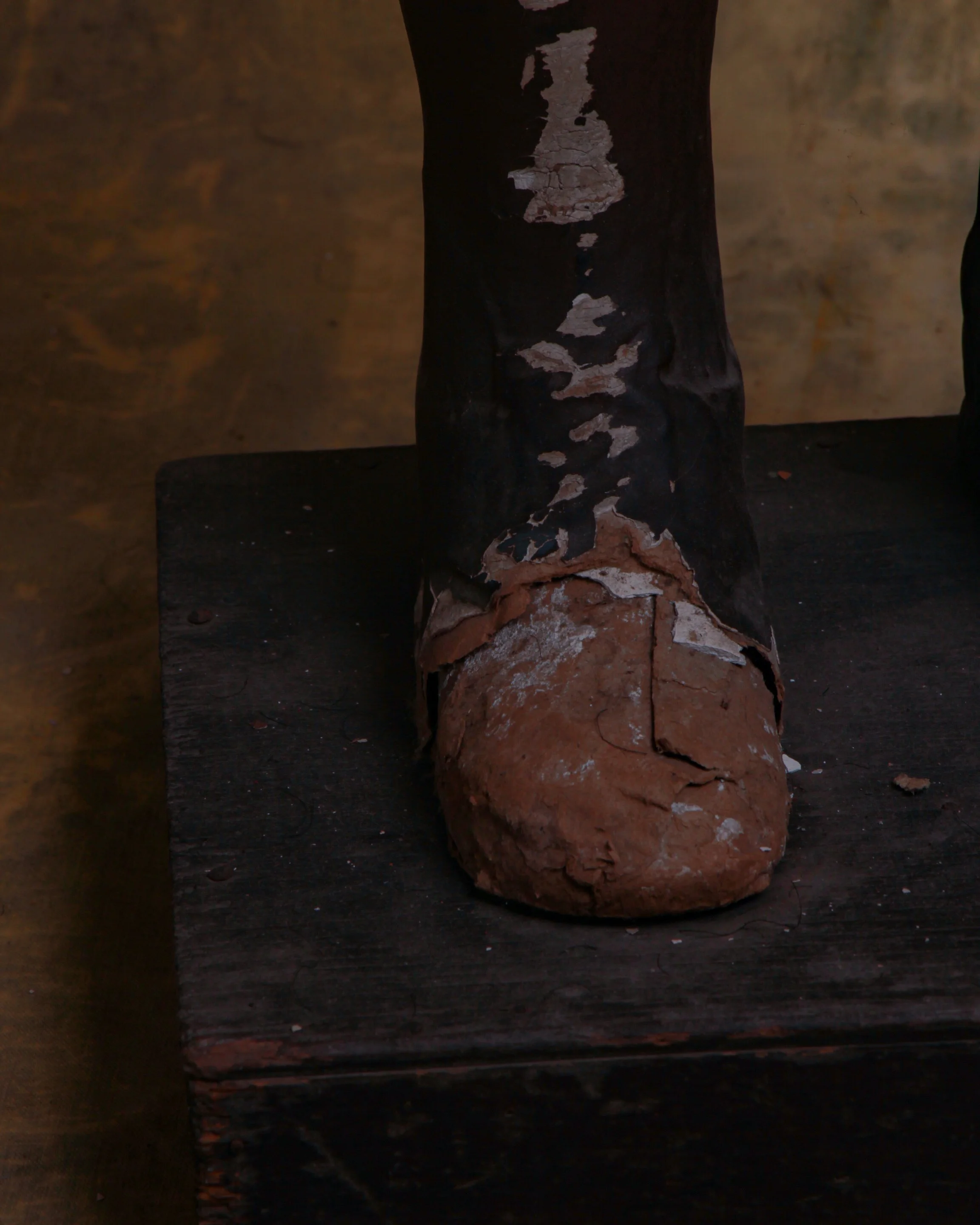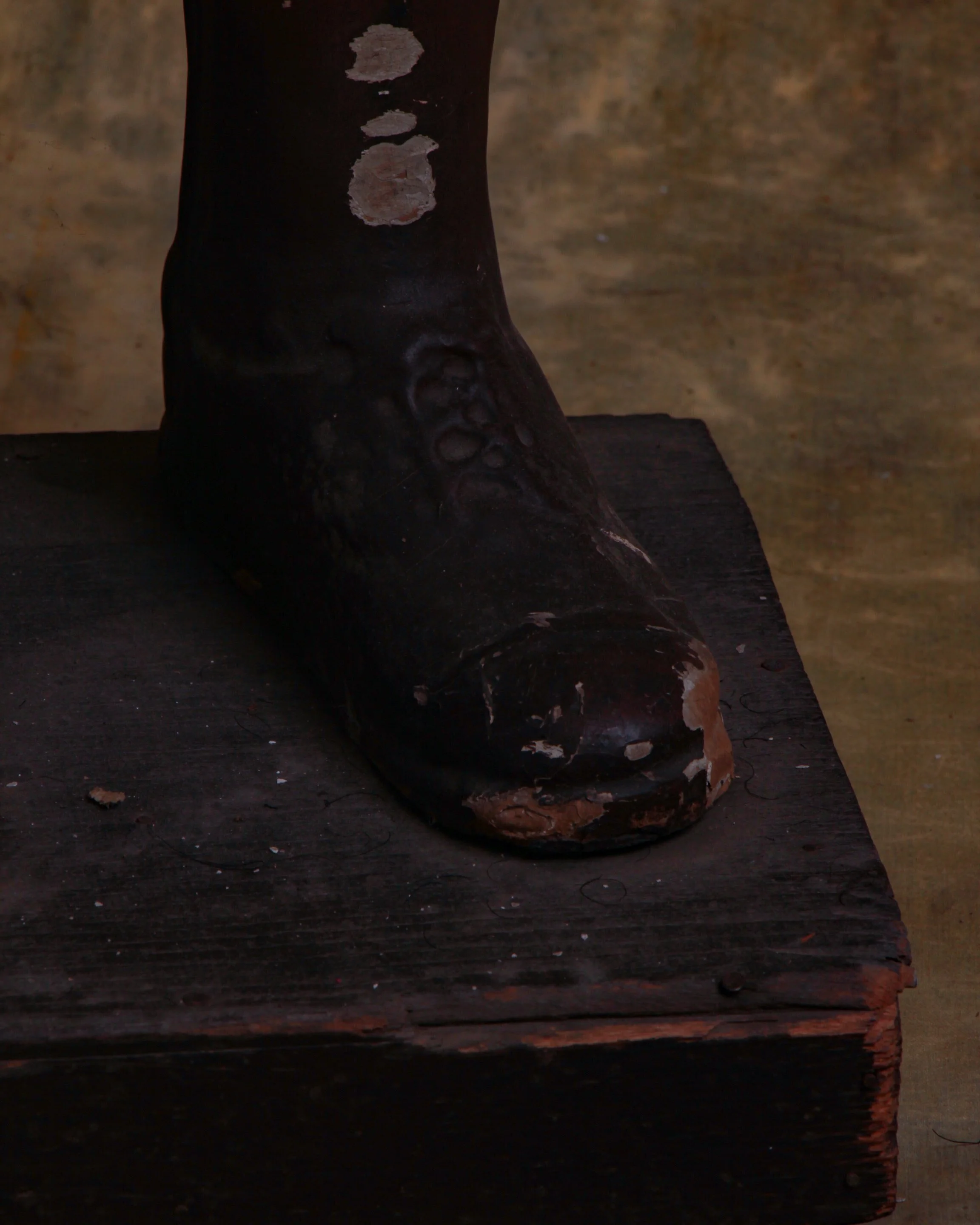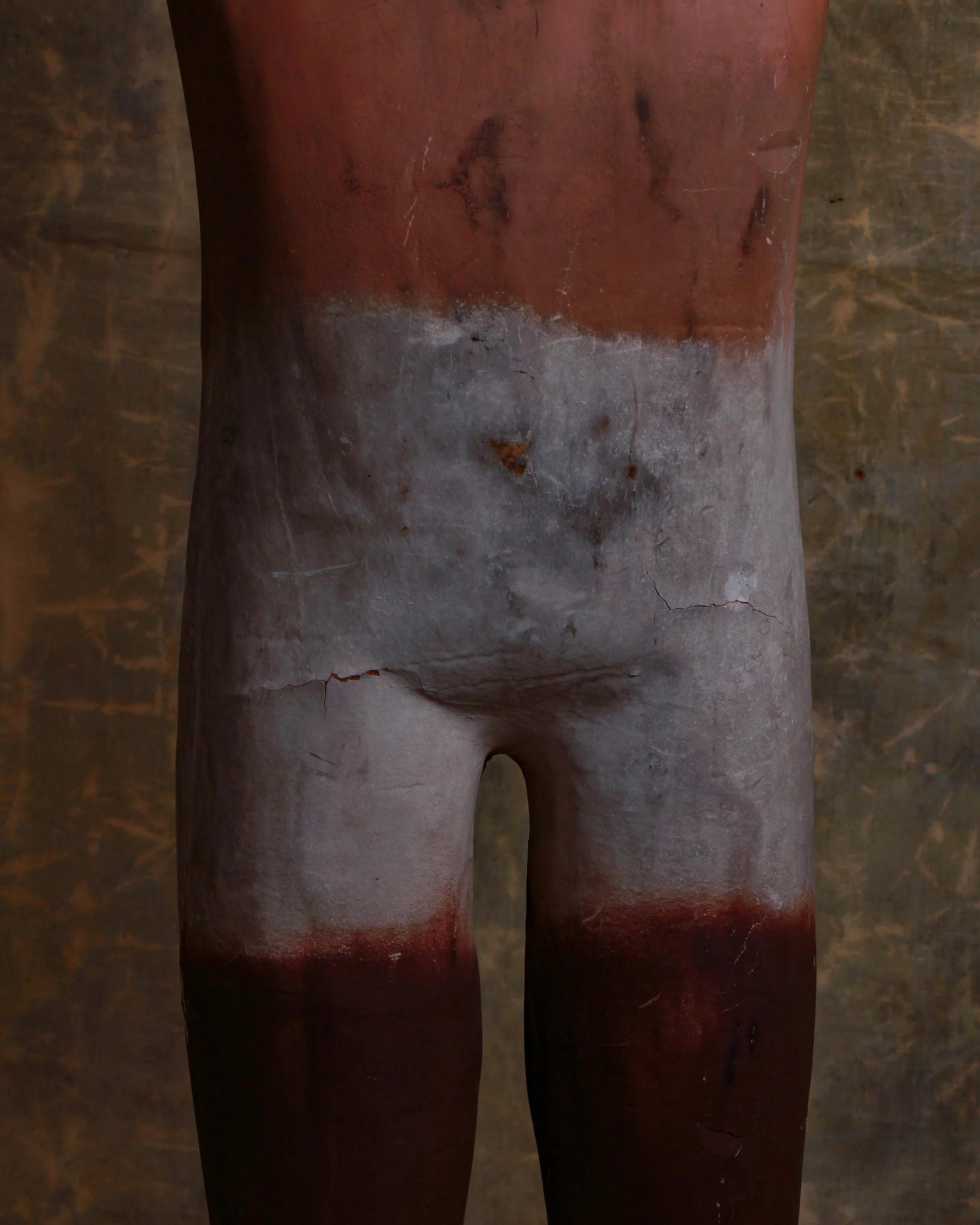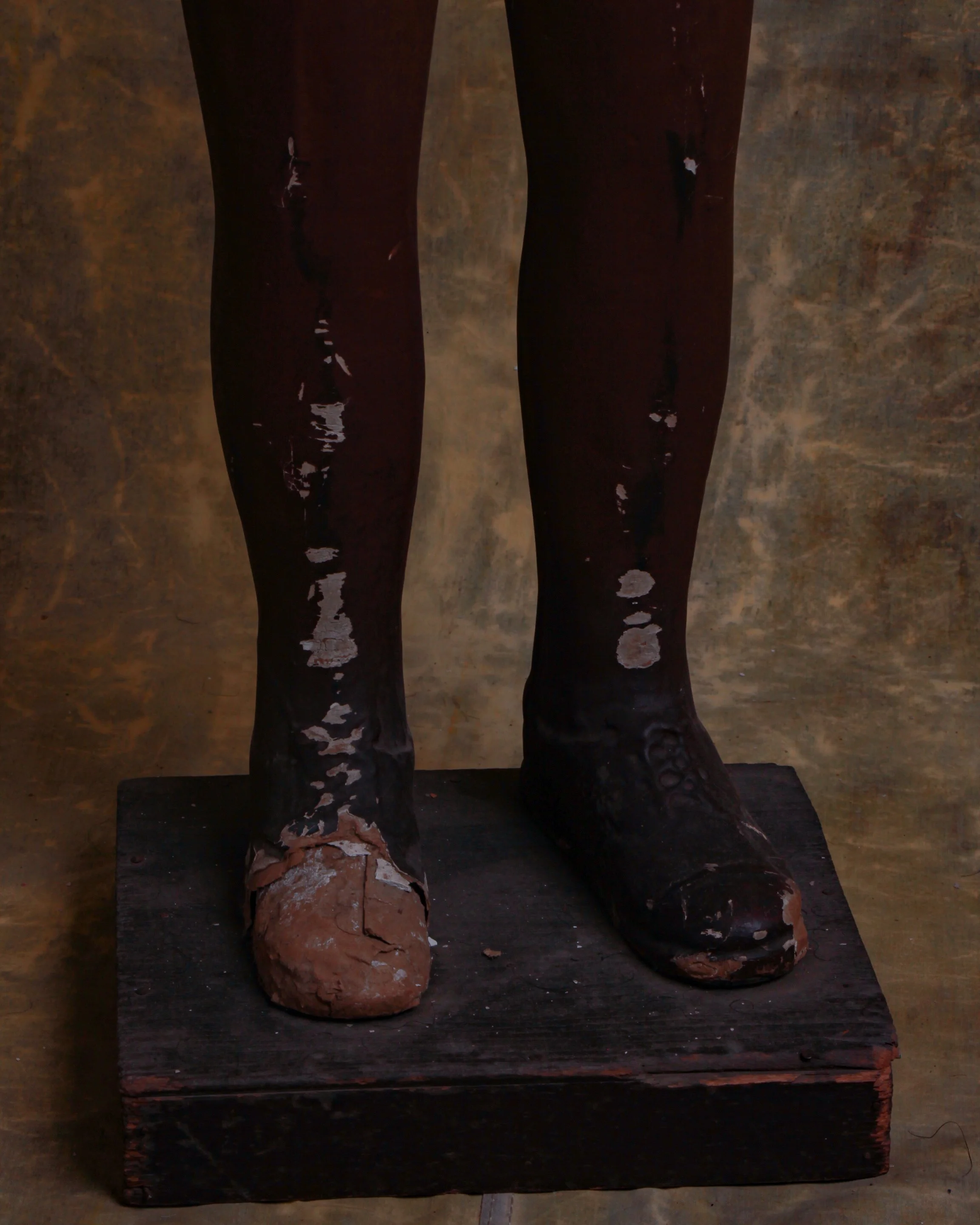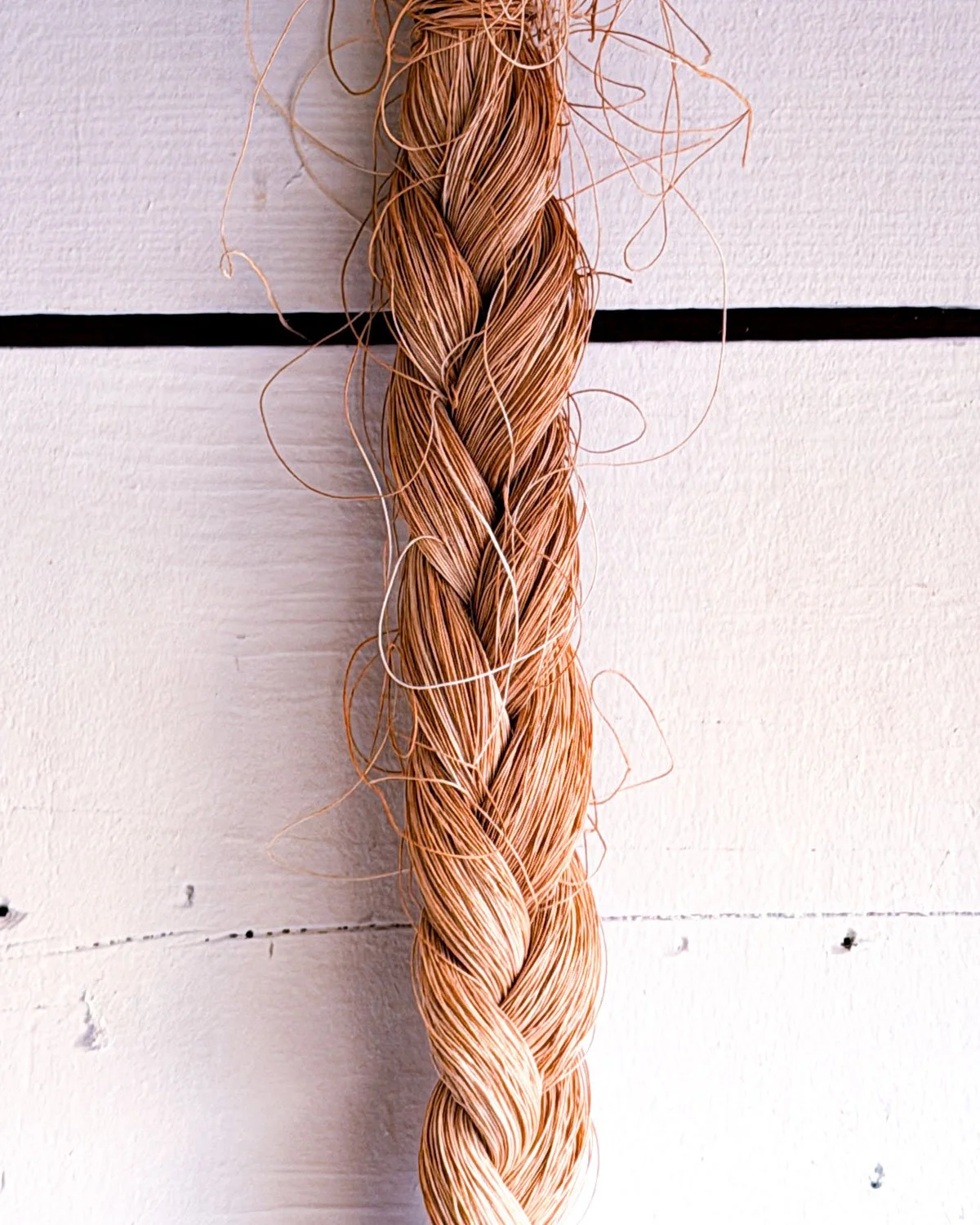
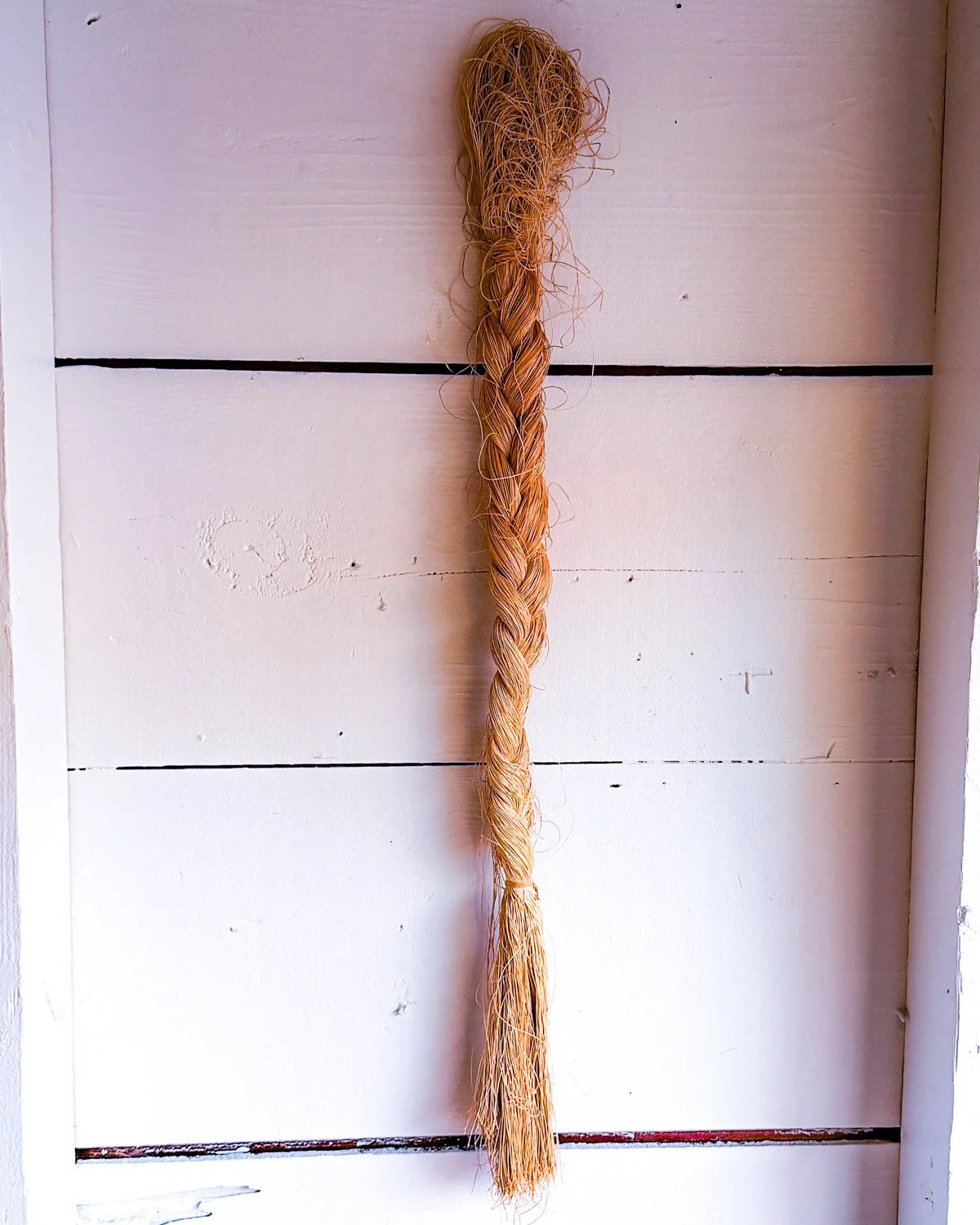
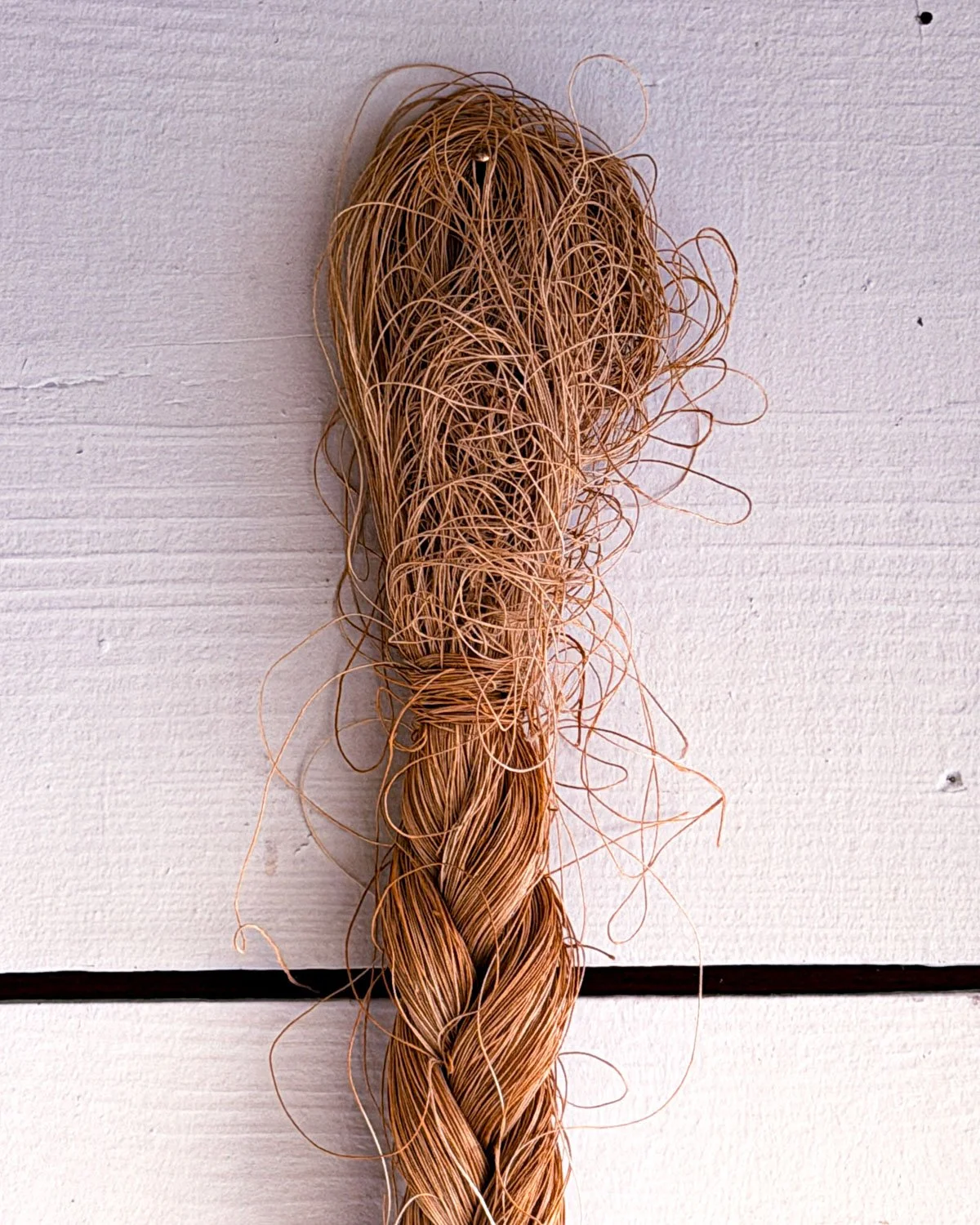
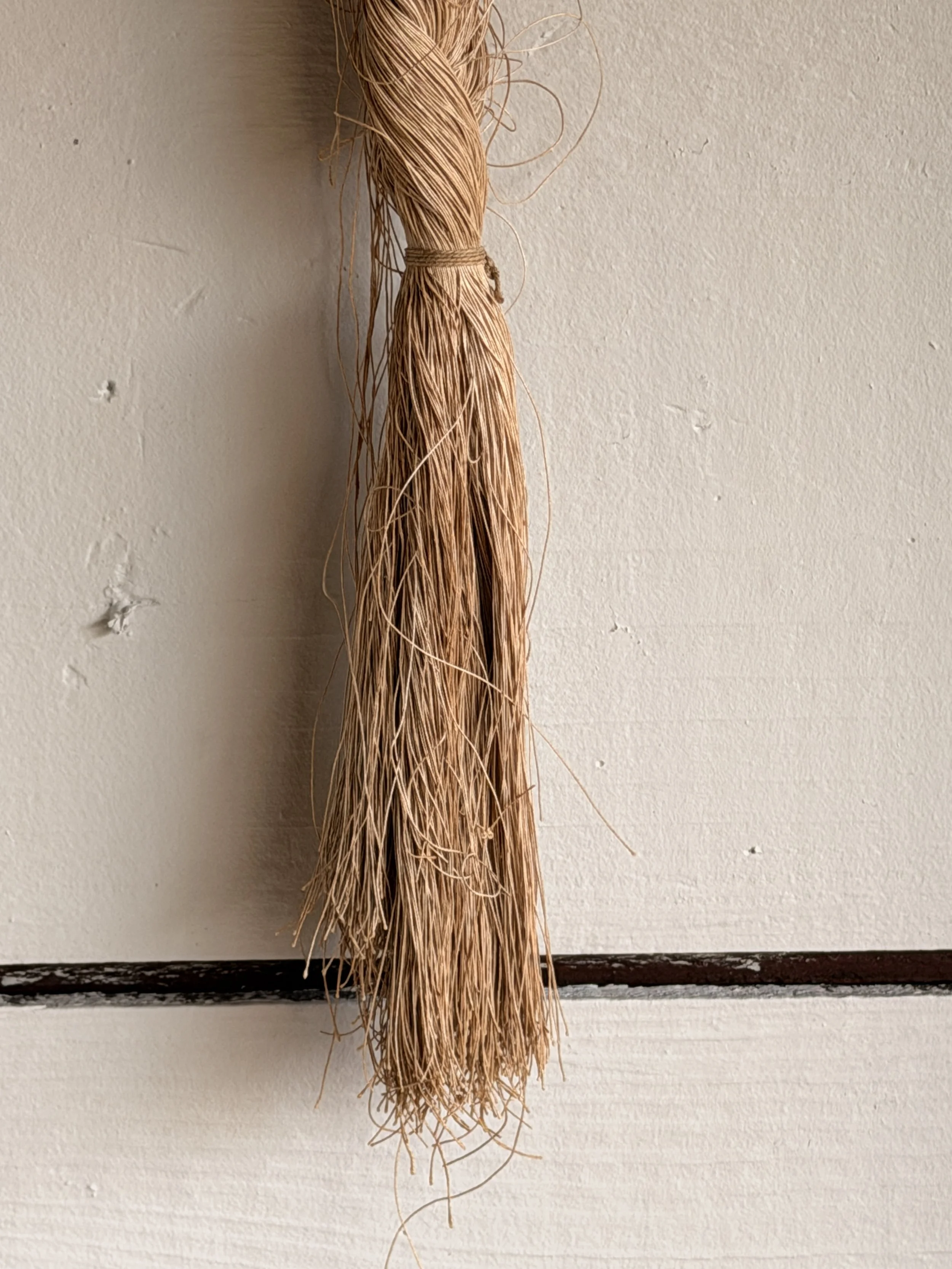
A lovely piece of traditional Danish textile craftsmanship, this 26-inch braided linen has a wonderfully organic, almost sculptural quality. Made from natural flax fibers in a warm, honey-brown shade, it features a tightly worked braid through the center, with a beautifully irregular gathering of loose, fine threads at the top. The unfinished, wispy ends and naturally uneven texture give it an honest, timeworn character that feels all the more appealing for its imperfections. There is something particularly beautiful about the simplicity of this piece, where the material and the handwork speak entirely for themselves.
Linen has a particularly long history in Denmark and the wider Scandinavian region, with flax cultivation dating back thousands of years. For generations, flax was an important part of rural household life, grown on Danish farms and processed by hand to produce thread, yarn, and cloth. Making linen was an involved undertaking that required considerable time and skill. The harvested stalks were dried, broken, beaten to remove the woody outer layers, and combed through iron hackles to separate and refine the fibers. The resulting strands were then carefully spun into linen thread, often by hand on a spinning wheel.
Before industrial textile production became widespread, linen was an especially valuable household material, used for everything from clothing and bedding to table linens and everyday necessities. The work was traditionally carried out within the home, with different generations contributing to the various stages of production. In many Danish households, the preparation and spinning of flax were important seasonal activities, deeply woven into the rhythm of rural life.
Whether originally intended as a bundle of prepared fibers, a textile-making material, or a finished length of braided linen, this charming example offers a tangible connection to that long tradition of working with natural fibers. A beautiful piece to display as found, with plenty of texture, history, and understated rustic appeal.